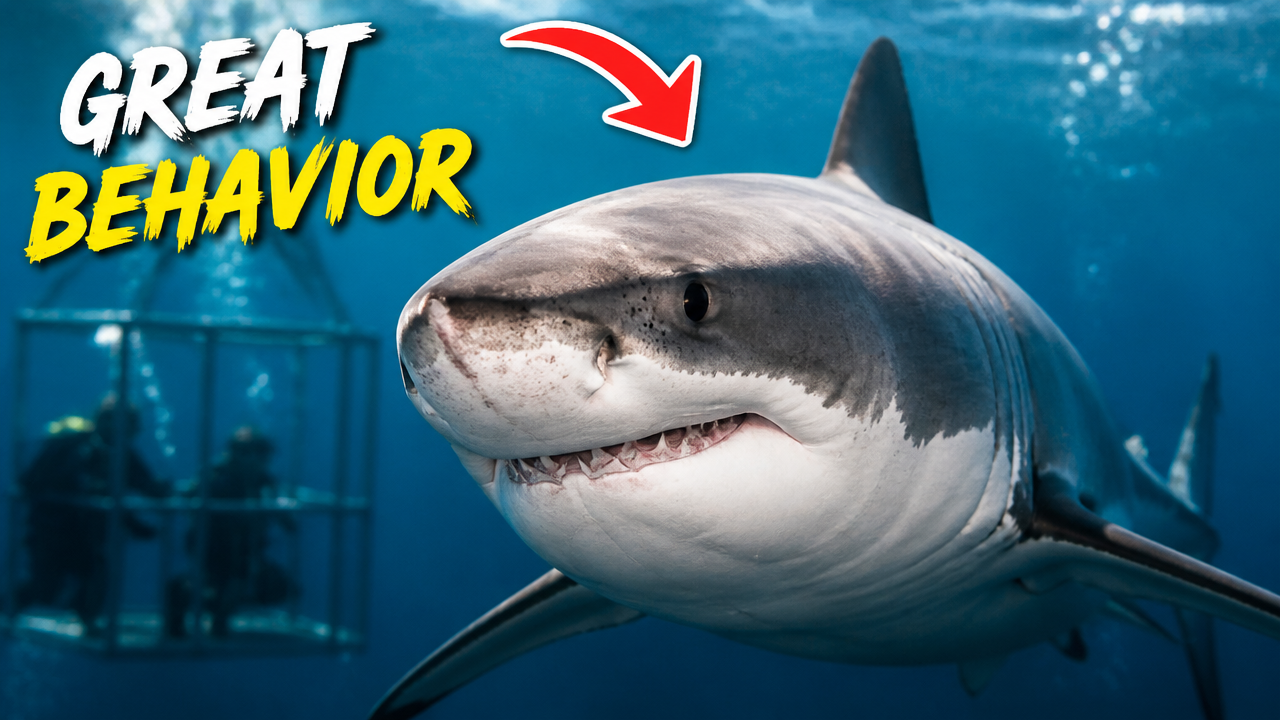
What makes a Great White Shark so feared when understanding white shark behavior reveals these animals rarely target humans as prey? The biology of a Great White Shark involves complex hunting instincts and sensory exploration that observers often mistake for unprovoked attacks. As you review shark attack statistics or discuss coastal safety, the gap between media hype and biological reality becomes clear. Whether you are planning a summer swim in shark-prone waters or simply curious about how a Great White Shark navigates its environment, grasping the true mechanics of their behavior matters. The science below shows exactly how these interactions play out.
Quick Questions and Answers
Question: Are great white sharks actually aggressive towards humans?
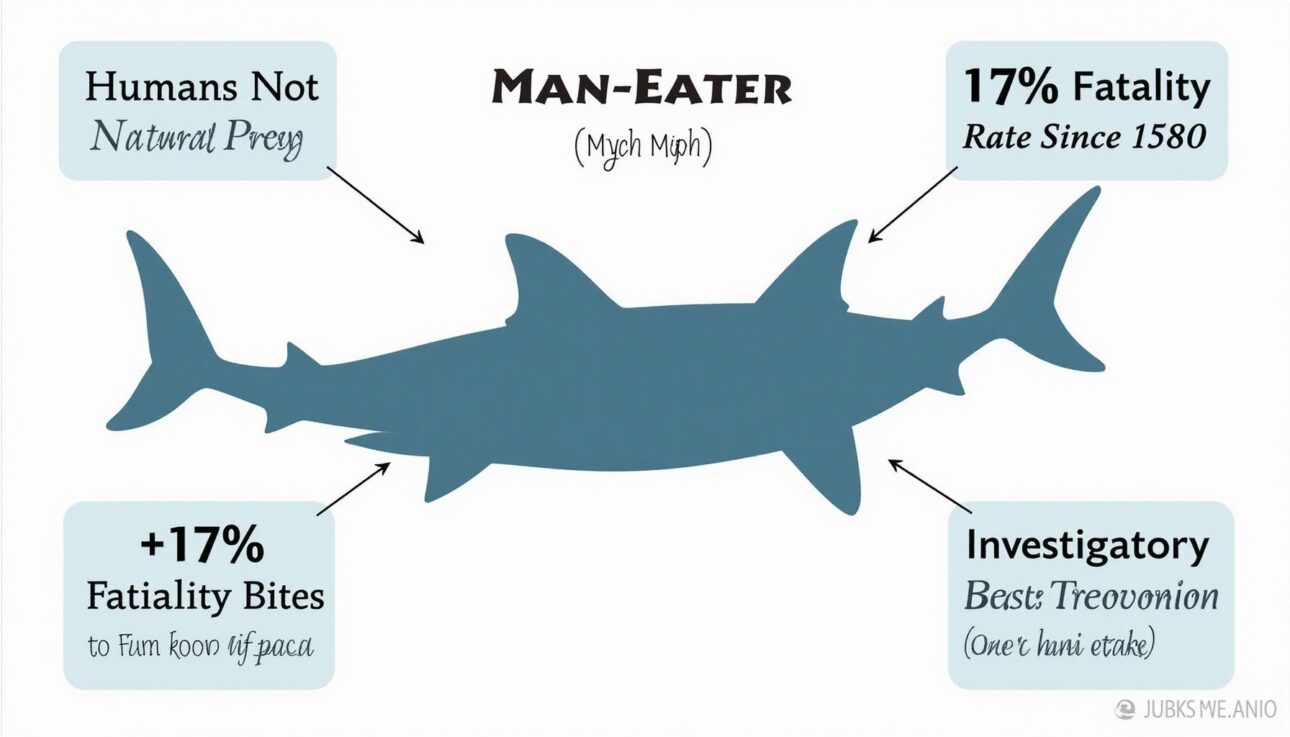
Answer: No, great white sharks lack predatory aggression toward humans. Most interactions involve exploratory “sample bites” where the shark investigates and releases the object. Data shows fewer than 17% of incidents cause fatal injuries. Experts note these animals mistake humans for seals and drop the bite once they realize the target lacks enough blubber.
Question: Why do great white sharks attack if they are not aggressive?
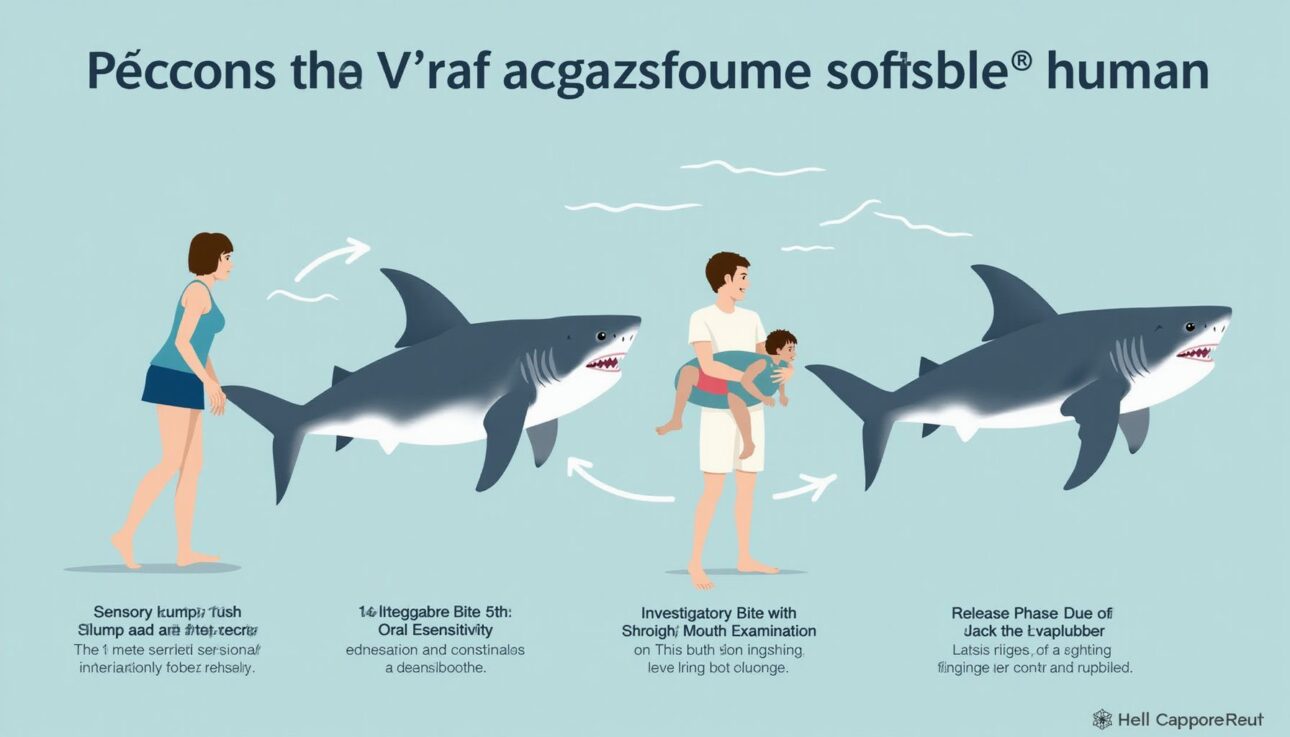
Answer: Great white sharks use their mouths to scan the environment since they lack hands. A bite acts as a sensory check to identify unknown objects. Humans lack the high-fat blubber needed to meet a shark’s caloric demands, so the animal releases the bite after sensing our composition. This behavior stems from biological curiosity and exploration rather than aggression.
Question: Can great white sharks be friendly or social?
Answer: Great white sharks display complex social routines and establish dominance hierarchies. Field studies show multiple sharks feeding together after a kill without fighting, using body language and size to set rank. Juvenile individuals exhibit exploratory behaviors like bumping objects without hostility. These patterns prove they function as social animals rather than solitary loners.
Great White Sharks: Myths, Biological Realities, and Behavioral Science
The annual Shark Week Start Date and Full Programming Schedule Explained brings detailed footage of these behaviors to television every year, sparking public conversation about shark conservation and safety protocols. Great white sharks hold the title of the largest predatory fish on the planet. Specimens exceed lengths of 6.4 meters and weigh more than 2,268 kg, making them formidable apex predators in every ocean system they occupy. Despite this massive physical presence, media portrayals often paint them as man-eaters waiting for a swimmer. Records from the International Shark Attack File indicate fewer than 17% of unprovoked incidents end fatally since 1580 [6]. These animals do not hunt humans. Global data tracks roughly 50 to 70 unprovoked shark bites each year across all species, a number that remains remarkably low relative to the size of the human population. You are far more likely to encounter injury from common hazards than a shark. National Geographic notes that a lightning strike or a bite from a family dog poses a greater statistical threat than a shark does [8].
The Anatomy of a Shark Interaction: Why Bites Occur
Scientists distinguish between predatory strikes and investigatory bites. Great white sharks possess thousands of razor-sharp teeth alongside incredibly sensitive nerves in their snouts. This anatomy allows them to probe unknown objects with their mouths since they lack hands. When a shark contacts a surfer, a paddleboard, or a diver, the animal often takes a sample bite to analyze the object’s texture and density. The International Shark Attack File notes that white sharks are among the top three species most likely to bite humans, yet these interactions rarely stem from hunger. Understanding coastal hazards is vital, and studies like the Big Sur Hiker Deaths: A Complete Guide to Risks and Safety Warnings show that human decision-making often drives danger in wild spaces, similar to how panic in the water escalates shark encounters.
According to the California Department of Fish and Wildlife, juvenile white sharks up to 10 feet long frequently charge and bump surfboards and kayaks. Researchers classify this behavior as sensory exploration. The shark is testing the environment. Humans lack the thick layer of blubber found in pinnipeds. A seal provides the high-caloric fat a shark needs. Once the shark tastes human tissue, the caloric deficit becomes obvious, and the shark typically releases its grip instantly. The Natural History Museum explains that this biological mismatch explains why sharks often spit humans out. The animal concludes the object is not viable food and disengages without a predatory follow-up.
Surfers in murky water resembling seals trigger investigative curiosity.
Adult white sharks adopt highly efficient hunting tactics that conserve energy until prey sits within striking range. A 2026 Frontiers in Marine Science study uses body-mounted cameras to reveal these animals spend most of their time in slow, patrolling movements. High-energy bursts occur only during targeted hunts. At Seal Island in South Africa, researchers documented nearly 2,100 predatory events on Cape fur seals. The data shows sharks launching ambush attacks from beneath the surface, relying on dark dorsal coloration to blend with the depths while scanning for silhouettes above.
Size plays a massive role in hunting proficiency. Sharks measuring over 3.5 meters demonstrate significantly higher success rates than smaller individuals. These larger predators attack from offshore, roughly 800 meters away, and execute complex maneuvers known as polygonal lunges. Research indicates a shark over 3.5 meters succeeds in these offshore strikes two and a half times more often than its smaller counterpart, achieving a 67.5% success rate. Successful captures usually involve a specific sequence of behaviors, with the physical strike often occurring as the third event in the attack chain. The polygonal lunge is a sophisticated maneuver. The shark circles the target, closing the gap while maintaining a position below and to the side of the prey. This geometry obscures the shark’s approach until the final moment. The attack sequence follows a strict behavioral pattern. The shark assesses the target, adjusts its trajectory, executes the lunge, and strikes. Successful captures consistently follow this chain, averaging 7.5 behavioral units per kill. Smaller sharks lack the size to execute this complex routine effectively in deep water, which explains their lower success rates during offshore attacks.
Slow patrolling conserves energy for rapid strikes.
Polygonal lunges approach prey from blind spots.
Ambush tactics utilize dorsal camouflage.
Behavioral Trait
Description
Human Interaction Context
Typical Outcome
Investigatory Bite
Sensory test of unknown object using mouth and teeth
Contact with surfboards, divers, or boats
Shark investigates then releases; usually non-fatal
Predatory Ambush
Attack from below using polygonal lunge geometry
No human context; targets seals and sea lions
High success rate for sharks over 3.5 meters
Social Displacement
Dominant shark takes carcass via size and posture
No direct human harm; may occur near boats
Establishes feeding hierarchy within group
Juvenile Exploration
Bumping objects to gather environmental data
Charging kayaks or surfboards
Curious inspection; shark leaves if no blubber
Complex Social Behaviors and Hierarchy
Great white sharks maintain a warm blooded physiology that supports their stamina and social flexibility. Being endothermic allows these sharks to remain active across diverse water temperatures and engage in extended hunting sessions. This biological trait also facilitates more intricate social interactions. Field observations at feeding sites reveal a clear dominance hierarchy. Larger sharks routinely displace smaller individuals from a carcass. This competition relies on subtle behavioral cues and size assessment rather than constant physical violence.
A case study from Seal Island captured this dynamic perfectly. A 3.5-meter white shark mortally wounded a Cape fur seal, only to be displaced within one minute by a larger 3.7-meter shark. The bigger animal consumed the carcass while the smaller shark retreated. Researchers also document physical scars on white sharks resulting from encounters with elephant seals. These defensive prey inflict deep wounds on the predator’s head using their claws and teeth. Such scarring provides direct evidence that sharks encounter dangerous rivals and defend territories against other members of their species.
Endothermic physiology enables activity in varied temperatures.
Size dictates rank at feeding sites.
Subtle cues prevent constant physical fighting.
Vulnerability and Population Status
The vulnerability of great white sharks stems from their reproductive biology and human pressures. These sharks face a minimum population doubling time of more than 14 years. This slow recovery rate creates a bottleneck when numbers drop. The IUCN Red List classifies the species as Vulnerable, citing an 86 out of 100 vulnerability score against fishing pressure. Humans cause exponentially more mortality to this species than the species causes to humans. Targeted fishing for fins and teeth, along with accidental bycatch, threatens global populations. Researchers studying wildlife health patterns note that animal behavior reflects environmental conditions, much like how shark populations signal ocean health, as documented in the research on What Disease Do Armadillos Carry? A Complete Guide to Health Risks.
The slow doubling time means every birth matters for population sustainability. Sharks begin reproducing late in life, often after reaching ten years of age. This delayed start means a single shark produces relatively few offspring over its lifespan. Overfishing removes these breeding adults faster than the population can recover. The impact accumulates quietly over decades. Conservation strategies must prioritize adult protection to allow the species to stabilize. Marine reserves and strict fishing bans offer the best path forward for restoring white shark numbers without altering their natural behavior. The Australian Department of Climate Change, Energy, the Environment and Water lists the species as vital for marine balance, and the Environment Protection and Biodiversity Conservation Act provides full protection in Australian waters. Protecting white sharks safeguards the health of coastal ecosystems. Their decline would ripple through the food web, disrupting the balance they maintain as apex predators.
Vulnerable listing on IUCN Red List.
14-year minimum population doubling time.
Australian federal protection laws.
FAQ
Q: How many people do great white sharks kill each year?
Globally, unprovoked shark bites average about 70 per year across all species, with roughly 5 fatalities. White sharks are responsible for a portion of those, but the number remains very small. In California, fewer than 20 people have died since 1950 out of fewer than 250 total incidents. You face a much higher risk of death from a lightning strike or a dog attack than from a white shark encounter in the ocean.
Q: What should you do if a great white shark approaches you?
Stay calm and avoid splashing or thrashing, which mimics injured prey signals. Slowly back away while keeping your eyes on the shark to signal alertness. Never turn your back, as this triggers a chase instinct. If the shark escalates behavior, make yourself look as large as possible. Use a surfboard, camera, or any available barrier between your body and the shark to deter a bite while you move to safety in shallow water.
Q: Do great white sharks attack kayaks or boats?
White sharks occasionally bump or bite kayaks, surfboards, and small vessels. The California Department of Fish and Wildlife records these contacts as shark incidents. These episodes usually involve juvenile sharks investigating unusual floating objects rather than predatory attacks on occupants. Exploratory bites are common, but fatalities resulting from such interactions remain extremely rare. The shark typically investigates the object and releases it once the caloric content proves insufficient for a meal.
Q: When do great white sharks hunt?
Great white sharks show peak activity during dawn and dusk, coinciding with prime hunting windows for seals and sea lions. At locations like Seal Island in South Africa, sharks launch ambush strikes from below, attacking when prey appears as a silhouette against the surface light. Their dark dorsal coloration helps them blend with the deeper ocean waters while scanning for movement above, allowing them to time their strikes for maximum surprise and effectiveness against diving prey.
Q: Is it safe to swim in the ocean with great white sharks?
Swimming in waters occupied by great white sharks carries an extremely low risk of being bitten. The California Department of Fish and Wildlife reports that shark incidents remain rare despite rising numbers of humans using the ocean. You can minimize risk by avoiding dawn and dusk swims, staying away from seal colonies, and steering clear of murky water. Sharks may mistake silhouettes or poor visibility for prey if you venture outside these safer habits during your swim.
Q: What is the diet of a great white shark?
Adult great white sharks primarily hunt seals and sea lions, targeting these prey items for their rich blubber content. They also eat rays, tuna, dolphins, other sharks, and occasionally squid or turtles. Both juveniles and adults scavenge from fishing nets and whale carcasses. Recent science broke new ground in 2020 when researchers recorded a white shark feeding on a live humpback whale, revealing they can and do tackle prey far larger than their typical diet when opportunities arise offshore.
Q: Why are great white sharks endangered despite being top predators?
Great white sharks face a low reproductive rate that creates a severe population bottleneck. The species requires more than 14 years just to double its population numbers. They score extremely high on fishing vulnerability scales due to targeted harvesting for fins and teeth, plus extensive bycatch in commercial fisheries. Humans kill massive numbers of white sharks annually. This human-caused mortality dwarfs the natural mortality rate and drives the species toward vulnerability status globally.
My Experience With Are Great White Sharks Aggressive? A Complete Guide to Behavior
I spent years analyzing incident reports before joining a research boat in shark-patrolled waters. The reality of those encounters differed wildly from media depictions. Observing a shark near a bait ball revealed precise, energy-conscious movements rather than chaotic aggression. When the animal bumped our boat hull, it felt like a curious tap. The lead biologist explained that white sharks use electroreceptors in their snouts to detect living tissue. That sensory capability turns any floating object into a data point rather than a meal. The shark investigated because biology demands information. I gripped the safety rail so hard my knuckles turned white, partly out of awe and partly because the GoPro was supposed to capture my terror for my friends. Instead, the footage showed me calculating escape routes while the shark circled slowly. The animal’s dark back blended with the churning water, a perfect ambush adaptation. It tapped the fiberglass, realized we offered no blubber or electrical signals, and disengaged. That restraint is the core of shark behavior: curiosity driven, not malice driven. We stay alert, keep distance, and respect the water. The shark eventually shifted focus and vanished beneath the surface, likely hunting for something more nutritious. Understanding this curiosity changes how you handle a potential encounter. You do not thrash; you observe, signal awareness, and move steadily out of the zone. Nature runs on efficiency, and a human is simply too calorie-poor to justify the energy of a prolonged fight. The boat was equipped with specialized tracking gear. We monitored the shark’s dive patterns, noting how it descended rapidly to ambush depth. This behavioral data confirmed that great whites are masters of the vertical column. They use the deep water as a hidden highway to approach prey from below. The shark’s patience stood out. It orbited the bait ball for over twenty minutes without committing to a strike. This discipline prevents unnecessary energy expenditure. You see this same patience in how sharks interact with humans. They wait, they observe, and they decide. The decision to bite and release reflects a cost-benefit calculation that humans do not pass. I realized then that fear stems from misunderstanding. Sharks operate on sensory impulses and survival logic. Once you see the logic, the panic fades, replaced by respect for a highly adapted predator. The experience reinforced everything I have written here: great whites are not hunting us, but they demand our caution. Have you ever witnessed a shark interaction that defied your expectations?
Conclusion
Great white sharks are biological marvels driven by survival, energy efficiency, and sensory exploration rather than aggression toward humans. The data confirms that bites represent investigatory interactions where the shark seeks information, usually releasing any target once the caloric payoff appears insufficient. Their complex social structures and hunting mechanics highlight a species that has adapted perfectly to oceanic environments over millions of years. While they command respect as apex predators, the risk to swimmers and boaters remains statistically minimal. Understanding this behavior fosters safer ocean habits and supports conservation efforts for a vulnerable species. Sharks navigate our waters with precision; we can navigate alongside them by respecting their space and recognizing the true nature of their actions.
References
Natural History Museum. (n.d.). Great white sharks: Dangerous man-eaters or marine marvels? NHM. https://www.nhm.ac.uk/discover/great-white-shark-man-eater-or-marine-marvel.html
California Department of Fish and Wildlife. (n.d.). White Shark Information. CDFW. https://wildlife.ca.gov/Conservation/Marine/White-Shark
Miami Shark Research. (2018). Predatory behaviour of white sharks at Seal Island, South Africa. University of Miami. https://sharkresearch.earth.miami.edu/wp-content/uploads/2018/09/predatory_behaviour_of_white_sharks_carcharodon_carcharias_at_seal_island_south_africa.pdf
Frontiers in Marine Science. (2026). A white shark’s view: insights into the behaviour of a marine predator. Frontiers. https://www.frontiersin.org/journals/marine-science/articles/10.3389/fmars.2026.1799550/full
MarineBio Conservation Society. (n.d.). Great White Sharks. MarineBio. https://www.marinebio.org/species/great-white-sharks/carcharodon-carcharias/
International Shark Attack File. (2024). International Shark Attack File. Florida Museum. https://www.floridamuseum.ufl.edu/shark-attacks/
Australian Government. (n.d.). White shark behaviour and conservation. Department of Climate Change, Energy, the Environment and Water. https://www.environment.gov.au/marine/marine-species/sharks/white-shark
National Geographic. (n.d.). Shark attacks: myth vs fact. National Geographic. https://www.nationalgeographic.com/animals/article/shark-attack-myths-facts
Sarah Anderson . J
I’m the mom behind Wise Mom Blogger, where everyday creativity meets real-life motherhood. I share easy DIY crafts, cozy knitting and crochet projects, beginner-friendly sewing ideas, and family-tested recipes—plus quick baking hacks that make homemade feel doable on busy days.