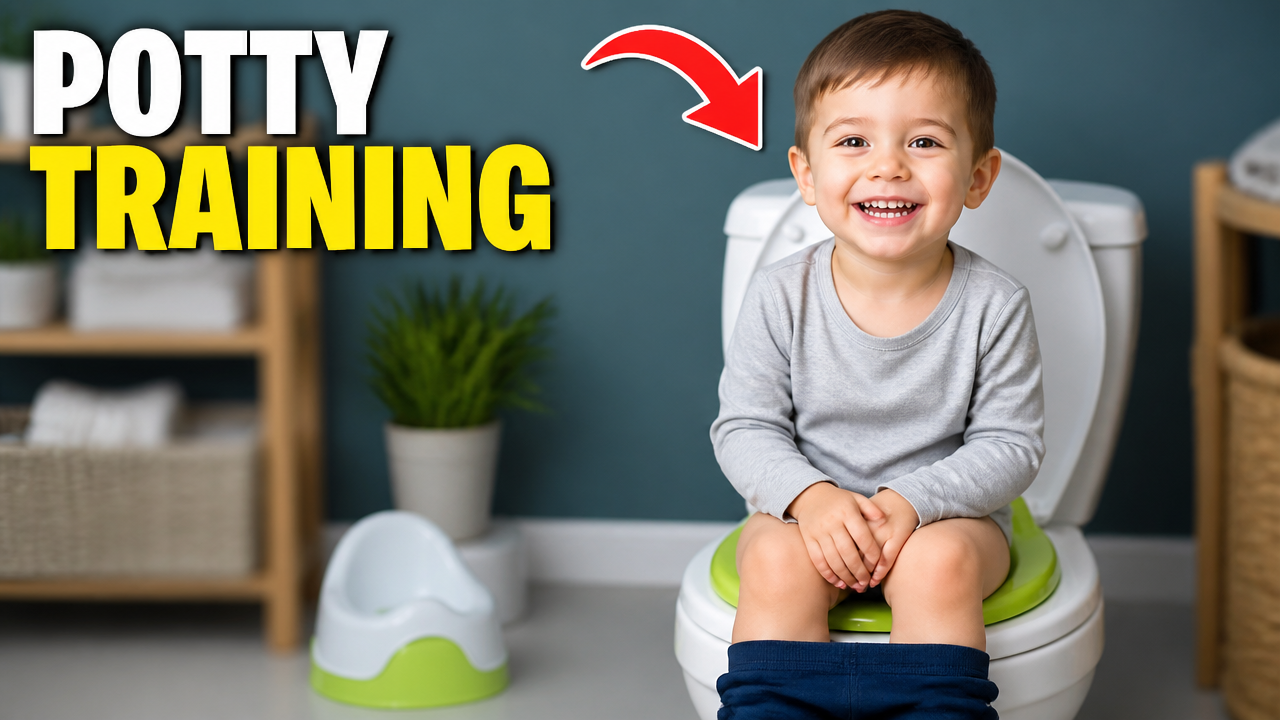
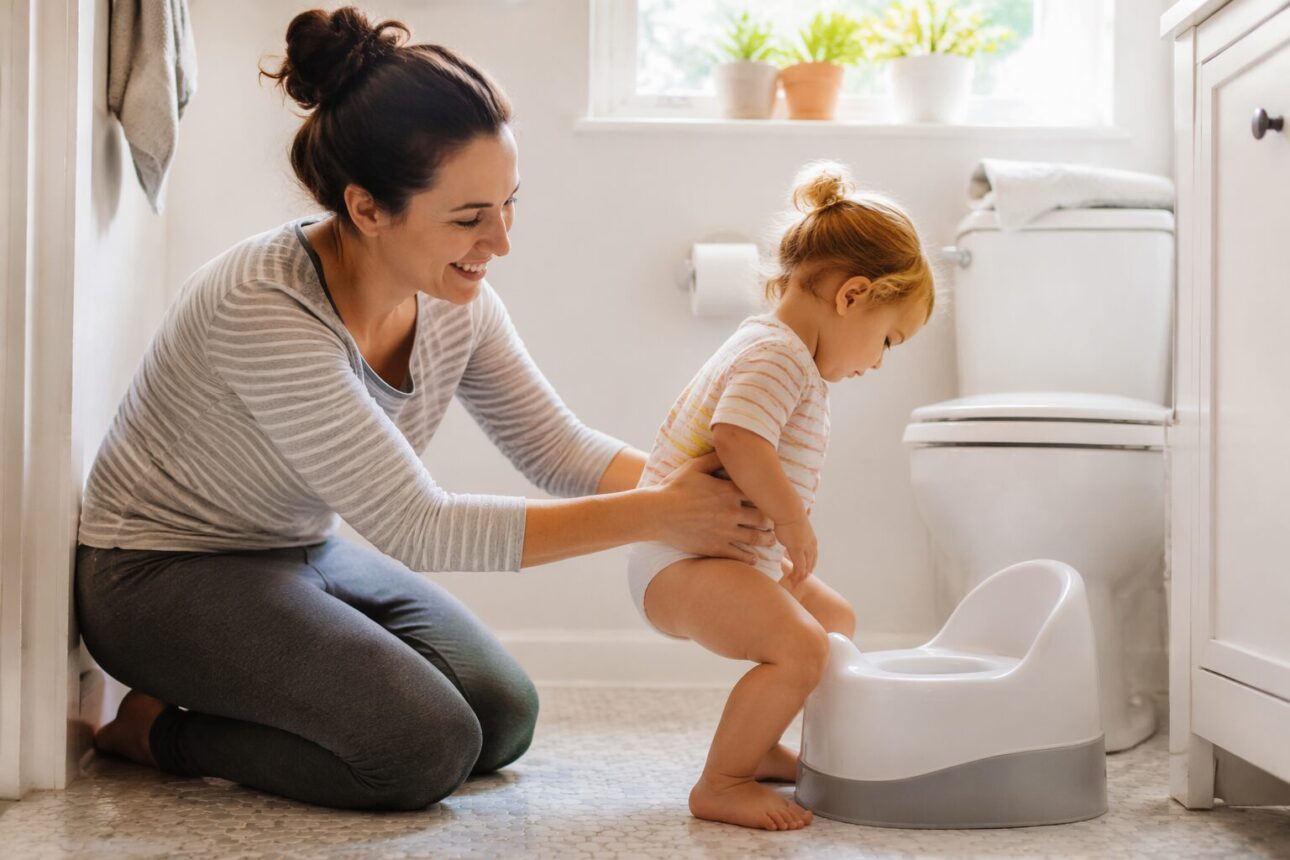
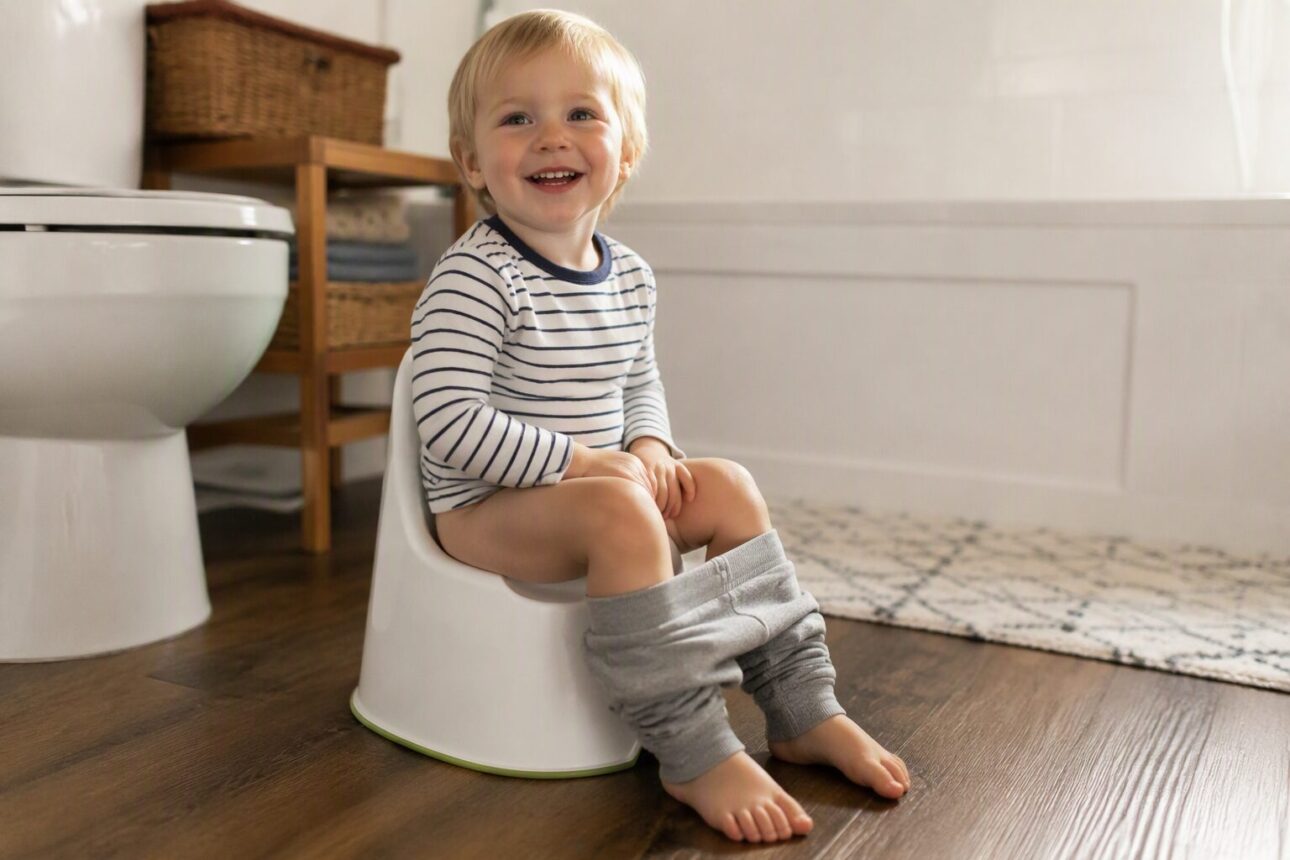
What makes a toddler truly ready to skip diapers and master the potty chair without a single power struggle? Parents often search for the best potty training tips, successful potty training strategies, or the right age to start, wondering when to begin potty training naturally. Whether you’re starting in a relaxed summer or a cozy autumn break, picking the right potty training method matters. You need reliable potty training techniques that build confidence and keep accidents to a minimum. This guide breaks down clear steps, essential gear, and simple routines to help your child gain toilet independence.
Quick Questions and Answers
Question: How do I start potty training my toddler step by step?
Answer: Start by checking readiness markers like dry spells and interest in the bathroom. Introduce bathroom words, set up a child-sized potty chair, and establish a basic routine. Model the behavior, prompt your toddler regularly or after meals, and praise attempts and successes. Consistency, patience, and avoiding punishment during accidents form the core of these approaches.
Question: What do I need to potty train a toddler at home?
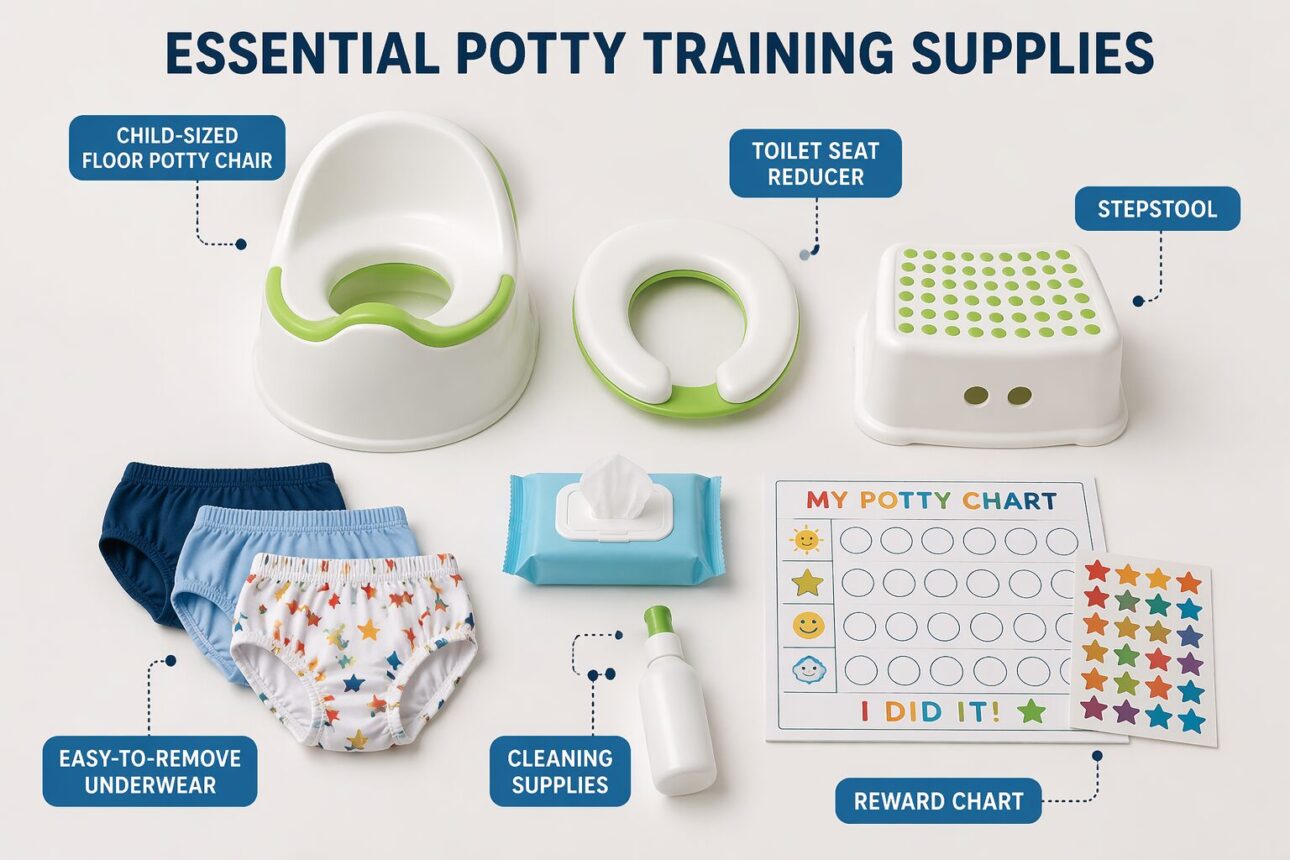
Answer: Most guidance recommends a child-sized potty chair or potty seat, a stepstool for stability, and easy-to-remove clothing. Stock up on extra underwear and cleaning supplies for accidents. Many successful strategies also include stickers, reward charts, or a basket of books to keep your toddler engaged and relaxed during bathroom sits.
Question: When is a toddler ready for potty training?
Answer: Readiness relies on developmental signs rather than age alone. Common markers include staying dry for longer stretches, visibly noticing the urge to go, showing genuine interest in the toilet, and the ability to follow simple instructions or imitate adults. These physical and cognitive shifts typically appear around age two.
Key Takeaways
Readiness depends on developmental markers, not just age.
A floor potty chair where feet rest flat gives stability.
Frequent prompts early on build positive associations quickly.
Praise works better than punishment for progress.
Accidents are normal parts of the learning curve.
What You Need
Item
Purpose
Notes
Child-sized floor potty
Provides stability and security
Feet should reach the floor to reduce fear.
Toilet seat reducer and stepstool
Adapts adult toilet for toddlers
Use if the child prefers the big toilet.
Easy-removal clothing
Simplifies undressing quickly
Elastic waistbands work best.
Cleaning supplies and extra underwear
Manages accidents calmly
Keep wet clothes separate; use paper towels.
Reward chart or stickers
Encourages positive behavior
Focus on praising efforts, not just results.
Step 1: Assess Readiness and Wait for Cues
Do not start potty training based on age alone. The NHS Best Start in Life guide breaks this down clearly: wait until your toddler shows physiological, cognitive, and emotional signs. You might expect readiness markers like staying dry for one to two hours at a time, which usually appears around age two. Watch for subtle cues too. Your child might cross their legs, pace, rock, or hide behind a piece of furniture when they need to poop.
UC Davis Health advises that you cannot force physiology. If your little one refuses to show these signs, waiting another month or two saves everyone a lot of stress. Readiness also includes the ability to follow simple directions and mimic adults. If they nod when you ask about using the potty, or if they show curiosity when you use the restroom, you are ready to begin.
Step 2: Introduce the Potty Chair without Pressure
Place a child-sized potty chair in a well-trafficked room, such as the living room, where your toddler spends plenty of time. Mayo Clinic suggests getting the chair ready by placing it exactly where the child hangs out rather than shoving it into the bathroom immediately. Let your toddler touch, decorate, or sit on the chair while fully clothed. You can even add their name or a sticker to make it feel familiar.
Teach uniform bathroom vocabulary now. Use words like “pee,” “poop,” and “potty” consistently. HealthyChildren.org recommends a role-model approach; let your child watch you use the toilet and wash your hands. This normalizes the behavior and shows them exactly what to do. If the chair feels comfortable, sitting on it for a few minutes a couple of times a day becomes a harmless game rather than a chore.
Step 3: Establish a Consistent Bathroom Routine
Structure makes everything easier. KidsHealth suggests sitting on the potty 15 to 30 minutes after meals to leverage the gastro-colic reflex. Try a routine that includes a sit right after waking up from a nap or a rest, and another session about 45 minutes to an hour after drinking lots of liquids. This timing catches the body when it is most likely to need emptying.
If your child does not seem ready to void, Mayo Clinic recommends practice runs every two hours. These short practice sits build the association between feeling the urge and moving to the chair. Keep the sessions brief at first. As your toddler grows comfortable, they will learn to recognize their own signals and use the chair independently.
Step 4: Switch to Underwear and Increase Fluids
Once your routine feels steady, make the big switch. HealthyChildren.org advises switching to “big-kid” underwear when training starts. Removing diapers signals to your toddler that the baby phase is over. Ocean Pediatrics recommends giving your toddler plenty to drink during this method. More fluids mean more chances to practice, which speeds up learning significantly.
Use the ocean-pediatrics.com guide to see how families implement a concentrated three-day approach. They encourage increasing fluid intake and then watching closely for cues. When those cues appear, like rocking or touching the area, you quickly take the child to the potty. Staying dry in their underwear for short bursts builds confidence and shows them what a successful trip to the potty feels like.
Method
Timeframe
Best For
Notes
Three-Day Method
3 Days
Focused parents
Intensive, high fluid, frequent sits.
Gradual Approach
Several Weeks
Gentle progress
Slower, integrates routines into daily life.
Child-Led Approach
Variable
Reluctant toddlers
Waits for high readiness, low pressure.
Step 5: Practice Active Prompting Every 30 to 60 Minutes
Active prompting is the engine of early progress. UC Davis Health notes a common early strategy involves taking the child to the potty every 30 or 60 minutes for the first couple of days. This frequency prevents accidents from happening outside the chair. You are teaching their body to link that timeframe with the bathroom.
KidsHealth also suggests keeping rewards small and immediate. Offer stickers, a special book, or reading time right after a successful trip. This positive reinforcement encourages them to repeat the behavior. If they resist the potty, do not turn the sit into a power struggle. Just get back up, distract them for a few minutes, and try again later. Consistency is your best tool during this phase.
Step 6: Reward Success and Encourage Independence
Celebrate every win with genuine enthusiasm. Praise works better than punishment for progress. As your toddler begins to hold their bladder a little longer or tells you they need to go, expand the time between prompts. KidsHealth suggests asking the child to notice wet or soiled diapers themselves. This awareness helps them connect the physical sensation with the action of using the potty.
Transitioning to independence happens gradually. Start by prompting from across the room instead of holding their hand. Eventually, you will simply ask, “Do you need the potty, or can you go yourself?” By this point, your child has likely mastered daytime control. Remember that nighttime dryness often arrives much later, so focus on daytime mastery first.
Tips
Never punish or coerce your toddler; it creates anxiety and delays training.
Keep wipes, paper towels, and spare clothes within arm’s reach at all times.
Use a stepstool even on the big toilet so the child feels secure.
Stay calm and neutral during accidents; treat them as harmless learning moments.
Common Mistakes to Avoid
Starting too early is a frequent misstep. If you launch into training before physiological readiness, the child will likely resist, and the process will drag on. Avoid creating a power struggle by forcing the child to sit when they are squirming and uncomfortable. Using punishment for accidents is another error that damages confidence. Expecting instant success sets you up for frustration; potty training is a gradual skill-building process, as the NHS explains.
Another mistake is relying on pull-up training pants during active daytime training. The sensation of wetness gets absorbed into the diaper-like material, which confuses the child. Many pediatric resources advise that the more important factor is consistency in the routine and prompt response to accidents. If you skip the underwear phase, your toddler might never learn to feel the urgency.
Troubleshooting Common Challenges
Hesitancy or fear of the potty chair is common. If your child is scared of the water flushing or just hates the chair, return to casual play. Let them sit fully clothed with their favourite toy nearby. Remove the pressure to produce waste and rebuild comfort slowly. Frequent accidents happen. Treat them as part of the process and respond without shame. Clean up calmly, remind the child where pee and poop go, and keep the routine going.
Regression occurs when life stressors hit, like a new sibling or a move. This is normal. It is acceptable to pause and try again in a few weeks. UC Davis Health warns against frustration leading to force. Instead, use patience and prepared gear. Consistency, praise, and a relaxed attitude help the child recover their skills faster than pushing them forward.
FAQ
Q: How often should I take my toddler to the potty?
Early routines commonly range from every 30 to 60 minutes at the start, especially during the first few days of active training. If no cues are showing, stretching the interval to every two hours can work well. Many schedules also include potty sits after meals because the body is more likely to have a bowel movement then. The exact schedule depends on the child’s readiness and how quickly they begin to recognize their own signals. As your toddler improves, you can gradually lengthen these intervals until they go independently.
Q: Should I use rewards for potty training my child?
Yes, many pediatric resources support positive reinforcement such as stickers, small rewards, praise, or reading time. Health experts found that rewarding attempts and success without turning the process into pressure works best. Keep the rewards immediate so the child links them to the potty action. Avoid using food rewards if you are also teaching healthy eating habits. Verbal praise and sticker charts often provide enough motivation. The goal is encouragement, not bribes, to help the child build lasting confidence in their new skill.
Q: What are the most common potty training mistakes?
Common mistakes include starting too early, forcing the child, using punishment, creating a power struggle, and failing to keep the routine consistent. Several guides also warn against negative language and against expecting instant success. Parents sometimes switch diapers for pull-ups mid-training, which confuses the child’s sense of wetness. Another error involves using a full-sized toilet before the child is ready; a floor potty often reduces fear. Avoid comparing your child to others, as everyone develops at their own pace.
Q: How long does potty training usually take?
There is no single timeline, because readiness and consistency vary widely by child. Some methods are designed as intensive short programs over a few days, while others recommend a slower step-by-step routine that can take longer but may be less stressful. Many children master daytime control in a few weeks. Nighttime dryness often takes months or even years longer. Focus on steady progress rather than rushing. If you see improvements but need more time, that is normal and completely healthy.
Q: Why does my toddler resist the potty?
Resistance is common because toilet training is a major shift in independence and routine. Guidance from pediatric sources suggests staying calm, avoiding pressure, and using routines, praise, and modeling instead of arguing or forcing the child. Fear of the toilet water or loss of control often drives the resistance. Some toddlers simply prefer their diaper and need time to let go of that habit. Return to basics, sit fully clothed, and rebuild comfort. Patience usually dissolves the resistance faster than coaxing.
Q: Can I potty train without pull-ups?
Yes. Some guidance favors big-kid underwear during active training, while other approaches use training pull-ups or underwear-like products depending on the child and the method. The more important factor is consistency in the routine and prompt response to accidents. Underwear lets the child feel the wetness immediately, which can speed up learning. If your child has many accidents, pull-ups might reduce the cleaning workload, but they can delay the process by keeping the child dry. Choose the option that fits your household best.
Q: What should I do when potty training accidents happen?
Treat accidents as part of the process and respond without shame or punishment. Clean up calmly, remind the child where pee and poop go, and continue the routine so the child can keep learning from repeated practice. Do not sigh loudly or show frustration, as this increases anxiety. Involve your toddler in the cleanup if they understand, such as handing you a paper towel. This helps them learn responsibility without fear. Remind them gently that accidents happen while we are learning the big kid skill.
My Experience With Potty Training Your Toddler: A Complete Step-by-Step Guide
I learned too late that respecting your toddler’s rhythm beats fighting the clock every time. One afternoon, I pushed a routine that clearly failed, only to remember the advice to stop and wait for a dry spell. The three-day method taught me to watch for that subtle “diallo” before the poop. That moment of focus is pure gold; catch it, and you win. Praise works wonders. I saw my son stand a little taller after a successful sit. Accidents happened, but I cleaned up without a sigh. My biggest tip? Watch for the “dance” before the poop. That moment of focus is gold. I also found that keeping a toy on the potty seat made sitting feel like play. What is the wild story behind your child’s first “potty win”?
Sarah Anderson . J
I’m the mom behind Wise Mom Blogger, where everyday creativity meets real-life motherhood. I share easy DIY crafts, cozy knitting and crochet projects, beginner-friendly sewing ideas, and family-tested recipes—plus quick baking hacks that make homemade feel doable on busy days.