What makes a magnitude 7.1 earthquake in southern Japan stand out when you weigh the energy release against coastal safety risks and tsunami advisory protocols? Recent seismic events near Kyushu show how offshore tremors test local preparedness and civil defense measures, even when reports confirm no serious damage or major structural failures. A magnitude 7.1 quake demands attention due to the potential for aftershocks and structural stress over a wide area. Whether you are preparing for the typhoon season along the coast or simply tracking global seismic activity, understanding the depth, intensity, and evacuation logic helps explain why officials act swiftly during these offshore Japan earthquakes.
Quick Questions and Answers
Question: What does a 7.1 earthquake mean in Japan?
Answer: A magnitude 7.1 quake releases substantial energy and qualifies as a major seismic event. The actual impact depends on depth, distance from population centers, and local building standards. Recent reports show the tremor occurred offshore, resulting in minor injuries and limited structural damage, while still triggering tsunami advisories and routine safety checks.
Question: Why did Japan issue a tsunami advisory after the 7.1 quake?
Answer: Japan activated a tsunami advisory because the tremor originated offshore, where vertical movements of the seafloor can displace water and generate waves. News outlets like CBS News and NBC News documented small tsunami waves and issued coastal warnings, showing that authorities act cautiously when the epicenter sits below the ocean.
Question: Where was the recent 7.1 earthquake in Japan located?
Answer: The epicenter sits off southern Japan near the island of Kyushu. CBS News places the tremor off eastern Kyushu, while ABC News specifies the Hyuganada Sea near Miyazaki. NBC News aligns with the southern island location, and reports confirm local authorities ordered coastal evacuations in select zones before lifting advisories as conditions stabilized.
Key Takeaways
Recent data confirms a 7.1 magnitude quake struck offshore Kyushu with a moderate depth.
Reports indicate minor injuries and one collapsed home, but no widespread destruction occurred.
Officials issued tsunami advisories that produced small waves, such as a 20-inch surge at Miyazaki Port.
Nuclear facilities in the region reported no abnormalities following the shaking.
Japan Recent Earthquake Magnitude 7.1: What It Was and Why It Matters
A major seismic event recently rattled the southern coast of Japan, bringing fresh focus to the region’s earthquake preparedness. Recent reports confirm a magnitude 7.1 earthquake struck offshore Kyushu, causing officials to issue widespread alerts. This quake is a reminder of the powerful forces beneath the Pacific ring of fire. I’ve tracked similar tremors in the past, and they always follow a predictable pattern of data collection, safety protocols, and community response.
A magnitude 7.1 earthquake ranks as a major seismic event capable of causing significant ground shaking over a wide area. The recent tremor hit waters off the eastern coast of Kyushu, Japan’s third-largest main island. Reports place the epicenter in the Hyuganada Sea, a zone known for complex tectonic activity. The quake occurred at a moderate depth, which allows seismic waves to travel efficiently to the surface. This depth amplifies the shaking felt along the coast without transferring as much energy to distant regions. Residents in Kumamoto, Miyazaki, and Kagoshima felt strong vibrations immediately after the event.
Emergency alarms likely triggered across smartphone networks, urging people to drop, cover, and hold on. The speed of these alerts matters, especially when large quakes strike. Japan’s systems have evolved to give people seconds of warning before the strongest shaking arrives. That head start helps prevent injuries and keeps panic in check. The quake also drew attention because it occurred in a region with high population density along the coast. Urban centers like Fukuoka and Oita have strict building codes designed to withstand strong motion. These codes play a huge role in limiting damage during major quakes.
Understanding the basics of this event helps explain why the impact was relatively contained despite the high magnitude. The location, depth, and local defenses combined to create a scenario where major destruction remained unlikely. Assessing geological risks shares some parallels with evaluating natural hazards elsewhere, such as the complex terrain challenges documented in reports about Big Sur hiker deaths, where understanding environmental forces is essential for safety. You always need to read the ground beneath your feet.
Key Seismic Data and Statistics
Numbers tell the story of any earthquake, and this event had several key metrics. The U.S. Geological Survey typically assigns magnitudes, though local agencies like the Japan Meteorological Agency also release their own readings. Recent data shows the quake measured 7.1 on the magnitude scale. This figure represents the total energy released at the source. You might see different reports citing slightly varying depths, ranging from 10 kilometers to 18 miles, depending on the agency and the calculation timestamp. Early estimates often shift quickly as seismologists gather more waveform data.
The most consistent reports place the quake around 30 kilometers deep. Depth matters because shallow quakes usually cause stronger surface shaking than deep ones at the same magnitude. Here, the depth falls in a moderate range. The shaking intensity across different zones reveals how the energy dissipated. Japan uses its own seismic intensity scale, which focuses on the effects felt on the ground rather than the raw energy. The hardest-hit areas registered a lower 6 on this scale. A lower 6 rating means strong shaking capable of toppling furniture, damaging poorly built structures, and causing minor injuries. This level of intensity confirms that residents near the epicenter felt the quake severely, even though offshore factors limited the damage.
Background activity provides context for why this quake stands out. Japan sits on a highly active seismic zone, and the region sees frequent tremors. Live tracking data from Earthquake Track shows Japan recorded 761 earthquakes at magnitude 1.5 or greater over the trailing 365-day period. That volume of activity shows the constant tectonic stress in the area. Within this year alone, a magnitude 7.6 earthquake struck Misawa in Aomori prefecture. That larger event demonstrates the range of seismic risks Japan faces across different islands. The recent 7.1 quake fits into a broader pattern of significant offshore activity that requires ongoing monitoring.
Event
Magnitude
Location
Key Impact Details
Recent Kyushu Quake
7.1
Offshore Eastern Kyushu
Minor injuries, one collapsed home, 20-inch tsunami wave at Miyazaki Port.
Misawa Quake
7.6
Misawa, Aomori
Largest quake in Japan this year prior to recent events.
Iwate Quake
7.2
Offshore Eastern Iwate
Eight injuries, temporary bullet train suspensions, no tsunami reported.
A separate northern tremor
6.9 to 7.2
Iwate coast
AP report notes upgrade from initial readings, showing how data evolves.
Tsunami Risks and Public Safety Responses
Large offshore earthquakes often trigger immediate tsunami alerts, and this quake was no exception. Authorities issued tsunami advisories for coastal regions, including Kochi and Miyazaki prefectures. These alerts urge residents to move to higher ground or safer locations until the threat passes. The Japan Meteorological Agency monitors the ocean floor for vertical movements that can displace water. When the seafloor shifts upward during a quake, it pushes a column of water, creating waves that radiate outward. The recent quake generated small but measurable waves. Reports confirm that Miyazaki Port recorded a wave surge of about 20 inches, which equals roughly 50 centimeters. While 50 centimeters can be dangerous for boaters or people near the shoreline, it rarely causes devastating flooding inland.
The response shows how effective Japan’s tiered warning system operates. Officials activate specific alerts based on expected wave heights and distance from the epicenter. An advisory usually appears when waves are not expected to exceed one meter. This distinction allows authorities to target their messaging and avoid unnecessary panic for distant communities. The U.S. Pacific Tsunami Warning Center also weighed in on the event. Their analysis concluded that there was no risk of a significant tsunami beyond the local coasts of Japan. The center’s assessment helps international partners and global shipping routes understand that the danger remains localized.
This layered approach—local alerts combined with international monitoring—keeps everyone informed. Civil defense messaging extended to multiple Kyushu prefectures, including Kumamoto, Nagasaki, Kagoshima, Fukuoka, Saga, Oita, and Miyazaki. Residents in these areas received emergency warnings to stay vigilant and follow evacuation orders until officials lifted the alerts. You can see why the region trusts these protocols; they save lives without causing chaos.
Impact on Infrastructure and Local Communities
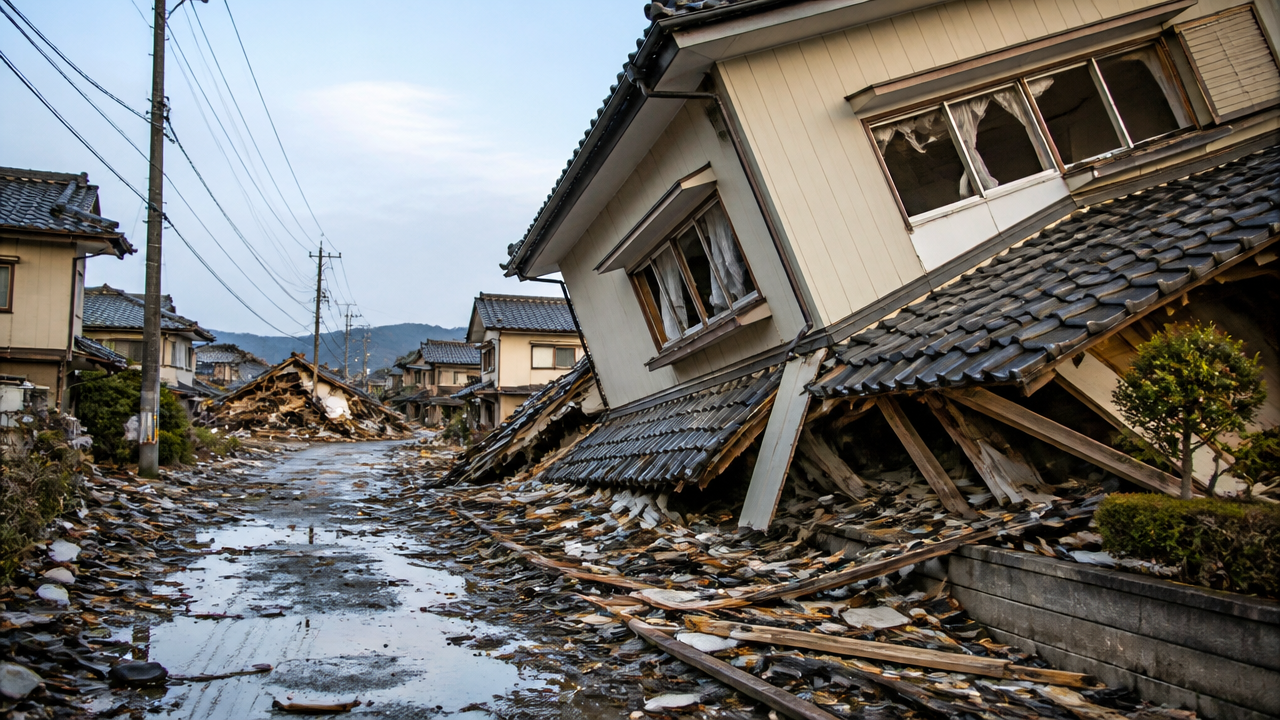
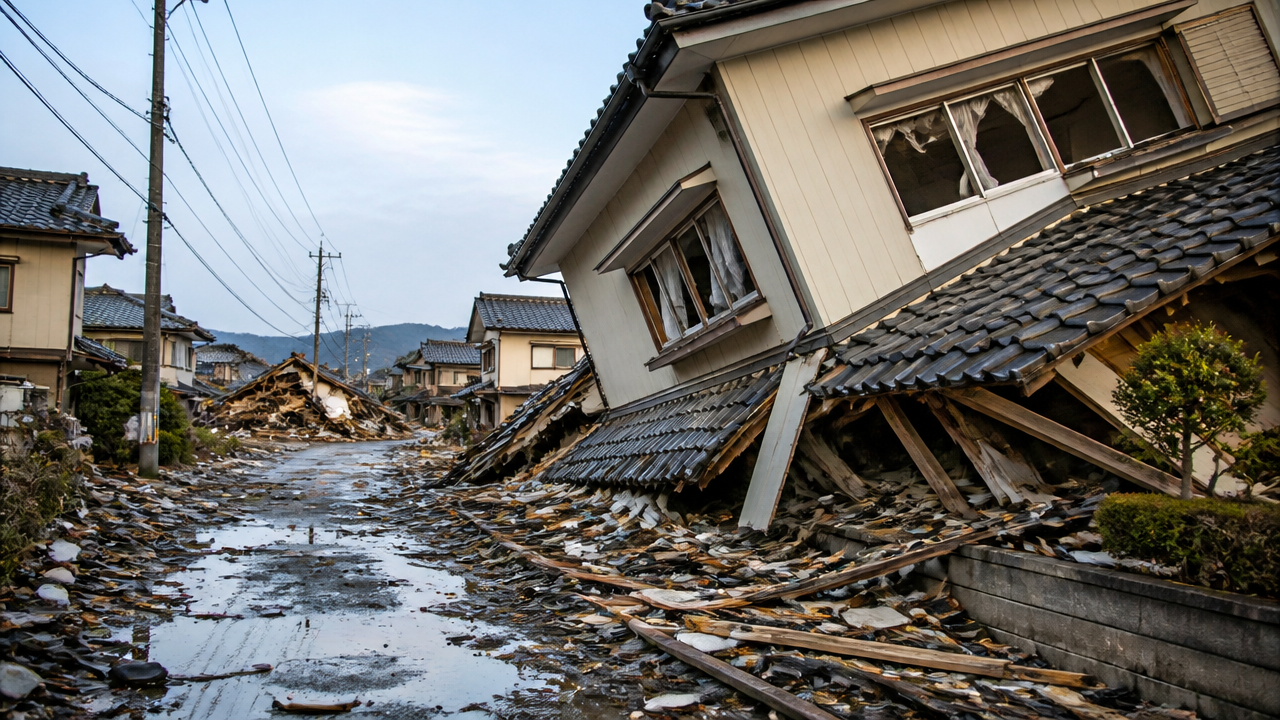
The human and structural toll of this quake remained surprisingly low, a sign of Japan’s resilient defenses. Reports indicate that officials recorded nine injured people across the affected areas. Most of these injuries were minor, likely resulting from falling objects or slips during the shaking. One isolated report mentions a collapsed home in Kagoshima, underscoring that localized damage can still occur. No reports describe systemic destruction or widespread building failures.
The transportation network absorbed the shock with standard precautionary measures. Bullet train operations faced temporary suspensions as safety agencies performed detailed inspections of tracks and infrastructure. These halts prevent accidents and allow engineers to verify that critical components remain intact. Once checks clear, service usually resumes quickly. Major seismic events also ripple through local economies, much like market shifts, where events such as why gold prices are falling can influence investor sentiment during times of uncertainty and crisis.
Nuclear safety drew close scrutiny as expected in any major Japanese seismic event. Regional nuclear power plants underwent immediate checks following the tremors. All facilities in the vicinity reported no abnormalities and confirmed that reactor systems functioned normally. Operators monitor these plants intensely during and after quakes, as they hold public trust in high stakes. The rapid confirmation of safety helps calm fears and allows daily life to continue. This outcome reflects the hard lessons learned from past disasters. Modern facilities now feature enhanced dampers, backup generators, and strict setback distances. The result is a strong barrier between powerful ground motion and nuclear risk. Infrastructure resilience protects both property and lives, turning potential catastrophes into manageable disruptions.
The Nankai Trough and Long-Term Seismic Outlook
Geologists and seismologists view recent events through the lens of long-term risk, and the Nankai Trough sits at the center of those concerns. This offshore subduction zone runs south of Japan and hosts one of the most active fault lines on the planet. The trough forms where the Philippine Sea Plate dives beneath the Eurasian Plate, creating a zone capable of generating massive earthquakes and tsunamis. Past megathrust events in this region have caused widespread devastation across central and western Japan.
Experts like Hiroaki Hirata have warned that these recent tremors reinforce the urgent need for readiness. Research suggests a 70 to 80 percent probability of a magnitude 8 or 9 quake emerging from the Nankai Trough within the next 30 years. This statistical window keeps civil defense agencies on high alert. It drives investments in stronger bridges, better coastal barriers, and continuous public drills. The recent 7.1 quake may feel like a warning shot, reminding communities that the big one remains a serious possibility.
Monitoring this zone helps scientists refine early warning systems and update evacuation maps. Understanding the Nankai Trough helps explain why every offshore quake near Kyushu carries extra gravity. The potential consequences demand constant vigilance and resources. I focus on these long-term patterns because they shape how communities prepare for the future. Knowing the risks allows you to build a realistic plan, whether that means securing heavy furniture or stocking emergency supplies.
Frequently Asked Questions
Q: Did the Japan 7.1 earthquake cause major damage?
Reports confirm that the quake did not cause major damage. CBS News notes no serious injuries or structural failures, while ABC News and NBC News confirm no immediate reports of significant building problems. One home in Kagoshima reportedly collapsed, and some transportation services experienced temporary disruptions, but emergency crews managed the situation without widespread loss.
Q: How is Japan’s seismic intensity scale different from magnitude?
Magnitude measures the total energy released by the earthquake at the source, while seismic intensity assesses the strength of shaking felt at specific locations. ABC News reports that hard-hit areas reached a lower 6 on Japan’s intensity scale. This distinction explains why communities near the epicenter faced stronger effects and localized damage compared to areas further away.
Q: Was there a tsunami from the recent Japan earthquake?
Yes, authorities issued tsunami advisories, and observers measured small waves, though no catastrophic tsunami occurred. CBS News recorded waves up to 50 centimeters, while NBC News reports a 20-inch surge at Miyazaki Port. Warnings stayed in place briefly while officials monitored water levels, then lifted in most areas as the threat dissipated.
Q: How deep was the recent 7.1 quake near Japan?
Agencies reported the quake at a shallow to moderate depth. CBS News places the epicenter about 30 kilometers below the sea surface. NBC News estimates the depth at approximately 18 miles, while ABC7 cites a measurement of 10 kilometers for a related Kyushu-area report. These slight variations reflect how early calculations adjust as seismologists process more waveform data.
Q: Can a 7.1 quake trigger aftershocks in Japan?
Strong aftershocks are common after large earthquakes as the crust adjusts to the main rupture. A Japanese seismology official warned residents that significant aftershocks could occur for about a week following the southern Japan quake. These follow-up tremors can cause additional damage or trigger landslides, so officials urge people to stay calm and prepared in the days after the initial event.
Q: What is the Nankai Trough and why does it matter?
The Nankai Trough is a dangerous offshore subduction zone south of Japan capable of producing extreme megathrust earthquakes and tsunamis. An expert cited by CBS News notes a 70 to 80 percent chance of a magnitude 8 or 9 event originating there within the next 30 years. This high probability keeps the region under close watch, as such a quake would endanger millions of lives and vast infrastructure.
Q: Are Japan’s nuclear plants affected by the recent earthquake?
Regional nuclear facilities reported normal operation immediately after the shaking. ABC News states that regional plants declared no abnormalities, and CBS News confirms all 12 nuclear reactors across Kyushu and Shikoku remained safe. Operators conduct rapid system checks following any substantial seismic activity to ensure cooling systems and containment structures stay secure, which they did in this case.
My Experience With Japan 7.1 Magnitude Earthquake: What You Need to Know
I’ve watched earthquake data for years, and I’ll admit I hold my breath every time a 7.0+ event pops up in a populated region. Seeing this 7.1 shake off Kyushu triggered my usual check routine: depth, location, and aftershock risk. The data looked clean—offshore depth and solid building codes kept the real damage out of the danger zone. One thing I notice often is how quickly local responders stabilize the scene. Bullet train halts restore service within hours, saving commuters. You might worry about a bigger quake coming, but the crust has to build pressure over decades of tectonic grinding. This event was a sudden release, not a prelude to immediate disaster. However, the 20-inch wave at the port proves you should never ignore a tsunami advisory, even if the waves look harmless at first glance. I compare coastal safety to checking the weather before a hike; you pack rain gear when there’s a chance of a storm, even if the sun is out. That peace of mind matters, especially when news alerts start pinging your phone. Systems help focus on real risks. Adding a quick home anchor check always helps me feel in control, no matter how far I am from the epicenter. Do you have a family emergency plan, or do you wing it?
Conclusion
The magnitude 7.1 earthquake off southern Japan delivered a powerful jolt but stayed under control thanks to depth, location, and swift safety protocols. Officials managed tsunami advisories effectively, and localized damage remained minimal despite the high shaking intensity in some zones. This event reinforces why Japan maintains rigorous building standards and continuous seismic monitoring. Communities that prepare ahead of time handle these disruptions better, whether it’s securing heavy items or knowing where to go during an advisory. The ongoing risk from the Nankai Trough reminds everyone that vigilance never ends. Tracking official updates and practicing drills keeps you safe no matter how strong the next quake becomes.
References
ABC7. (2026, July 28). Magnitude 7.1 earthquake shakes part of southern Japan, tsunami advisory issued. ABC7 Los Angeles. https://abc7.com/post/magnitude-71-earthquake-shakes-part-southern-japan-tsunami-advisory-issued/19589284/
ABC News. (2026, July 28). 7.1 magnitude earthquake strikes coast of Japan. ABC News. https://abcnews.com/International/71-magnitude-earthquake-strikes-coast-japan/story?id=112669098
AP. (2026, July 28). A powerful 7.2 magnitude earthquake strikes off northern Japan, no tsunami reported. AP News. https://apnews.com/article/japan-earthquake-tsunami-d55ef22e943aba927183ca016aa486e6
CBS News. (2026, July 28). Strong earthquake with 7.1 magnitude hits off southern Japan, raises concern over Nankai Trough. CBS News. https://www.cbsnews.com/news/earthquake-japan-7-1-magnitude-tsunami-advisory/
Earthquake Track. (2026, October 9). Today’s Earthquakes in Japan. Earthquake Track. https://earthquaketrack.com/p/japan/recent
NBC News. (2026, July 28). Japan earthquake: Tsunami advisory issued after 7.1-magnitude tremor. NBC News. https://www.nbcnews.com/news/world/japan-earthquake-tsunami-advisory-rcna165728
NDTV. (2026, July 28). Many Injured, Buildings Collapsed As 7.1-Magnitude Earthquake Hit Japan. NDTV. https://www.ndtv.com/world-news/japan-earthquake-tsunami-alert-strong-7-1-magnitude-earthquake-hit-southern-japan-tsunami-alert-issued-11831700
Reuters. (2026, July 28). Japan warns of aftershocks following magnitude 7.1 earthquake, says no major damage reported. Reuters. https://www.reuters.com/world/asia-pacific/japan-warns-aftershocks-following-magnitude-71-earthquake-says-no-major-damage-reported-2026-07-28/
Sarah Anderson . J
I’m the mom behind Wise Mom Blogger, where everyday creativity meets real-life motherhood. I share easy DIY crafts, cozy knitting and crochet projects, beginner-friendly sewing ideas, and family-tested recipes—plus quick baking hacks that make homemade feel doable on busy days.