What puts a hiker at risk of sudden death on Big Sur trails, and how do safety warnings help prevent tragedy? Understanding wilderness risks matters whether you are planning a summer trek or a winter escape. Big Sur hiking demands respect for nature’s unpredictability. Proper safety warnings protect you from hidden dangers in remote areas. I explore facts behind these warnings to help you make informed choices. The terrain holds secrets. Your vigilance ensures you return home alive. This guide breaks down the reality of hiking death cases to keep you safe outdoors.
Quick Questions and Answers
Question: What caused the Big Sur hiker deaths case?
Answer: Investigators determined the most recent reported case involving Joanna Ruth Shields was a natural death caused by probable alcohol withdrawal seizures linked to chronic alcohol use disorder. Authorities found no evidence of a crime. The markings on her neck were attributed to postmortem insect activity rather than strangulation.
Question: Why was the Big Sur hiking death initially suspicious?
Answer: The death appeared suspicious because hikers found the body in a remote area near Sykes Hot Springs. Visible injuries and neck markings raised immediate questions among the public. Officials later confirmed the evidence did not support foul play after forensic review, thorough autopsy work, and toxicology investigation concluded.
Question: How dangerous is alcohol withdrawal on a hike?
Answer: Alcohol withdrawal can be dangerous because severe cases cause seizures and other life-threatening complications. Seizures are rare, occurring in about 1% of people undergoing alcohol withdrawal. They can happen within 6 to 48 hours after blood alcohol levels drop sharply during remote backpacking trips.
Key Takeaways
Recent investigations revealed that forensic details often look suspicious before toxicology results arrive.
Alcohol withdrawal seizures are a proven risk for chronic users traveling into remote backcountry.
Postmortem insect activity mimics strangulation marks but has no criminal origin.
Law enforcement maintained no public threat existed during the initial months of the search.
Safe hiking requires awareness of health conditions in areas without immediate medical access.
Big Sur Hiker Deaths: Forensic Realities and Misconceptions
The landscape of hiking fatalities often triggers intense media speculation before facts emerge. People assume strange marks on a body mean violence, but nature tells a different story when decomposition sets in. Forensic experts emphasize that visual assessment at a crime scene can be misleading without laboratory data. I speak often about how the environment alters a body long before investigators arrive.
This distinction between appearance and reality defines how authorities handle wilderness deaths. Signs that look like a struggle might simply be scavengers working their natural cycle. The Monterey County Sheriff’s Office and Coroner’s Office coordinate closely to ensure accuracy before releasing details to the public. This rigorous process protects the reputation of the deceased and the community.
The investigation into recent fatalities shows how complex backcountry science truly is. Officials must wait weeks for lab results while balancing public interest with privacy rights. Misinterpretations spread quickly online when information remains incomplete. 2 clarifies that the official findings were delayed by the necessary timeline of toxicology testing. Waiting is an essential part of the process.
Understanding these realities helps hikers avoid fear-based decisions based on rumors. Trust the process rather than social media speculation about specific cases.
Sign
Likely Origin
Action
Authority Finding
Neck marks
Insect activity
Do not panic
Coroner ruled natural
Forehead laceration
Surface injury
Monitor
Non-contributory to death
Body position
Natural decay
Respect location
No foul play detected
Toxicology result
Medical cause
Wait for lab
Takes 6-8 weeks
Scorpion/Bites
Environmental
First aid
Insect activity mimics struggle
The Case of Joanna Ruth Shields: A Study in Investigative Shifts
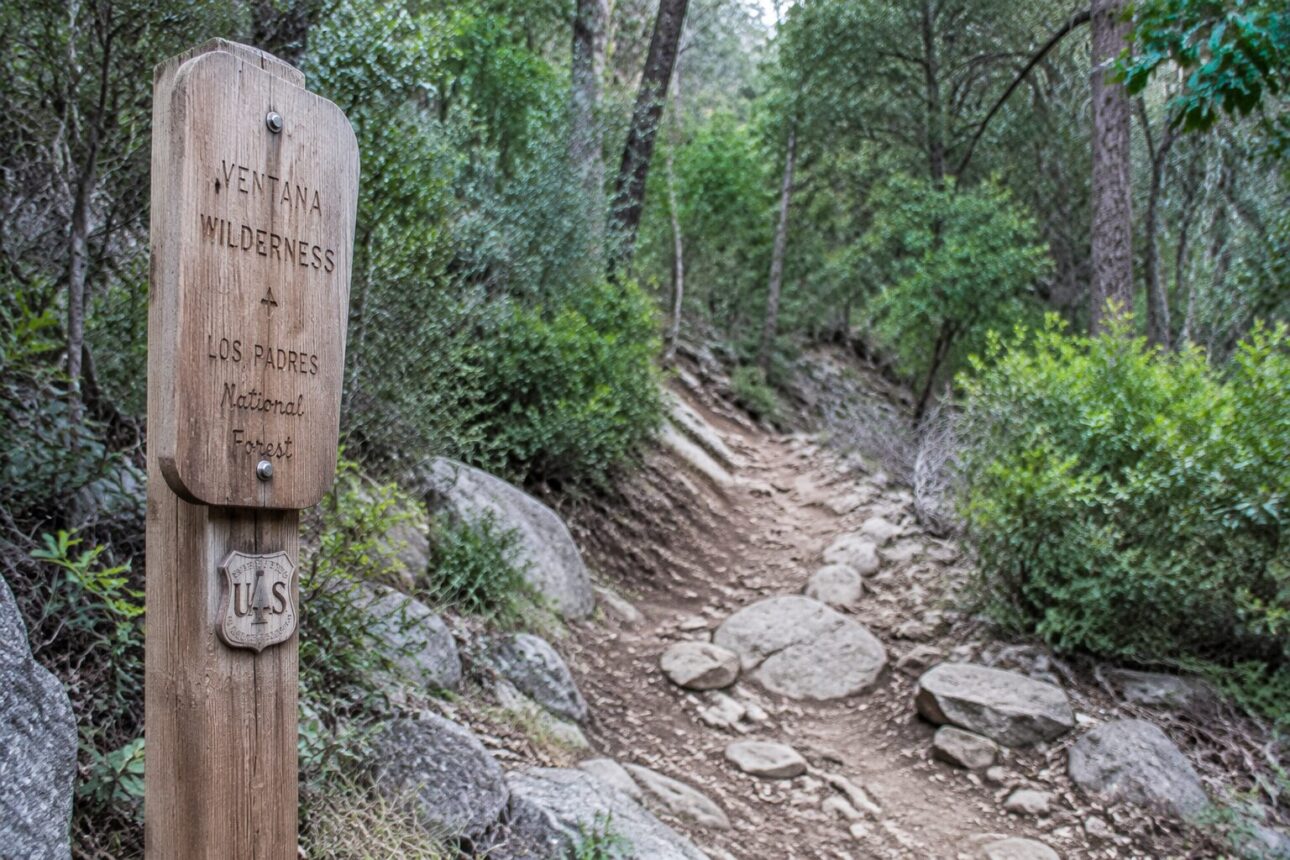
In April 2026, the discovery of Joanna Ruth Shields near Sykes Hot Springs in the Ventana Wilderness sparked a months-long investigation. She was 37 years old when hikers found her remains in the Los Padres National Forest. Her body lay near the Pine Ridge Trail, a route known for heavy foot traffic yet capable of hiding critical signs when trails are overgrown. Authorities initially classified the death as suspicious because of the visual state of the scene.
Investigators noted specific physical details on her neck and forehead that drew immediate attention. The Monterey County Sheriff’s Sheriff Coroner’s Office determined the injury to the forehead was superficial. It did not contribute to her passing. The marks on her neck later proved consistent with postmortem insect activity rather than strangulation. This finding eliminated criminal activity from the equation entirely.
The transition from a “suspicious” classification to a natural death ruling highlights the complexity of the job. Officials must weigh visual cues against scientific data. Reports confirm that toxicology results often take six to eight weeks to process. 1 notes that the investigation required extensive lab work before the final cause of death could be declared. This delay is standard procedure and ensures accuracy over speed.
Authorities issued statements confirming no public threat existed. Travelers could continue hiking the area without fear of foul play. This reassurance came after the investigation ruled out criminal suspects.
Medical Risks in the Backcountry: Understanding Alcohol Withdrawal
Chronic alcohol use poses specific dangers when removed from stable medical environments. A person undergoing severe withdrawal faces seizures that can happen within hours of stopping intake. These medical emergencies become significantly harder to manage in isolated areas like Big Sur. Emergency response teams cannot reach a trailhead quickly when conditions are rugged.
The Monterey County Sheriff Coroner identified the cause of death as probable alcohol withdrawal seizures. This medical event links directly to chronic alcohol use disorder. Seizures occur in approximately 1% of individuals experiencing a sharp reduction in blood alcohol levels. The body chemistry shifts rapidly when heavy drinking stops suddenly.
Remote terrain turns treatable conditions into life-threatening crises quickly. If a hiker loses consciousness from dehydration or seizures on a trail, help may not arrive in time. This reality demands higher levels of preparation for those with underlying health conditions. 3 explains that the coroner ruled the death natural after finding no evidence of crime. Medical causes often get overlooked when visual trauma is present.
I advise checking health status before leaving for long treks. Knowing your body’s limits prevents unexpected events.
Why Initial Scenes Can Appear Suspicious
Visual interpretation of injuries at a scene often misleads non-experts. Forensic investigators emphasize that decomposition and insect activity create patterns mimicking violence. 3 states that marks on the neck were consistent with insect activity, not strangulation. This phenomenon confused observers initially. The public often equates visible injuries with criminal intent without lab evidence.
Official statements note that sometimes what somebody believes they are seeing is not what it appears to be. This quote from the Sheriff’s Office reminds the public to exercise patience. Toxicology reports take weeks to process. During that gap, confusion spreads through local communities. Law enforcement must balance transparency with the need for precise data.
The distinction between a suspicious death classification and a finding of foul play matters immensely. One implies a need for investigation. The other implies a criminal act occurred. Keeping this distinction clear helps everyone understand the nature of the incident.
Navigating Safety and Public Information in Remote Wilderness Areas
Law enforcement maintained there was no immediate danger during the investigation. The Monterey County Sheriff’s Office confirmed there were no threats to anyone hiking or camping nearby. Authorities stressed the difference between an isolated incident and a public risk. You can continue visiting the area safely while respecting the deceased.
Preparing for health crises is vital in these locations. Remote trails lack cell service and hospitals. Conditions that require a clinic in a city become emergencies in the backcountry. Managing risks involves self-awareness and planning. If you have a medical condition, carry medication and know the evacuation route.
Safety resources like travel advisories help hikers make decisions about their trips. Check official state resources before heading out. Where Should U.S. Citizens Not Travel Right Now? Safe List Included offers guidance on assessing risk levels in various regions. This information complements local wilderness safety protocols.
Emergency response times depend on location. Sykes Hot Springs and Pine Ridge Trail pose access challenges. Helicopter rescue is an option but limited by weather and daylight. These constraints mean prevention and self-reliance are your primary safety tools.
FAQ
Q: Can insect activity look like strangulation in a body?
Yes. In the Big Sur case, authorities said the marks on the neck were consistent with postmortem insect activity, not strangulation. That illustrates how decomposition and insect activity can create injuries that look suspicious to non-experts. Forensic teams distinguish these signs through detailed histological analysis.
Q: Where in Big Sur was the hiker found?
Reports say Joanna Shields was found near Sykes Hot Springs in the Ventana Wilderness. Her remains were located close to the Pine Ridge Trail in the Los Padres National Forest. Those locations are remote backcountry areas associated with difficult access and slower emergency response.
Q: Did authorities say there was a public threat in Big Sur?
No immediate public threat was reported. The Monterey County Sheriff’s Office said there was no immediate danger to anyone hiking or camping in the vicinity during the investigation. Law enforcement confirmed the case did not indicate an ongoing risk to the community.
Q: How long do toxicology results take in a death investigation?
Toxicology can take six to eight weeks to process in this case. That timeframe is one reason suspicious-looking wilderness deaths can remain unresolved for weeks or months while investigators wait for lab work. This delay ensures accurate results before the final ruling.
Q: What does natural death mean in a hiking death case?
A natural death means the person died from an internal medical cause rather than an accident, suicide, or homicide. In the Big Sur case, the coroner ruled the death natural after concluding the cause was alcohol withdrawal seizures and not a crime. This classification distinguishes medical events from external factors.
Q: Should hikers worry about the Sykes Hot Springs area?
The sheriff’s office said there was no immediate danger to hikers or campers in the vicinity. That does not eliminate normal backcountry risks, but it indicates the case itself was not treated as an ongoing public-safety threat. Standard caution remains necessary in wilderness areas.
Q: What warning signs matter most on remote hikes?
The Big Sur case highlights the importance of recognizing sudden medical collapse. Altered mental status and the possibility that visible injuries may not tell the whole story matter greatly. In remote terrain, any seizure or loss of consciousness can become fatal quickly because help may be delayed.
My Experience With Big Sur Hiker Deaths: A Complete Guide to Risks and Safety Warnings
I have hiked the Ventana Wilderness enough times to know how quickly weather changes. One minute the sun shines, and the next, fog swallows the trail. Learning about this case made me double-check my hiking partner’s health before we left. It reminds me that nature does not care about your fitness level. You need to respect both the terrain and your own biology. I once saw a hiker turn pale from exhaustion but kept going. That decision nearly turned a bad day into a tragedy.
The forensic details here show how hard it is to judge a situation from a distance. Don’t rely on what you see on a news report. Talk to a professional or read official statements. Travel Warning: The Countries the State Department Says to Avoid 2026 covers broader safety context too. My point is simple: prepare, or don’t go. I learned to carry enough water even on short hikes. Do you pack extra snacks when the trail stretches long? It saves lives.
Conclusion.
Understanding the specifics of hiking fatalities protects you better than fear alone. The Big Sur case demonstrates the need for patience when investigating wilderness deaths. Medical factors often explain outcomes better than criminal ones. Proper preparation keeps you safe in remote areas. Trust the data released by authorities.
References
Cause of death revealed for hiker found near Big Sur hot spring. SFGATE. https://www.sfgate.com/bayarea/article/hiker-death-big-sur-hot-spring-22359454.php
Cause of death revealed for Big Sur hiker found dead with odd wounds. Los Angeles Times. https://www.latimes.com/california/story/2026-07-23/cause-of-death-revealed-for-big-sur-hiker-found-dead-with-odd-wounds
Cause of death revealed for woman found near Big Sur hot springs. San Francisco Chronicle. https://www.sfchronicle.com/california/article/big-sur-hiker-joanna-shields-cause-death-22358119.php
Woman’s death along Big Sur hiking trail being treated as suspicious. SFGATE. https://www.sfgate.com/centralcoast/article/woman-s-death-along-big-sur-hiking-trail-treated-22201465.php
Friends mourn Southern California woman found dead backpacking Big Sur. ABC7. https://abc7.com/post/friends-mourn-southern-california-woman-joanna-shields-found-dead-backpacking-big-sur/18900638/
Sarah Anderson . J
I’m the mom behind Wise Mom Blogger, where everyday creativity meets real-life motherhood. I share easy DIY crafts, cozy knitting and crochet projects, beginner-friendly sewing ideas, and family-tested recipes—plus quick baking hacks that make homemade feel doable on busy days.