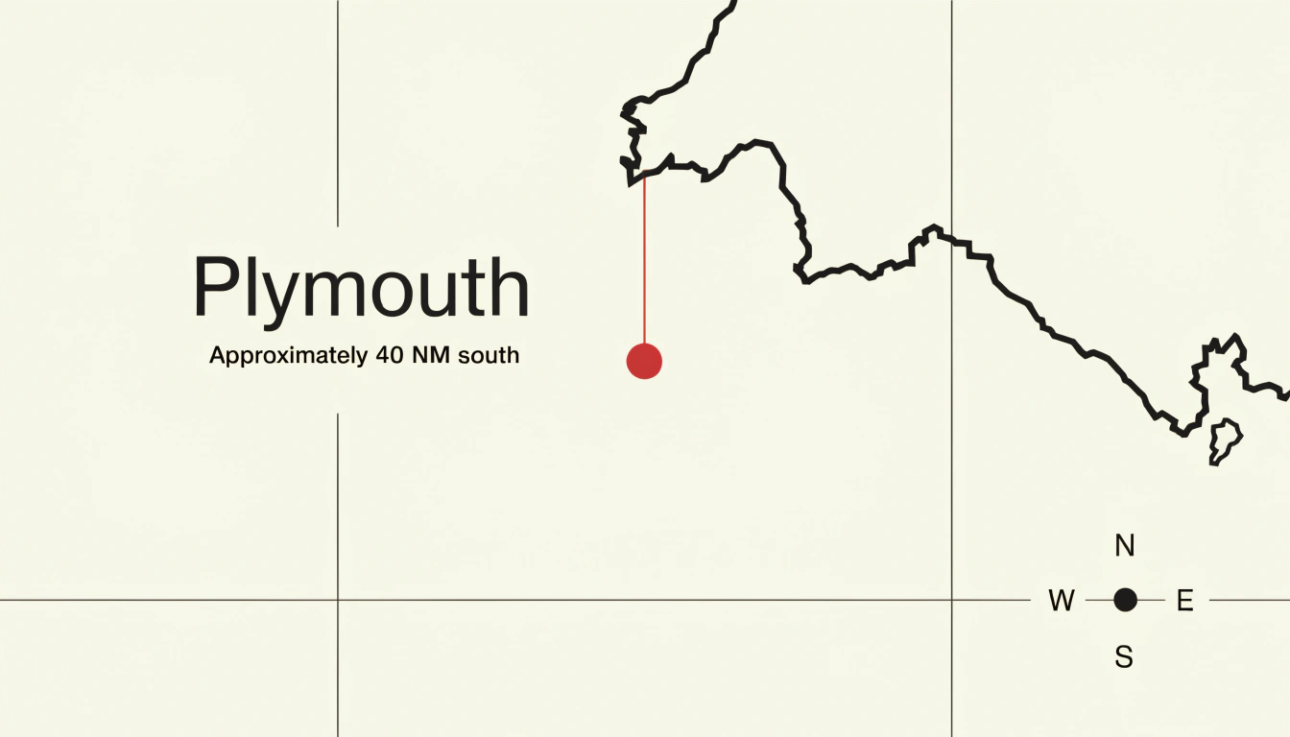
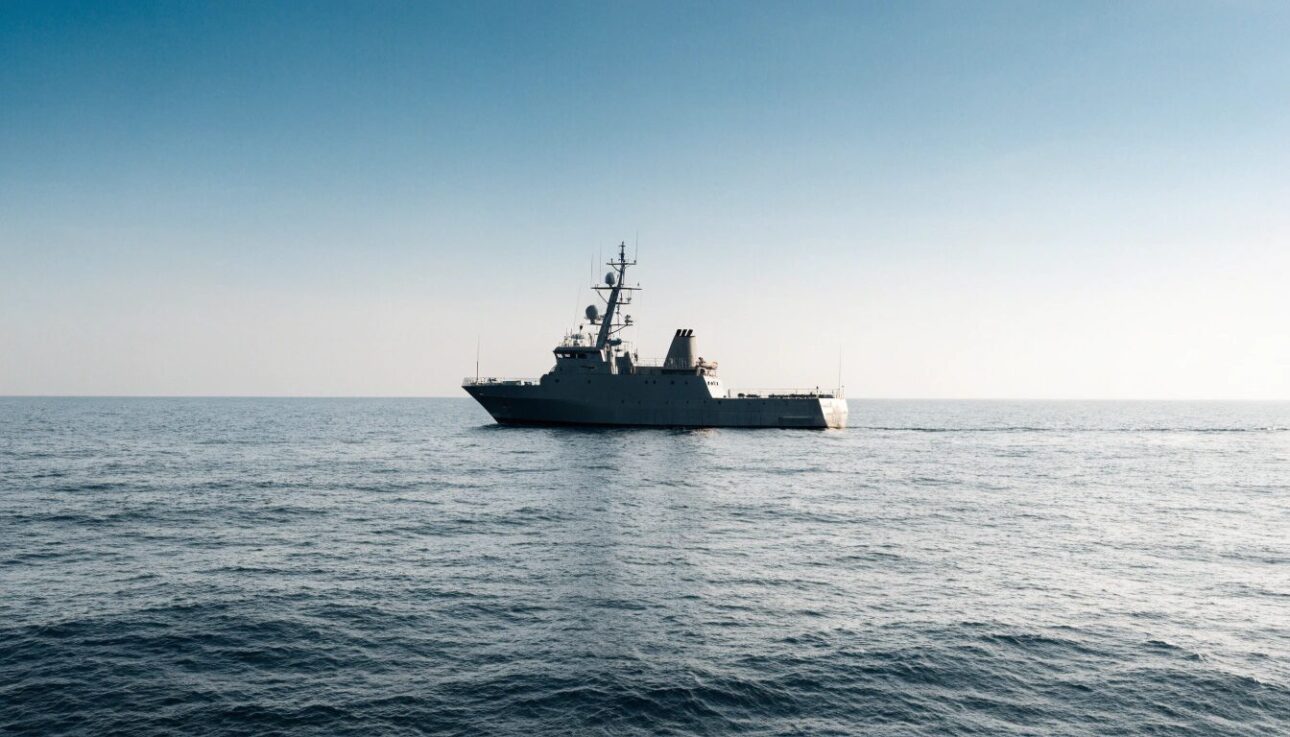
Quick answer: Yes, there is active Russian naval activity off the Devon coast. On 20 July 2026, the Russian frigate Neustrashimy carried out a 30 minute live fire exercise around 40 nautical miles south of Plymouth. The Royal Navy’s HMS Tyne monitored the exercise, and the Ministry of Defence says it is continuing to track the vessel closely.
Devon’s coastline has seen a lot of Russian military and shipping activity in 2026, from tracked frigates to a shadow fleet tanker boarding. Here is a clear, up to date look at what has actually happened off Plymouth this week, how it fits into the wider pattern this year, and what it means for anyone living near the south west coast.
This article draws on official Ministry of Defence statements and reporting from ITV News, Yahoo News UK, and defence specialists to give you the facts without the noise, plus a look at why incidents like this keep happening in the English Channel and the wider south west approaches.
Detail
Status
Vessel involved
RFN Neustrashimy (Russian frigate)
Location
40 nautical miles south of Plymouth
Waters
International waters
Royal Navy response
Monitored and shadowed by HMS Tyne
Immediate danger to Devon coast or residents
None reported
Wider pattern this year
Repeated shadow fleet and warship activity
2026 Incident
Date
Location
What Happened
Shadow fleet tanker boarding
14 June
English Channel, south coast of England
Royal Marines and National Crime Agency officers boarded the sanctioned tanker Smyrtos in a six hour operation, the first UK-led boarding of a Russian shadow fleet vessel
Neustrashimy first spotted
Week of 13 July
Approaching British waters
The frigate was tracked lurking near UK waters before moving closer to the Devon coast
Live fire exercise
20 July
40 nautical miles south of Plymouth
Neustrashimy conducted a 30 minute live fire artillery exercise, monitored by HMS Tyne and French military aircraft
MoD tracking continues
21 July onward
South west approaches
Ministry of Defence says it continues to track the vessel’s activity closely
Distance From Plymouth of Recent Incidents
Shadow fleet boarding Near Portland Bill, Dorset
Live fire exercise 40nm south of Plymouth
What happened off the Devon coast this week?
A Russian warship carried out a live fire exercise around 40 nautical miles south of Plymouth on 20 July 2026. The Ministry of Defence confirmed that the frigate, known as the Neustrashimy, fired weapons for about 30 minutes in international waters. Before opening fire, the Russian ship contacted the Royal Navy Offshore Patrol Vessel HMS Tyne over radio and told it the exercise was about to begin.
The Russian ship then asked HMS Tyne to move to a safer distance, which the Royal Navy vessel did before the firing started. French military aircraft were also monitoring the frigate and asked it to clarify its intentions by radio. The MoD said the exercise took place entirely in international waters, meaning it was legal under maritime law even though it happened close to UK shores.
This means Devon residents were never in any direct danger from the exercise itself, since it took place well offshore and in waters open to international shipping. What makes it notable is the location and timing, both of which have drawn attention from defence commentators.
Which Russian ship was involved and what is it?
The ship involved was the RFN Neustrashimy, a Russian Navy frigate that has been tracked in UK waters before. In September 2025, the same vessel was shadowed by HMS Iron Duke alongside the Russian cargo ship Sparta IV, showing that this is not the frigate’s first appearance near British waters.
According to reporting on the incident, the ship is understood to have links to Russia’s so called shadow fleet, a network of vessels that use difficult to trace registration details to get around international sanctions imposed after Russia’s invasion of Ukraine in 2022. The frigate was first spotted lurking near British waters the week before the live fire exercise took place, meaning the Royal Navy had already been tracking it for several days before the firing began.
This background matters because it links the warship’s presence off Devon to a much larger pattern of Russian maritime activity around the UK this year, rather than a single isolated event.
How did the Royal Navy respond?
The Royal Navy responded by shadowing the Neustrashimy with the Offshore Patrol Vessel HMS Tyne and monitoring the exercise throughout. A Ministry of Defence spokesperson confirmed that the Russian ship had conducted a live fire weapons exercise in international waters, adding that the Royal Navy monitored that exercise throughout, continues to track the vessel’s activity closely, and stands ready to protect UK national security.
France also played a role, with French military aircraft tracking the frigate and radioing it for clarification before the exercise began. This kind of joint monitoring is standard practice when a Russian vessel operates close to NATO members’ waters, since it lets allied forces build a clear picture of the ship’s intentions and reduces the risk of miscommunication.
Devonport, the naval base at Plymouth, is home to several Royal Navy frigates and patrol vessels, which puts ships based there in a strong position to respond quickly whenever Russian activity is detected in the south west approaches.
Why is this happening now?
This is happening now because Russian naval and shadow fleet activity around the UK has been increasing steadily through 2026, and the English Channel and south west approaches are a key route for that traffic. Former Army head Lord Dannatt told Times Radio that it was not entirely by happenstance that the exercise took place on the same day the UK got a new Prime Minister, suggesting the timing may have been intended to send a political signal.
There is also a broader financial and strategic backdrop. Reporting from earlier in 2026 noted that hundreds of Russian shadow tankers carrying sanctioned oil have been transiting the English Channel, one of the world’s busiest shipping lanes, raising concerns among defence analysts about the risk of a serious incident in NATO waters. In March 2026, the Prime Minister authorised UK Armed Forces and law enforcement to board and interdict shadow fleet vessels transiting UK waters, a policy that led directly to the June boarding of the tanker Smyrtos off the south coast.
Seen together, the live fire exercise off Plymouth looks less like an isolated event and more like part of an ongoing contest for visibility and pressure in UK waters, with Russia demonstrating its naval presence while the UK and its allies respond by tracking, shadowing, and in some cases boarding suspect vessels.
What was the shadow fleet tanker boarding near Devon and Dorset?
The shadow fleet tanker boarding was a six hour operation on 14 June 2026, when Royal Marine commandos and National Crime Agency officers boarded the sanctioned oil tanker Smyrtos in the English Channel. The Smyrtos was carrying around 700,000 barrels of Russian oil and was sailing under a Cameroonian flag, which the UK considered an attempt to disguise its Russian origin and dodge sanctions.
Marines from Kilo Company fast roped onto the tanker from two Chinook helicopters before first light, then secured the bridge, engine room, and cargo control room while NCA officers examined the ship’s documentation. The operation was supported by the frigate HMS Sutherland, the mine countermeasures vessel HMS Ledbury, a Wildcat helicopter, and an RAF P-8 Poseidon aircraft. Afterwards, the tanker was moved to an anchorage near Portland Bill in Dorset, close to the Devon coastline, where it has been monitored for environmental and safety concerns.
This was the first UK-led boarding of its kind on a Russian shadow fleet vessel, following the Prime Minister’s March announcement that gave UK forces the authority to interdict sanctioned ships passing through UK waters. It set the stage for the increased Royal Navy activity that has continued through the summer, including the tracking of the Neustrashimy.
Should Devon residents be concerned?
Devon residents do not need to be alarmed by this specific incident, since the live fire exercise took place well offshore in international waters and the Royal Navy tracked it throughout without any reported danger to the coast. Live fire exercises by foreign navies in international waters, while unusual so close to UK shores, are not illegal, and the Ministry of Defence’s response shows the situation was being actively managed rather than treated as an emergency.
That said, the frequency of these incidents through 2026, from the January interception of the Grinch tanker in the Mediterranean, to the March seizure powers announcement, to June’s Smyrtos boarding and July’s live fire exercise, shows that Devon and Cornwall’s waters have become a more active area for Russian activity and Royal Navy responses than in recent years. Armed Forces Minister Luke Pollard, who is also MP for Plymouth Sutton and Devonport, has previously praised the professionalism of crews based locally who are called on to respond to these situations, sometimes at very short notice.
For anyone living along the south west coast, the practical takeaway is that the Royal Navy and its allies are actively monitoring this activity and have a track record of responding quickly, whether that means shadowing a warship or boarding a sanctioned tanker.
FAQ
Was the Russian warship in UK territorial waters?
No, the Ministry of Defence confirmed the live fire exercise took place in international waters, around 40 nautical miles south of Plymouth.
Is the Neustrashimy still near the Devon coast?
As of 21 July 2026, the Ministry of Defence says it continues to track the vessel’s activity closely, meaning it remains in the wider area and under Royal Navy observation.
What is Russia’s shadow fleet?
The shadow fleet is a network of tankers and cargo ships that use unclear ownership, insurance, and flag registration to move Russian oil and goods while avoiding Western sanctions imposed after the 2022 invasion of Ukraine.
Has the UK boarded a Russian ship near Devon before?
Yes, in June 2026 Royal Marines and National Crime Agency officers boarded the sanctioned tanker Smyrtos in the English Channel, the first UK-led operation of its kind, and the ship was later moved to an anchorage near Portland Bill, Dorset, close to Devon.
Is it legal for a foreign warship to fire weapons near the UK coast?
Yes, as long as the activity takes place in international waters, as this exercise did, it is legal under maritime law, even though it can raise diplomatic and security concerns.
References
Yahoo News UK, “Russian warship carries out ‘live fire’ exercise 40 miles off UK coast” (2026)
ITV News, “Russian warship conducted weapon firing exercise off the coast of Plymouth” (2026)
GB News, “Russian warship opens fire just miles off Devon coast as Royal Navy watches on” (2026)
Perspective Media, “Not happenstance that Russia fired off UK coast on PM’s first day – ex-Army head” (2026)
Al Jazeera, “UK seizes Russian ‘shadow fleet’ tanker – what that means” (2026)
LBC, “Moment Royal Marines board Russian shadow fleet vessel in unprecedented operation” (2026)
BFBS Forces News, “Boarding shadow fleet tanker gets seal of approval from former head of the Royal Marines” (2026)
The Hill, “Keir Starmer allows UK military to board Russia’s shadow fleet vessels” (2026)
BBC, “Russian warship tracked for five days off UK coast” (2026)
Sarah Anderson . J
I’m the mom behind Wise Mom Blogger, where everyday creativity meets real-life motherhood. I share easy DIY crafts, cozy knitting and crochet projects, beginner-friendly sewing ideas, and family-tested recipes—plus quick baking hacks that make homemade feel doable on busy days.