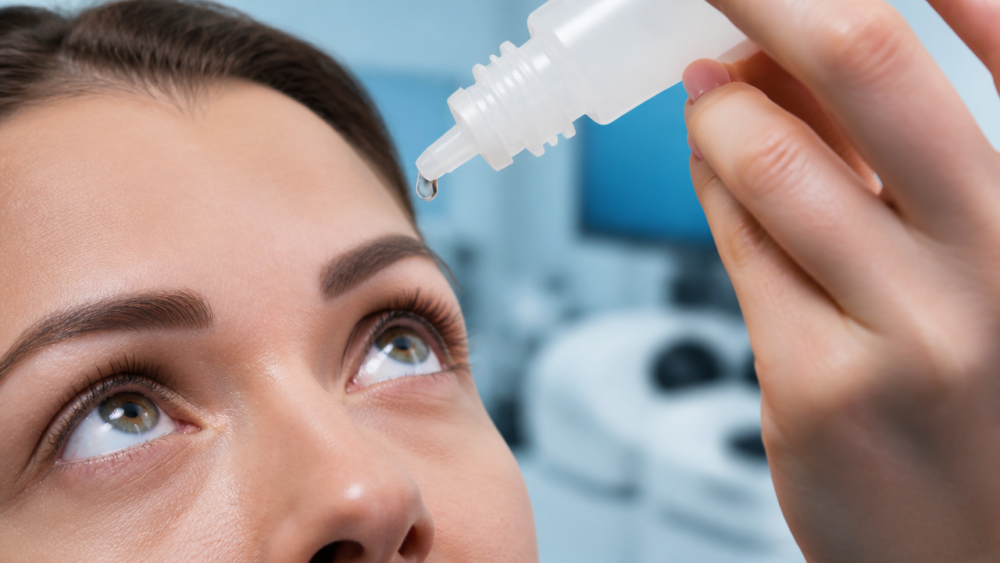
If you use steroid eye drops for inflammation, you may have heard the news: the FDA recalled millions of bottles of prednisolone acetate ophthalmic suspension. The reason — foreign particulate matter found inside the bottles — raises real concerns about eye safety. Whether you have a current prescription or an old bottle in your cabinet, understanding the details of this recall matters for your vision. Let me walk through exactly what happened, why, and what steps to take.
Quick Questions and Answers
Question: Why was prednisolone acetate eye drop recalled?
The FDA recalled these drops because a foreign substance, specifically particulate matter, was found inside the bottles. In Trinidad, a separate recall was issued for possible bacterial contamination. Either contaminant can cause eye irritation, inflammation, corneal injury, or secondary infection.
Question: Can prednisolone acetate eye drop cause infection?
Yes, contaminated drops can cause infections. Foreign particles can block the bottle opening or introduce bacteria. Steroid drops also suppress local immune responses, which can amplify the infection risk if the product is contaminated.
Question: How do I know if my prednisolone is recalled?
Check the lot number on your bottle against FDA or Ministry of Health recall lists. Affected products include Batch N23B27 (5ml drops in Trinidad) and specific lots from Lupin Limited in the US. If yours matches, stop use and return the product.
Key Takeaways
Over 2.5 million bottles of prednisolone acetate eye drops were recalled by the FDA due to foreign particulate matter.
The recall is classified as Class II, meaning temporary or reversible health effects are possible.
Separate recalls include Pred Mild (failed stability specs) and products from Promise Pharmacy.
Check your bottle’s lot number. If it matches a recalled batch, discontinue use immediately.
Contaminated drops can cause eye irritation, corneal abrasion, and — in worst cases — vision loss.
What Is Prednisolone Acetate Eye Drop
Prednisolone acetate is a corticosteroid used to treat eye inflammation. It works by suppressing the immune response in the eye, reducing redness, swelling, and pain. Doctors prescribe it for conditions like uveitis, allergic conjunctivitis, and post-surgical inflammation.
According to the Mayo Clinic, it is a potent anti-inflammatory medication that should be used exactly as prescribed. Long-term use carries risks including glaucoma, cataracts, and new eye infections. That makes product sterility absolutely critical.
The drug is a suspension, meaning the active ingredient is suspended in liquid rather than dissolved. Users must shake the bottle before each use to ensure the medication is evenly distributed. This formulation is why particulate matter contamination is so dangerous — it can be mistaken for normal sediment.
Why the FDA Issued the Recall
Generating image 2…
The FDA announced the recall after discovering a foreign substance — particulate matter — inside bottles of prednisolone acetate ophthalmic suspension. The affected products were manufactured by Lupin Limited and distributed nationwide.
According to the FDA recall notice, the recall is classified as Class II. This means use of the product may cause temporary or medically reversible adverse health effects. It is not the highest risk classification, but it is serious enough to warrant public attention.
The recall covers more than 2.5 million bottles. That includes multiple lot numbers and expiration dates. The FDA advises consumers to check their medication and return any affected products to the place of purchase.
How Particulate Matter Contaminates Eye Drops
Manufacturing sterile eye drops requires cleanroom conditions. Particulate matter can enter during production if equipment is not properly maintained or if the sealing process fails. Tiny fragments of glass, metal, or plastic can end up inside the bottle.
In the case of prednisolone acetate, the suspension nature of the drug can make particles harder to detect. Users might not notice a problem until they experience irritation or discomfort after instilling the drops.
Other Prednisolone Eye Drop Recalls
The Lupin recall is the largest, but it is not the only one. Other recalls related to prednisolone acetate eye drops have also been issued.
Pred Mild Recall
Pred Mild (prednisolone acetate ophthalmic suspension 10mL) was recalled due to failed stability specifications. According to PLN Media, this recall affected 2,736 bottles and was classified as Class III — meaning use is unlikely to cause adverse health effects, but the product fails to meet specifications.
Promise Pharmacy Recall
Promise Pharmacy issued a voluntary recall for prednisolone and gatifloxacin ophthalmic solution 1%/0.5% due to sterility concerns. This was a smaller, voluntary action at the patient-consumer level.
Trinidad Recall
The Ministry of Health in Trinidad recalled Juvencia Lifesciences prednisolone acetate eye drops (batch N23B27) due to possible bacterial contamination. This batch affected 8,000 packs.
Comparison Table
Product
Manufacturer
Reason
Scale
Class
Prednisolone Acetate 1%
Lupin Limited
Foreign particulate matter
2.5M bottles
Class II
Pred Mild
Lupin Limited
Failed stability specs
2,736 bottles
Class III
Prednisolone/Gatifloxacin
Promise Pharmacy
Sterility concerns
Recall
Voluntary
Juvencia Prednisolone
Juvencia Lifesciences
Bacterial contamination
8,000 packs
N/A (Trinidad)
What to Do If You Have Recalled Eye Drops
If you have prednisolone acetate eye drops at home, take these steps immediately.
First, check the lot number. Look on the side of the bottle or the carton. Compare it against the FDA recall list or your local health authority’s list.
Second, if the number matches a recalled batch, stop using the drops right away. Do not dispose of them yourself. Return them to the pharmacy where you purchased them for proper disposal.
Third, contact your prescriber. You may need an alternative medication for your eye condition. Do not stop treating inflammation without medical advice — that can cause its own problems.
Fourth, if you have experienced any symptoms — eye irritation, redness, blurry vision, grittiness — call your eye doctor. They can examine your eye and determine if any damage has occurred.
Safety Concerns and Risks of Contaminated Drops
Using contaminated prednisolone acetate eye drops carries real risks. The primary concern is mechanical eye injury from particulate matter. Tiny fragments can scratch the cornea, leading to pain, blurred vision, and increased risk of infection.
The National Institutes of Health notes that prednisolone acetate is a potent steroid. Steroids suppress local immune responses. That means if bacteria enter the eye through contaminated drops, the body’s ability to fight infection is reduced.
In severe cases, bacterial contamination can lead to serious eye infections. The CDC has reported that in broader eye drop contamination incidents, at least 14 people suffered permanent vision loss. While that involves different products, the mechanism is the same.
How to Tell If Your Eye Drops Are Safe
Not all prednisolone acetate eye drops are affected. Only specific lot numbers are under recall. If your bottle does not match a recalled lot, it is considered safe to continue using.
However, always inspect the bottle before use. If you see visible particles, cloudiness, or discoloration, do not use the drops — even if the lot number is not on the recall list. Return them to the pharmacy.
Store eye drops properly according to the label. Most prednisolone acetate suspensions should be stored at room temperature and protected from light. Improper storage can degrade the product.
What Happens If You Already Used Recalled Drops
If you used a recalled bottle, do not panic. Most people will not experience serious problems. The risk depends on the type and amount of contamination.
Watch for symptoms over the next few days. Redness, pain, excessive tearing, blurred vision, or sensitivity to light are signs to see a doctor. If you experience any vision changes, seek immediate medical attention.
Your doctor may perform a slit-lamp exam to check for corneal abrasions or signs of infection. They may also prescribe antibiotic drops as a precaution.
FAQ
Q: What are the symptoms of recalled eye drop use?
Users may feel grittiness, general irritation, blurry vision, or corneal abrasion. In severe cases, symptoms include temporary or permanent vision loss, inflammation, and mechanical eye irritation from foreign particles. Bacterial contamination can cause serious eye infections leading to partial vision loss or blindness if untreated.
Q: Are all prednisolone eye drops recalled?
No. Only specific batches from specific manufacturers. The US recall targets Lupin Limited products. Other brands, including generic versions from different manufacturers, are not affected unless listed in the recall notice. Always check your lot number against the official list.
Q: Do recalled prednisolone drops cause vision loss?
In severe cases, yes. Contaminated drops can cause corneal injury or bacterial infection, both of which can lead to vision loss. The risk is small but real. If you experience vision changes after using the product, seek medical care immediately.
Q: When was the prednisolone eye drop recall announced?
The Lupin recall was announced June 4, 2026, and classified as Class II on June 30, 2026. The Trinidad recall was announced May 1, 2024, for batch N23B27. Health Canada recalled Ratio-Prednisolone in 2023 due to particulate matter.
Q: Is prednisolone acetate eye drop safe after recall?
Recalled batches are not safe. Discontinue use immediately. Non-recalled batches from other manufacturers remain safe if your lot number does not match the affected ones. Consult your healthcare provider before stopping prescription medication.
Q: What happens if I use recalled prednisolone drops?
You may experience eye irritation, corneal abrasion, or infection. In worst cases, bacterial contamination can lead to serious eye infections and vision loss. If you have used the product, contact your healthcare provider for evaluation.
Q: Why did the FDA recall prednisolone eye drops?
The FDA recalled the drops due to foreign particulate matter found inside the bottles. This contaminant can cause inflammation, mechanical irritation, and risk of secondary infection. The recall was classified as Class II — temporary but potentially reversible health effects.
My Experience With the Prednisolone Acetate Eye Drop Recall
I found out about this recall the way most people do — through a news alert I almost swiped away. I was halfway through my morning coffee when I saw the headline about 2.5 million bottles. My first thought was: I have that in my bathroom.
I checked my bottle. Fortunately, it was not from the recalled lot. But the experience made me realize how easy it is to miss these announcements. Most of us do not check medication recall lists regularly. We just use what the pharmacy gives us and move on.
The tricky part is that prednisolone acetate is not a casual medication. It treats serious eye inflammation. People using it need it to work. A recall means disrupted treatment, potential withdrawal symptoms, and the hassle of finding alternatives. That is stressful when you are already dealing with an eye problem.
What I want you to take from this is simple: check your lot numbers. It takes thirty seconds. Keep the list of recalled batches saved somewhere you can find it. The FDA updates its site regularly.
Have you checked your eye drops today?
Sarah Anderson . J
I’m the mom behind Wise Mom Blogger, where everyday creativity meets real-life motherhood. I share easy DIY crafts, cozy knitting and crochet projects, beginner-friendly sewing ideas, and family-tested recipes—plus quick baking hacks that make homemade feel doable on busy days.