
When a popular high-end shampoo is pulled from shelves because of bacterial contamination, it raises serious questions about product safety. The 2026 Pluralibacter gergoviae shampoo recall involving Oribe Serene Scalp Densifying Shampoo has many consumers wondering what this bacterium is, how dangerous it really is, and whether their own shampoo bottles are affected. I am going to walk you through everything you need to know about this recall, from the specific products involved to what Pluralibacter gergoviae actually is and what to do next.
Quick Questions and Answers
Question: Why was the Oribe Serene Scalp Densifying Shampoo recalled by Kao USA? Answer: Kao USA voluntarily recalled specific lots of the Oribe Serene Scalp Densifying Shampoo due to the detection of Pluralibacter gergoviae bacteria. This gram-negative bacterium can bypass and degrade preservative systems in cosmetics, posing a risk of infection, particularly for individuals with weakened immune systems or compromised health.
Question: Can Pluralibacter gergoviae bacteria cause serious health problems in healthy people? Answer: Pluralibacter gergoviae poses little medical risk to healthy individuals, but it can cause serious infections in people with weakened immune systems, broken skin, or specific health issues. The bacteria is known to provoke inflammatory reactions in the respiratory tract, skin, eyes, and urinary tract in sensitive groups like children and the elderly.
Question: Are there specific lot codes or sizes affected by the Oribe shampoo recall? Answer: The recall is limited to 8.5 oz and 33.8 oz bottles of Oribe Serene Scalp Densifying Shampoo manufactured between February 21 and February 26, 2026. Affected lot codes start with the prefix YR, such as YR010556, YR010566, and YR010576.
Key Takeaways
- The recall is voluntary, issued by Kao USA Inc. on July 1, 2026, after testing revealed Pluralibacter gergoviae bacteria in the shampoo.
- The bacterium is an opportunistic pathogen: it mostly targets people with compromised immune systems or existing health conditions, not healthy adults.
- You can identify affected bottles by looking for the lot code prefix YR on the bottom of the container.
- If you have a recalled bottle, stop using it immediately and contact Kao USA for a replacement.
What Is the Pluralibacter Gergoviae Shampoo Recall?
In July 2026, Kao USA Inc. issued a voluntary recall for Oribe Serene Scalp Densifying Shampoo after routine product testing detected the presence of Pluralibacter gergoviae bacteria. The recall, announced by the U.S. Food and Drug Administration (FDA recall notice), affects products sold nationwide across the United States and in Canada. Both retailers and salons were asked to remove the specific lots from their shelves immediately.
The recall is limited to specific production batches. Consumers who purchased the shampoo between the affected dates must check their bottle’s lot code. The contamination was not widespread across the entire product line — only certain manufacturing runs were impacted. Still, the presence of bacteria in a leave-on or rinse-off cosmetic product is a serious manufacturing quality issue.
Which Products Are Affected?
The recall covers Oribe Serene Scalp Densifying Shampoo in two sizes:
- 8.5 oz bottles
- 33.8 oz bottles
These are high-end products, often sold through salons or specialty beauty retailers. The affected lot codes begin with the prefix YR. Specific examples include YR010556, YR010566, and YR010576. The manufacturing window for these bottles was February 21 to February 26, 2026. According to reports from NBC Chicago, consumers can check the bottom of their shampoo bottles for the lot code to determine if their purchase is part of the recall.
What About the Unilever Dry Shampoo Recall?
This is not the only recent recall involving Pluralibacter gergoviae. Unilever Dry Shampoo was also recalled for similar contamination, affecting all sizes and lots purchased in 2023 and 2024. That wider recall suggests the bacterium is a known challenge for cosmetic preservative systems and that manufacturers are still working to control it reliably.
What Is Pluralibacter Gergoviae?
Pluralibacter gergoviae is a gram-negative bacterium that was previously known as Enterobacter gergoviae. Scientists reclassified it into a new genus — Pluralibacter — but the organism itself is the same. It is a natural inhabitant of water, soil, and even the human gut. In most cases, healthy people encounter it without any issues.
The problem with Pluralibacter gergoviae in cosmetics is its ability to survive and sometimes grow even when preservatives are present. According to Fast Company, the bacterium can bypass or degrade certain preservative systems commonly used in shampoos, lotions, and other personal care products. That is why manufacturers take its presence seriously.
How Does It End Up in Shampoo?
Contamination usually happens during production. The raw materials, water supply, or manufacturing equipment can introduce the bacterium. Once inside the product, it can survive if the preservative system is not adequate or if the contamination load is high. Routine testing by manufacturers is designed to catch these problems before products reach stores, and in this case, it worked.
Why Was the Oribe Shampoo Recalled Now?
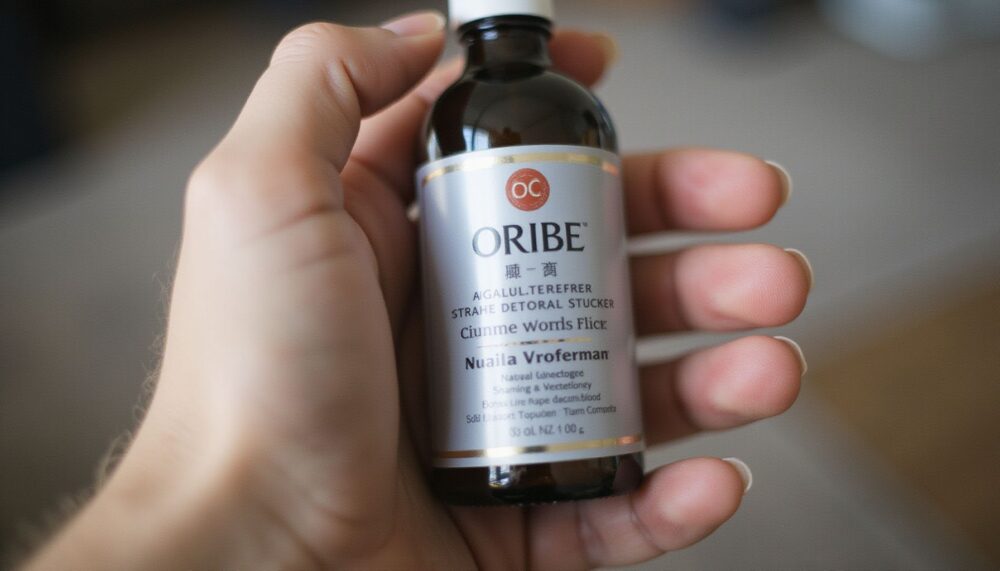
The recall came after Kao USA’s internal quality testing flagged specific batches. Routine testing is standard for cosmetic manufacturers, but the results here triggered an immediate voluntary recall. The company acted quickly, issuing the recall on July 1, 2026, and notifying the FDA.
Timing matters here. A recall like this tends to happen when the bacteria is detected after the product has already been distributed at scale. The earlier it is caught in the supply chain, the less product reaches consumers. In this case, the affected products had already shipped to stores and salons.
How Dangerous Is Pluralibacter Gergoviae?
Pluralibacter gergoviae is classified as an opportunistic pathogen. That means it does not typically cause disease in healthy people with intact immune systems and healthy skin. But it can cause infections in people who are vulnerable.
Who Is at Risk?
According to the FDA’s recall notice, the following groups are at higher risk:
- People with weakened immune systems (from chemotherapy, organ transplants, autoimmune diseases, or medications that suppress immunity)
- Individuals with broken skin on the scalp — conditions like psoriasis, seborrheic dermatitis, or eczema increase risk
- Children and the elderly, who may have less robust immune defenses
- People with chronic health conditions like diabetes or kidney disease
The bacterium can provoke inflammatory reactions in the respiratory tract, skin, eyes, and urinary tract. In severe cases, it can cause bloodstream infections, though that is rare and usually limited to hospitalized patients.
| Population Group | Risk Level | Typical Symptoms if Infected |
|---|---|---|
| Healthy adults | Low | Usually none; minor skin irritation possible |
| Immunocompromised individuals | Moderate to High | Skin infections, respiratory irritation, eye infections |
| Children and elderly | Moderate | Inflammatory responses in skin, eyes, respiratory tract |
| People with broken skin on scalp | High | Localized skin infections, worsening of existing conditions |
How to Know If Your Shampoo Is Affected
If you own Oribe Serene Scalp Densifying Shampoo, check the bottom of the bottle for a lot code. The affected lot codes start with YR. The specific numbers reported include YR010556, YR010566, and YR010576. The manufacturing dates are between February 21 and February 26, 2026.
If your bottle has a different lot code or was purchased outside that window, it is not part of this recall. Still, if you are uncertain, it is better to contact the manufacturer directly.
What Should You Do If You Have the Recalled Shampoo?
Stop using the product immediately. Even if you feel fine, the FDA and Kao USA advise against continued use. Contact the Kao Professional Hair Technical Hotline at 800-333-2442 or email oribecomplaints@kao.com. They will provide instructions for a replacement. Do not throw the bottle away — the manufacturer may ask you to return it for testing.
Which Other Shampoos Have Been Recalled?
As mentioned, Unilever Dry Shampoo was also recalled for Pluralibacter gergoviae contamination. That recall affected all sizes and lots purchased in 2023 and 2024. Health Canada issued a similar recall for Amika Mirrorball High Shine + Protect Antioxidant Shampoo due to the same bacterium.
These multiple recalls suggest the issue is not unique to one manufacturer. Preserving water-based cosmetic products against gram-negative bacteria is a known challenge in the industry. Pluralibacter gergoviae, in particular, has been a recurring problem because of its resistance to common preservatives.
In Practice: What the Recall Means for Your Daily Routine
For most people, the recall is a precautionary measure rather than a cause for alarm. You can use the same approach you would with any other recalled product: stop using it, contact the manufacturer, and replace it with a different product.
The broader lesson is about checking product lot codes and paying attention to recall notices. Many consumers never look at the bottom of their shampoo bottle. A few seconds of checking could prevent potential exposure.
FAQ
Q: Do I need to stop using the Oribe shampoo immediately if I have it?
Yes, consumers are strongly advised to stop using the affected Oribe shampoo immediately regardless of their personal health status. The FDA and manufacturer recommend ceasing use to prevent potential infection, especially given the bacteria’s ability to degrade preservatives. Even if you have not experienced symptoms, continued use is not advised.
Q: How can I get a replacement for the recalled Oribe Serene Scalp Shampoo?
To arrange for a replacement or ask questions, contact the Kao Professional Hair Technical Hotline at 800-333-2442 or email oribecomplaints@kao.com. Customers who purchased the affected products are directed to these channels to receive further instructions or a replacement.
Q: What is the FDA risk classification level for the Pluralibacter gergoviae shampoo recall?
The FDA assigned a Class II risk level to this recall. That means exposure to the violative product may cause temporary or medically reversible adverse health consequences. The probability of serious adverse health consequences is considered remote, but the presence of the bacteria is confirmed, not just potential.
Q: Is any other shampoo brand recalled in Canada for Pluralibacter gergoviae contamination?
Yes, Health Canada issued a recall for Amika Mirrorball High Shine + Protect Antioxidant Shampoo due to potential Pluralibacter gergoviae contamination. This recall affects multiple sizes including 60mL, 275mL, 500mL, and 1L bottles, and customers should return them for a refund.
Q: Where can I find the lot code on the Oribe shampoo bottle to check if it’s recalled?
You can identify if your bottle is part of the recall by checking the bottom of the container for a lot code starting with the prefix YR. Examples of affected codes include YR010556, YR010566, and YR010576, which correspond to the manufacturing window of February 21-26, 2026.
Q: Does Pluralibacter gergoviae bacteria appear in water or soil naturally?
Pluralibacter gergoviae is a bacterium found naturally in water, soil, and certain cosmetic and personal care products. It is a gram-negative bacterium previously known as Enterobacter gergoviae and is notable for its adaptability and ability to bypass preservative systems in commercial products.
Q: What health issues increase a person’s risk of infection from contaminated shampoo?
Individuals with weakened immune systems, broken skin on the scalp (such as from psoriasis or seborrheic dermatitis), or compromised health are at an increased risk of infection. The bacteria can provoke inflammatory reactions in the respiratory tract, skin, eyes, and urinary tract in these sensitive groups, including children and the elderly.
My Experience With the Pluralibacter Gergoviae Shampoo Recall
I have to admit, the first time I heard about this recall, I checked my own shampoo bottle. I do not use Oribe — it is a bit out of my price range — but I found myself flipping over every bottle in my shower anyway. That is the thing about recalls: they make you think about product safety in a way you normally do not.
The most surprising part to me was learning about Pluralibacter gergoviae itself. I had never heard of it before, and I assumed any bacteria in a shampoo would be dangerous to everyone. Learning that it is mostly harmless to healthy people but genuinely risky for others changed how I think about labeling. Manufacturers are not just covering themselves when they issue recalls for relatively low-risk contaminants. They are protecting the most vulnerable people who might use the product.
If there is one thing I would recommend, it is this: check your lot codes. It takes ten seconds, and it could spare someone in your household from an avoidable infection. What about you? Did you have a recalled product, or did you only hear about it in the news?
2026 Trends in Cosmetic Recalls
Cosmetic recalls for bacterial contamination are not new, but they may be increasing in frequency. The Pluralibacter gergoviae issue has prompted the FDA and Health Canada to update their guidance on preservative efficacy testing. For manufacturers, the trend is toward using more robust preservative systems and more frequent batch testing.
Consumers are also becoming more aware. Social media and press coverage mean recalls spread faster than ever. Brands that handle recalls quickly and transparently tend to retain customer trust. Those that do not risk losing it.
Conclusion
The Pluralibacter gergoviae shampoo recall is an important reminder that cosmetic products are not sterile and that contamination can happen even at reputable manufacturers. The bacteria itself is not a major threat to most people, but for those with compromised health, it is a real risk. Checking your shampoo bottle’s lot code, knowing what to do if you have an affected product, and understanding the broader pattern of recalls are the key takeaways here.
References
- LiveNOW from FOX. (2026, July). Shampoo recalled over possible harmful bacteria, FDA says. https://www.livenowfox.com/news/shampoo-recalled-possible-bacteria
- Detroit Free Press. (2026, July 7). Bacteria found in Oribe shampoo. What to know about recall. https://www.freep.com/story/news/local/michigan/2026/07/07/oribe-serene-densifying-shampoo-recall-bacteria-fda-michigan/90831598007
- Fast Company. (2026). Stop using this recalled shampoo immediately. It could give you a bacterial infection. https://www.fastcompany.com/91569533/shampoo-recall-pluralibacter-gergoviae-bacteria-oribe-fda
- NBC Chicago. (2026). Oribe shampoo recalled for presence of bacteria. https://www.nbcchicago.com/news/local/oribe-shampoo-recalled-pluralibacter-gergoviae-bacteria/3957824
- MassLive. (2026, July). Popular hair product recalled for bacteria contamination. https://www.masslive.com/news/2026/07/popular-hair-product-recalled-for-bacteria-contamination-stop-using-asap.html
- U.S. Food and Drug Administration. (2026). Kao USA Inc. Issues Voluntary Nationwide Recall of Oribe Serene Scalp Densifying Shampoo Due to Bacteria. https://www.fda.gov/safety/recalls-market-withdrawals-safety-alerts/kao-usa-inc-issues-voluntary-nationwide-recall-oribe-serene-scalp-densifying-shampoo-due
- Fox 26 Houston Facebook. (2026). The shampoo has been recalled due to the detection of Pluralibacter gergoviae. https://www.facebook.com/fox26houston/posts/the-shampoo-has-been-recalled-due-to-the-detection-of-pluralibacter-gergoviae-ba/1501943245306801
- Health Canada. (2026). Amika Mirrorball High Shine + Protect Antioxidant Shampoo recall. https://recalls-rappels.canada.ca/en/alert-recall/amika-mirrorball-high-shine-protect-antioxidant-shampoo-recalled-due-bacteria

Sarah Anderson . J
I’m the mom behind Wise Mom Blogger, where everyday creativity meets real-life motherhood. I share easy DIY crafts, cozy knitting and crochet projects, beginner-friendly sewing ideas, and family-tested recipes—plus quick baking hacks that make homemade feel doable on busy days.