Quick answer: The best winter hair braids are low, close-to-the-scalp styles that hold up under hats and hoods and fight the dryness and static that cold air causes. Top picks are the braided low bun, braided crown, braided ponytail, and space buns with braided bases.
Cold, dry winter air pulls moisture out of hair fast, and that makes strands more prone to static, frizz, and breakage. Braids help because they reduce daily friction against scarves, hats, and coat collars. Indoor heating adds to the problem too, since it lowers humidity even further once you’re back inside, so hair barely gets a break from dryness during the coldest months. Here are 12 winter hair braids that hold up well through snow days, holiday parties, and months of hats, plus tips on keeping them frizz-free and reducing the static that tends to show up the moment you pull off a hat.
| Braid Style | Best For | Hat-Friendly |
| Braided Low Bun | Skiing, sledding, commutes | Yes |
| Braided Crown | Holiday parties | Mostly |
| Space Buns with Braided Bases | Winter break, casual days | No |
| Braided Ponytail | Everyday wear | Yes |
| Dutch Braid Pigtails | Active outdoor days | Yes |
1. Braided Low Bun
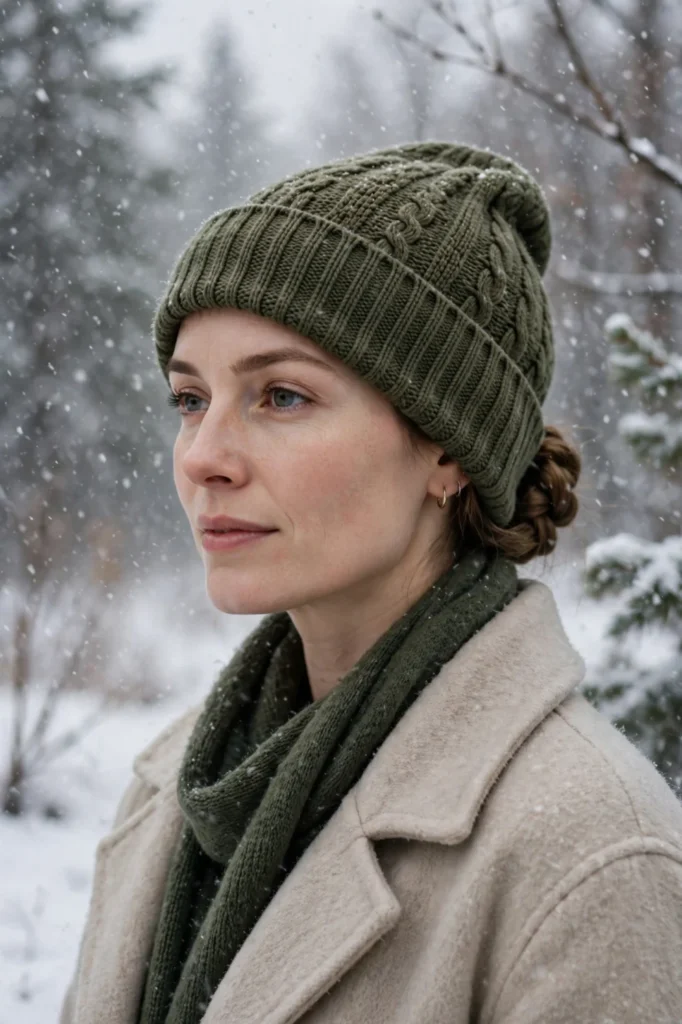
A single or double braid coiled into a bun at the nape sits low enough to tuck under a hood or hat without getting squashed. It is one of the most practical winter styles because it survives an entire day of hats coming on and off. Secure it with bobby pins that match your hair color so it stays neat through ski trips, sledding, or an icy morning commute.
Wrap the braid twice around the base before pinning for a fuller, rounder bun shape. This style also works well as a base for a small winter accessory, like a jeweled pin, for holiday outfits.
2. Braided Crown (Milkmaid Braid)
Two braids wrapped around the head like a crown keep hair fully off the neck and shoulders, which makes layering scarves much easier. This style looks polished enough for a holiday party while still being practical for cold, windy days. It works best on second-day hair, since a bit of natural texture helps the braids sit smoothly against the head.
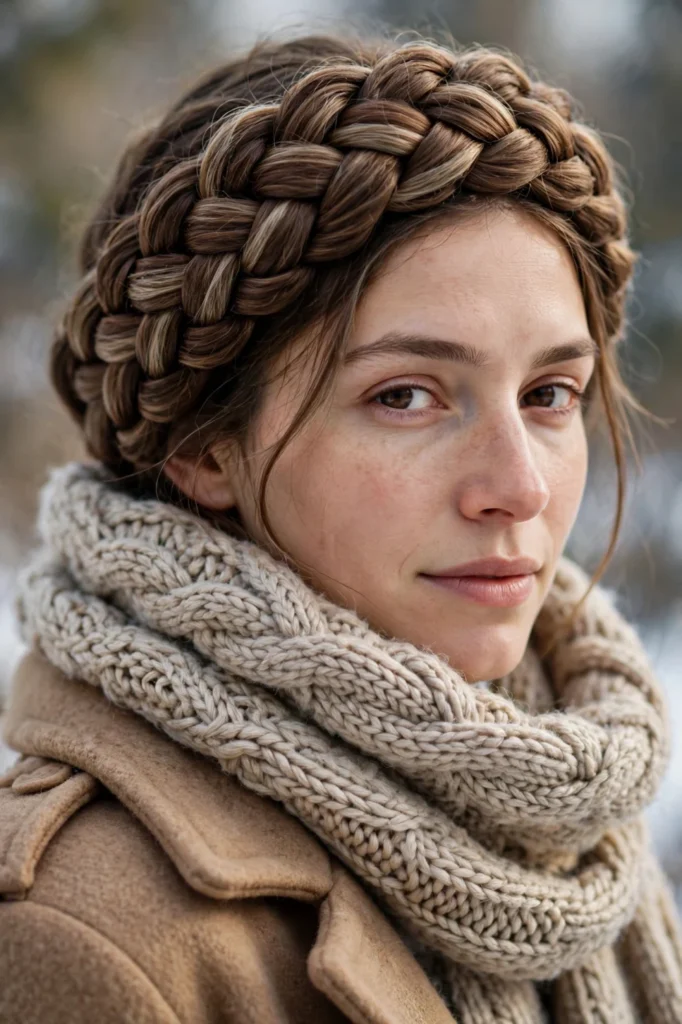
Pull the braided sections slightly looser at the edges for a fuller, more romantic crown shape instead of a tight, sporty look. Setting the style with a light-hold spray helps it survive an evening of dancing or being out in the wind.
3. Chunky Three-Strand Braid with Ribbon
A classic three-strand braid gets a festive upgrade with a plaid or velvet ribbon woven through the plait. This is an easy way to dress up a simple style for December holidays or family photos without needing extra products or heat styling, which is helpful since winter hair is already more fragile from moisture loss.
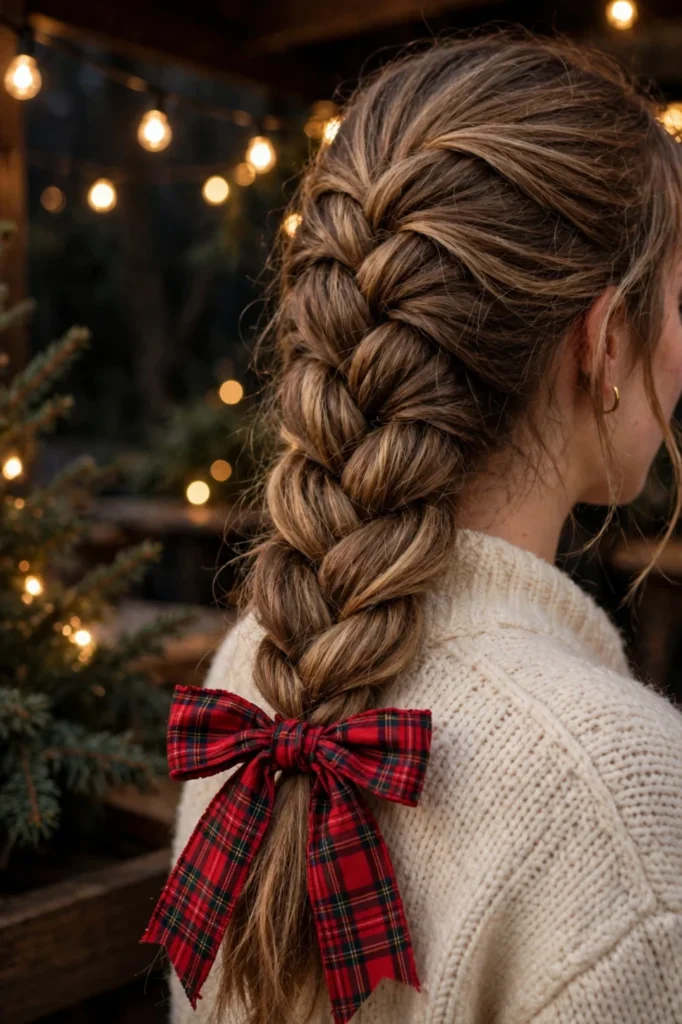
Choose a ribbon with a bit of stretch or grip so it does not slide out of the braid throughout the day. Tucking the ribbon ends underneath and securing with a small clear elastic keeps the finish clean.
4. Braided Ponytail
A sleek ponytail with the length braided down adds texture and helps protect the ends from dry winter air. Add a small scrunchie or a clip at the base to hide the elastic and keep flyaways under control. This is a fast, low-effort style for everyday winter wear that still looks intentional.
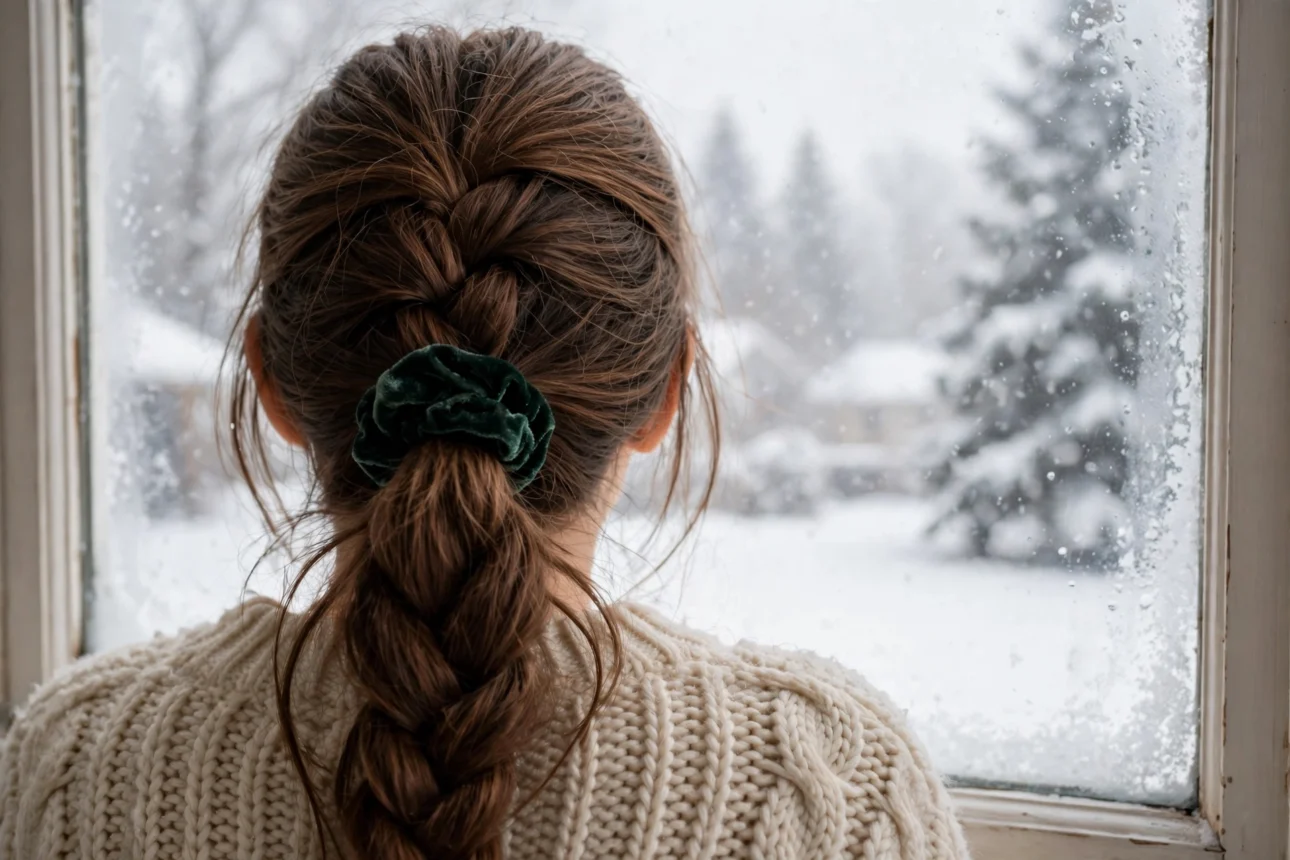
Apply a small amount of hair oil to the length before braiding to smooth the surface and cut down on the frizz that dry winter air tends to cause. This style also works well paired with a low, side-swept version for evening events.
5. Space Buns with Braided Bases
Instead of plain twisted buns, braid the base of each section before coiling it up. This holds up well through movement and looks playful for winter break, a night out, or a snowy photo shoot. It works best on dry, day-two hair, since freshly washed hair tends to be too slippery to hold the braided base.
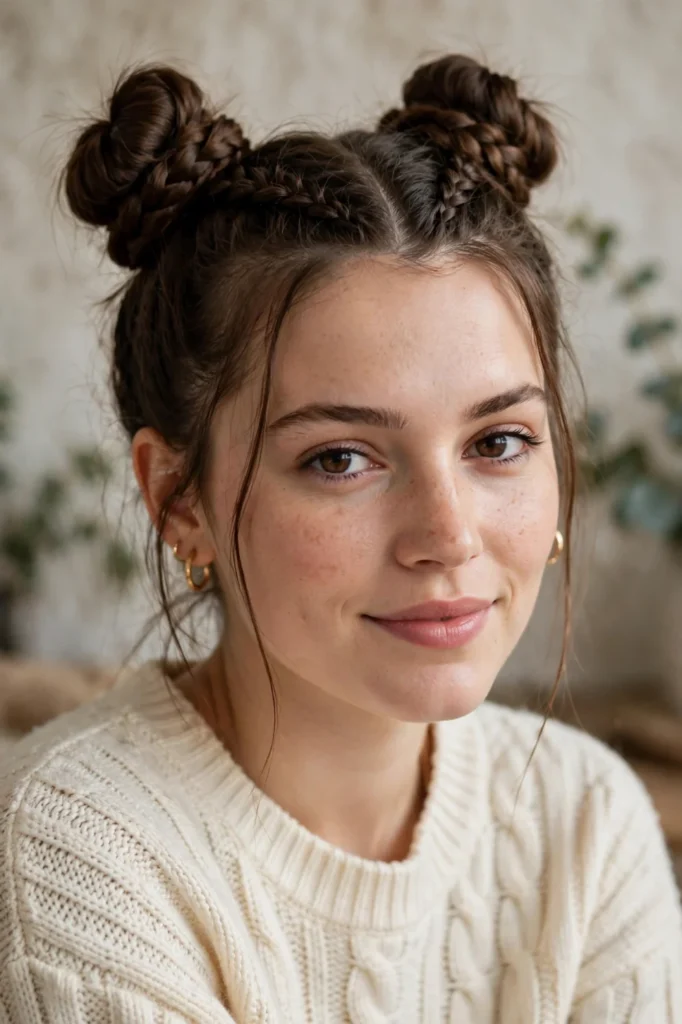
Secure each bun with clear elastics first, then add a decorative hair tie or clip on top for a finished look. Keep both buns even by measuring sections with your fingers before braiding, rather than eyeballing it.
6. Dutch Braid Pigtails Under a Hat
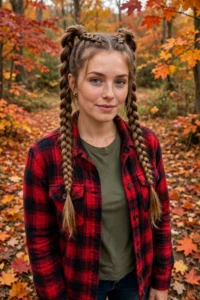
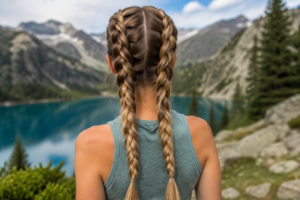
Two Dutch braids sit close to the scalp, which means they hold their shape under a beanie or hood better than most styles. This makes them a smart pick for active winter days like sledding, skiing, or shoveling snow. Because the braids sit flat, there is less hair to catch on zippers and scarves too.
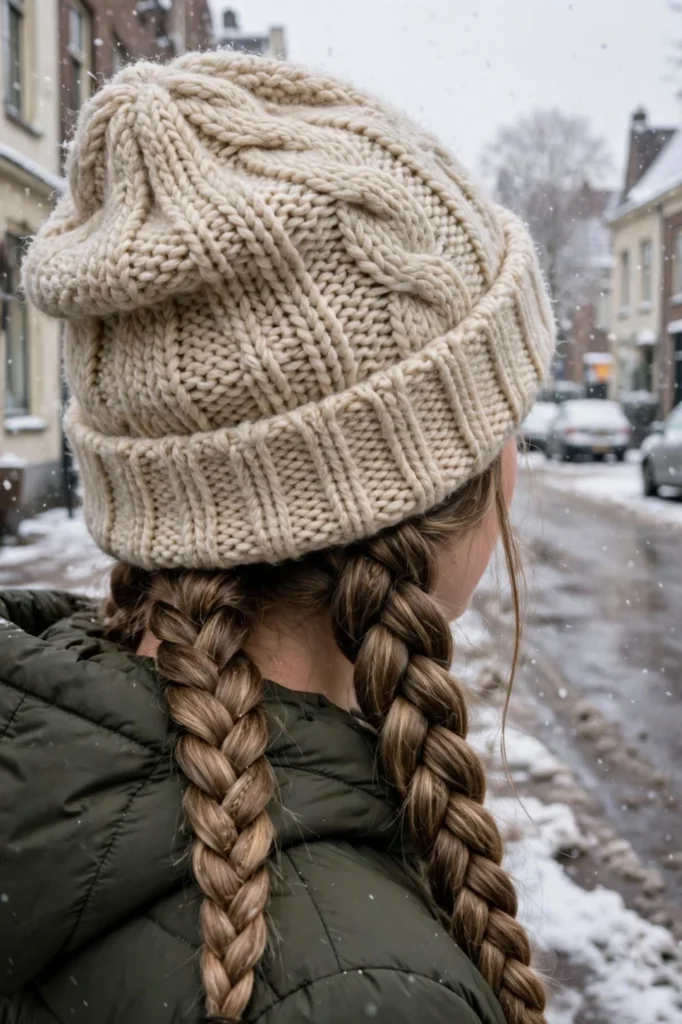
Braid slightly tighter at the crown than you normally would, since hats add extra friction that can loosen a looser braid faster. This style is a practical pick for daily school runs when mornings are cold and rushed.
7. Fishtail Braid Bun
A fishtail braid coiled into a bun at the crown or nape gives a more textured look than a plain three-strand braid bun. It photographs especially well for winter portraits or holiday cards, and the thinner two-section weave holds tightly even in windy weather.
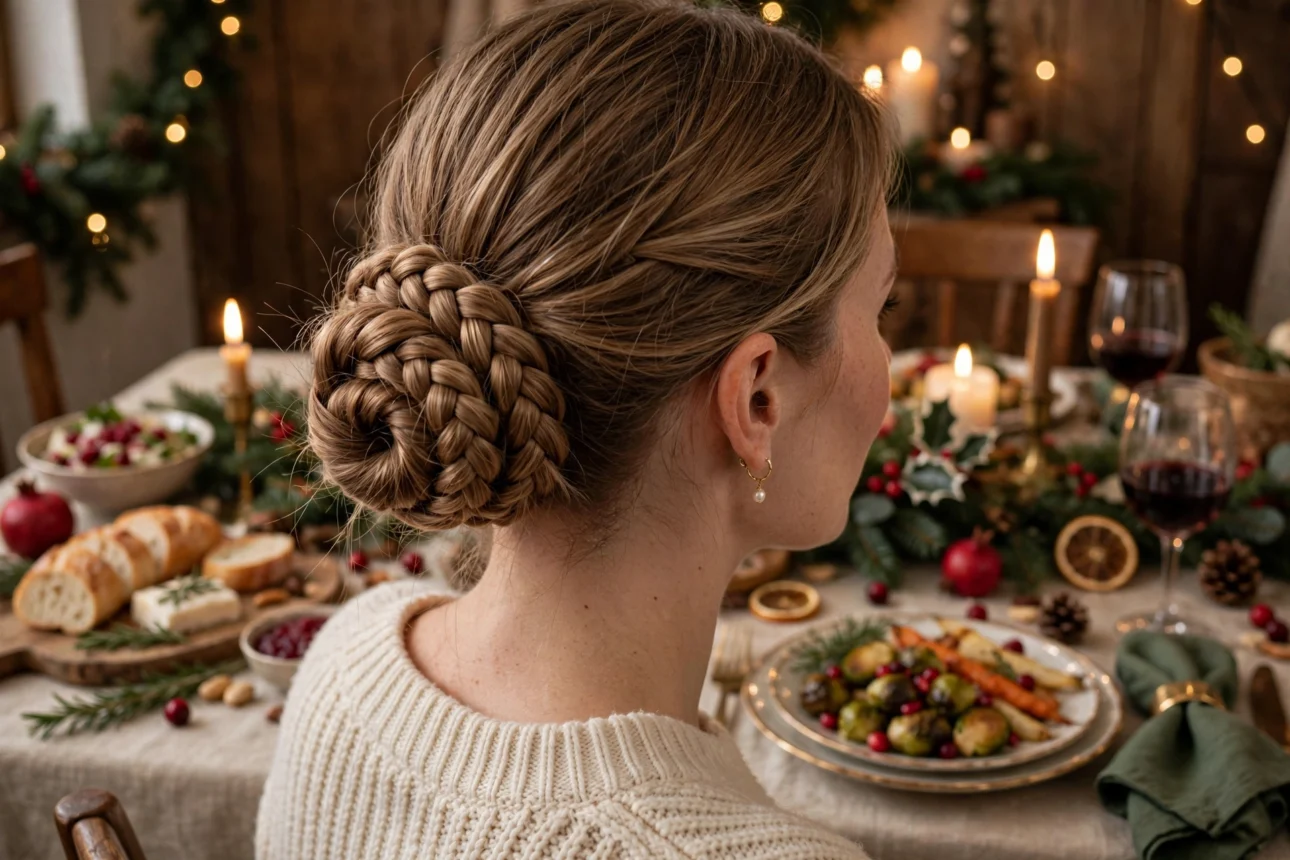
Leave a few small pieces loose around the fishtail bun for a softer, less severe finish. This style photographs especially well from the back, making it a strong choice for holiday card photos.
8. Braided Top Knot
A single braid coiled into a bun at the very top of the head keeps hair fully off the neck, which is useful once scarves start layering up. It also sits high enough to avoid getting flattened by most winter coat collars, unlike a low bun.
Backcomb slightly at the crown before braiding for extra height and volume in the finished knot. This style keeps hair fully off a turtleneck or high collar, which many people find more comfortable in winter layers.
9. Waterfall Braid with Scarf Wrap
A waterfall braid across the crown, paired with a thin scarf wrapped through the braid, gives a festive winter look for parties or holiday gatherings. The dropped sections stay loose while the scarf adds color and warmth-coded styling that fits the season.
Choose a thin, silky scarf rather than a bulky one so it threads through the braid smoothly without adding too much weight. This look works well for New Year’s Eve or other festive winter events.
10. Two French Braids into One Braid
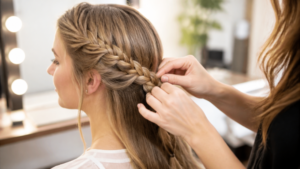
Start with two French braids at the crown, then combine them into a single braid down the back. This gives a lot of hold at the roots, which matters on windy winter days, while still leaving a single tail that is easy to tuck into a coat or scarf.
Secure the transition point where the two braids meet with a small clear elastic before continuing into the single braid, so the join stays neat. This style holds up well through a full day of outdoor winter activity.
11. Braided Half Crown
A half version of the crown braid wraps a single braid partway around the head instead of the full circumference, leaving the rest of the hair down. It is a quicker option than a full crown braid and still keeps hair out of your face during wind and snow.
Curl the loose sections below the half crown for a softer, more finished overall look. This style is a good middle-ground option when you want some hold at the crown but don’t want a fully updo style.
12. Ice Queen Braid
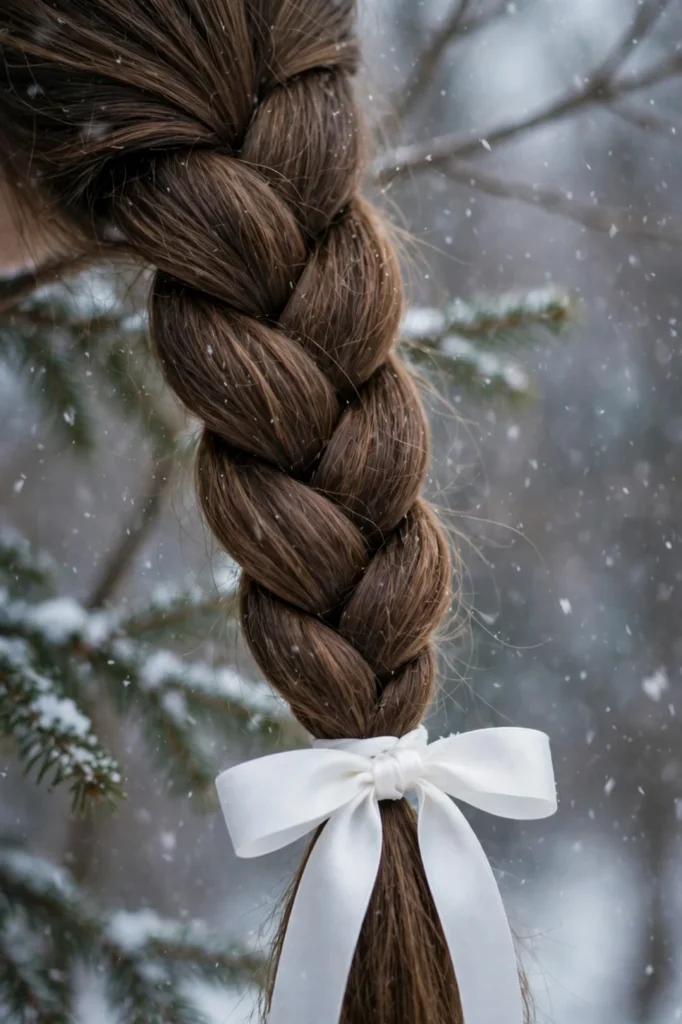
A single, thick three-strand braid finished with a white or silver ribbon gives a dramatic, wintery look for photos or special occasions. Adding a little shine spray before braiding helps the style catch light, which makes it look especially striking against snow or holiday lighting.
Weave small strands of tinsel or metallic thread into the braid alongside the ribbon for extra sparkle at holiday parties. This style holds its shape well, making it a solid choice for a full evening out in the cold.
How Do You Keep Winter Braids From Getting Dry and Staticky?
You keep winter braids from getting dry and staticky by moisturizing hair before you braid and protecting it from the moisture loss that cold, dry air causes. Cold winter air holds less moisture than warm air, and when humidity drops, hair loses its natural moisture balance, which is what leads to static and flyaways. Follow these steps to reduce the problem:
- Apply a leave-in conditioner or light oil to damp hair before braiding to add a moisture barrier.
- Braid hair that is fully dry. Braiding damp hair in cold, dry air lets moisture escape unevenly and can leave the braid frizzy by the next day.
- Choose low, close-to-the-scalp styles like a braided low bun or Dutch braid pigtails if you will be wearing a hat, since these hold their shape best under pressure.
- Use a silk or satin scarf, hat liner, or pillowcase where possible. Smoother fabrics reduce the friction and static that rougher materials like wool can cause.
- Turn down shower water temperature slightly. Very hot showers dry out hair and skin further, which makes static worse.
- Touch up flyaways with a small amount of oil or a dryer sheet swiped lightly over the braid instead of adding more product to the whole style.
Keeping the scalp hydrated matters too. Cold air and indoor heating can dehydrate the scalp, causing itchiness and flakes, so a light oil on the scalp between wash days helps support the hair underneath the braid.
FAQ
Why does my hair get more static in winter braids?
Cold, dry winter air holds less moisture, which lets electric charge build up on hair strands instead of dissipating. Braids that rub against wool hats or scarves can make this worse, so smoother fabrics and moisturized hair help reduce it. Switching to a silk-lined hat or hood liner can make a noticeable difference over the course of a season.
Which winter braid works best under a hat?
A braided low bun or Dutch braid pigtails work best under a hat, since both sit low and close to the scalp and hold their shape even after a hat comes on and off several times. Styles with height at the crown, like a top knot, tend to get flattened and look uneven once the hat comes off.
Should I braid my hair wet or dry in winter?
Dry hair is usually better in winter. Braiding damp hair in cold, low-humidity air can leave strands drying unevenly, which often leads to more frizz once the braid is finished. If you do braid slightly damp hair, let it air dry indoors first rather than heading outside right away, since the cold can set the frizz in place.
Do braids help prevent winter hair breakage?
Yes, braids reduce daily brushing and friction against scarves and coats, which helps protect strands that are already more fragile from moisture loss in cold weather. Keeping ends braided and tucked away also cuts down on the split ends that dry winter air tends to cause.
How often should I redo winter braids?
Everyday styles like a braided ponytail or crown braid usually need a refresh every two to four days. Longer-term protective styles can last several weeks with regular scalp moisturizing. Pay attention to your scalp specifically. If it feels tight, itchy, or flaky, that’s a sign to take the style down and moisturize before rebraiding, even if the braid itself still looks fine.
Can wearing a hat every day damage braids?
A hat itself will not damage a healthy braid, but repeated pressure in the same spot each day can flatten the crown or loosen edges over time. Choosing a low style, and switching where a hat sits slightly from day to day, helps the braid keep its shape for longer.
References
- Toppik, “Winter Hair Static and Frizz Solutions” (2024)
- The Earthling Co., “Why Is My Hair So Dry in Winter? How Cold Weather Impacts Hair Health” (2025)
- Cleveland Clinic, “How to Keep Your Hair Healthy This Winter” (2021)
- The Flow Space, “Your Guide to Managing Common Winter Scalp and Hair Issues, According to Experts” (2026)
- ScienceInsights, “Does Cold Air Damage Hair? What Really Happens” (2026)
- ISDIN, “Why Your Hair Feels Different in Winter (and What To Do About It)” (2025)

Sarah Anderson . J
I’m the mom behind Wise Mom Blogger, where everyday creativity meets real-life motherhood. I share easy DIY crafts, cozy knitting and crochet projects, beginner-friendly sewing ideas, and family-tested recipes—plus quick baking hacks that make homemade feel doable on busy days.