


Have you ever bought a Cadbury chocolate egg only to wonder if it is safe for your family during the Easter season? A Cadbury chocolate recall in Canada can change how you trust a favorite candy brand overnight. The Cadbury chocolate recall involves specific production batches linked to safety issues like plastic contamination or allergens that manufacturers must report. You need to know exactly how these Cadbury chocolate recalls proceed and if the items you own are part of the problem. Whether you are planning an Easter basket or a holiday treat spread, understanding which Cadbury chocolate recall items matter helps you protect your health. I share what occurred, why it happened, and how you can check your stash.
Quick Questions and Answers
Question: Why was Cadbury chocolate recalled in Canada? Answer: Cadbury recalled some chocolate products in Canada because they could pose safety risks such as hard plastic pieces or undeclared allergens. In one case, the recall involved 39-gram Caramilk eggs after a consumer was injured by hard plastic. In another, some Mini Eggs and Mini Bars were recalled because hazelnut was not declared on the label.
Question: Can you still eat Cadbury recalled products? Answer: No. The Canadian Food Inspection Agency advised consumers not to eat the recalled Cadbury products. If you have the affected item, you should discard it or return it to the store, depending on the retailer’s instructions.
Question: Do Cadbury recalls in Canada affect all chocolates? Answer: No, the recalls only applied to specific products, sizes, lots, or flavours. For example, the plastic recall covered only 39-gram Caramilk, Caramilk Maple, and Caramilk Café eggs, while the hazelnut recall covered specific Mini Eggs or Mini Bars with certain lot or best-before codes.
Key Takeaways
- Cadbury recalls in Canada involve multiple hazards like foreign objects, undeclared allergens, or bacteria depending on the year.
- Always check lot numbers and best-before dates before consuming Cadbury products to ensure they match safe batches.
- The CFIA monitors these voluntary recalls initiated by manufacturers to ensure public safety standards are met.
Understanding the Nature of Cadbury Product Recalls
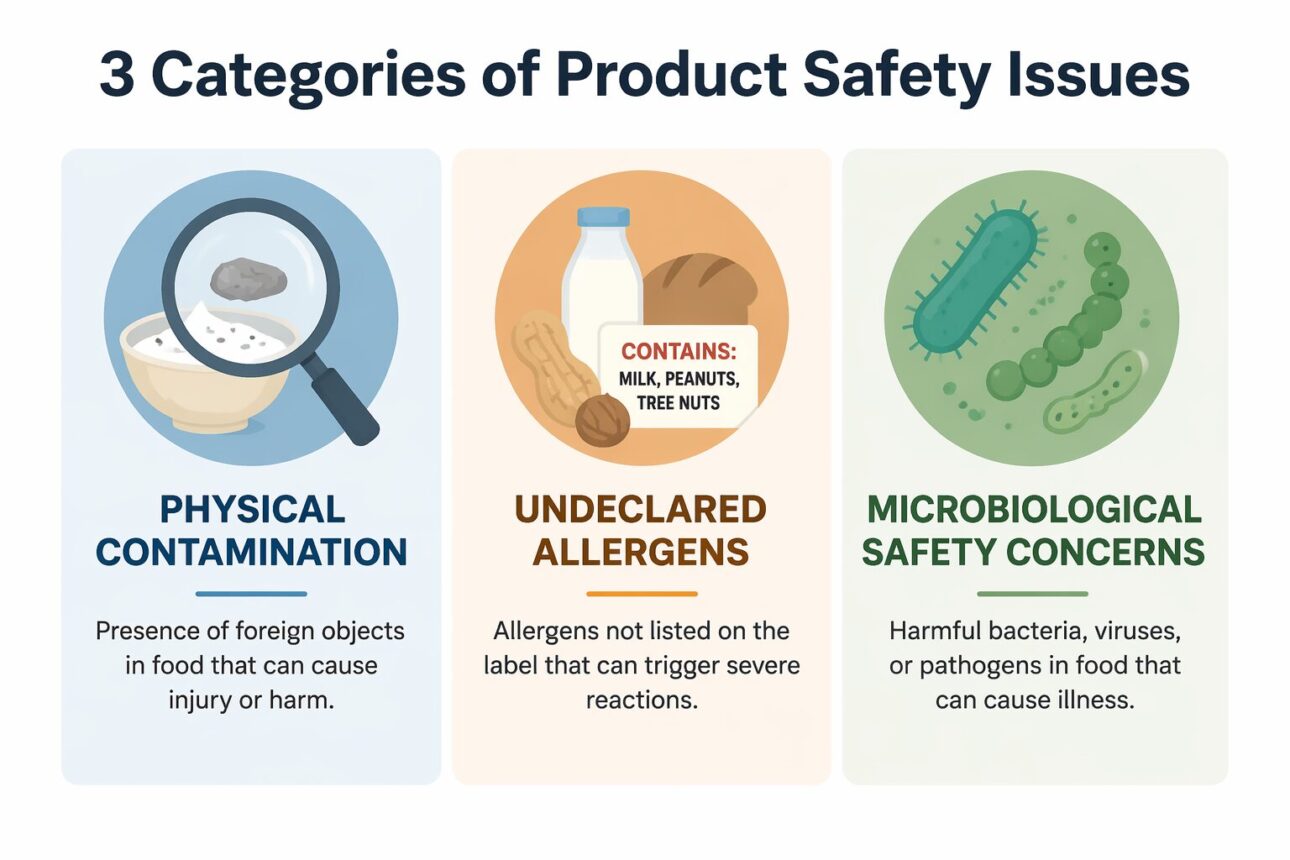
Cadbury recalls in Canada generally fall into three distinct categories: physical contamination, undeclared allergens, and microbiological safety concerns. Understanding these categories helps consumers realize that every recall case stems from a different manufacturing or labeling error. The Canadian Food Inspection Agency plays the lead role in monitoring these events, ensuring that companies inform the public and remove affected stock from retail shelves. While recalls are initiated voluntarily by firms like Cadbury Adams Canada Inc. or Mondelez Canada Inc., the CFIA provides the formal safety framework for communication and classification. This oversight means that when bad things happen, the government ensures the public gets the message before anyone gets hurt.
Physical contamination often involves foreign materials entering the food through machine failure or broken packaging. Undeclared allergens represent a hidden danger for people with food sensitivities who rely on ingredient lists. Microbiological risks involve bacteria like Listeria that can grow in processed foods under specific conditions. Each type requires a different response from the manufacturer and the regulatory body. You should always look at the hazard classification to understand the severity of the situation. A simple label error might not injure everyone, but a plastic shard can cause immediate physical harm.
Physical Contamination: The 2006 Easter Egg Case

In 2006, an estimated 1 million 39-gram Cadbury Caramilk, Caramilk Maple, and Caramilk Café eggs were recalled nationwide. This massive recall was triggered by a specific manufacturing defect that put consumers at risk of injury. The health risk was identified as fragments of hard plastic originating from a chipped mould at a Hamilton production line. One consumer injury was reported after a user sustained a cut to their mouth, prompting the recall.
The problem stemmed from the machinery used to shape the chocolate eggs. A plastic mould chipped during the process, releasing small fragments that hardened inside the chocolate. This makes the recall a quality-control and machinery-failure story as much as a food-safety one. The Canadian Food Inspection Agency monitored the recall closely because the injury suggested a direct threat to public health. According to [CBC News] reports, the issue was significant enough to warrant a nationwide pull of specific egg sizes. This highlighted how a small piece of equipment can impact a large volume of product in a short time.
When manufacturing lines have worn-down tools, foreign objects can slip into the final product. In this instance, the plastic pieces were hard enough to cut tissue. This specific incident serves as a clear example of why manufacturers test their equipment regularly. It also explains why consumers should always be vigilant about checking packaging integrity when they receive their chocolate treats.
Undeclared Allergen Hazards
In 2007, an allergy alert was issued for 39-gram packages of Cadbury regular milk chocolate Mini Eggs. These packages specifically carried lot numbers 02457T and 02357T due containing undeclared hazelnut protein. This recall resulted in one reported illness associated with the exposure. The product was part of a voluntary recall initiated by Cadbury Adams Canada Inc. in Toronto.
On May 7, 2021, a formal Class 3 Food Recall Warning was issued for 152g Cadbury Dairy Milk Mini Bars. This recall identified undeclared hazelnuts and referenced CFIA note number 14391. The UPC code for this specific batch is 0 61200 01408 2. The best-before date associated with this warning is 2021 DE 31. This notice came from Mondelez Canada Inc. and highlighted the risks posed by cross-contamination.
Exposure to undeclared hazelnut protein poses a life-threatening risk to sensitized individuals. Health authorities issued explicit instructions to discard the affected products immediately. This is because even trace amounts of the allergen can trigger severe reactions. The CFIA classified this as a Class 3 hazard, which indicates a low probability of adverse health consequences, but the stakes remain high for allergy sufferers. As the CFIA explains, if you have an allergy, you should not consume these items under any circumstances.
Manufacturers sometimes use the same equipment for multiple products. If they do not clean the lines properly between batches, allergen proteins can transfer. This specific chain of events forced companies to review their cleaning protocols and allergen management systems. It also required consumers to learn how to identify lot numbers on packaging to avoid accidental consumption.
Microbiological Risks: The 2023 Dessert Recalls
Separate from Canadian-specific production line errors, Cadbury-branded dessert products were recalled in 2023 due to possible Listeria monocytogenes contamination. This includes Cadbury Crunch Chocolate Dessert, Cadbury Dairy Milk Dessert, and Cadbury Daim Chocolate Dessert. These products were often sold in major retailers like Lidl.
Listeria infection symptoms include high fever, muscle aches, chills, and nausea. These symptoms can lead to more serious systemic health issues if left untreated. The contamination was microbiological rather than physical or allergen-based. This distinction is important because it signals a different kind of risk profile for consumers. When bacteria are present, heating or cooking does not always eliminate the danger in ready-to-eat desserts.
The recall required the immediate removal of all affected batches from the display. Retailers posted notices to warn shoppers about the potential for foodborne illness. The Food Safety Authority of Ireland issued a notice stating that the symptoms can include flu-like illness and gastrointestinal symptoms. This type of recall shows that even large food companies face risks from bacterial contamination during processing. It underscores the need for rigorous testing before products reach the consumer.
Identifying and Responding to a Recall
Consumers should always verify the specific product name, package weight, UPC code, and lot number against official updates from the CFIA. Not all versions of a product are typically affected, so exact matching is required. For example, one recall might only involve the 39-gram size of a specific candy. You might find the larger version on shelves without issue.
If you have purchased a product impacted by an allergen recall and have a known sensitivity, the safest course of action is to discard the item or return it to the place of purchase for a refund. This prevents the risk of a severe health reaction. When managing microbiological concerns, retailers are required to post recall notices in stores to inform customers of the potential for foodborne illness.
You can also look at resources like other food safety alerts to understand the process better. Reading about similar cases helps build knowledge about how food safety systems work. You might find that checking other recalls, such as those regarding egg Salmonella, provides context for how safety is managed generally [Egg Salmonella Recalls: What Consumers Must Know Now]. This comparison helps in understanding the broader framework. Similarly, checking notices about produce, like those regarding [Taylor Farms Cyclospora Recall: Is Your Lettuce Safe to Eat?], offers insight into how different food categories face similar challenges.
| Recall Type | Hazard | Key Product Example | Risk Level |
|---|---|---|---|
| Physical | Plastic contamination | 39g Caramilk Eggs | High (Injury risk) |
| Allergen | Undeclared hazelnut | Mini Bars & Mini Eggs | High (Health risk) |
| Microbiological | Listeria monocytogenes | Dessert Pots | Medium (Health risk) |
My Experience With Cadbury Chocolate Recall in Canada Explained: What Happened and Why
I remember checking my own pantry when I heard about the Caramilk egg recall. I had bought a dozen eggs just weeks before the news broke. It was a relief to find that my lot number didn’t match the alert, but it made me nervous knowing how close the risk ran. I had seen that single injury report and imagined my children playing near the candy wrappers. I threw away the ones I wasn’t sure about immediately. No one needs to take that risk when you can simply call the store or check the website. I found the process easy enough once I knew what numbers to look for. It feels good to be proactive rather than reactive. Have you ever caught a recalled item before opening it?
FAQ
Q: Are Cadbury Mini Eggs recalled in Canada too?
Yes, some Cadbury Mini Eggs were recalled in Canada in a separate allergen alert. The issue was possible hazelnut protein that was not declared on the label, which could be dangerous for people with hazelnut allergies.
Q: How do I know if my Cadbury chocolate is recalled?
Check the product name, package size, lot number, and best-before date against the recall notice. The CFIA and Cadbury listed only specific affected items, such as 39-gram Caramilk eggs or certain Mini Eggs and Mini Bars, not all Cadbury products.
Q: Does the Cadbury recall include chocolate eggs only?
Not always. One Canadian recall involved chocolate eggs with possible hard plastic, but another involved Cadbury Mini Eggs and Mini Bars because of undeclared hazelnut. The exact product type depends on the specific recall notice.
Q: Will Cadbury recalled chocolate make you sick?
It can, depending on the hazard. Plastic pieces can cause mouth or digestive injuries, and undeclared hazelnut can trigger a serious or life-threatening allergic reaction in people with hazelnut allergies.
Q: When did Cadbury issue the chocolate recall in Canada?
The Canadian Cadbury recalls appeared in different years. The plastic egg recall was announced around Easter season in 2006, while the undeclared-hazelnut recalls for Mini Eggs and Mini Bars were issued later, including in 2021.
Q: What should I do if I bought recalled Cadbury chocolate?
Stop eating it right away and follow the recall instructions. The usual advice was to return the product to the store or discard it, and consumers could also contact Cadbury or the CFIA for more information.
Q: Which Cadbury products were recalled over hazelnut in Canada?
Canada’s hazelnut-related Cadbury recalls included certain Cadbury Dairy Milk Mini Bars and some Cadbury Mini Eggs. The affected products were limited to specific packages and codes, and the risk was undeclared hazelnut for people with tree-nut allergies.
Conclusion
Cadbury chocolate recalls in Canada highlight the importance of food safety monitoring and consumer awareness. These incidents involve physical hazards, allergens, and microbiological risks that affect different batches in different years. Each recall requires specific attention to lot codes and best-before dates to ensure safety. Consumers must stay informed through official channels like the CFIA to avoid potential health risks. Understanding the differences between hazards helps you manage your food purchases safely.
References
- Canadian Food Inspection Agency. (2021, May 10). Cadbury Dairy Milk brand Mini Bars Milk Chocolate recalled due to undeclared hazelnut. Canada.ca. https://inspection.canada.ca/en/food-safety/recalls-advisories-recalls-products-and-services/2021/cadbury-dairy-milk-brand-mini-bars-milk-chocolate-recalled
- CBC News. (2006). Chocolate lovers: take note of Cadbury recall. CBC News. https://www.cbc.ca/news/science/chocolate-lovers-take-note-of-cadbury-recall-1.623035
- Food Safety Authority of Ireland. (2023). Recall of several Cadbury chocolate dessert products due to the possible presence of Listeria monocytogenes. FSA Ireland. https://www.fsai.ie/consumers/product-recalls/
- Hong Kong Centre for Food Safety. (n.d.). Microsoft Word – FIP_210511 (chocolate_undeclared hazelnut)Canada.docx. Government of Hong Kong. https://www.cfs.gov.hk/english/multimedia/multimedia_pub/multimedia_pub_fiu/895/html/
- iwaspoisoned.com. (n.d.). Cadbury Dairy Milk Mini Bars Milk Chocolate – recalled due to undeclared hazelnut. I Was Poisoned. https://iwaspoisoned.com/recall/cadbury-dairy-milk-mini-bars-milk-chocolate-recalled
- Just-News. (2006, April). CANADA: Cadbury recalls 1m Easter eggs. Just-News. https://www.just-food.com/news/canada-cadbury-recalls-1m-easter-eggs/

Sarah Anderson . J
I’m the mom behind Wise Mom Blogger, where everyday creativity meets real-life motherhood. I share easy DIY crafts, cozy knitting and crochet projects, beginner-friendly sewing ideas, and family-tested recipes—plus quick baking hacks that make homemade feel doable on busy days.