Why does a quick search reveal a massive recall alert for Corte Argentino beef right when you are planning holiday meals? Cutting through the noise around raw imported beef, USDA food safety officials recently flagged nearly thirty thousand pounds of product for failing a critical border inspection step. Knowing exactly which cuts fall under the notice saves you time during a weekend barbecue or family reunion. This guide breaks down the import reinspection failure, shows you how to check package labels like EST. N° OF. 2025, and walks through the official steps the agency recommends before you cook dinner tonight. Let us walk through the facts so you can clear out your cold storage with confidence.
Quick Questions and Answers
Question: What is the Corte Argentino beef recall about?
Answer: It is a USDA FSIS recall of about 29,628 pounds of raw beef imported from Argentina by Corte Argentino USA LLC without the benefit of import reinspection. The recall notice came out on Aug. 7, 2026, and the products reached stores in Florida and Texas. USDA confirmed no illnesses occurred at that time.
Question: Which beef products were recalled in the Corte Argentino case?
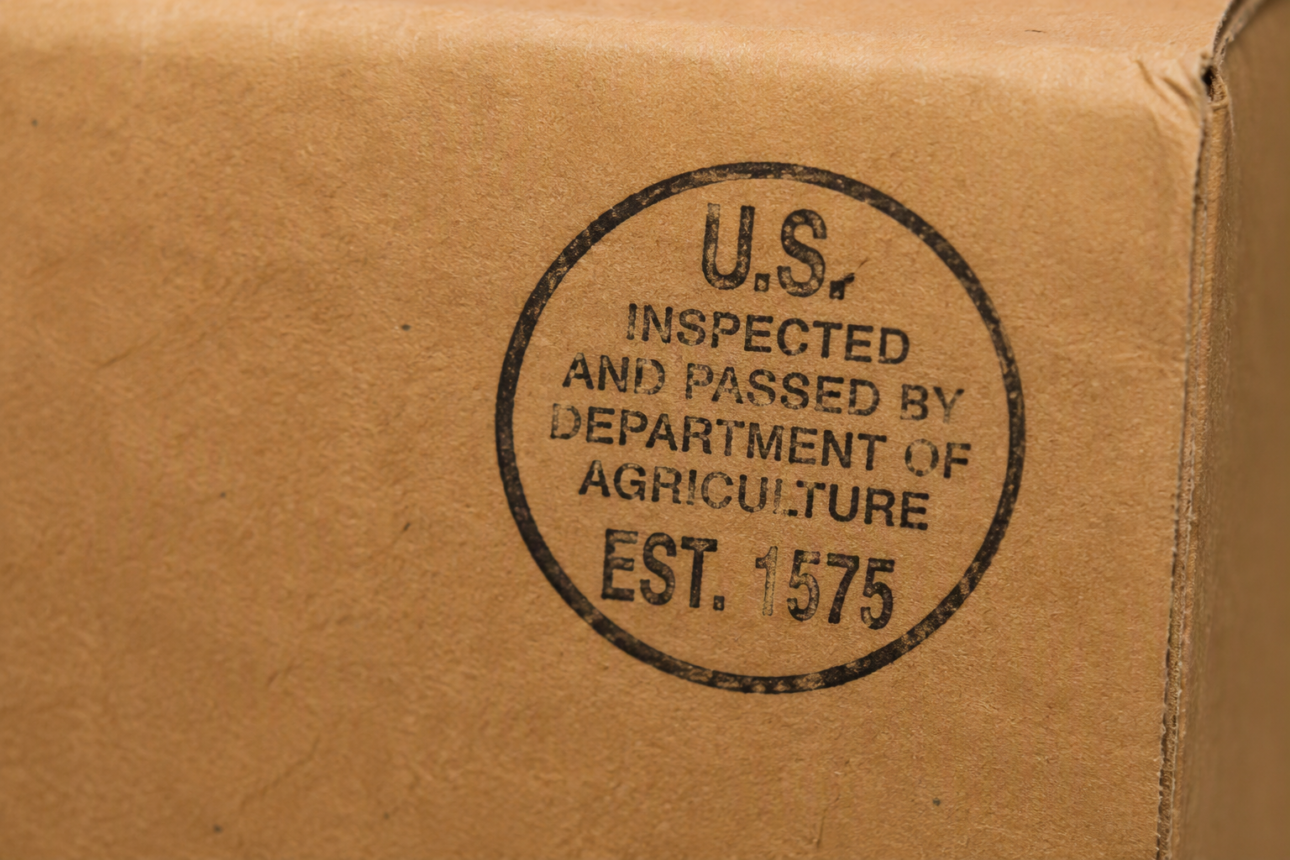
Answer: The list covers multiple raw beef cuts sold in cardboard boxes. It includes boneless Top Sirloin Butt, Eye Round, Topside Cap Off, Flat, and Knuckle. Look for Frigorifico Gorina SAIC branding and establishment number EST. N° OF. 2025. Compare every label detail before placing the meat in your slow cooker or grill pan.
Question: Why was Corte Argentino beef recalled?
Answer: USDA explains that these shipments entered the United States without mandatory import reinspection. Officials use this process to check documentation, verify labeling, inspect packaging, assess condition, and test samples for hidden contaminants. The recall triggered because of this missing compliance check, not because anyone reported getting sick or found spoiled meat.
Key Takeaways
Corto Argentino USA LLC pulled approximately 29,628 pounds of raw beef from shelves on August 7, 2026.
The issue involves meat that bypassed required USDA import reinspection.
Product dates range from May 15 to May 20, 2026, for production, with Sept. 15 to Sept. 20 use-or-freeze-by dates.
Packages carry the Argentinian identifier EST. N° OF. 2025 and were shipped to Florida and Texas retailers.
No consumers have reported illnesses, but federal authorities still advise discarding or returning the meat immediately.
Corte Argentino Beef Recall: Understanding the Import Reinspection Failure
A large volume of imported meat left grocery store shelves earlier this month. Corte Argentino USA LLC decided to pull nearly thirty thousand pounds of raw beef products from distribution channels. The company operates out of Aventura, Florida, and coordinated directly with federal regulators to manage the situation. This recall stands apart from most contamination scares because nobody got sick. Federal investigators found something else entirely wrong with the paperwork flow.
Meat entering the U.S. market must pass a strict checkpoint called import reinspection. That step exists to verify documents, examine packaging quality, and sometimes grab lab samples for testing. These specific beef lots skipped that mandatory border procedure. FSIS warns that skipping import reinspection creates potential food-safety risks even when spoilage seems absent (usda.gov/recalls-alerts/corte-argentina-usa-llc-recalls-raw-beef-products-imported-without-benefit-import-reinspection). Import controls exist to ensure foreign processors meet domestic standards. When a shipment slips through without checking those bases, the agency treats it as a serious breach. Trade publications tracked the alert, showing the supply chain disruption stretched across retail networks. According to USA Today’s dedicated recall coverage, the timing aligned perfectly with mid-year supply deliveries coming directly from Argentine slaughterhouses (usatoday.com/recalls/meat-and-poultry/USDA-njh3TJJ2pa4/). USDA officials amplified the warning across social platforms, pushing the details to millions of followers instantly.
Think of import reinspection as a final safety net. Domestic producers follow rigorous sanitation paths before reaching local markets. International shipments must bridge thousands of miles across oceans. Trucks traverse highways while ships plow through rough waters. Every stage introduces new variables. Regulators watch those variables closely. Documentation travels alongside physical goods. Certificates of inspection accompany every crate. Inspectors at designated entry ports compare digital records against physical boxes. They validate temperatures. They verify species declarations. Everything must align perfectly before customs grants entry. Missing documentation breaks the chain. Once the chain snaps, liability shifts heavily toward the distributor.
Companies pay massive penalties for slipping shortcuts. FSIS maintains strict authority over these entry processes. Their enforcement actions send shockwaves through entire wholesale sectors. Ignoring protocol invites severe financial ruin. Cutting Argentino USA faced a hard choice between recalling everything or risking federal shutdown orders. Choosing immediate recall demonstrates basic responsibility. Public transparency prevents long-term brand damage. Honest businesses admit faults quickly. They fix broken systems afterward. Global beef markets operate twenty-four hours a day. Demand for high-quality cuts rises steadily every year. American restaurants crave authentic international flavors consistently. Importing mature beef fills domestic gaps efficiently during dry cattle cycles. Producers in South America raise cattle on vast open pastures naturally. Environmental conditions dictate grazing speeds significantly. Harvest timelines shift constantly based on rainfall patterns and grass growth rates. Managing global inventory requires precise coordination. Slight delays ripple outward rapidly across continents. Paperwork delays stall trucks at border checkpoints endlessly. Inspections take hours sometimes. Deliberate thoroughness prevents disasters later. Rushing procedures invites regulatory violations eventually. Cutting Argentino USA learned this lesson the hard way during summer months. Corporate leaders recognized their error immediately and acted accordingly. Swift intervention protects reputations effectively. Delayed responses destroy brands permanently overnight.
How to Identify Affected Beef Products
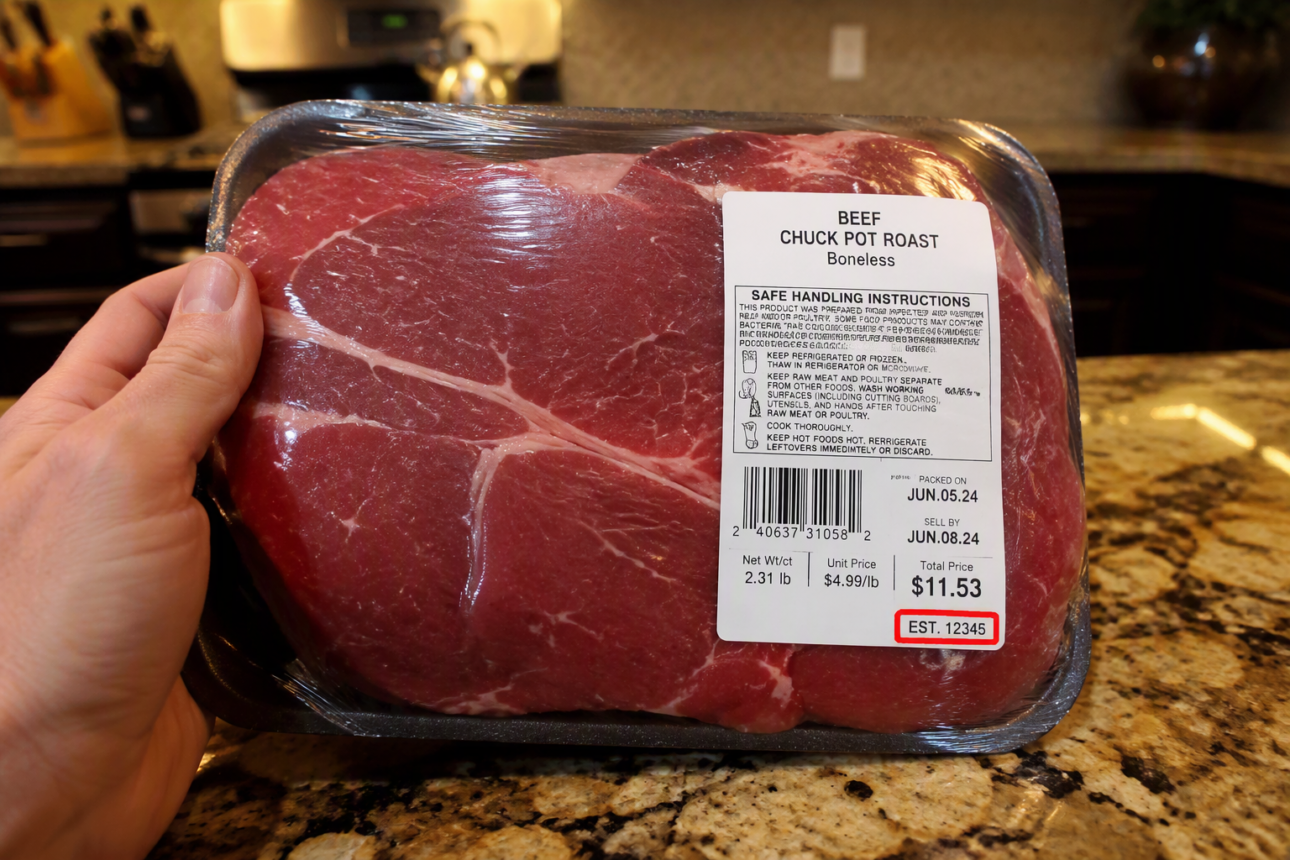
Checking your freezer or refrigerator takes only a minute. The recall touches several specific boneless cuts. Look closely at the printed labels on those cardboard boxes. The biggest giveaway is the establishment number stamped on the side. Any box carrying the Argentinian code EST. N° OF. 2025 belongs to this alert. Production dates narrow the focus further. You are dealing with beef made between May 15, 2026, and May 20, 2026. Use-or-freeze-by dates run from September 15 through September 20, 2026. If your package matches those windows, leave it alone. Secondary sources break down the exact varieties involved. Delish listed the primary cuts affecting shoppers, detailing exactly which packages landed on store shelves nationwide (delish.com/food-news/a73392525/corte-argentina-usa-raw-beef-recall/). Package descriptions often appear in two languages. Top Sirloin Butt might read Cuadril Sin Tapa. Eye Round could show Peceto underneath.
Here is the breakdown of how to track the product codes:
Product Name
Spanish Name
Established Code
Production Window
Boneless Top Sirloin Butt
Cuadril Sin Tapa
EST. N° OF. 2025
May 15 – May 20, 2026
Eye Round
Peceto
EST. N° OF. 2025
May 15 – May 20, 2026
Knuckle
(Not specified)
EST. N° OF. 2025
May 15 – May 20, 2026
Topside Cap Off
(Not specified)
EST. N° OF. 2025
May 15 – May 20, 2026
Flat
(Not specified)
EST. N° OF. 2025
May 15 – May 20, 2026
Shoppers usually buy these bones-out steaks for grilling nights or casual weeknight roasts. But they can also make excellent pot roast ingredients or stir-fry strips. Regardless of your cooking plans, ignore the cut quality. Missing reinspection means we cannot verify proper border clearance. Kitchen sponges and dish towels harbor bacteria if neglected; learning how often you should really wash your towels helps prevent spreading germs when handling raw food surfaces. Check both sides of the box. Retailers receive the stock in bulk. They slice and repackage portions later. The establishment code never changes during that process. Keep your eyes locked on that number. Food Market reported the bilingual nature of the labels, emphasizing how easily someone could miss the mark without reading carefully (foodmarket.com/News/A/1351019/0/Corte-Argentino-USA-Recalls-Raw-Beef-Products-Imported-Without-The-Benefit-Of-Import-Reinspection). Imported beef arrives wrapped in specific commercial packaging designed to survive long transit times. Sometimes temperature fluctuations during shipping introduce minor risks. Checking the physical condition of the cardboard seals remains crucial. Punctured boxes warrant extreme caution even if dates look fine. Reading labels requires patience. Many shoppers glance at prices and rush to checkout lines. Raw meat deserves closer scrutiny. Examine every corner of the plastic wrap. Commercial printers use specialized thermal inks that resist moisture and freezing. Codes stay legible even after months in ice. Scanning barcodes reveals batch history. Those digital fingerprints trace products back to specific processing floors. Retailers rely on those numbers constantly. They swap defective merchandise using barcode scans alone. Homeowners benefit from scanning too. Some smartphone apps decode ingredient lists instantly. Others cross-reference known allergens automatically. Tracking technology makes hidden defects visible. We owe it to ourselves to learn basic label literacy. Identifying an unfamiliar establishment code acts as an early warning system. Catching mistakes early prevents kitchen accidents. Simple vigilance transforms complicated logistics into manageable household routines. Stay alert during routine grocery runs.
Consumer Guidance: What to Do If You Have Recalled Meat
Federal health experts deliver a single, unambiguous instruction here. Do not cook the meat. Do not try to wash off any potential surface issues. Bypassing import checks leaves too many unknown variables. Take the sealed package straight to the trash. Wrap it heavily in newspaper or plastic bags to stop scavengers from getting inside. Returning it to the original store works perfectly too. Cashiers handle these returns daily. They know exactly where the bad inventory landed on the sales floor. Business owners face their own checklist. Pull every box matching the EST. N° OF. 2025 stamp immediately. Trace your supplier invoices back to the distributor. Freezer space fills up fast during busy months. Reviewing stored inventory clears dead weight and opens room for fresh supplies. After removing unsafe items, check your calendar for upcoming holidays and plan safe gatherings using trusted guides like 13 Cozy Fall Dinner Recipes Perfect for Busy Nights.
Food Market noted the timeline clearly for anyone tracking batch numbers. Meats produced mid-May remain risky until thoroughly destroyed or returned. Even frozen blocks retain the problem. Cold temperatures halt bacterial growth but do not erase the regulatory violation. USDA announced the recall on August 7, 2026, signaling urgency right away (x.com/USDAFoodSafety/status/2085887198528700890). Store managers must act swiftly. Organizing rapid response teams clears aisles efficiently. Training staff on recall identifiers stops accidental restocking errors. Marketing departments draft urgent customer notifications immediately. Email blasts reach subscribed shoppers fastest. Physical flyers posted on store entrances capture walk-in traffic. Social media posts amplify visibility instantly. Clear communication builds community trust. Transparency proves companies value health over quick profits. Supply chain managers coordinate with logistics firms to reverse shipments seamlessly. Reverse logistics operations retrieve tainted goods before they touch consumer hands. Preventing human exposure remains the absolute priority. Zero tolerance policies protect vulnerable populations effectively. Elderly adults and young children face higher risks from compromised foods. Protecting these groups drives all safety decisions forward relentlessly. Community resilience grows stronger when people share accurate warnings openly. Neighbors help neighbors check freezers regularly. Casual conversations stop panic. Shared knowledge spreads awareness faster than isolated efforts ever could.
Medical professionals appreciate preventive measures deeply. Dietary risks from improper handling trigger hospital visits unnecessarily every year. Educating friends about label reading reduces overall community exposure quietly. Sharing this guide widely helps spread awareness fast. Encourage relatives to check shared pantry items regularly. Coordinated household efforts minimize duplicate purchases safely. Cooking safe meats brings everyone together happily. Healthy diets rely on clean ingredients exclusively. Avoiding recalled products supports personal wellness goals consistently. Vigilance becomes a habit quickly over time. Building strong food safety foundations protects everyone involved forever. Taking small preventative steps guarantees long-term peace of mind reliably. Focus on enjoying meals instead of worrying about hidden dangers constantly. Clear minds feed families better. Knowledgeable shoppers drive healthier markets forward effortlessly. Support transparent brands that prioritize honest labeling practices above all else universally.
My Experience With Corte Argentino Beef Recall: A Complete Guide for Consumers
Sorting through my own freezer last week felt like digging for buried treasure. I stumbled upon a couple of oddly branded steak packs while prepping for a neighborhood cookout. The moment I noticed the EST. N° OF. 2025 code, my stomach dropped a little. Handling raw beef demands constant vigilance, especially with international suppliers. We often trust that glowing government stamps guarantee complete safety. But paper trails get messy at borders faster than anywhere else. An unverified shipment bypasses the usual microbiological filters meant to catch sneaky contaminants early. Trusting your nose or sight on imported meat is a rookie mistake. Those cuts look completely pristine from the outside. Proper traceability protects our families far better than visual inspections ever could. Cleaning out those rogue packages took less time than arguing over grill placement anyway. It is worth remembering that proper food safety habits save us from costly medical visits down the road. Double-checking supplier origins stops confusion before we fire up the stove. Checking expiration dates prevents eating meat we forget about in December. Have you ever caught a weird label while grabbing late-night groceries?
Frequently Asked Questions About the Recall
Q: Are there any illnesses linked to the Corte Argentino recall?
As of the August 7, 2026 USDA notice, health officials logged zero confirmed cases of sickness or injury tied to this specific beef lot. Agencies stress that missing paperwork does not automatically equal contaminated food. Guidelines strongly advise avoiding raw consumption regardless of whether neighboring residents report feeling ill. Untouched raw meat recalls stay highly relevant long after initial warnings hit the evening news cycle. People often assume silent shipments equal harmless products. That assumption causes widespread panic when inspectors finally discover procedural gaps. Following standard disposal rules neutralizes whatever minor risks might lurk inside poorly documented packages today.
Q: What should consumers do if they bought the recalled beef?
Health agencies want you to treat those packages as total waste material. Place the boxed meat directly into heavy-duty black trash bags before tossing them outside overnight. You may choose to carry the unopened containers back to the original grocery store instead. Frozen units count just as much as refrigerated ones since deep freezes hold items indefinitely past their original purchase day. Always double-check receipt timestamps if you plan on requesting a full cash refund from the manager promptly.
Q: How can I identify a recalled Corte Argentino package?
Scan the exterior cardboard box carefully for the specific Argentinian factory number marked clearly as EST. N° OF. 2025. Look for the manufacturer name Frigorifico Gorina SAIC printed boldly near the sealing tape. Verify that the cut names match Top Sirloin Butt or Eye Round exactly. Match the printed production dates against the strict May 15 to May 20 window and confirm the Sept. 15 to Sept. 20 use-by markers appear accurately printed. Any match means immediate discard without hesitation.
Q: Where was the recalled beef sold?
Federal distributors moved the affected pallets strictly into Florida and Texas retail outlets exclusively. Geographically restricted shipments mean homeowners living outside those southern states likely escaped the exposure zone entirely and kept shopping normally. Residents currently living inside those two regions must dig deeper into pantry corners and detached garage freezers to catch stray leftovers safely tucked away behind old soda cases. Keep searching slowly and methodically to guarantee thorough inventory sweeps happen quickly today.
Q: Does import reinspection matter for beef safety?
Border checks serve as a vital final gatekeeper for all foreign proteins entering American markets directly. Federal inspectors actively evaluate shipping logs, verify correct bilingual labeling practices, assess physical container damage levels, and routinely test microscopic samples for dangerous pathogens lurking undetected. Skipping this protective layer removes essential quality control mechanisms designed specifically to prevent cross-contamination events from spreading rapidly into unsuspecting homes across the nation tomorrow.
Q: Is the Corte Argentino recall still active?
Regulatory alerts published alongside secondary industry reports treated the situation as fully operational on August 7, 2026 clearly. Consumers needing current status updates should monitor official FSIS bulletin boards continuously and listen to corporate announcements whenever real-time progress notes emerge publicly. Anyone holding questionable stock right now should simply dispose of it immediately rather than waiting anxiously for new official instructions to arrive via email next week.
Q: Why did this recall get so much attention?
Moving nearly thirty thousand pounds of staple protein grabs headlines naturally due to sheer volume alone. Shoppers frequently keep raw beef stashed safely in deep storage during busy seasons, making accidental usage a real risk happening years down the road easily. Bilingual packaging combined with obscure establishment codes complicates easy identification severely without careful reading happening daily. These compounding factors create lasting consumer relevance far beyond the initial press release window appearing on major websites.
Conclusion.
Navigating a sudden product pull requires staying calm and moving fast. Checking those cardboard boxes for the specific Est. N° OF. 2025 code takes moments but keeps households protected. Federal regulators prioritized public health by acting before any sickness appeared. Disposing of the beef eliminates guesswork and ensures safer dining experiences moving forward. Staying informed helps everyone avoid unnecessary headaches during busy meal seasons.
References
USDA Food Safety and Inspection Service. (2026, August 7). Corte Argentino USA LLC recalls raw beef products imported without the benefit of import reinspection. USDA. https://www.usda.gov/recalls-alerts/corte-argentina-usa-llc-recalls-raw-beef-products-imported-without-benefit-import-reinspection
Condé Nast. (2026, August 7). Nearly 30,000 Pounds Of Raw Beef Recalled In 2 States. Delish. https://www.delish.com/food-news/a73392525/corte-argentina-usa-raw-beef-recall/
Gannett. (2026, August 7). Corte Argentino USA LLC Recalls Raw Beef Products Imported Without The Benefit Of Import Reinspection. USA Today. https://www.usatoday.com/recalls/meat-and-poultry/USDA-njh3TJJ2pa4/
Recall Times. (2026, August 7). Corte Argentino USA Recalls Raw Beef Products Imported Without The Benefit Of Import Reinspection. RecallTimes. https://recalltimes.com/corte-argentina
Sarah Anderson . J
I’m the mom behind Wise Mom Blogger, where everyday creativity meets real-life motherhood. I share easy DIY crafts, cozy knitting and crochet projects, beginner-friendly sewing ideas, and family-tested recipes—plus quick baking hacks that make homemade feel doable on busy days.