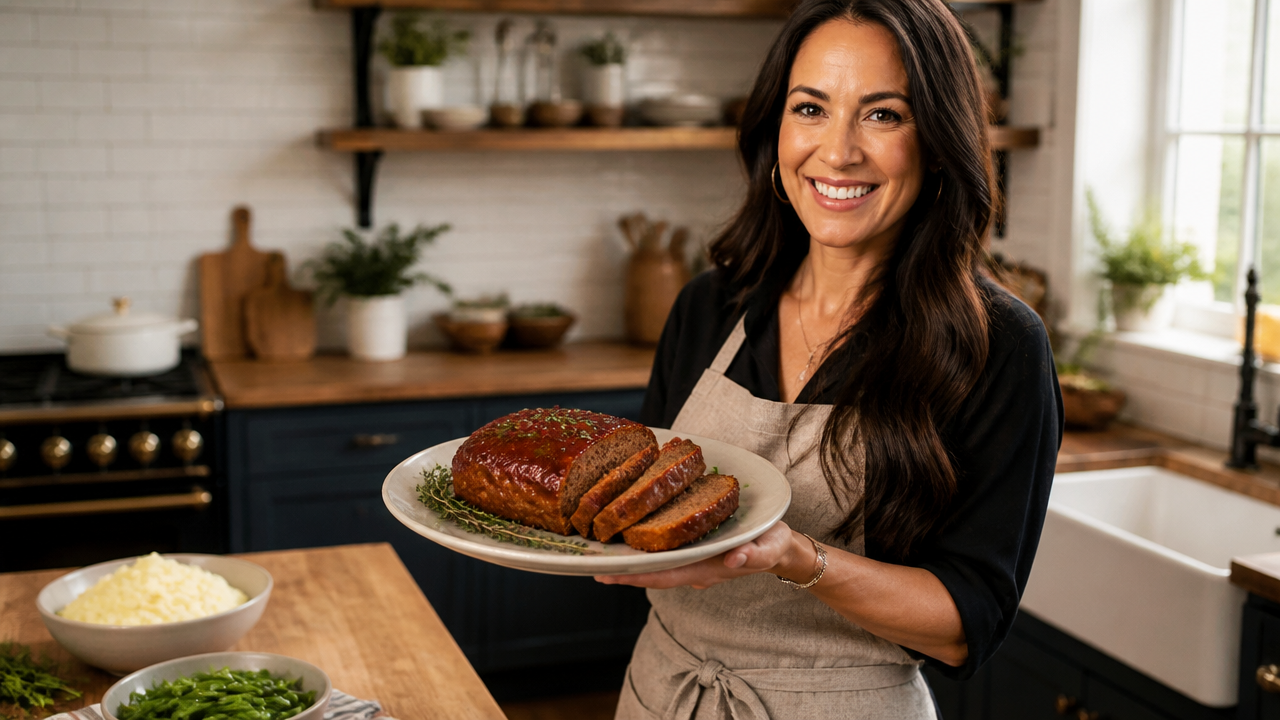
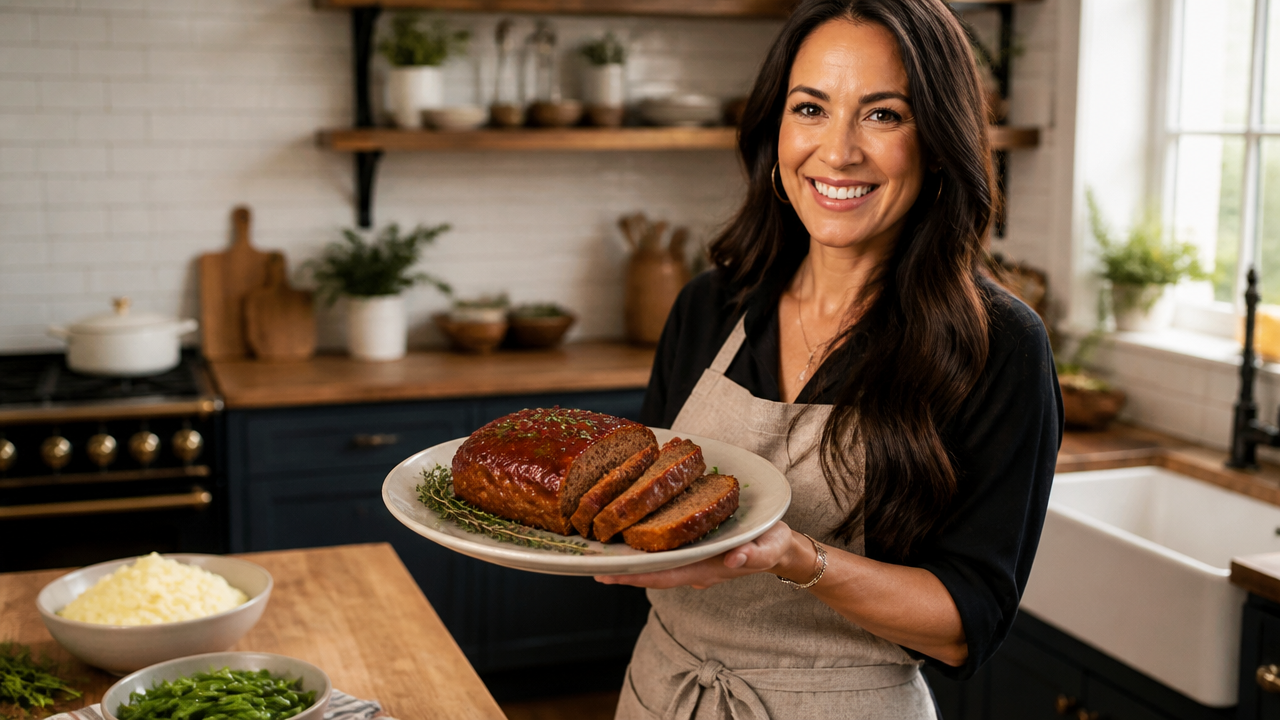
What makes a truly great meatloaf stand out from every other homemade dinner you have tried? Whether preparing a cozy holiday feast or looking for 12 Easy Summer Dinner Ideas the Whole Family Will Love, the right meatloaf recipe anchors the table. Joanna Gaines meatloaf brings a familiar, savory satisfaction to any kitchen. By using simple, quality ingredients, this recipe transforms basic ground beef into a centerpiece. Finding the perfect balance of texture and flavor requires just a few intentional preparation steps to ensure a delicious, moist result every time.
Quick Questions and Answers
Question: Why does Joanna Gaines meatloaf taste so flavorful?
Answer: Joanna Gaines meatloaf is flavorful because it combines ground beef with sautéed onions, garlic, Worcestershire sauce, ketchup, and Italian seasoning. The addition of grated Cheddar cheese and crushed saltines also adds richness and a savory depth that enhances the overall taste of the dish.
Question: Can you use a loaf pan for Joanna Gaines meatloaf?
Answer: Yes, you can use a 9×5 loaf pan for Joanna Gaines meatloaf, though some recipes suggest shaping it directly on a lined baking sheet for easier handling. Greasing the pan lightly with oil ensures the meatloaf releases cleanly after baking without sticking.
Question: Do you need to sauté onions before adding them to meatloaf?
Answer: Yes, you should sauté the chopped onions and minced garlic in butter or oil until they are soft and translucent before adding them to the meat mixture. This step prevents raw onion flavor and ensures the onions blend smoothly into the meatloaf for better texture.
Key Takeaways
Choosing 80/20 ground beef is mandatory for maintaining moisture throughout the long bake.
Crushed Ritz crackers act as the secret Southern binder, providing a buttery, light structure.
Letting the meatloaf rest for 10 minutes post-bake is the secret to perfect slicing.
A low and slow cooking temperature of 325°F prevents the edges from drying before the center finishes cooking.
What You Need
Item
Purpose
Notes
Ground Beef (80/20)
Base for flavor and moisture
Avoid lean 90/10 cuts
Ritz or Saltines
Structural binder
Crush finely for best texture
Cheddar Cheese
Fat and savory richness
Sharp cheddar works well
Aromatics
Flavor foundation
Sauté onions and garlic first
Glaze Ingredients
Caramelized topping
Whisk until completely smooth
Step 1: Prep and Oven Setup
Start by preheating your oven to 325°F. This lower temperature is intentional, as it allows the heat to penetrate the center of the dense loaf without drying out the exterior. Many cooks, according to USDA Food Safety and Inspection Service, recognize that reaching an internal temperature of 160°F is the key to safety for ground beef, and slow, even heat makes this much easier to achieve.
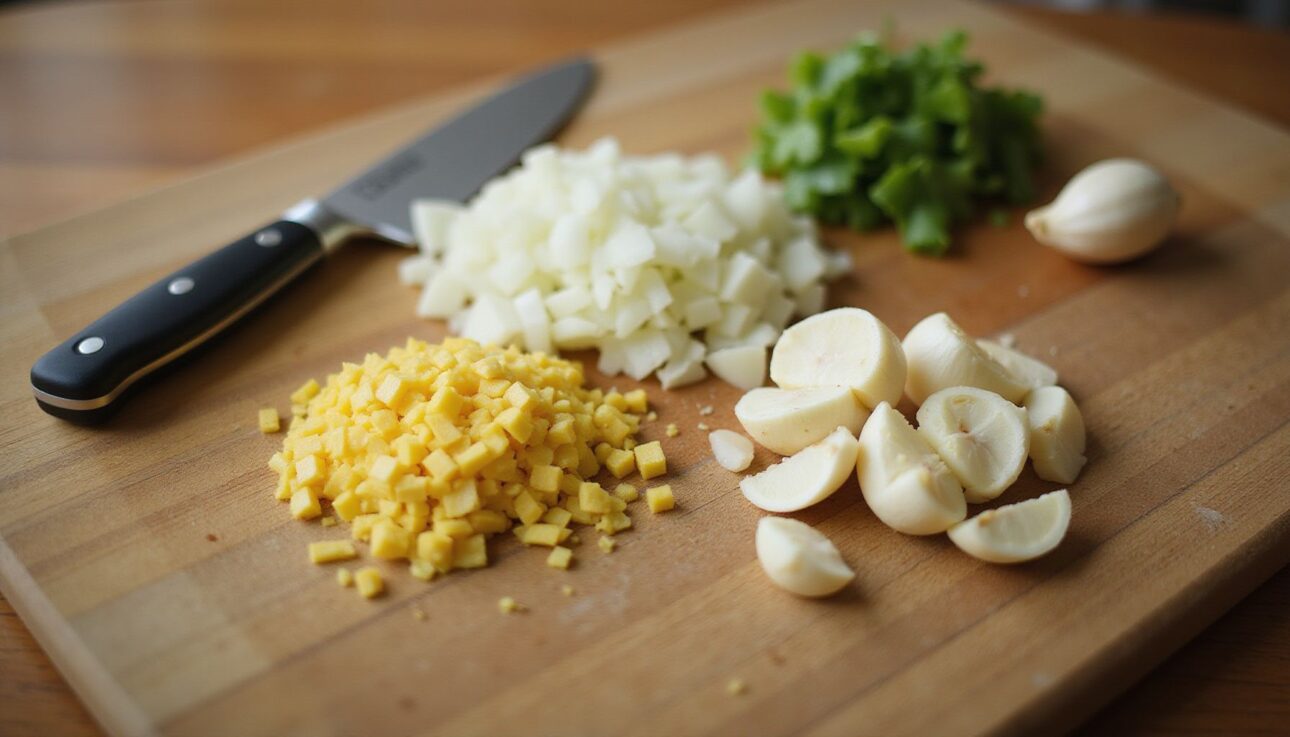
Line a rimmed baking sheet with parchment paper to prevent sticking. If you prefer a traditional loaf shape, you can lightly grease a 9×5 loaf pan instead. While your oven warms up, take the time to finely mince your onion, bell pepper, and garlic. If these pieces are too large, they will create weak points in the meatloaf that cause it to crumble when sliced. Use a sharp knife or a food processor to ensure they are uniform.
Step 2: Mixing the Base
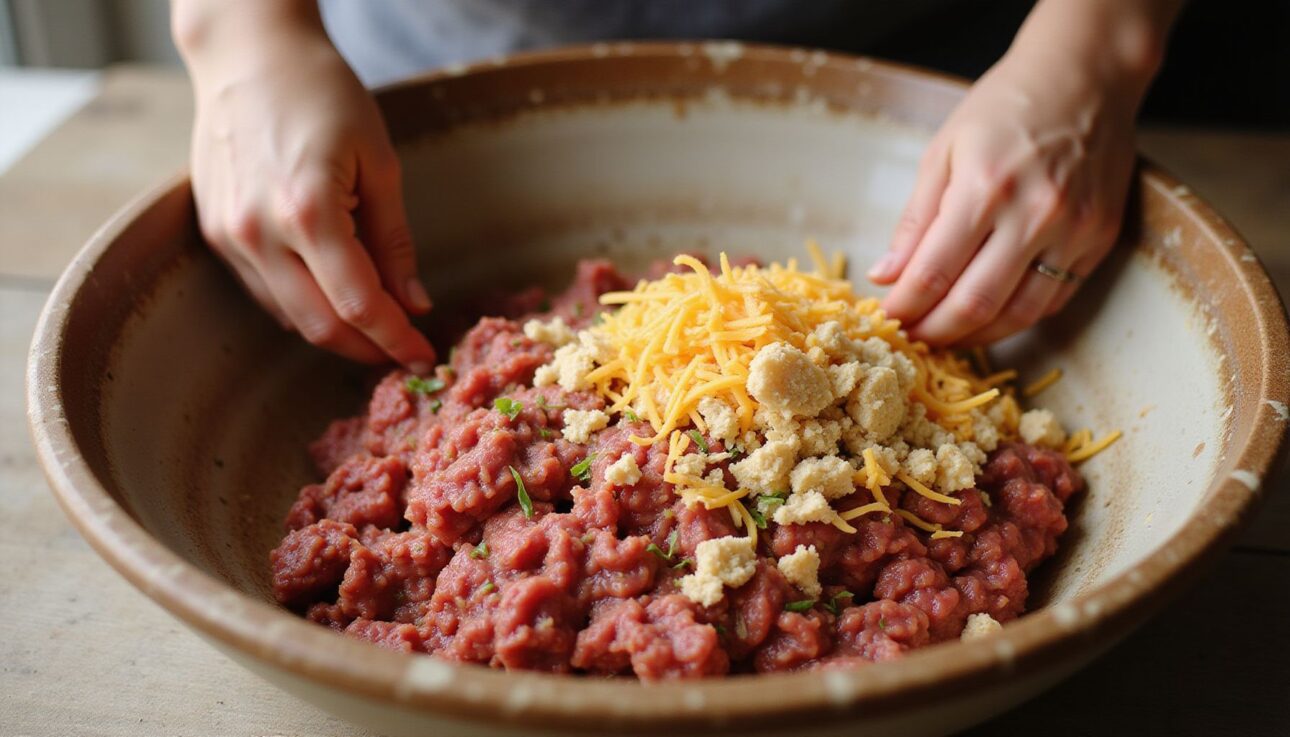
Grab a large mixing bowl—you need plenty of room to combine the ingredients without compressing the meat too much. Place your 2 pounds of ground beef inside the bowl. Add the crushed crackers, egg, milk, Dijon mustard, Worcestershire sauce, and your sautéed onion and garlic mixture. Fold in the shredded cheddar cheese at the end.
Use your hands to mix everything together, but prioritize a “light touch” approach. The Kitchn notes that overworking the meat is a common kitchen error that leads to a rubbery or tough final texture. Simply fold the ingredients until they are just incorporated. If you treat the mixture like a delicate dough rather than heavy mortar, you will maintain a tender crumb throughout the finished meatloaf.
Step 3: Forming and Glazing
Transfer your mixture onto the prepared baking sheet. If you did not use a loaf pan, gently shape the meat into an 8-inch by 4-inch loaf using your hands. Try to create a uniform height so the entire loaf cooks at the same speed. It is helpful to pat the outside firmly so there are no loose edges or holes that might dry out in the heat.
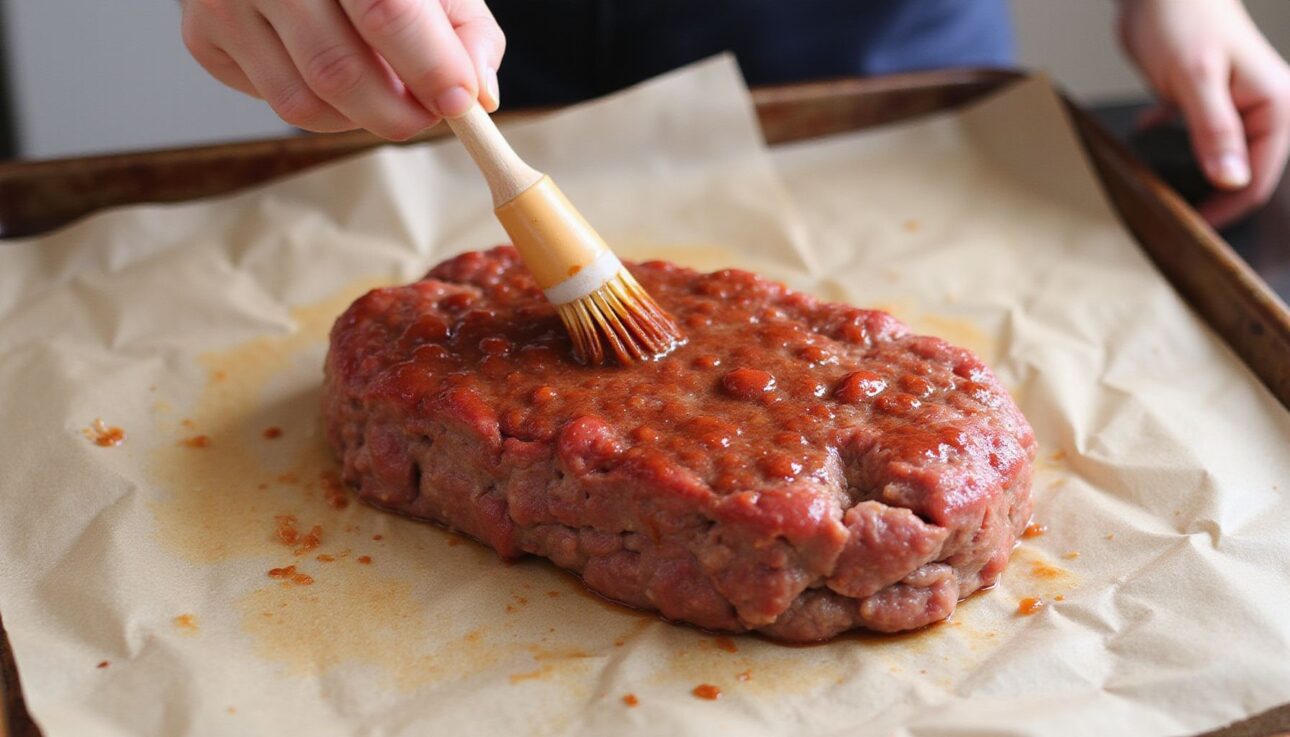
Whisk your glaze ingredients—ketchup, brown sugar, Worcestershire sauce, and a dash of hot pepper sauce—until the sugar dissolves into a glossy, smooth consistency. Use a pastry brush or the back of a spoon to spread a thick layer across the top and sides of the loaf. Applying this glaze now helps create a caramelized, sticky crust that acts as a flavor barrier, locking in the savory juices of the beef.
Step 4: The Baking Process
Slide the meatloaf into the center of the oven. Bake it for approximately 1 hour, or until it reaches 160°F on a meat thermometer. If you feel like your oven runs hot, check the loaf at the 45-minute mark. You want the glaze to be bubbling and darkened, but not scorched black.
If you find that your sides are cooking faster than the middle, you can tent a large piece of aluminum foil over the top for the last 20 minutes of baking. Remember that just like How to Cook Perfect Pasta: A Simple Method That Actually Works, the secret to a professional result is watching the clock and trusting your tools. Avoid the urge to open the oven door too frequently, as this drops the ambient temperature significantly and extends your total bake time.
Step 5: The Resting Period
Pull the meatloaf out of the oven once it hits the target temperature. Resist the urge to slice it immediately. Moving the knife through the loaf while it is piping hot will cause the structure to collapse, turning your masterpiece into a pile of loose, crumbly meat.
Let the meatloaf rest on the counter for at least 10 minutes. During this time, the internal juices redistribute throughout the fibers, and the fat/binder structure firms up. This resting period acts as the final “glue” for your dish, ensuring that each slice stays neat on the plate. It is the single most effective way to make your homemade dinner look like it came straight from a professional kitchen.
Step 6: Serving and Finishing Touches
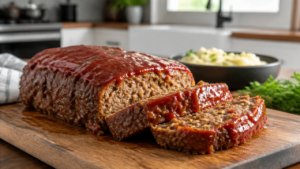
Once rested, transfer the meatloaf to a serving board. Use a serrated knife for the cleanest cuts; the saw-like motion will slice through the caramelized glaze without squishing the tender interior. Serve slices approximately 3/4-inch thick.
If you want to create a complete meal, consider pairing this with How to Make Sautéed Swiss Chard with Chickpeas: A 15-Minute Healthy Side. The acidity and brightness of greens often balance the richness of the cheddar-beef base. If you have any extra glaze, warm it slightly in a saucepan and drizzle it over the plated slices for an extra glossy finish. This attention to presentation makes the meal feel like a special event.
Mistakes to Avoid
Most beginners make the fatal error of choosing lean, 90/10 ground beef. While this seems like a healthier choice, the absence of fat makes the meatloaf dry and brittle. You need the fat from an 80/20 blend to keep the loaf succulent. Another issue is the “large chunk” problem. When you leave onions or peppers in big pieces, they prevent the meatloaf from binding correctly. Stick to very fine mincing.
Finally, keep an eye on your oven temperature. Thinking “higher heat means faster dinner” is a common trap. If you crank the heat to 400°F to save time, the outside will burn long before the center is safe to eat. Stick to the 325°F setting; it is specific for a reason.
Troubleshooting
If you slice into your meatloaf and notice the center is still looking pale or seems loose, don’t panic. Gently push the slices back together, cover the remaining loaf loosely with foil, and pop it back into the oven for 10-minute intervals.
Should the glaze look too runny or weak, you can fix this in a saucepan. Pour the mixture into a small pot and let it simmer for 3 to 4 minutes until it thickens into a syrup-like consistency. Apply this reduced glaze while the meatloaf is still hot from the pan. This provides that deep, shiny mahogany color that the best versions of this recipe are known for.
My Experience With Joanna Gaines Meatloaf Recipe
I remember the first time I attempted this recipe. I was skeptical about the crackers. I am usually a “breadcrumb or nothing” kind of person, but the Ritz crackers really do something magical. They add this subtle, buttery richness that makes the meat feel less like a dense brick and more like a tender, savory cloud.
My initial mistake was being lazy with the onion chopping. I left them in quarter-inch chunks, thinking it would add “rustic texture.” It didn’t. It just made my first slice look like it was falling apart in a minor geological earthquake.
Since then, I have learned that the finer the aromatics, the better the final texture. I use a bench scraper to move the minced garlic and onions, and I make sure they are soft before they even hit the meat bowl. It’s a small, boring step that separates a “meh” meatloaf from one you’d gladly serve at a dinner party. Also, definitely don’t skip the resting period. It ruins the plating if you touch it too soon. What’s the biggest “oops” moment you’ve had while trying a new family recipe at home?
Recipe Card
Joanna Gaines Style Meatloaf
A classic, comforting meatloaf featuring a buttery cracker base, savory aromatics, and a caramelized sweet-and-savory glaze.
– Preheat your oven to 325°F and line a baking sheet with parchment paper.
– Sauté the diced onion, bell pepper, and minced garlic in a pan until soft.
– In a large bowl, combine beef, crushed crackers, egg, milk, mustard, Worcestershire, cheese, and cooked aromatics.
– Shape into a loaf on the prepared tray.
– Whisk ketchup, sugar, and hot sauce together and glaze the top of the loaf.
– Bake for 60-65 minutes until internal temp reaches 160°F.
– Let rest for 10 minutes before slicing.
Nutrition Info (per serving)
Calories
420
Protein
28g
Carbs
22g
Fat
24g
Fiber
1g
Sugar
12g
Sodium
680mg
Notes
Use 80/20 beef for the best moisture levels.
Resting is crucial to prevent the loaf from breaking during slicing.
Tips
The secret to a great glaze is balance. If your ketchup is very tart, you might need an extra teaspoon of brown sugar to hit that perfect sweet-savory note. Always keep your oven rack in the middle position to ensure even heat circulation. If your meatloaf looks like it’s drying out on the outside, place a small shallow pan filled with water on the bottom rack of your oven. The steam generated by the water helps keep the environment moist while the meat cooks, which is an industry secret for many professional bakers and chefs.
FAQ
Q: Are saltines better than breadcrumbs in Joanna Gaines meatloaf?
Joanna Gaines’ recipe uses crushed saltines instead of traditional breadcrumbs, which gives the meatloaf a lighter, tender texture. Saltines absorb moisture well and help bind the ingredients without making the meatloaf dense, unlike some heavier breadcrumb varieties. The buttery quality of the crackers adds flavor, while breadcrumbs are more neutral.
Q: How long does Joanna Gaines meatloaf take to bake?
Joanna Gaines meatloaf typically bakes for about 1 hour at 350°F, or until the internal temperature reaches 160°F to 170°F. Some recipes suggest baking for 40 minutes, then adding glaze and baking another 10–15 minutes for a caramelized finish. Always verify with a thermometer to ensure accuracy, as oven calibration varies between households.
Q: Does Joanna Gaines put cheese in her meatloaf?
Yes, Joanna Gaines adds 1.5 cups of grated Cheddar cheese to her meatloaf, which melts into the mixture and adds a creamy, savory element. The cheese complements the ground beef, onions, and seasonings for a rich, flavorful result. If you prefer a sharper profile, use an aged cheddar, which stands up well to the ketchup-based glaze.
Q: Will Joanna Gaines meatloaf fall apart when slicing?
Joanna Gaines meatloaf should hold together well if you let it rest for about 10 minutes after baking before slicing. This resting period allows the juices to redistribute and the structure to firm up, preventing it from falling apart when cut. Using a serrated knife also helps by allowing you to cut through the crust gently.
Q: When should you add ketchup to Joanna Gaines meatloaf?
You should add ketchup to Joanna Gaines meatloaf toward the end of baking, typically after the first 40 minutes, then bake for another 10–15 minutes. Adding it too early can cause the sauce to burn, while late addition creates a glossy, caramelized top layer. Keep the glaze layer relatively thick to ensure it doesn’t dry out.
Q: Is Joanna Gaines meatloaf recipe healthy or high calorie?
Joanna Gaines meatloaf is moderately high in calories due to ingredients like ground beef, Cheddar cheese, and butter, but it provides protein and essential nutrients. Using 85% lean beef and controlling cheese portions can help make the dish slightly healthier while keeping it flavorful. Focus on pairing it with nutrient-dense sides to balance the meal.
Q: What sides go best with Joanna Gaines meatloaf?
Popular sides for Joanna Gaines meatloaf include mashed potatoes, roasted vegetables, green beans, or a fresh salad. The meatloaf’s rich, savory flavor pairs well with creamy or tangy sides, making it a comforting complete meal for families. Roasted root vegetables also complement the heartiness of the beef.
Conclusion
Successfully preparing this meatloaf comes down to respecting the basics: fat content, gentle mixing, and proper rest. When you treat the ingredients with care, you end up with a meal that serves as a high-quality comfort dish for any gathering. Enjoy the process of bringing this recipe into your regular weekly rotation.
Latest Updates
In 2026, the trend in family cooking shifted toward “make-ahead” prep. You can actually mix the meat base for this meatloaf the night before and store it in the fridge. This practice allows the cracker crumbs to fully hydrate, resulting in a more cohesive loaf. Just ensure you take the meat out of the fridge about 30 minutes before baking to take the chill off, which helps the center cook more consistently.
I’m the mom behind Wise Mom Blogger, where everyday creativity meets real-life motherhood. I share easy DIY crafts, cozy knitting and crochet projects, beginner-friendly sewing ideas, and family-tested recipes—plus quick baking hacks that make homemade feel doable on busy days.