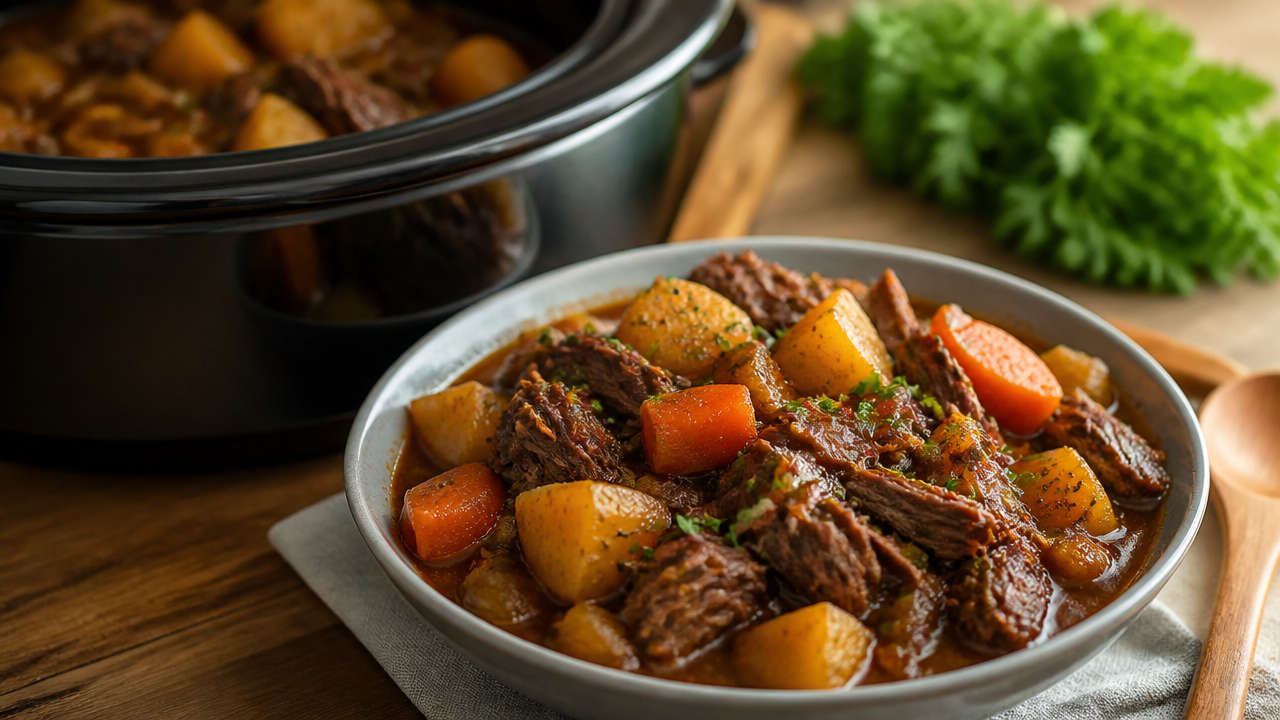
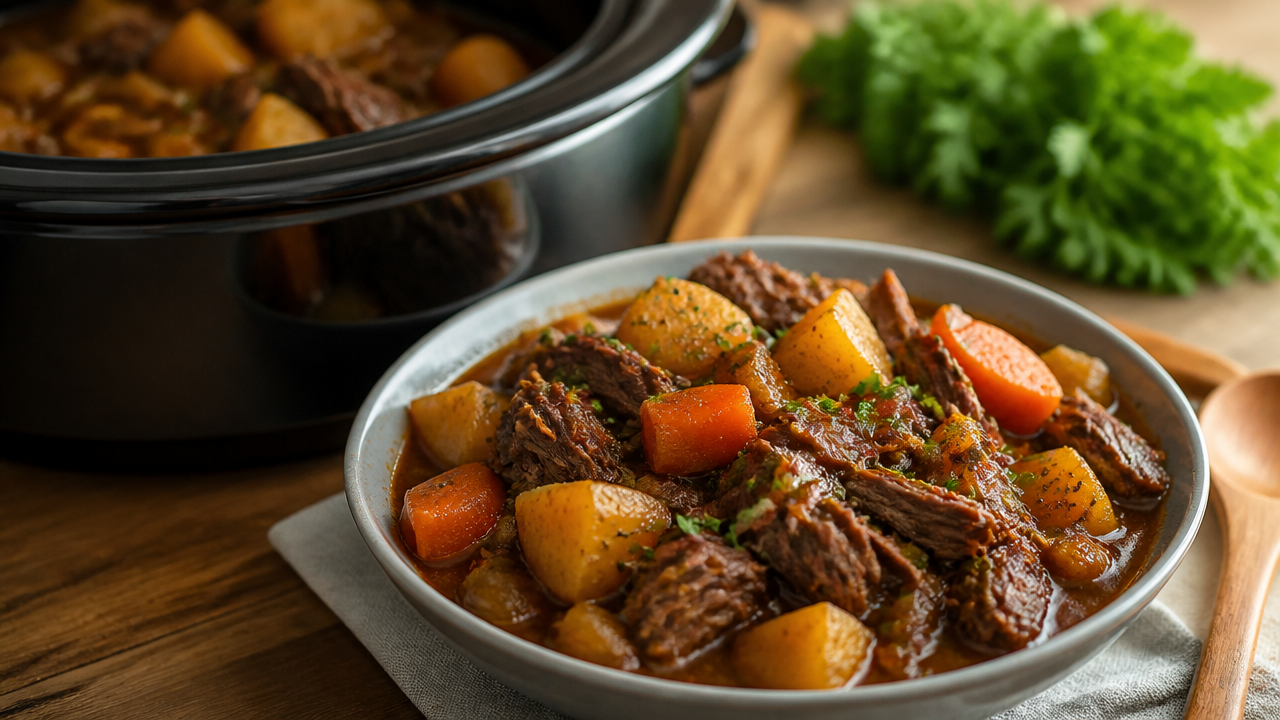
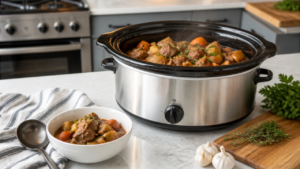
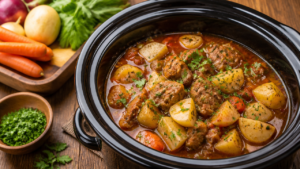
What makes a truly great crock pot beef recipe stand out from every other slow cooker dinner you’ve tried? The answer lies in understanding how low, steady heat transforms tough cuts into fork-tender meat while building layers of savory flavor. Whether you’re planning a weeknight family meal, a holiday gathering, or a casual weekend dinner, slow cooker beef delivers comfort food that tastes like it took hours of active work—but doesn’t. This guide walks you through everything you need to know to make crock pot beef that’s moist, deeply flavored, and foolproof.
Quick Questions and Answers
Question: Why do people brown beef before putting it in a crock pot?
Browning beef before slow cooking creates a flavorful crust and enhances the overall taste through the Maillard reaction. While not strictly necessary, searing the meat adds depth to the gravy and improves the dish’s appearance. Some recipes skip this step for convenience, but it is recommended for richer flavor.
Question: Can you cook a frozen beef roast directly in a crock pot?
No, you should never cook a frozen beef roast directly in a crock pot as it can lead to uneven cooking and food safety issues. The meat must be thawed completely before adding it to the slow cooker to ensure it cooks safely and evenly throughout the cooking time.
Question: Does beef need a lot of liquid in a slow cooker to stay tender?
Beef does not need excessive liquid in a slow cooker; too much can dilute flavors and make the meat soggy. A small amount, such as beef broth or wine, combined with the meat’s natural juices, is sufficient to keep it tender and flavorful without overwhelming the dish.
Why Slow Cooking Beef Is Worth the Wait
Slow cookers work magic on beef cuts that would otherwise be chewy or tough. The long, gentle heat—typically 6 to 8 hours on low—breaks down collagen, the connective tissue that makes cheaper cuts of meat stringy and dense. As collagen transforms into gelatin, the meat becomes impossibly tender while absorbing every flavor in the pot.
The hands-off nature of slow cooking also means you’re not stirring, flipping, or babysitting dinner. You brown the meat, add liquid and seasonings, cover it, and walk away. By the time you come home, your kitchen smells incredible and dinner is practically finished.
Beyond texture, slow cooking concentrates flavors. The liquid doesn’t boil away; it simmers gently, allowing beef broth, wine, and seasonings to meld into something deeper and more complex than a quick pan-seared steak could ever achieve. That’s why slow cooker beef tastes like it came from a restaurant, not your kitchen.
What You Need
Item
Purpose
Notes
Slow cooker (5–8 quart)
Primary cooking vessel
Size matters—too small and beef won’t cook evenly; too large and liquids reduce too much.
Beef chuck roast or stew meat (2–3 lbs)
Protein base
Chuck contains fat and connective tissue that become tender during long cooking. Avoid lean cuts like sirloin.
Beef broth (1–2 cups)
Cooking liquid
Store-bought or homemade; adds savory depth and keeps meat moist.
Red wine (½–1 cup, optional)
Flavor enhancer
Adds acidity and complexity. Omit if cooking for non-drinkers; substitute with balsamic vinegar or more broth.
Worcestershire sauce (2–3 tablespoons)
Umami booster
Deepens savory notes; use less if you prefer milder flavor.
Soy sauce (1–2 tablespoons, optional)
Depth seasoning
Adds saltiness and umami; skip if using very salty broth.
Onion soup mix or fresh aromatics
Seasoning layer
Garlic, onion, thyme, or rosemary work; packets are convenient shortcuts.
Olive oil or butter
Browning fat
For searing beef before it goes into the crock pot.
Add these partway through cooking to avoid mushiness.
Cornstarch or flour slurry
Gravy thickener
Use if the final sauce is too thin; whisk with water before adding.
Step 1: Prepare Your Beef and Equipment
Start by taking your beef out of the refrigerator 20 to 30 minutes before cooking. Cold meat doesn’t brown as evenly as room-temperature beef, and you want a good sear to lock in flavor.
Pat the meat dry with paper towels—this is crucial. Moisture on the surface steams instead of sears, and you’ll miss out on that golden crust that builds the Maillard reaction. If your beef is in large chunks, you can leave it as is or cut it into 2 to 3-inch pieces, depending on how you want to serve it later.
While your beef sits out, prep your slow cooker. Make sure it’s clean and dry. Position it on a stable, heat-safe surface away from the stove edge. Check that the lid sits properly and doesn’t have cracks—a tight seal keeps heat and moisture locked inside.
Step 2: Brown the Beef in a Skillet
Heat a large skillet (cast iron works beautifully here) over medium-high heat. Once it’s hot, add a thin layer of olive oil or butter—about 1 to 2 tablespoons. You want the pan to shimmer, not smoke.
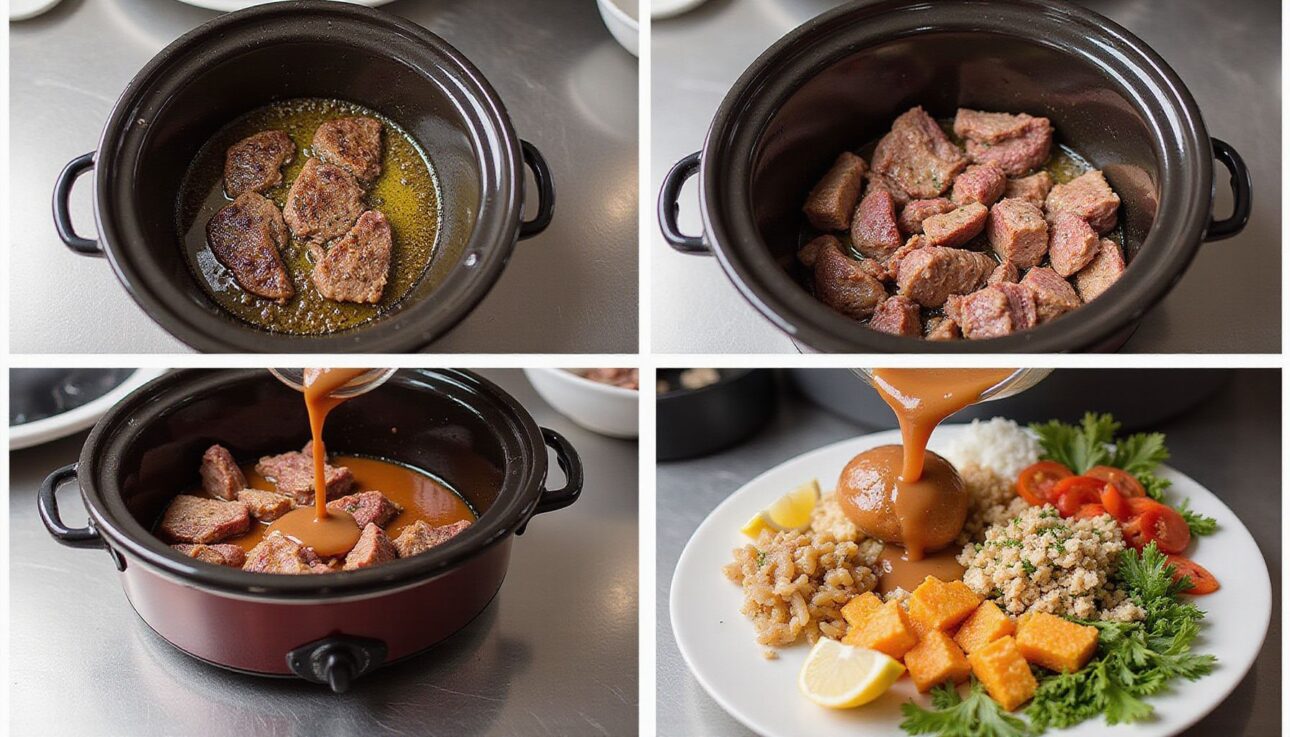
Working in batches if needed, place your beef chunks in the hot pan. Don’t crowd them; they need room to touch the hot surface. Let each piece sit undisturbed for 2 to 3 minutes before flipping. You’re after a deep brown crust on at least two or three sides.
This step feels optional but it isn’t. Browning the beef develops hundreds of new flavor compounds through the Maillard reaction—that’s the scientific name for the delicious crust that forms when protein and fat hit high heat. Skip it and your slow cooker beef will taste flat and one-dimensional, no matter how tender it gets.
Transfer the browned beef to a plate as you finish each batch. Don’t worry if it’s not fully cooked; it will finish in the crock pot.
Step 3: Build Your Liquid Base
Pour your beef broth into the hot skillet—yes, directly into the skillet you just used for browning. This step, called deglazing, pulls up all the flavorful browned bits stuck to the bottom. Use a wooden spoon to scrape and stir for about 1 minute. You’ll see the liquid turn darker and richer.
If you’re using red wine, add it now and let it bubble for another minute. The heat burns off some alcohol while the wine’s acidity cuts through the richness of the beef.
Add Worcestershire sauce (2 to 3 tablespoons), and soy sauce if you like (1 to 2 tablespoons). Start with less—you can always taste and adjust later, but you can’t take it out. Stir to combine.
Pour this mixture into your slow cooker. The liquid should cover about halfway up the beef; if it looks shallow, add a splash more broth. Too much liquid will make the final dish taste watered-down; too little risks drying out the meat.
Step 4: Add Seasonings and Aromatics
Sprinkle your onion soup mix directly into the slow cooker, or use fresh aromatics if you prefer. Garlic (4 to 6 cloves, minced), onion (½ large onion, diced), and fresh or dried herbs like thyme or rosemary all work beautifully.
If you’re including vegetables, add any that take longer to cook now—like larger potato chunks or onion quarters. Carrots and mushrooms can wait until later (we’ll get to that).
Stir everything together so the seasonings are distributed evenly. At this point, your slow cooker should smell amazing but look fairly simple—that’s exactly right.
Step 5: Set the Temperature and Time
Place the browned beef into the slow cooker, nestling it among the seasonings. Cover with the lid.
Set your slow cooker to low heat. Low is almost always the better choice for beef—it allows collagen to break down gradually and evenly, resulting in incredibly tender meat. Low typically means 180 to 190°F, and the beef will cook over 6 to 8 hours depending on the thickness of your cuts and your specific appliance.
If you’re in a rush, high heat (around 280–300°F) works in 3 to 4 hours, but the texture won’t be quite as tender. For the best results, plan for low and give it time.
Don’t lift the lid to peek. Every time you do, you release heat and add 15 to 20 minutes to the cooking time. Trust the process.
Step 6: Add Vegetables Halfway Through
About 3 to 4 hours into cooking (on low), add your quicker-cooking vegetables. Baby carrots, small potatoes, and mushrooms all benefit from being added mid-way through. This timing prevents them from becoming mushy while still allowing them to absorb all the beef’s savory juices.
If your slow cooker is very full, you can remove some of the cooking liquid with a ladle and set it aside—you’ll use it later for gravy. Nestle the vegetables among the beef, give everything a gentle stir, and cover again.
Step 7: Check for Doneness and Make Gravy
After 6 to 8 hours on low (or 3 to 4 on high), the beef should shred easily with a fork. If it still feels tough or chewy, give it another hour or two. Timing varies based on the size of your beef chunks and your specific slow cooker.
Once the beef is done, remove it from the slow cooker and place it on a cutting board. You can shred it with two forks if desired, or leave it in chunks—whatever suits your meal.
Pour the remaining cooking liquid into a small saucepan. If it looks thin and watery, you’ll want to thicken it into gravy. Mix 2 to 3 tablespoons of cornstarch with ¼ cup cold water until smooth, then whisk it into the simmering liquid. Cook for 2 to 3 minutes until it thickens and loses its cloudy appearance. Season with salt and pepper to taste.
If the liquid already looks rich and glossy (which happens if you didn’t add too much broth), you can skip the thickening step and simply pour it over the beef as-is.
Recipe Card
Tender Crock Pot Beef
A simple, foolproof slow cooker beef recipe with rich gravy and tender meat. Perfect for weeknight dinners or holiday gatherings.
Prep: 20 minutesCook: 6-8 hoursTotal: 6 hours 20 minutesYield: 4-6 servingsCategory: Main CourseCuisine: American
Ingredients
3 lbs beef chuck roast, cut into 2-3 inch chunks
1.5 cups beef broth
0.5 cup red wine
3 tablespoons Worcestershire sauce
1 tablespoon soy sauce
1 packet (1 oz) onion soup mix
4 cloves garlic, minced
0.5 large onion, diced
2 tablespoons olive oil
1.5 lbs baby carrots
1.5 lbs small potatoes
1.5 cups mushrooms, halved
2 tablespoons cornstarch (for gravy)
Salt and pepper to taste
Instructions
Pat beef dry and brown in batches in a hot skillet with olive oil, 2-3 minutes per side.
Deglaze the skillet with beef broth, scraping up browned bits. Add red wine, Worcestershire, and soy sauce.
Transfer browned beef to a 6-8 quart slow cooker. Pour in the liquid mixture.
Add onion soup mix, garlic, and diced onion. Stir to combine.
Cover and cook on low for 6-8 hours (or high for 3-4 hours).
After 4 hours on low, add carrots, potatoes, and mushrooms.
Once beef shreds easily with a fork, remove it to a cutting board.
Pour cooking liquid into a saucepan. Whisk cornstarch with 1/4 cup water and stir into liquid.
Simmer gravy 2-3 minutes until thickened. Season with salt and pepper.
Shred or chunk the beef, return to the slow cooker with vegetables, and pour gravy over top.
Nutrition Info (per serving)
Calories
340
Protein
38g
Carbs
8g
Fat
16g
Fiber
1g
Sugar
2g
Sodium
780mg
Notes
Do not thaw frozen beef before cooking—thaw it completely for even cooking.
Red wine can be replaced with balsamic vinegar or extra beef broth.
For a thinner sauce, skip the cornstarch thickening step.
Leftovers keep 3 days refrigerated or 3 months frozen.
Serve over mashed potatoes, egg noodles, or rice.
Tips for Success
Resist the urge to add too much liquid at the start. The beef releases moisture as it cooks, and slow cookers don’t evaporate liquid the way stovetop pots do. Start with 1 to 1.5 cups of broth and add more only if the beef looks dry after an hour or two.
If you forget to brown the beef, all is not lost—it will still cook and become tender, just with less depth of flavor. The browning step is a significant upgrade, but it’s not absolutely required if you’re in a pinch.
Keep the lid on. This isn’t a suggestion. Every peek adds time and releases heat that took hours to build. If you’re worried about doneness, use a meat thermometer to check the internal temperature (should reach 190°F for tender, easily-shredded beef) rather than lifting the lid.
Don’t skip the deglazing step in the skillet. Those browned bits are liquid gold—flavor you can’t recreate any other way.
Common Mistakes to Avoid
Skipping the browning step: This misses the Maillard reaction, which creates hundreds of complex flavor compounds. Brown beef tastes dramatically better than pale, boiled beef.
Overcrowding the slow cooker: If you stack beef on top of itself, the top pieces won’t touch the hot sides of the pot and will cook unevenly. Work in batches during browning if needed, or use a larger slow cooker.
Using lean cuts like sirloin or round roast: These cuts lack the fat and connective tissue that become silky and tender during long, slow cooking. Chuck roast is worth seeking out specifically for this recipe.
Lifting the lid constantly: Every peek releases heat and adds 15 to 20 minutes to cooking time. Trust the process and resist the urge.
Adding too much liquid: More liquid doesn’t mean more tender meat. In fact, excess liquid dilutes flavors and can make the final dish taste watery. Start conservative and add only if needed.
Troubleshooting Tips
If the gravy is too thin: After removing the meat, pour the cooking liquid into a small saucepan over medium heat. Whisk cornstarch or flour with cold water to make a slurry, then stir it into the simmering liquid. Cook for 2 to 3 minutes until thickened. Alternatively, simmer uncovered for 10 to 15 minutes to reduce the liquid naturally.
If the beef seems tough: It needs more time. Ensure you’re using low heat—high heat can actually toughen meat if the cooking time isn’t long enough to break down collagen completely. Give it another hour or two, and it should become tender.
If using ground beef: Add ¼ cup of water per pound of meat to prevent burning on the bottom of the slow cooker. Cook on high for 2 to 3 hours or low for 4 to 6 hours, breaking up the meat occasionally as it cooks. Monitor the texture closely—ground beef can dry out faster than chunks.
If the beef tastes bland: Season more generously next time. You can also add a splash of Worcestershire sauce or soy sauce to the finished dish before serving. Some crock pots cook hotter than others, so flavor can vary; don’t hesitate to adjust.
If the vegetables are mushy: Add them later in the cooking process. Carrots and potatoes should go in around the 4-hour mark on low, not at the beginning.
My Experience With Crock Pot Beef Recipe
I’ve made slow cooker beef dozens of times over the years, and honestly, it’s become my go-to dinner for nights when I want something comforting but don’t have energy to fuss in the kitchen. The browning step used to feel like overkill to me—extra work, extra dishes—until I made the same recipe twice in a row, once with browning and once without. The difference was night and day. The browned version had this deep, almost caramelized richness that the skipped version simply couldn’t match.
What really changed my approach was learning to trust the low-heat setting. I used to bump it to high because I was impatient, but that often resulted in meat that was technically cooked but weirdly tough. Once I committed to six full hours on low, I never looked back. The texture became reliably fork-tender.
One sharp insight I’ve picked up: don’t judge doneness by how the beef looks early on. At the 3-hour mark, it might look pale and unappetizing. That’s normal. By hour six or seven, all that color develops and the meat transforms. Patience really is the secret here.
What’s your biggest obstacle with slow cooker beef—is it remembering not to peek, or does the timing just never work with your schedule?
FAQ
Q: What is the best type of beef for a crock pot recipe?
Chuck roast is the best type of beef for crock pot recipes because it has high fat content and connective tissue that break down during long cooking. This results in tender, flavorful meat that shreds easily. Round or rump roasts can work but are leaner and may be less tender when cooked low and slow.
Q: How long does it take to cook beef stew in a crock pot?
Beef stew typically takes about 6 to 8 hours on low or 3 to 4 hours on high in a crock pot. The meat should be tender and easily cut with a fork. Vegetables like potatoes and carrots are usually added around the 4-hour mark to prevent overcooking and mushiness.
Q: Will a lean beef roast dry out in the crock pot?
Yes, a lean beef roast like round or sirloin can dry out in the crock pot if not cooked properly. Lean meats lack the fat and connective tissue needed to stay moist during long cooking. Adding extra liquid or using a fattier cut like chuck roast helps prevent dryness and ensures a tender final product.
Q: When should you add vegetables to beef in a slow cooker?
Add vegetables like potatoes and carrots about 3 to 4 hours into cooking on low to prevent them from becoming mushy. Adding them too early can cause them to break down completely, while adding them too late may leave them undercooked. The exact timing depends on vegetable size and your preferred texture.
Q: Is it necessary to shred beef after cooking in a crock pot?
Shredding beef after cooking is common for recipes like beef sandwiches or shredded beef tacos. The meat becomes tender enough to fall apart easily with a fork, making shredding simple and quick. Some recipes serve the beef in chunks instead, depending on the desired presentation and meal type.
Q: What happens if you overcook beef in a crock pot?
Overcooking beef in a crock pot can make it mushy and dry, especially if the meat is lean. Fattier cuts like chuck roast can withstand longer cooking times, but extending the cooking time too far can cause the meat to lose its structure and become stringy. It’s best to follow recommended cooking times and check for doneness with a fork.
Q: Which seasoning mix works best for crock pot beef recipes?
Italian dressing mix, ranch dressing mix, and onion soup mix are popular seasoning choices for crock pot beef. These blends add savory, herbaceous, and tangy flavors that complement the beef beautifully. Many recipes combine these packets with fresh garlic, Worcestershire sauce, and soy sauce for extra depth and complexity.
Latest Updates
As of 2025, slow cookers continue to evolve with programmable timers and temperature controls that make cooking even more hands-off. Modern crock pots often have settings that automatically switch to warm after reaching your target cook time, preventing overcooking if you get delayed coming home. If your slow cooker has this feature, it’s one of the best insurance policies against accidentally mushy beef.
Red wine has remained the gold standard for slow cooker beef, but home cooks are increasingly experimenting with other acidic liquids like balsamic vinegar, apple cider vinegar, and even coffee to add complexity. Any of these can replace red wine if you prefer not to cook with alcohol.
Making tender crock pot beef comes down to three essentials: brown the meat, use low heat for 6 to 8 hours, and resist the urge to lift the lid. These simple steps produce restaurant-quality beef that tastes like you spent all day cooking when you really just invested 20 minutes of active work.
The beauty of slow cooker beef is that it scales effortlessly. Make it for a family dinner on Tuesday, shred the leftovers, and use them in sandwiches, salads, or a perfectly cooked pasta dish by Thursday. Once you master the basic method, you can play with different broths, wines, and vegetables to suit your mood.
Start with a quality chuck roast, follow the steps above, and you’ll have beef so tender and flavorful that family and guests will ask if you hired a caterer.
References
Amanda’s Cookin’. (n.d.). Crockpot Roast Beef: The best crockpot roast you’ll ever eat. Amanda’s Cookin’. https://amandascookin.com/crockpot-roast-beef
Fuentes, L. (2025, June 16). How to Cook Ground Beef in a Crockpot. Laura Fuentes. https://www.laurafuentes.com/cook-ground-beef-crockpot
Lemons and Zest. (n.d.). Crock Pot Shredded Beef – Slow Cooker Recipes. Lemons and Zest. https://lemonsandzest.com/crock-pot-shredded-beef
Ploughing Through Life. (2025, August 26). Crock Pot Stew Meat and Mushrooms. Ploughing Through Life. https://plowingthroughlife.com/crock-pot-stew-meat-and-mushrooms-in-wine-sauce
The Country Cook. (n.d.). Crock Pot Beef Tips and Gravy. The Country Cook. https://www.thecountrycook.net/slow-cooker-beef-tips-with-gravy
Sarah Anderson . J
I’m the mom behind Wise Mom Blogger, where everyday creativity meets real-life motherhood. I share easy DIY crafts, cozy knitting and crochet projects, beginner-friendly sewing ideas, and family-tested recipes—plus quick baking hacks that make homemade feel doable on busy days.