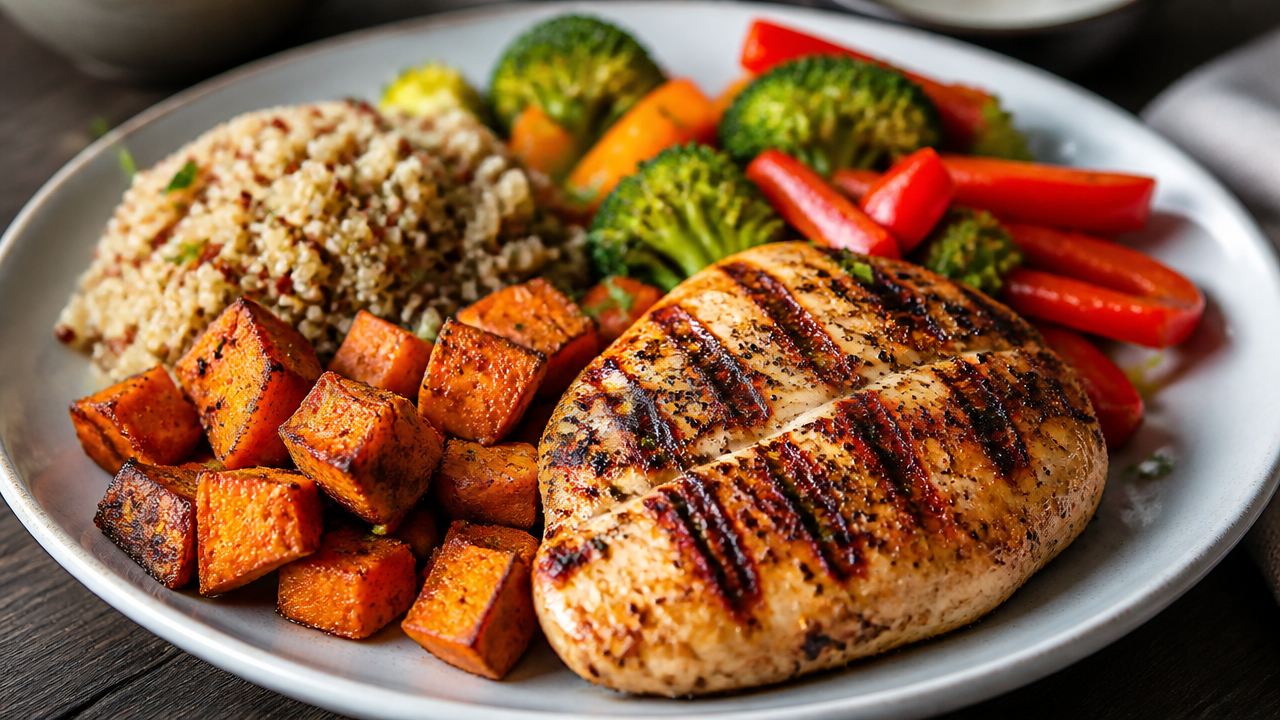
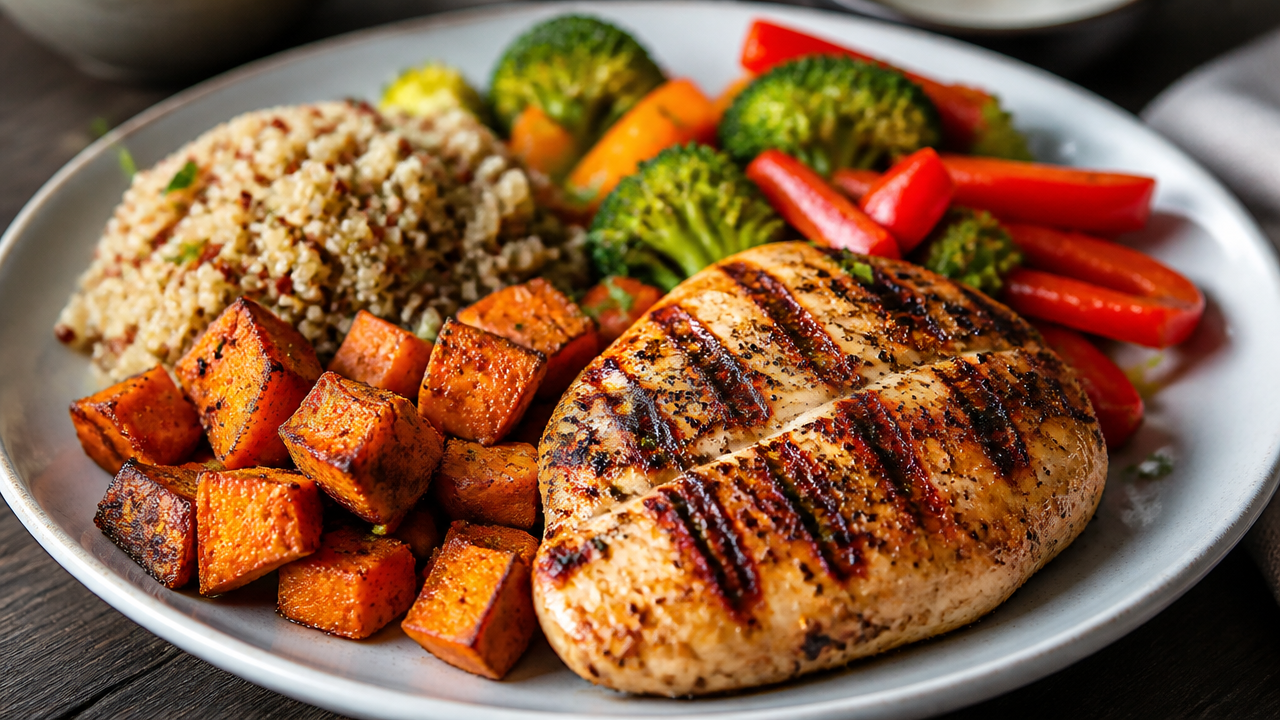
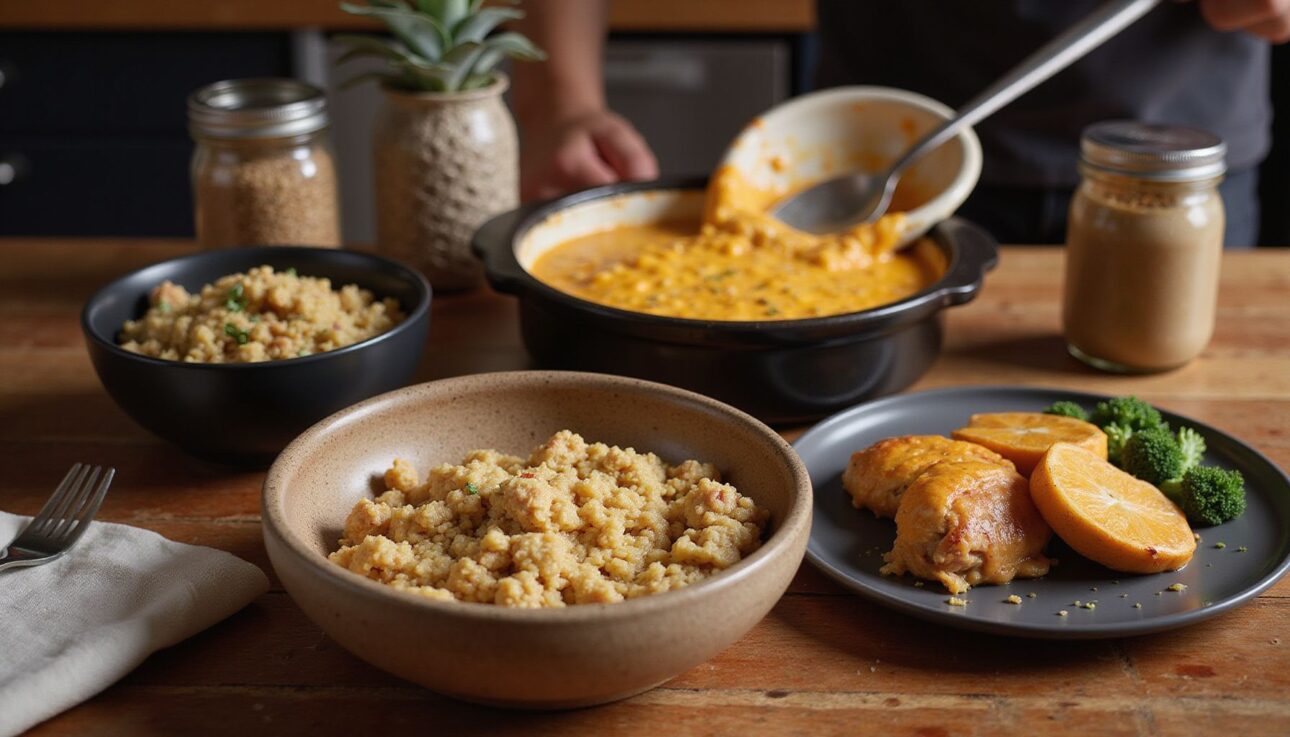
What makes a truly great high-protein dinner stand out from every other quick meal you have tried in your kitchen? Whether you are planning a busy weeknight feast or a simple weekend meal, the right high-protein dinner choice makes all the difference. Consuming sufficient protein helps build muscle, improves your metabolism, and keeps your hunger levels stable throughout the evening. You can master high-protein dinner cooking by balancing lean meats, fiber-rich vegetables, and complex carbohydrates. Preparing a nutritious high-protein dinner does not require hours in the kitchen or complicated techniques. Let’s look at how to get your next meal on the table.
Quick Questions and Answers
Question: Why are high protein dinners important for weight loss?
Answer: High protein dinners support weight loss by increasing satiety, which helps you feel fuller for longer and reduces overall calorie intake. Protein also boosts metabolism through the thermic effect of food, meaning your body burns more energy digesting it compared to fats or carbs. Additionally, adequate protein preserves lean muscle mass during calorie restriction, ensuring weight loss comes from fat rather than muscle.
Question: Can you make high protein dinners without meat?
Answer: Yes, you can make delicious high protein dinners without meat by using plant-based sources like tofu, lentils, chickpeas, beans, and eggs. Recipes such as spicy peanut tofu bowls, red curry lentils, and high protein pesto pasta with eggs offer substantial protein content. Many vegetarian options provide 30+ grams of protein per serving, making them effective for meeting daily goals.
Question: Do high protein dinners help build muscle?
Answer: High protein dinners are essential for muscle building because they provide the amino acids necessary for repairing and growing muscle tissue after exercise. Consuming protein at night supports overnight muscle recovery and prevents breakdown. Meals with 30+ grams of protein, like chicken and chickpea curry or salmon with lentils, are particularly effective for maximizing muscle synthesis.
Key Takeaways
Target at least 30 grams of protein per meal.
Prevent pan-crowding to ensure crust development.
Use a meat thermometer for consistent results.
Prep grains and greens to speed up weeknight cooking.
What You Need: Ingredients and Equipment
Item
Purpose
Notes
Lean Proteins
Primary satiety drivers
Chicken, turkey, salmon, or extra-firm tofu
Essential Seasonings
Flavor depth
Salt, black pepper, chili powder, cumin
High-Heat Oils
Prevents smoking
Grapeseed, avocado, or refined vegetable oil
Wide-Surface Skillet
Prevents crowding
Essential for proper browning and texture
Meat Thermometer
Safety and texture
Pull chicken at 165°F to ensure it stays juicy
Oven-Safe Dish
For casseroles
Use for 425°F bakes to ensure bubbly cheese
Step 1: Prep Your Proteins and Vegetables
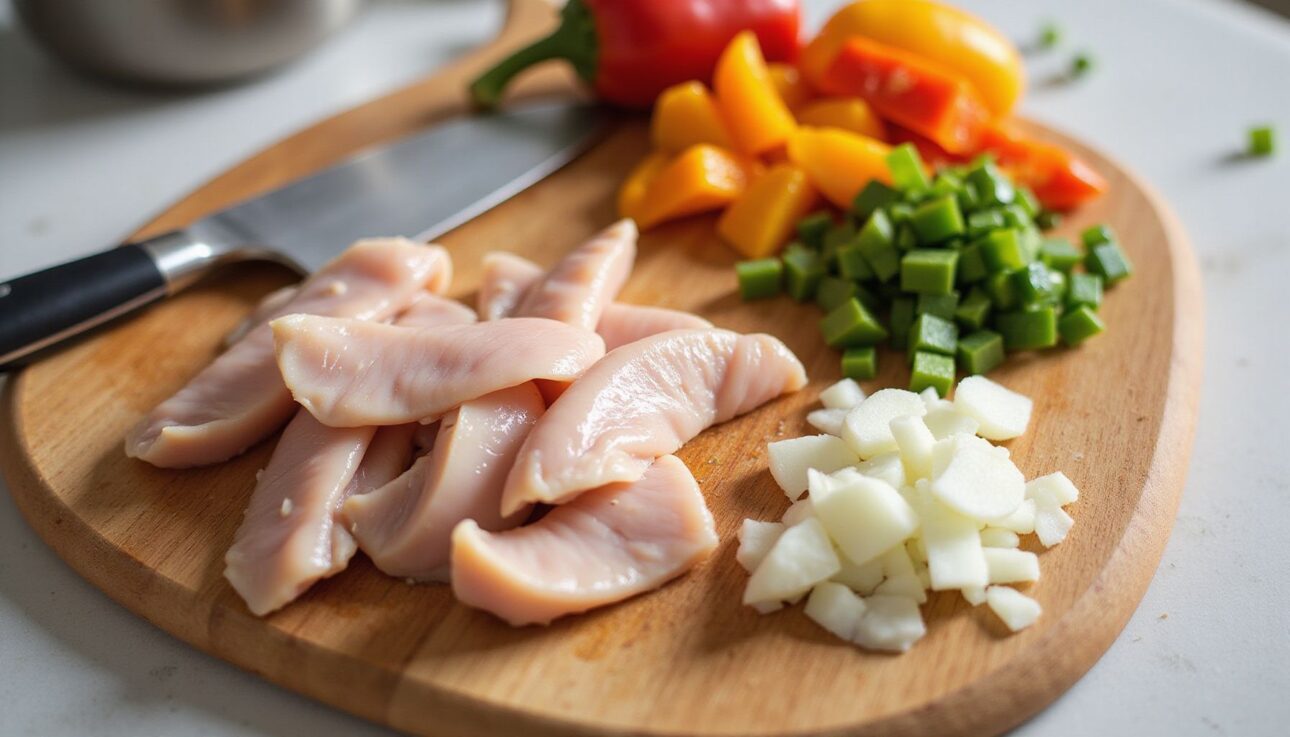
Efficiency starts with your knife work. Slice your chicken breast, turkey, or firm tofu into uniform, bite-sized strips or cubes. Uniform sizes ensure everything cooks at the same speed, preventing those frustrating moments where one piece is overcooked while another remains raw. When I prep my 12 Easy Summer Dinner Ideas the Whole Family Will Love, I find that spending five minutes chopping veggies like bell peppers, onions, or zucchini into consistent bits pays off entirely.
Boiling potatoes separately for 10 minutes makes them tender before they ever hit the skillet. This “fork-tender” state allows them to caramelize alongside your meat later without turning into a burnt mess. If you enjoy a side of grains, maybe how to cook perfect pasta, prep those in advance to shave precious minutes off your evening routine.
Step 2: Master the Sear (Avoiding the Steam)
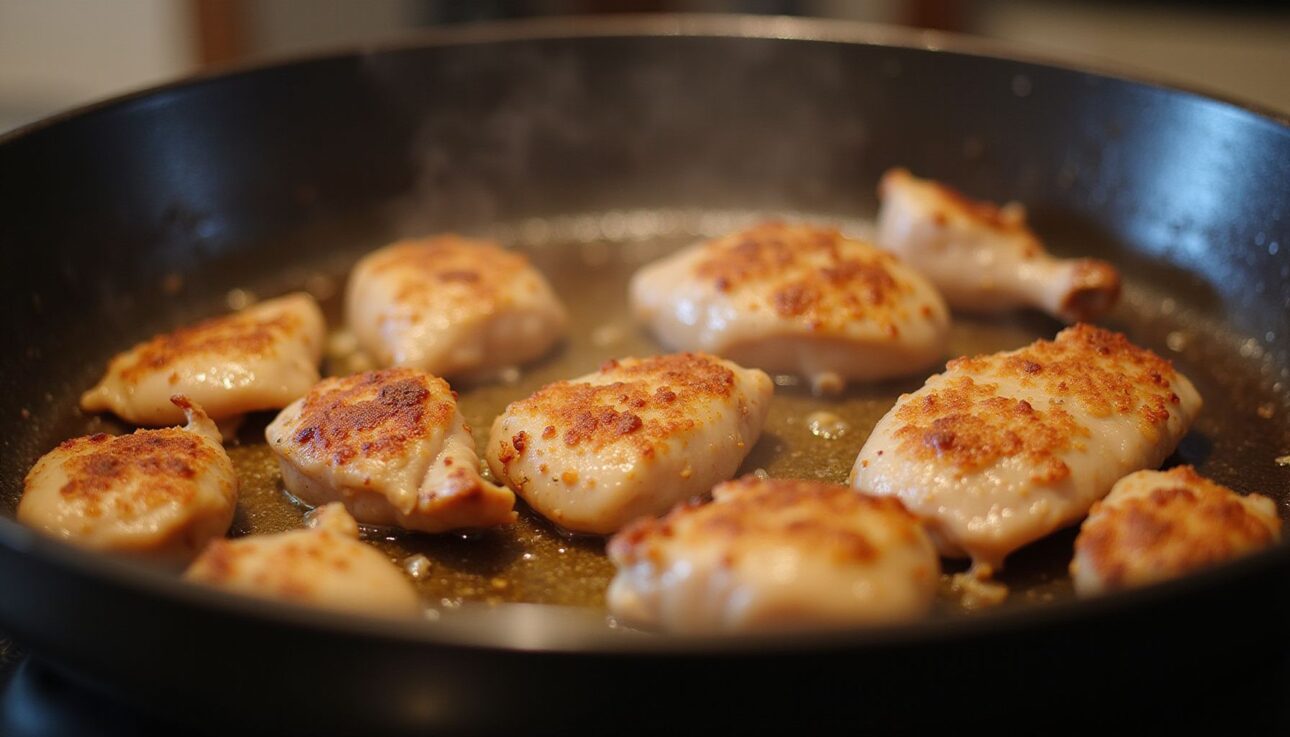
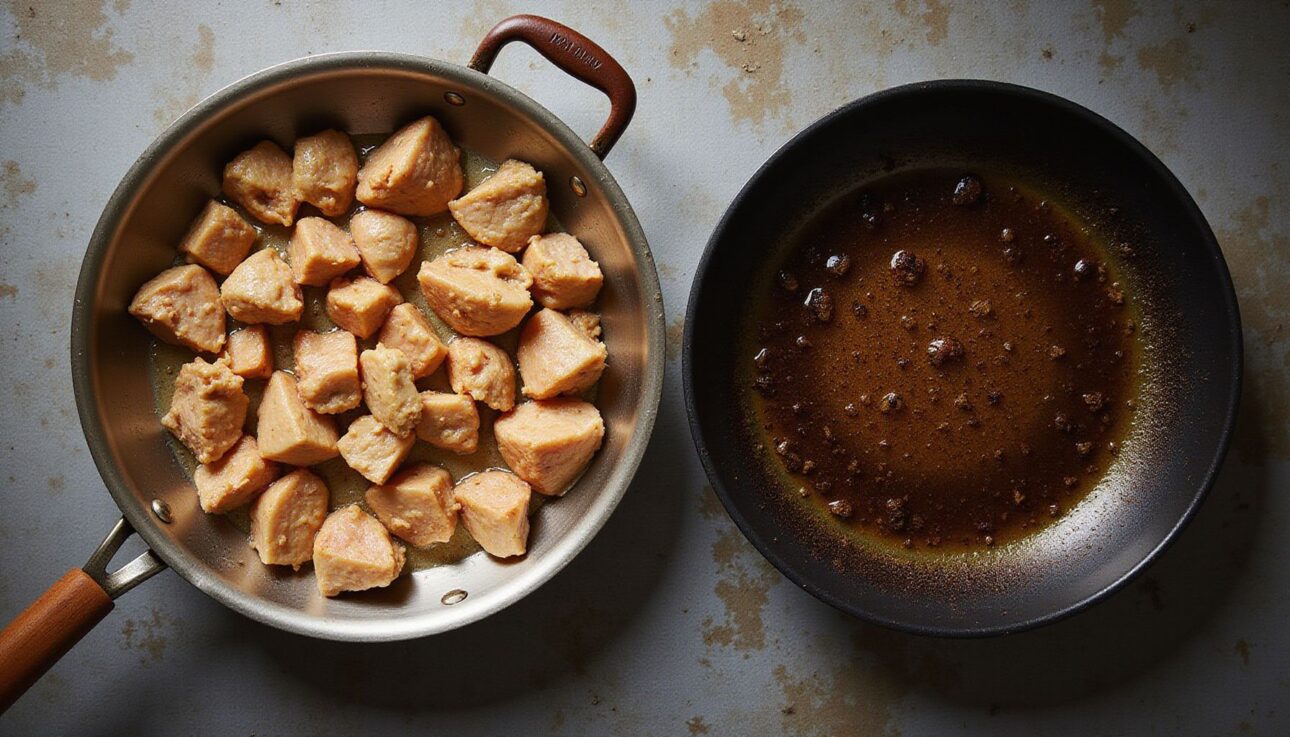
Most home cooks struggle with soggy proteins because they ignore the pan surface temperature. Preheat your skillet over medium-high heat with a high-smoke-point oil like avocado or grapeseed. You need the oil to shimmer before the protein touches the metal. As Allrecipes demonstrates, crowding the pan is the quickest way to end up with grey, steamed meat instead of a beautiful, golden-brown crust.
If you add too many items at once, the temperature of the pan drops immediately, causing the food to release its juices into the pan. Instead of searing, you end up boiling your dinner. Cook your chicken thighs skin-side down for 5 minutes without touching them. This patience creates a crisp, delicious surface that holds the flavor inside.
Step 3: Efficient Cooking Methods
Oven-based methods are a lifesaver for busy nights. If you are baking a protein-packed dish topped with shredded mozzarella or feta, set your oven to 425°F. Research from the National Institutes of Health highlights how different cooking methods impact nutrient retention and texture. Baked dishes consistently yield a bubbly, crusty finish while keeping the center moist.
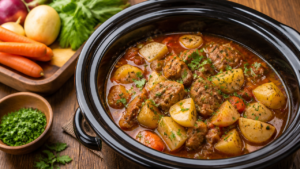
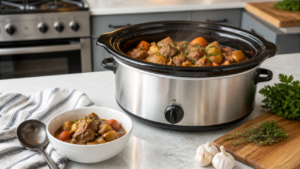
For those who lean on a slow cooker, keep your heat levels in mind. If you are in a rush, a high setting for 2 to 3 hours works perfectly to tenderize larger cuts like pork loin. For a deeper flavor, use a low setting for 4 hours. Once the cooking is done, shred the meat directly in the pot. If you use plant-based additions like edamame or pre-cooked lentils, toss them in at the very end to keep them from turning mushy.
Method
Best For
Typical Time
Advantage
Skillet Sear
Chicken & Tofu
10–15 minutes
Develops savory crust
Oven Roast
Casseroles/Thighs
20–30 minutes
Passive cleanup
Slow Cooker
Pork/Large Cuts
3–6 hours
Extremely tender result
Common Mistakes to Avoid
The biggest mistake is ignoring the resting period. Even if you are starving, cover your meat with foil and let it sit for 5 minutes after pulling it off the heat. This allows the internal juices to redistribute throughout the tissue, which keeps the inside tender. According to a guide from EatRight, impatience leads to dry, chalky dinner centerpieces.
Do not use butter or olive oil for high-heat searing. These fats have a low smoke point and will burn, adding a bitter, burnt taste to your protein. Use neutral, high-heat oils, and stop stirring the pan constantly. I used to be a chronic pan-shaker, but letting your protein sit undisturbed is the only way to develop a deep, Maillard-reaction crust.
Troubleshooting: Getting Your Texture Right
If your chicken turns out dry, the issue is almost certainly the cooking time. Rely on a meat thermometer to ensure you pull the chicken at precisely 165°F rather than cooking it by the clock. If you notice the skillet pool filling with too much liquid, turn the heat up to high and push the protein toward the edges. This clears the center, allowing the moisture to evaporate rapidly.
Flavor fatigue can happen if your seasoning routine gets stale. If you feel like your meal is missing something, don’t just add more salt. Drizzle a nutrient-dense sauce over the top, such as a mixture of Harissa and Greek yogurt or cottage cheese, which adds a creamy, spicy profile that elevates simple ingredients. You might also try incorporating a side like how to make sautéed swiss chard with chickpeas for an extra punch of fiber and protein.
FAQ
Q: Are high protein dinners easy to make?
Yes, many high protein dinners are quick and easy, with several recipes ready in under 30 minutes using simple ingredients. One-pan options like roasted chicken veggie bake, sheet pan dinners, and air fryer chicken allow for minimal prep and cleanup. Simple swaps and pantry staples also make these meals accessible for busy weeknights.
Q: How much protein should a dinner have?
For a high protein dinner, aim for at least 30 grams of protein per serving to effectively support muscle maintenance and satiety. Many recommended recipes, such as Tuscan chicken or ground beef tacos, specifically deliver 34–38 grams per serving. General guidelines suggest each meal should contain 20–30 grams, but higher amounts are ideal for active individuals or those targeting weight loss.
Q: Does high protein dinner help with sleep?
High protein dinners can aid sleep by providing amino acids like tryptophan, which the body converts into serotonin and melatonin, hormones that regulate sleep. Protein also stabilizes blood sugar levels overnight, preventing waking due to hunger or glucose spikes. However, the meal should not be overly heavy or spicy to avoid digestive discomfort that might disrupt sleep.
Q: Will high protein dinners make you hungry?
No, high protein dinners typically reduce hunger because protein is the most satiating nutrient, slowing digestion and stabilizing blood sugar. Meals packed with 30+ grams of protein, such as salmon burgers or chicken sausage soup, keep you full for longer periods. This reduced hunger helps prevent late-night snacking and supports better calorie control throughout the day.
Q: When is the best time to eat high protein dinner?
The best time to eat a high protein dinner is 2–3 hours before bedtime to allow for digestion while still providing amino acids for overnight muscle recovery. Eating it earlier in the evening ensures you aren’t too full right before sleep but still fueled for the night. Consistent timing helps regulate metabolism and supports consistent energy levels.
Q: Is high protein dinner good for diabetics?
Yes, high protein dinners are beneficial for diabetics because protein helps slow the absorption of carbohydrates, preventing sharp blood sugar spikes after eating. Meals combining protein with fiber-rich vegetables, like the beef and broccoli or lentil soup, further support stable glucose levels. Choosing lean proteins and avoiding added sugars in sauces is key for diabetic-friendly high protein meals.
Q: What are the best high protein dinner ingredients?
The best high protein dinner ingredients include lean meats like chicken and turkey, fish such as salmon, and plant-based options like tofu, lentils, and beans. Dairy products like cottage cheese, eggs, and Greek yogurt also add significant protein. Combining these with fiber-rich vegetables and whole grains like quinoa creates balanced, filling meals with 30+ grams of protein.
Recipe Card
Simple 15-Minute Skillet Chicken and Veggies
A high-protein, nutrient-dense dinner that uses a single skillet to maintain moisture and flavor in under 20 minutes.
2 medium chicken breasts, sliced into uniform strips
1 tbsp avocado oil
1 tsp chili powder
1/2 tsp ground cumin
1 red bell pepper, sliced
1 zucchini, sliced into half-moons
Salt and pepper to taste
Instructions
Season the chicken strips generously with salt, pepper, chili powder, and cumin.
Heat the avocado oil in a wide skillet over medium-high heat until it shimmers.
Place chicken in the pan, ensuring pieces don’t touch; sear for 3 minutes per side until gold-brown.
Remove chicken and add the bell peppers and zucchini to the hot pan.
Sauté for 4–5 minutes until the vegetables are crisp-tender.
Return the chicken to the pan, toss for 1 minute to reheat, and serve immediately.
Nutrition Info (per serving)
Calories
450
Protein
42g
Carbs
18g
Fat
22g
Fiber
6g
Sugar
3g
Sodium
350mg
Notes
Use a meat thermometer to ensure the chicken reaches exactly 165°F.
If you have extra time, prep the veggies before heating the oil to prevent overcrowding.
My Experience With High Protein Dinner Recipe
I used to view “high protein” as synonymous with “boring chicken breasts and steamed broccoli.” It took me more failed meals than I care to admit to realize that the secret isn’t the protein itself, but the lack of crust. When I finally stopped nudging my chicken around the pan every ten seconds, the flavor profile shifted entirely. Developing that Maillard-reaction crust is the difference between a sad, rubbery meal and something I actually look forward to eating.
I’ve found that using a high-performance oil is just as important as the technique. If you use a pan that’s too small, you’re essentially poaching your dinner in its own juices, which is a tragedy for a good cut of meat. I also swear by the “rest and wait” rule—letting the meat sit for five minutes post-cooking is the step most people skip because they’re hungry, but it makes the texture significantly better. It’s a tiny bit of discipline that yields a much better bite. What’s one high-protein ingredient you’ve been struggling to make palatable in your own kitchen?
Conclusion
Building a high-protein dinner routine is about consistency rather than perfection. Focus on the four-part system: keeping proteins, fiber-rich vegetables, whole grains, and greens stocked in your pantry and fridge. Once you have these basics, you can mix and match to create a variety of meals without needing a new recipe every night. Batch-cooking your grains like quinoa at the start of the week will cut your total preparation time to under 15 minutes. Stick to the basics of searing properly, temperature control, and the resting period, and your dinners will consistently deliver both nutrition and satisfaction.
I’m the mom behind Wise Mom Blogger, where everyday creativity meets real-life motherhood. I share easy DIY crafts, cozy knitting and crochet projects, beginner-friendly sewing ideas, and family-tested recipes—plus quick baking hacks that make homemade feel doable on busy days.