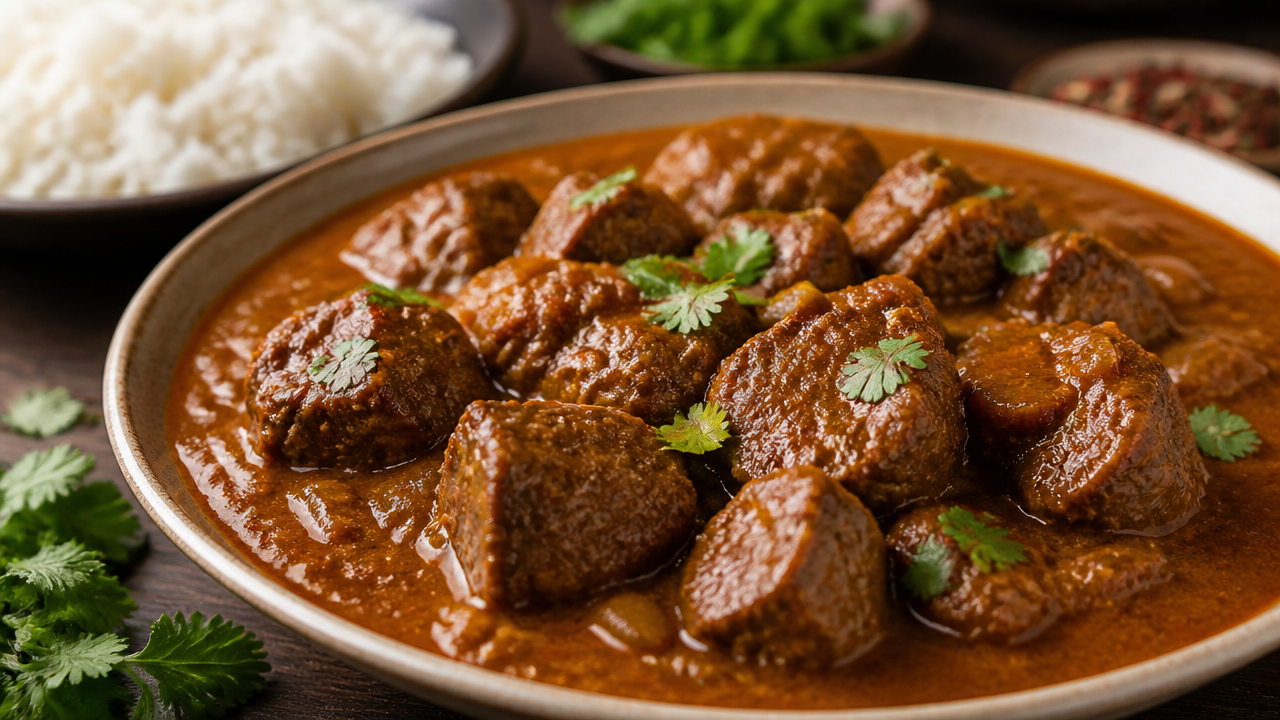
What makes a truly great beef curry stand out from every other homemade stew you have tried in your kitchen? Achieving that perfect balance of fork-tender meat, aromatic spices, and a depth of flavor that lingers, beef curry transforms from a modest meal into a centerpiece. Whether you are prepping for a cozy family dinner or refreshing your repertoire with new techniques, mastering beef curry relies on patience and the right building blocks. This guide explores the essential methods for creating authentic, rich beef curry that yields consistent, mouth-watering results every time you step up to the stove.
Quick Questions and Answers
Question: Why does beef curry take so long to cook?
Answer: Beef curry requires a long cooking time because tougher cuts like chuck roast need extended simmering to break down connective tissues and become tender. Most recipes recommend cooking for 1 to 2 hours, or until the meat is fork-tender and falling apart, to ensure the best texture and flavor development.
Question: Can I make beef curry in a pressure cooker?
Answer: Yes, you can make beef curry in a pressure cooker by combining diced beef with onions, garlic, ginger, and spices like turmeric, coriander, and garam masala. Cook covered until the cooker reaches 5–6 whistles, then release the pressure and add the cooked beef to a tempered spice sauce for a final simmer.
Question: Does beef curry need yogurt or cream?
Answer: Some beef curry recipes include yogurt or cream to create a rich, creamy sauce and add depth of flavor. Yogurt should be at room temperature to prevent curdling, while cream is often stirred in near the end of cooking along with garam masala for a finishing touch.
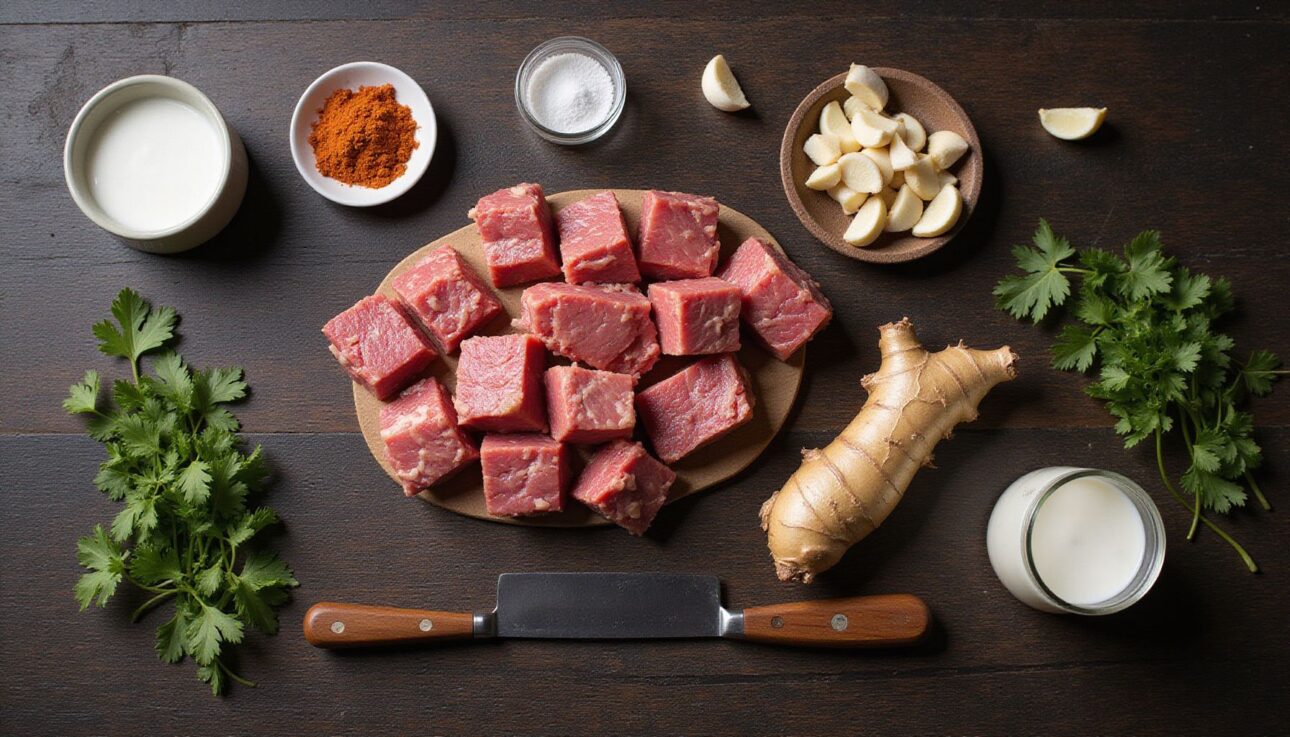
Ingredients Needed
Item
Purpose
Notes
Chuck Roast
Primary Protein
Best for long, slow braising.
Aromatics
Flavour Foundation
Fresh ginger and garlic are essential.
Whole Spices
Aroma Extraction
Temper in hot oil for maximum impact.
Ground Spices
Taste Profile
Turmeric, coriander, and garam masala.
Liquid Base
Sauce Consistency
Use beef stock or coconut milk for depth.
Essential Prep Work
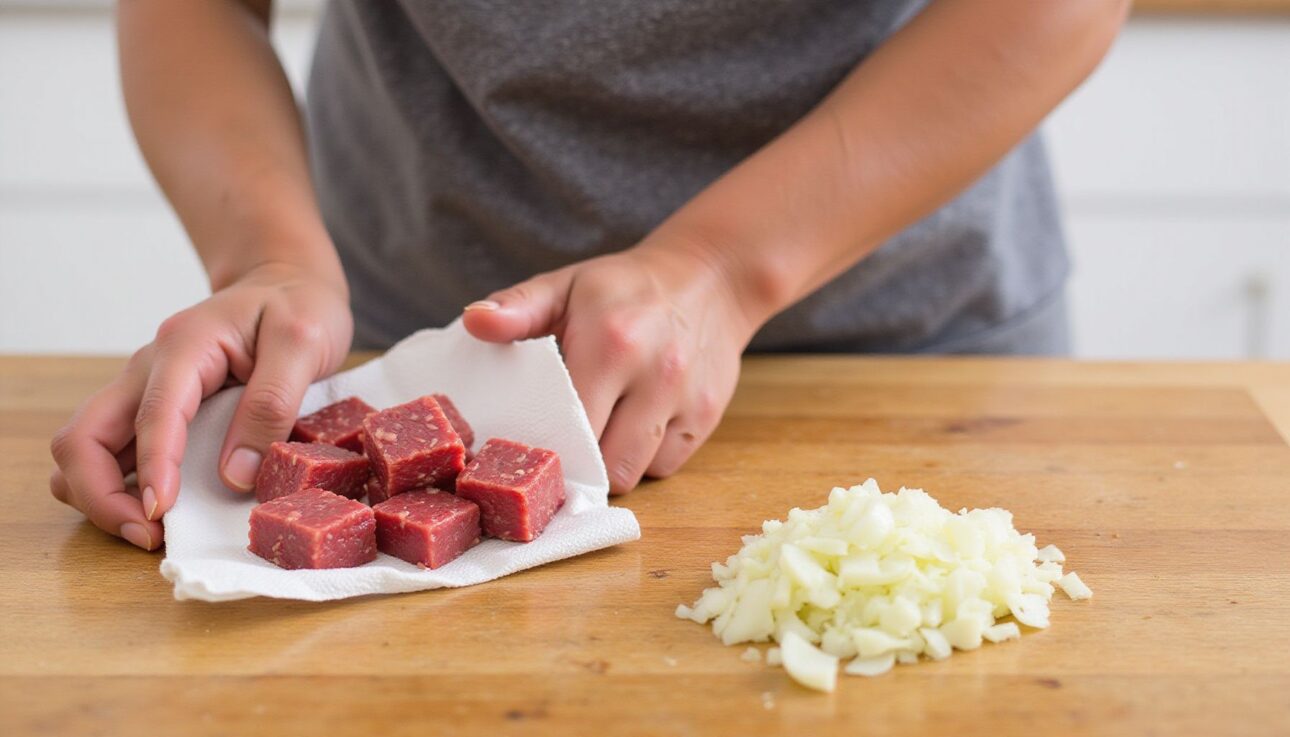
Success begins before the heat is even turned on. Pat your meat chunks completely dry with paper towels to ensure they brown quickly rather than steaming. I find that leaving a bit of fat on the chuck roast pieces helps keep the meat succulent during the long simmer.
Uniformity matters for even cooking. Try to chop your onions and ginger into similar-sized pieces. If you are looking for simple sides to serve, you might appreciate these 12 Easy Summer Dinner Ideas the Whole Family Will Love, which pair well with the deep flavors of a hearty beef dish. Keeping your spice measurements organized on a small plate next to the stove saves you from fumbling while the oil is hot.
Step-by-Step Cooking Process
Step 1: Sear the Beef
Start by heating a heavy-bottomed pot or Dutch oven with a thin layer of cooking oil. Sear the beef in small, manageable batches across the bottom of the pan until a deep brown crust develops on all sides. Avoid crowding the pan, as this causes the temperature to drop and forces the meat to release its juices, resulting in grey, boiled beef instead of properly seared protein.
Step 2: Temper the Spices
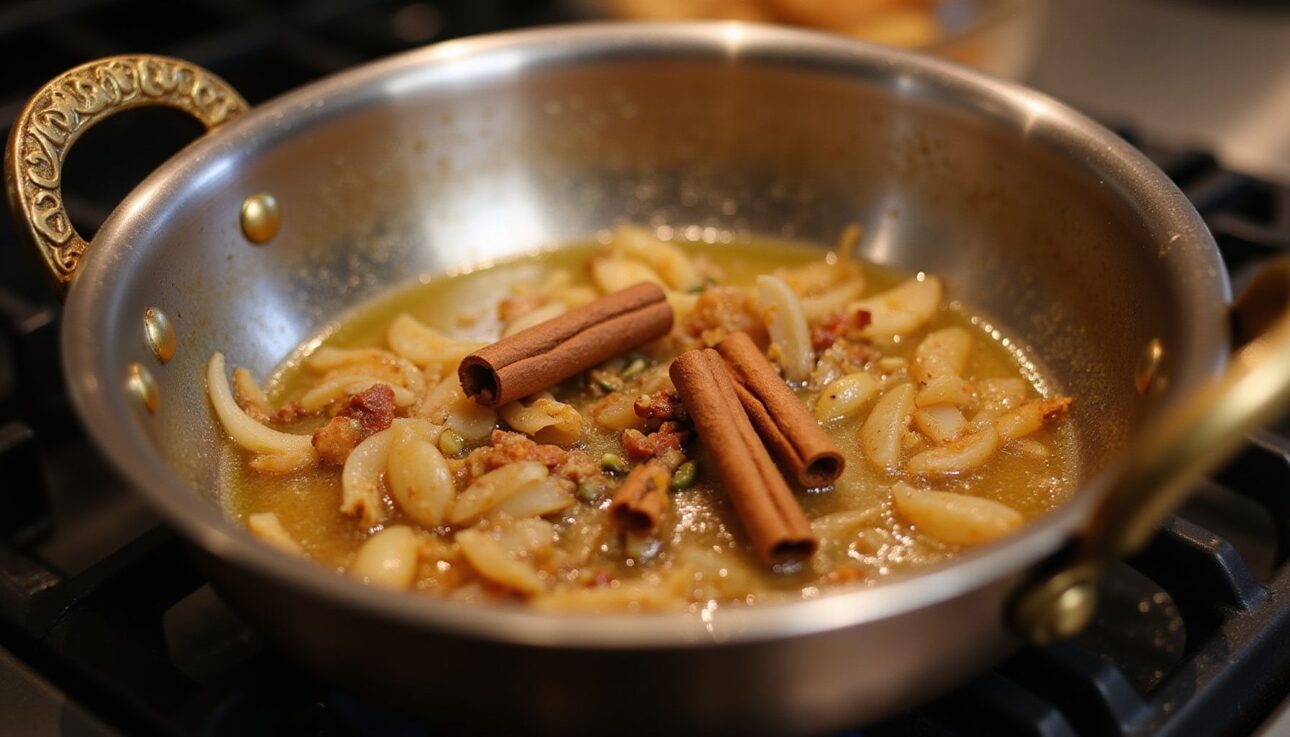
Once the meat is set aside, add your whole spices like cumin seeds, cinnamon sticks, and bay leaves into the residual fat. Watch closely as they sizzle for about 30 seconds; they should release a fragrant aroma that fills the kitchen. This specific step is a signature technique used by home cooks and professionals alike to bridge the gap between simple seasonings and complex, aromatic layers.
Step 3: Caramelize the Onions
Add your diced onions to the tempered spices. Sauté them over medium heat for at least 15 minutes, stirring occasionally. Caramelizing the onions is non-negotiable for a professional-grade sauce. They should be deep golden brown, almost translucent, and soft enough to melt into the base, providing a sweetness that balances the pungent ginger and garlic.
Step 4: Bloom the Ground Spices
When the onions reach that perfect golden stage, stir in your minced garlic, fresh ginger, and powdered spices. Adding these now allows them to toast in the lingering oil for about 60 seconds, which “blooms” the flavor and removes any raw, powdery texture. Just as you might use careful heat control when you How to Cook Perfect Pasta: A Simple Method That Actually Works, keeping the heat moderate here prevents the garlic from scorching.
Step 5: Build the Sauce
Return the seared beef and any resting juices back to the pot. Coat the meat thoroughly in the spice and onion mixture before pouring in your liquid base—stock or tomatoes work best to form the foundation. According to BBC Good Food, this step should incorporate enough liquid to submerge the meat, ensuring everything braises evenly regardless of the stove temperature.
Step 6: Simmer to Perfection
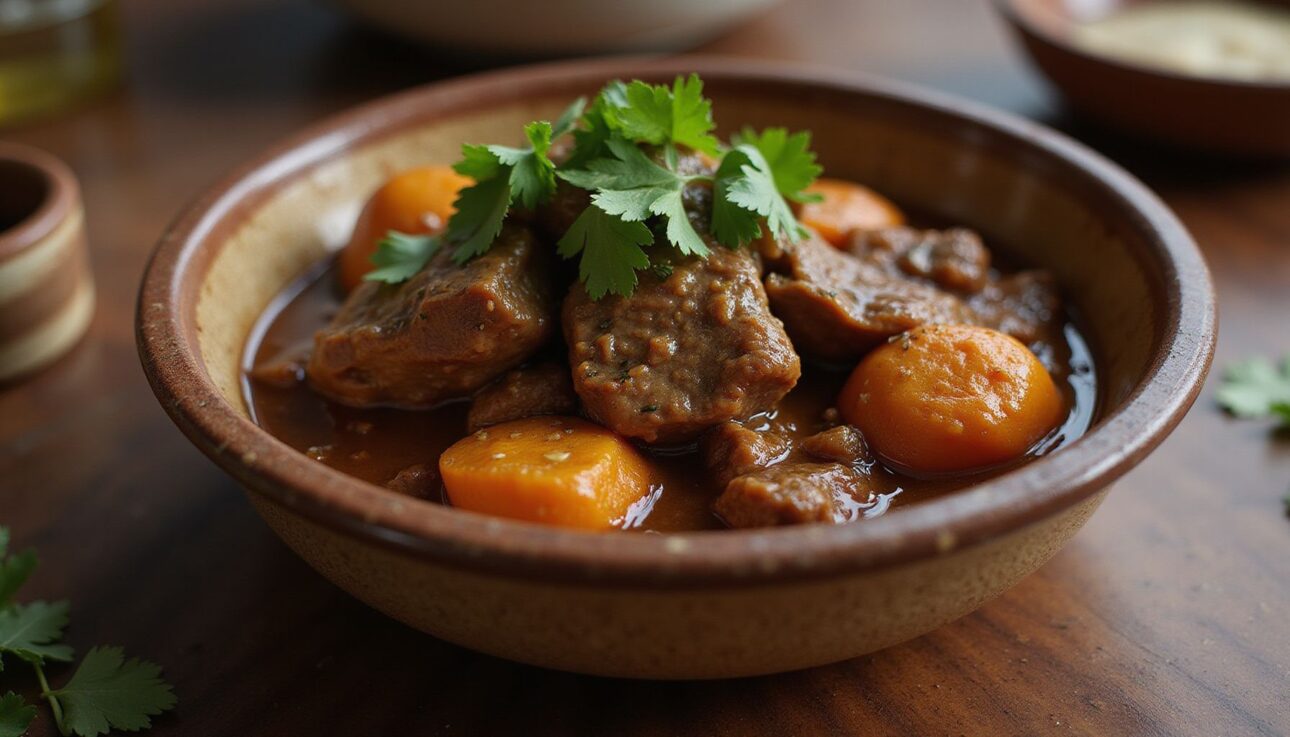
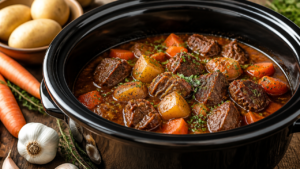
Cover the pot and drop the heat to a low simmer. Depending on your choice of cut and cook time, keep the pot over the burner for 1.5 to 2 hours for a classic, fork-tender texture. If you choose to add potatoes or carrots, drop them in about 30 minutes before the end, ensuring they are fork-tender without falling apart in the sauce. For a healthy green contrast, consider preparing How to Make Sautéed Swiss Chard with Chickpeas: A 15-Minute Healthy Side while the beef finishes up.
Common Mistakes to Avoid
The most frequent error is rushing the onion base. If the onions are pale when you add the tomatoes, the final curry will taste sharp and one-dimensional. Take the full 15 minutes to reach a dark golden hue.
Another mistake involves dairy. If you are adding yogurt to create a creamy finish, never add it while the pot is at a rolling boil. Take the pot off the heat, let it settle for a minute, and whisk in room-temperature yogurt slowly to avoid curdling.
Troubleshooting Your Curry
If the sauce seems too thin after the beef is tender, pull the lid off and turn the heat up to a gentle boil for 10 minutes. The moisture will evaporate, and the base will concentrate into a thick, glossy coat for the meat.
Alternatively, if the meat is still tough after the allotted time, it simply needs more liquid and more time. Do not panic if the pot looks dry; add a splash of beef stock or warm water, cover it, and keep it on the lowest heat setting. Reliable results often follow the advice of the Mayo Clinic regarding slow-cooking methods, which prioritize consistent low-heat heat transfer to guarantee fiber breakdown.
FAQ
Q: How do I know when beef curry is tender?
Beef curry is tender when the meat is fork-tender, meaning a fork can easily pierce through the pieces with little resistance. Visual cues include the meat falling apart slightly and becoming soft, which typically happens after 45 minutes to 2 hours of simmering depending on the cut used.
Q: What is the best beef cut for curry?
The best beef cuts for curry are tougher, marbled meats like chuck roast that benefit from long, slow cooking to become tender. These cuts hold up well during simmering and develop rich flavor, unlike leaner cuts that may become dry or tough if overcooked.
Q: Are potatoes common in beef curry recipes?
Potatoes are a common addition in many beef curry recipes, especially Indian-style curries, as they add texture and absorb the flavorful sauce. They are typically added halfway through cooking and simmered until both the beef and potatoes are tender, usually taking 25-35 minutes.
Q: When should I add tomatoes to beef curry?
Tomatoes are usually added after browning the beef and sautéing onions, garlic, and spices, allowing them to cook until slightly mushy to build a rich base. They contribute acidity and help form the sauce, and are often combined with stock or water before returning the beef to the pot for simmering.
Q: Will beef curry work with leftover beef?
Yes, beef curry works well with leftover beef, such as roasted or cooked chuck, since it is already tender and doesn’t require long cooking. Add the pre-cooked meat toward the end of preparing the sauce and simmer just briefly to infuse flavor without overcooking.
Q: What spices are essential for beef curry?
Essential spices for beef curry typically include turmeric, ground coriander, garam masala, red chili powder, and often whole spices like mustard seeds, bay leaves, cinnamon, and cardamom. Fresh garlic, ginger, and onions form the flavor base, while salt and chili adjust heat and seasoning.
Q: How long does beef curry last in the fridge?
Beef curry can last in the refrigerator for 3 to 4 days when stored in a sealed container. For longer storage, it can be frozen for up to 3 months. Reheat gently on the stove, adding a splash of water if the sauce has thickened too much during storage.
My Experience With Beef Curry Recipe
Working with chuck roast is always a reminder that quality ingredients reward patience. I remember my first attempt at this dish—I tried to hurry the process by cranking the heat, hoping for a quicker dinner, and ended up with dry strands of meat swimming in a watery, half-baked sauce. It was a humbling lesson in how braising works. Since then, I’ve learned that the “low and slow” approach isn’t just a suggestion; it is the physical mechanism that turns collagen-rich connective tissue into something that literally creates a velvet texture on your tongue.
The trick I swear by now is tempering the whole spices in the oil before even touching the onions. You can physically smell the difference when the heat awakens the oils in the cinnamon and cumin seeds. It adds a professional-level brightness that keeps the dish from feeling heavy or greasy, even with the richness of the meat. I’ve found that tweaking the garam masala amount at the very end—the “finish”—can fix almost any flavor imbalance. Have you ever noticed how a tiny pinch of extra spice at the finish line changes the whole profile of a dish?
Recipe Card
Classic Home-Cooked Beef Curry
A rich and hearty beef curry made with tender chuck roast and aromatic spices. Perfect for slow simmering on a weekend.
– Pat beef cubes dry and sear in small batches in a hot Dutch oven. Remove and set aside.
– Add oil to the same pot and temper cinnamon sticks and bay leaves for 30 seconds.
– Add onions and sauté over medium heat for 15 minutes until caramelized.
– Add ginger and garlic, cooking for 1 minute until fragrant.
– Stir in ground spices and toast for 1 minute.
– Return beef to the pot, add tomatoes and stock, and cover.
– Simmer on low heat for 1.5 to 2 hours until the meat is fork-tender.
Nutrition Info (per serving)
Calories
450
Protein
32g
Carbs
18g
Fat
28g
Fiber
4g
Sugar
6g
Sodium
420mg
Notes
Ensure yogurt is at room temperature before adding if you choose to make it creamy.
Simmer uncovered for the final 15 minutes to thicken the sauce if desired.
Next Steps: Serving Suggestions
A great curry deserves the right vessel. Steamed basmati rice is the standard choice, acting as a reliable sponge for the thick, flavorful sauce. Warm naan or paratha bread also provides a buttery, chewy contrast to the tender chunks of beef. If you want to brighten the final plate, a scattering of fresh coriander or a squeeze of lime juice right before you take your first bite adds a necessary acidity.
Latest Updates
As of 2026, home cooks are increasingly turning toward using local, grass-fed chuck roasts, which many find hold their structure better during long simmers. Additionally, interest in using “tempering” (or tadka) as an end-of-simmer step—adding specific spices to hot oil and pouring it over the finished curry just before serving—has gained traction for those wanting an extra punch of aroma.
I’m the mom behind Wise Mom Blogger, where everyday creativity meets real-life motherhood. I share easy DIY crafts, cozy knitting and crochet projects, beginner-friendly sewing ideas, and family-tested recipes—plus quick baking hacks that make homemade feel doable on busy days.