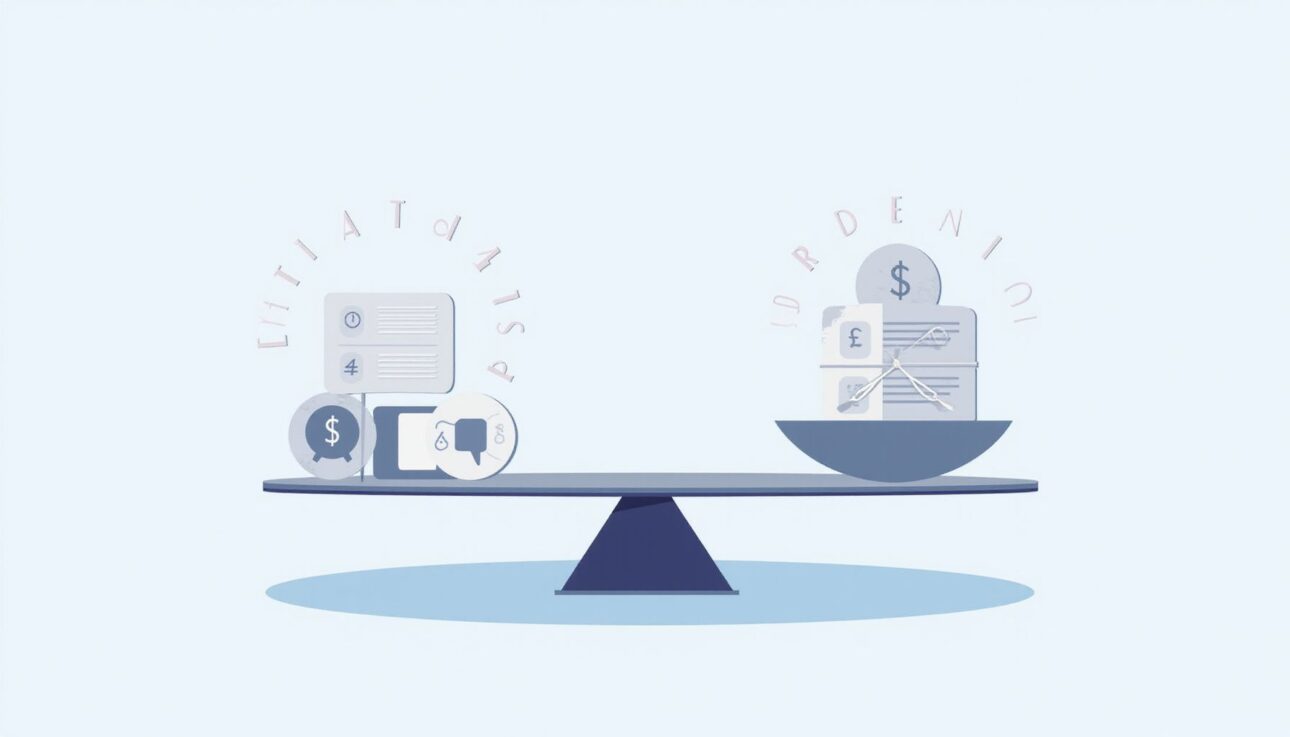
What makes a truly great career transition feel like a calculated move rather than an impulsive leap into the unknown? Whether you are evaluating your next professional step during the slow lull of mid-winter or prepping for a summer shift, understanding the trade-offs is essential. A well-planned pivot balances personal fulfillment with the cold reality of shifting income. This guide examines how you can prepare for salary risks, identify transferable skills, and establish exactly what you need to know first before you change your career.
Quick Questions and Answers
Question: What is changing careers in simple terms?
Answer: Changing careers involves moving into a new occupation or field that differs meaningfully from your current role. It often requires learning specific new skills, proving transferable experience, and sometimes accepting a lower starting salary while you establish your credibility in the new field of work.
Question: Why do people take salary cuts when changing careers?
Answer: Salary cuts frequently occur because employers treat career changers as less experienced in the new field, placing them at a lower starting level. Workers may also need time for retraining, job searches, or project building, which can limit earnings during the transition phase.
Question: Can you change careers without losing pay?
Answer: This is sometimes possible, but it is harder when the new field requires completely different experience or credentials. Experts suggest you must demonstrate immediate value to the employer and show why your specific skills justify the desired salary from day one.
The Financial Reality of Career Transitions
Moving into a new field often comes with a financial price tag that many people underestimate. According to research summarized by Mooloo, career switchers face an average immediate salary reduction of 14% as they often move into entry-level or junior roles to get their foot in the door. This dip feels significant, especially when you are accustomed to an established paycheck.
The financial burden extends beyond just the initial pay cut. When you factor in the cost of potential retraining programs, lost wages during the job search, and lower pay in the new role, the total transition costs can reach approximately $50,000. Data from a 2026 MyPerfectResume survey indicates that 29% of workers report seeing no meaningful financial gain from their job change, while 14% report being worse off than where they started.
Economic pressures weigh heavily on these decisions. The same survey found 56% of workers view changing jobs as financially riskier today compared to three to five years ago, often due to high cost-of-living pressures and market volatility. If you are looking for roles with lower stakes or more stability, you might evaluate Easiest Remote Jobs to Get: Skills, Pay, and Realistic Entry Requirements as a potential bridge into a new industry.
Long-Term Recovery and Growth Potential
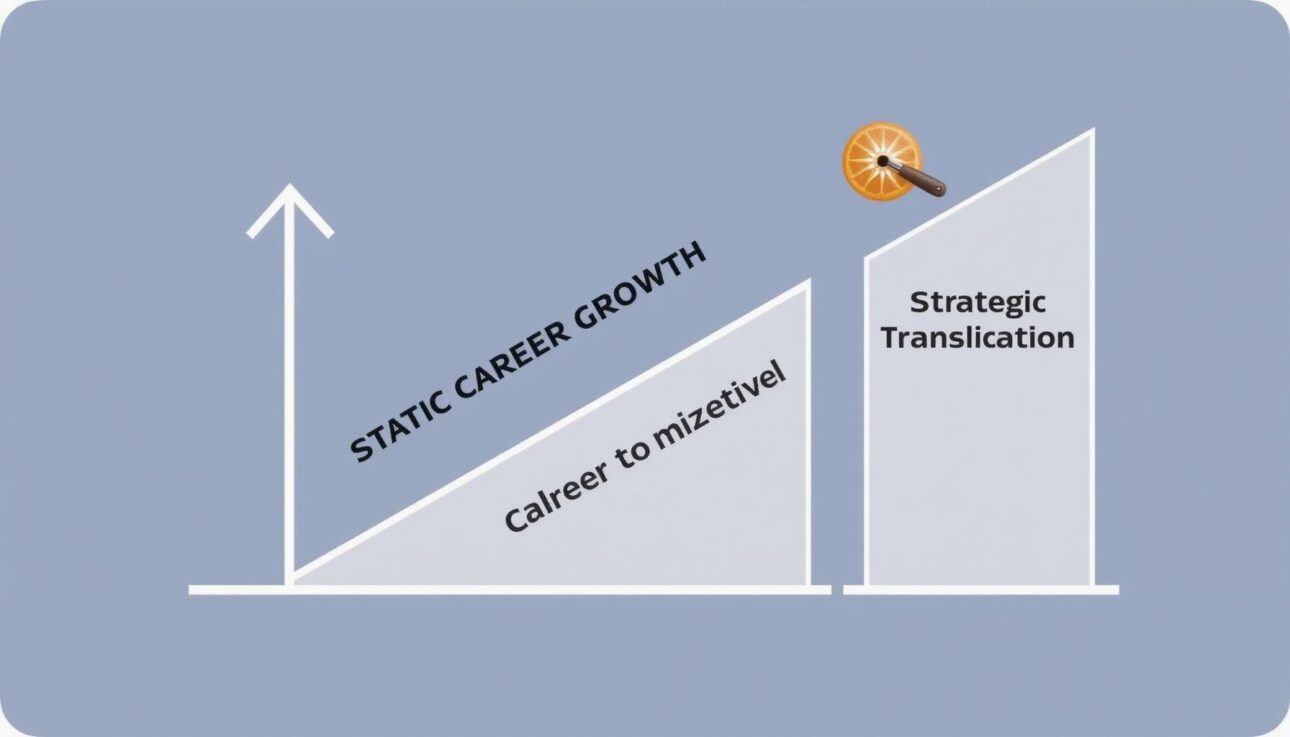
Initial salary drops serve as an investment in a long-term strategy rather than a permanent loss. Research suggests that while pay might shrink at the start, most successful career switchers recover their previous income levels within three to five years. The key is to select a trajectory that aligns with demand.
Long-term wage growth for successful switchers can be up to 2.9 times faster than for those who remain in static roles. This often happens because switchers move into higher-growth sectors that reward agility and fresh perspectives. Before committing, you should vet your target career using Occupational Outlook Handbook data from the Bureau of Labor Statistics to ensure the field offers sustainable long-term earnings potential.
Knowing where you want to land helps you mitigate the risk of a career dead-end. If you are considering established paths that offer consistent structure, reviewing Amazon Work From Home Jobs: A Complete Guide to Remote Positions and Pay can help you contrast the requirements of massive corporate ecosystems with smaller, specialized fields.
Essential Financial Preparation Before Switching
Financial experts strongly warn against “winging it” when you decide to overhaul your professional life. Vicki Salemi, a career specialist at Monster.com, suggests that success requires a strategic plan rather than just optimism. A primary recommendation from financial advisors is to establish a three-to-six-month emergency fund to cover basic living expenses during the transition period.
Creating a granular budget is your most effective tool for identifying financial runway. You need to clarify exactly how much income is required each month to maintain essential needs during a potential period of unemployment or lower pay. As Greg Guenther from the GRANTvest Financial Group explains, establishing this buffer is essential for managing the stress that inevitably accompanies a drop in cash flow.
Reducing high-interest debt prior to making a career move is also critical. Debt payments become harder to manage when your income is unstable, so clearing these hurdles first can provide you with the flexibility needed to navigate a slower-than-expected job search.
Financial Factor
Stay in Current Role
Switch Careers
Notes
Immediate Income
Steady
Often Lower
14% average drop for switchers
Transition Costs
None
High ($50k range)
Includes retraining and time
Wage Growth
Linear / Slow
Potential Acceleration
2.9x faster growth possible
Financial Risk
Low
Higher
56% view switching as riskier
Demonstrating Value: The Role of Transferable Skills
Employers often view career changers as a potential risk because your background does not perfectly mirror their current needs. As Ask The Headhunter explains, you cannot rely on past job titles to sell your qualifications. You must arrive ready to solve the employer’s specific problems immediately.
Focusing on transferable skills is the standard way to bridge this experience gap. Competencies like problem-solving, rapid domain learning, and clear communication are in high demand. Pew Research Center reports that employers are increasingly evaluating workers for future roles by looking beyond their current skills, searching for people who can adapt to new demands.
Building a portfolio of tangible project work helps demonstrate your capability in the new field before you are even hired. If you lack direct experience, showing that you have already learned the core tools or completed independent projects provides the evidence an interviewer needs to feel safe hiring you.
Summary of Key Takeaways for Potential Switchers
Modern career changes are not guaranteed to improve income immediately. MyPerfectResume reports that 49% of workers felt their previous compensation adjustments failed to keep up with the cost of living, which underscores why you need a precise strategy. If you do not plan for the “salary cost” of an investment, you risk frustration when your bank account hits a lull.
View your career change as a calculated investment of time and capital. The goal is to trade that short-term dip for higher long-term growth. Use official data from the U.S. Census Bureau to compare your current earnings against the median income in your target industry, which helps keep your expectations grounded in reality.
Data is your best defense against bad decisions. Whether you are reviewing labor trends or calculating your burn rate, rely on objective sources rather than anecdotal success stories. Planning with clear objectives remains the most reliable way to transition successfully.
My Experience With Changing Careers: Salary Risks, Skills, and What to Know First
I remember the exact moment I realized my previous industry was hitting a ceiling. It felt less like a professional pivot and more like walking into a cold lake without checking the temperature. I took the pay cut, I dealt with the imposter syndrome, and I learned very quickly that an impressive resume in one room means almost nothing in another. If you have any hubris left about your expertise, a career change will strip it away faster than a tax audit.
The smartest thing I did was treat my savings like a fortress. I didn’t just calculate my rent; I calculated every variable expense, from car repairs to software subscriptions, to ensure I had six months of runway. That buffer stopped me from taking the first low-ball offer that came along just to stop the bleeding. The expert reality bite here is recognizing that you are selling solutions, not services. An employer doesn’t care about your past titles; they care about the problem you can finish for them next Tuesday. It is a humbling, often chaotic, but growth-oriented mess. If you are standing at this same edge today, what is the one question that keeps you up at night?
FAQ
Q: How much money should you save before changing careers?
Experts recommend saving at least three to six months of living expenses before making a move. This cushion provides a necessary buffer to cover your essential costs if the job search takes longer than expected, if you need to pay for new certifications, or if your starting salary in the new role is lower than what you were earning previously.
Q: What skills matter most when switching careers?
Transferable skills like communication, adaptive problem-solving, and the ability to learn new technologies quickly are most significant. Employers look for evidence that you can handle the core tasks of the new role immediately. Concrete examples of how you solved problems in past roles or through independent projects help prove you can hit the ground running regardless of your industry background.
Q: Is changing careers financially risky today?
Yes, current market data suggests that a majority of workers view the process as risky. A 2026 survey indicates that 56% of workers believe changing jobs is riskier now than just a few years ago. Furthermore, 29% of recent career changers reported they did not see a meaningful financial gain, and 49% felt their compensation did not keep pace with the cost of living.
Q: What are the biggest drawbacks of a career change?
The main drawbacks are the initial drop in pay, possible unemployment periods, the out-of-pocket costs of retraining, and the uncertainty of recovery. You may also find that your new industry does not have the same wage growth trajectory you initially expected, which can make the long-term financial payoff take longer to materialize.
Q: What are the main benefits of changing careers?
The benefits include finding a better professional fit, accessing more resilient or higher-growth sectors, and achieving faster long-term wage growth. Studies show that successful career switchers can eventually see their income grow nearly three times faster than those who remain in static roles, as they capitalize on new industry demands.
Q: How long does it take to recover salary after switching careers?
Research suggests that most workers recover their previous salary level within three to five years. The timeline relies on several factors, including the specific industry you enter, your age, the local demand for your new skills, and how much additional education or certification the new role requires to reach higher seniority.
Q: What should you know first before changing careers?
You need to research the target role’s exact salary range, the specific hiring requirements, and the long-term growth potential of the field. It is also vital to verify that your current skills are truly transferable. Calculating your personal financial runway allows you to handle a temporary salary dip without the pressure of unmanageable debt or stress.
References
Bureau of Labor Statistics. (n.d.). Career Outlook. U.S. Bureau of Labor Statistics. https://www.bls.gov/careeroutlook/
CNBC. (2025, April 8). Changing careers? Make these 3 money moves first, experts say: ‘Don’t just wing it’. CNBC. https://www.cnbc.com/2025/04/08/money-moves-to-make-before-changing-careers.html
MarketWatch. (n.d.). Here’s What Happens to Your Salary When You Change Careers. The Motley Fool. https://www.fool.com/money/personal-finance/articles/heres-what-happens-to-your-salary-when-you-change-careers/
Mooloo. (n.d.). The Opportunity Cost Of Career Switching: What The Data Shows. Mooloo. https://mooloo.net/articles/personal-finance/the-opportunity-cost-of-career-switching-what-the-data-shows/
MyPerfectResume. (2026, January). Job Hopping Salary Increase: 56% of Workers Say It’s a Risk. MyPerfectResume. https://www.myperfectresume.com/career-center/careers/basics/job-hopping-financial-risk
Pew Research Center. (2024, January 8). Workers’ satisfaction with current job and pay has declined as employers look beyond workers’ current skills to identify their next roles. Pew Research Center. https://www.pewresearch.org/short-reads/2024/01/08/workers-satisfaction-with-current-job-and-pay-has-declined-as-employers-look-beyond-workers-current-skills-to-identify-their-next-roles/
U.S. Census Bureau. (n.d.). Employment. U.S. Census Bureau. https://www.census.gov/topics/employment.html
Ware, N. (n.d.). Can I change careers without a salary cut?. Ask The Headhunter. https://www.asktheheadhunter.com/17393/change-careers-without-salary-cut
Sarah Anderson . J
I’m the mom behind Wise Mom Blogger, where everyday creativity meets real-life motherhood. I share easy DIY crafts, cozy knitting and crochet projects, beginner-friendly sewing ideas, and family-tested recipes—plus quick baking hacks that make homemade feel doable on busy days.