What makes a bowl of homemade pumpkin soup feel like the perfect centerpiece for a crisp evening compared to anything else you might find on your kitchen table? Achieving that balance of natural sweetness and deep, savory warmth requires more than just boiling ingredients in a pot. Whether you are hosting a fall dinner gathering or looking for a cozy solo lunch, knowing how to handle fresh produce makes all the difference. Mastering pumpkin soup at home is an achievable skill that brings a reliable, vegetable-forward dish into your regular rotation. Using quality ingredients and proper heat techniques, you can transform a simple gourd into a creamy, comforting bowl that feels special every time. Let us look at how you can craft this classic dish from start to finish.
Quick Questions and Answers
Question: Why does pumpkin soup turn out too thin?
Answer: Pumpkin soup often turns out too thin when there is too much stock or water, or when it is not simmered long enough to reduce. To thicken it, simmer a little longer, blend well, or add more pumpkin or potato. Some recipes also suggest finishing with cream or coconut milk for a richer texture.
Question: Can you make pumpkin soup with canned pumpkin?
Answer: Yes. Several recipes use canned pumpkin or pure pumpkin as a shortcut, then combine it with onion, broth, and seasonings before simmering and blending. It is a quick way to make soup without roasting or peeling fresh pumpkin.
Question: Do you need to roast pumpkin before making soup?
Answer: No, roasting is optional. Some recipes simmer fresh pumpkin directly with onion, garlic, and stock until tender, then blend it smooth. Roasting gives a deeper, sweeter flavor, but stovetop cooking is faster and still works well.
Prerequisites: Ingredients and Tools
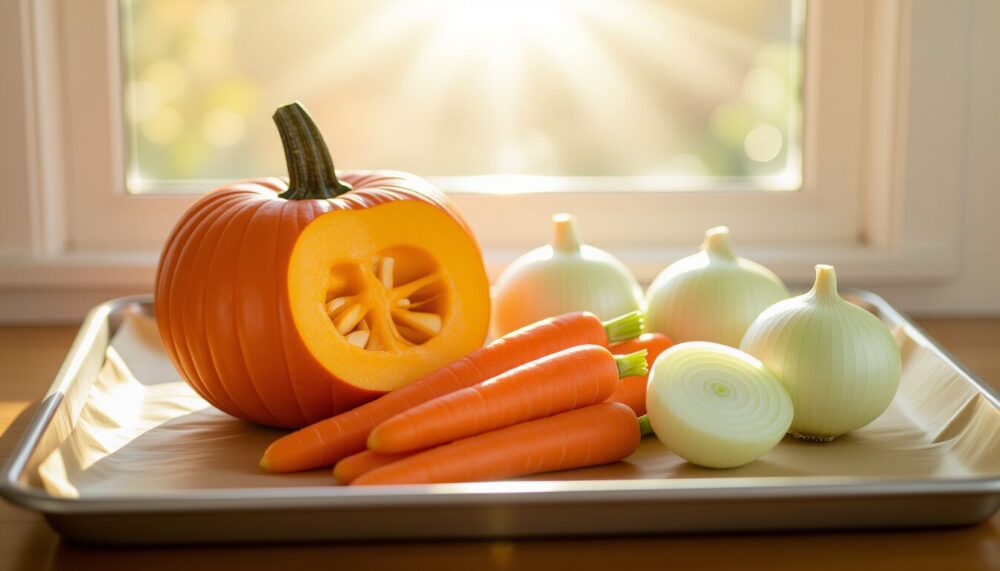
Precision matters when building the foundation of a soup. Select a 2 to 3 lb sugar pumpkin; avoid large, fibrous carving pumpkins that you might find in pumpkin patches or near Fall harvest displays often marked for decoration only. Cooking pumpkins or sugar pumpkins are naturally denser and sweeter, which is crucial for a smooth puree.
For your workstation, gather a heavy-bottomed Dutch oven, a sturdy baking sheet, parchment paper, and a high-speed blender or immersion blender. If you already enjoy making a Minestrone Soup Recipe, you likely have these tools ready to go. You will also need pantry staples like olive oil, salted butter, and a spice blend of cinnamon, nutmeg, salt, and pepper. If you are ever hunting for more inspiration, a Homemade Cream of Chicken Soup can also teach you a lot about base-building.
Step 1: Roasting the Pumpkin and Vegetables
Preheat your oven to 425°F (220°C) and line your baking sheet with parchment paper to make cleanup effortless. Quarter the pumpkin, scoop out the seeds, brush the flesh with olive oil, and roast it skin-side up for 35 to 40 minutes until it is fork-tender.
Including whole garlic heads with the tops sliced off and perhaps a chopped sweet potato on the same tray creates a sophisticated roasted vegetable base. According to Cookie and Kate, roasting these ingredients allows them to caramelize, adding a level of depth that simple boiling cannot replicate.
Step 2: Sautéing Aromatics
Heat 3 tablespoons of butter or a high-smoke point oil in your Dutch oven over medium heat. Once the fat is shimmering, add your diced onions and a pinch of salt to draw out moisture.
Cook these for 8 to 10 minutes, or until the onions turn translucent and soft. Do not skip this; soft onions are essential to avoid a raw, sharp texture in your finished soup. Much like when you start a Creamy Chicken and Mushroom Soup Recipe, taking your time with the aromatics ensures a cohesive, mellow flavor profile in the final bowl.
Step 3: Blending and Simmering
Carefully peel away the charred pumpkin skin and add the soft flesh to your pot once the onions are ready. Toss in your spices—cinnamon, nutmeg, and some ground cloves—to bloom them in the fat for roughly 2 minutes.
Pour in your vegetable broth, bring everything to a gentle simmer, and use an immersion blender to puree the mixture directly in the pot. If you prefer, transfer the soup in small batches to a standard blender, but keep the lid slightly ajar to let steam escape, as USDA Food Safety guidelines emphasize preventing heat-related accidents in the kitchen.
Common Mistakes to Avoid
Most beginners lean toward large carving pumpkins, but these are often fibrous and watery. Stick with sugar pumpkins to get that signature velvety finish without excessive moisture.
Watch your oven settings closely during the roasting phase. Burning garlic can ruin an entire pot, so keep your oven between 400°F and 425°F to ensure the cloves soften into a sweet paste rather than turning into carbon. Finally, avoid overfilling your blender during the final step. Hot liquids expand and can easily blow the lid off, causing a messy and dangerous splash in the kitchen.
Troubleshooting: Getting the Perfect Texture
If your soup arrives at the table feeling too thin, do not panic. Simply simmer the pot uncovered for a few extra minutes to allow the moisture to reduce or stir in a small amount of roasted potato to act as a natural thickener.
When the flavor feels flat, the culprit is often a lack of salt. A tiny pinch of kosher salt or a splash of acidity can bridge the gap between that earthy pumpkin and the warm spices. Should you encounter a gritty texture after blending, run the soup through a fine-mesh sieve or give it another 60 seconds on the highest setting of your blender to break down any remaining stringy bits.
FAQ
Q: Can I use canned pumpkin?
Yes, canned pumpkin is an excellent, time-saving alternative to fresh gourds. Just be sure to use plain pumpkin puree rather than pre-spiced pumpkin pie filling, as the latter contains sugar and heavy spices meant for desserts, not savory soups.
Q: How long does it last stored in the fridge?
The soup will stay fresh and flavorful for 3 to 4 days when kept in an airtight container in your refrigerator. Reheat individual portions on the stove over low heat, adding a splash of fresh broth if the soup has thickened too much overnight.
Q: Are potatoes necessary in pumpkin soup recipes?
Potatoes are entirely optional. Some cooks add them to make the bowl more filling or to create a thicker, creamier texture, while others omit them to focus on the pure pumpkin flavor. If you want a lighter soup, feel free to skip the potato.
Q: How long does pumpkin soup take to cook?
Most stovetop versions come together in 20 to 40 minutes. If you choose to roast your vegetables first, allow an additional 45 minutes for oven time, though this step significantly deepens the flavor. The total hands-on time remains relatively low.
Q: Does pumpkin soup need cream to taste good?
Cream is not required for a delicious soup. While many recipes incorporate heavy cream, coconut milk, or crème fraîche for a luxurious mouthfeel, the soup is naturally flavorful thanks to onions, garlic, and stock. Adjust the finish based on your own dietary preference.
Q: How do you make pumpkin soup smooth and creamy?
Cook the pumpkin until it is very tender before blending. Use a high-powered immersion blender and process the mixture until no lumps remain. If you want a restaurant-style texture, pass the finished soup through a fine-mesh sieve once more.
Q: What spices go well with pumpkin soup?
Classic warm spices like nutmeg, cinnamon, and ginger are staples. For something different, a touch of curry powder or smoked paprika provides an interesting contrast. Start with a light hand, taste as you go, and build toward your preferred warmth.
Q: Which pumpkin is best for pumpkin soup?
Sugar pumpkins are the gold standard because they provide the ideal sweetness and dense, non-fibrous texture. If sugar pumpkins are out of season, butternut squash is an excellent, widely available substitute that behaves much the same way when roasted and pureed.
Q: What can you serve with pumpkin soup?
Crusty sourdough bread or warm rosemary focaccia are ideal for dipping. Toppings also elevate the dish; try toasted pumpkin seeds, a swirl of fresh cream, a drizzle of high-quality olive oil, or even a few fresh sage leaves to make the meal feel complete.
My Experience With how to make pumpkin soup
I remember the first time I tried roasting a whole pumpkin, thinking I was being incredibly clever. I ended up with a baking sheet full of something that resembled a watery science experiment because I picked a decorative gourd instead of a proper sugar pumpkin. It turns out, that specific detail—the pumpkin variety—is the single biggest factor in whether your soup tastes like a dream or a chore.
Once I started using sugar pumpkins and adding that roasted garlic, everything changed. The flavors finally balanced out, and that velvety texture I kept seeing in photos actually became a reality in my own kitchen. The professional tip here is to brown your aromatics properly; if you rush the onion sauté, you lose that essential sweet-savory bridge that makes the soup feel sophisticated rather than just “blended plants.” It really is all about that initial patience. It’s funny how many times we overcomplicate cooking, when really, it just comes down to selecting the right raw ingredients and letting them reach their potential in the oven. Have you ever tried roasting something, only to realize the ingredient type was the real issue?
Conclusion
Making pumpkin soup from scratch is one of the most rewarding ways to embrace the season. By selecting the right pumpkin, taking the time to roast it properly, and being patient with your aromatics, you are well on your way to a bowl that satisfies anyone at the table. Feel free to adjust the spice levels to your liking, as this base is very forgiving for beginners and experts alike.
Recipe Card
Roasted Sugar Pumpkin Soup
A deeply savory and smooth soup made from roasted sugar pumpkin, sweet aromatics, and warm spices.
I’m the mom behind Wise Mom Blogger, where everyday creativity meets real-life motherhood. I share easy DIY crafts, cozy knitting and crochet projects, beginner-friendly sewing ideas, and family-tested recipes—plus quick baking hacks that make homemade feel doable on busy days.