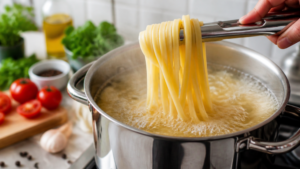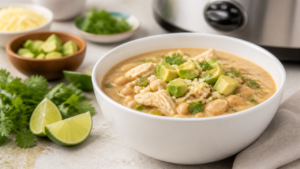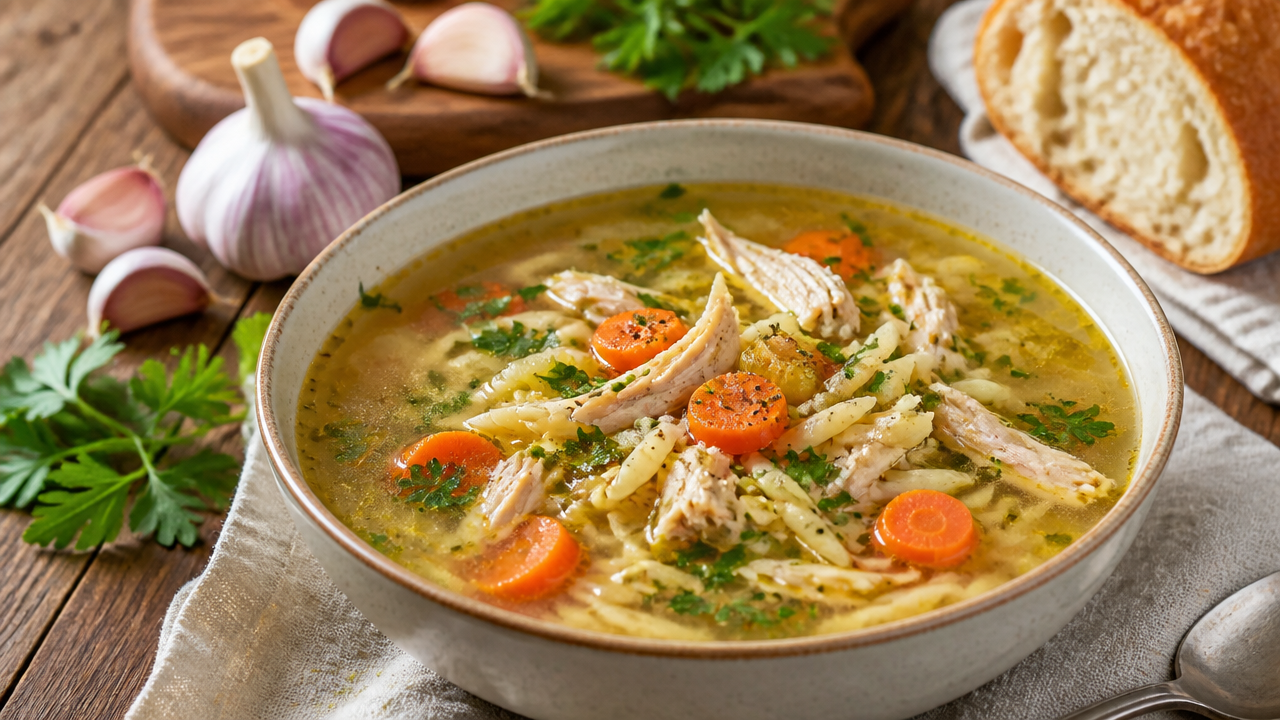
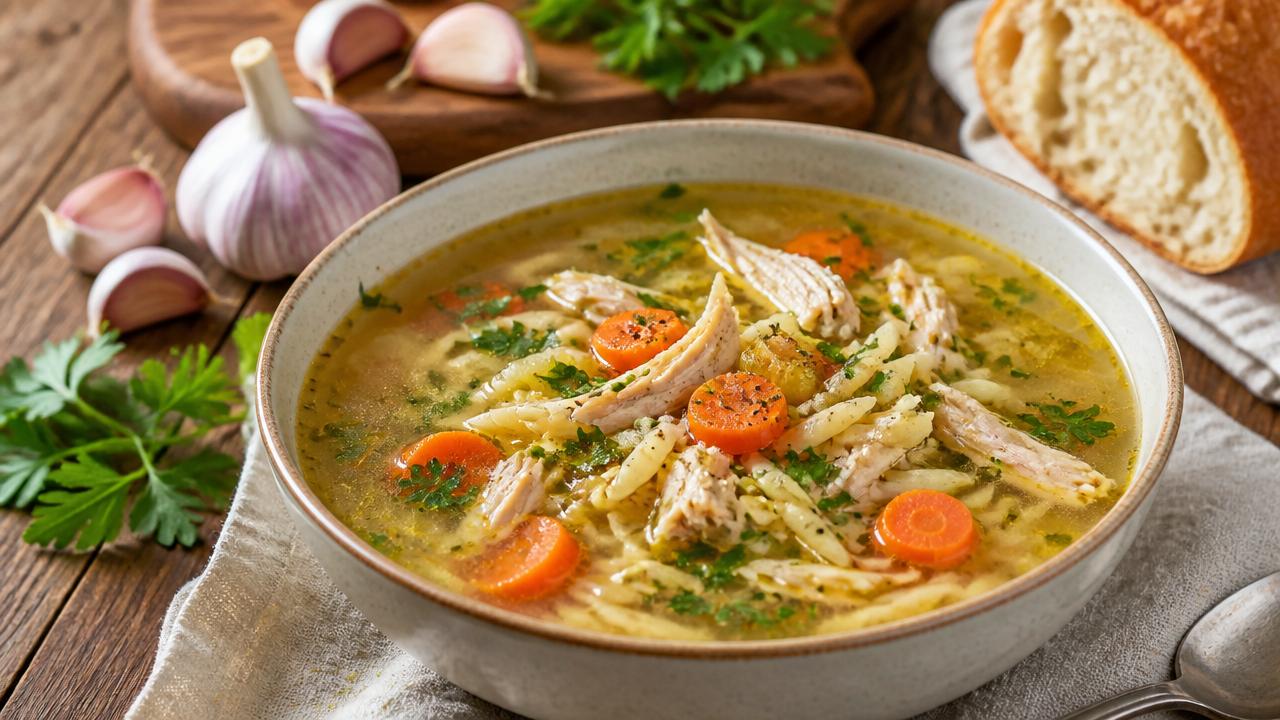
What makes a simple bowl of Italian penicillin soup so much more than just another chicken soup? The answer lies in tiny pasta, a deeply flavored broth, and a tradition Italian nonnas have passed down for generations. Whether you’re fighting a winter cold or just craving something nourishing, this Italian penicillin soup recipe delivers comfort in every spoonful. It’s quick, requires one pot, and uses ingredients you probably already have. Let me show you exactly how to make it.
Quick Questions and Answers
Question: Why is Italian penicillin soup called penicillin soup? Answer: It is called penicillin soup because it is a traditional Italian comfort dish believed to have healing properties that help soothe colds and flu symptoms. The warm, nourishing broth with small pasta, vegetables, and chicken provides essential nutrients and hydration that support recovery, much like how penicillin fights infection. Families often serve it to sick relatives as a non-medical remedy for comfort and relief[1][3].
Question: Can I make Italian penicillin soup without chicken? Answer: Yes, you can make Italian penicillin soup without chicken by using vegetable broth instead of chicken stock and omitting the meat entirely. Many vegetarian versions rely on the nutrient-rich vegetable purée, small pasta, and Parmesan cheese to create a nourishing meal. You may also add extra herbs like thyme or turmeric for added healing benefits[3][7].
Question: Do I need pastina for Italian penicillin soup? Answer: Yes, pastina is the essential small pasta used in Italian penicillin soup, giving it the traditional creamy, brothy texture. Common types include acini di pepe, stelline, or other tiny shapes that cook quickly and absorb the flavorful broth. Using larger pasta would change the dish’s character and consistency significantly[1][2].
Key Takeaways
- Italian penicillin soup relies on a high-quality broth as its backbone — homemade or store-bought both work, but bone broth adds extra nourishment.
- Pastina is the defining ingredient; its tiny shapes cook in 3–4 minutes and create the signature texture.
- The Parmesan rind is the secret weapon for umami depth. Do not skip it.
- This soup comes together in about 30 minutes using one pot. It is designed for simplicity.
What You Need
| Item | Purpose | Notes |
|---|---|---|
| 6 cups chicken broth or bone broth | Base of the soup; provides flavor and nutrients | Homemade is best, but quality store-bought works too |
| 1/2 cup pastina | Tiny pasta that gives the soup its signature texture | Acini di pepe, stelline, or alphabet shapes |
| 1 yellow onion | Part of the mirepoix foundation | Rough chop is fine; it gets soft |
| 2 carrots | Adds sweetness and body | Peeled and diced |
| 2 celery stalks | Adds savory depth | Diced |
| 3 garlic cloves | Aromatic base | Minced or sliced |
| 2 tbsp olive oil | For sautéing | Extra-virgin preferred |
| 4 tbsp freshly grated Parmesan | Finishing flavor | Never use pre-grated |
| 1 Parmesan rind | Umami booster | Simmered in the broth, then removed |
| 2 sprigs fresh thyme | Herbaceous note | Or 1/2 tsp dried |
| 1 bay leaf | Subtle depth | Removed before serving |
| Salt and black pepper | Seasoning | To taste |
Tools: Large soup pot or Dutch oven, wooden spoon, microplane or fine grater, chef’s knife, cutting board.
Step 1: Prep the Mirepoix
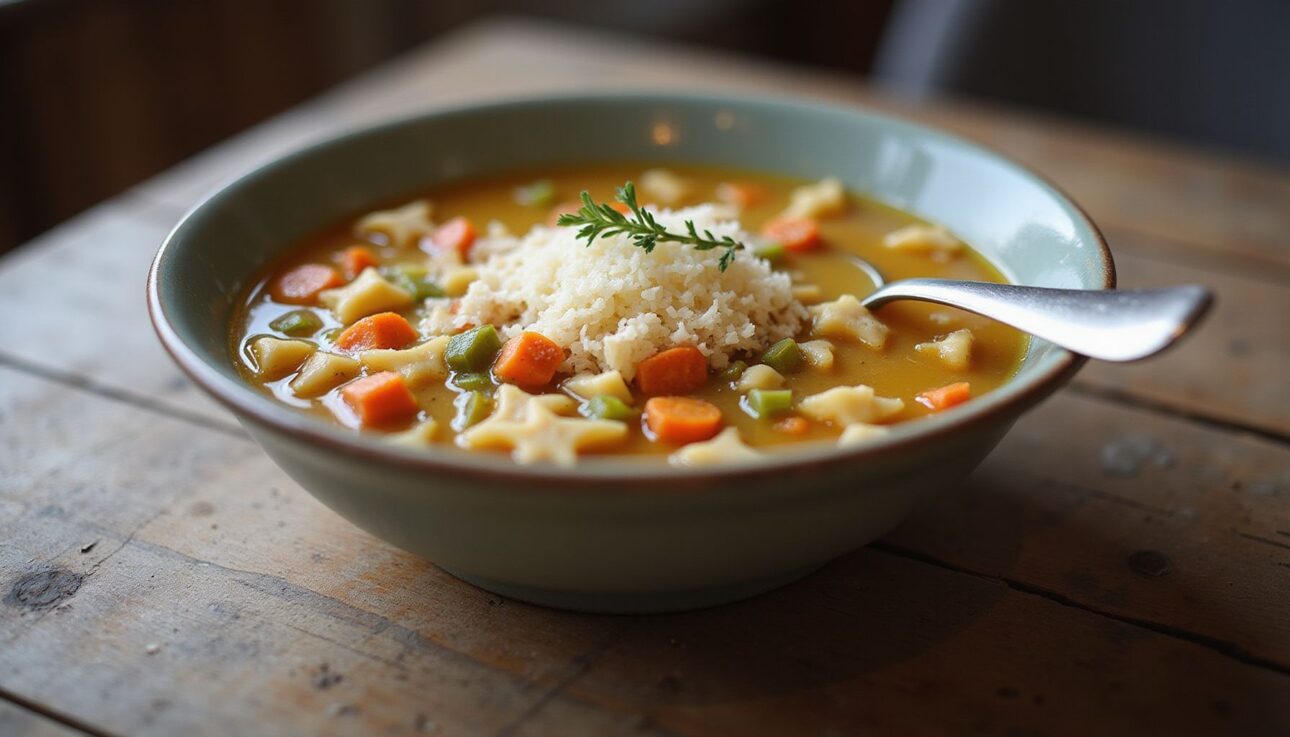
Start by washing and peeling the carrots. Dice them into small, even pieces — about 1/4 inch. Do the same with the celery stalks. Chop the yellow onion into a similar size. Even cuts matter here because they ensure everything cooks at the same rate.
Finely mince the garlic cloves and set them aside. Keep the garlic separate from the other vegetables. Garlic burns faster than onion, carrot, and celery, so it needs to go into the pot later.
This base trio — onion, carrot, celery — is the classic Italian soffritto. It provides the savory backbone for the entire soup. Getting this right sets you up for success.
Step 2: Sauté the Aromatics
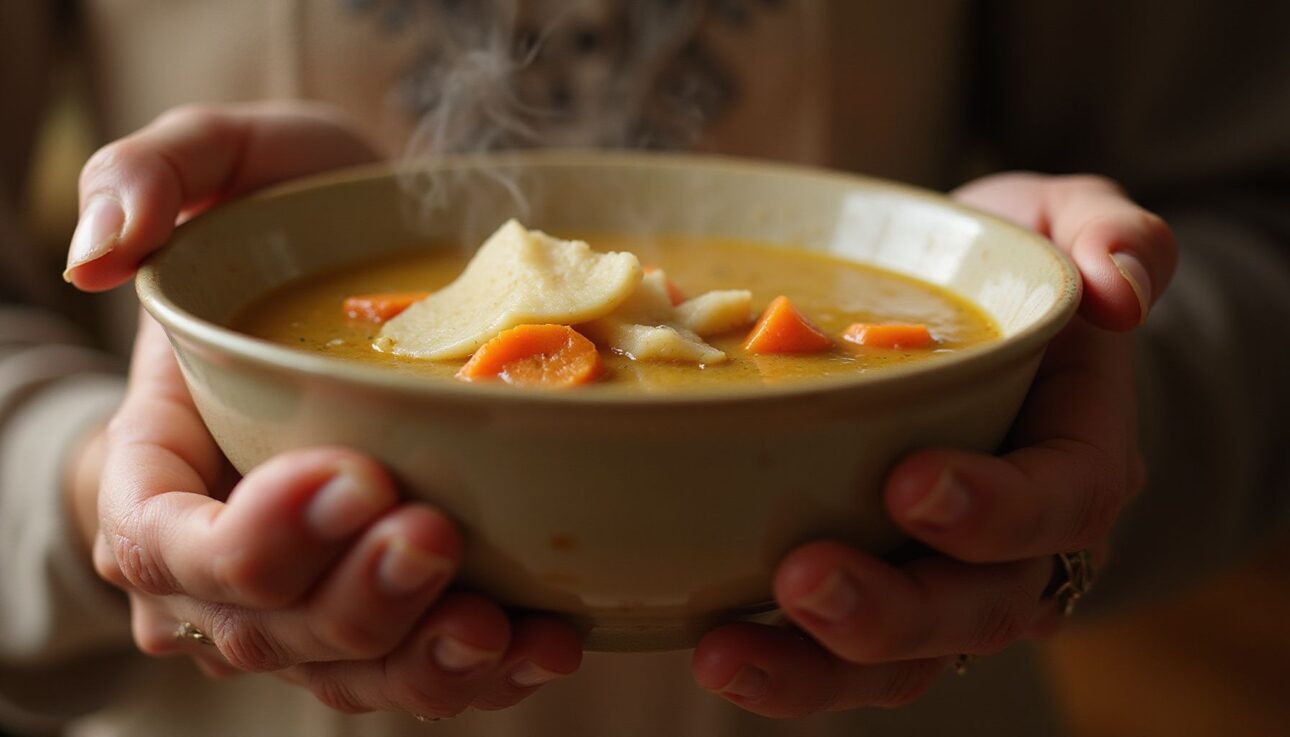
Place your Dutch oven or soup pot over medium heat. Add the olive oil and let it warm for about 30 seconds. Add the diced onion, carrots, and celery. Stir to coat them in oil.
Cook the vegetables for 6–8 minutes, stirring occasionally, until they soften and edges begin to brown slightly. That light browning adds flavor you cannot get from raw vegetables. According to The Kitchn, cooking the vegetables until just beginning to brown is key for maximum flavor extraction[2].
Once the vegetables are soft, add the minced garlic. Stir constantly for about 30 seconds — just until fragrant. Garlic burns fast, so do not walk away.
Step 3: Build the Broth
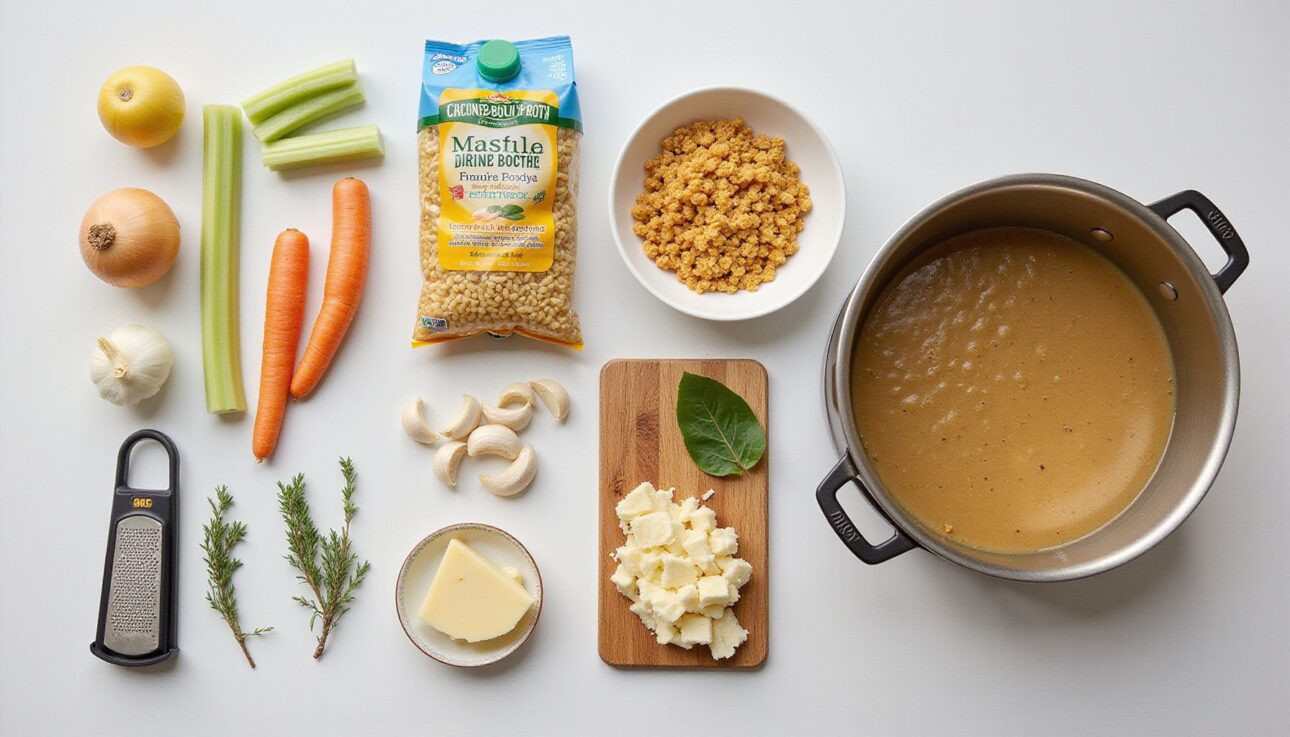
Pour in the 6 cups of chicken broth. Add the Parmesan rind, fresh thyme sprigs, and bay leaf. The Parmesan rind is not optional here. It releases gelatin and umami into the broth as it simmers, creating a richness that plain broth cannot match.
Bring the pot to a low boil, then reduce the heat to maintain a gentle simmer. Let it cook uncovered for 15 minutes. This gives the vegetables time to soften completely and the flavors to meld.
If you are using bone broth, you will notice a slightly thicker, more collagen-rich texture. That is a good thing. Bone broth also adds extra protein and minerals that make this soup especially restorative.
Step 4: Cook the Pastina
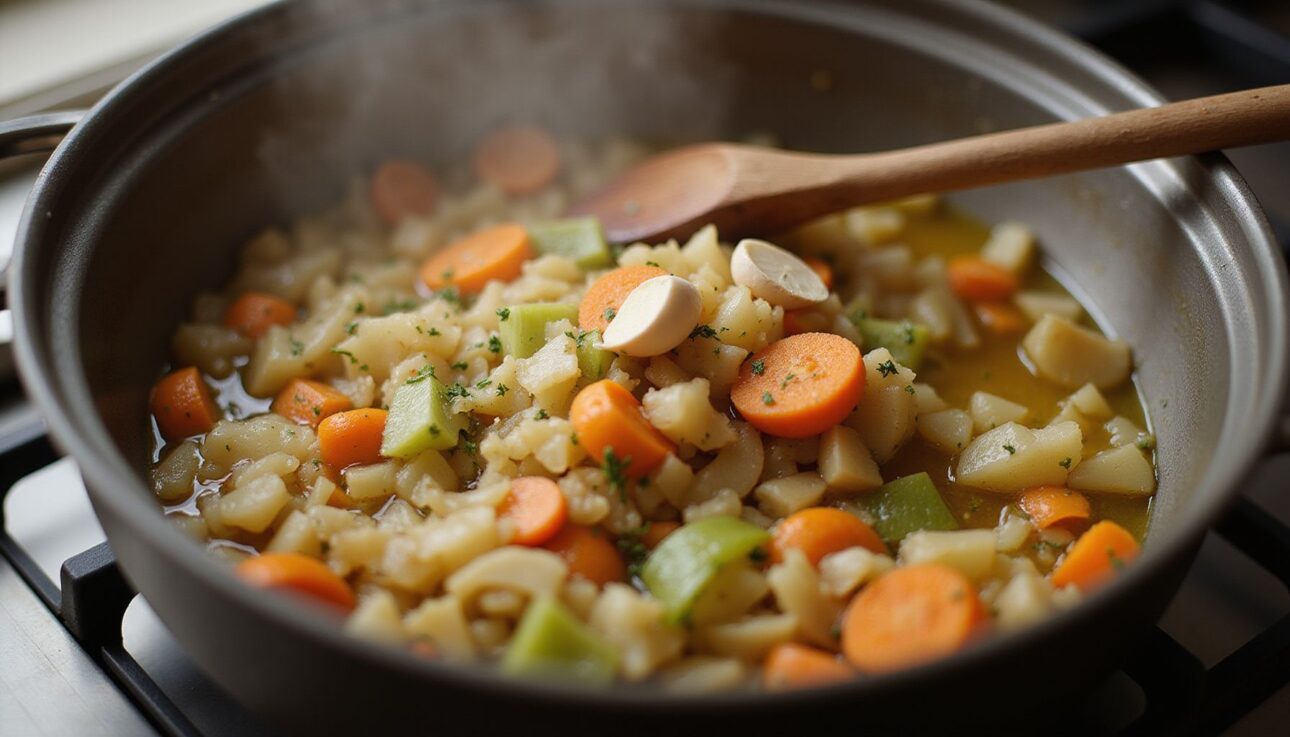
After the broth has simmered for 15 minutes, remove the Parmesan rind, thyme sprigs, and bay leaf. They have done their job. Discard them.
Bring the broth back to a gentle boil. Add the 1/2 cup of pastina. Stir immediately to prevent the pasta from sticking to the bottom of the pot.
Cook the pastina according to the package directions — usually 3–4 minutes for tiny shapes like acini di pepe or stelline. Stir occasionally during cooking. The pasta will absorb some of the broth and release starch, which naturally thickens the soup slightly.
Taste a piece to check doneness. It should be tender but still hold its shape. Do not overcook. Mushy pastina ruins the texture of the soup.
Step 5: Shred and Return the Chicken
If you are using rotisserie chicken (my preferred shortcut), shred about 1.5 cups of meat while the pastina cooks. Remove the skin and bones first. White and dark meat both work — dark meat stays juicier in the soup.
Add the shredded chicken to the pot during the last minute of pastina cooking. This warms the chicken through without drying it out. Stir gently to distribute.
If you are making the vegetarian version, skip this step. The soup is still hearty from the vegetables, pastina, and Parmesan.
Step 6: Finish with Parmesan and Serve
Remove the pot from heat. Stir in 3 tablespoons of the freshly grated Parmesan cheese. The residual heat melts it into the broth, creating a silky, slightly creamy finish. Do this off the heat to prevent the cheese from clumping or separating.
Taste the soup and season with salt and black pepper. Remember that Parmesan is salty, so go easy on the salt at first. A small squeeze of fresh lemon juice brightens the whole bowl. According to Allrecipes, this finishing touch adds subtle acidity that balances the richness[4].
Ladle the soup into bowls. Top each serving with the remaining grated Parmesan and a crack of black pepper.
Recipe Card
Italian Penicillin Soup (Pastina Soup)
A comforting, nourishing soup with tiny pasta, vegetables, chicken, and Parmesan in a rich broth. Known as Italian penicillin for its soothing, healing qualities.
Prep: 10 minutesCook: 25 minutesTotal: 35 minutesYield: 4 servingsCategory: SoupCuisine: Italian
Ingredients
- 6 cups chicken broth or bone broth
- 1/2 cup pastina (acini di pepe, stelline, or alphabet shapes)
- 1 yellow onion, diced
- 2 carrots, peeled and diced
- 2 celery stalks, diced
- 3 garlic cloves, minced
- 2 tbsp olive oil
- 4 tbsp freshly grated Parmesan, divided
- 1 Parmesan rind
- 2 sprigs fresh thyme
- 1 bay leaf
- 1.5 cups shredded cooked chicken (optional)
- Salt and black pepper to taste
- Squeeze of fresh lemon juice
Instructions
- Heat olive oil in a large pot over medium heat. Add onion, carrots, and celery. Cook 6–8 minutes until softened and lightly browned.
- Add garlic and cook 30 seconds until fragrant.
- Pour in chicken broth. Add Parmesan rind, thyme, and bay leaf. Bring to a low boil, then simmer 15 minutes.
- Remove Parmesan rind, thyme sprigs, and bay leaf. Discard them.
- Bring broth to a gentle boil. Add pastina and cook 3–4 minutes until al dente, stirring occasionally.
- Add shredded chicken during the last minute of cooking (if using).
- Remove pot from heat. Stir in 3 tbsp Parmesan until melted. Add lemon juice. Season with salt and pepper.
- Ladle into bowls. Top with remaining Parmesan and more black pepper. Serve immediately.
Nutrition Info (per serving)
| Calories | 320 |
| Protein | 22g |
| Carbs | 28g |
| Fat | 14g |
| Fiber | 3g |
| Sugar | 6g |
| Sodium | 780mg |
Notes
- Soup thickens as it sits. Add extra warm broth when reheating.
- For vegetarian version, use vegetable broth and omit chicken. Add extra vegetables or white beans for protein.
- Freeze the soup without Parmesan. Add fresh cheese when reheating.
Tips
Do not overcook the pastina. This is the most common mistake. Pastina is tiny and cooks fast. It continues to absorb broth even off the heat. If you plan to have leftovers, cook the pasta separately and add it to individual bowls when serving. You can also undercook it by 1 minute so it finishes cooking as the soup rests.
Save your Parmesan rinds. Every time you finish a wedge of Parm, toss the rind in a freezer bag. Drop one into any soup or stew for free umami. This trick comes straight from Italian home cooks and makes a noticeable difference.
Make it ahead, but store smart. If you know you will have leftovers, keep the pastina separate from the broth. Combine only what you plan to eat. The pasta absorbs liquid as it sits, turning your soup into a thick mush by day two. According to Iowa Girl Eats, storing the pasta separately keeps the soup fresh for 3–4 days in the fridge[3].
Troubleshooting flat flavor. If the soup tastes dull, it needs acid or salt. A squeeze of lemon juice works wonders. A pinch of salt can also help, but be careful not to overdo it since the Parmesan already adds saltiness. Another option is a splash of white wine vinegar stirred in just before serving.
Comparison of pasta shapes for this soup:
| Pasta Shape | Cook Time | Texture in Soup | Best For |
|---|---|---|---|
| Acini di pepe | 4–5 min | Tiny, round beads | Traditional, most common |
| Stelline | 3–4 min | Small stars | Kids, visual appeal |
| Orzo | 8–10 min | Rice-like grains | Heartier, more filling |
| Ditalini | 8–10 min | Small tubes | Chunky soup, holds up better |
| Alphabet | 4–5 min | Tiny letters | Family-friendly, fun |
Use a microplane for the Parmesan. Pre-grated cheese from a bag contains anti-caking agents that prevent smooth melting. Freshly grated Parmesan dissolves into the hot broth and creates that silky finish. Spend the extra 30 seconds grating it yourself.
FAQ
Q: Are eggs required in Italian penicillin soup?
Some recipes include beaten eggs to add richness and a creamy texture, but they are not universally required. Traditional versions often skip eggs and rely instead on puréed vegetables and Parmesan cheese for depth. Adding eggs requires careful stirring to prevent scrambling, so it’s an optional step depending on preference[2][6].
Q: How long does Italian penicillin soup take to cook?
Italian penicillin soup typically takes about 45 to 60 minutes total, including 20–30 minutes to simmer the vegetables until tender and 5–10 minutes to cook the pastina. The soup may also rest for 20 minutes before serving to allow flavors to meld. Preparation time is minimal if using pre-chopped vegetables or leftover rotisserie chicken[1][4].
Q: Does Italian penicillin soup help with colds?
Yes, Italian penicillin soup is widely believed to help ease cold and flu symptoms by providing warmth, hydration, and essential nutrients like vitamins from vegetables and protein from chicken. The combination of broth, herbs, and small pasta supports the body’s healing process, though it is not a medical treatment. Many people find it comforting and effective for symptom relief[1][3].
Q: Will Italian penicillin soup spoil quickly?
Italian penicillin soup should be stored in a sealed container in the refrigerator and will last about 3–4 days. Because it contains chicken and dairy (Parmesan), it can spoil faster than broth-only soups if not kept cold. For longer storage, freeze the soup without the cheese or eggs, then add them fresh when reheating[1][4].
Q: When to add cheese to Italian penicillin soup?
Cheese, usually freshly grated Parmesan or Romano, is added near the end of cooking or sprinkled on top after serving. Some recipes stir half the cheese into the hot soup just before serving to melt it gently, while reserving the rest for garnish. Adding cheese too early can cause it to break or become gritty[2][6].
Q: Is lemon juice good in Italian penicillin soup?
Yes, a small squeeze of fresh lemon juice brightens the flavor of Italian penicillin soup without making it taste lemony. It adds a subtle acidity that balances the richness of the broth, cheese, and butter, enhancing overall taste. Many traditional recipes include this as a finishing touch for freshness[3][4].
Q: What is the best pasta for Italian penicillin soup?
The best pasta for Italian penicillin soup is pastina, which includes tiny shapes like acini di pepe, stelline, or alphabet pasta that cook quickly and blend well into the broth. These small varieties create the signature creamy texture without overwhelming the soup. Larger pasta types are not recommended as they alter the dish’s traditional consistency[1][2].
My Experience With Italian Penicillin Soup Recipe
I have made this soup more times than I can count, and honestly, I still mess it up sometimes. The first time I tried it, I added the pastina too early and ended up with what looked like porridge. Edible porridge, sure, but not the brothy, elegant soup I was after. Lesson learned: pastina goes in last, and you watch it like a hawk.
The trick I have come to rely on is the Parmesan rind. I keep a bag of them in my freezer at all times. Dropping one into the broth transforms a good soup into a great one. It adds a savory depth that no amount of salt can replicate. That single ingredient is what pushes this pastina soup from “fine” to “I need another bowl.”
What I love most about this recipe is how forgiving it is. You can swap vegetables, use leftover chicken, or skip the meat entirely. The structure stays the same. The broth does the heavy lifting. The pastina provides the comfort. And the cheese finishes it off with a little elegance.
If you try this soup, I would love to hear how it turns out. Did you add lemon? Use a different pasta shape? Make any substitutions that worked better than expected?
Conclusion
Italian penicillin soup is one of those recipes that feels like a hug in a bowl. It comes together in about 35 minutes, uses one pot, and relies on simple ingredients you likely already have. The tiny pastina, rich broth, and melted Parmesan create a texture and flavor that plain chicken noodle soup cannot match.
Whether you are nursing a cold, looking for a quick weeknight dinner, or just want something warm and soothing, this pastina soup delivers. Make a batch, store the leftovers smartly, and do not skip the Parmesan rind.
References
- Real Food with Sarah. (2025, April 9). Italian Pastina Soup (The Best Italian Penicillin Recipe). https://www.realfoodwithsarah.com/italian-pastina-soup
- The Kitchn. (2025, December 26). Italian Penicillin Soup Recipe. https://www.thekitchn.com/italian-penicillin-soup-recipe-23760975
- Iowa Girl Eats. (n.d.). Pastina Soup (aka Italian Penicillin). https://iowagirleats.com/pastina-soup
- Allrecipes. (n.d.). Italian Penicillin Soup. https://www.allrecipes.com/italian-penicillin-soup-recipe-8751324
- Cucina by Elena. (2025, July 31). Italian Penicillin Soup (Pastina Soup). https://www.cucinabyelena.com/italian-pastina-soup-recipe-with-chicken-broth
- Italian Kitchen Confessions. (2026, February 8). Pastina Soup (The Original Italian “Penicillin”). https://www.italiankitchenconfessions.com/italian-pastina-soup-the-original-italian-penicillin
- The Mediterranean Dish. (n.d.). Pastina Soup. https://www.themediterraneandish.com/pastina-soup
- The Café Sucre Farine. (n.d.). Italian Chicken Pastina Soup. https://thecafesucrefarine.com/italian-chicken-pastina-soup-aka-italian-nonnas-penicilin-soup

Sarah Anderson . J
I’m the mom behind Wise Mom Blogger, where everyday creativity meets real-life motherhood. I share easy DIY crafts, cozy knitting and crochet projects, beginner-friendly sewing ideas, and family-tested recipes—plus quick baking hacks that make homemade feel doable on busy days.