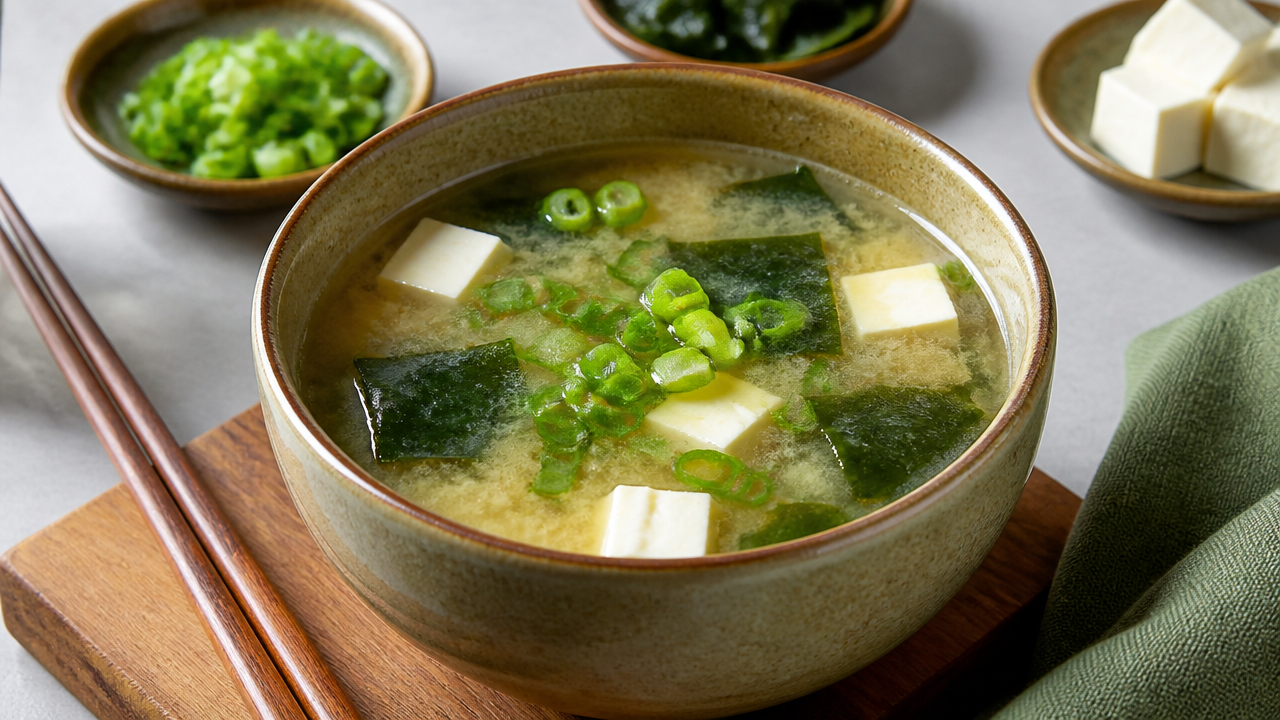
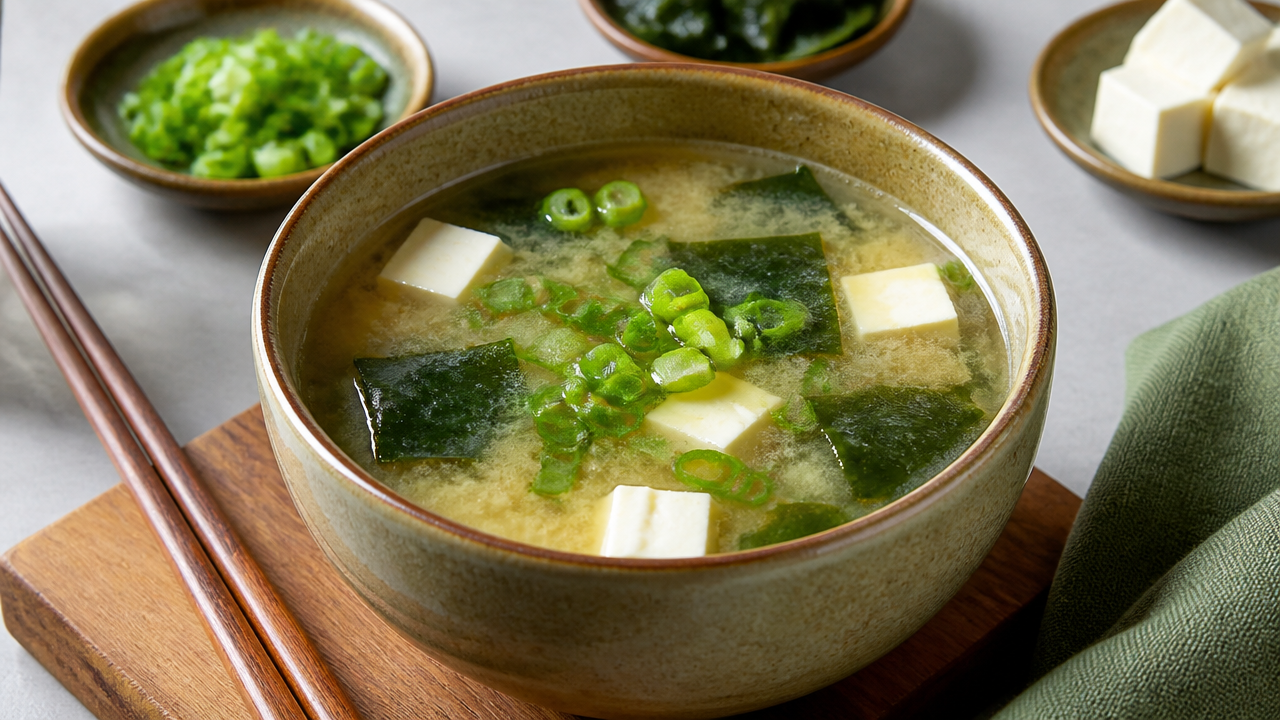
What is it about a steaming bowl of miso soup that feels like a warm hug on a cold day? This easy miso soup recipe strips away the intimidation factor, proving you can make authentic Japanese comfort food in under 15 minutes. Whether you are craving a quick lunch, a side for dinner, or a soothing remedy during winter months, this beginner-friendly approach delivers.
The secret is simpler than you think. You need just four core ingredients and one absolute rule—never boil the miso paste. This straightforward guide walks you through each step so your first bowl tastes like it came from a skilled home cook.
Quick Questions and Answers
Question: Why do you not boil miso soup after adding miso? Answer: Boiling miso soup after adding the paste destroys its delicate flavor and beneficial nutrients. The heat kills the live enzymes and probiotics found in miso, making the soup less healthy. Additionally, boiling can cause the miso to become bitter and alter its smooth texture, so it is best to turn off the heat before dissolving it.
Question: Can you make miso soup without dashi stock? Answer: Yes, you can make miso soup without traditional dashi by using water, vegetable broth, or chicken broth as the base. While dashi provides a distinct savory umami flavor from bonito or kombu, water with dashi granules or powder works well for a quick version. Some recipes even skip dashi entirely, relying on the miso and added ingredients like tofu and seaweed for flavor.
Question: Do you add miso paste before or after boiling water? Answer: You should add miso paste after the water (or dashi stock) has been heated and you have turned off the heat. Adding miso to boiling water is incorrect because high heat ruins its flavor and nutritional value. The standard method is to bring the broth to a boil, turn off the heat, and then dissolve the miso in a ladle of the hot liquid before stirring it back in.
Key Takeaways
- Miso paste must NEVER be boiled—dissolve it only after turning off the heat
- Dashi is the backbone of flavor, but quick versions work fine for beginners
- White miso (shiro miso) is the most forgiving choice for first attempts
- Silken tofu and dried wakame are classic additions that cook in minutes
- Total active cooking time is around 10 minutes from start to finish
Ingredients You Will Need
Here is everything you need to pull this together. The ingredient list is short, and most items keep well in your pantry or fridge.
| Item | Purpose | Notes |
|---|---|---|
| Water (2-3 cups) | Base of the soup | Filtered water gives cleaner flavor |
| Kombu (dried kelp) | Makes dashi stock | Look for it in Asian markets or online |
| Katsuobushi (bonito flakes) | Adds umami to dashi | Optional but traditional; skip for vegan version |
| Miso paste (1.5-2 tbsp) | The star ingredient | White (shiro) miso is mildest for beginners |
| Silken tofu (1/4 block) | Adds protein and texture | Cut into small cubes; do not use firm tofu |
| Dried wakame seaweed (1 tsp) | Classic seaweed addition | Rehydrates in minutes; no cooking needed |
| Green onions | Fresh garnish | Slice thinly for bright flavor |
Dashi is the traditional Japanese soup stock that makes miso soup taste authentic. You can make it from scratch with kombu and bonito flakes, or use instant dashi granules in a pinch. According to Just One Cookbook, the homemade version adds depth that instant packets cannot quite match.
Step 1: Make the Dashi Stock
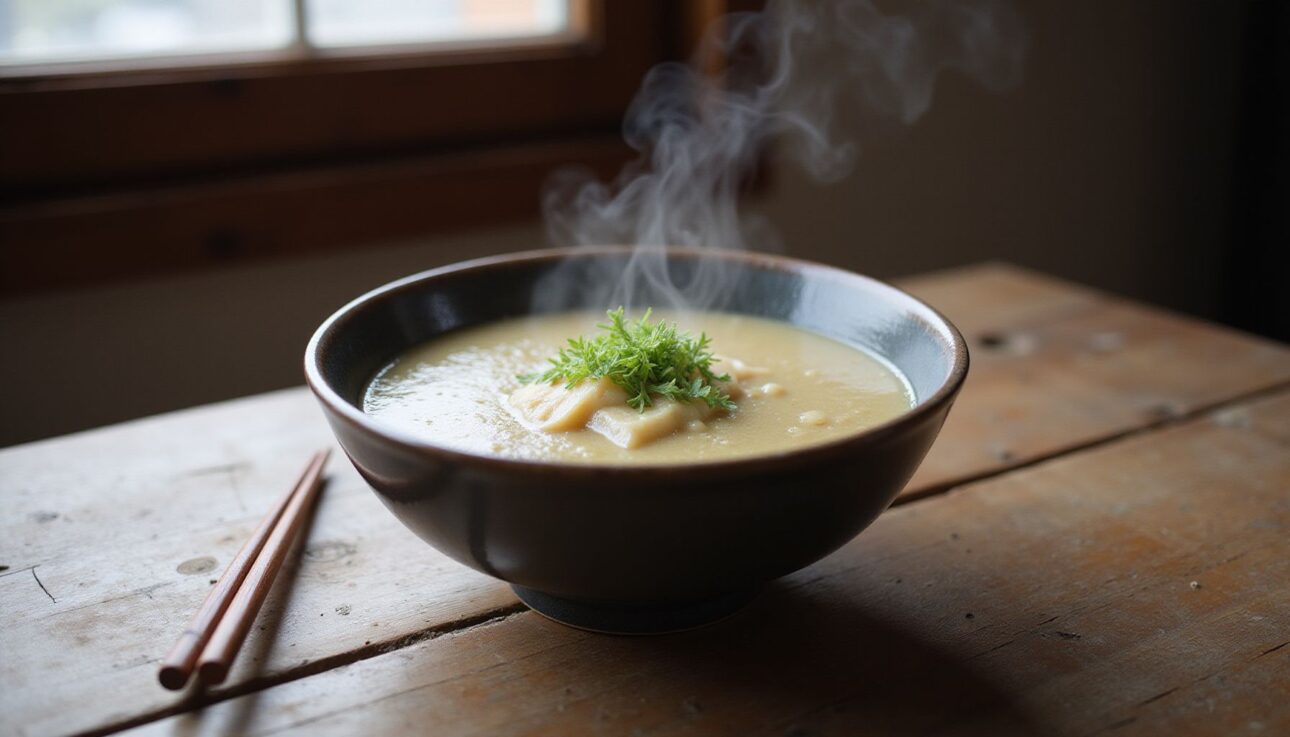
Start with the dashi. Place 2 cups of water in a small pot and add one strip of dried kombu (about 4 inches long). Let it soak for 10 minutes if you have time—this helps release more umami compounds. Then bring the pot to a gentle simmer over medium heat.
Watch the kombu closely. Right before the water comes to a full boil, remove the kombu strip. This is important because boiling kombu makes the broth slimy and bitter. If you are using bonito flakes, add a handful (about 1/2 cup) to the pot after removing the kombu. Let it simmer for 1 minute, then turn off the heat. Let the bonito flakes settle for another minute before straining the liquid through a fine-mesh sieve.
The result is a clear, golden broth that smells faintly of the ocean. This is your dashi base. If you are short on time, dissolve 1 teaspoon of dashi powder in hot water according to package directions. It works perfectly for this easiest miso soup recipe.
Step 2: Prepare the Tofu and Seaweed
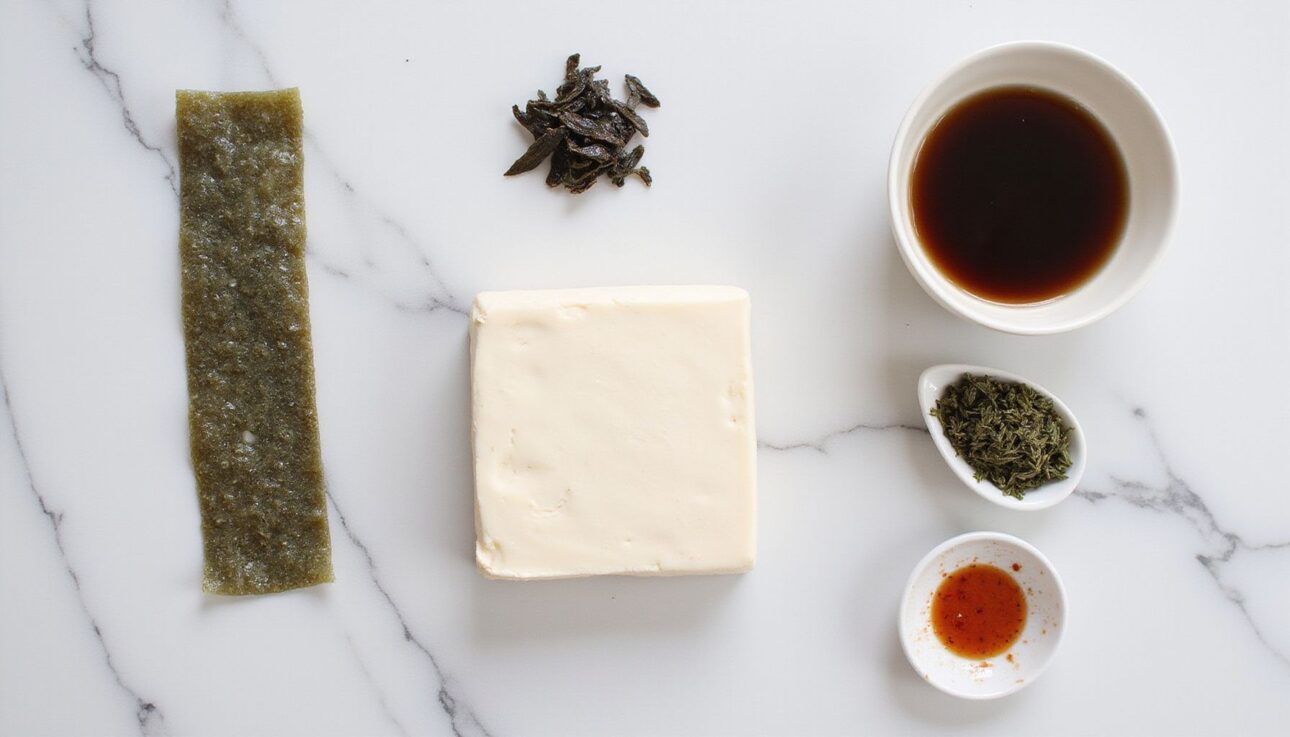
While the dashi simmers, get your solid ingredients ready. Cut the silken tofu into 1/2-inch cubes. Silken tofu is delicate, so use a sharp knife and gentle hands. Avoid pressing or squeezing the block—let it hold its shape.
Place the dried wakame seaweed in a small bowl and cover it with cold water. Within 2 to 3 minutes, the wakame will rehydrate and expand to several times its dry volume. Drain the water and give the seaweed a gentle squeeze. If the wakame pieces are large, chop them into bite-sized strips.
Getting these components ready ahead of time means the final assembly goes fast. The key is not to overcook either ingredient. Both tofu and wakame only need brief heat to warm through.
Step 3: Simmer the Tofu and Wakame in the Dashi
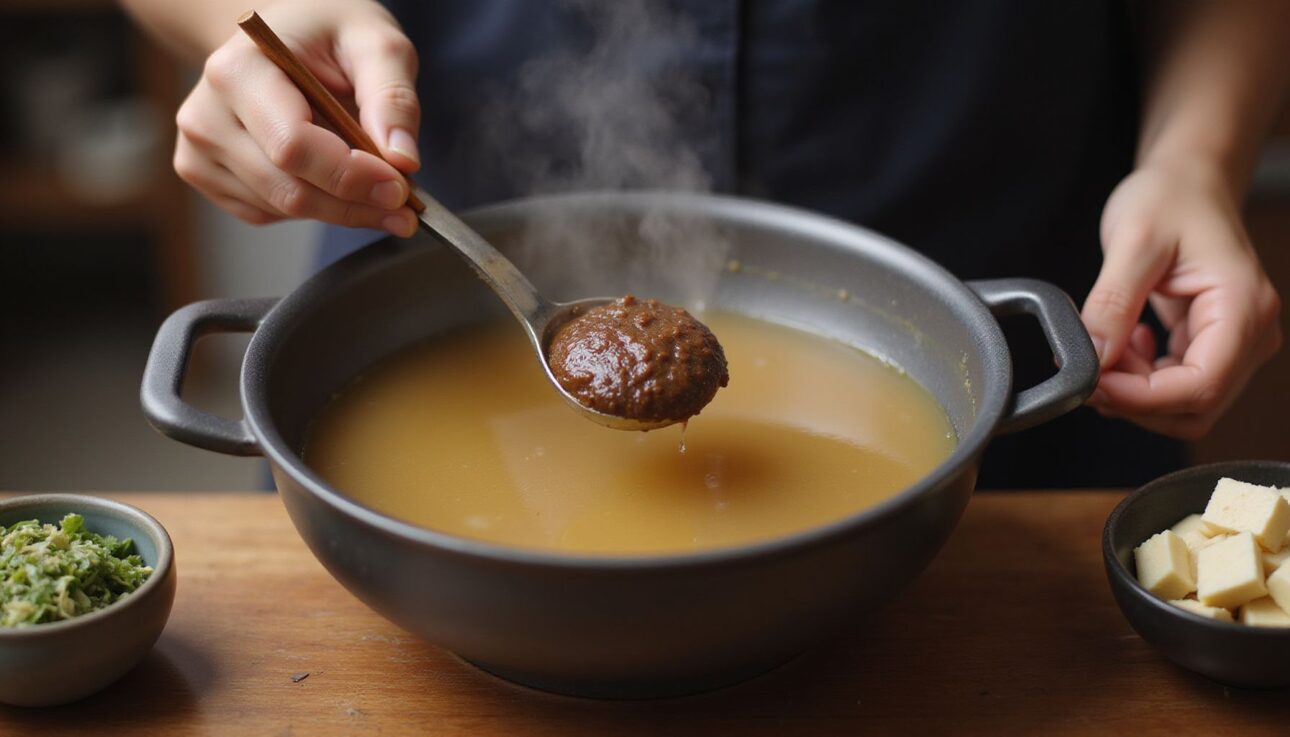
Return the strained dashi to the pot and bring it to a gentle simmer over medium heat. Add the tofu cubes and rehydrated wakame. Let them cook for about 1 minute. That is all the time they need.
Silken tofu will break apart if you stir it aggressively or simmer it too long. Use a gentle spatula to nudge the cubes around. The goal is to warm them through without turning the soup into a cloudy mess. Wakame is even faster. Submerge it in the hot liquid for 30 seconds, and it is ready.
At this point, the soup should smell savory and inviting. If you are adding other vegetables like sliced mushrooms or spinach, this is the moment to put them in. Cook them until just tender before moving to the next step.
Step 4: Turn Off the Heat Completely

This is the most important rule in miso soup making. Turn the heat off before you add the miso paste. Do not let the soup stay on the burner. Do not lower the heat to a simmer. Remove the pot from the burner entirely.
High heat destroys the complex flavors and beneficial probiotics in miso paste. According to research on fermented foods, live cultures begin to die off at temperatures above 115°F. Boiling the miso also creates a flat, bitter taste that makes the whole pot taste wrong.
Patience here pays off. Let the soup sit off the heat for 30 seconds. The liquid will still be piping hot—plenty hot enough to melt the miso paste into the broth.
Step 5: Dissolve the Miso Paste
This is where beginners often struggle, but the technique is simple once you know it. Scoop the miso paste into a small ladle or a fine-mesh strainer. Submerge the ladle partway into the hot broth. Use a fork or a pair of chopsticks to stir the miso inside the ladle, gradually blending it with the hot liquid.
The suspension method prevents clumps from forming. Swirl the ladle gently through the soup until the miso dissolves completely. If you are using a fine-mesh strainer, press the miso through the mesh with the back of a spoon. Either way, take your time. Rushing this step leaves grainy clumps floating in your soup.
Start with about 1.5 tablespoons of miso for 2 cups of dashi. Taste the broth after dissolving. If it tastes too mild, add another 1/2 tablespoon. White miso is naturally less salty than red miso, so you might need a little more white miso to reach the same saltiness level.
Step 6: Garnish and Serve Immediately
Miso soup is best served right after the miso is dissolved. Pour the soup into individual bowls. Top each serving with a generous pinch of thinly sliced green onions. The raw onion adds a sharp, fresh contrast to the savory broth.
Do not let the soup sit on the stove for more than 5 minutes before serving. The longer it sits, the more the flavors dull. If you need to keep it warm, use the lowest possible heat setting on your stove and watch it closely. A gentle warm (not simmering) hold is acceptable for a few minutes.
Ladle the soup carefully to distribute the tofu and wakame evenly. Every bowl should get some of each solid ingredient. This is a simple dish, so presentation matters. A clean white bowl makes the golden broth and green onions pop.
Troubleshooting Common Soup Issues
Even with the easiest miso soup recipe, things can go wrong. Here is how to fix the most common problems.
The soup tastes too salty. Miso varies by brand and type. Red miso is saltier than white. If your soup punches you in the face with salt, dilute it with additional hot dashi or plain hot water. Add a splash at a time and taste as you go.
Miso clumps remain in the broth. You likely added the miso directly to the pot without dissolving it first. Rescue the soup by placing a fine-mesh strainer in the pot and pressing the clumps through with a spoon. Next time, use the ladle method from Step 5.
The dashi tastes weak or flat. Your kombu might not have steeped long enough, or you boiled it instead of simmering it. For a quick fix, stir in a tiny pinch of salt or a few drops of light soy sauce. This mimics the savory depth of proper dashi without starting over.
The tofu broke into tiny pieces. This happens when you simmer silken tofu too long or stir too vigorously. Next time, add the tofu right after turning off the heat. Gently swirl the pot instead of using a spoon.
My Experience With Easiest Miso Soup Recipe
I first made miso soup in a cramped college kitchen with instant dashi packets and a miso paste I bought on a whim. The result was edible but forgettable—thin, slightly bitter, and lacking that deep savory finish I loved from restaurants. It took me three more tries to realize I had been boiling the miso the entire time. That first correct batch, where I turned off the heat before dissolving, felt like unlocking a secret.
Now I make this soup at least twice a week during colder months. The trick that changed everything for me was using a small strainer to dissolve the miso. No lumps, no guesswork, just smooth broth every time. I also learned that miso paste quality matters more than fancy dashi. A good white miso from a trusted brand beats a cheap one every time, even with instant dashi.
If you only take one thing from this guide, let it be the heat rule. Everything else is forgiving. What was your biggest miso soup mistake before you got it right?
Recipe Card
Easy Miso Soup
A simple, authentic miso soup made with homemade dashi, silken tofu, and wakame seaweed. Ready in under 15 minutes.
Prep: 5 minutesCook: 8 minutesTotal: 13 minutesYield: 2 servingsCategory: SoupCuisine: Japanese
Ingredients
- 2 cups water
- 1 strip dried kombu (about 4 inches)
- 1/2 cup katsuobushi (bonito flakes) — optional
- 1.5 tablespoons white miso paste (shiro miso)
- 1/4 block silken tofu, cut into 1/2-inch cubes
- 1 teaspoon dried wakame seaweed
- 2 green onions, thinly sliced
Instructions
- Place water and kombu in a small pot. Let soak for 10 minutes.
- Bring to a gentle simmer over medium heat. Remove kombu just before boiling.
- Add bonito flakes if using. Simmer 1 minute. Turn off heat and let settle 1 minute. Strain liquid through a fine-mesh sieve. Return dashi to pot.
- Bring dashi to a simmer over medium heat. Add tofu and rehydrated wakame. Cook for 1 minute.
- Turn off heat completely. Remove pot from burner.
- Place miso in a small ladle or fine-mesh strainer. Submerge partway in broth and stir until dissolved.
- Ladle soup into bowls. Top with green onions. Serve immediately.
Nutrition Info (per serving)
| Calories | 78 |
| Protein | 6g |
| Carbs | 4g |
| Fat | 3g |
| Fiber | 1g |
| Sugar | 1g |
| Sodium | 680mg |
Notes
- Never boil the miso paste — high heat destroys flavor and nutrients.
- For a vegan version, skip the bonito flakes and use vegan dashi or water.
- Start with less miso and add more to taste.
- Leftovers keep 2-3 days in the fridge. Reheat gently without boiling.
Tips for Perfect Miso Soup Every Time
Getting consistent results with miso soup is about mastering a few small habits. Here are the ones I rely on most.
Taste the miso paste before cooking. Different brands vary wildly in saltiness. If you taste the paste straight from the tub and it makes your lips pucker, use less than the recipe suggests. A milder miso lets you use more for deeper flavor without oversalting.
Store leftover miso paste properly. Transfer the paste to an airtight container and keep it in the refrigerator. Miso is a living ferment, so it does not go bad quickly, but exposure to air dries it out. Press plastic wrap directly onto the surface before sealing the container.
Experiment with dashi variations. Kombu and bonito flakes are traditional, but you can also use dried shiitake mushrooms for a completely vegetarian broth. Simmer 3 to 4 dried shiitakes in water for 15 minutes, then strain. This creates a deeply savory dashi without any animal products. For a quick side dish idea that pairs perfectly with miso soup, try our How to Make Sautéed Swiss Chard with Chickpeas: A 15-Minute Healthy Side.
Add aromatics early. A small piece of ginger sliced thin and simmered in the dashi adds an extra layer of warmth. Just remove the ginger pieces before adding the miso. This works especially well if you are feeling under the weather.
Do not skip the wakame. Even if you think you do not like seaweed, try the wakame. It has a mild, almost grassy flavor that disappears into the broth while contributing the subtle texture that makes miso soup feel complete.
Make extra dashi and freeze it. Double your dashi recipe and freeze the extra in ice cube trays. Pop a few cubes into a pot when you want a quick single serving. This is a lifesaver for busy weeknights.
Frequently Asked Questions
Q: Are there different types of miso for soup?
Yes, there are several types of miso, including white (shiro), red (aka), and mixed (awase), which vary in color, saltiness, and flavor intensity. White miso is sweeter and less salty, making it very popular for light soups, while red miso is stronger and saltier. For easiest and traditional miso soup, white miso is often recommended, but any type works depending on your taste preference.
Q: How long does it take to make simple miso soup?
Making simple miso soup takes about 10 to 15 minutes total, including prep time. The process involves heating water with dashi for 5 minutes, dissolving the miso in 2 minutes, and adding tofu and seaweed for another 3 minutes. This quick timeline makes it an ideal meal for students or anyone needing a fast, healthy dinner.
Q: Does miso soup need tofu and seaweed?
Tofu and seaweed (wakame) are traditional additions but not strictly required for the soup to be considered miso soup. The base is simply dashi and miso paste, and you can customize it with other ingredients like green onions, mushrooms, or vegetables. Most easy recipes include tofu and wakame because they add texture and nutritional value without extra cooking time.
Q: Will miso soup get too salty if I add more paste?
Yes, adding too much miso paste will make the soup excessively salty since miso is a fermented, salty condiment. If you accidentally add too much, you can dilute the soup by adding more dashi stock or water to balance the flavor. Always start with a smaller amount, dissolve it, taste, and then add more gradually until it suits your preference.
Q: When should I add tofu to miso soup?
You should add tofu, especially silken tofu, after you have turned off the heat or just before serving to prevent it from breaking apart. Cooking silken tofu too long or at high heat can make it mushy and ruin its texture. The standard method is to add the tofu cubes to the hot broth right after dissolving the miso, then let it warm gently without boiling.
Q: What is the easiest way to dissolve miso paste?
The easiest way to dissolve miso paste is to put it in a ladle, add a small amount of hot broth, and stir with chopsticks until smooth. This prevents clumps and ensures the paste fully integrates into the soup. You can also use a miso muddler or a fine-mesh strainer lowered into the pot to dissolve it without breaking up other ingredients like tofu.
Q: Which miso paste is best for beginners making soup?
White miso (shiro miso) is generally the best choice for beginners because it is sweeter, less salty, and has a milder flavor than red miso. Its gentle taste makes it easier to balance in soup without overpowering other ingredients. Many standard recipes, including easy 10-minute versions, specifically recommend white miso for the most approachable and classic result.
Next Steps
You are now equipped to make authentic miso soup that rivals the stuff from your favorite Japanese restaurant. The hard part—remembering the heat rule and the dissolving technique—is behind you. From here, the possibilities open up.
Start experimenting with different miso varieties. White miso gives a mild, sweet broth perfect for light soups with delicate vegetables. Red miso brings a deeper, punchier flavor that pairs well with heartier ingredients like mushrooms, pork, or root vegetables. Mixed awase miso, a blend of white and red, offers the best of both worlds.
Consider learning to make advanced dashi variations using dried shiitake mushrooms or niboshi (dried baby sardines) for a completely different flavor profile. Each new dashi base transforms the same miso into a different soup entirely. For meal planning ideas that pair beautifully with this soup, check out our 12 Easy Summer Dinner Ideas the Whole Family Will Love.
Miso soup is also a fantastic side dish for any Japanese-inspired meal. Serve it alongside a simple bowl of rice, grilled fish, or vegetable stir-fry. For a complete weeknight dinner, pair it with our How to Cook Perfect Pasta: A Simple Method That Actually Works—the contrast between the light broth and hearty pasta makes for a satisfying meal.
Latest Updates
This recipe reflects the most current information on miso soup preparation as of 2025. The trend toward instant dashi granules has made miso soup even more accessible for beginners, while specialty miso pastes from small producers are gaining popularity among home cooks looking for deeper flavor. Expect to see more single-serve miso packs hitting grocery shelves in 2026, similar to what you find in Japanese convenience stores.
References
- Just One Cookbook. (2024, February 2). Learn to Make Classic Miso Soup! [Video]. YouTube. https://www.youtube.com/watch?v=wshf6yZbhwk
- Tried Tested and True. (2022, February 22). Simple Miso Soup. https://triedtestedandtrue.com/simple-miso-soup
- Just One Cookbook. (n.d.). Homemade Miso Soup (Authentic & Easy). https://www.justonecookbook.com/homemade-miso-soup
- Smart in the Kitchen. (2017, January 24). Super Fast Miso Soup. https://smartinthekitchen.com/2017/01/super-fast-miso-soup

Sarah Anderson . J
I’m the mom behind Wise Mom Blogger, where everyday creativity meets real-life motherhood. I share easy DIY crafts, cozy knitting and crochet projects, beginner-friendly sewing ideas, and family-tested recipes—plus quick baking hacks that make homemade feel doable on busy days.