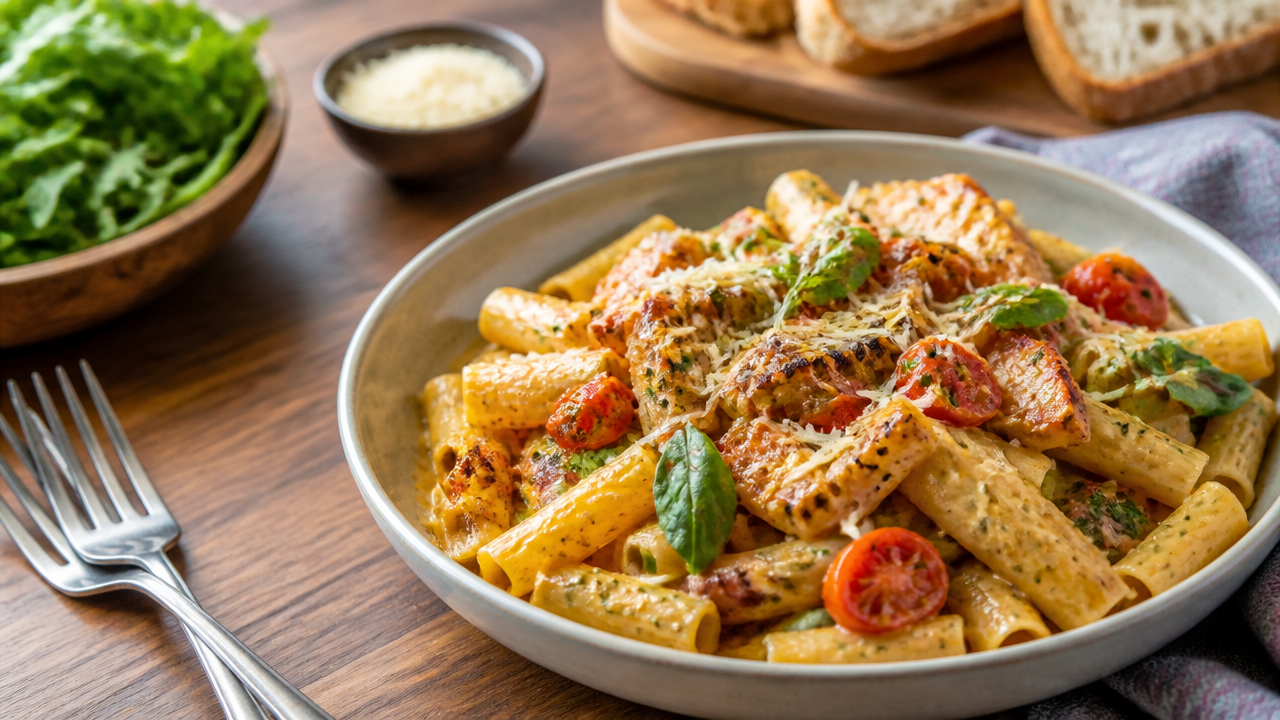
What makes a truly satisfying Trader Joe’s dinner stand out from the standard weeknight scramble? It’s the ability to transform a handful of frozen staples and pre-made components into something that tastes genuinely homemade, not like you’re settling for convenience food. Trader Joe’s dinner recipes have become the answer for busy households because they require minimal ingredients, almost no knife work, and deliver restaurant-quality flavors in less time than ordering takeout. Whether you’re meal-prepping for the week, feeding hungry kids on a Tuesday, or simply avoiding another night of decision paralysis, these recipes prove that quick doesn’t mean mediocre. Let me walk you through the system that works.
Quick Questions and Answers
Question: What are the easiest Trader Joe’s dinner recipes for beginners?
Answer: The easiest options include heating frozen chicken bowls over spinach, making quick wonton soup with gyoza and broth, or pairing frozen potstickers with a spicy peanut vinaigrette salad. You can also toast naan bread with pizza sauce and cheese for homemade pizzas or stir frozen fried rice with eggs and soy sauce.
Question: Why do people love Trader Joe’s dinner recipes so much?
Answer: People love them because they are cheap, incredibly fast, and require minimal cooking skills. Using pre-made frozen items like ravioli, wontons, or meatballs allows shoppers to create meals almost as easy as takeout while still adding fresh vegetables or simple sauces for extra flavor.
Question: Can I make Trader Joe’s dinner recipes in an air fryer?
Answer: Yes, an air fryer enhances the flavor of many items, such as thawed chicken topped with mozzarella and pesto. You can also air-fry Brussels sprouts alongside ravioli or cook potatoes until golden to create crispy sides for various quick dinner meals.
What You Need
The foundation of any successful Trader Joe’s dinner is the 5-ingredient-or-less strategy. This isn’t a limitation—it’s your secret weapon against decision fatigue and endless prep work.
Item
Purpose
Notes
Frozen proteins (shrimp, chicken, tofu)
Core of the meal
Pre-cooked or quick-thaw options save 10+ minutes
Fire-roasted peppers & onions
Instant flavor base
No knife required; thawed straight into the pan
Pre-made sauces (Zhoug, General Tso, pesto)
Flavor amplification
Replaces the need to measure spices
Frozen starch (ravioli, dumplings, rice)
Structural element
Provides substance and completes the plate
Fresh greens or roasted vegetables
Nutritional boost & color
Optional but recommended for balance
Your pantry staples should live in the freezer. Fire-roasted bell peppers and onions are non-negotiable—they thaw quickly, require zero knife skills, and carry serious flavor already built in. Pair them with pre-seasoned proteins so you’re not measuring garlic powder or cumin at 6 p.m. when you’re already tired.
The Trader Joe’s innovation that changes everything is their pre-made sauce library. Zhoug sauce, chili onion crunch, and their various curry pastes do the heavy lifting so you don’t. A dollop of pesto or a squeeze of General Tso sauce can transform bland frozen components into something that tastes intentional.
Step 1: Choose Your Protein and Thaw Strategy
Start by pulling your protein from the freezer. Frozen shrimp, chicken breasts, or tofu all work, but timing matters. Shrimp thaws fastest—about 10 minutes in a sealed bag under room-temperature water. Chicken takes 15-20 minutes using the same method. Tofu can go straight into a hot skillet if you’re in a rush, though a quick thaw makes it less likely to splatter.
Don’t skip the thawing step even though it feels like wasted time. A frozen protein dumped into a cold pan will steam and stew rather than sear. You want color and texture, not a gray, rubbery mess.
Step 2: Heat Your Skillet and Build the Flavor Base
Pour 2 tablespoons of olive oil into a large skillet over medium-high heat. While it warms, grab your fire-roasted peppers and onions straight from the bag—no draining required. Once the oil shimmers, add the frozen vegetables directly to the pan.
Listen for the sizzle. That’s your signal that the pan is hot enough. Stir occasionally for about 2-3 minutes until the vegetables are fully thawed and starting to soften. The edges should show a little color; that’s caramelization, and it’s where flavor lives.
This step is crucial because it seasons your entire dish from the bottom up. The vegetable base carries aromatics and depth that frozen protein alone cannot provide. You’re building layers, not just throwing ingredients together.
Step 3: Add the Protein and Cook Until Just Done
Once your vegetables are warm and fragrant, push them to the side of the skillet and add your thawed protein to the empty space. Let it sit undisturbed for 2-3 minutes before stirring. This creates a seared exterior instead of a pale, boiled surface.
For shrimp, cook 2-3 minutes per side—they’ll turn from gray to pink when done. Chicken cutlets need 5-6 minutes per side depending on thickness. Tofu works best if you give it a gentle stir every couple of minutes to brown on multiple sides.
Season with salt and pepper at this stage. One of the biggest mistakes is waiting until the end to season; that’s when flavors are already set and can’t penetrate. Seasoning now lets the salt dissolve into the proteins and vegetables as they cook.
Step 4: Combine Everything and Add Your Sauce
Once the protein is cooked through, stir it together with the vegetables. Create a well in the center of the pan and add your chosen Trader Joe’s sauce—a generous 2-3 tablespoons depending on how saucy you like things. Toss everything for 1-2 minutes until the sauce coats every piece evenly and becomes glossy.
This is where the magic happens. A bland mixture transforms instantly. The sauce picks up heat from the pan, its flavors bloom, and suddenly you have something that tastes considered and intentional. If your sauce is thick (like pesto or General Tso), add a splash of water or broth to loosen it slightly so it coats rather than clumps.
Step 5: Prepare Your Base and Load the Plate
While your skillet mixture finishes, prepare whatever base your dinner needs. Toast naan bread if you’re making wraps or pizzas. Cook your frozen dumplings or ravioli according to package directions—usually a boil for 3-4 minutes. Warm up pre-cooked rice if you’re going that route, or toast some bread for a quick open-faced sandwich situation.
The base is the vehicle for your skillet creation. A Trader Joe’s dumpling on its own is fine. A dumpling dressed in your sautéed protein-and-pepper mixture with a drizzle of Zhoug is dinner. The components work together because they were designed to work together—everything at Trader Joe’s is modular.
Step 6: Plate and Finish
Transfer your skillet mixture onto your base. If you used naan, spoon the protein and vegetables across the top. If you made dumplings, dress them right in their serving bowl. If it’s a rice situation, build a little pile with the saucy protein on top.
A final garnish elevates presentation without extra work. A squeeze of fresh lime, a handful of cilantro, or a sprinkle of Trader Joe’s seasoning blend transforms plating from “I threw this together fast” to “this looks intentional.” Some people drizzle hot sauce or add a fried egg on top. The point is, you’ve got 30 seconds of energy left—spend it here.
Recipe Card
Trader Joe’s Shrimp and Pepper Skillet Dinner
A 15-minute shrimp dinner using frozen fire-roasted peppers, pre-made sauce, and crispy naan bread. No knife skills required.
1.5 cups Trader Joe’s fire-roasted peppers and onions
2 tablespoons olive oil
3 tablespoons Zhoug sauce or pesto
2 naan breads, toasted
Salt and pepper to taste
Fresh cilantro for garnish (optional)
Instructions
Heat olive oil in a large skillet over medium-high heat until it shimmers.
Add frozen fire-roasted peppers and onions directly to the pan. Stir occasionally for 2-3 minutes until fully thawed and warm.
Push vegetables to the side and add thawed shrimp to the empty space. Let sit undisturbed for 2-3 minutes, then flip and cook another 2-3 minutes until pink throughout.
Stir shrimp and vegetables together. Add Zhoug sauce and toss until everything is coated evenly, about 1-2 minutes.
Toast naan bread in a separate skillet or toaster oven, about 2 minutes per side.
Spoon shrimp mixture onto toasted naan. Garnish with cilantro and a squeeze of lime if desired.
Nutrition Info (per serving)
Calories
380
Protein
24g
Carbs
28g
Fat
18g
Fiber
2g
Sugar
3g
Sodium
620mg
Notes
For extra protein, crack an egg onto the naan before topping with the shrimp mixture
Swap Zhoug for pesto, General Tso sauce, or any Trader Joe’s sauce you prefer
Add fresh arugula or spinach under the shrimp for more vegetables
Leftover mixture keeps in the fridge for 3 days and reheats beautifully
Tips
Use both sides of the pan. When you sear your protein on one side, you’re building fond—those browned bits stuck to the bottom. Don’t wipe that away. That’s flavor. The sauce picks it up and carries it through the entire dish.
Temperature control matters more than most cooks realize. Medium-high is your sweet spot. High heat burns everything too fast. Medium is too slow and you get steaming instead of searing. Medium-high cooks your protein through while still creating texture.
Sauce ratios are forgiving, but the golden rule is this: too little and your dish tastes dry. Too much and it becomes soup. About 2-3 tablespoons per skillet full of ingredients is the target. If you overshoots, just let it simmer uncovered for a minute and the liquid evaporates.
Build your personal Trader Joe’s pantry by experimenting with one new sauce or frozen vegetable combo each week. What works one week becomes your backup plan the next. You’ll develop intuition about which proteins pair with which bases faster than you’d think.
Keep a simple pasta guide handy if you’re planning to use their frozen pasta options as your base—timing is everything when coordinating multiple components.
My Experience With Trader Joe’s Dinner Recipe
I started using Trader Joe’s components as a fast-dinner strategy about three years ago out of pure necessity, not some idealistic meal-planning philosophy. My kid’s soccer schedule, work deadlines, and general life chaos meant that 6 p.m. rolled around with zero dinner plan and zero energy to create one. Instead of defaulting to takeout, I realized the store’s freezer section was basically a cheat code.
The real insight I wish I’d known sooner: you’re not trying to recreate a restaurant meal in 15 minutes. You’re trying to make something satisfying that tastes intentional. That’s a completely different goal. Once I stopped comparing my skillet dinner to what a chef would make with fresh ingredients and four hours, everything clicked. These meals taste good because they’re built on quality components, not because I’m some culinary genius.
The game-changer was realizing that Trader Joe’s sauces and seasoned proteins do 80% of the flavor work. You’re not being lazy—you’re being strategic. A bottle of Zhoug sauce is a professional ingredient that I couldn’t replicate at home without a food processor and twice the effort. Using it is smart, not a shortcut.
My biggest mistake was overcrowding the skillet early on. Frozen vegetables and proteins need space to develop color. I learned that lesson the hard way after producing pale, steamed dinners that tasted like school cafeteria food. One-thing-at-a-time cooking takes the same amount of time but produces completely different results.
What’s your go-to Trader Joe’s protein for nights when you’re completely wiped?
FAQ
Q: Are Trader Joe’s dinner recipes healthy for daily meals?
Many recipes can be healthy if you pair frozen proteins like tofu or shrimp with fresh vegetables and brown rice. Adding ingredients like spinach, broccoli, or haricots verts boosts nutrient content, while avoiding heavy sauces keeps the meal balanced and nutritious.
Q: How do I cook Trader Joe’s chicken for dinner quickly?
Thaw the chicken and bake it at 425 degrees for about 15 minutes with General Tso sauce, or sauté cutlets until golden. You can also air-fry it, top with mozzarella and pesto, or simmer it in broth with tortellini for a fast soup.
Q: Does Trader Joe’s sell ready-to-eat dinner bowls?
Yes, the freezer aisle offers quick chicken bowls that you can heat up and serve over spinach for an instant meal. These ready-to-eat options are designed for speed, requiring no cooking beyond warming them up in a pan or microwave.
Q: Will Trader Joe’s frozen pasta work for dinner recipes?
Frozen pasta like ravioli, tortellini, and potstickers works perfectly for dinner. Cook them as directed, then add cheese, pesto, or marinara sauce. Pairing them with fresh spinach, meatballs, or Brussels sprouts creates a complete and flavorful meal.
Q: When is the best time to shop for Trader Joe’s dinner items?
The best time is when you need quick ingredients like frozen shrimp, vegetables, and sauces for stir-fries or soups. Stocking up on staples like naan bread, pizza sauce, and cheese allows you to make homemade pizzas or pastas anytime dinner is needed.
Q: Is Trader Joe’s tofu good for dinner recipes?
Yes, their organic extra-firm tofu is excellent when cubed, baked until crispy at 400 degrees, and tossed with General Tso sauce. Serve it with brown rice and veggies like broccoli or haricots verts for a flavorful, plant-based dinner option.
Q: What are some cheap Trader Joe’s dinner ideas for families?
Kid-friendly ideas include homemade naan pizzas with pizza sauce and Quattro Formaggi cheese, turkey meatball sliders with provolone, or fried rice with eggs. These meals use affordable frozen ingredients and are easy for families to prepare together quickly.
Troubleshooting Common Issues
The sauce isn’t coating evenly. Your pan temperature dropped. This happens when you add too many cold ingredients at once or when the heat was never quite hot enough to begin with. Turn it up to medium-high and let everything warm together for another minute, stirring constantly.
Everything tastes bland. Season during cooking, not after. Salt at each stage—on the vegetables as they thaw, on the protein as it cooks, in the final sauce toss. If you missed your window, add a squeeze of lime juice or a dash of hot sauce to wake things up at the end.
The protein is rubbery or overcooked. You’re cooking too long or at too high a temperature. Shrimp especially cooks in seconds. Remove it from heat the moment it turns fully pink. Chicken is done when a meat thermometer reads 165 degrees—if you’re slicing it and it’s still pink, you need more time, but a few extra minutes is better than dried-out protein.
Frozen vegetables released too much water. This is the most common issue. Fire-roasted peppers and onions contain moisture. If your skillet looks soupy, remove the lid (if you used one), increase the heat to medium-high, and let it simmer uncovered for 1-2 minutes. The liquid will evaporate quickly.
The naan bread is soggy. Toast it separately in a dry skillet or toaster oven before plating. If you’re using it as a base, assemble just before serving rather than letting the saucy protein sit on top. Timing is everything here.
Trader Joe’s Dinner Recipe: Summer and Quick-Weeknight Strategies
Whether you’re planning a casual summer dinner idea or tackling the back-to-school dinner rush, the 15-minute Trader Joe’s formula works year-round. Summer swaps might include lighter proteins like shrimp and citrusy sauces. Fall and winter lean into heartier bases like ravioli or dumplings with richer, warming sauces.
The best part? You can build an entire week’s rotation using just 4-5 core components rotated through different sauce combinations. Monday’s shrimp with Zhoug becomes Wednesday’s shrimp with pesto becomes Friday’s shrimp with General Tso. Same protein, completely different dishes because the sauce changes everything.
Conclusion
Quick Trader Joe’s dinner recipes work because they honor what’s actually true about modern cooking: you don’t have unlimited time, energy, or mental space for elaborate meals on a Tuesday night. These recipes aren’t a compromise—they’re a strategic use of pre-made quality components that professionals would also use if they weren’t on television.
The system is simple: thaw your protein properly, build flavor in stages, use high-quality sauces as your shortcut, and plate with intention. Every single element serves a purpose. You’re not scrambling together random frozen foods. You’re following a method that produces real dinners in real time.
Stock your freezer, bookmark your favorite sauce combinations, and stop apologizing for taking the fast route. This is how people actually feed their families. This is dinner.
St. Louis Mom. (2025, January 16). Trader Joe’s: Quick and Easy Recipes. https://stlouismom.com/parenting-perspectives/trader-joes-quick-and-easy-recipes
The Everygirl. (2026, May 4). 16 Easy Trader Joe’s Dinner Ideas to Rely on This Week. https://theeverygirl.com/trader-joes-dinner-ideas
I’m the mom behind Wise Mom Blogger, where everyday creativity meets real-life motherhood. I share easy DIY crafts, cozy knitting and crochet projects, beginner-friendly sewing ideas, and family-tested recipes—plus quick baking hacks that make homemade feel doable on busy days.