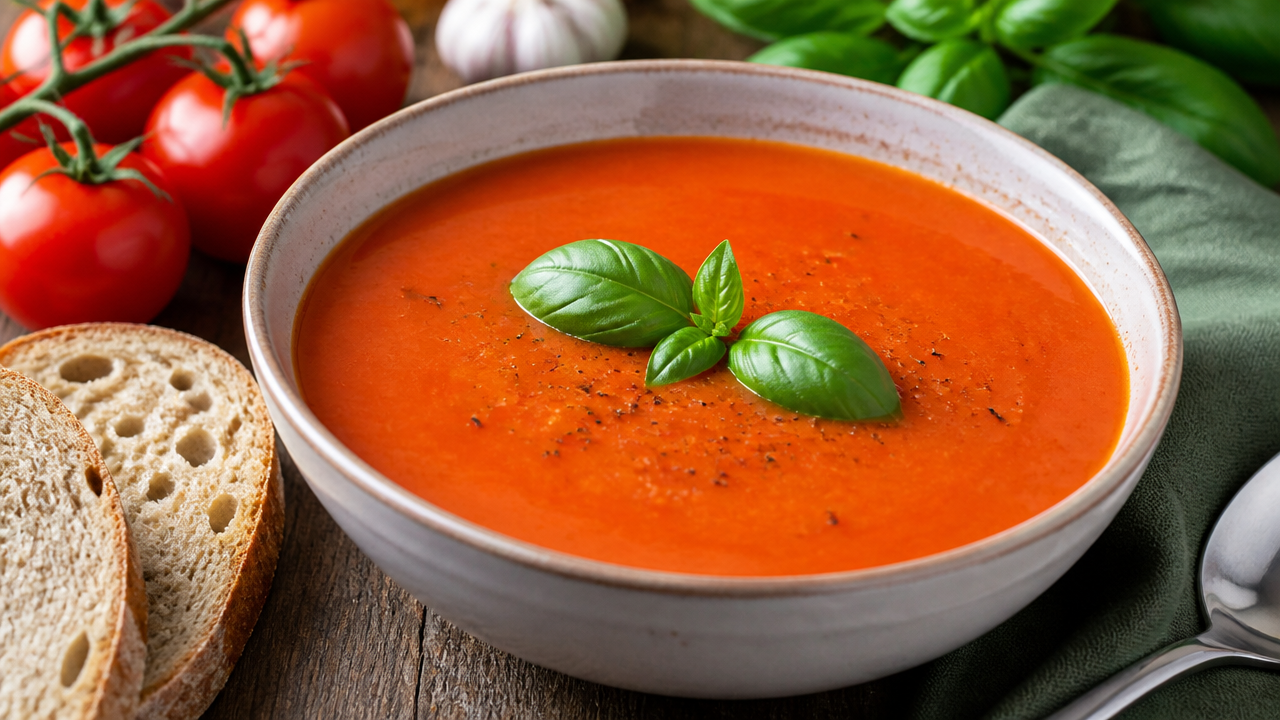
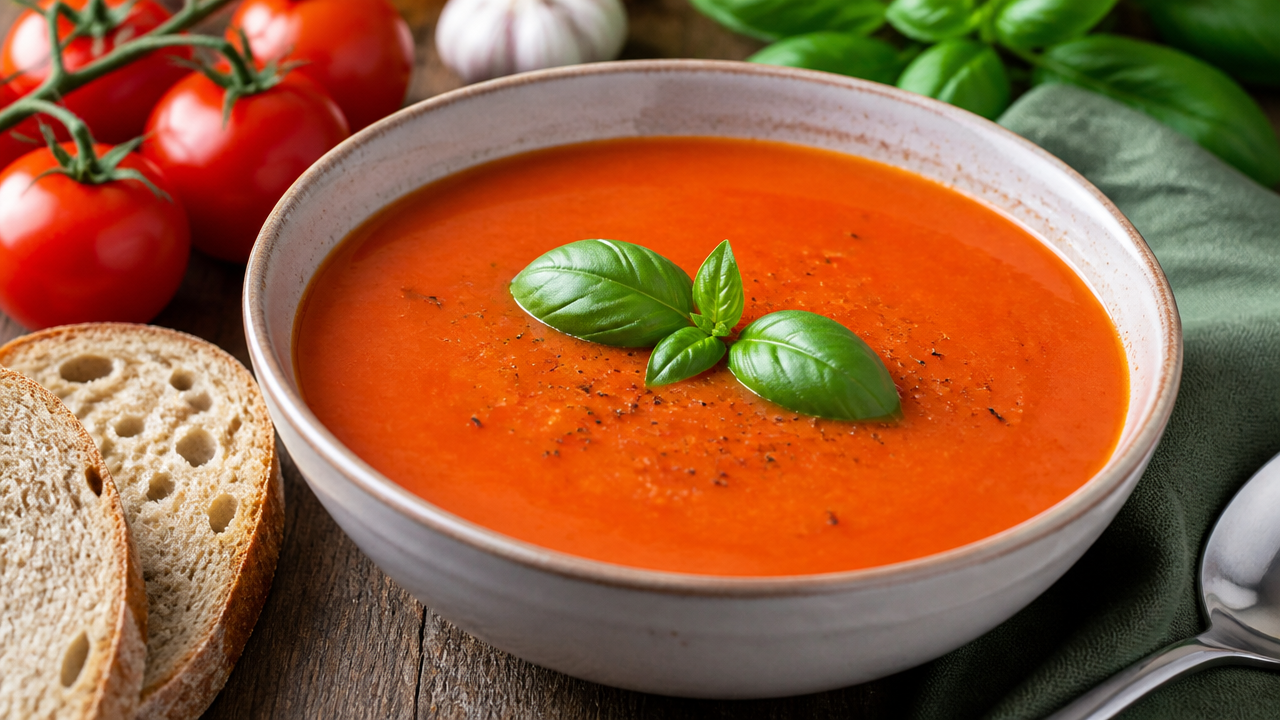
What makes a truly great tomato basil soup stand out from every other quick tomato soup you have tried? It comes down to balance between acidity, sweetness, and the velvety texture of a bowl that captures summer even when the air outside is cold. Getting that result in under a half-hour usually feels like a challenge, but fresh tomato basil soup is achievable with the right technique. As families look for healthy, comforting meals, this soup serves as a foundational recipe for quick weeknight dinners. Crafting homemade tomato basil soup ensures full control over sodium and texture.
Quick Questions and Answers
Question: Why does tomato basil soup need heavy cream? Answer: Heavy cream adds richness and creates a smooth, velvety texture that balances the acidity of the tomatoes. It transforms the soup from a light broth into a creamy, comforting dish. Many recipes recommend stirring it in at the end to prevent curdling and maintain a consistent flavor, which is a method detailed in various culinary guides like The Seasoned Mom.
Question: Can you make tomato basil soup with canned tomatoes? Answer: Yes, canned tomatoes are the most common base for quick 30-minute tomato basil soup. Crushed, diced, or whole canned tomatoes work well and provide consistent flavor without needing to roast fresh produce. Recipes often use 28-ounce cans for a hearty batch, a tip consistently highlighted by Averie Cooks.
Question: Do you blend tomato basil soup before serving? Answer: Blending the soup creates a smooth, creamy consistency and removes chunky bits. You can use an immersion blender directly in the pot or transfer to a high-speed blender in batches. Blending after cooking ensures the tomatoes are fully broken down and the texture is uniform, according to professional techniques cited by Dash of Sanity.
Quick Answer: The 30-Minute Strategy
Achieving a professional-tasting soup in 30 minutes relies on using a combination of high-quality canned tomatoes for base flavor and intentional, quick sautéing of aromatics. If you are struggling with time, remember that this workflow is designed for efficiency. You spend 10 minutes on prep and base aromatics, 15 minutes simmering, and 5 minutes blending. Finishing with cream is the final act of the process. If you enjoy quick meals, you might also like these 12 Easy Summer Dinner Ideas the Whole Family Will Love for future planning.
What You Need: Ingredients and Tools
Gathering your supplies before heating the stove prevents stress during the 30-minute window. Use the table below as a checklist.
| Item | Purpose | Notes |
|---|---|---|
| Canned Tomatoes | Soup base | Crushed versions offer the smoothest texture. |
| Aromatics | Depth of flavor | Keep onion and garlic sizes consistent for even cooking. |
| Vegetable/Chicken Broth | Liquid volume | Vegetable broth keeps the dish strictly vegetarian. |
| Fresh Basil | Herbal fragrance | Add at the very end to keep the color bright green. |
| Heavy Cream | Mouthfeel | Use full-fat for the best results against tomato acid. |
| Large Soup Pot | Vessel | A heavy-bottomed Dutch oven distributes heat best. |
| Immersion Blender | Texturizer | This allows blending directly in the hot pot. |
Step 1: Sauté aromatics
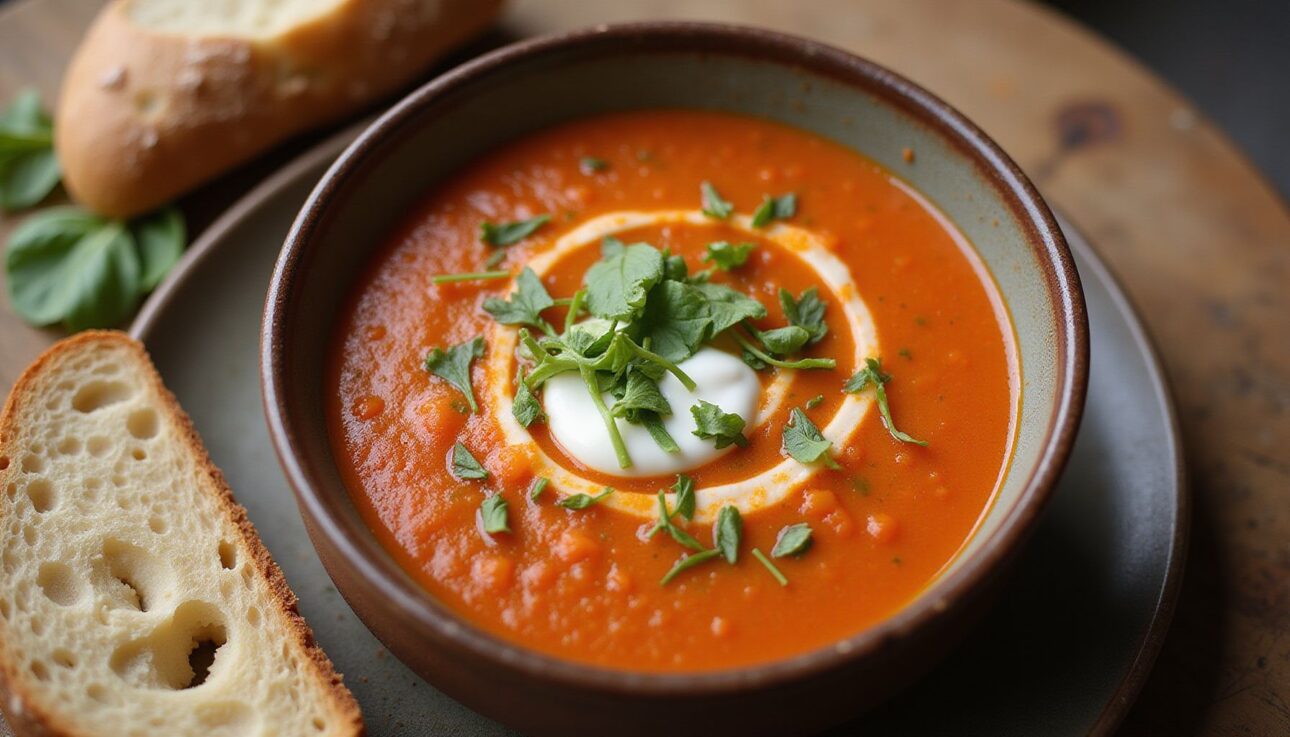
Heat your olive oil over medium flame. Add your finely diced onions or shallots to the pot. Cook these for 3 to 7 minutes until they appear translucent and soft. Next, toss in the minced garlic. Stir this constantly for about 60 seconds. You want the garlic fragrant, but never browned or charred. Burning the garlic ruins the flavor of the entire batch before you even start the broth.
Step 2: Incorporate base liquids and solids
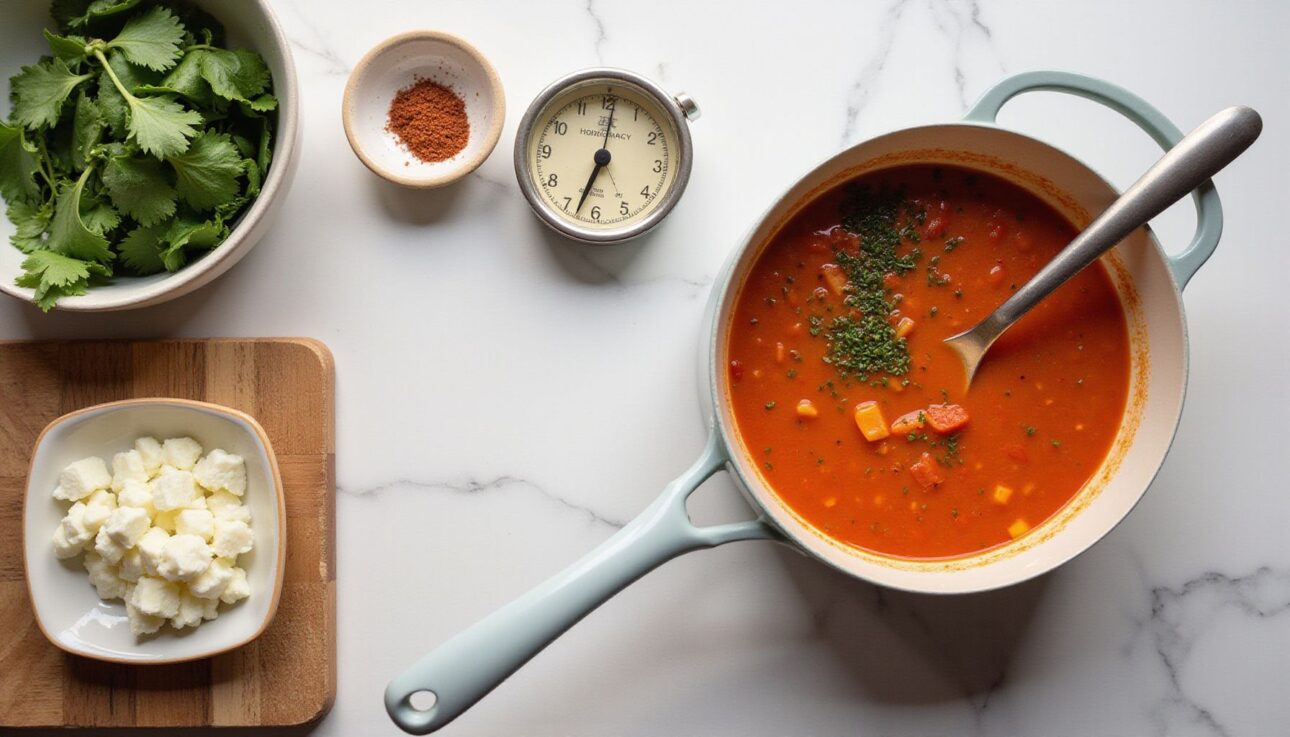
Pour your canned tomatoes into the pot along with the vegetable or chicken broth. If you find the tomatoes seem especially tart, add 1 tablespoon of brown sugar now to balance the natural acidity. Season with salt and black pepper at this stage. Stir everything well to combine the aromatics with the liquid. This is very similar to how I approach prep when I prepare How to Cook Perfect Pasta: A Simple Method That Actually Works.
Step 3: Simmer the mixture
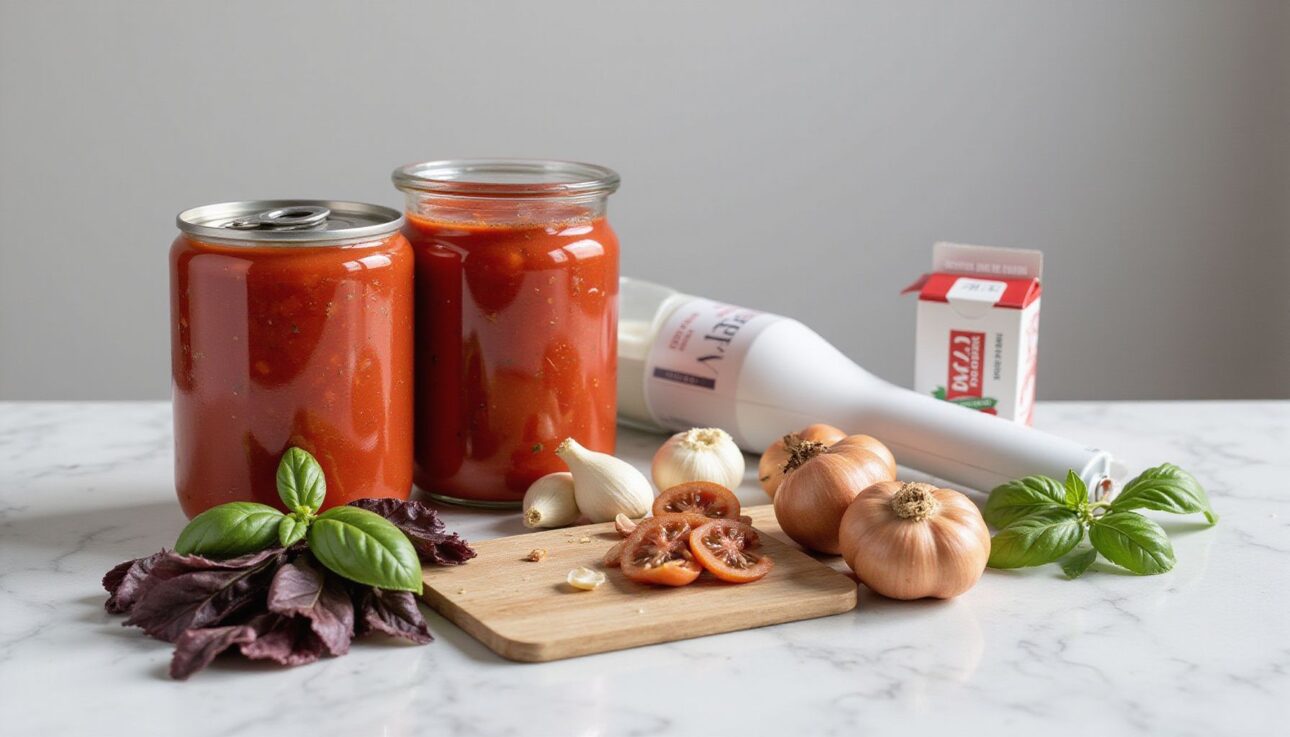
Bring the pot to a gentle low boil and then immediately drop the heat to a simmer. Cover the pot with a lid. Let it cook for 10 to 15 minutes. This timeframe allows the flavors of the basil (if you choose to add some now) and spices to meld with the tomato base. It also softens any remaining tomato solids, making them easier to break down.
Step 4: Blend the soup
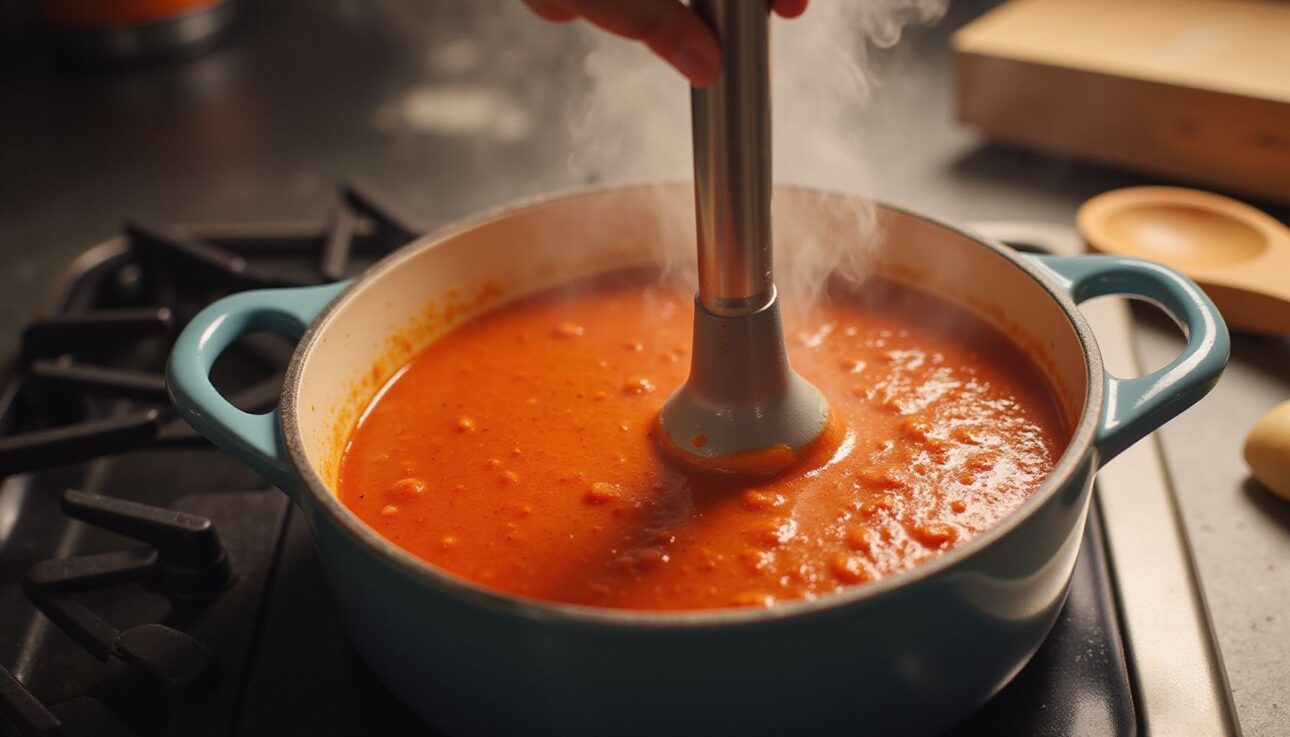
Remove the pot from the heat or turn the burner completely off. Insert your immersion blender directly into the liquid. Pulse the blender slowly until you achieve your preferred consistency. If you prefer a chunky style, just pulse a few times. For a professional, restaurant-grade texture, keep blending until no large pieces of tomato or onion remain. Watch for splashes to avoid burns.
Step 5: Finish with cream and basil
Pour in the heavy cream and stir until the color lightens to a soft orange. Take your fresh basil and stack the leaves to slice them into thin ribbons, a process known as chiffonade. Fold these into the soup immediately. The residual heat will soften the basil just enough to release its oils without turning the leaves brown or bitter.
Common Mistakes to Avoid
Over-reducing the broth is a common error that makes the soup taste aggressively salty or overly thick. Always keep the lid on during the simmer phase to trap moisture. Burning the garlic is another trap; if you smell an acrid, sharp scent, you have likely gone too far. Finally, avoid adding cream while the soup is at a rolling boil. Milk solids can curdle under extreme heat, leaving you with a grainy texture that looks unappealing even if it tastes acceptable.
Troubleshooting: Getting the Perfect Consistency
If your soup looks too thin after blending, do not panic. Simmer it uncovered for an additional 5 minutes to allow more steam to escape, which naturally thickens the body. If the acidity hits your tongue too harshly, add another half-teaspoon of sugar or a small knob of unsalted butter to mellow the bite. If the soup is not smooth enough, check your tools. A standard countertop blender is often more powerful than an immersion version. Let the soup cool for a few minutes and fill the blender container no more than halfway to avoid dangerous pressure buildup.
FAQ: Your Quickest Soup Questions
Q: Are tomato basil soup recipes vegetarian?
Many tomato basil soup recipes are vegetarian when made with vegetable broth instead of chicken stock. Some versions use butter or cream, which are dairy but still vegetarian. Always check the broth type to ensure it fits your dietary needs, a distinction often discussed by organizations like the Mayo Clinic regarding Healthy Cooking Techniques.
Q: How long does it take to make tomato basil soup?
An easy tomato basil soup can be made in about 30 minutes from start to finish. This includes sautéing vegetables, simmering the tomatoes, blending, and adding cream. The total time is short enough for a quick lunch or dinner, providing a massive advantage over long-simmered stews or roasts.
Q: Does tomato basil soup need sugar to taste good?
Sugar helps balance the natural acidity of tomatoes, making the soup taste smoother and less sharp. Most recipes add a small amount, like 1-2 tablespoons, but you can adjust based on personal preference. Some tomatoes are sweeter, so less may be needed to achieve a balanced profile.
Q: Will tomato basil soup thicken if it simmers longer?
Yes, simmering the soup longer allows water to evaporate, which naturally thickens the consistency. However, most 30-minute recipes achieve desired thickness by adding cream or blending. Extending the simmer time beyond 30 minutes enhances flavor depth but is not always necessary for a great result.
Q: When should you add fresh basil to tomato soup?
Fresh basil is best added near the end of cooking, after the soup has simmered and before serving. This preserves its bright color and fresh flavor, as prolonged cooking can make it bitter. Some recipes add it right after stirring in the cream to maintain maximum aromatic impact.
Q: What is the best garnish for tomato basil soup?
Common garnishes include grated Parmesan cheese, fresh chopped basil, croutons, or a drizzle of olive oil. These add texture and visual appeal while enhancing the soup’s savory and herbal notes. A grilled cheese sandwich is also a classic pairing that provides necessary crunch against the smooth liquid.
Q: Which broth works best for tomato basil soup?
Chicken broth adds a savory depth that complements the tomatoes, while vegetable broth keeps the soup vegetarian. Both work well, but chicken broth is often preferred for a richer flavor profile. Choose based on your dietary preferences and desired intensity in the final bowl.
Next Steps: Serving and Pairing
This soup thrives alongside something crunchy. I highly recommend a classic grilled cheese sandwich with sharp cheddar. If you prefer something lighter, a slice of toasted sourdough bread rubbed with raw garlic works wonders. As you build your meal, check out this guide on How to Make Sautéed Swiss Chard with Chickpeas: A 15-Minute Healthy Side if you need an extra serving of greens. Store any leftovers in an airtight container for up to 4 days, reheating gently over low heat to keep the cream from separating.
Recipe Card
30 Minute Tomato Basil Soup
A fast, velvety tomato basil soup that relies on pantry staples and fresh herbs for a comforting homemade meal.
Prep: 10 minutesCook: 20 minutesTotal: 30 minutesYield: 4 servingsCategory: SoupCuisine: American
Ingredients
- 2 tablespoons olive oil
- 1 yellow onion, diced
- 3 cloves garlic, minced
- 28 oz crushed tomatoes
- 2 cups vegetable or chicken broth
- 1 tablespoon brown sugar
- 1/2 cup heavy cream
- 1/2 cup fresh basil, chiffonade
- Salt and pepper to taste
Instructions
- – Sauté onion in olive oil in a large pot for 7 minutes.
- – Add garlic and cook for 1 minute.
- – Pour in tomatoes, broth, sugar, salt, and pepper.
- – Simmer covered for 15 minutes.
- – Blend until smooth using an immersion blender.
- – Stir in cream and fresh basil just before serving.
Nutrition Info (per serving)
| Calories | 240 |
| Protein | 6g |
| Carbs | 22g |
| Fat | 15g |
| Fiber | 4g |
| Sugar | 12g |
| Sodium | 650mg |
Notes
- Use full-fat cream for the best texture.
- Add more sugar if your tomatoes are particularly tart.
My Experience With 30 Minute Tomato Basil Soup Recipe
I remember the first time I rushed to make this for a dinner party. I was convinced 30 minutes wasn’t enough to coax real depth out of canned tomatoes. I was wrong. The secret isn’t a long simmer; it’s the quality of your aromatics and not cutting corners on the sauté process. If you burn the garlic, the whole thing goes sideways, which I learned the hard way on my first attempt. An expert tip I swear by is toast the garlic until it’s just fragrant—never brown. If you let it go longer, the bitterness creeps into the tomatoes and ruins that clean finish you want. Also, always save the basil for the absolute end. If you boil the basil, you lose that signature brightness that makes this soup taste “fresh” instead of “canned.” I prefer to use a touch of brown sugar rather than honey because it adds a subtle molasses undertone that rounds out the acidic tomato punch perfectly. Cooking at home is supposed to be relaxing, so don’t fret about the exact level of cream—you can always add more to taste. Have you tried adding a dash of balsamic vinegar to yours?
References
- Averie Cooks. (n.d.). Easy 30-Minute Tomato Basil Soup. https://www.averiecooks.com/easy-30-minute-tomato-basil-soup/
- The Seasoned Mom. (n.d.). 30-Minute Tomato Basil Soup. https://www.theseasonedmom.com/tomato-basil-soup/
- Dash of Sanity. (n.d.). 20-Minute Creamy Tomato Basil Soup. https://dashofsanity.com/20-minute-creamy-tomato-basil-soup/
- Mayo Clinic. (2024, May 17). Healthy cooking techniques. https://www.mayoclinic.org/healthy-lifestyle/nutrition-and-healthy-eating/in-depth/healthy-cooking-techniques/art-20044569

Sarah Anderson . J
I’m the mom behind Wise Mom Blogger, where everyday creativity meets real-life motherhood. I share easy DIY crafts, cozy knitting and crochet projects, beginner-friendly sewing ideas, and family-tested recipes—plus quick baking hacks that make homemade feel doable on busy days.