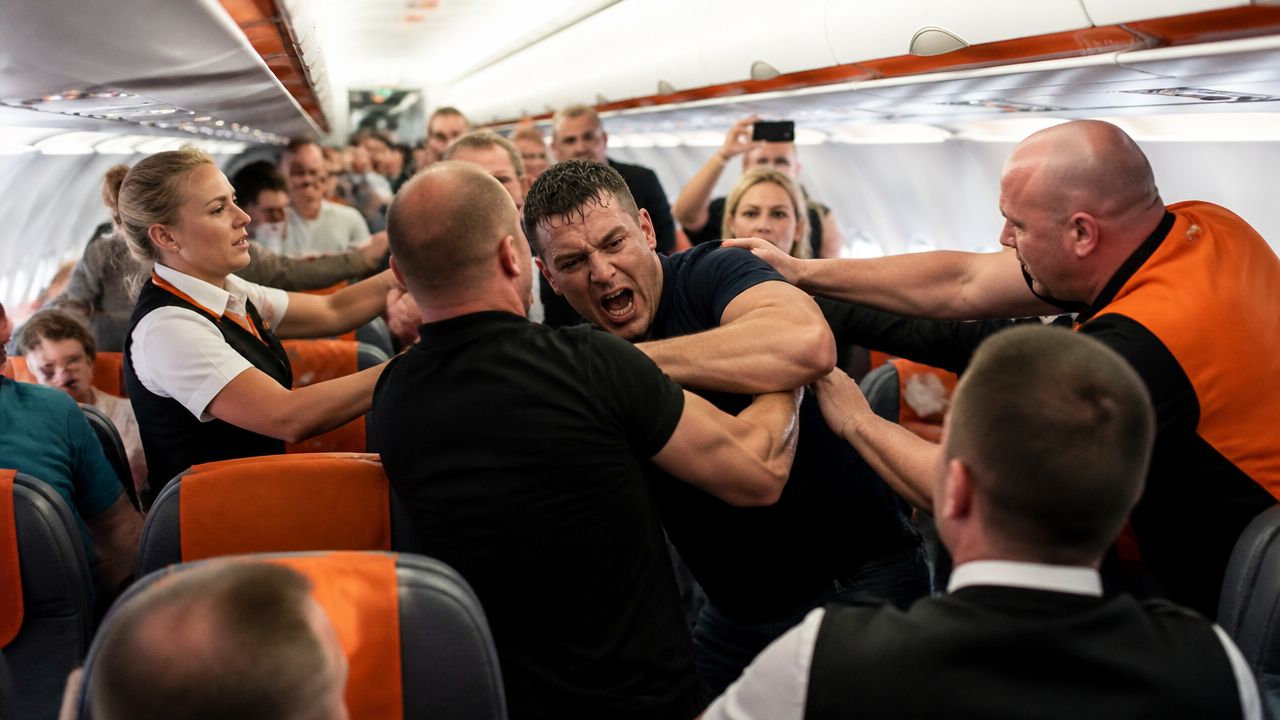
Why does a mid-air brawl force a plane turn back to Tenerife this week? Passengers often worry about turbulence or mechanical issues, yet conflict onboard creates unique risks. Summer vacation plans face sudden delays when crew safety becomes the priority. Reports confirm the aircraft returned 30 minutes after takeoff during a flight to Liverpool. This article breaks down exactly what happened and why. We explain the safety logic behind the decision. It matters for your next booking.
Quick Questions and Answers
Question: Why did the easyJet flight turn back from Tenerife? Answer: The flight returned to Tenerife after a mid-air brawl involving around 10 passengers was reported on board. The captain decided to turn back about 30 minutes after departure because the violence posed a safety risk. easyJet confirmed the aircraft returned due to a group of passengers behaving disruptively.
Question: Can disruptive passengers force an easyJet plane to return? Answer: Yes. If passenger behaviour threatens safety, the captain can divert or turn the aircraft back. In this case, the airline and air traffic controller said the fight created a danger to the flight, so the plane returned to Tenerife and police met it on landing. The situation justified the immediate diversion.
Question: Do easyJet flights get cancelled after passenger brawls? Answer: They can be delayed, diverted, or sometimes cancelled depending on the incident and crew availability. In the Tenerife case, the aircraft returned and then continued to Liverpool after the disruptive passengers were dealt with. In another easyJet incident, a return flight was cancelled because the crew were not fit to operate after a disruptive passenger event. Passengers face rebooking rules here.
Key Takeaways
- The Tenerife flight returned 30 minutes after departure due to violence.
- Passengers involved were removed by police upon landing.
- EasyJet continues the flight once the aircraft is cleared.
- Disruptive behaviour poses a serious safety risk to the crew.
EasyJet Flight Brawl and Unruly Passenger Trends: Understanding the Causes and Consequences
Incidents like this are part of a wider pattern growing over the last few years. Reports of air-rage hit record highs in 2021, and numbers have stayed elevated since then. Airlines face a logistical nightmare when they must reverse course mid-flight. Fuel costs rise, schedules break, and passenger anger mounts. The Tenerife incident is a clear example of how quickly a dispute escalates to a flight diversion. Safety always wins over schedule convenience.
Core Definition of Unruly Passenger Behavior
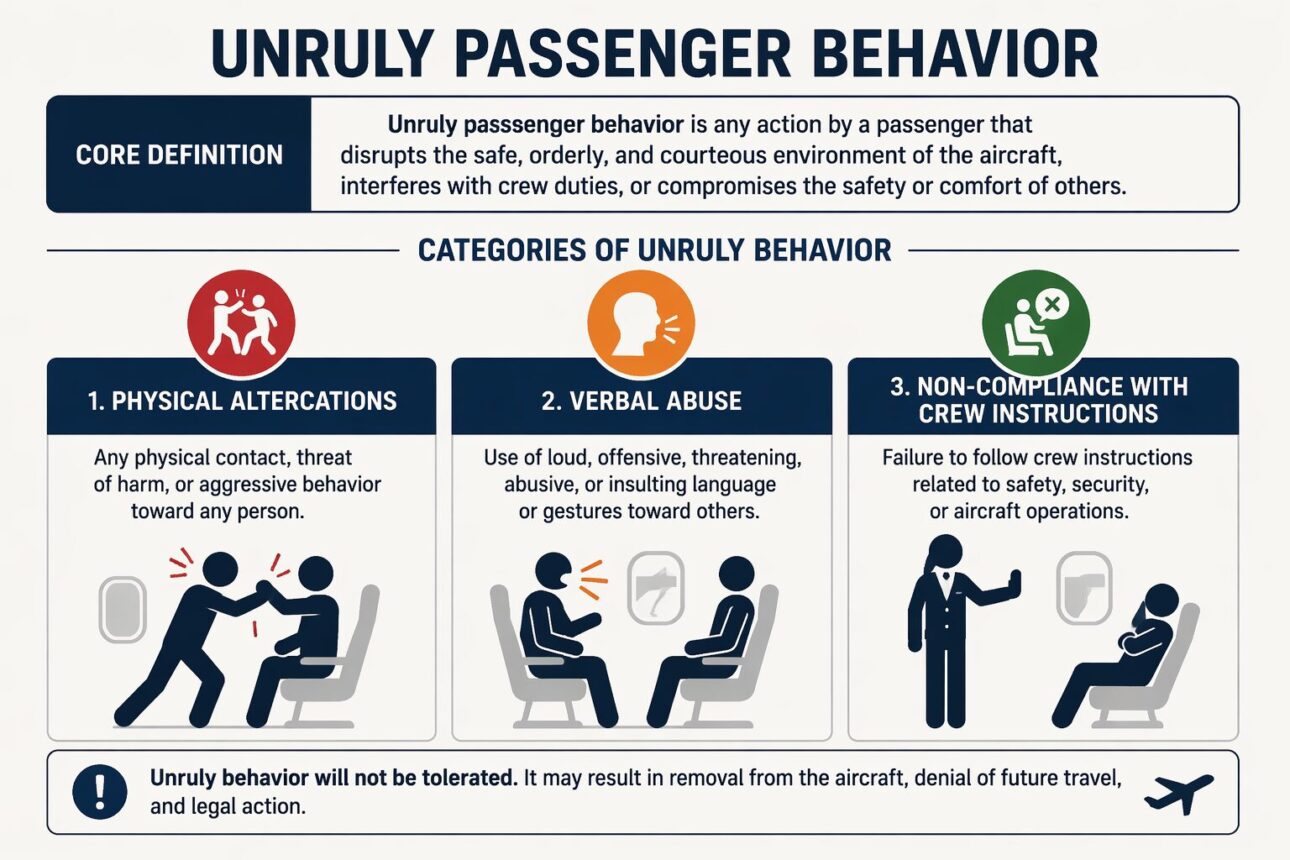
Regulators define this behavior strictly. The Federal Aviation Administration describes it as non-compliance, verbal abuse, and physical aggression. Smoking, vaping, and refusal to wear seatbelts count toward this list. These actions interfere with flight operations and threaten crew members. Policies label anything that disrupts the flight path or order as unruly. The goal is to keep every person safe from start to finish.
According to the Federal Aviation Administration, there is a zero-tolerance policy for such conduct. Federal Aviation Administration notes that incidents involving threats or violence are an ongoing problem. This definition covers actions that start on the ground or continue in the air.
Leading Causes of Mid-Flight Altercations
Intoxication tops the list of triggers. A study from the University of Texas at Dallas points to drunkenness as a major driver. Passengers who drink too much before boarding often lack impulse control. Experts also cite stress and a sense of entitlement. The pressure of travel combined with a feeling that rules do not apply to them creates friction. One person ignores a rule, another pushes back, and it turns violent quickly.
Legal Challenges and Jurisdictional Complications
International flights create messy legal situations. The laws of the country where the plane is registered usually apply. This makes it hard for local police at arrival airports to take action immediately. Officers must coordinate with authorities in the home country of the airline. Delays in prosecution happen often because of these jurisdictional gaps.
Some travelers might find it helpful to check travel advisories before booking flights to certain regions, much like reviewing resources on Where Should U.S. Citizens Not Travel Right Now? Safe List Included for safety context.
Recent Updates in Airline Security Policy
Global security measures are tightening. The Canadian Air Transport Security Authority adopted a zero-tolerance policy last year. Airlines now monitor behavior closely at checkpoints. Real-time social media documentation also helps officials track individuals. People caught posting about violent outbursts face additional public scrutiny. Security teams want to spot trouble before it starts.
Consequences for Passengers and Airlines
The financial impact hits the airline hard. Rerouting burns fuel and delays connections. Passengers face fines up to $30,000 for severe assault. Some airlines ban offenders permanently from their planes. Crew members must stay calm during these events while managing the situation. Safety protocols dictate removal of the aggressive parties.
| Passenger Outcome | Airline Impact | Legal Status |
|---|---|---|
| Removal from plane | Fuel and reroute costs | Criminal charges possible |
| Lifelong travel ban | Flight schedule disruption | Civil or criminal trial |
| No charge (minor) | Crew overtime pay | Administrative penalty |
Frequently Asked Questions About Flight Disruptions
Q: Are passengers removed from easyJet flights after fights?
Yes, when police or crew decide the behaviour is unsafe or disruptive. In a separate easyJet incident from Bristol to Malaga, seven passengers were removed from the aircraft by law enforcement before the flight continued. EasyJet said it does not tolerate abusive or threatening conduct on board. Authorities remove those who refuse safety commands to protect everyone else.
Q: How did easyJet respond to the mid-air brawl?
EasyJet said the flight returned because passengers were behaving disruptively and the safety of the flight was at risk. The aircraft was met by authorities on arrival, and the company said its crew are trained to act quickly and appropriately in such situations. The flight later continued once the incident was handled. Immediate action ensures safety remains the top priority.
Q: Does police meet easyJet flights after onboard violence?
Yes, police commonly meet the aircraft after landing if there has been violence or severe disruption. Reports on the Tenerife flight say the plane was met by police on return, while other easyJet incidents also ended with law enforcement boarding or removing passengers. The exact response depends on the country and severity of the behaviour. Law enforcement presence deters future incidents.
Q: Will easyJet let passengers continue after a return to airport?
Sometimes yes, if the disruptive passengers are removed and the aircraft is cleared to fly. In the Tenerife case, the plane returned to the island and then continued to Liverpool after the incident. Other flights have resumed after police removed the passengers involved. Safety checks must pass before the plane takes off again.
Q: When can a captain divert an easyJet flight?
A captain can divert when safety is threatened, including serious passenger disorder, medical emergencies, or other operational risks. In the Tenerife case, the captain turned the plane back after around 30 minutes because the brawl posed a danger to the flight. Airlines say cabin crew assess the situation and act to protect passengers and crew. Safety overrides all other schedule goals here.
Q: Is it common for easyJet flights to be disrupted by passengers?
No, easyJet says such incidents are rare. However, when disruptive behaviour does happen, the airline says it treats it very seriously and does not tolerate abusive or threatening conduct onboard. Recent reports show incidents can lead to police involvement, diversions, or removals. The majority of flights proceed without any issues.
Q: What happens to passengers after an easyJet brawl incident?
Passengers involved may be met by police, removed from the aircraft, and investigated depending on local law. Reports on the Tenerife incident say no arrests were made, while other easyJet cases ended with passengers escorted off or detained. The outcome depends on the seriousness of the behaviour and the authorities involved. Police decide the next steps based on evidence.
As noted in research regarding Travel Warning: The Countries the State Department Says to Avoid 2026, security context is vital for global travel planning.
My Experience With EasyJet Flight Brawl: What Caused the Emergency Landing?
I have flown commercial routes dozens of times for work, but I never saw a diversion up close. Reading about this Tenerife incident reminded me why I keep my wallet and passport ready. A fight on board feels chaotic to imagine. I watch crew members handle difficult people with quiet firmness. This time they got the captain involved to cut it off. It is terrifying to be in that zone during turbulence or arguments.
My rule is simple: never engage with a drunk or angry passenger. I just keep my seatbelt on and stay low. They do the heavy lifting for the flight. That experience makes me respect the authority of the cockpit crew even more than before. If I were on that plane, I would want them to land immediately. Have you ever heard a flight make an emergency landing before?
Conclusion
Incidents like this are part of a wider pattern growing over the last few years. Passengers often worry about turbulence or mechanical issues, yet conflict onboard creates unique risks. Summer vacation plans face sudden delays when crew safety becomes the priority. Reports confirm the aircraft returned 30 minutes after takeoff during a flight to Liverpool.
2026 Trends
The trend points toward stricter enforcement. Airlines are investing more in training pilots to manage disorder. Technology will likely track behavior patterns earlier. Fines will continue to rise to deter potential offenders. Global cooperation among law agencies improves prosecution rates. We expect more zero-tolerance policies to roll out in 2026.
References
- Federal Aviation Administration. (n.d.). Unruly Passengers. Federal Aviation Administration. https://www.faa.gov/unruly
- The University of Texas at Dallas. (n.d.). Researchers Explore Causes of Air Passengers Turbulent Behavior. UT Dallas News. https://news.utdallas.edu/social-sciences/turbulent-air-passenger-behavior-2023/
- International Air Transport Association. (2026, June). Fact Sheet – Unruly Passengers. IATA Repository. https://www.iata.org/en/iata-repository/pressroom/fact-sheets/fact-sheet-unruly-passengers/

Sarah Anderson . J
I’m the mom behind Wise Mom Blogger, where everyday creativity meets real-life motherhood. I share easy DIY crafts, cozy knitting and crochet projects, beginner-friendly sewing ideas, and family-tested recipes—plus quick baking hacks that make homemade feel doable on busy days.