

What makes a truly great productive day stand out from every other chaotic experience you have tried to manage lately? Whether you are planning a busy summer cookout or a quiet holiday dinner, the right choice of daily habits makes all the difference. Focusing on 11 little things to do creates a solid foundation for mental clarity, consistent progress, and genuine gratitude. Mastering these 11 genius little things to do helps you find joy in the mundane while keeping your most important tasks on track. Let’s see how these small steps can turn your routine into a masterpiece.
Quick Questions and Answers
Question: What is the 1000 little things trend on TikTok? Answer: It is a TikTok format built around choosing one specific item from the old Tumblr-style ‘Just Little Things’ list and sharing it as a visual post. The trend’s appeal is that the items are highly specific, nostalgic, and emotionally relatable rather than broad or generic.
Question: Who created the original Just Little Things blog? Answer: The Tab says the blog was made by a woman called Nancy, who described it as a place to list ‘some of the many little things we should appreciate.’ That makes the project feel more like a curated gratitude archive than a random meme list.
Question: How many items are in the 1000 little things list? Answer: The core concept is exactly 1000 items, which is what gives the trend its name. The 2026 list site also frames it as ‘one thousand tiny, everyday joys,’ and the TikTok coverage says users choose from 1000 very specific things.
1. The Sensory Gratitude Practice

Focus on capturing fleeting, free sensory moments like the scent of rain or warm clothes from the dryer. These tiny bits of information ground your nervous system. According to the 2026 research from 1000-little-things.com, identifying these anchors is a key part of the movement.
Keep your list of sensory joys accessible on your phone to reference during stressful moments. You might even find inspiration for other creative outlets, such as these 13 Amazing Y2K Shoot Ideas Worth Knowing, which rely on similarly nostalgic and sensory-rich aesthetics. It keeps the perspective fresh.
2. The One-Page Reading Habit
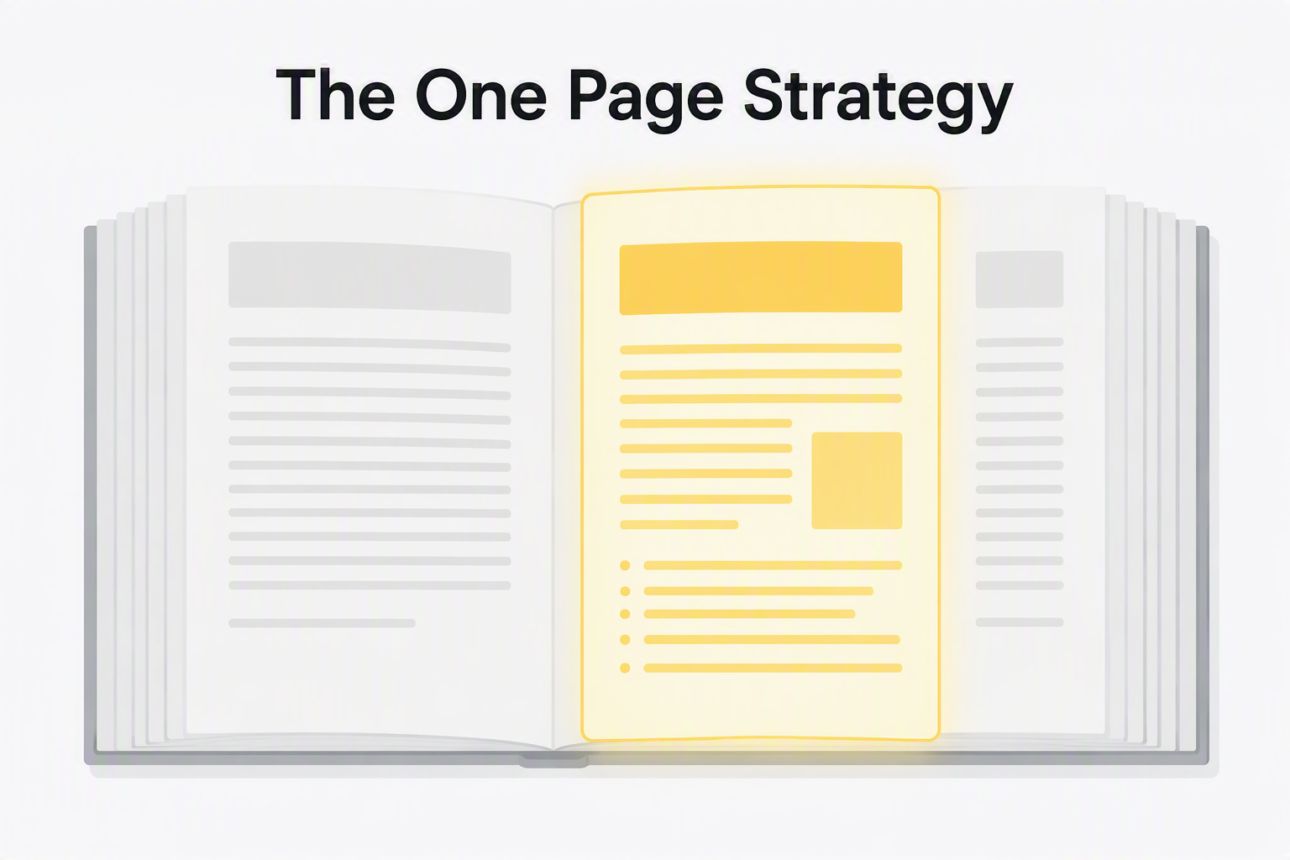
Adopt the strategy of reading just one single page of a book per day to build long-term momentum. This method lowers the psychological barrier to starting any project. It ensures consistency over intensity.
The methodology from Marc and Angel Chernoff emphasizes that successful habits thrive on these micro-actions. You do not need to finish a chapter to call it a win. You just need to show up.
3. The Eisenhower Matrix Categorization
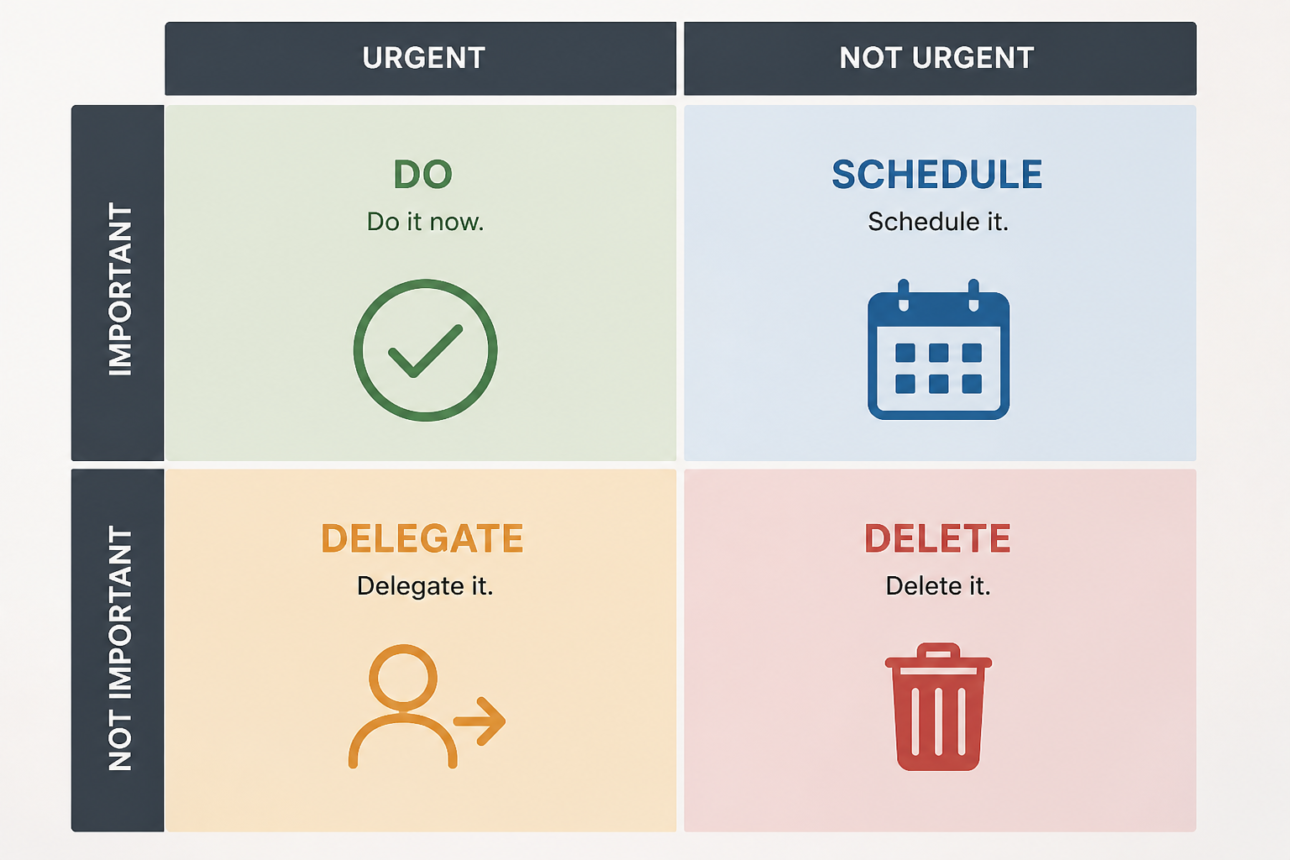
Organize a long list by placing items into four quadrants: Urgent/Important, Important/Not Urgent, Urgent/Not Important, and Not Urgent/Not Important. This allows you to identify which “little things” are actually vital for your long-term success versus those that are just clutter.
As the discussion on Reddit suggests, this is the best way to manage unorganized to-do lists of 1000+ items to avoid feeling overwhelmed. If a task does not fit neatly, it likely belongs in the trash folder.
4. The 60-Second Meditation Reset
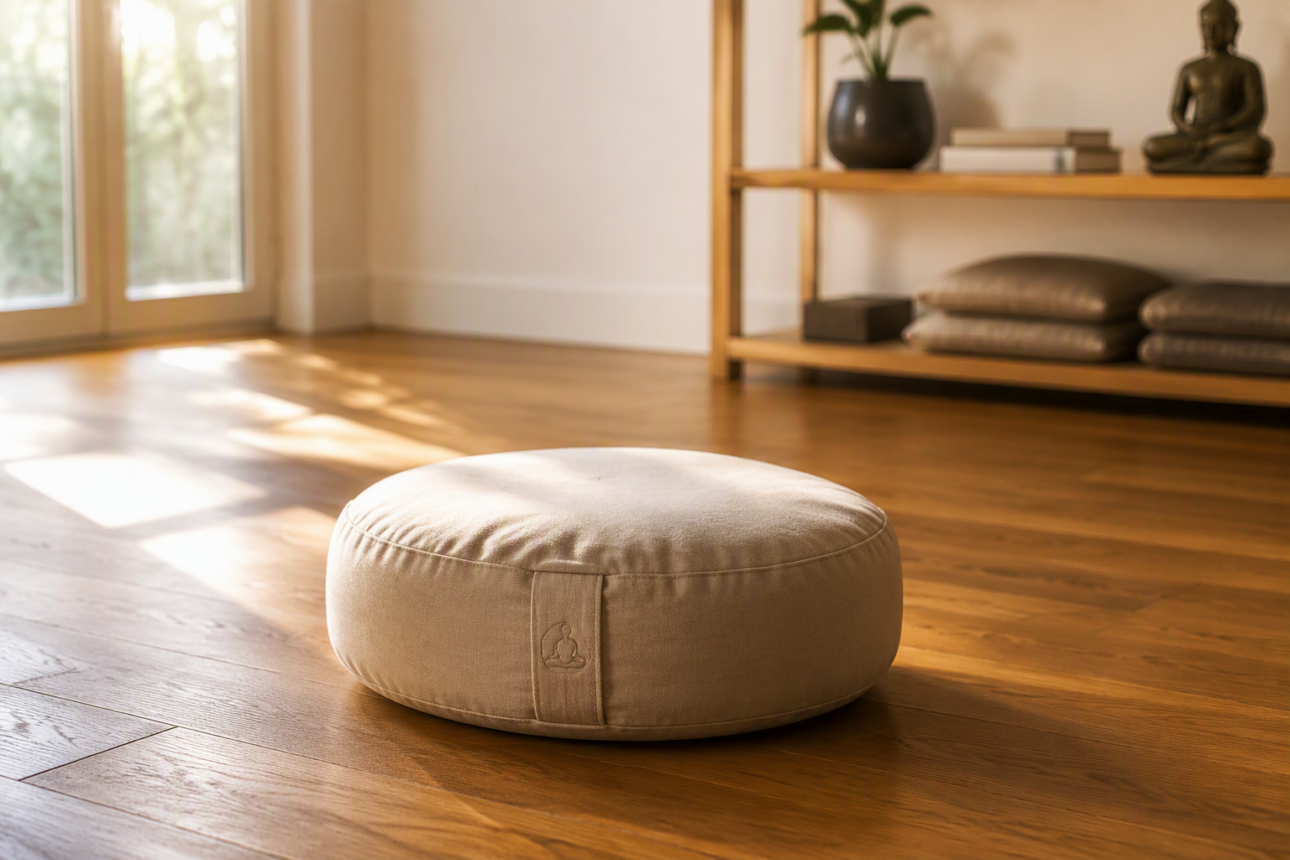
Dedicate exactly 60 seconds to breath-work or mindfulness rather than aiming for long sessions. Short, repeatable sessions are more likely to become ingrained as a daily routine compared to 30-minute blocks.
Research from the National Center for Complementary and Integrative Health indicates that regular, brief mindfulness practice can aid in stress reduction. It acts as a key micro-habit that helps busy people maintain focus without feeling trapped by their schedule.
5. The Environment Prep Technique
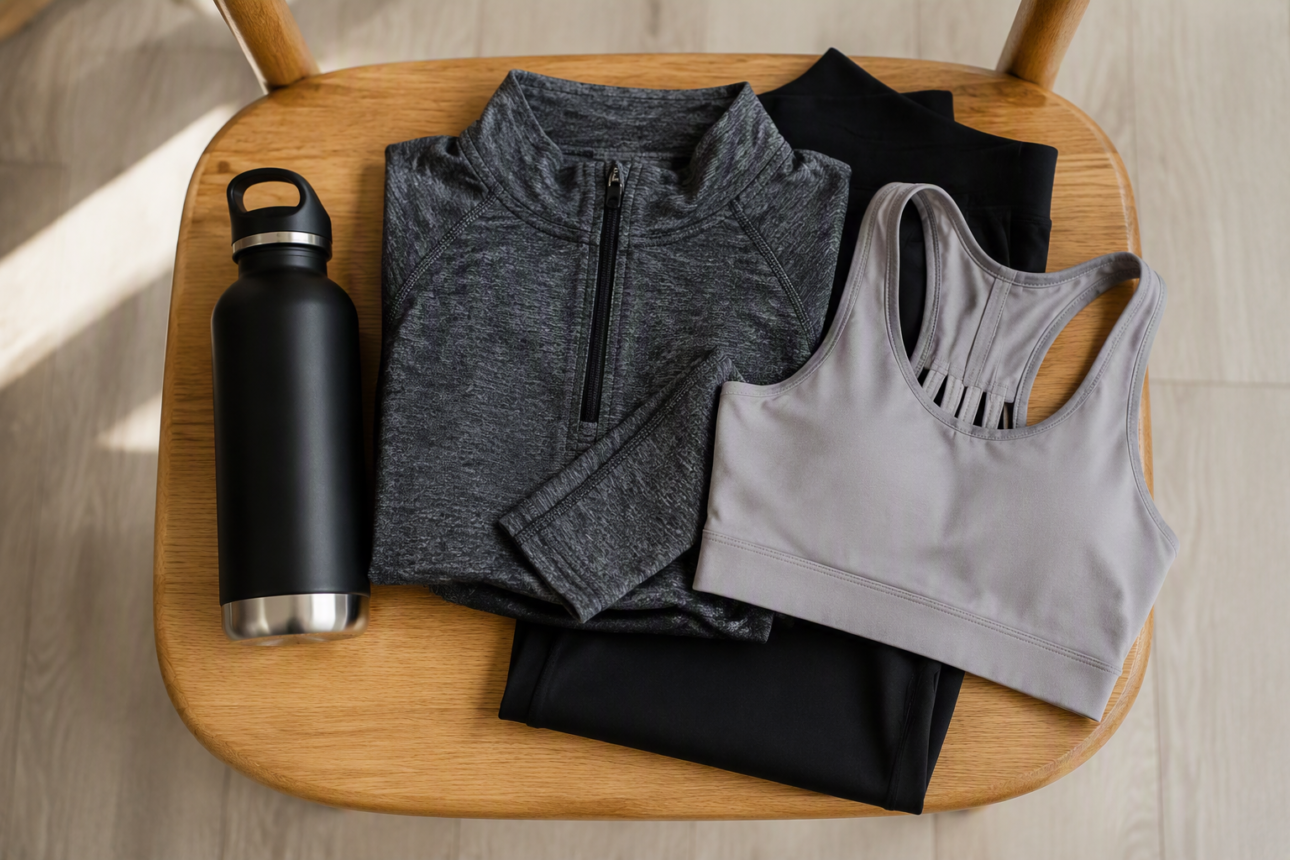
Set the stage for your next task in advance, such as laying out workout clothes or placing a book on your pillow. Reducing environmental friction is a critical “little thing” that ensures you actually perform your desired actions.
This “pre-work” makes difficult or new tasks easier to initiate without needing a massive reserve of willpower. When the friction is gone, the task becomes the path of least resistance.
6. The 3-5 Daily Task Limit
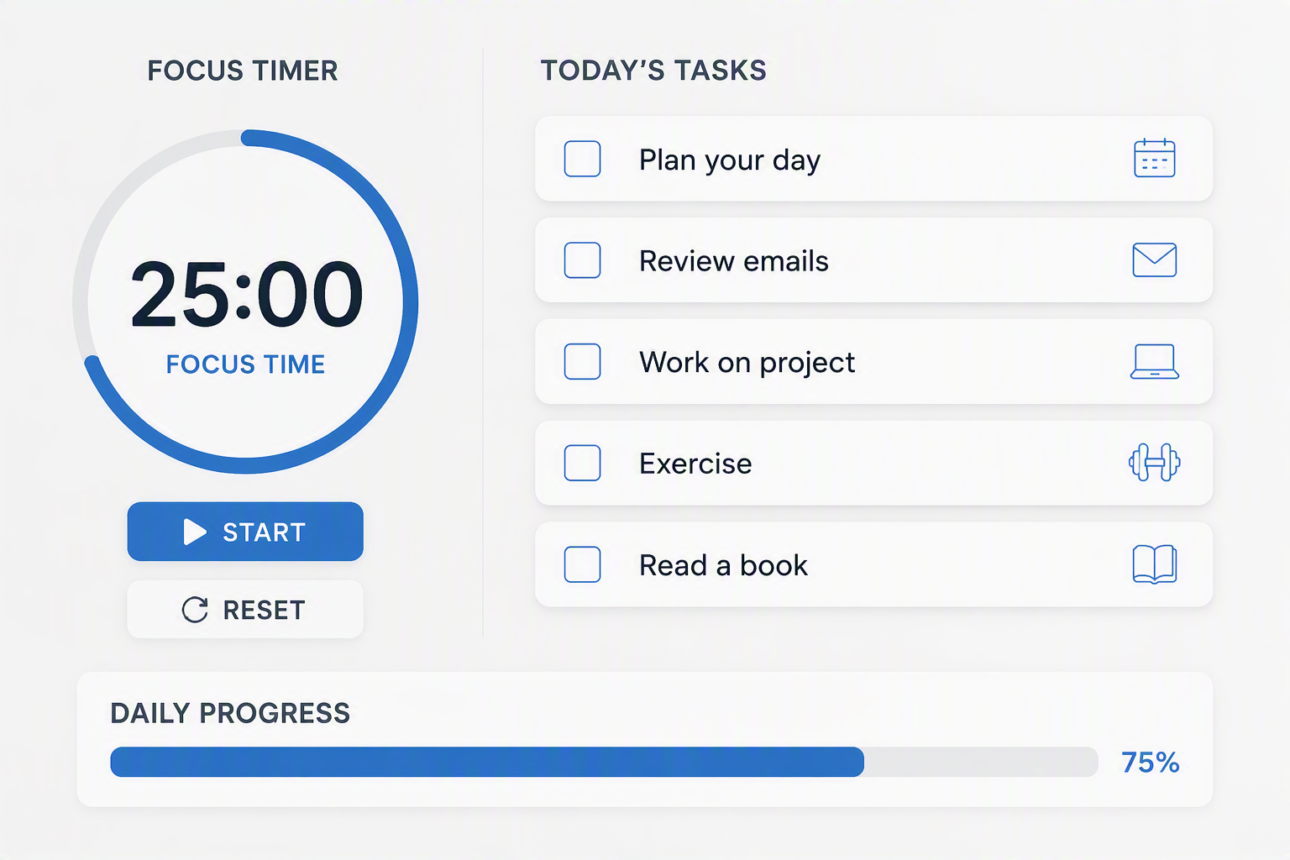
Choose no more than 3-5 tasks from your master list to complete each day to sustain consistent progress. This prevents the “paralysis of choice” that occurs when viewing a massive, 1000-item bucket list.
Focusing on a small, curated set ensures you reach the end of the list without burning out. It turns a massive collection of life goals into manageable, bite-sized daily wins.
7. The Fixed Wake-Up Routine
Stabilize your circadian rhythm by waking up at a fixed time, such as 6:00 a.m. or 7:00 a.m. daily. Immediately consume one glass of water upon waking to kickstart your physical metabolism.
A report from the Sleep Foundation highlights how a consistent schedule supports overall health. It is a fundamental micro-habit for successful people looking to optimize their daily performance.
8. The Visual Social Media Screenshot
Curate your favorite appreciations from a master list by screenshotting them for use in social media stories. This visual sharing technique, popularized by TikTok, helps reinforce your focus on the positive aspects of your life.
Pair these images with familiar, upbeat tracks to create a recurring gratitude ritual. It keeps the joy visible throughout your day.
9. The Two-Minute Workout
Incorporate physical movement by limiting your exercise commitment to just 2 minutes at a time. When the barrier is this low, you remove the excuse of being “too tired” to exercise.
It helps maintain cardiovascular health as part of a list of sustainable, small daily habits. You might find that once you start, you end up doing more—but the two-minute goal is the safety net that keeps you moving.
10. The Clutter-Free Digital Workspace
Clear your desktop icons and organize your primary folder by the end of each work session. A clean screen acts as a mental reset for the next morning. It saves you from the “digital fog” that often delays work.
Much like choosing 12 Creative Board Game Ideas Kids Will Love, curating your environment helps simplify the chaos of daily life. Focus on one folder at a time to keep it manageable.
11. The Evening Review Ritual
Spend the last 5 minutes of your day checking off your accomplishments and planning the next day’s top 3 items. This creates a “close” to the day, which stops work-stress from bleeding into your personal time.
It also ensures you wake up with a plan already in place. Your brain will thank you for the lack of morning decision fatigue.
| Method | Best For | Time Required | Impact |
|---|---|---|---|
| Eisenhower Matrix | Complex Task Lists | 10 Minutes | High |
| 60-Second Reset | Stress Management | 1 Minute | Medium |
| Environment Prep | Habit Consistency | 2 Minutes | High |
| Daily 3-5 Limit | Avoiding Burnout | Ongoing | High |
Common Mistakes
Many people attempt to tackle all 1000 items at once. This leads to immediate frustration. Start with small, actionable habits rather than aiming for a total life overhaul. Skipping the planning phase of the Eisenhower Matrix often results in completing busy work while ignoring the tasks that actually move your life forward. Another mistake is ignoring the need for rest. If you force yourself to be productive 24/7, you will burn out before you hit item 100. Be kind to yourself.
FAQ
Q: What kinds of things appear on the list?
The examples are everyday pleasures such as the smell after summer rain, warm clothes straight from the dryer, and a text from your favorite person. The items are intentionally ordinary, sensory, and easy to picture, which is why they resonate quickly. They do not require a special occasion or expensive equipment to enjoy. You likely experience many of these already without noticing.
Q: Can I make my own 1000 little things list?
Yes. The research suggests the best versions use concrete, specific, and emotionally legible items rather than vague categories; the 2026 site explicitly says the point is noticing ordinary joys that happen often and go unnoticed. You can write these down in a journal or a digital note. The key is specificity. Instead of “happy days,” write “the taste of cold water when you are thirsty.”
Q: Why do people like tiny appreciation lists?
They are easy to understand, low-cost, and immediately relatable. Because the items are small and familiar, they can trigger gratitude quickly without requiring major effort, money, or life changes. They remind us that happiness is often hidden in the details of our regular days. It is a refreshing departure from the pressure to achieve grand, life-changing goals every single day.
Q: How do you organize a huge 1000-item to-do list?
The Reddit advice recommends breaking it into categories, using the Eisenhower Matrix, and focusing on the top 3-5 tasks per day. It also suggests quick wins, time limits, and regular review so the list stays manageable. Do not try to scan the whole 1000-item list every morning. Pick your category for the week and work within that.
Q: Are 1000 little things free or expensive?
In the 2026 list source, the examples are explicitly described as costing nothing and not being rare. That makes the concept especially accessible, because it focuses on small everyday joys rather than purchases. You do not need to buy anything to participate. The most rewarding items are usually things you can find in your own kitchen or backyard.
Q: What is the difference between gratitude lists and goal lists?
A gratitude-style list names things you already experience and appreciate, while a goal list names things you want to do or achieve. The sources here show both models: the Tumblr-inspired appreciation list and the ‘1,000 Things I Want to Do in My Life’ life-list format. One grounds you in the present, while the other pulls you toward a future vision.
Q: How do tiny habits help with self-improvement?
The book-related sources emphasize micro-habits like reading one page, meditating for 60 seconds, or working out for 2 minutes. The logic is that tiny actions reduce resistance, make consistency easier, and help people build momentum without relying on motivation alone. Once the habit is automatic, you can slowly increase the intensity. Consistency beats intensity every time when you are building a new life pattern.
My Experience With 11 Genius Little Things to Do for a More Productive Day
Honestly, when I first saw the idea of a 1000-item list, I thought it was absurd. Who has the time? But after trying these 11 little things to do, I realized the trick isn’t the total number; it’s the daily commitment. I started with the 60-second meditation, and for the first week, I just felt like a person sitting on a chair staring at a wall. Then, something shifted. It wasn’t a “pivotal transformation”—I just stopped rushing into my inbox the second my eyes opened.
The environment prep technique is my personal favorite. Laying out my workout clothes before bed sounds like something a robot would do, but it genuinely removes the friction of “do I really want to move?” at 6:00 a.m. It saves me from negotiating with my own laziness. The most expert realization I had was that procrastination is usually just a lack of clarity. When I narrowed my focus to 3-5 tasks, I didn’t just get more done; I actually felt better doing it. Which one of these small habits are you going to test out first?
Conclusion
Building a more productive life does not require a total overhaul. It requires the courage to focus on the smallest, most manageable parts of your day. By curating your own list of 1000 little things—whether they are gratitude moments or actionable tasks—you take control of your time and your mindset. Use the Eisenhower Matrix to keep your focus sharp, rely on micro-habits to build momentum, and always remember to leave room for the sensory joys that make life worth living. You have everything you need to start today. Pick three items from the lists above and begin.
References
- The Tab. (2026, July 23). Full list of quotes for TikTok’s 1000 Little Things trend, based on old Tumblr blog. The Tab. https://thetab.com/2026/07/23/full-list-of-quotes-for-tiktoks-1000-little-things-trend-thats-based-on-old-tumblr-blog
- 1000 Awesome Things. (n.d.). 1000 Awesome Things – A time-ticking countdown of 1000. 1000 Awesome Things. https://1000awesomethings.com/
- Chernoff, M., & Chernoff, A. (2020). 1000+ Little Things Happy Successful People Do Differently. Penguin. https://www.amazon.com/Little-Things-Successful-People-Differently/dp/0525542744
- Reddit. (2023, May 23). You have an unorganized to-do list with 1000 items. r/getdisciplined. https://www.reddit.com/r/getdisciplined/comments/13pu2q9/discussion_you_have_an_unorganized_to_do_list_with/
- 1000 Little Things List. (2026). 1000 Little Things List — Search & Print Simple Pleasures. 1000-little-things.com. https://1000-little-things.com/
- Choosing Figs. (n.d.). 1,000 Things I Want to Do in My Life. Choosing Figs. https://choosingfigs.com/life-list/
- National Center for Complementary and Integrative Health. (n.d.). Meditation and Mindfulness: What You Need to Know. NCCIH. https://www.nccih.nih.gov/health/meditation-and-mindfulness-what-you-need-to-know
- Sleep Foundation. (n.d.). Circadian Rhythm. Sleep Foundation. https://www.sleepfoundation.org/circadian-rhythm

Sarah Anderson . J
I’m the mom behind Wise Mom Blogger, where everyday creativity meets real-life motherhood. I share easy DIY crafts, cozy knitting and crochet projects, beginner-friendly sewing ideas, and family-tested recipes—plus quick baking hacks that make homemade feel doable on busy days.