Bringing a companion into your home sparks a unique excitement, but what makes success as a new pet owner stand out from every other challenge you have navigated? Your animal thrives when physical wellness, mental stimulation, and consistent daily routine harmonize to create a stable environment. Whether anticipating a first holiday season with a puppy or simply settling into a new weekly rhythm, the right approach makes all the difference. Mastering basic pet care requires patience and a focus on long-term health. These 10 essential strategies help you build a lasting bond with your new friend.
Quick Questions and Answers
Question: What are the first pet care tips for new owners?
Answer: New owners should start by pet-proofing their home, removing toxic plants and securing wires. Schedule an initial vet visit within the first week for a health check. Establish a consistent routine for feeding, walking, and bedtime early to help your pet feel secure.
Question: Why is pet-proofing important for new owners?
Answer: Pet-proofing creates a safe sanctuary by removing sharp objects, toxic plants, and small items pets could swallow. It keeps cleaning products, medications, and electrical cords out of reach to prevent accidental injury or poisoning in your new home.
Question: How do I choose the right food for my new pet?
Answer: Select high-quality pet food suited to your pet’s age, breed, and size, ensuring meat is the first ingredient. Avoid human foods like chocolate, grapes, and onions which are harmful. Always provide fresh water and consult your vet for specific dietary advice.
Establishing a Relationship with Your Veterinarian
Schedule a wellness visit immediately upon adoption to establish a medical record. This first appointment is the most important step in understanding your pet’s specific health trajectory. It provides a baseline for weight, heart health, and any breed-specific concerns that might require proactive attention in the future.
Ask your veterinarian for a customized preventive care schedule. This should cover mandatory vaccinations and year-round parasite prevention. According to Sacopee Veterinary Clinic, prioritizing these checkups is essential to ensure your pet leads a long, healthy life.
Maintain a local contact list for routine checkups and emergency specialty care. You never want to be scrambling for a phone number when a crisis arises. Keeping this information in a clear, organized document helps you stay prepared for any sudden health issues.
Nutrition and the Fight Against Pet Obesity
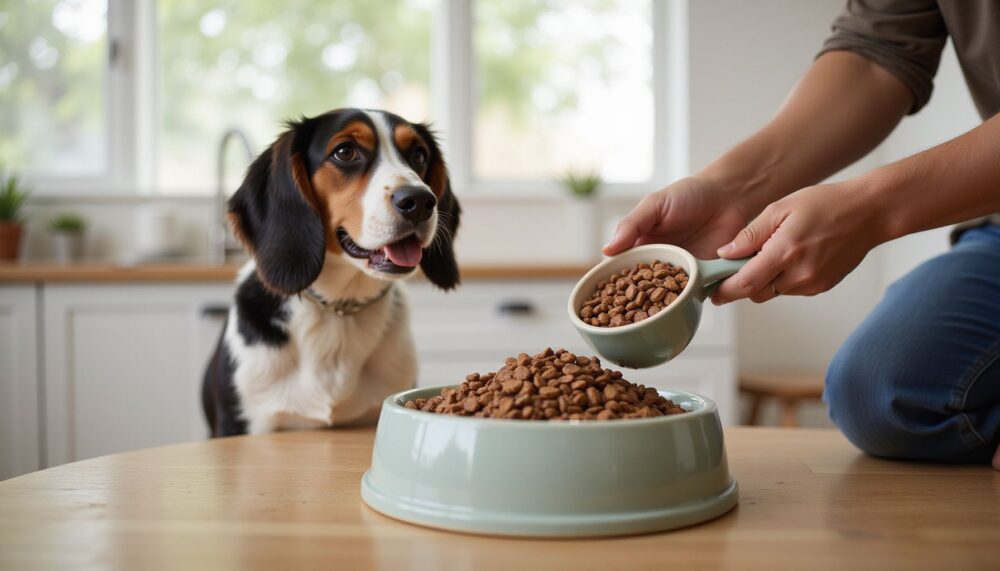
Monitor your pet’s weight starting at a young age to prevent long-term health complications. Obesity is a significant, preventable issue in modern pets. PetMD notes that vets can teach you how to perform a body condition score, which acts as the most accurate way to track your pet’s physical form.
Consult a professional to determine the appropriate calorie intake for your pet’s life stage and breed. A growing puppy requires different nutrients than a senior cat. Don’t rely on generic feeding guidelines printed on bags, as individual activity levels vary wildly.
Avoid relying only on treats for training. High-calorie snacks add up quickly and lead to weight gain. Prioritize balanced, measured meals over free-feeding to keep your pet at a healthy weight.
Designing a Consistent Exercise Routine
Move beyond simple walks to provide physical play and intellectual stimulation. Boredom often leads to destructive behavioral issues that cause frustration for both owners and pets. I find that puzzle feeders are a fantastic way to keep a pet thinking while they eat.
Tailor exercise to the pet’s age and energy level. A young, high-energy dog might need 45 minutes of vigorous play, while an older cat may prefer 5 minutes of focused laser-chasing.
Utilize smart pet essentials and toys that encourage movement during busy work weeks. You can even find creative, musical ways to keep your home environment engaging. Consistency matters here; short, predictable bursts of activity help stabilize a pet’s mood.
Mastering At-Home Dental Hygiene
Don’t neglect dental care. Oral health is directly linked to systemic organ health. If a pet develops periodontal disease, bacteria enter the bloodstream, which affects the heart and kidneys.
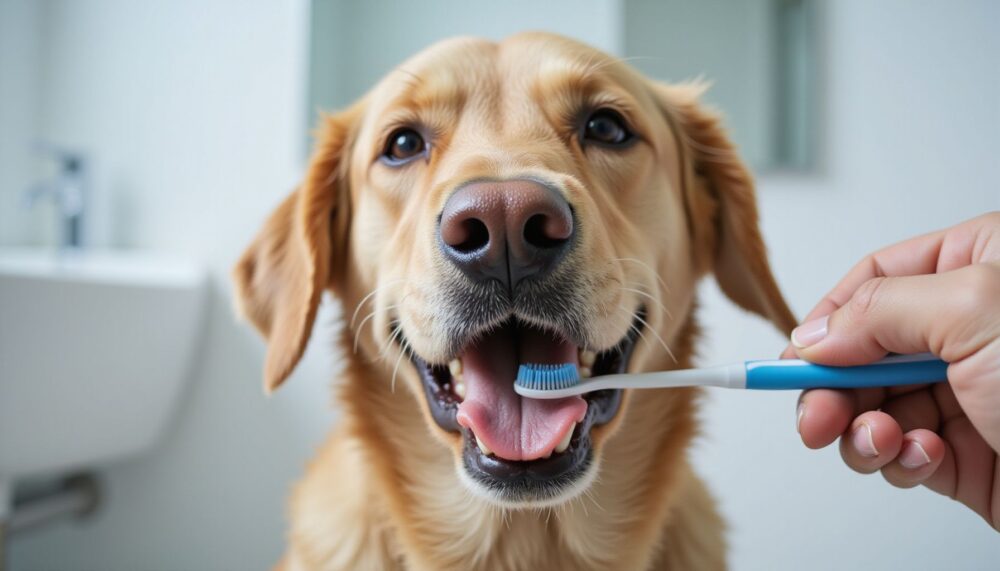
Start brushing your pet’s teeth early to get them comfortable with the process. Use a soft-bristled brush specifically designed for pets along with pet-safe enzymatic toothpaste.
Use vet-approved dental treats, chews, or gels if your pet is resistant to traditional brushing. Many pets find the taste of these products rewarding, making the experience pleasant rather than a struggle.
Dental Tool
Best For
Frequency
Soft Bristle Brush
Deep cleaning
Daily
Dental Chews
Reducing plaque
Daily/Weekly
Oral Gels
Sensitive gums
As directed
Water Additives
Breath freshening
Daily in water
Essential Grooming for Health and Hygiene
Incorporate regular brushing to reduce shedding and minimize hairballs in cats. It keeps their coat free of tangles that pull on the skin.
Check skin, ears, and paws during grooming sessions. This is your chance to identify early signs of infections, ticks, or fleas. I always check between the toes, as grass seeds or small burrs hide easily there.
Use grooming as a bonding exercise that allows you to notice physical abnormalities early. Cats and dogs often hide pain, but a thorough, calm grooming session reveals lumps or tender spots before they become major problems.
Creating an Accolimation Plan for New Arrivals
Prepare a specific in-home space with essential supplies before you bring your pet home. This should include comfortable bedding, clean food and water bowls, and a few safe, durable toys.
Allow for a transition period where the pet can explore the new environment safely and slowly. Do not overwhelm them with visitors or loud noises in the first few days.
Consult your vet on how to introduce a new pet to existing household members. Whether you have other dogs, cats, or small children, a slow introduction prevents unnecessary stress and hierarchy conflicts.
Frequently Asked Questions
Q: When should I schedule a vet visit for my new pet?
Schedule an initial vet visit within the first week of ownership for a full health check and necessary vaccinations. Follow your vet’s recommended vaccination, deworming, and spaying or neutering timelines to ensure your pet starts off on the right foot.
Q: Are daily exercise and playtime necessary for pets?
Yes, daily exercise like walks for dogs or interactive play for cats is essential for physical and mental stimulation. Aim for about 15 minutes of play time daily. Puzzle toys and varying textures provide mental enrichment to keep your pet entertained.
Q: What grooming tasks do new pet owners need?
Regular grooming includes brushing to prevent mats, trimming nails to avoid overgrowth, and bathing with pet-specific shampoo. Brush before bathing to remove loose hair, and dry thoroughly afterward. Clean ears with approved cleaner and brush teeth regularly with pet-safe toothpaste.
Q: How do I socialize my new pet properly?
Slowly introduce your pet to family members and other pets to avoid stress. Enroll in puppy classes, invite safe visitors, and expose them to different sounds and sights. Socialization facilitates well-being for both your pet and others around them.
Q: Can I give my pet human food or medication?
No, avoid giving pets human food as ingredients like chocolate and onions can be toxic. Never give medication that hasn’t been prescribed by a veterinarian. If your pet ingests a poisonous substance, contact your vet or the ASPCA Animal Poison Control Center immediately.
Q: What items should I buy for my new pet?
Essential supplies include food and water bowls, high-quality age-appropriate food, a collar with ID tags, and a leash. You also need toys, chews, a comfortable bed, grooming supplies, and a litter box if you have a cat to help them feel at home.
Q: Why is establishing a routine important for pets?
A regular schedule for feeding, potty breaks, and playtime helps your pet feel secure and reduces anxiety. Consistency is key for training, as it establishes clear expectations. Routine reinforces good manners through short, positive reinforcement-based training sessions.
Final Recommendations for Success
Understand your specific pet type. A high-energy rescue dog requires a totally different approach than a low-maintenance, older indoor cat. Research the breed’s natural tendencies before you bring them home.
Stay consistent with routines to help your pet feel secure and balanced. Animals rely on predictability to feel safe. When feeding times and activity patterns remain stable, their behavior often improves dramatically.
Keep an active checklist of supplies, medications, and medical milestones to simplify management. Digital apps or a simple paper log in a central location in your kitchen can save you a lot of stress when you need to remember the date of the last flea treatment.
My Experience With 10 Proven Pet Care Tips Every New Owner Needs
I remember the first time I brought home a rescue pet; I spent three hours trying to convince him that his bed was not, in fact, a giant chew toy. It’s humbling how quickly your plans change when you have a living creature testing every corner of your living room. Over the years, I have learned that the “perfect” setup is secondary to consistency. My biggest breakthrough was realizing that grooming isn’t just about avoiding fur on the sofa—it’s a diagnostic tool. Checking paws and ears weekly caught a recurring ear infection in my dog long before it became a costly, painful ordeal for him. I also learned the hard way that “just one piece of cheese” from the table really does add up. Keeping a strict calorie control plan turned out to be the most boring, yet effective, care tip I ever adopted. It’s funny how the simplest habits—like regular brushing or fixed meal times—build a level of trust that no fancy gadget can replace. Do you have a “new pet” horror story or a piece of advice that saved your sanity during those first chaotic weeks?
I’m the mom behind Wise Mom Blogger, where everyday creativity meets real-life motherhood. I share easy DIY crafts, cozy knitting and crochet projects, beginner-friendly sewing ideas, and family-tested recipes—plus quick baking hacks that make homemade feel doable on busy days.