What makes a truly great self-service laundry stand out from every other neighborhood laundromat you have visited during a busy spring cleaning season? A self-service laundry provides a public space where you take charge of your own clothing care using professional machinery. These facilities serve as a reliable, efficient hub for anyone without a home washer or for people tackling massive, heavy-duty loads. Whether you face a mountain of winter blankets or a quick weekly load, self-service laundry offers a simple way to get things done.
Quick Questions and Answers
Question: What is a self service laundry?
Answer: A self-service laundry is a public facility where customers wash and dry their clothes themselves using washers and dryers, usually industrial ones. The user pays for machine use rather than for full staff-led service, and the model is also called a laundromat or coin laundry.
Question: Why do people use self service laundries?
Answer: People use self-service laundries when they do not have a washer at home, need to handle large loads, or want a faster and more convenient way to do laundry. Several sources also say the model can save money and provide a more professional finish than home washing.
Question: How much does self service laundry cost?
Answer: One 2023 Spanish source says prices normally range from 3 to 5 euros for washing, plus a smaller additional amount for drying. That figure is location-specific and can vary by machine size, wash temperature, and local market conditions, so it should be treated as an example rather than a universal global price.
Key Takeaways
Self-service laundry remains a growing business trend due to its convenience and accessibility.
The model is best suited for users who prioritize speed, cost-effectiveness, and the ability to wash bulky items.
With 24/7 access in many locations and automated features, it serves as a modern utility for the fast-paced, urban lifestyle.
Introduction to Self-Service Laundry
A self-service laundry, or what is a coin laundry?, is a commercial facility equipped with industrial-grade washing machines and dryers for public use. These establishments are built on a pay-per-use model where customers operate the machinery themselves without personalized assistance. You arrive, choose your equipment, and handle the cycle from start to finish.
The concept has grown significantly in urban areas as a practical solution for households lacking home appliances or those needing to handle large-capacity loads. According to La Casa de la Colada, this business model has expanded recently because it fills a gap in modern city living. It offers a consistent, reliable alternative for people who need professional-grade cleaning results.
Core Concepts and Operational Mechanics
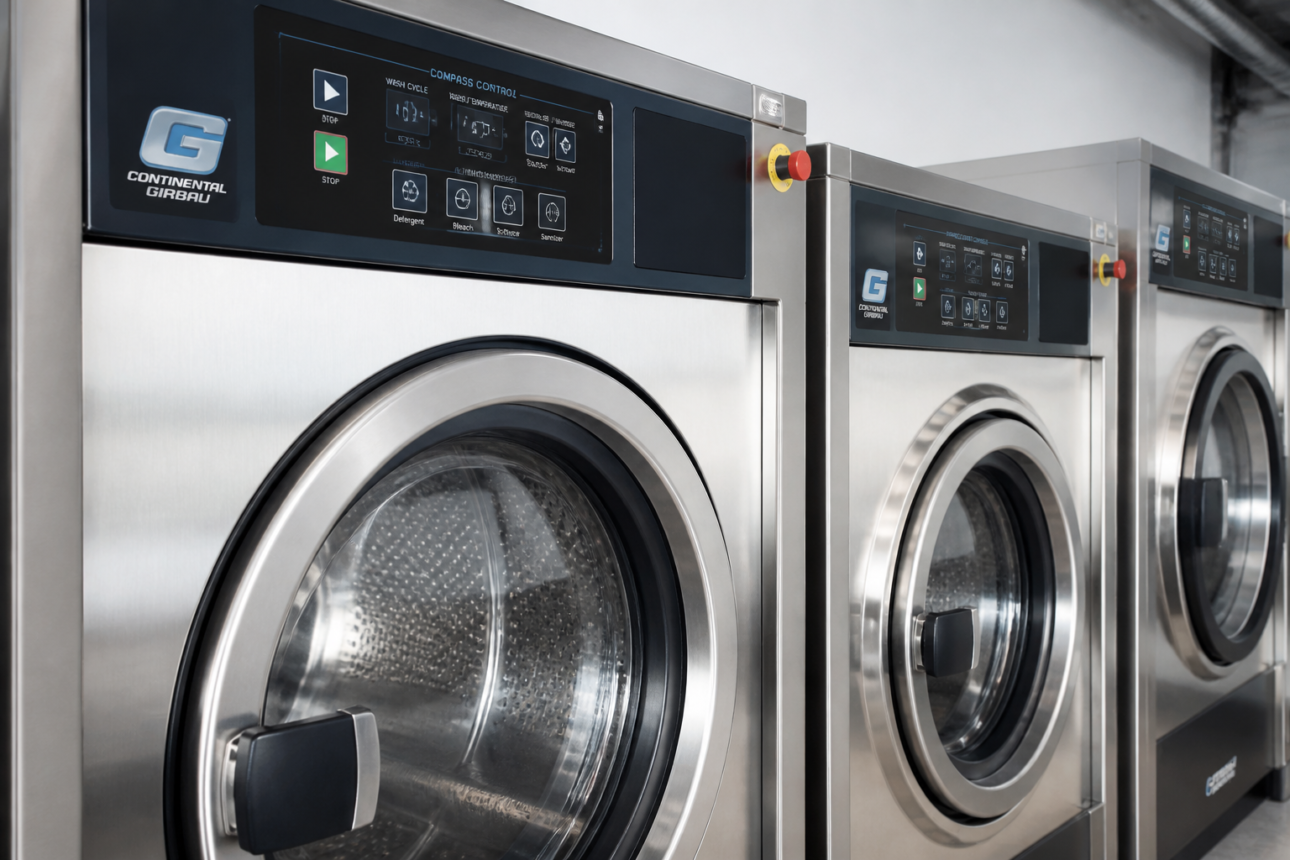
Machines are available in multiple load capacities. This allows you to match the machine size to the volume of your specific laundry load. You might use a small machine for everyday shirts or a massive, high-capacity drum for a heavy duvet.
Many modern locations feature automatic detergent and softener dosing. This innovation reduces the need for you to bring heavy jugs or worry about HE vs. regular detergent compatibility. The machine simply adds the right amount at the right time.
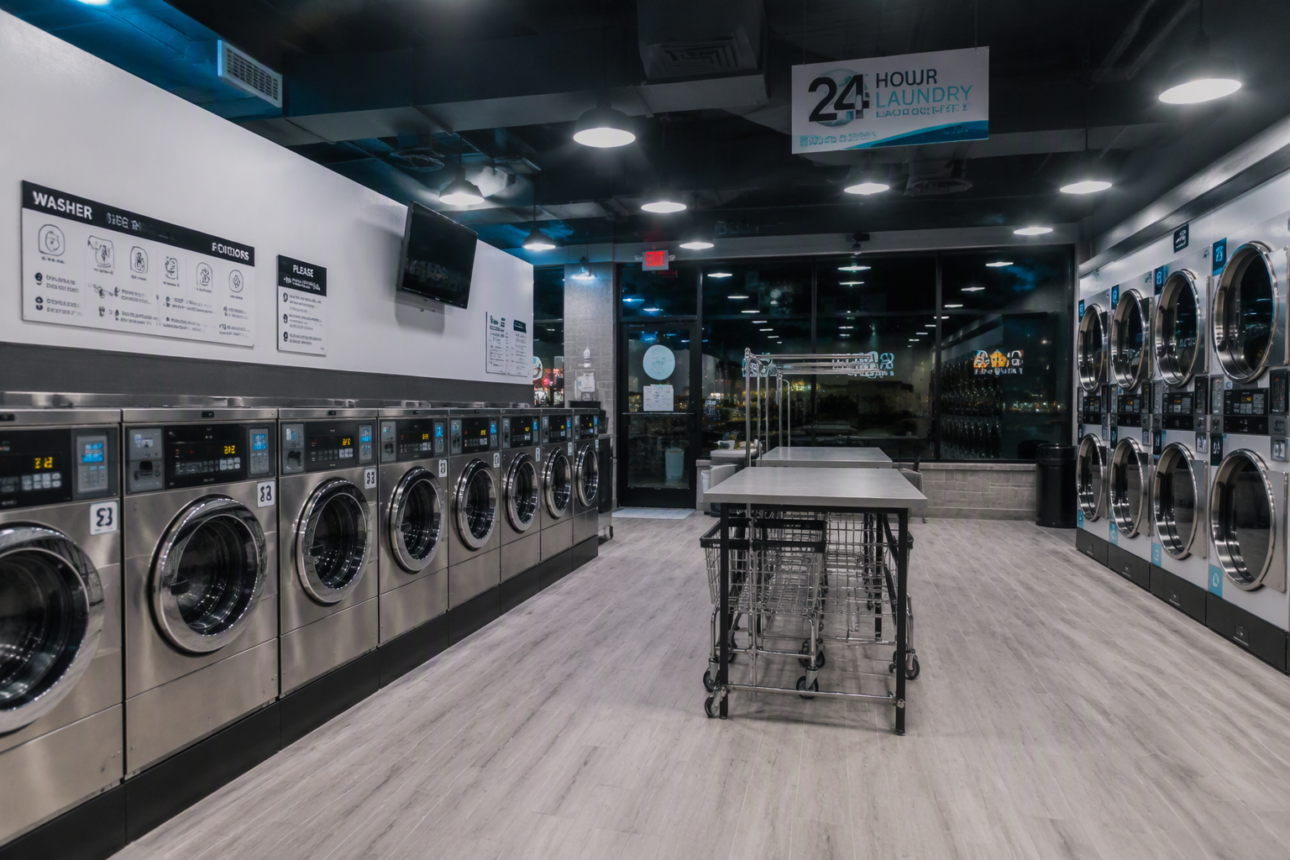
Facilities are typically designed with auxiliary infrastructure. You will often find designated seating areas and folding tables to facilitate a seamless 60-minute or less turnaround time. The environment is built to keep you comfortable while the machines handle the work.
Economic Benefits and Pricing Structure
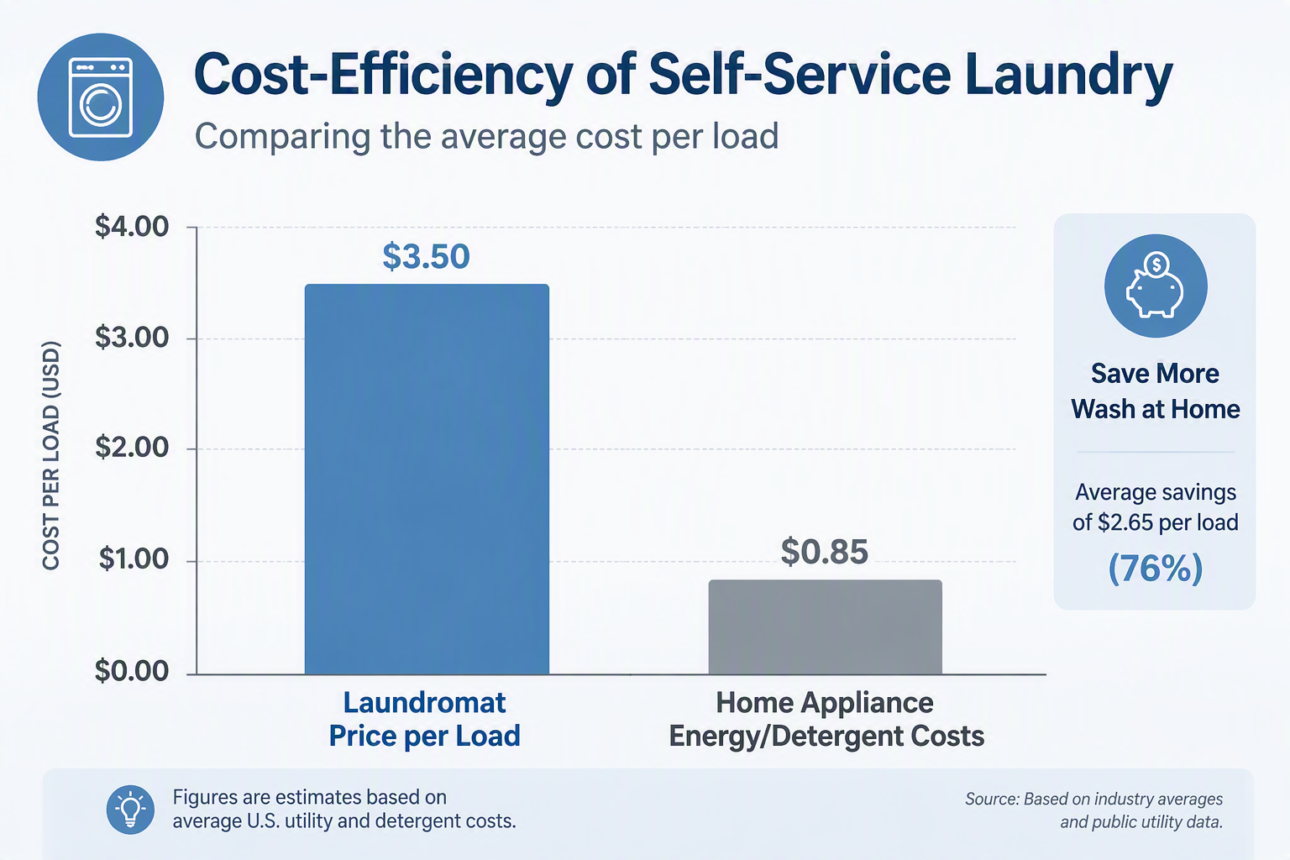
The absence of permanent, on-site staff helps reduce operational overhead. This translates into lower costs for you compared to full-service alternatives. Danube International notes that this lean staffing structure is why laundromats remain an affordable option for frequent users.
As of February 2023, standard pricing in Spain typically ranges from 3 to 5 euros per wash, with drying services billed as an additional, smaller transaction. Prices vary by region and machine size, but the pay-per-use logic stays the same. You only pay for what you actually use.
This model is considered highly efficient for users who need to wash heavy items like blankets. Large volumes of clothes that exceed standard domestic appliance limits are processed easily here. You save time by doing multiple loads simultaneously in different machines.
Accessibility and Operational Hours
A significant portion of self-service laundries operate 24 hours a day. This caters to students, professionals with non-traditional schedules, and night workers who need flexibility. Do Laundry notes that 24-hour access is a defining feature that helps these businesses meet the demands of an always-on urban culture.
Unlike professional dry cleaning services, these centers provide autonomy and speed. You are not waiting for a staff member to process your order. You can complete a full washing and drying cycle in under one hour, which is perfect for a busy afternoon.
Comparison: Laundromat vs. Home Laundry
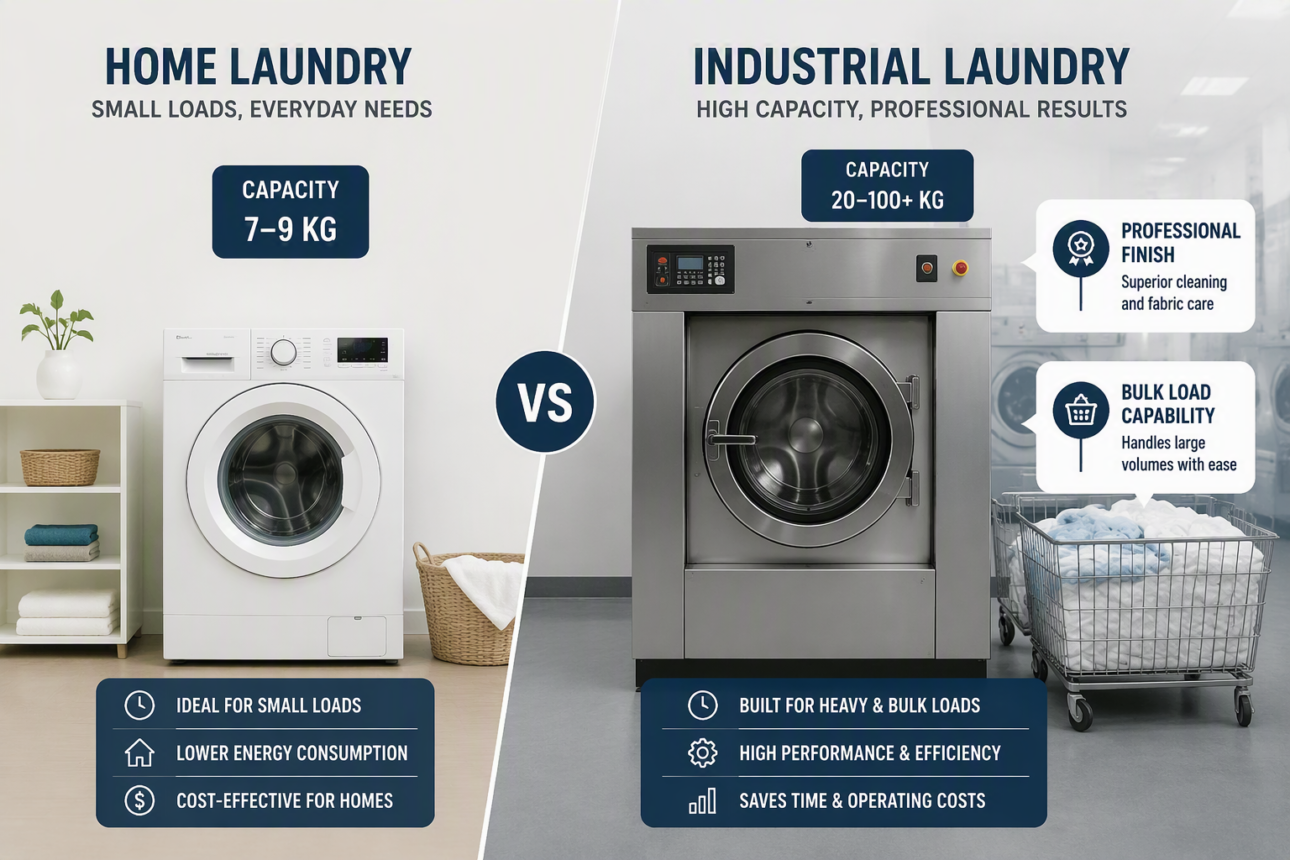
Laundromats offer an alternative to home washing for those living in smaller urban apartments. Installing a dedicated washer or dryer is often not feasible due to space or plumbing limits. Renting an apartment shouldn’t mean you lack the tools for clean clothes.
While home washing is convenient, industrial laundromat machines offer a more professional finish. They reach higher temperatures and have better agitation cycles than most residential units. If you are interested in outsourcing the labor entirely, you might also consider how wash and fold laundry services work.
Method
Operational Load
Staff Involvement
Cost Structure
Home Machine
Low to Medium
High (User)
Upfront cost + Utility
Laundromat
High (Industrial)
Minimal
Pay-per-use
Dry Cleaning
Specialty Only
Full Service
Per-item fee
FAQ
Q: What is the difference between a laundromat and a dry cleaner?
A laundromat is a self-operated facility where you handle standard machine-washable fabrics. A dry cleaner is a professional business where staff handle the entire cleaning process for delicate items. You go to a laundromat for speed and DIY, but you go to a dry cleaner for expert care of special garments that shouldn’t touch water.
Q: Are self-service laundries safe for all fabrics?
Most standard textiles and everyday clothing handle industrial cycles well. However, you must always check your clothing labels for washing instructions. Industrial machines are powerful, so they might be too rough for certain delicate materials or silk garments. Always read the instructions on the machine console before you start your load.
Q: How long does a service take?
You can usually finish a complete wash and dry cycle in 60 minutes or less. The speed depends on the load size and the specific machine program you select. Because industrial machines spin faster, they remove more water, which makes the drying portion of your visit much quicker than it would be at home.
Q: What machines are in a self service laundry?
They typically include industrial washing machines and dryers in various sizes. Some facilities also use automated dosing for detergents to simplify the process. These machines allow you to match your load volume to the right capacity. This ensures your clothes have enough room to tumble effectively and clean properly.
Q: Is self-service laundry cheaper than washing at home?
It can be cheaper for some users, particularly if you pay high utility costs at home or need to wash massive items. If you only run one small load, home washing might win. However, if you would otherwise run several small cycles or deal with expensive repair bills, the laundromat’s pay-per-use model is often more economical.
Q: Are self-service laundries open 24 hours?
Many facilities do operate 24 hours a day. This schedule is a major benefit for people with irregular shifts or students who prefer to visit during quieter hours. It is common enough to be a standard feature in many markets, but you should check the hours for your specific local branch.
My Experience With Self-Service Laundry: How It Works and When to Use One
I remember the first time I walked into a modern laundromat with a week’s worth of bedding. My home unit, a compact apartment washer, usually turned a simple chore into a two-day marathon. At the laundromat, I chose a massive industrial drum that swallowed my king-sized comforter without a struggle. It felt strangely liberating to watch the machine do the heavy lifting while I caught up on reading in the waiting area.
One expert insight I have learned is the importance of load balance. If you under-fill an industrial machine, it won’t spin correctly, and if you over-fill it, nothing gets clean. It’s a bit of a Goldilocks situation. I usually check the manufacturer’s fill line on the machine door to avoid a mid-cycle imbalance error—which is a loud, thumping mistake you only make once.
The best part is the efficiency. Getting out in under an hour means I can actually reclaim my Saturday. It’s not just about the cost; it’s about the mental space I get back. Have you ever tried a large-capacity machine for a bulky load that your home washer just couldn’t handle?
Conclusion
Self-service laundry provides a functional answer to modern cleaning needs. By using industrial machines on a pay-per-use basis, you gain speed and efficiency that residential appliances often lack. These spaces help you handle everything from weekly garments to oversized blankets with ease. With many locations offering 24-hour access and automated dosing, the process is simpler than ever. Whether you live in a small apartment or just have a large volume of laundry to process, these facilities are a reliable utility.
References
La Casa de la Colada. (n.d.). ¿Qué son las lavanderías autoservicio? https://lacasadelacolada.com/blog/qu%C3%A9-son-las-lavander%C3%ADas-autoservicio
Danube International. (n.d.). Ventajas de la lavandería autoservicio. https://www.danube-international.com/es/las-ventajas-de-la-lavanderia-autoservicio-eficacia-y-rentabilidad/
Lavalux. (n.d.). Toda la información acerca de las lavanderías autoservicio. https://lavalux.es/toda-la-informacion-acerca-de-las-lavanderias-autoservicio/
Idealista. (2023, February 3). Lavandería de autoservicio o lavar la ropa en casa. https://www.idealista.com/news/deco/consejos/2023/02/03/804147-lavanderia-de-autoservicio-o-lavar-la-ropa-en-casa-cual-sale-mas-rentable
Qonto. (n.d.). ¿Cómo montar y abrir una lavandería autoservicio? https://qonto.com/es/blog/creacion/empresa/como-montar-y-abrir-una-lavanderia-autoservicio
Se me va la Pinza. (n.d.). ¿QUÉ ES UNA LAVANDERÍA AUTOSERVICIO?. https://lavanderiasemevalapinza.com/que-es-una-lavanderia-autoservicio/
Leukos Architecture. (n.d.). Diseño y eficiencia en lavanderías. https://leukosarchitecture.com/proyectos/diseno-lavanderias-autoservicio/
Do Laundry. (n.d.). Modelos de negocio y horarios. https://dolaundry.es/ventajas-lavanderias-autoservicio/
Sarah Anderson . J
I’m the mom behind Wise Mom Blogger, where everyday creativity meets real-life motherhood. I share easy DIY crafts, cozy knitting and crochet projects, beginner-friendly sewing ideas, and family-tested recipes—plus quick baking hacks that make homemade feel doable on busy days.