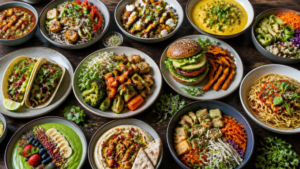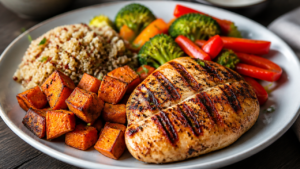
What makes a truly great vegan Buddha bowl stand out from every other meal you have tried in your kitchen? Whether you are planning a busy weeknight dinner or looking for a colorful lunch prep for work, a balanced vegan Buddha bowl provides sustained energy throughout the day. By combining whole grains, plant-based proteins, and seasonal vegetables, any home cook can assemble a delicious vegan Buddha bowl that actually satisfies your hunger. It is the kind of flexible, nutrient-dense bowl that makes healthy eating feel less like a chore and more like a treat.
Quick Questions and Answers
Question: Why are vegan Buddha bowls considered healthy? Answer: Vegan Buddha bowls are considered healthy because they combine whole grains, plant-based proteins, and a variety of fresh or roasted vegetables in one meal. This balance provides essential fiber, vitamins, and minerals while supporting digestion and sustained energy. The inclusion of nuts, seeds, and healthy dressings like tahini adds beneficial fats and nutrients that improve overall satiety and provide long-lasting fuel.
Question: Can you make a Buddha bowl without tofu? Answer: Yes, you can make a Buddha bowl without tofu by using other plant-based proteins like chickpeas, edamame, seitan, or beans. Many recipes specifically feature roasted chickpeas or steamed edamame as the primary protein source. Legumes and beans are excellent alternatives that provide similar nutritional benefits without requiring tofu, making them a very reliable, shelf-stable choice for your pantry.
Question: Do Buddha bowls need to be served warm? Answer: Buddha bowls do not need to be served warm; the base of rice or whole grains can be served either cold or warm depending on preference. Many ingredients like roasted sweet potatoes and broccoli are typically served warm, while fresh greens, avocado, and sprouts are often added chilled. You can easily customize the temperature of each component to suit your personal taste at any time of year.
Ingredients to Have on Hand
| Option | Best For | Cooking Time | Key Benefit |
|---|---|---|---|
| Quinoa | Complete protein | 15 minutes | Quick prep |
| Brown Rice | Hearty base | 35-40 minutes | Fiber-dense |
| Buckwheat | Gluten-free | 15 minutes | Unique texture |
| Rice Noodles | Light lunches | 8-10 minutes | Rapid soaking |
Aside from your base, stock up on protein like chickpeas, which are wonderful when roasted or added to 12 Easy Summer Dinner Ideas the Whole Family Will Love, or edamame. For roasted items, sweet potatoes and butternut squash provide a reliable sweetness, while broccoli offers a deep, savory crunch. Fresh additions like shredded red cabbage, sliced avocado, or pomegranate seeds provide necessary color and snap. Dressings are the engine behind the flavor; tahini paste, high-quality peanut butter, or fresh lemon vinaigrettes will save a bowl that might otherwise feel bland.
Step-by-Step Assembly
Step 1: Preheat the Oven for Roasted Components

Set your oven to 400°F (or 200°C) to ensure a consistent heat that caramelizes the exterior of your vegetables. Spread your diced sweet potatoes and broccoli florets across a large sheet pan in a single layer, ensuring they have room to breathe. According to Nora Cooks, overcrowding the pan creates steam instead of the desired charred edges that define a great roast. If you are also roasting chickpeas, make sure they are thoroughly dried before hitting the pan to ensure they turn crispy rather than mushy.
Step 2: Cook the Grain Foundation

Boil your chosen grain according to the water-to-grain ratio on the package. If you opt for quinoa as noted by Eat With Clarity, you are looking at a 15-minute cook time, while brown rice will demand closer to 40 minutes on the stove. Use vegetable broth instead of plain water to infuse the grain with deeper savory notes right from the start. Once finished, fluff the grain with a fork and let it sit covered for a few minutes; this prevents the texture from becoming gummy or overly dense.
Step 3: Prepare Fresh Toppings and Greens

Slice your avocados and grate fresh carrots while your grains finish in the pot. For hearty greens like kale, remove the tough stalks and chop the leaves into bite-sized pieces. Pour a small amount of olive oil and a squeeze of lemon juice directly onto the greens and massage them until they turn dark green and tender. This step, mentioned by the experts at Vikalinka, effectively kills the bitter edge often found in raw kale and makes the texture much softer.
Step 4: Whisk a Creamy Dressing
The dressing links your flavor profile together. If your base is tahini, start with the paste and lemon juice in a small glass jar or bowl. Slowly stream in warm water, one teaspoon at a time, while whisking constantly. You are looking for a pourable, creamy consistency. If you prefer a lighter profile, a simple lemon vinaigrette or a How to Make Sautéed Swiss Chard with Chickpeas: A 15-Minute Healthy Side approach can also work well, using the liquid from your chickpea can as a binder if needed.
Step 5: Arrange and Assemble the Bowl
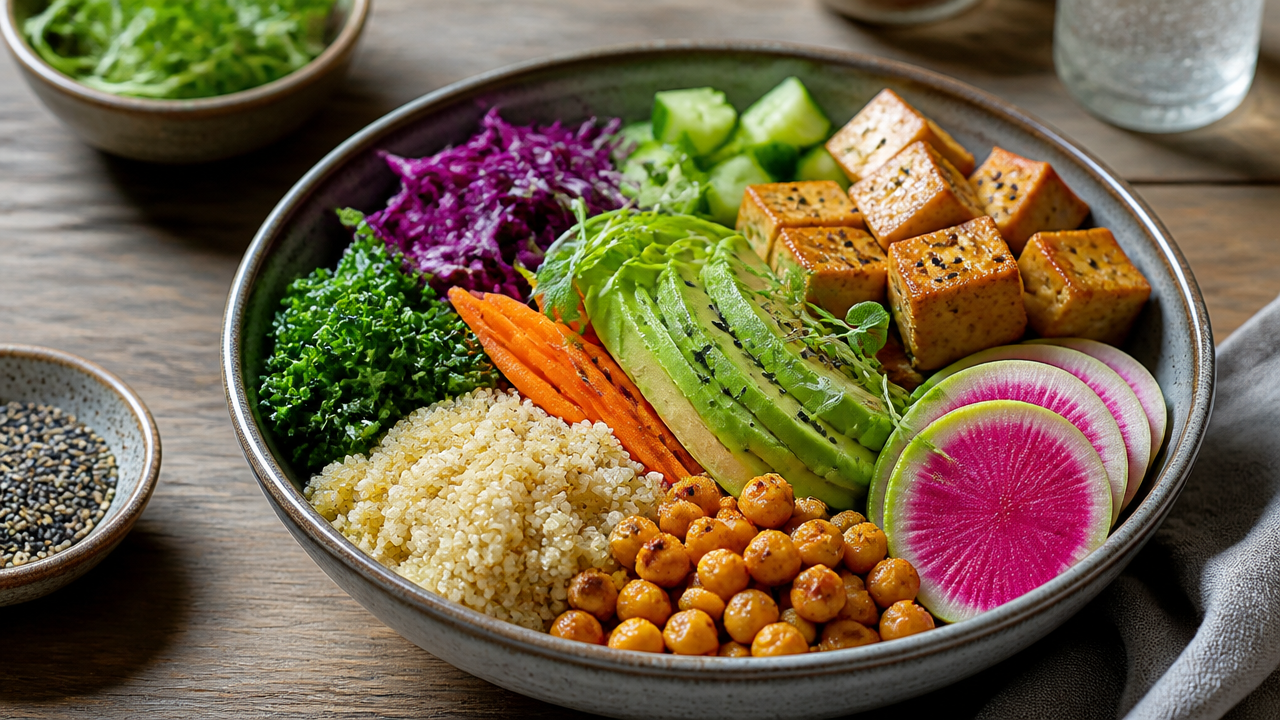
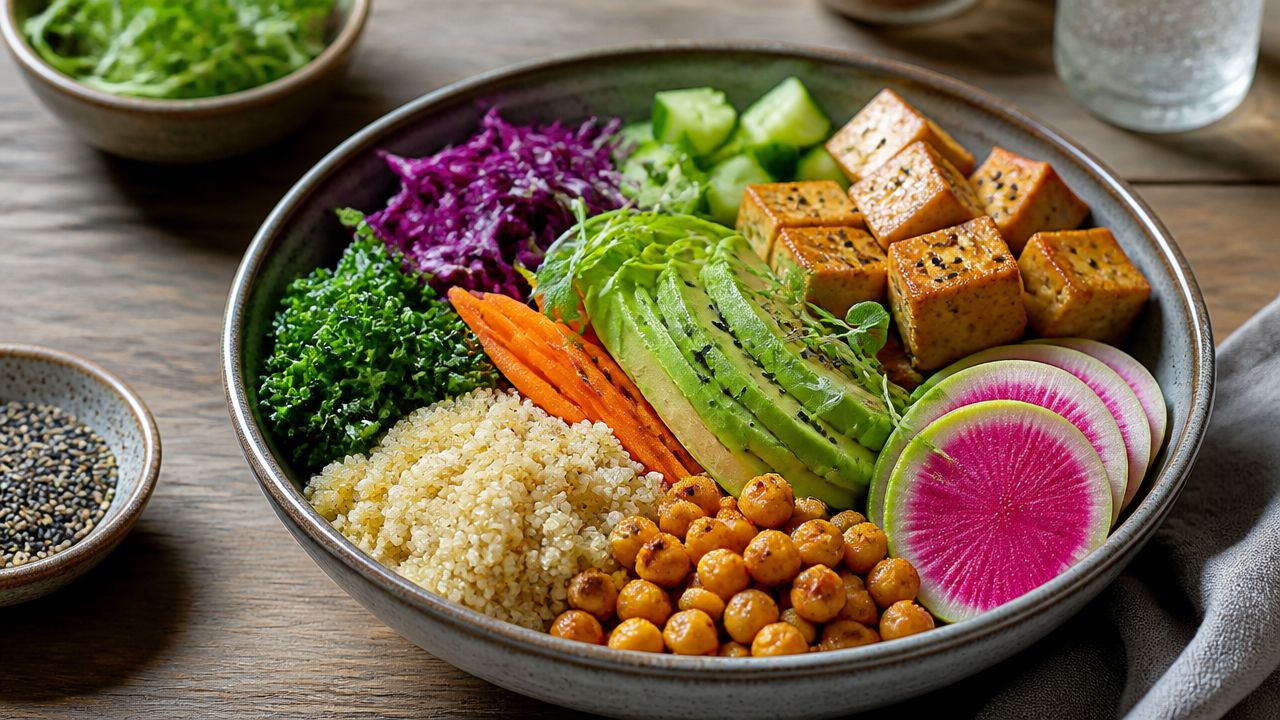
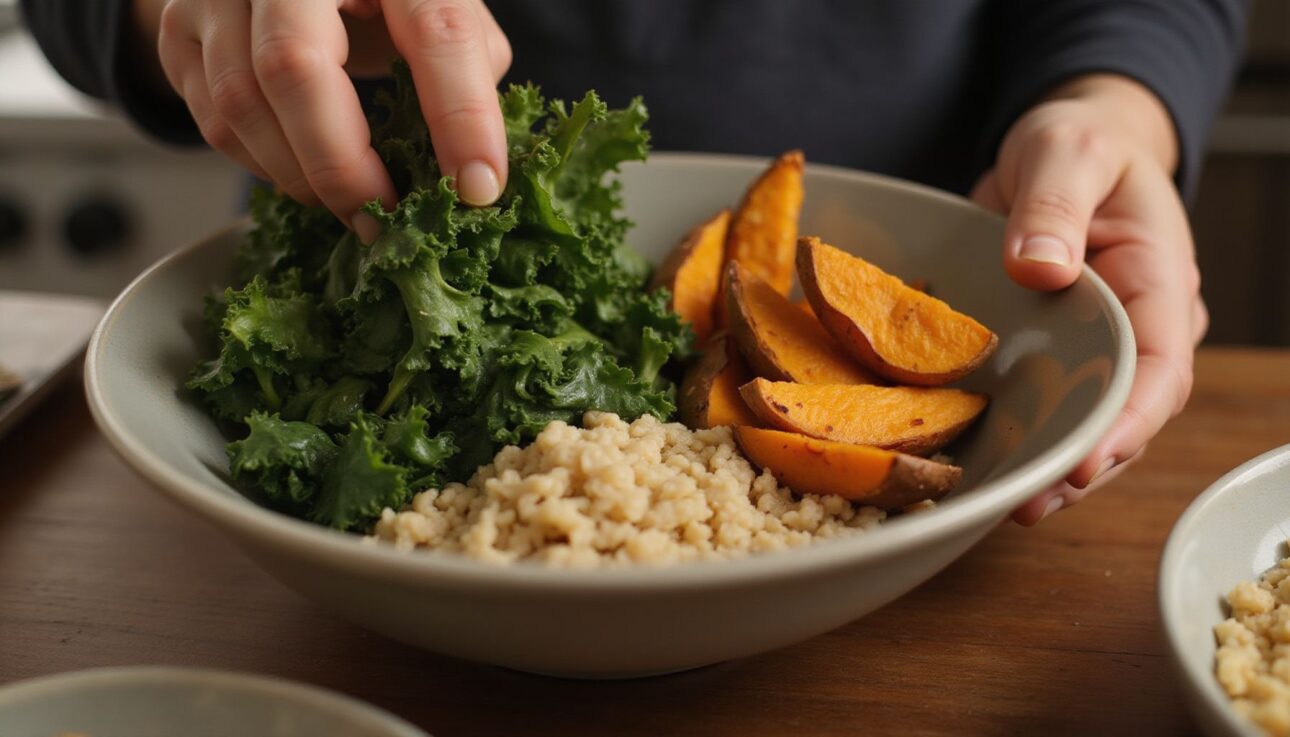
Start by placing a generous scoop of your prepared grain into the base of each bowl. Arrange your protein and roasted vegetables in distinct clusters on top of the grain, rather than mixing them all together immediately. Place your fresh vegetables and avocado slices into their own dedicated spots to create a vibrant, segmented look. This presentation, often seen in 8 Healthy Acai Bowl Recipes Everyone Will Love, allows you to enjoy the unique flavor of each component while still getting a balanced bite in every spoonful.
Common Mistakes to Avoid
Overcrowding the baking sheet is the most frequent reason people struggle with texture. If the vegetables are piled on top of each other, they will simply soften in the steam created by their own trapped moisture. Give them space. Another issue is using bland, unseasoned grains. A report from the Harvard T.H. Chan School of Public Health emphasizes that whole grains are the bedrock of any healthy, nutrient-packed dish, so seasoning those grains during the boil with a pinch of sea salt or a bay leaf pays off later. Finally, avoid skipping the massage step for kale, as it truly changes the experience of the raw greens from tough and fibrous to tender and pleasant.
Troubleshooting Your Bowl
Does your bowl feel like it is lacking brightness? This is a classic sign of under-seasoning. A splash of apple cider vinegar or freshly squeezed lemon juice can wake up all the components instantly. If your tahini-based dressing seems to have “broken” or separated during mixing, just add a tiny bit more warm water and whisk vigorously again; it usually comes back together. For soft tofu, ensure you dedicate time to pressing it between paper towels or a clean kitchen cloth for at least 20 minutes before it touches the heat of your frying pan.
FAQ
Q: Are Buddha bowls good for meal prep?
Buddha bowls are excellent for meal prep because you can cook the grains, roast vegetables, and prepare proteins in advance. Many recipes suggest dividing rice into meal prep containers and topping them with ingredients that can be stored separately or assembled later. The components often hold up well for several days, making them a practical choice for weekly lunches.
Q: How long does it take to make a Buddha bowl?
Making a Buddha bowl typically takes 45 to 60 minutes, including cooking time for grains and roasting vegetables. For example, roasting sweet potatoes and broccoli takes about 20–25 minutes, while cooking rice or quinoa takes 15–40 minutes depending on the grain. Preparing the dressing and assembling the bowl adds another 10–15 minutes of active kitchen work.
Q: What is the best base grain for a Buddha bowl?
The best base grains for a Buddha bowl include brown rice, quinoa, and other whole grains. Brown rice is a popular choice that can be served warm or cold, while quinoa offers a complete protein profile and cooks relatively quickly. Any whole grain that fits your dietary needs works well as a nutritious and filling foundation for all your other toppings.
Q: Is tahini dressing vegan for Buddha bowls?
Yes, tahini dressing is vegan for Buddha bowls because it is made from tahini paste (ground sesame seeds), lemon juice, garlic, and water. Some recipes may include optional nutritional yeast, but the core ingredients are entirely plant-based. It provides a creamy, nutty flavor that pairs well with roasted vegetables and grains, acting as a perfect dairy-free substitute for creamy sauces.
Q: Which vegetables work best in a vegan Buddha bowl?
Vegetables that work best include sweet potatoes, broccoli, kale, cabbage, carrots, and avocado. Roasted options like sweet potatoes and butternut squash add warmth and sweetness, while fresh greens like kale and cabbage provide crunch and nutrients. Seasonal vegetables and sprouts are also recommended to keep the final bowl fresh and colorful throughout the different seasons of the year.
Q: Will a Buddha bowl keep me full for hours?
A Buddha bowl will keep you full for hours because it combines complex carbohydrates from whole grains, protein from beans or tofu, and healthy fats from nuts or avocado. This combination provides sustained energy and prevents quick blood sugar spikes. The high fiber content from vegetables and grains also supports digestion and general feelings of fullness after your meal.
Q: What sauce goes best with a vegan Buddha bowl?
Peanut sauce and tahini dressing are among the best sauces for a vegan Buddha bowl. Peanut sauce adds a rich, creamy nutty flavor, while tahini dressing offers a tangy, sesame-based taste that complements roasted vegetables. Lemon tahini and red pepper dressings are also popular choices that enhance the bowl’s overall flavor profile, ensuring your meal never feels repetitive or plain.
Next Steps: Customizing Your Bowl
Change your bowl based on what is in season. If you are moving toward autumn, swap the summer zucchini for hearty roasted beets or parsnips. When spring arrives, lean into radishes, cucumbers, and fresh garden peas for a lighter, crunchier experience. You can also boost the nutrient density by adding hemp hearts or sunflower seeds, which are great for adding texture without requiring extra cooking.
Recipe Card
Perfectly Balanced Vegan Buddha Bowl
A wholesome, protein-rich, and fiber-packed vegan bowl featuring roasted veggies, fluffy grains, and a creamy lemon-tahini dressing.
Prep: 15 minutesCook: 35 minutesTotal: 50 minutesYield: 2 servingsCategory: Lunch/DinnerCuisine: Plant-Based
Ingredients
- 1 cup cooked quinoa or brown rice
- 1 cup sweet potato, cubed
- 1 cup broccoli florets
- 1 can (15oz) chickpeas, drained and rinsed
- 2 cups kale, chopped
- 1/2 avocado, sliced
- 1/4 cup shredded red cabbage
- 3 tbsp tahini
- 1 tbsp lemon juice
- 1 tsp maple syrup
Instructions
- Preheat your oven to 400°F and roast the sweet potato and broccoli with a drizzle of oil for 25 minutes.
- Cook your grain of choice according to the package directions.
- Massage the kale with a dash of lemon juice and oil until soft.
- Whisk the tahini, lemon juice, maple syrup, and a splash of warm water until smooth.
- Assemble the bowl by layering the grains, roasted vegetables, chickpeas, and fresh toppings.
- Drizzle the dressing over the top and serve immediately.
Nutrition Info (per serving)
| Calories | 480 |
| Protein | 16g |
| Carbs | 62g |
| Fat | 19g |
| Fiber | 12g |
| Sugar | 6g |
| Sodium | 320mg |
Notes
- You can store components in separate containers for up to 4 days.
- Ensure chickpeas are dry before roasting to guarantee a crunch.
My Experience With Vegan Buddha Bowl Recipe
I remember the first time I tried to assemble a Buddha bowl—I treated it like a salad, just dumping everything into a giant pile. Needless to say, it turned into an unrecognizable, beige mess that sat in my fridge for three days. The real secret I learned is the architecture. If you don’t cluster the ingredients, you lose the texture contrast, which is essentially the entire point of the meal. I’ve found that massaged kale is a non-negotiable step; if you skip it, you are basically eating sandpaper. My biggest expert takeaway? Focus on the dressing’s temperature. Using slightly warm water to thin out the tahini creates a creamy, velvety emulsion that cold water just can’t replicate. It makes the whole bowl feel like a restaurant-quality meal rather than leftovers. I also learned to stop trying to force every single topping into one bowl. Keep it to 4 or 5 focus items so you can actually taste the nuance of the roasted sweet potato against the crunch of the raw cabbage. It’s a rhythmic, meditative process once you get the hang of it. Do you have a favorite vegetable combination that you always reach for?
Conclusion
Creating a vegan Buddha bowl is less about a strict rubric and more about building a balance of flavors and textures that you actually want to eat. By keeping your grain base, a reliable protein, and a mix of roasted and fresh produce in your kitchen rotation, you have a functional meal ready to go at any time.
References
- Nora Cooks. (n.d.). My Favorite Buddha Bowl. https://www.noracooks.com/vegan-buddha-bowl/
- Eat With Clarity. (n.d.). Best Vegan Buddha Bowl. https://eatwithclarity.com/ultimate-vegan-buddha-bowl/
- Vikalinka. (n.d.). Vegan Buddha Bowl. https://vikalinka.com/vegan-buddha-bowl/
- Simple Green Recipes. (n.d.). Vegan Buddha Bowl. https://www.simplegreenrecipes.com/vegan-buddha-bowl/
- Sweet Potato Soul. (n.d.). Everyday Buddha Bowl Recipe. https://sweetpotatosoul.com/everyday-buddha-bowl/
- Harvard T.H. Chan School of Public Health. (n.d.). Whole Grains. https://www.hsph.harvard.edu/nutritionsource/what-should-you-eat/whole-grains/

Sarah Anderson . J
I’m the mom behind Wise Mom Blogger, where everyday creativity meets real-life motherhood. I share easy DIY crafts, cozy knitting and crochet projects, beginner-friendly sewing ideas, and family-tested recipes—plus quick baking hacks that make homemade feel doable on busy days.