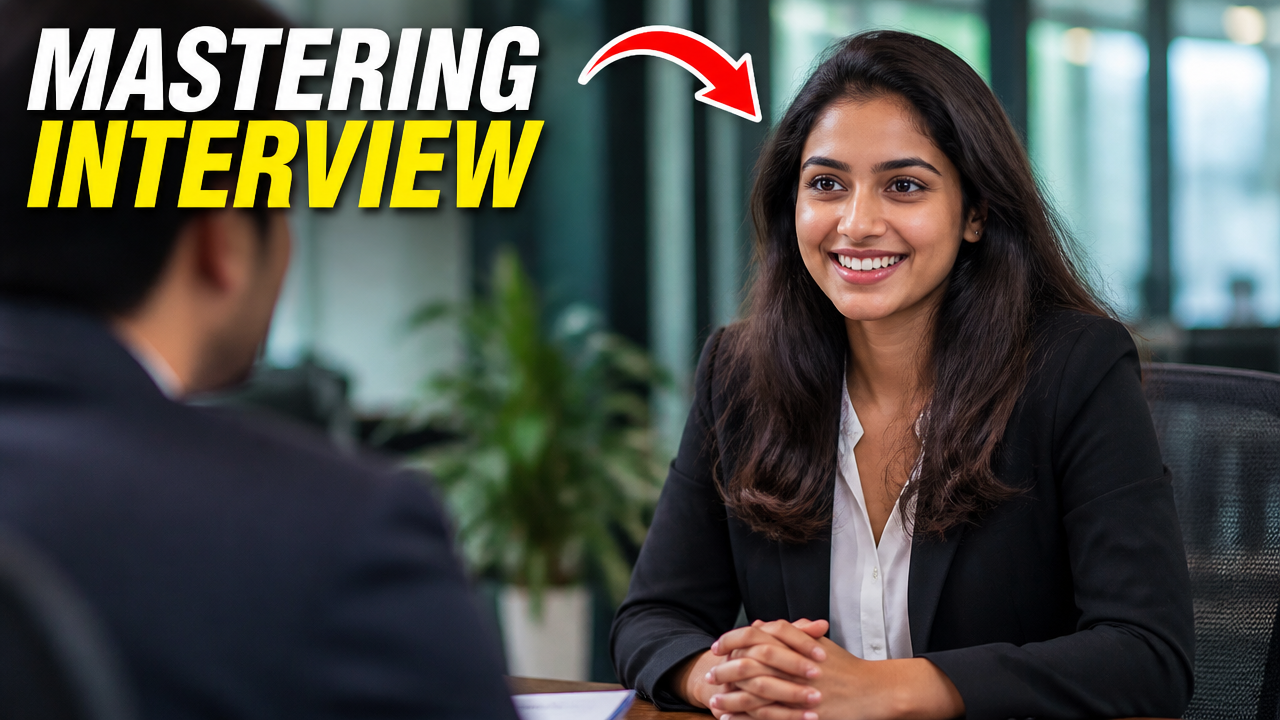
What makes a truly great interview preparation routine stand out from every other standard approach you have tried? Successfully mastering interview questions involves more than just reciting answers; it requires a blend of intentional practice, genuine self-reflection, and clear communication of your professional value. Whether we are preparing for a local office role or looking into Easiest Remote Jobs to Get: Skills, Pay, and Realistic Entry Requirements, the right preparation makes all the difference during the job hunt. Consistent preparation allows you to enter the room with confidence, knowing you have the evidence to back up your claims. Let us break down the process into actionable steps to get you ready for your next big conversation.
Quick Questions and Answers
Question: How do I prepare for common interview questions?
Answer: Start by reviewing the job description and matching each requirement to a real example from your experience. Then practice answering likely questions out loud using a structure like STAR so your answers stay clear and focused. The UC Davis Career Center recommends preparing several stories from different experiences, not just one type of job example to ensure you are ready for any prompt.
Question: What is the STAR method in interviews?
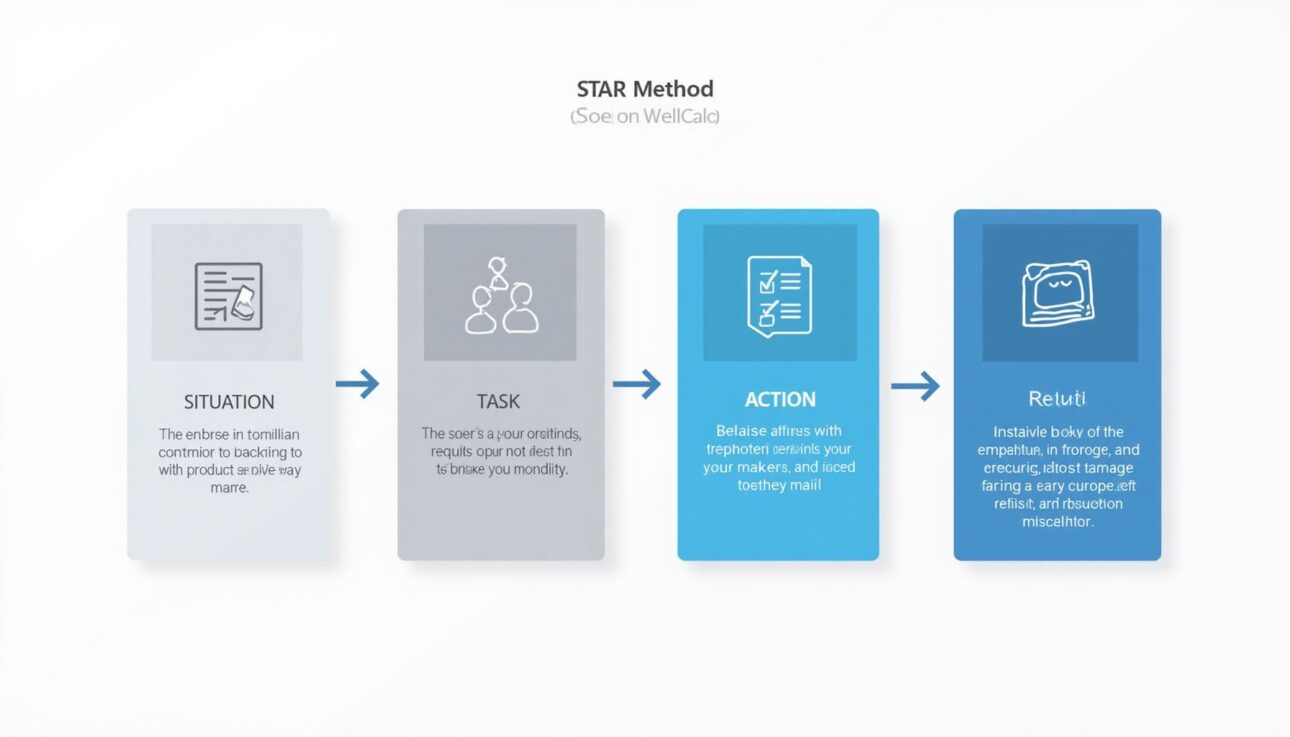
Answer: STAR stands for Situation, Task, Action, and Result. It helps you answer behavioral questions by giving context, explaining your responsibility, describing what you did, and ending with the outcome. Multiple sources recommend it because it makes answers more organized and credible, ensuring you highlight your personal contributions rather than just team efforts.
Question: Why do interviewers ask behavioral questions?
Answer: Behavioral questions are designed to reveal how you handle real problems, teamwork, leadership, failure, and decision-making. Instead of asking what you would do, interviewers want evidence of what you have done. These questions often probe communication, initiative, flexibility, and problem-solving to see how you perform in high-pressure scenarios.
Key Takeaways
Use the STAR method to structure your responses for clarity and impact.
Extract specific prompts directly from the job description to build your stories.
Prioritize honesty when discussing weaknesses to build genuine rapport.
What You Need
Item
Purpose
Notes
Job Description
Source material
Maps your skills to the role requirements
Experience Bank
Story repository
5-7 stories covering work, school, and volunteering
Research Notes
Context
Salary ranges and company culture data
Prepared Questions
Engagement
6 questions ready to show your interest
Step 1: Analyze the Job Description
Start by pulling key responsibilities and required skills directly from the text of the job description. I look for specific keywords like “project coordination” or “data analysis” because these indicate exactly what the hiring manager needs solved.
Convert these requirements into potential “Tell me about a time” prompts. If the job lists conflict resolution, I prepare a story about a specific time I navigated a disagreement. Tailor every answer to demonstrate how your specific skills solve the company’s current challenges rather than just reciting your resume.
Step 2: Formalize Your Stories with the STAR Method
Situation provides the context for your story. Keep this brief so the listener does not get lost in the details. Identify the Task you were responsible for in that situation. This shows your level of accountability in a given project.
Action describes the specific steps you took to move forward. Use “I, me, and my” to own your individual contributions. The Result is your chance to shine; quantify your impact with metrics or clear improvements to show you deliver outcomes.
Step 3: Master the Tricky Questions
When asked about weaknesses, acknowledge a genuine area for development while explicitly describing the strategies you are using to grow. One resource notes that disguising a strength as a weakness—like “I work too hard”—often sounds insincere.
Connect your personal values to the mission or culture of the organization when asked why you want the job. For salary questions, research market rates beforehand. This ensures you speak to data rather than guessing at a number that might be too high or low.
Step 4: The Final Polish
Practice these stories aloud until they feel natural. If you have been browsing Amazon Work From Home Jobs: A Complete Guide to Remote Positions and Pay, you know that clear communication is vital when you are not in the same physical room. Speaking helps you trim jargon and filler words that clutter your message.
Start the interview with clear gratitude and enthusiasm. At the wrap-up, select 3 or 4 of your prepared questions to ask the interviewer. Focus on asking about the next steps in the hiring process to show you are serious about moving forward.
Mistakes to Avoid
Disguising a strength as a weakness is a common trap because it signals a lack of self-awareness. Avoid venting about former employers or colleagues during the interview. Always frame past conflicts through the lens of resolution and learning rather than personal frustration or blame.
General, vague claims like “I am a hard worker” carry little weight on their own. Replace these statements with specific, evidence-backed anecdotes from your experience bank to prove your value. Hiring managers see through empty buzzwords every time.
Troubleshooting: What if You Get Stuck?
If you hit a question you did not prepare for, take a 3-5 second pause. Using the STAR components helps you structure your thoughts mentally on the fly. It is perfectly acceptable to ask for a moment to think or to circle back to a question if you need more time to compose a solid answer.
Should you feel you are not talking enough, pivot back to the job description. Reiterate the specific needs of the role and link your past experience back to how you can fulfill those requirements. This keeps the conversation anchored to the employer’s needs.
FAQ
Q: Should I mention my struggles?
Yes, when asked about weaknesses or failures, keep the focus on lessons learned and current improvement. Addressing a real challenge demonstrates that you have the self-awareness to grow and adapt. It shows you hold yourself accountable for your professional development.
Q: What if I talk too long?
Use the Result portion of your STAR story as a natural stopping point to invite the interviewer back into the conversation. If you notice you are getting deep into the weeds, pause and check if the interviewer has any follow-up questions or needs more specifics.
Q: How many questions should I prepare?
Prepare 6 total, but expect to ask only 3 or 4 depending on the time allotted by the interviewer. Having a handful provides a buffer if some of your concerns are answered during the discussion.
Q: What should I say about my weaknesses?
Name a legitimate area for improvement, then explain what you are doing to get better. This shows you are proactive about your skills. Avoiding the question or being dishonest will hurt your credibility.
Q: How do I make my interview answers sound better?
Focus on using concrete examples, speaking in the first person, and choosing results you can quantify. Quantifiable data shows that you understand the impact of your work. Practicing aloud prevents you from sounding scripted.
Q: What is the expected result of interview preparation?
The ultimate goal is to enter the room with clear stories and a structured approach. This preparation builds confidence, ensures you share the right examples, and helps you communicate professionally. You will find that you are more capable of handling unexpected inquiries when your core stories are rock solid.
My Experience With Mastering Interview Questions: A Complete Guide to Success
I once walked into an interview convinced I had every base covered, only to blank out entirely when asked about a time I failed. My knee-jerk reaction was to downplay the failure, which was a huge mistake. The interviewer wasn’t looking for perfection; they were looking for evidence of my decision-making process. That day taught me that transparency is a massive competitive advantage.
I started building my “experience bank” shortly after that. It isn’t just about listing roles; it’s about collecting evidence. I treat my career like an archive—identifying the specific moments where I solved a real problem. One expert insight I’ve found is that the “Result” part of the STAR method is often under-leveraged. Most people explain what they did, but they fail to explain the downstream effect. Linking my action to a specific revenue increase or a saved hour of work for the team changed my conversion rate significantly. It’s a simple shift, but it changes how you appear to a hiring manager: you go from being a candidate who knows how to work to someone who knows how to impact the business. What is the one interview question that consistently gives you the most trouble?
References
LinkedIn. (n.d.). Mastering Interview Questions: How to Answer Every Type Like a Pro. LinkedIn Pulse. https://www.linkedin.com/pulse/mastering-interview-questions-how-answer-every-type-like-pro-egfbe
UC Davis Career Center. (n.d.). Interview Questions and How to Prepare. UC Davis. https://careercenter.ucdavis.edu/interviews-and-offers/questions-and-prep
Indeed. (n.d.). Common Interview Questions and How To Answer Them. Indeed Career Advice. https://www.indeed.com/career-advice/interviewing/top-interview-questions-and-answers
Pegasus Bookstore. (n.d.). How to Answer 112 Top Job Interview Questions: A Complete Guide to Interview Mastery. https://www.pegasusbookstore.com/book/9798872458524
Goodreads. (n.d.). Job Interview Questions and Answers: The Complete Process for Interview Preparation!. https://www.goodreads.com/book/show/48752632-job-interview-questions-and-answers
Sarah Anderson . J
I’m the mom behind Wise Mom Blogger, where everyday creativity meets real-life motherhood. I share easy DIY crafts, cozy knitting and crochet projects, beginner-friendly sewing ideas, and family-tested recipes—plus quick baking hacks that make homemade feel doable on busy days.