Have you ever wondered if your favorite fast-food order carries hidden risks like Cyclospora, or if concerns about food safety apply to all fresh produce you enjoy? Understanding how Cyclospora impacts public health helps you make informed choices during summer picnics or weekday dinners. While outbreaks often dominate headlines, the specific link between major restaurant chains and foodborne illness is usually tied to individual supply chain issues rather than the brand itself. Whether you are planning a backyard barbecue or choosing a quick lunch, knowing how to spot risks prevents unnecessary worry. By prioritizing fresh, properly washed ingredients and staying updated on safety recalls, you can keep your kitchen, your family, and your diet on track.
Quick Questions and Answers
Question: Why is Taco Bell linked to Cyclospora outbreak?
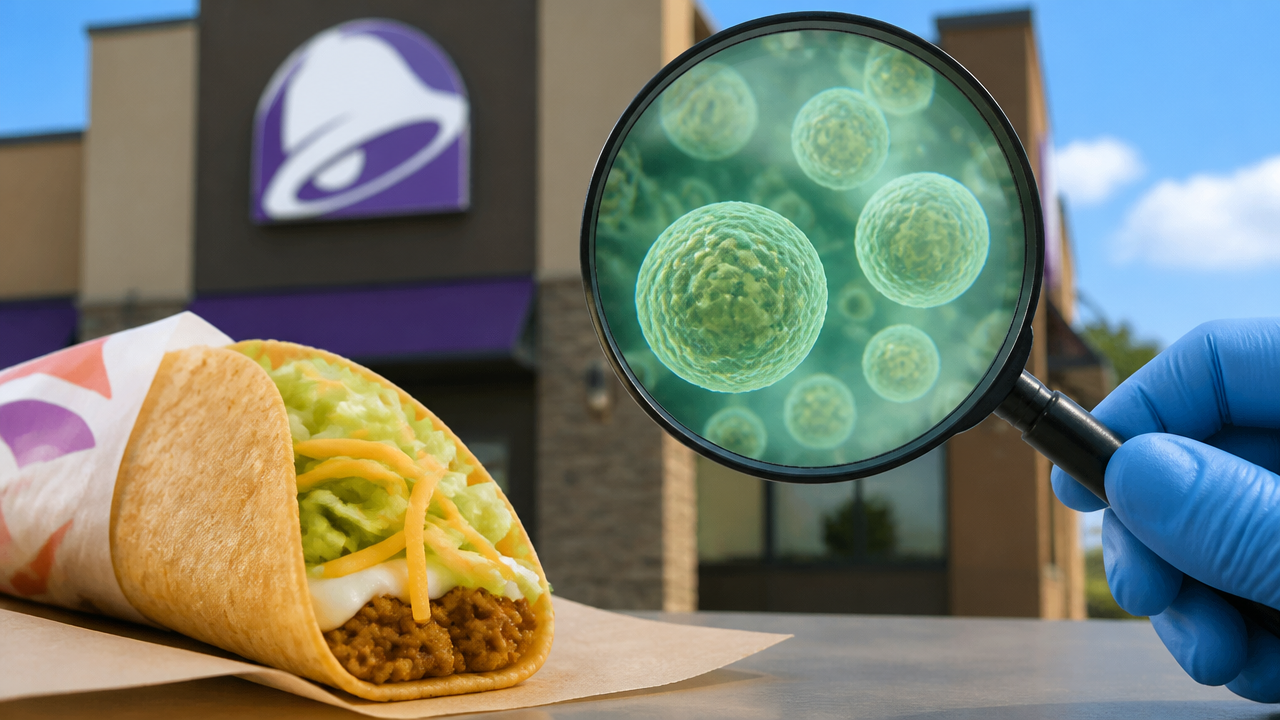
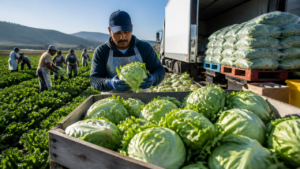
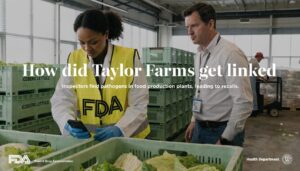
Answer: Taco Bell is linked because federal investigators identified shredded iceberg lettuce from a Mexican supplier, Taylor Farms, used at Taco Bell locations in five states as the source of a Cyclospora outbreak. The CDC confirmed that epidemiologic and traceback data show this lettuce is contaminated with the parasite and making people sick.
Question: Can you still eat lettuce at Taco Bell safely?
Answer: The CDC recommends that people do not eat any shredded iceberg lettuce from Mexico served at Taco Bell locations in Indiana, Kentucky, Michigan, Ohio, and West Virginia due to contamination. Taco Bell has voluntarily removed potentially impacted lettuce from its supply chain nationwide to ensure safety.
Question: Do Taco Bell customers get sick from Cyclospora?
Answer: Yes, at least 1,644 people infected with Cyclospora have reported exposure to Taco Bell locations in five states, with illnesses starting between May 13 and July 13, 2026. The outbreak has caused 94 hospitalizations and no reported deaths.
Key Takeaways
Cyclospora is a microscopic parasite, not a bacterium or virus, that primarily impacts the small intestine.
Contaminated fresh, raw produce is the most common transmission vehicle, rather than cooked proteins or processed goods.
Symptoms, such as watery diarrhea, typically appear one week after exposure, but can take up to two weeks to manifest.
Always check official FDA and CDC recall notices when public health alerts are issued for specific produce items like lettuce or cilantro.
Proper washing and food handling practices at home remain your primary defense against foodborne parasitic infections.
Cyclospora Infection: Definition and Biological Background
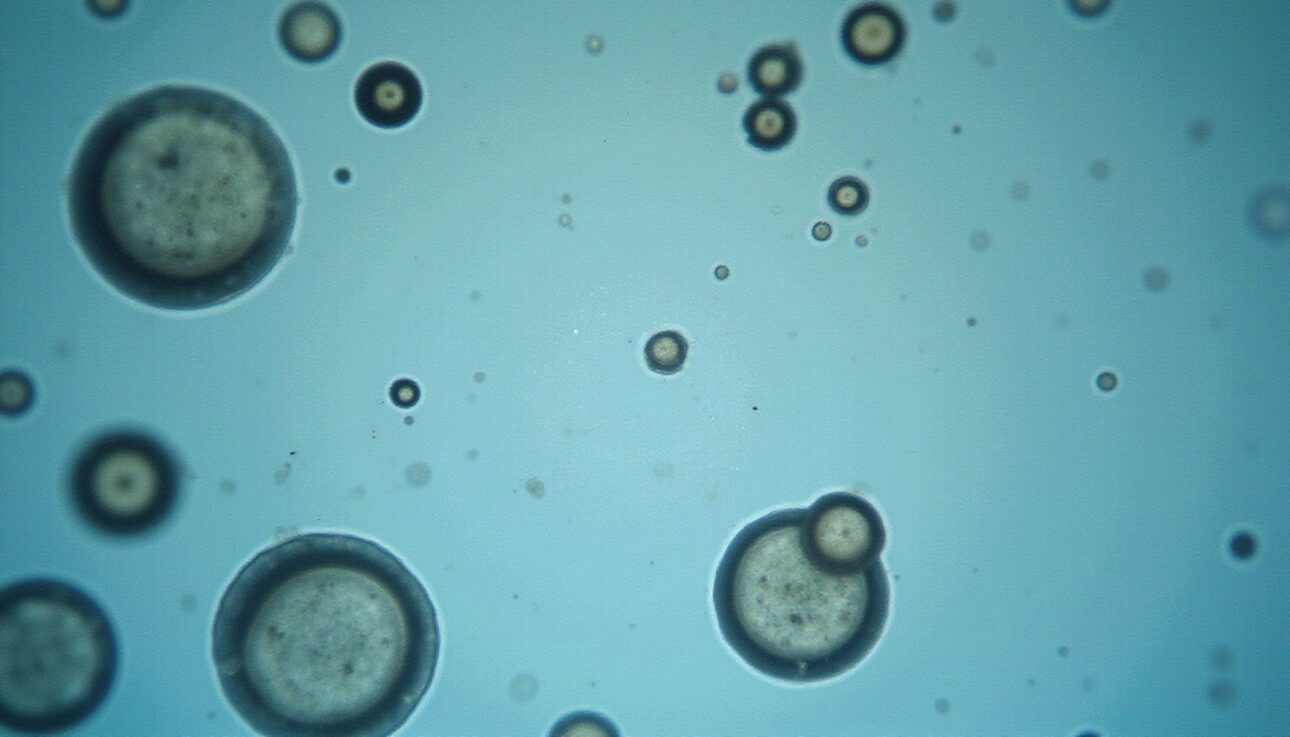
Cyclosporiasis is a specific intestinal illness brought on by the microscopic parasite Cyclospora cayetanensis. Because it is single-celled and extremely small, you cannot see it without high-powered laboratory equipment. According to the Centers for Disease Control and Prevention, the parasite enters your system through the ingestion of water or food that carries the oocysts.
Once inside your body, the parasite settles primarily in the small intestine. It disrupts the normal function of your bowel, causing the classic gastrointestinal distress associated with the infection. Transmission does not occur person-to-person; instead, you contract it by consuming contaminated produce—often imported from regions where the parasite is endemic—or by drinking water tainted with fecal matter. It is a biological contaminant that relies entirely on an external vehicle to reach your digestive tract.
Symptoms and Incubation Periods
The signature sign of cyclosporiasis is watery, frequent diarrhea. This is often described as explosive, and it can persist for several weeks if left untreated. As noted by the Cleveland Clinic, this is rarely a quick fix and often requires medical intervention.
Beyond diarrhea, you might experience a range of secondary symptoms. These include significant abdominal bloating, excessive gas, stomach cramping, nausea, vomiting, and a general sense of fatigue. Some people also report muscle soreness, fever, and a diminished appetite. The incubation period is typically around one week, though it can fluctuate between 2 and 14 days. Because these symptoms mimic many other common stomach bugs, people often mistake cyclosporiasis for a standard viral illness, which can delay proper treatment.
Evaluating the Link Between Fast Food and Cyclospora
When evaluating food safety, it helps to distinguish between the restaurant brand and the supply chain. Public health guidance consistently points toward contaminated raw produce, such as fresh lettuce, cilantro, or berries, as the primary vehicle for this parasite. There is no verified scientific evidence suggesting that Taco Bell serves as an inherent, ongoing source of Cyclospora.
Instead, when an outbreak occurs, authorities trace it back to a specific supplier or farm that provided the produce. The link to Taco Bell in recent years is an example of an isolated supply chain issue where a specific lot of lettuce was compromised. It is not an indictment of the menu or the cooking process. If you are looking for simple ways to manage your diet, you might prefer “How to Cook a High-Protein Dinner That Actually Tastes Good” at home to ensure complete control, but fast-food chains are generally subject to more rigorous monitoring and oversight than individual kitchens.
Feature
Cyclospora
Norovirus
Food Poisoning (Bacteria)
Primary Source
Raw, imported produce
Person-to-person/Surface
Undercooked meat, eggs
Typical Onset
2–14 days
12–48 hours
1–6 hours
Common Effect
Watery diarrhea
Vomiting/Diarrhea
Cramps/Vomiting/Fever
Diagnosis and Clinical Treatment
Because the symptoms overlap with so many other illnesses, you cannot rely on self-diagnosis. A doctor must perform specific stool tests to identify the Cyclospora parasite under a microscope. If the test comes back positive, treatment is usually straightforward: a healthcare provider will prescribe antibiotics, typically trimethoprim-sulfamethoxazole, to clear the infection.
Not everyone who encounters the parasite becomes ill. You might have a robust immune system that manages the exposure without presenting symptoms. Even so, if you suspect an infection after eating specific produce, consult a medical professional rather than waiting for it to pass.
Prevention and Public Health Safety
Prevention starts with rigorous produce hygiene. While washing lettuce helps, it is not a 100% guarantee against microscopic parasites if the produce was contaminated in the field. When checking for safety, look for specific product recalls from the FDA or your state health department.
Wash all raw fruits and vegetables thoroughly under running water.
Avoid water sources in regions where parasitic outbreaks are common.
Keep your kitchen surfaces sanitized after prepping fresh produce.
Check regional health alert lists regularly for produce-related outbreaks.
If you are a fan of 12 Easy Summer Dinner Ideas the Whole Family Will Love, consider focusing on cooked vegetables for salads or sides when parasite warnings are in effect. Heat effectively destroys the oocysts, making cooked produce a safer bet during times of local or national concern.
My Experience With Taco Bell and Cyclospora: The Facts You Need to Know
I’ll admit, the first time I heard the words “Taco Bell” and “parasite” in the same sentence, my own weekend lunch plans felt a lot less appealing. It’s natural to feel uneasy when news outlets start running headers about nationwide outbreaks. However, as I’ve learned by digging into the actual reporting from the CDC and the FDA, these incidents are rarely about the restaurant’s policies and almost always about a specific, microscopic hitchhiker on a batch of iceberg lettuce from a single farm.
It’s easy to panic, but context is everything. The parasite Cyclospora cayetanensis is incredibly hardy, and it doesn’t care if it catches a ride on a fancy salad or a fast-food tortilla. It’s an agricultural issue, not a culinary one. I’ve learned that the safest way to browse a menu isn’t to vow off certain foods entirely, but to stay aware of what’s being recalled at the moment. Don’t let the fear of a headline make you miss out on a meal you enjoy. Have you ever avoided a specific ingredient at a restaurant just because you saw a localized news alert?
Latest Updates
As of 2026, health authorities continue to prioritize supply chain transparency. Tracking technology allows major retailers and restaurants to pinpoint the exact farm where contaminated produce originates within hours. This efficiency reduces the length of outbreaks significantly compared to previous decades. Always check your local health department website for the most recent updates on food safety in your area.
I’m the mom behind Wise Mom Blogger, where everyday creativity meets real-life motherhood. I share easy DIY crafts, cozy knitting and crochet projects, beginner-friendly sewing ideas, and family-tested recipes—plus quick baking hacks that make homemade feel doable on busy days.