12 Popular Restaurant Chains That Source From Taylor Farms
Have you wondered where lettuce from Taylor Farms lands on your favorite fast-food menu? You might be surprised to learn where lettuce from Taylor Farms originates for major chains. Knowing where lettuce from Taylor Farms arrives changes how you view your next fast-food order. Whether you are planning a summer cookout or a late-night drive-thru stop, the source matters. We look at the major chains and how they handle fresh produce. This guide breaks down the supply chain. This article details the full picture. Read the specifics below.
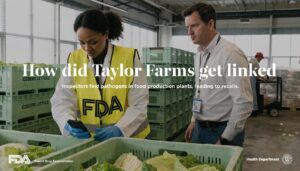
That source matters even more right now. As of late July 2026, Taylor Farms is at the center of the largest cyclospora outbreak on record in the United States. The CDC has confirmed 1,644 cases and is investigating more than 5,100 additional suspected illnesses — nearly 7,000 cases in total — with 141 hospitalizations reported across 34 states. Federal investigators traced shredded iceberg lettuce grown by Taylor Farms de Mexico to Taco Bell restaurants in five states: Indiana, Kentucky, Michigan, Ohio, and West Virginia. Taylor Farms voluntarily recalled all iceberg lettuce grown and processed in central Mexico on July 17, 2026, and says it will not source iceberg lettuce from that region for the rest of the growing season. The company has also pushed back on part of the FDA’s case, noting that no product sample has tested positive for the parasite and that an earlier positive lab result was later retracted.
Quick Questions and Answers
Question: Why do so many restaurants use lettuce from Taylor Farms?
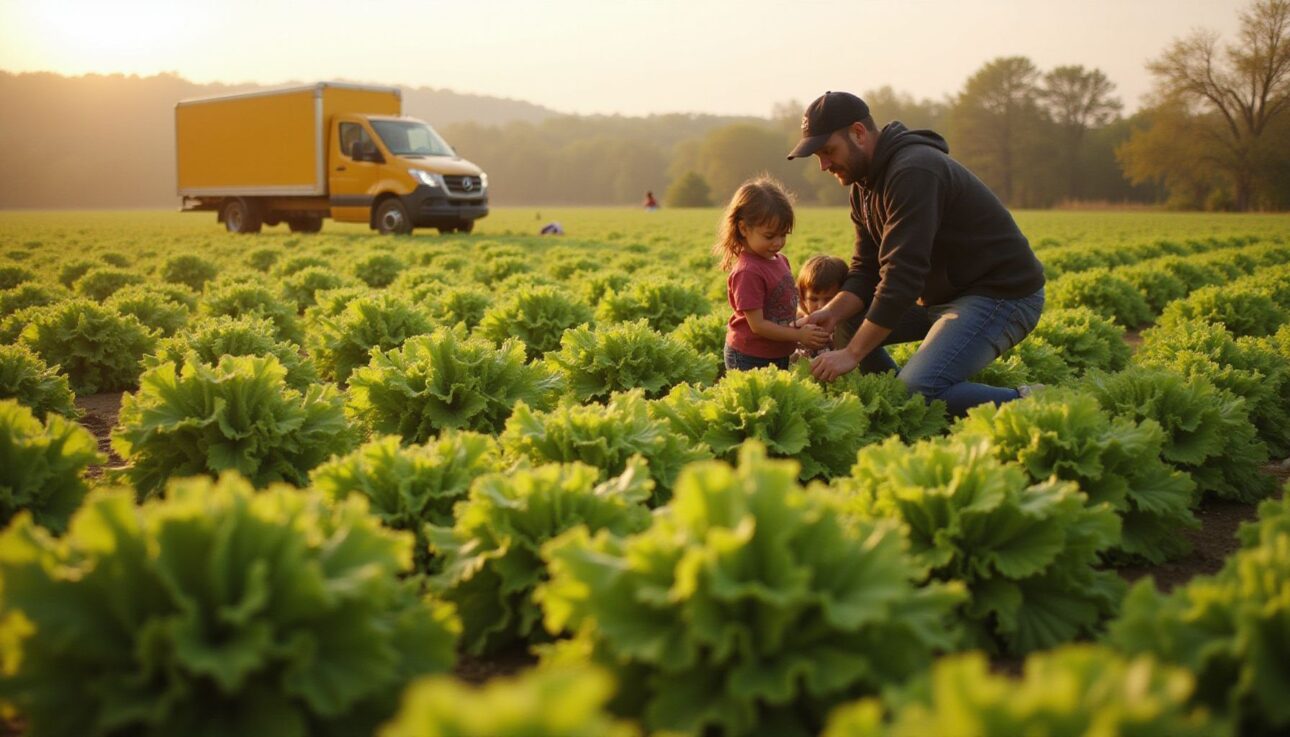
Answer: Taylor Farms stands as one of the largest fresh-cut produce suppliers in North America, offering consistent quality and scale for major chains. Their ability to supply huge volumes reliably makes them a primary choice for fast-food restaurants and grocery stores across the country. The company partners with over 100 farmer families to deliver consistent greens at a massive scale.
Question: Can you list restaurants that get lettuce from Taylor Farms?
Answer: Major chains include Taco Bell, McDonald’s, Chipotle, Burger King, Subway, Wendy’s, KFC, Pizza Hut, Olive Garden, and Red Lobster. Taylor Farms also supplies hospitals, schools, cafeterias, and airline caterers alongside these restaurant clients. The company serves a broad spectrum of national foodservice clients to maintain wide distribution.
Question: Do McDonald’s and Chipotle get lettuce from Taylor Farms?
Answer: Yes, McDonald’s and Chipotle Mexican Grill are confirmed clients that receive fresh-cut produce from Taylor Farms. The company distributes through third parties like Golden State Foods to these chain restaurants. Their partnership ensures that consistent fresh greens reach millions of customers daily across the United States and Canada.
Question: Which chain’s lettuce is linked to the current outbreak?
Answer: The CDC and FDA traced shredded iceberg lettuce from Taylor Farms de Mexico to Taco Bell locations in Indiana, Kentucky, Michigan, Ohio, and West Virginia, linking it to a multistate cyclosporiasis outbreak with roughly 7,000 confirmed or suspected cases as of July 2026. The CDC has said lettuce sold in grocery stores or served at other restaurants is not currently known to be affected, though officials still recommend buying whole heads of lettuce rather than pre-cut or bagged lettuce out of caution.
Key Takeaways
Taylor Farms services 280 independent family farms to manage volume.
Over 165 million servings of produce ship weekly to partners.
Major QSR and casual dining chains rely on this single supplier.
Operations span 30 processing facilities across multiple countries.
The firm integrates safety protocols from field to finished package.
A 2026 cyclosporiasis outbreak tied to Taylor Farms de Mexico iceberg lettuce and Taco Bell has sickened nearly 7,000 people across 34 states, prompting a recall.
Taylor Farms Produce Partnerships: Defining Its Role in the Foodservice Industry
Taylor Farms operates as a backbone provider for the North American food system. They supply many of the largest supermarket chains and foodservice restaurants in the United States. Their scale allows them to handle massive volume requirements that single farms cannot meet alone. This role defines them as an essential partner rather than just a vendor.
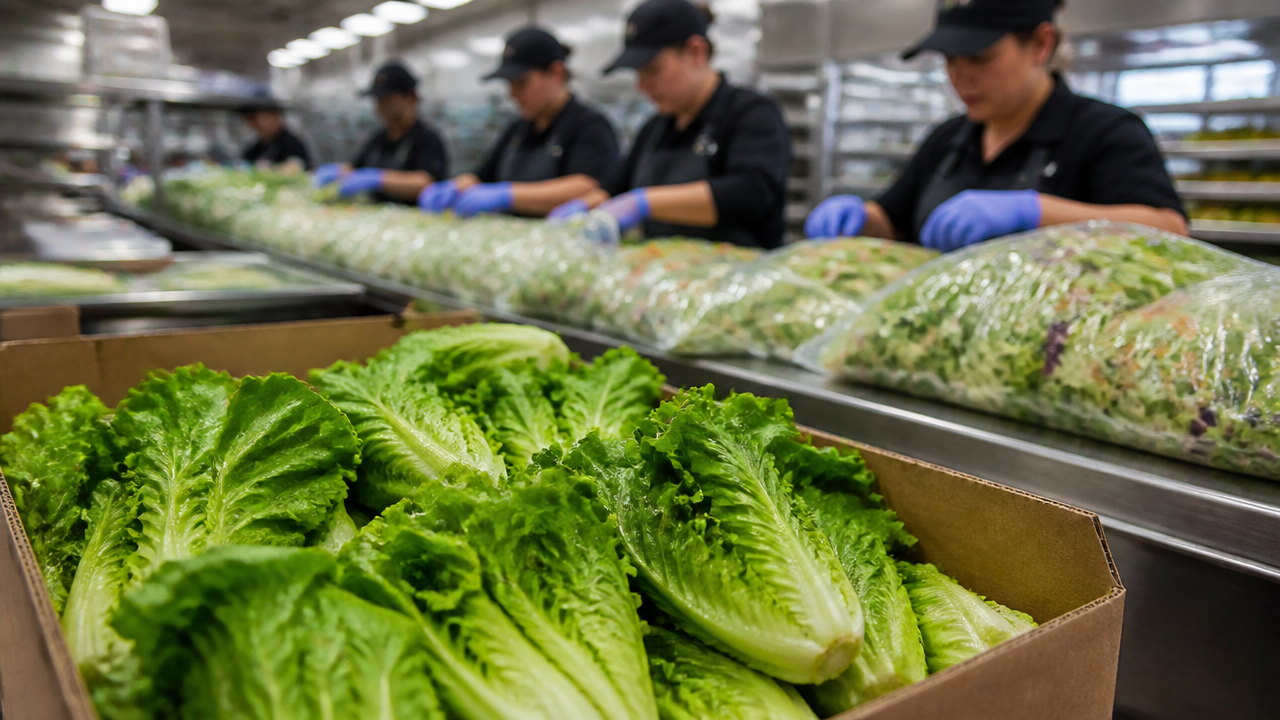
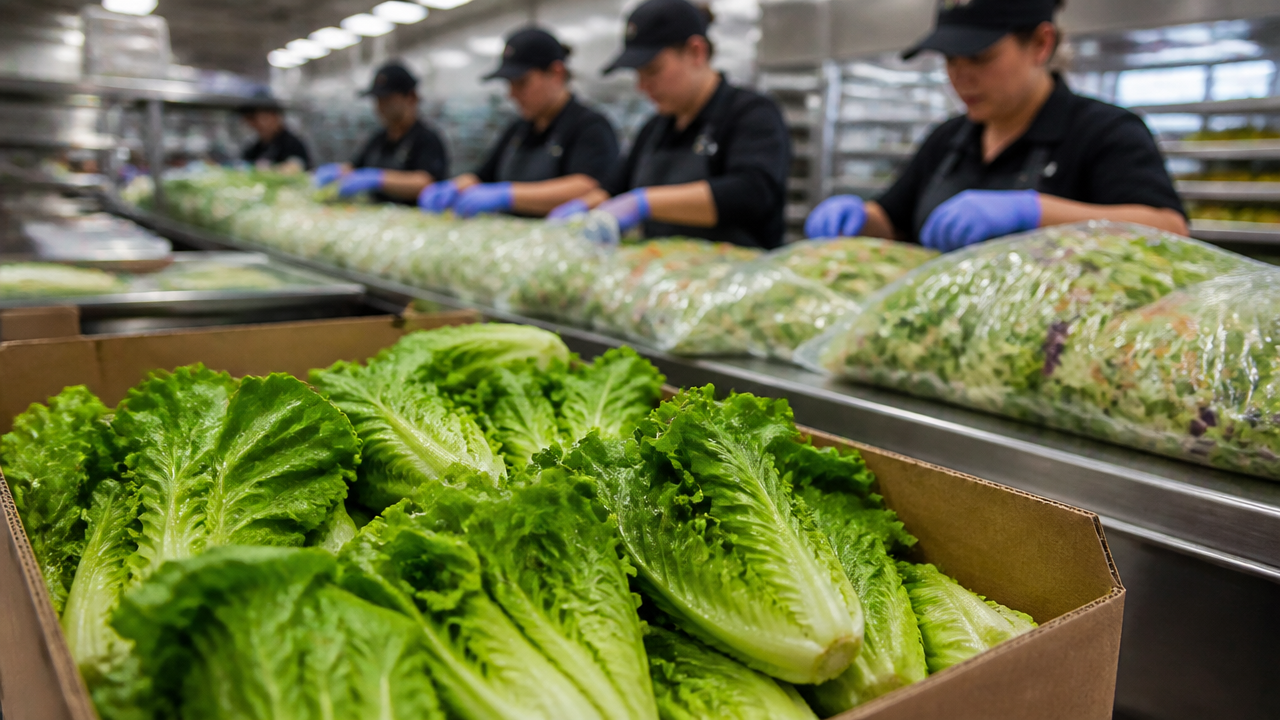
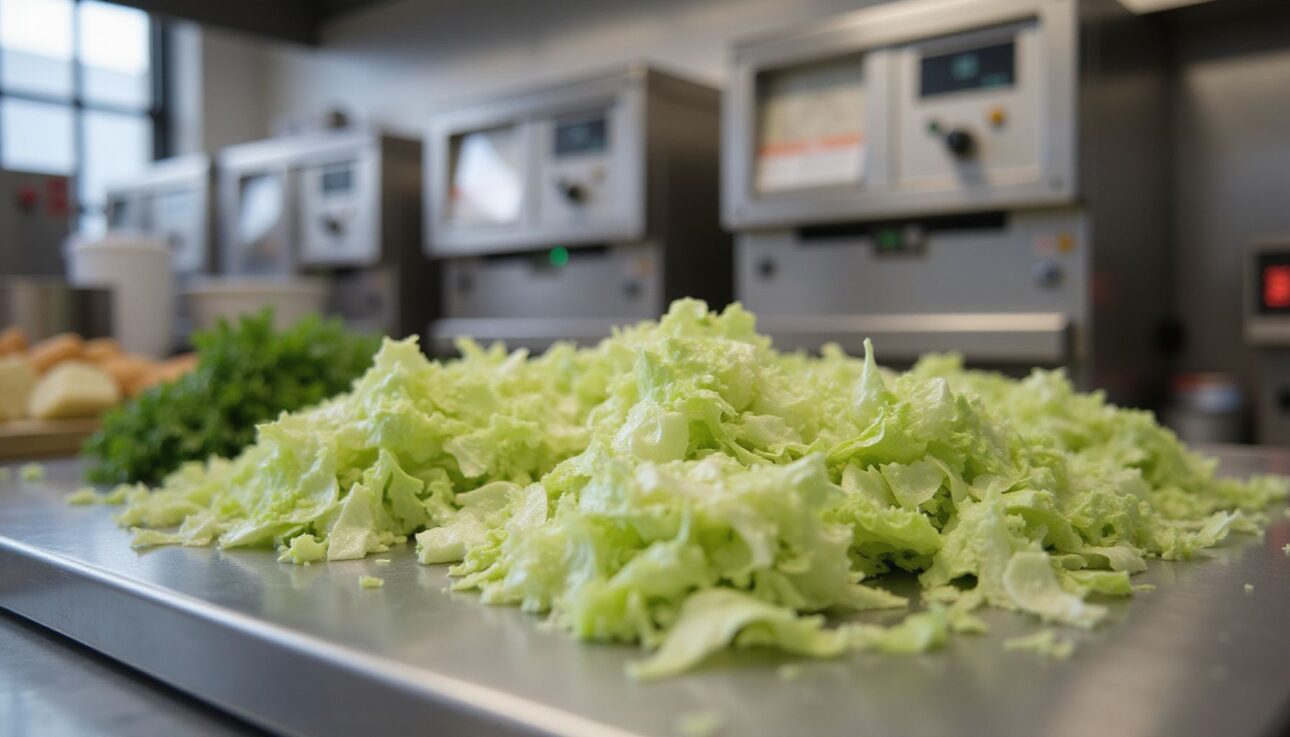
The company produces roughly 450,000 pounds of produce weekly for clients like McDonald’s. This volume supports breakfast, lunch, and dinner rushes across hundreds of thousands of locations. They manage washing, grading, cutting, and packaging to ensure every unit is ready for immediate use. Their logistics capability allows them to serve both retail and foodservice sectors simultaneously.
That same scale is what has made the current outbreak so consequential. Investigators have identified Taylor Farms de Mexico as the supplier of the shredded iceberg lettuce sent to affected Taco Bell locations, but as of late July 2026 it remains unclear whether the same lettuce reached other vendors, and the FDA has acknowledged the traceback was complicated by a retracted lab result. Taco Bell has said it voluntarily and indefinitely removed the supplier’s lettuce from its nationwide supply chain and is replacing it. This is also not Taylor Farms’ first time in the outbreak spotlight — the company was previously tied to a 2013 cyclosporiasis outbreak linked to salad mix served at Olive Garden and Red Lobster, and a 2024 E. coli outbreak tied to onions served at McDonald’s.
Core Concepts: Who is Taylor Farms?
Founded as a major supplier of leafy greens, the company has grown into a $7 billion enterprise generating 165 million servings of produce per week. Operations span 30 processing facilities across the U.S., Canada, Mexico, and Western Europe. This geographic spread helps them mitigate regional crop failures or weather disruptions.
The business model centers on simple processing—including washing, grading, cutting, and packaging—to supply both raw produce and ready-made salad kits to major clients. As Chairman and CEO, Bruce Taylor has built the company into a massive operation with over 25,000 employees. They focus heavily on freshness and speed to keep up with demand.
The Mexico operations referenced above are also the source of the current cyclosporiasis outbreak. As of late July 2026, the CDC had confirmed 1,644 cases tied to the outbreak, with more than 5,100 additional illnesses under investigation, 141 hospitalizations, and cases reported across 34 states — making it the largest cyclospora outbreak on record in the U.S. Taylor Farms responded by recalling all iceberg lettuce grown and processed in central Mexico on July 17, 2026, and says it will not source iceberg lettuce from that region for the remainder of the growing season, while disputing that any of its product has actually tested positive for the parasite.
Major Restaurant Chains Supplied by Taylor Farms
Quick-Service Restaurant (QSR) partners represent a huge portion of their business. The company is a key supplier for high-volume chains including McDonald’s, Burger King, Taco Bell, Chipotle, Subway, KFC, Wendy’s, and Pizza Hut. These chains move fresh greens rapidly, requiring a reliable supply chain.
Taylor Farms reaches the casual dining sector, supplying fresh produce to large chains such as Olive Garden and Red Lobster. These restaurants prioritize higher quality greens or specific salad preparations. They also supply hospitals, schools, cafeterias, and airline caterers alongside these restaurant clients. This diversity ensures consistent revenue through various channels.
For example, many people enjoy a salad at a burger joint unaware of its origin. Knowing where lettuce from Taylor Farms arrives changes how you view your next fast-food order. You might even consider ordering a 14 Genius Garden Ideas to Transform Your Backyard to grow your own if the supply chain feels distant.
Supply Chain and Sourcing Philosophy
Taylor Farms partners with over 280 independent family-owned growing operations rather than exclusively relying on corporate-owned fields. This network provides flexibility and access to the latest growing technologies in different regions. They do simple processing like washing, grading, cutting, assorting and packaging the produce in the farm of salads.
Operational efficiency is another pillar of their success. The firm utilizes Microsoft Dynamics 365 to manage distribution and supply chain complexity across its vast network of independent partners. This technology tracks inventory and safety data from every partner farm.
According to a report from Microsoft, this system helps the company replace older platforms for ease of distribution management. It supports growth and strengthens oversight over their large partner network. This approach allows them to maintain quality while scaling up production rapidly.
Quality Assurance and Food Safety
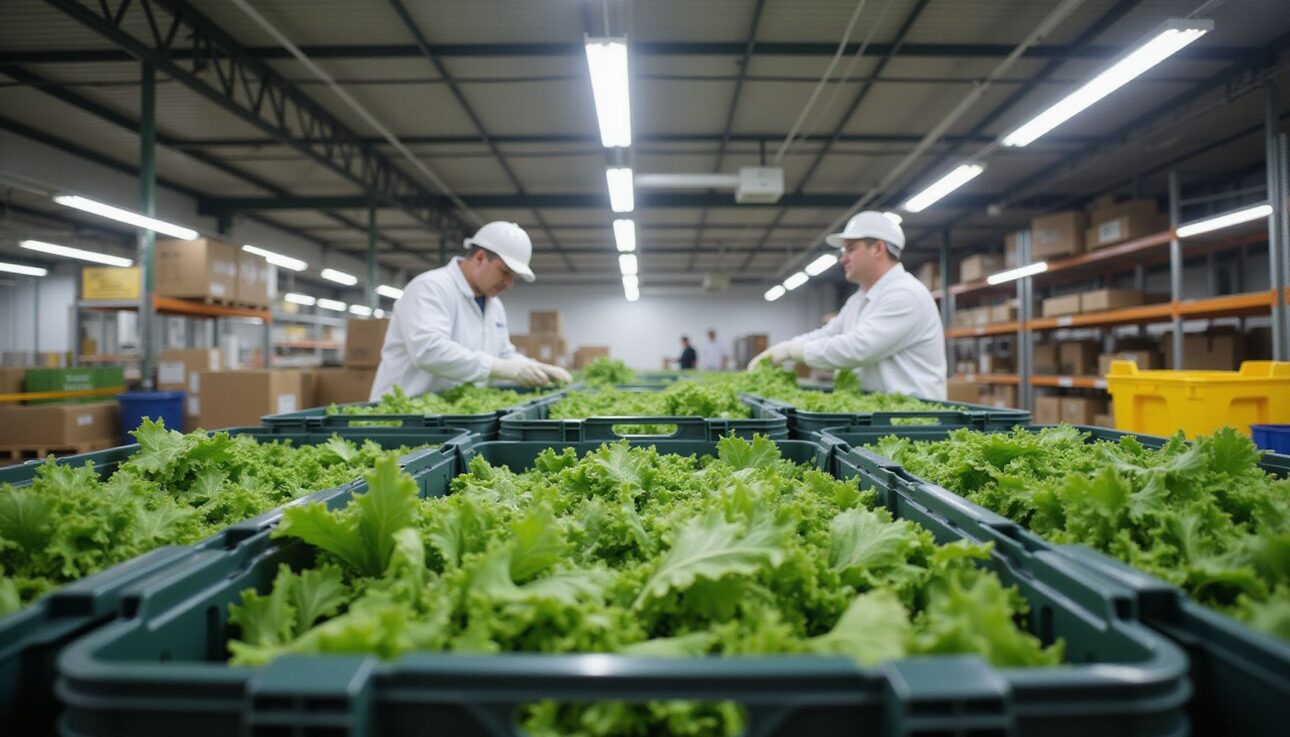
The company implements rigorous testing and innovative safety protocols to mitigate risks across its diverse range of partner farms. Farm-to-table initiatives ensure compliance with food safety regulations at every stage. They test for pathogens and contaminants before the produce leaves the facility.
Industry recognition confirms their high standards. Taylor Farms has been recognized by industry leaders like Whole Foods Market for its partnership commitments and service quality. This award highlights their dedication to service and partnership outcomes. It signals safety and quality to other potential clients in the sector.
Their commitment to food safety involves learning how Taylor Farms ensures food safety from farm to table. They use rigorous testing and family farm partnerships to guarantee safety. This transparency builds trust with both restaurant operators and health-conscious consumers.
Recent Developments and Scaling
While headquartered in the U.S., the company has expanded its production footprint into Western Europe to maintain steady inventory levels. This global reach ensures they can meet demand year-round despite local seasonal variations. They produce 165 million servings of produce weekly.
In 2026, the firm continues to invest in workforce development and internal philanthropic initiatives. They employ over 25,000 individuals and manage internal programs like the employee-driven Pajama Angels program. This focus on staff stability supports consistent operational performance.
Taylor Farms also supports sustainable practices by partnering with hundreds of family farmers. These partnerships help maintain soil health and crop rotation standards. The company ensures that their sourcing strategy supports the long-term viability of agriculture.
My Experience With 12 Popular Restaurant Chains That Source From Taylor Farms
I used to think every grocery store salad came from a different place. I was wrong. My realization hit me hard when I saw a receipt from a big chain restaurant listing a specific produce partner. It felt weird knowing where my lettuce came from.
The scale surprised me the most. I assumed smaller farms handled local deliveries. Taylor Farms uses over 280 family farms to keep the lights on. It is a massive logistical puzzle. I remember reading about their 30 processing facilities. That is a lot of ground to cover safely.
One insight I found valuable: the consistency you taste in chain salads isn’t magic. It is the result of standardized washing and cutting processes. They use the same standards for McDonald’s as they do for grocery stores. I found this standardization reassuring and slightly alarming. I like knowing, but I also like the safety.
Do you ever check labels at the drive-thru before you order?
Frequently Asked Questions
Q: Are Burger King and Subway customers eating Taylor Farms lettuce?
Yes, Burger King and Subway are among the fast-food chains supplied by Taylor Farms for lettuce and other fresh produce. Their primary commercial clients include these national restaurant chains. The company ensures these locations receive fresh greens regularly.
Q: How big is Taylor Farms as a lettuce supplier?
Taylor Farms is an American-based producer supplying many of the largest supermarket chains and foodservice restaurants in the United States. They operate massive processing plants, producing roughly 450,000 pounds of produce weekly for clients like McDonald’s. This volume is essential for daily operations across the country.
Q: Will Wendy’s and KFC use Taylor Farms lettuce?
Yes, Wendy’s and KFC are listed among the restaurant chains that Taylor Farms supplies with lettuce and fresh produce. The company serves a wide range of major fast-food and dining chains nationwide. They ensure quality consistency for their menu items.
Q: When did Taylor Farms start supplying Taco Bell lettuce?
Taylor Farms has long been a key supplier to Taco Bell, with recent reports in 2026 linking Taylor Farms de Mexico’s iceberg lettuce to a cyclosporiasis outbreak that has produced roughly 7,000 confirmed or suspected cases and 141 hospitalizations across 34 states, prompting a July 17, 2026 recall of all central Mexico-grown iceberg lettuce. Taco Bell does not grow its own lettuce and relies on suppliers like Taylor Farms. This underscores the importance of supplier oversight.
Q: What other fast food chains use Taylor Farms produce?
Beyond the most common names, fast food chains include Denny’s, Panera, Jack in the Box, and various regional and independent restaurants. They also supply corporate offices and health facilities beyond traditional dining. Their reach extends far beyond standard quick-service locations.
Q: Is Pizza Hut served by Taylor Farms for toppings?
Yes, Pizza Hut is among the restaurant chains that receive fresh produce, including lettuce, from Taylor Farms. The company serves a broad spectrum of national foodservice clients. Fresh vegetables are a staple on many pizza salads and sides.
Q: Which grocery stores sell Taylor Farms lettuce brands?
Major grocery chains including Walmart, Target, Kroger, Costco, Sam’s Club, Albertsons, Safeway, and Whole Foods sell Taylor Farms bagged lettuce and salad kits. Kroger often places its own brand name on the produce. Customers often buy Taylor Farms brands without knowing the source.
Q: How many people have gotten sick from the Taylor Farms lettuce outbreak?
As of late July 2026, the CDC had confirmed 1,644 cases tied to the cyclosporiasis outbreak linked to Taylor Farms de Mexico iceberg lettuce, with more than 5,100 additional illnesses under investigation — nearly 7,000 cases in total. The outbreak has caused 141 hospitalizations across 34 states, though the specific lettuce served at Taco Bell was traced to just five states: Indiana, Kentucky, Michigan, Ohio, and West Virginia. Taylor Farms disputes part of the FDA’s findings, noting that no product sample has tested positive for the parasite and that an earlier positive result was retracted.
Latest Updates or 2026 Trends
The foodservice industry continues to see changes in produce sourcing as of 2026. Supply chain disruptions remain a topic of high interest for restaurant owners. Many chains now diversify their supplier base to prevent stockouts. Taylor Farms maintains a large network to absorb these shocks.
Technology integration is increasing within the agricultural sector. More farmers use digital tools to track their harvest dates and conditions. This data helps Taylor Farms manage their 280 partner farms better. They aim to reduce waste and improve freshness in transit.
Conclusion
The relationship between major chains and Taylor Farms is extensive and vital. Millions of servings are consumed weekly across the country. Understanding this network provides clarity on where your grocery store lettuce comes from. It also sheds light on the operational complexity of foodservice.
I’m the mom behind Wise Mom Blogger, where everyday creativity meets real-life motherhood. I share easy DIY crafts, cozy knitting and crochet projects, beginner-friendly sewing ideas, and family-tested recipes—plus quick baking hacks that make homemade feel doable on busy days.
Every dang year its something with them ppl need to come together and sue then like they sued Blue Bell and shut they yearly trifling axxes down. I mean always serving something contaminated
Publix also sells Taylor Farms produce. Their actions (current and past issues with contaminated food) speak far louder than their words. Do yourself a favor and seek locally raised produce from small farmers markets and avoid ALL the produce in chain grocers and fast food. None of the fast food is healthy and cost three times what it would to pack a lunch or to eat a home cooked meal. The bottom line for corporations is profitability and dividends. They couldn’t care less about food safety or whether we die from eating something they produce. And they have plenty of lawyers to prove that statement.




I ate salad @ Red Lobster
I have been sick since.
Stomach.
Sorry about that – Taylor
It’s always Taylor Farms and always Salinas.
Downstream from the livestock.
Every dang year its something with them ppl need to come together and sue then like they sued Blue Bell and shut they yearly trifling axxes down. I mean always serving something contaminated
Publix also sells Taylor Farms produce. Their actions (current and past issues with contaminated food) speak far louder than their words. Do yourself a favor and seek locally raised produce from small farmers markets and avoid ALL the produce in chain grocers and fast food. None of the fast food is healthy and cost three times what it would to pack a lunch or to eat a home cooked meal. The bottom line for corporations is profitability and dividends. They couldn’t care less about food safety or whether we die from eating something they produce. And they have plenty of lawyers to prove that statement.