Which resilient air purifying house plants actually thrive in beginner homes, or do you need a green thumb to see results? Most indoor spaces hold invisible pollutants that affect comfort, but adding the right greenery helps filter your environment naturally. Whether you are preparing for a holiday gathering or simply refreshing a home office, picking the right species makes a massive difference in your daily air quality. These plants are easy, beginner-friendly, and effective options for any room. I think you will find that keeping your air clean is more straightforward than you might have expected.
Quick Questions and Answers
Question: Which air purifying house plants are easiest for beginners? Answer: Snake plant and pothos are the most consistently beginner-friendly options in the sources. Snake plant is described as needing little watering and tolerating low light, while pothos is described as very easy to care for and adaptable to different light conditions. Both are repeatedly included on beginner-focused air-purifying plant lists.
Question: Do air purifying house plants really clean indoor air? Answer: The sources repeatedly say these plants help purify indoor air by reducing pollutants such as formaldehyde, benzene, xylene, and toluene. However, the practical guidance in the articles is mostly about room decoration and ease of care, not a claim that a few houseplants can replace ventilation or an air purifier. The most cautious reading is that they may contribute modestly while also improving aesthetics.
Question: Why is snake plant recommended for bedrooms? Answer: One source says snake plant is the best air-purifying plant for the bedroom, and another says it purifies air even at night. It is also praised for low-light tolerance and minimal watering needs, which make it convenient in sleeping spaces. That combination is why it appears so often in beginner lists.
Key Takeaways
- Large specimens of plants like the areca palm offer a higher volume of air filtration compared to smaller, younger plants.
- Most air-purifying plants work best in groups; aiming for 3 to 5 plants in a medium-sized room is often sufficient to notice a positive shift.
- Low light does not mean no life, as hardy options like snake plant or pothos perform exceptionally well in dim corners.
- Plants are not a replacement for proper ventilation, but they serve as a practical, aesthetic addition to your indoor air management strategy.
1. Sansevieria (Snake Plant)
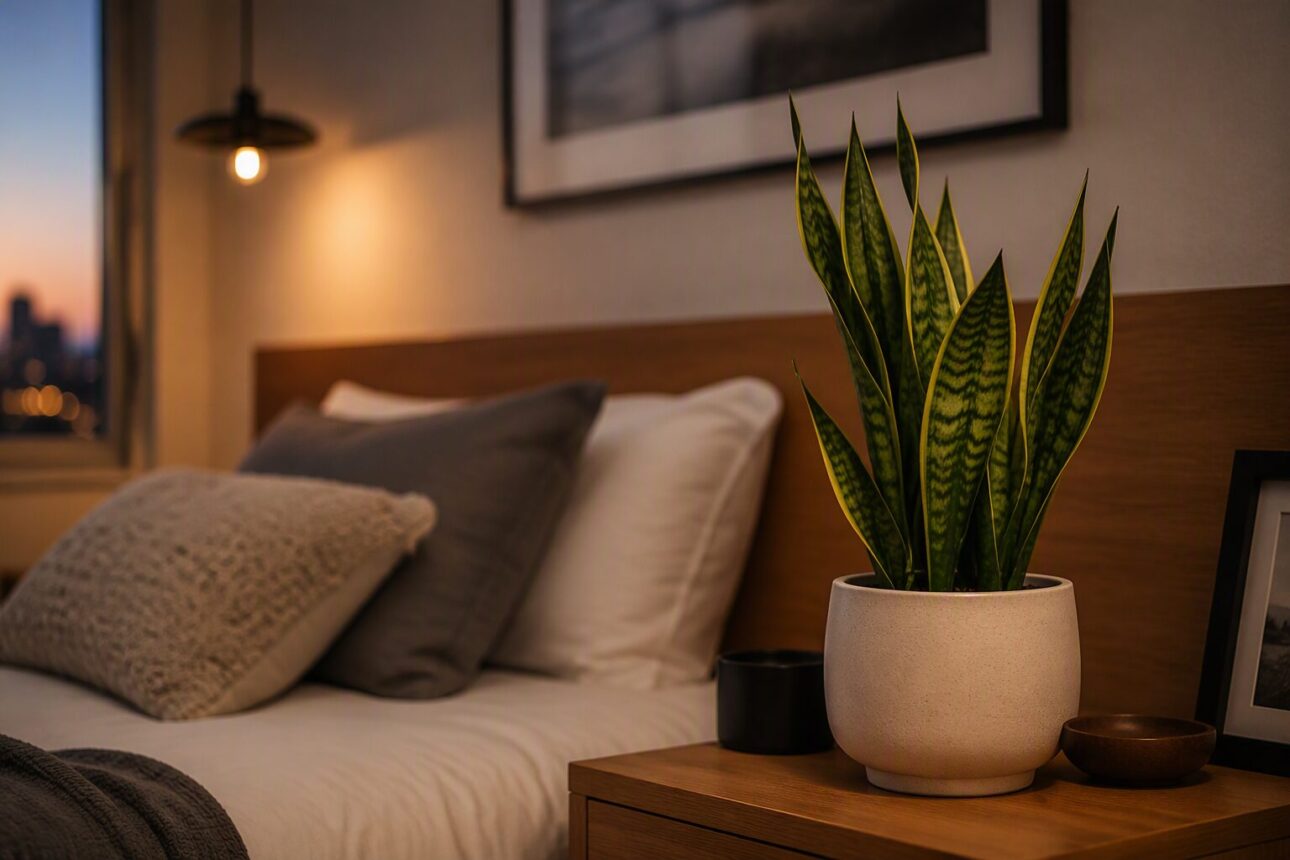
Widely regarded as the top beginner plant, the snake plant wins because of its extreme durability. It handles low-light corners where other plants might wither, making it a reliable choice for apartments or rooms with few windows.
Its unique night-time oxygen production sets it apart from many other species, earning it the title of premier choice for bedroom air quality. You barely need to water this plant, and it thrives even when occasionally neglected. If you travel often, this is your most forgiving companion.
2. Pothos (Epipremnum aureum)
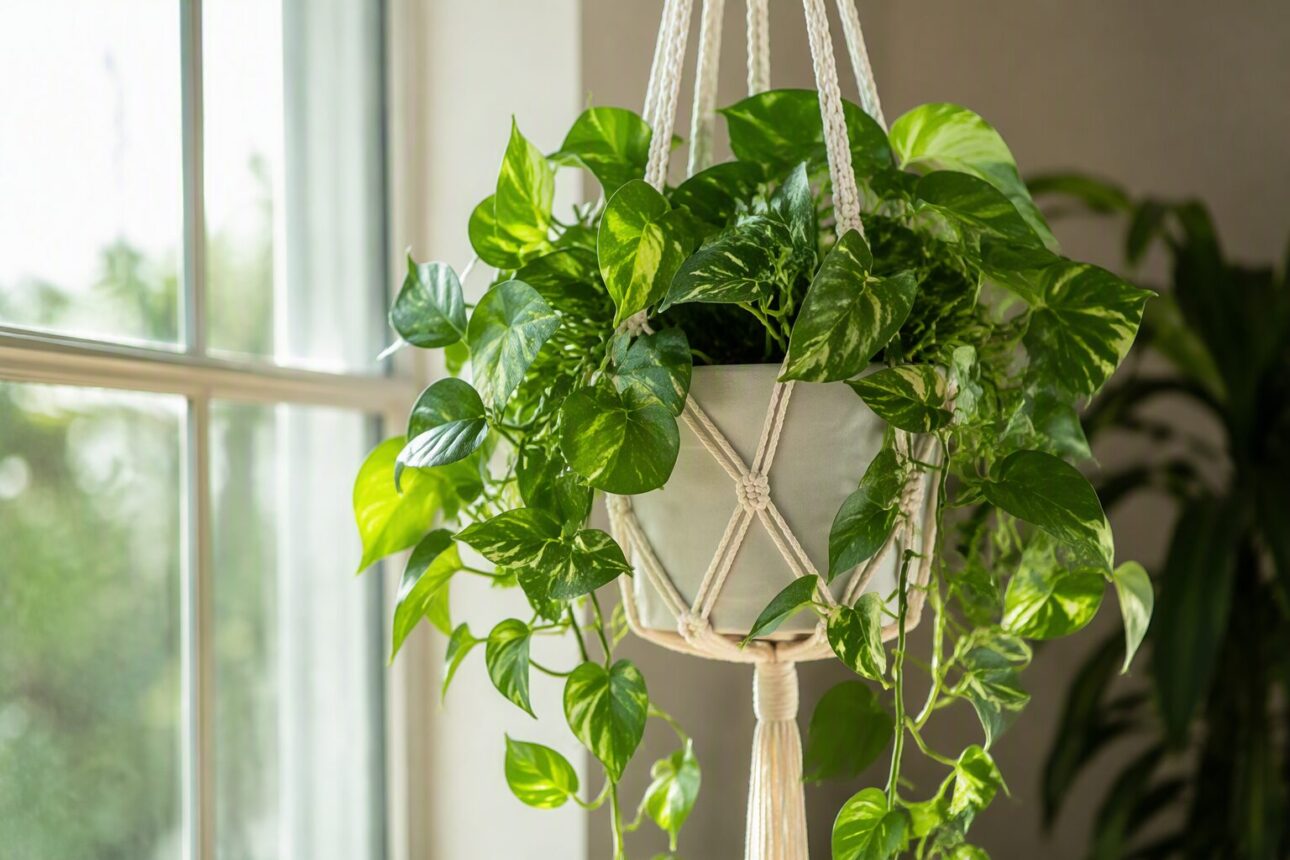
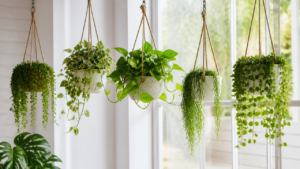
Pothos is renowned for requiring very few care steps. This makes it perfect for first-time plant keepers who might worry about keeping things alive. It is highly adaptable to various indoor lighting environments, from dim hallways to brighter living room spots.
The trailing vines create a popular aesthetic look, allowing you to display them on high shelves or in hanging baskets. You can find more advice on managing your home environment and Screen Time for Kids: A Complete Guide to Healthy Limits if you are creating a balanced living space. Pothos is the quintessential starter plant for anyone wanting quick results.
3. Spider Plant (Chlorophytum comosum)
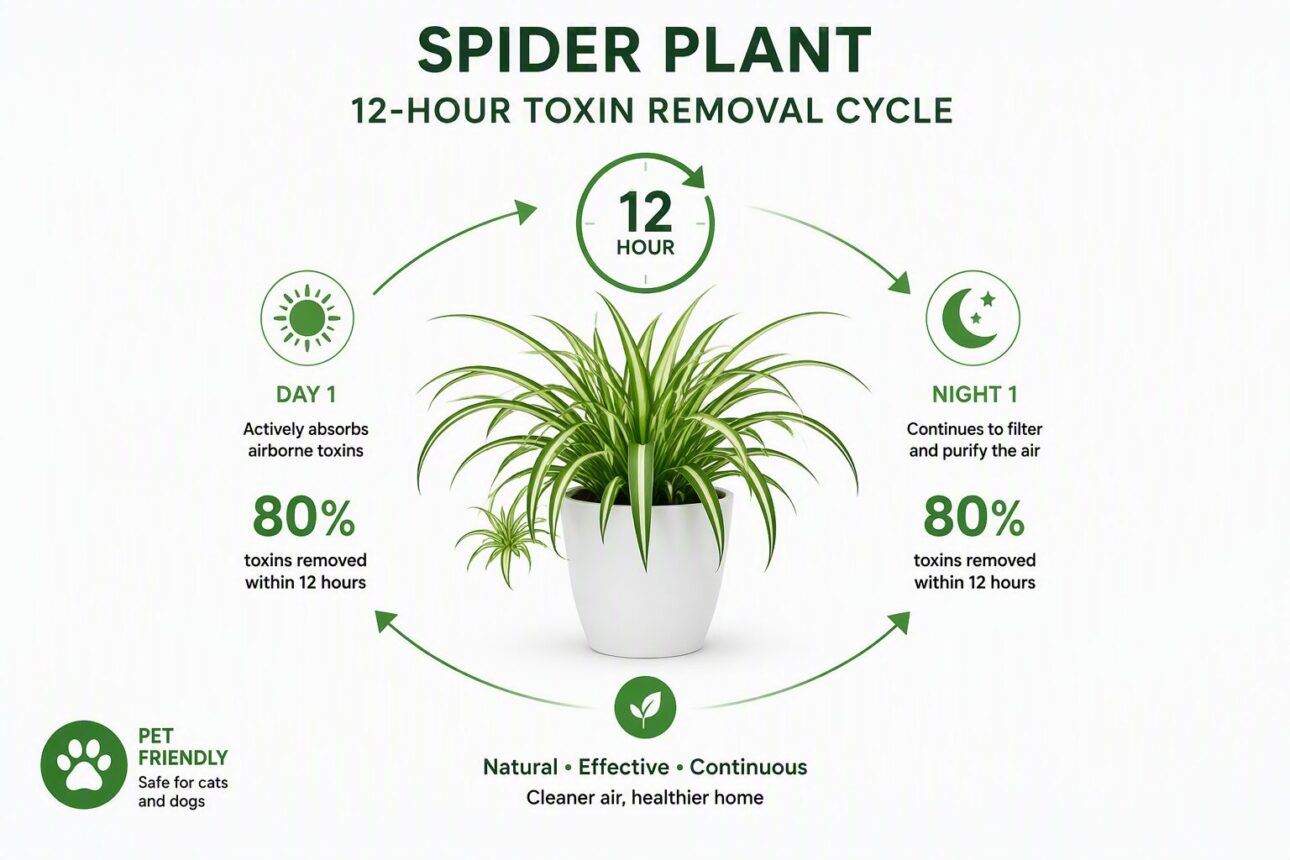
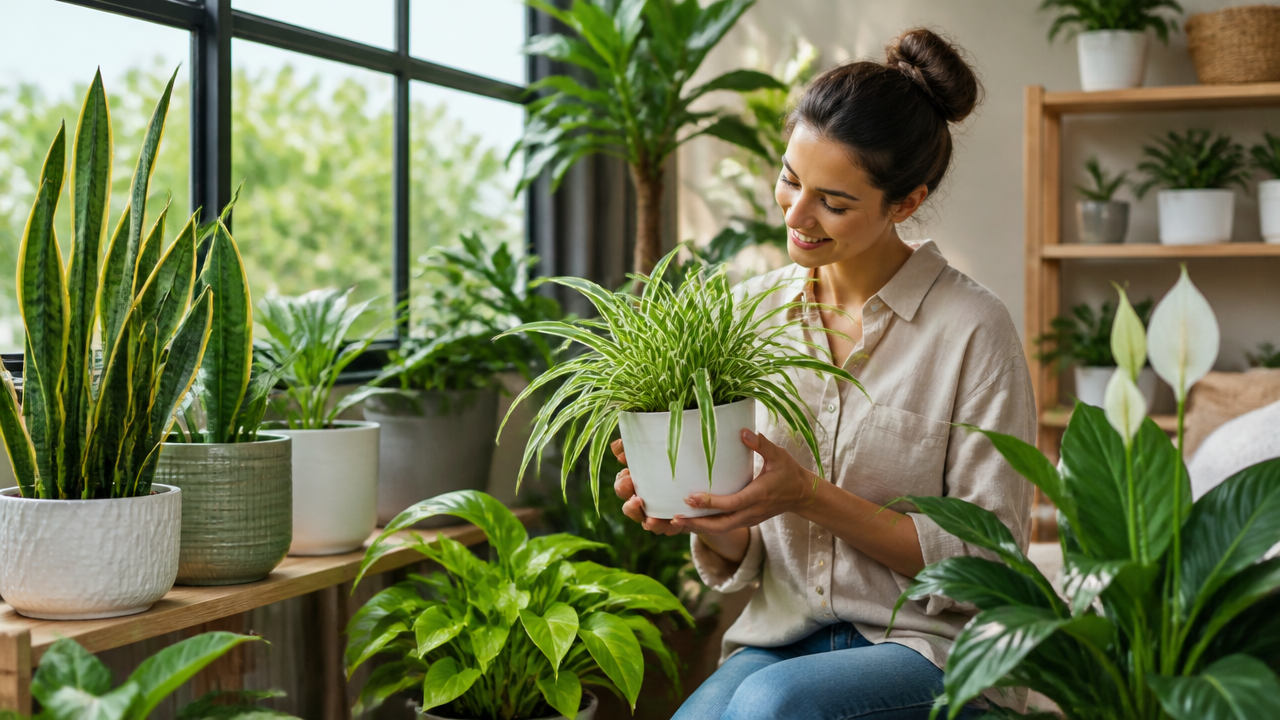
Scientific observation shows the spider plant removes over 80% of certain indoor toxins in just 12 hours. This rapid filtration rate is a massive advantage for smaller rooms. It is also one of the few air-purifying plants confirmed as non-toxic to cats and dogs.
If you have pets, you can keep this plant on lower surfaces without worry. It produces little “spiderettes” or plantlets that hang down, which you can easily snip off to propagate and multiply your collection. It is a productive, safe, and generous plant for any beginner.
4. Areca Palm (Dypsis lutescens)
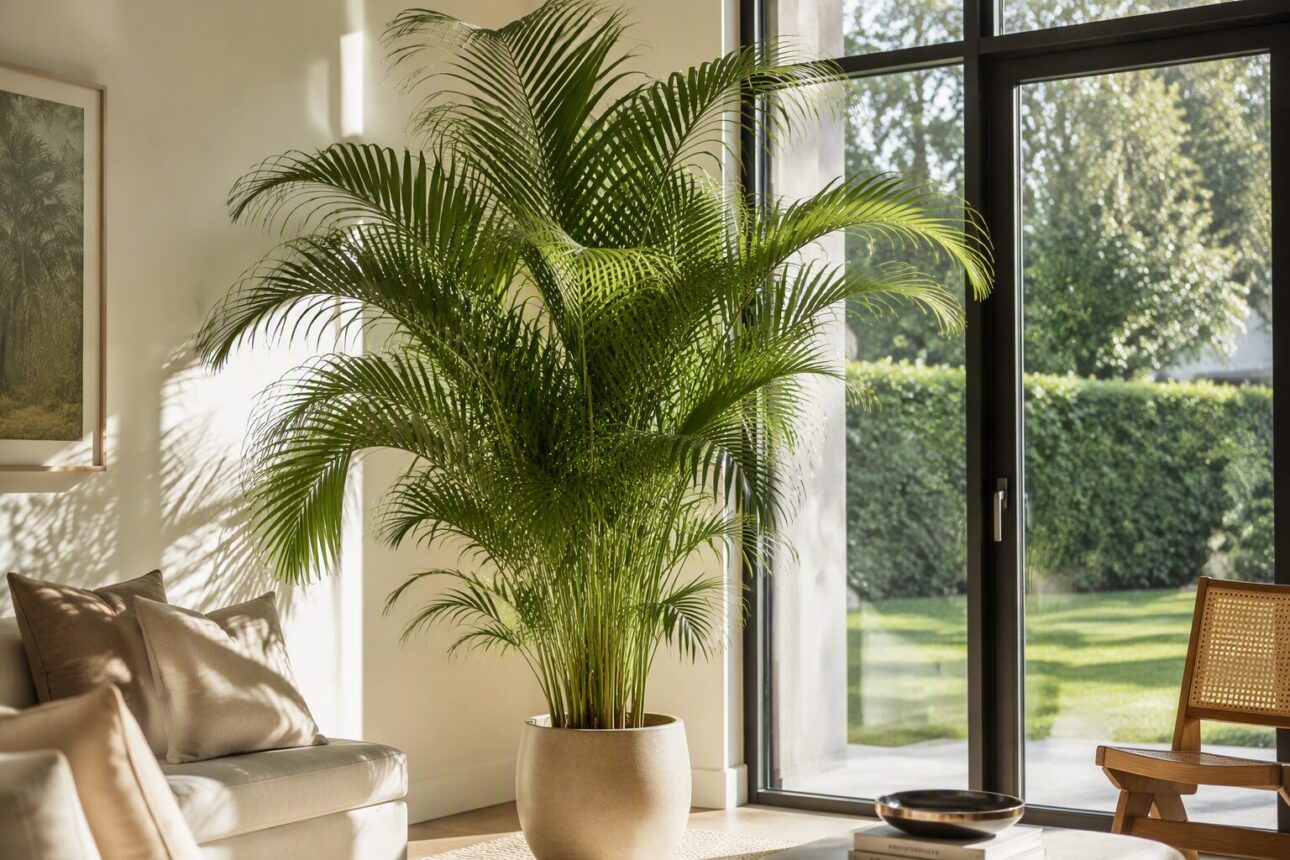
This is your larger statement plant. Its air-cleaning power is directly proportional to its physical size, according to Elmueble. A mature areca palm works hard, as it is capable of filtering roughly 12–18 micrograms of xylene and 10–20 micrograms of toluene per hour.
You should place this in a bright, spacious room where it has enough height to spread its leaves. Because it requires more light and space than a small succulent, it is best for beginners who have a sunny corner ready for a focal point.
5. Peace Lily (Spathiphyllum)
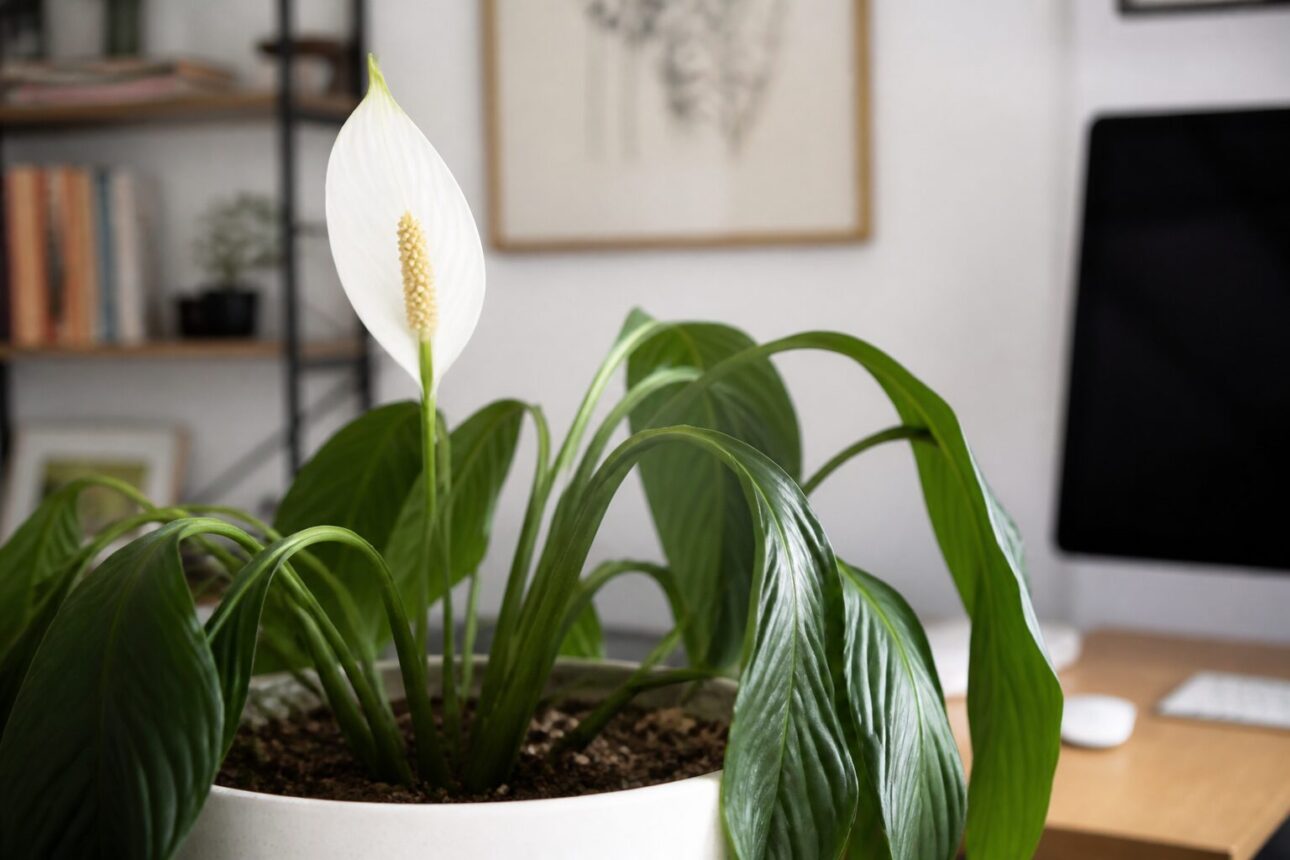
The peace lily is a classic choice capable of filtering a broad range of pollutants, including formaldehyde, benzene, and trichloroethylene. Its distinct, elegant white flowers offer a sharp visual appeal that makes it stand out from standard foliage plants.
This plant functions as a natural water gauge. When it feels thirsty, the leaves will droop noticeably, telling you exactly when it needs a drink. It perks back up quickly after watering, which takes the guesswork out of maintenance for new owners.
6. Chrysanthemum
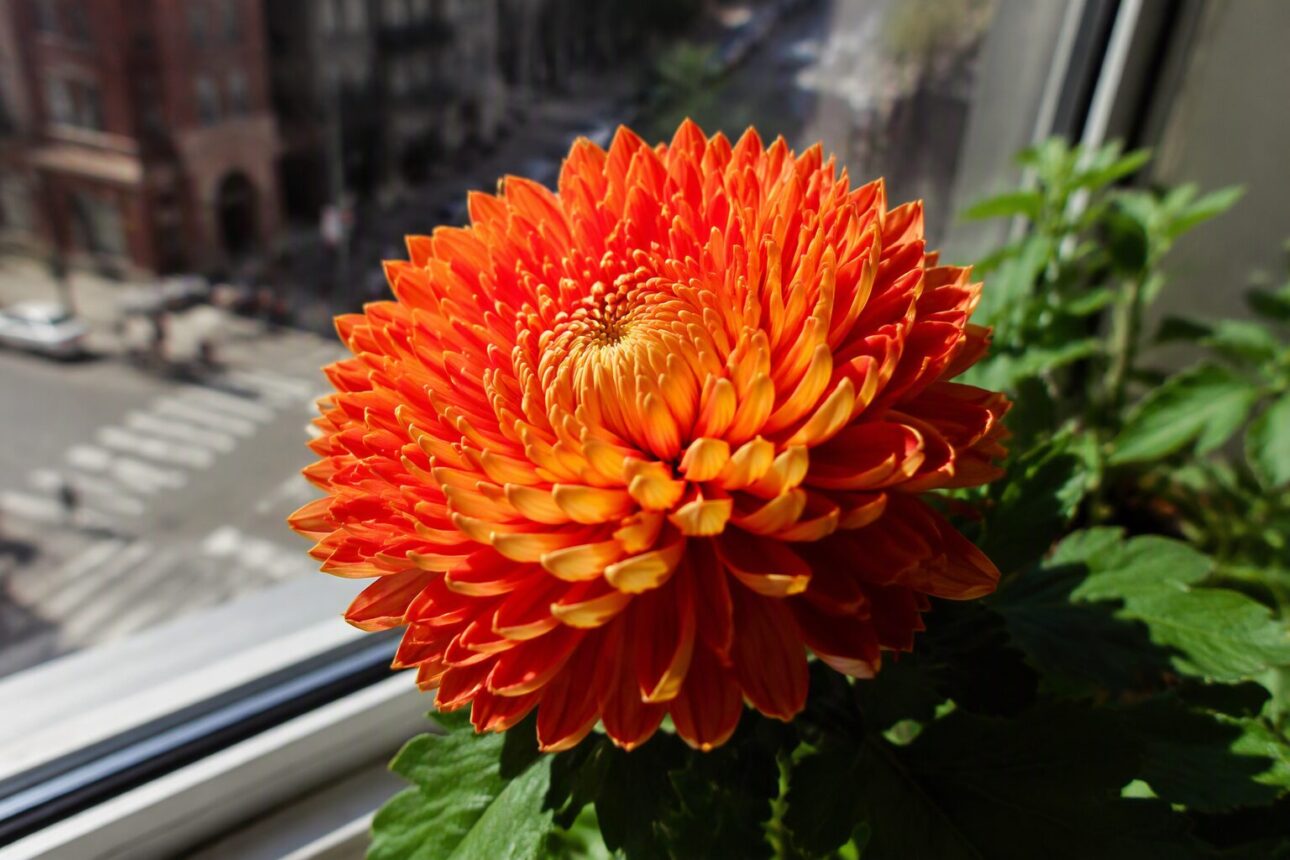
Chrysanthemums perform the specific task of filtering ammonia and benzene from indoor air. Unlike many foliage-only plants, these bloom with color, adding seasonal beauty to your space while they work.
They do require more direct sunlight than a snake plant. Placing these on a sunny windowsill ensures they stay healthy and effective. If you are looking for Finding an AI-Proof Career: A Complete Guide to Job Security, you might find the same joy in learning the specific care requirements for these flowering air purifiers.
7. Bamboo Palm (Chamaedorea elegans)
If you need a plant that targets formaldehyde, xylene, and toluene, the bamboo palm is an excellent candidate. It thrives in indoor environments that mimic tropical conditions, like bright but indirect light.
It acts as an architectural piece, growing tall and slender rather than wide. For beginners who want to fill vertical space without crowding a floor, this is the best choice. It brings a structured, green look to any corner.
8. Dracaena (Dracaena marginata)
Dracaena is highly adaptable, making it a frequent choice for offices or rooms where light levels might shift throughout the day. Its tall, slender stems are visually clean and easy to maintain with just a bit of routine pruning.
This plant helps filter common household toxins like trichloroethylene. Because it stays relatively compact, you do not need a massive footprint to house it. It is a sturdy, reliable, and space-efficient option.
9. Aloe Vera
Aloe vera is a classic succulent that is perfect for anyone who tends to forget watering their plants. It thrives in sunny, dry indoor environments, meaning you can place it on a desk or a sunny bedside table.
Aside from its air-cleansing traits, it is famous for its secondary use in skincare. This double benefit makes it a useful household staple. It requires very little attention, provided it gets plenty of light and a pot with good drainage.
| Plant | Light Needs | Best For | Main Benefit |
|---|---|---|---|
| Snake Plant | Low to High | Bedrooms | Oxygenates at night |
| Pothos | Versatile | Shelves | Low maintenance |
| Spider Plant | Bright, indirect | Pet owners | Removes 80% toxins |
| Areca Palm | Bright | Large rooms | High volume filtering |
Common Mistakes
Many beginners overwater their plants, which leads to root rot. Most of these species, especially the snake plant and aloe, prefer the soil to dry out between waterings. Always check the top inch of soil with your finger before adding more water.
Another common error is ignoring the light requirements. While plants like pothos are adaptable, putting a sun-loving plant like a chrysanthemum in a dark closet will prevent it from thriving. Match the plant to the light you actually have in your room.
Finally, do not expect one small plant to scrub an entire floor of your house. Plants are most effective in smaller groups. Use a few plants per room to create a more efficient and visually balanced environment.
FAQ
Q: Can spider plants be kept safely around pets?
Yes, the spider plant is one of the few indoor plants that is not toxic to pets. It is also described as a strong air-purifying option, with reports suggesting it can remove more than 80% of certain compounds in 12 hours. For pet owners, that combination makes it a common beginner recommendation.
Q: How many air purifying plants do you need for one room?
Research suggests that 3 to 5 plants are enough to oxygenate a room, regulate humidity, and purify indoor air. Keep in mind that a larger areca is more effective because cleaning capacity increases with size. In practice, the size of the plant and the volume of the room matter at least as much as the raw number of plants you choose to buy.
Q: Are pothos plants good for low light beginners?
Yes. Pothos is very easy to care for and adapts to a variety of light conditions. It requires few care steps, which makes it a perfect purifying plant for those just starting their collection. That flexibility makes it one of the safest first purchases for someone who is unsure about their home’s specific light levels.
Q: What air purifying plant is best if I forget to water?
Snake plant is the best match for infrequent watering. It needs very little moisture and is ideal for beginners who are still learning plant habits. If you tend to forget plant care, this is the most forgiving option available. Balanced, occasional watering is always better than frequent, shallow watering.
Q: Should I choose a big plant or several small plants?
Both strategies work, but larger plants are generally more effective at cleaning the air. The cleaning capacity of a palm, for instance, is often proportional to its size. For beginners, starting with a few easy-care plants is usually a better strategy than trying to manage many demanding ones at once.
Q: Which air purifying plants need the least care?
Snake plant and pothos are the clearest low-care options. Snake plant tolerates low light and needs very little water, while pothos is described as very easy to care for and adaptable to multiple environments. Both are repeatedly recommended for people who want a simple, low-effort start to indoor gardening.
Q: What houseplant removes formaldehyde best for beginners?
Several beginner-friendly plants are linked to formaldehyde removal, including snake plant, pothos, peace lily, and bamboo palm. Among those, snake plant and pothos are the easiest to manage for a total beginner. If care simplicity is your main criterion, start with those two to ensure success.
My Experience With 10 Easiest Air Purifying House Plants for Beginners
I remember when I bought my first snake plant—I was convinced I would kill it within a month. To my surprise, it actually thrived on my neglect. I’ve learned that the secret isn’t a complex fertilizer schedule, but rather choosing plants that evolved in conditions similar to your home. Most beginners get into trouble by treating plants like fragile ornaments rather than living organisms that need their space.
My best advice? If you’re nervous, start with a pothos. It grows fast, it’s dramatic when it needs water, and it’s basically impossible to kill unless you put it in a dark basement. One expert insight I’ve found is that the air-cleaning effect of these plants is far more noticeable when you embrace them as a living part of your home’s ecosystem rather than just a scientific air-scrubbing tool. I usually group them in corners near windows to make sure they get the light they need while looking like a small, lush jungle. It makes the room feel much calmer, which is half the battle when trying to relax after a long day.
What has been your biggest struggle when keeping plants alive at home?
Conclusion
Building a collection of easy-care, air-purifying plants is a satisfying way to improve your home environment. By choosing hardy varieties like snake plants, pothos, and spider plants, you gain the benefits of cleaner, more oxygenated air without the stress of high-maintenance chores. These options are perfect for anyone looking to bring more life indoors while keeping care simple. Start with one or two that suit your lighting, and you will soon find it is easy to grow your own indoor oasis.
References
- Flores de Cavia Madrid. (n.d.). Las mejores plantas purificadoras de aire para tu hogar. https://floresdecaviamadrid.es/las-mejores-plantas-purificadoras-de-aire-para-tu-hogar/
- Jardinería Sánchez. (n.d.). Las mejores plantas para purificar el aire. https://jardineriasanchez.com/las-mejores-plantas-para-purificar-el-aire/
- Esgarden. (n.d.). Plantas que purifican el aire: Beneficios y cuidados básicos. https://esgarden.es/actualidad/plantas-que-purifican-el-aire-beneficios-y-cuidados-basicos/
- Las Flores de Rita. (n.d.). 10 PLANTAS PURIFICADORAS DEL AIRE QUE DEBES TENER EN CASA. https://lasfloresderita.com/10-plantas-purificadoras-del-aire-que-debes-tener-en-casa/
- El Mueble. (n.d.). 16 plantas que purifican tu casa. https://www.elmueble.com/ideas/decoterapia/plantas-que-purifican_5908
- El Español. (n.d.). 9 Plantas para purificar el aire de tu casa (según la NASA). https://www.elespanol.com/como/plantas-purificar-aire-casa-nasa/498700773_0.amp.html
- AD Magazine. (2018, October 24). 10 plantas para purificar el aire y combatir la contingencia ambiental. https://www.admagazine.com/editors-pick/plantas-purifican-aire-hogar-20181024-4751-articulos

Sarah Anderson . J
I’m the mom behind Wise Mom Blogger, where everyday creativity meets real-life motherhood. I share easy DIY crafts, cozy knitting and crochet projects, beginner-friendly sewing ideas, and family-tested recipes—plus quick baking hacks that make homemade feel doable on busy days.