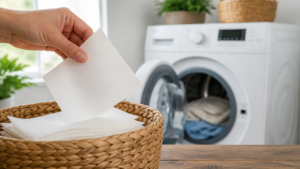
Soap doesn’t need a long ingredient list to work well. A handful of recipes here use just three core ingredients, whether that’s oil, lye, and water for a bar soap, or castile soap, water, and essential oil for a liquid version. This list covers nine three-ingredient soap recipes with a quick rundown of how to make each one.
Quick answer: The simplest three-ingredient soap recipes use one oil, lye, and water for a bar soap, or castile soap, water, and essential oil for a liquid hand or dish soap. Bar versions need a short cure time, while liquid versions are ready to use right away.
| Element | Effort Level | Notes |
|---|---|---|
| Bar soap (oil, lye, water) | Varies | Needs a short cure time |
| Liquid soap (castile, water, oil) | Standard | Ready to use immediately |
| Working with lye | Caution | Requires gloves and eye protection |
| Dish soap version | Standard | No lye involved |
| Recipe | Core Ingredients | Type |
|---|---|---|
| Coconut Oil Bar Soap | Coconut oil, lye, water | Bar |
| Olive Oil Castile Bar | Olive oil, lye, water | Bar |
| Himalayan Salt Soap Bar | Oil, lye, salt | Bar |
| Liquid Hand Soap | Castile soap, water, essential oil | Liquid |
| Grease-Cutting Dish Soap | Sal Suds, water, essential oil | Liquid |
| Shea Butter Bar Soap | Shea butter, lye, water | Bar |
| Foaming Hand Soap | Castile soap, water, oil | Liquid |
| Lard Soap Bar | Lard, lye, water | Bar |
| Melt-and-Pour Honey Bar | Soap base, honey, essential oil | Bar |
Rough time comparison per batch
1. Coconut Oil Bar Soap
This recipe uses only coconut oil, lye, and water, making it one of the simplest bar soap formulas to learn. The result is a hard, long-lasting bar with a strong lather.
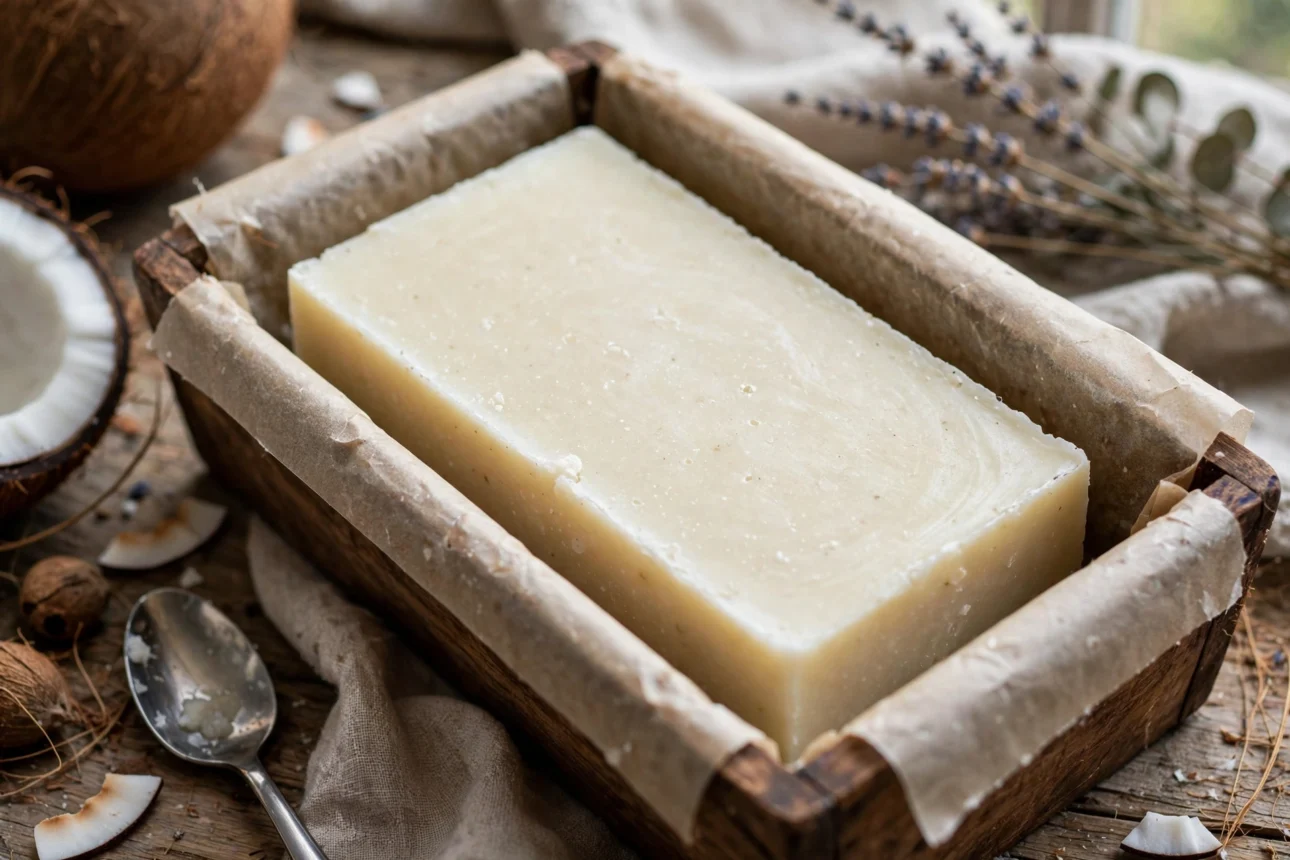
This recipe matters because it’s often the first true bar soap beginners try after moving past melt-and-pour, since it only involves one oil to measure and mix. It also cures a bit faster than many oil blends, so it’s a satisfying first project.
Quick steps: dissolve lye into water and let it cool, melt the coconut oil separately, slowly combine the two while stirring until it thickens slightly, pour into a mold, and cure for about four weeks.
2. Olive Oil Castile Bar
A castile soap uses olive oil as the only fat, combined with lye and water. It produces a mild, gentle bar, though it needs a longer cure time than most other recipes on this list.
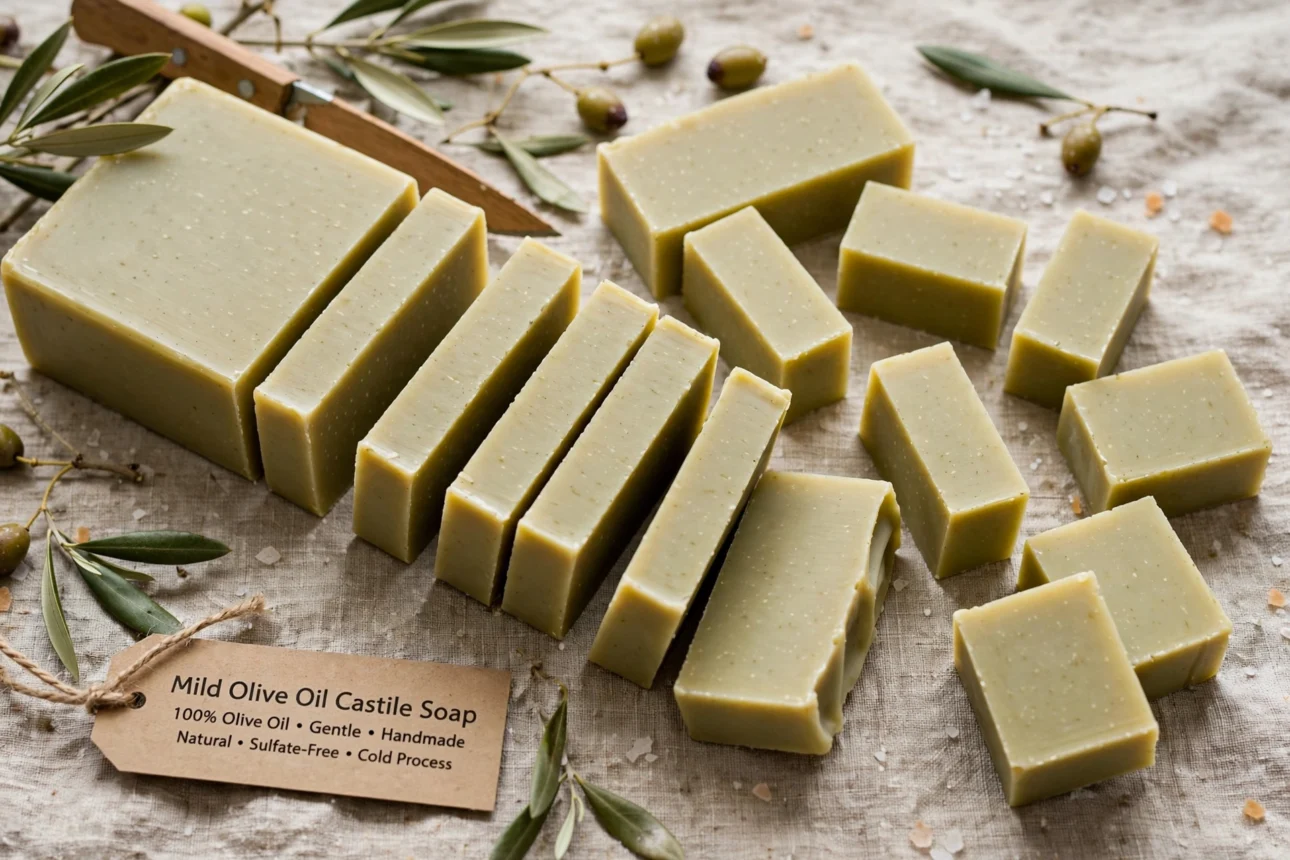
This recipe matters for sensitive or dry skin, since olive oil is known for being conditioning rather than stripping, which makes castile bars a common pick for babies and people with skin sensitivities. The tradeoff is a softer bar early on, which is why the longer cure time matters more here than with other recipes.
Quick steps: mix lye into water and let it cool, slowly stir it into the olive oil, blend until it reaches a thin trace, pour into a mold, and cure for at least six to eight weeks for the best texture.
3. Himalayan Salt Soap Bar
This bar mixes an oil of choice, lye, and food-safe Himalayan salt, which settles at the bottom of the mold and creates a decorative, textured layer once the soap sets.
This recipe matters for anyone who wants a striking, gift-worthy design without needing dye or fragrance, since the pink salt provides both color and texture on its own. Salt bars are also known for producing a denser, harder lather than typical oil-based bars.
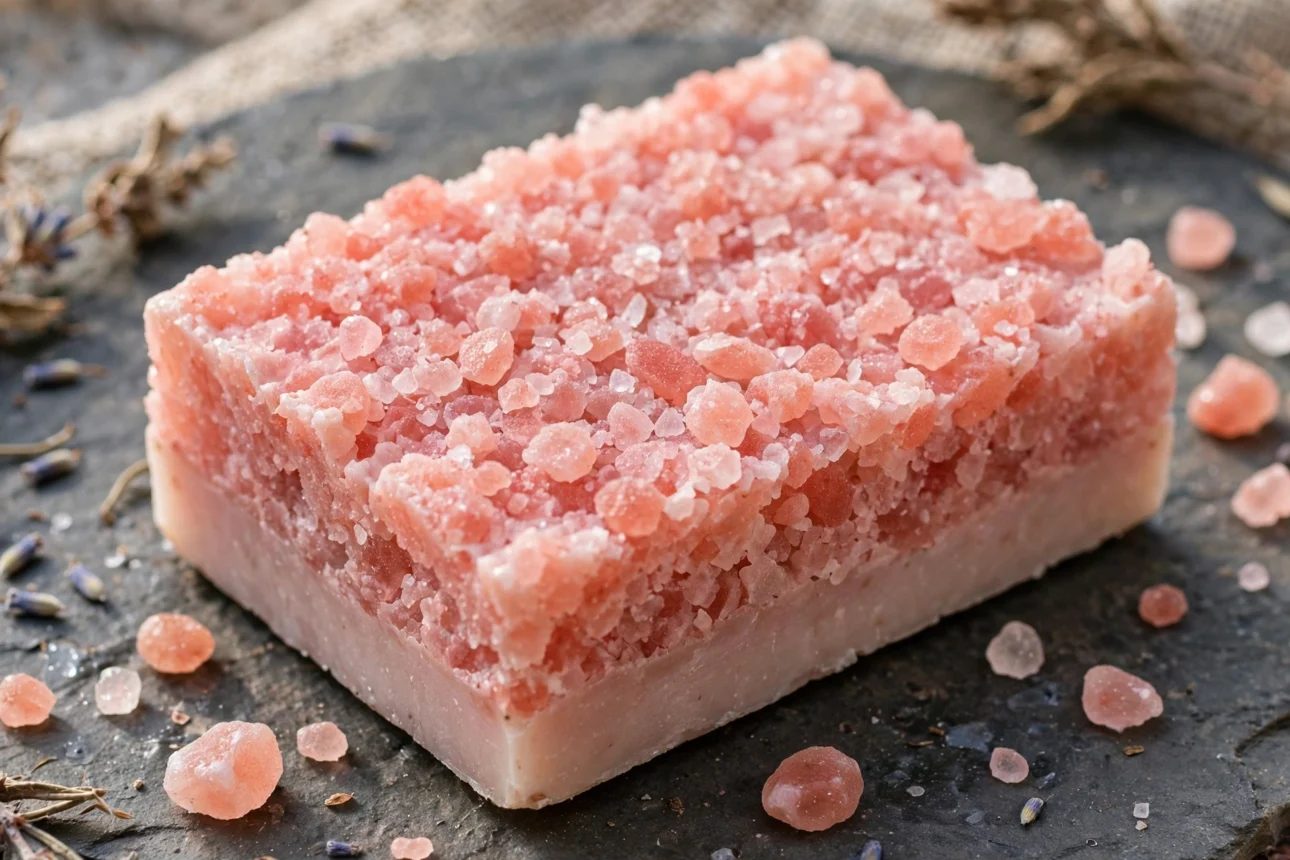
Quick steps: mix your lye and oil as usual to a light trace, pour into the mold, then press coarse Himalayan salt into the top or bottom before it fully sets, and cure for about four weeks.
4. Liquid Hand Soap
This recipe skips lye and bar-making entirely. Water, liquid castile soap, and a few drops of essential oil are combined directly in a foaming or pump dispenser.
This recipe matters as the fastest option on this list, since it takes just a minute or two to mix and is ready to use right away, with no curing wait at all. It’s also the easiest recipe to scale up or down depending on the size of the dispenser.
Quick steps: pour water into a clean soap dispenser, add liquid castile soap, then add a few drops of essential oil like lemon or lavender, and give the bottle a gentle shake before each use.
5. Grease-Cutting Dish Soap
This version uses Sal Suds, a plant-based cleaning concentrate, mixed with water and an essential oil like orange or lemon, which helps cut through grease without harsh chemicals.
This recipe matters for anyone wanting to avoid store-bought dish soap ingredients, since it uses a short, simple ingredient list while still handling tough, greasy dishes effectively.
Quick steps: combine water and Sal Suds in a squeeze bottle or dispenser, add several drops of essential oil for scent, shake gently to combine, and use just like regular dish soap.
6. Shea Butter Bar Soap
This bar uses shea butter as the only fat, combined with lye and water, producing a rich, moisturizing bar that’s noticeably creamier than a standard oil-based soap.
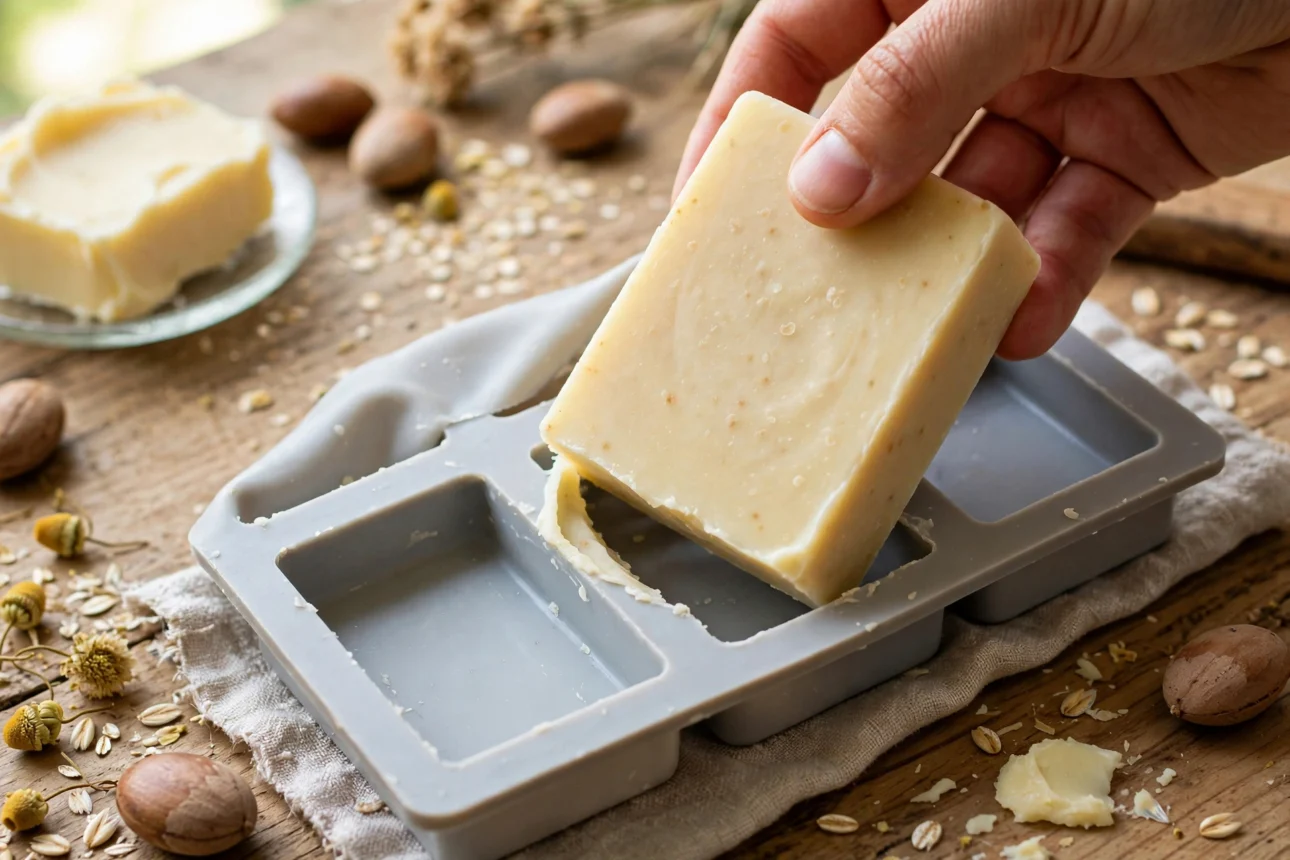
This recipe matters for dry skin or cold-weather months, since shea butter on its own tends to leave a softer, more cushioned feel than lighter oils typically provide.
Quick steps: melt the shea butter gently, mix lye into water and let it cool, slowly combine the two while stirring to a light trace, pour into a mold, and cure for about four weeks.
7. Foaming Hand Soap
This recipe uses castile soap, water, and a small amount of carrier oil, poured into a foaming pump dispenser specifically, since regular pumps don’t produce the same foam texture.
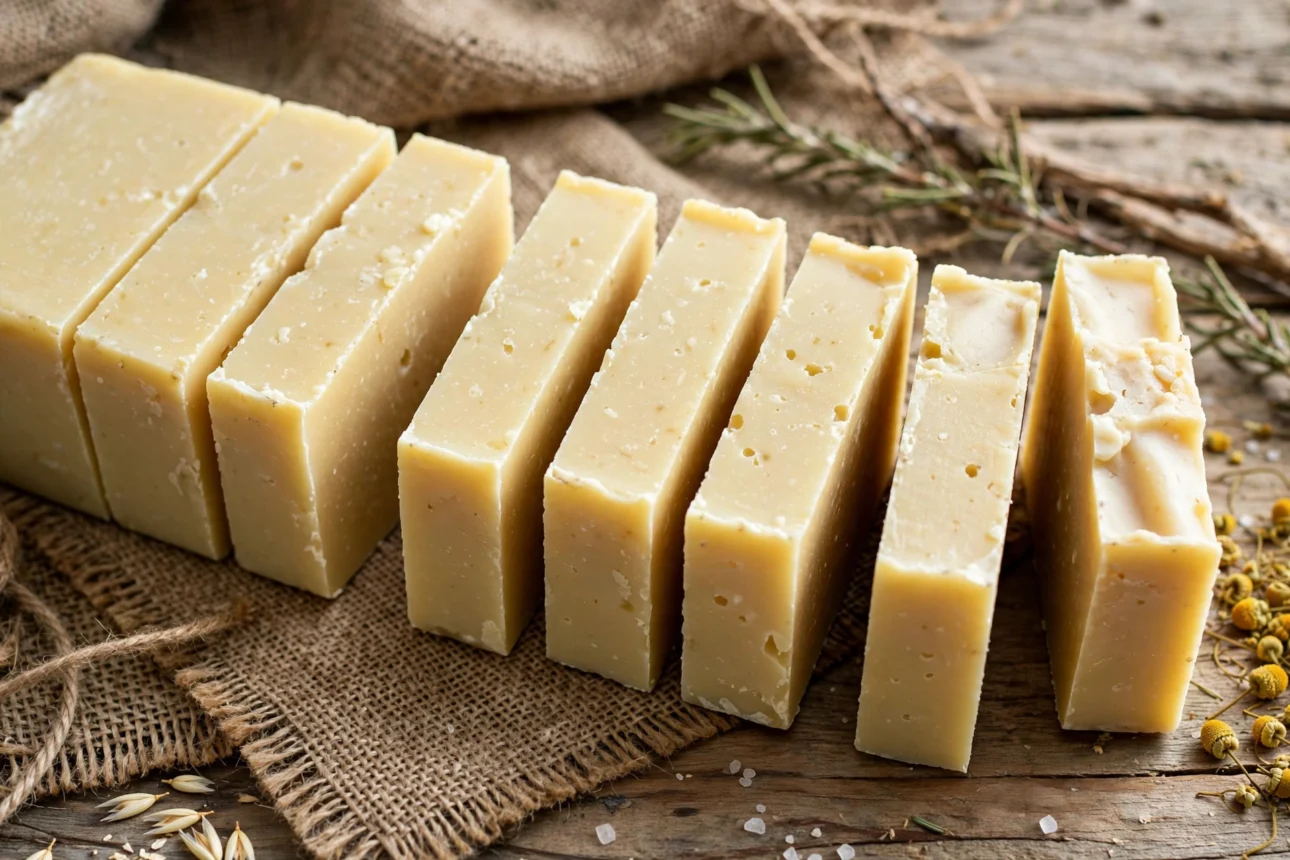
This recipe matters for anyone who prefers a lighter, foamy lather over a thick liquid soap, and it’s an easy way to refill an empty foaming soap bottle at home.
Quick steps: fill a foaming pump bottle about three-quarters full with water, add a small amount of castile soap and a few drops of carrier oil, then gently swirl to combine without creating suds too early.
8. Lard Soap Bar
This traditional recipe uses lard, lye, and water, producing a hard, mild, and inexpensive bar. It’s a classic homesteading recipe that predates most modern soap-making oils.
This recipe matters for anyone interested in old-fashioned or budget-friendly soap making, since lard is often cheaper and easier to source in bulk than many soaping oils.
Quick steps: melt the lard, mix lye into water and let it cool, slowly combine the two while stirring until it thickens, pour into a mold, and cure for about four to six weeks.
9. Melt-and-Pour Honey Bar
This recipe starts with a pre-made melt-and-pour soap base, then adds honey and a few drops of essential oil, skipping lye handling entirely for a quick, beginner-friendly bar.
This recipe matters for anyone making soap with kids or wanting a same-day project, since the bar is ready to use as soon as it cools and firms up in the mold.
Quick steps: melt the soap base in short bursts in the microwave or a double boiler, stir in a spoonful of honey and a few drops of essential oil, pour into a mold, and let it cool until firm.
Tips for Success
Stick to the exact lye amount a recipe calls for, especially with a single-oil bar. Each oil needs a specific amount of lye to fully react, and using too little or too much throws off the whole batch.
For liquid soap recipes, start with less castile soap than the recipe suggests and add more if needed. Castile soap is concentrated, and using too much can leave the finished liquid feeling sticky instead of clean.
Label bar soap molds with the pour date. With several three-ingredient recipes curing at once, it’s easy to lose track of which batch is ready to use and which still needs another week or two.
FAQ
Can I really make soap with only three ingredients?
Yes, a basic bar soap only needs one oil, lye, and water, while a liquid soap only needs castile soap, water, and an optional essential oil for scent. Extra ingredients like color or exfoliants are optional add-ons, not requirements.
Is lye dangerous to work with at home?
Lye is caustic and needs care, including gloves, eye protection, and good ventilation. It becomes safe soap once it fully reacts with the oil during saponification, but should always be handled carefully beforehand.
Which three-ingredient recipe needs no waiting at all?
The liquid hand soap and grease-cutting dish soap recipes are ready to use immediately after mixing, since neither involves lye or a curing period.
Can these bar soap recipes be scented or colored?
Yes, though adding a fourth ingredient like essential oil or natural colorant means the recipe is technically no longer three ingredients. The base formulas here are meant as a starting point that can be customized later.
Conclusion
Three-ingredient soap recipes prove that a great bar or bottle of soap doesn’t need a long shopping list. Bar recipes built on one oil, lye, and water cover everything from a hard coconut oil bar to a gentle olive oil castile, while liquid versions with castile soap, water, and essential oil skip lye and cure time completely. Beginners short on time or nervous about working with lye can start with a liquid or melt-and-pour recipe, then move into a true bar soap once the basic process feels comfortable. Pick the version that matches the time and ingredients on hand, and go from there.
References
- The Soap Coach, “The Easiest 3 Ingredient Soap Recipe”
- Homestead Survival Site, “How to Make Soap With Just 3 Ingredients”
- Live Simply, “Super Easy DIY Dish Soap: 3 Ingredients”
- Living Well Mom, “Easy Grease-Cutting DIY Homemade Dish Soap with 3 Ingredients”
- Mom 4 Real, “3-Ingredient DIY Liquid Hand Soap”
- A Pumpkin and a Princess, “25 Handmade Soap Recipes

Sarah Anderson . J
I’m the mom behind Wise Mom Blogger, where everyday creativity meets real-life motherhood. I share easy DIY crafts, cozy knitting and crochet projects, beginner-friendly sewing ideas, and family-tested recipes—plus quick baking hacks that make homemade feel doable on busy days.