Quick answer: The most effective homemade dust spray combines water, a small amount of white vinegar, and a light oil like olive or vegetable oil, with a few drops of essential oil for scent. Always spray onto a cloth rather than the furniture itself, and test on a hidden spot first since vinegar can be too harsh for unsealed or antique wood finishes.
Store bought dusting spray works, but it often leaves a waxy film behind and comes packed with synthetic fragrance and silicone that builds up on furniture over time. A homemade version costs pennies to make, skips the harsh chemicals, and can be scented however you like with essential oils. This guide covers 10 homemade dust spray recipes and variations, along with the safety details that keep your furniture looking good instead of damaged.
| Spray Feature | Best Practice |
| Base ingredient | Water |
| Vinegar type | White distilled only |
| Oil type | Olive, vegetable, or jojoba |
| Use on unsealed or antique wood | Caution advised |
| Spray directly onto wood surface | Avoid |
| Recipe | Best For |
| Classic vinegar and olive oil spray | Sealed wood furniture |
| Citrus essential oil spray | Fresh scent lovers |
| Lavender and grapefruit calming spray | Bedrooms |
| No vinegar gentle spray | Sensitive or antique wood |
| Dish soap dust repelling spray | Pet owners |
| Beeswax restoring polish | Dry or dull wood |
| Orange peel infused vinegar spray | Reducing vinegar smell |
| Jojoba oil spray for dry climates | Dry climates |
| Alcohol based quick evaporating spray | Electronics and glass |
| Minimalist water only spray | Daily quick dusting |
Typical Recipe Ratio (16 oz Bottle)
Water
1 cup
Vinegar
2-8 tbsp
Oil
2 tbsp
The best homemade dust spray recipes combine a handful of common kitchen and pantry staples, so you likely already have what you need on hand. Below are 10 recipes and variations, ranging from the classic base recipe to specialty versions for antique wood, dry climates, and pet friendly homes.
1. Classic vinegar and olive oil spray
This is the most common and reliable homemade dust spray recipe, combining water, vinegar, and olive oil for light cleaning and a subtle polish.
Ingredients:
- 1 cup water
- ⅛ cup white distilled vinegar
- 2 tablespoons olive oil
Steps:
- Pour the water, vinegar, and olive oil into a glass spray bottle.
- Attach the sprayer top and shake well until the ingredients are combined.
- Spritz the mixture onto a soft, dry cloth rather than directly onto the furniture.
- Wipe the wood surface in the direction of the grain, then buff dry with a clean section of the cloth.
- Shake the bottle before each future use, since the oil and water will separate over time.
2. Citrus essential oil spray
Build on the classic base recipe with a blend of citrus essential oils for a fresh, uplifting scent that makes dusting feel less like a chore.
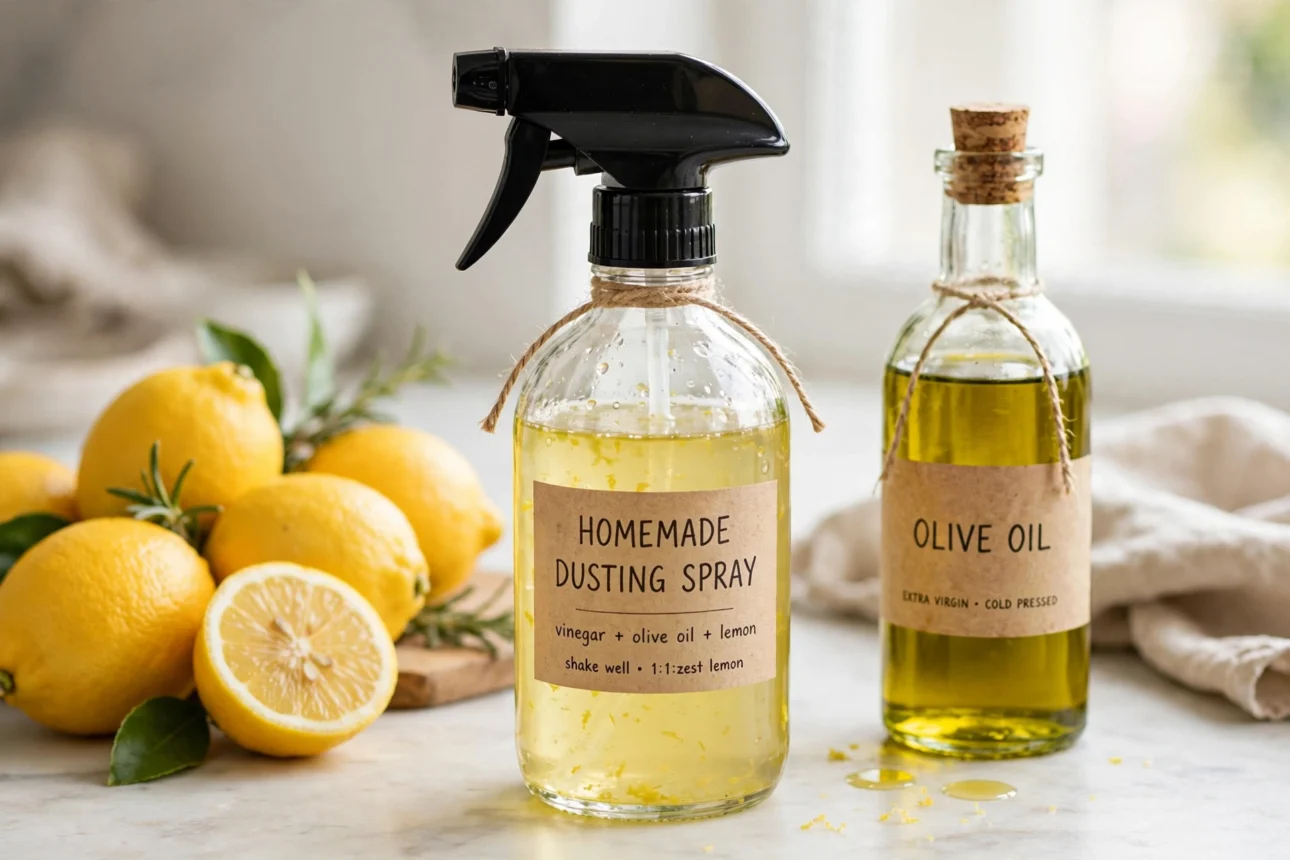
Ingredients:
- 1 cup water
- ⅛ cup white distilled vinegar
- 2 tablespoons olive oil
- 5 drops lemon essential oil
- 5 drops orange essential oil
- 3 drops pine essential oil
Steps:
- Add the water, vinegar, and olive oil to a glass spray bottle.
- Add the lemon, orange, and pine essential oils, adjusting the drop count to your preferred scent strength.
- Secure the sprayer top and shake thoroughly to combine.
- Spray onto a soft cloth and wipe wood surfaces with the grain.
- Store in a cool, dark spot and shake well before each use.
3. Lavender and grapefruit calming spray
This softer, more calming scent blend is a nice fit for bedrooms and other spaces meant for winding down.
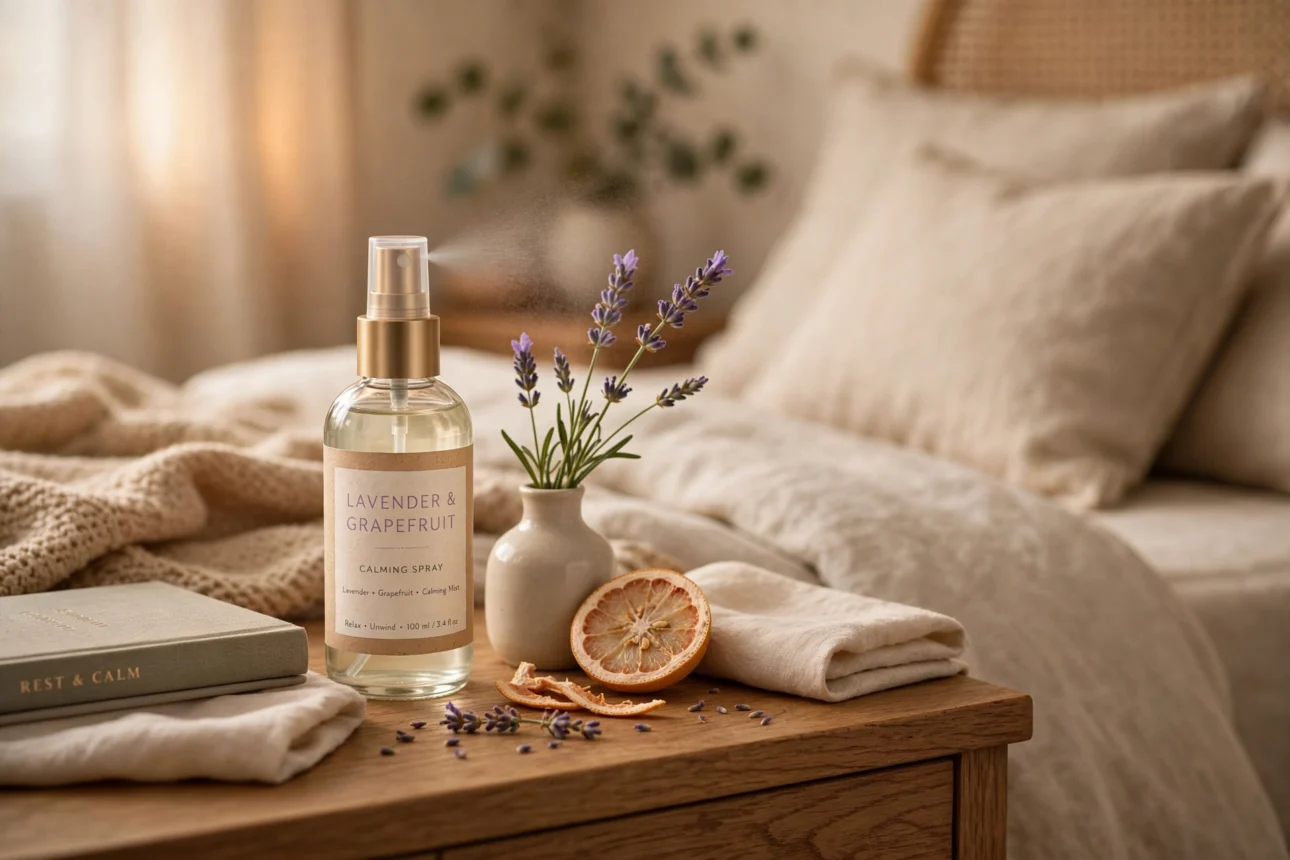
Ingredients:
- 1 cup water
- ½ cup white distilled vinegar
- 2 tablespoons olive oil
- 5 drops lemon essential oil
- 5 drops grapefruit essential oil
- 5 drops lavender essential oil
Steps:
- Pour the water into a glass measuring cup, then add the vinegar and olive oil.
- Add the lemon, grapefruit, and lavender essential oils.
- Transfer the mixture into a spray bottle and shake well.
- Spray onto the surface that needs dusting or onto a microfiber cloth.
- Wipe the surface clean and buff dry.
4. No vinegar gentle spray
Skip the vinegar entirely for a gentler spray suited to antique or delicate wood finishes that cannot handle repeated acidic exposure.
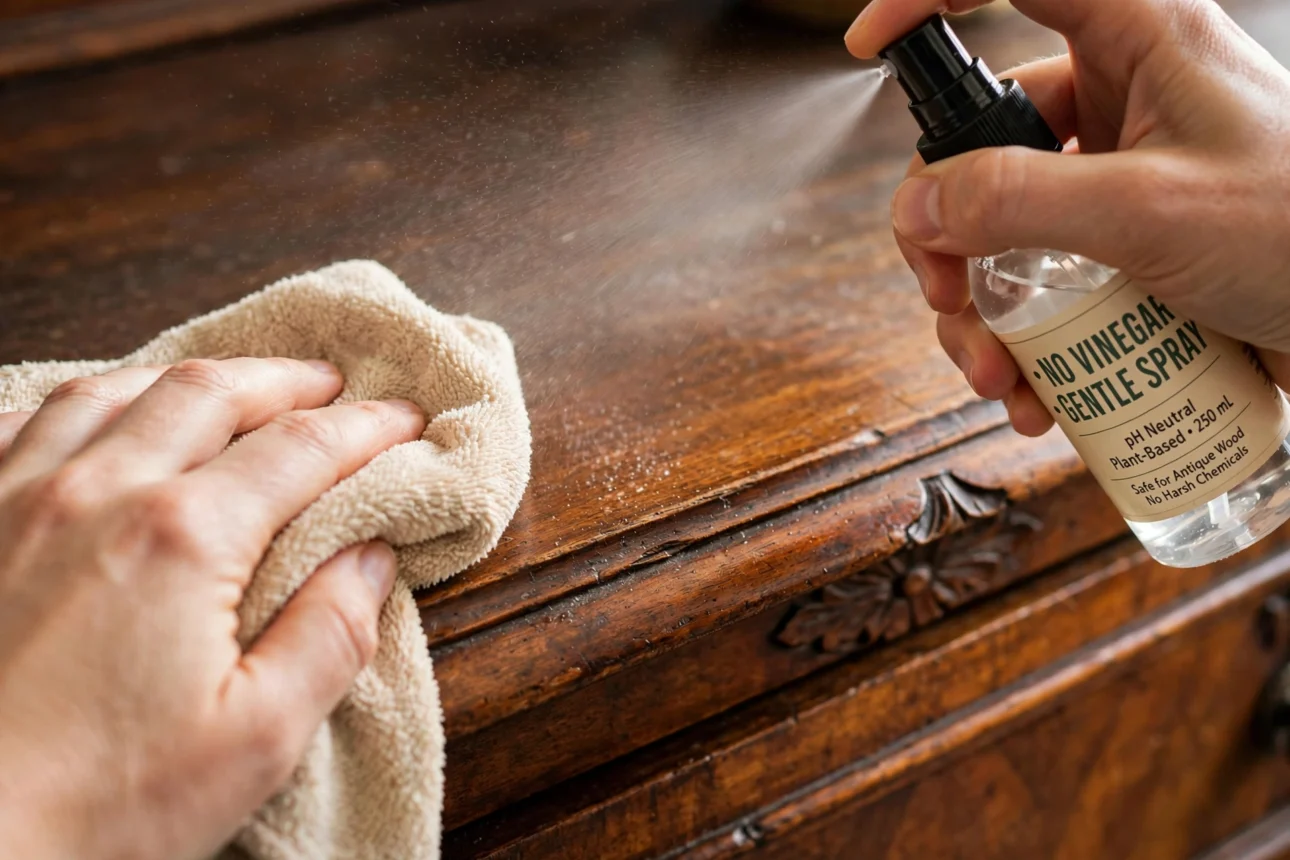
Ingredients:
- 1 cup water
- 2 tablespoons olive oil
- 4 drops essential oil of choice
Steps:
- Combine the water and olive oil in a glass spray bottle.
- Add your preferred essential oil.
- Shake well before each use, since the oil and water will separate.
- Spray onto a soft cloth and test on a small, hidden spot first.
- Wipe the surface gently with the grain and buff to a light shine.
5. Dish soap dust repelling spray
This lighter, low oil formula helps lift pet dander and debris, making it a popular pick in homes with shedding pets.
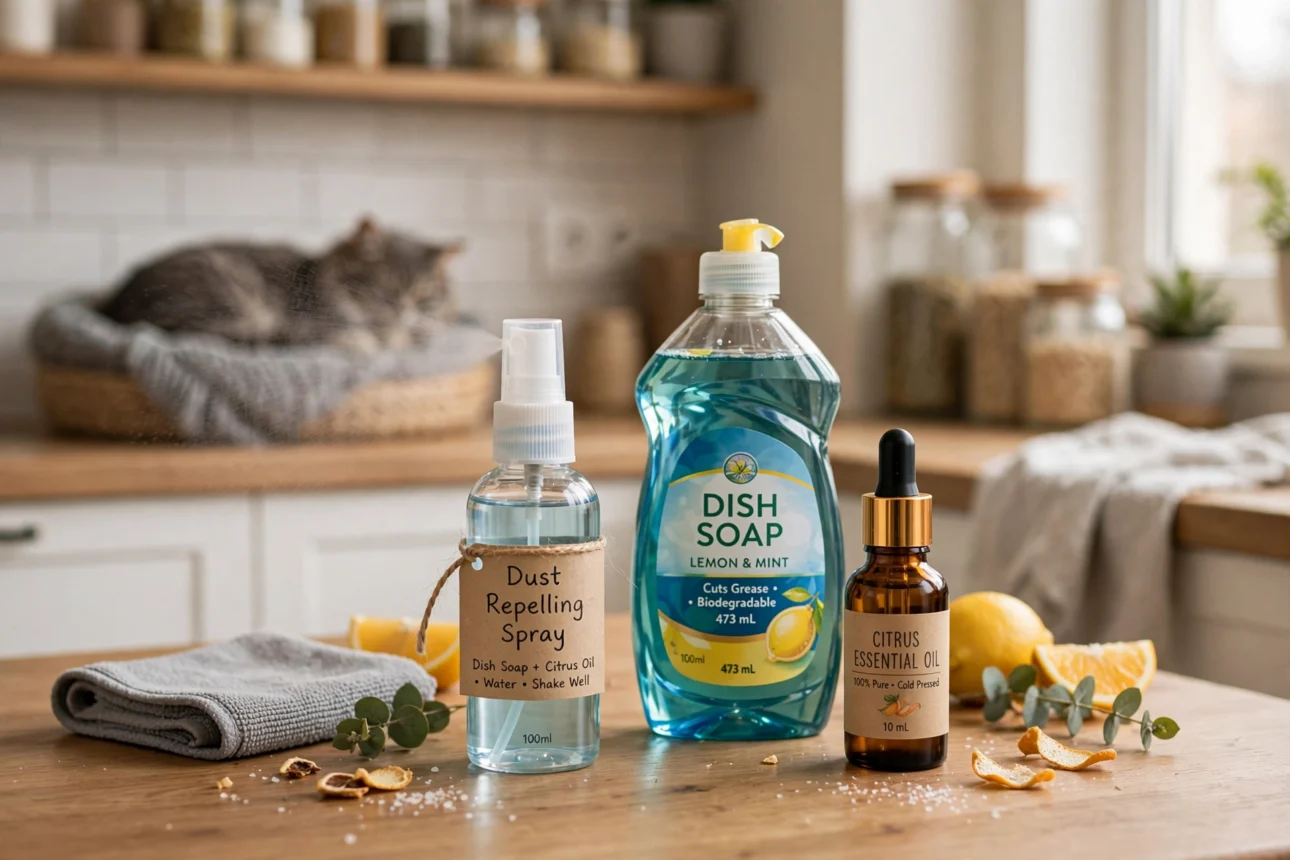
Ingredients:
- 1 teaspoon white distilled vinegar
- 1 drop dish soap
- 3 drops citrus essential oil
- 1 cup water
Steps:
- Add the vinegar, dish soap, and essential oil to a small spray bottle.
- Fill the rest of the bottle with water.
- Close the bottle and shake gently to combine, avoiding excess suds.
- Spray lightly onto a microfiber cloth.
- Wipe surfaces down to lift dust, dander, and debris.
6. Beeswax restoring polish
Reach for a beeswax based polish instead of a spray when older, drier wood needs real restoration rather than a quick dusting.
Ingredients:
- ¼ cup beeswax pellets
- ¾ cup olive oil or mineral oil
- Optional: 5 drops essential oil for scent
Steps:
- Combine the beeswax and oil in a heatproof jar or bowl.
- Melt the mixture using a double boiler or short microwave bursts, stirring until fully combined.
- Stir in the essential oil, if using, once the mixture has cooled slightly.
- Pour into a small tin or jar and let it firm up completely before use.
- Apply a small amount to a cloth and buff into the wood by hand in circular motions.
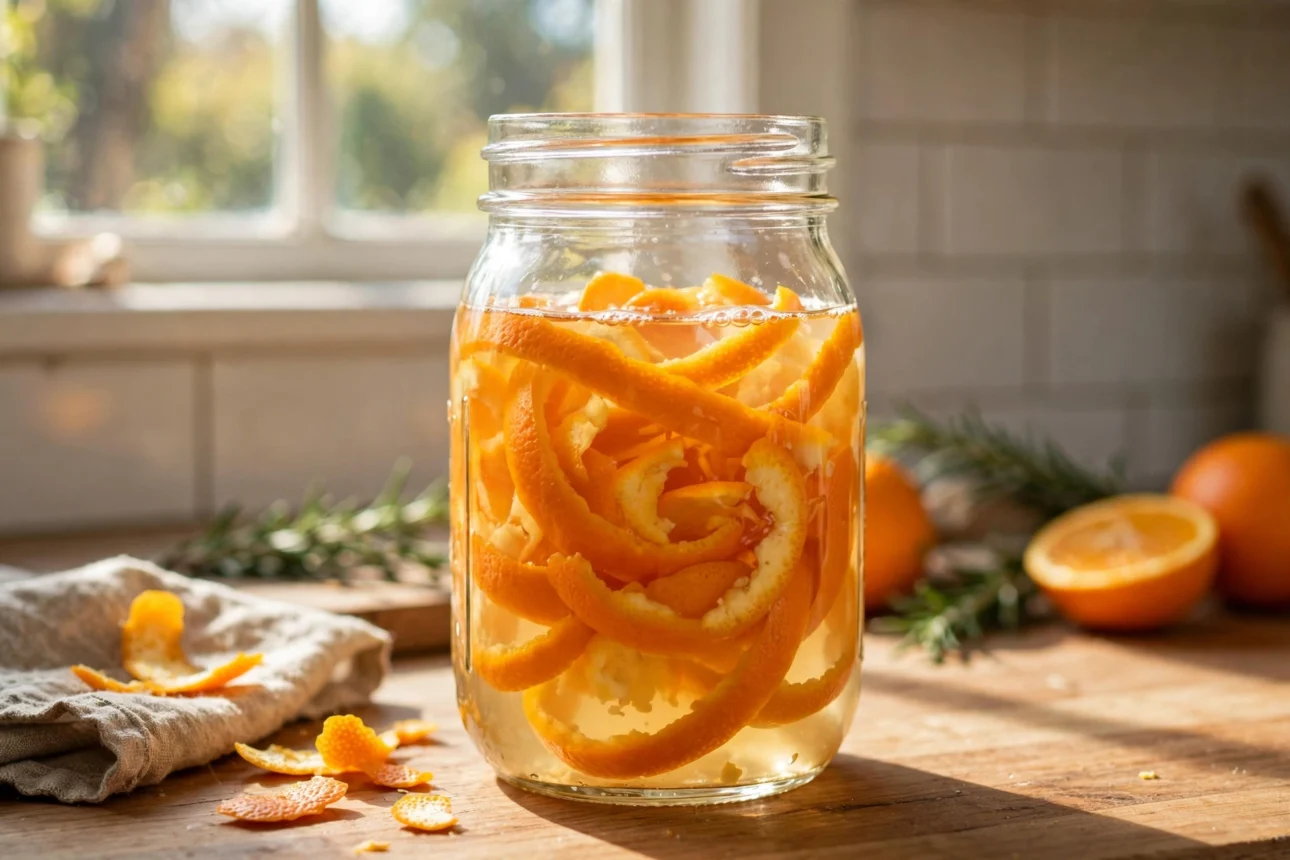
7. Orange peel infused vinegar spray
Infuse vinegar with orange peels ahead of time to sidestep the sharp smell some people dislike about plain white vinegar.
Ingredients:
- Peel of 1 orange
- 1 cup white distilled vinegar
- 2 tablespoons olive oil (for the finished spray)
- 1 cup water (for the finished spray)
Steps:
- Place the orange peel in a glass jar and cover completely with vinegar.
- Seal the jar and let it stand for at least two weeks, away from direct sunlight.
- Strain out the peel once the infusion is ready, keeping the citrus scented vinegar.
- Combine one cup of water, an eighth of a cup of the infused vinegar, and the olive oil in a spray bottle.
- Shake well and use exactly as you would the classic base recipe.
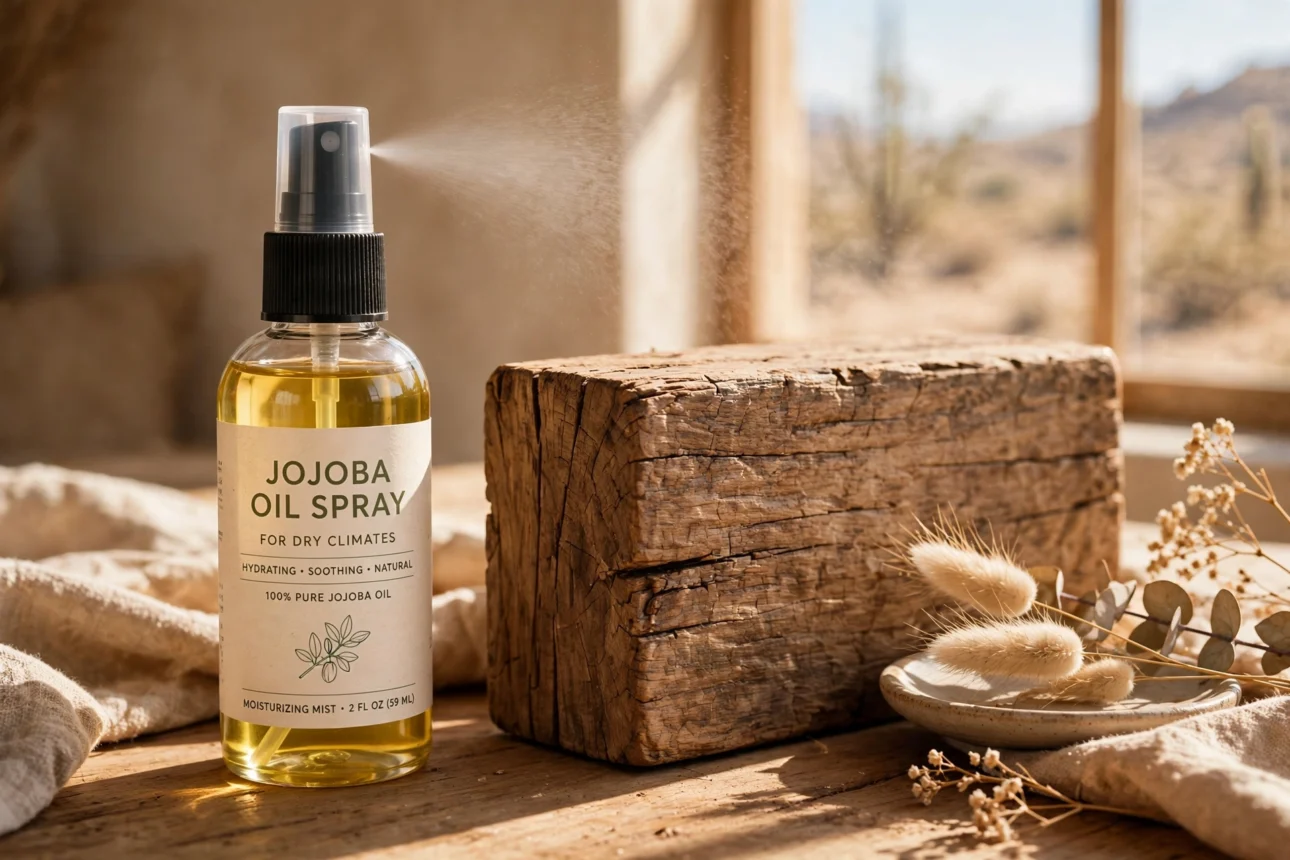
8. Jojoba oil spray for dry climates
Swap in jojoba oil if you live in a dry climate, since it absorbs into wood more readily and leaves less of a greasy film behind.
Ingredients:
- 1 cup water
- ⅛ cup white distilled vinegar
- 2 tablespoons jojoba oil
- Optional: 4 drops essential oil
Steps:
- Pour the water, vinegar, and jojoba oil into a glass spray bottle.
- Add the essential oil, if using.
- Shake thoroughly to combine.
- Spray onto a soft cloth and wipe furniture with the grain.
- Store in a cool spot, since jojoba oil is naturally shelf stable and resists going rancid.
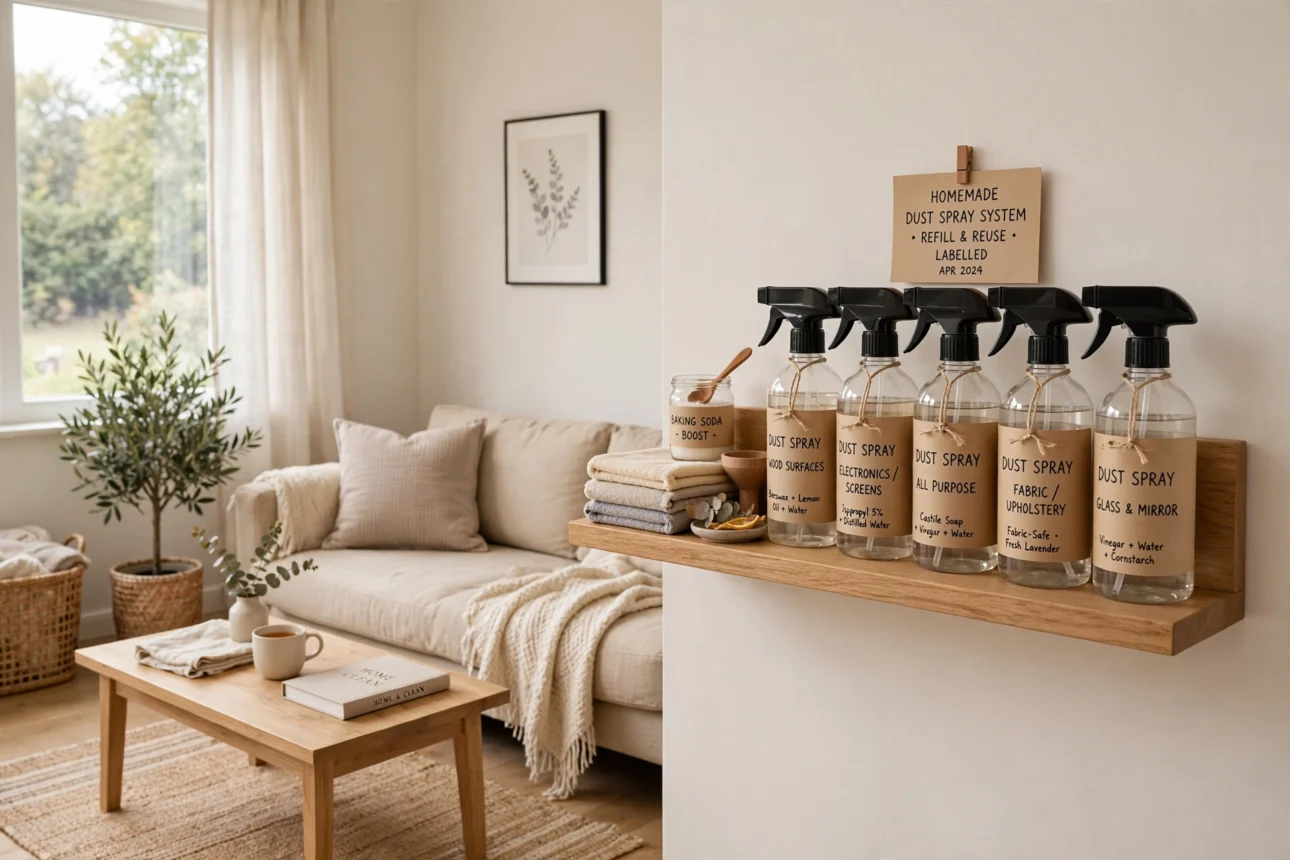
9. Alcohol based quick evaporating spray
This fast drying spray suits electronics, glass, and other surfaces where you do not want any oily residue left behind at all.
Ingredients:
- ½ cup water
- ½ cup rubbing alcohol
- 3 drops essential oil
Steps:
- Combine the water and rubbing alcohol in a spray bottle.
- Add the essential oil.
- Shake well to combine.
- Spray lightly onto a lint-free cloth, not directly onto screens or glass.
- Wipe the surface and let it air dry, since the alcohol evaporates quickly on its own.
Label this bottle clearly and store it separately from your wood furniture sprays, since the two formulas are built for very different surfaces.
10. Minimalist water only spray
This is the simplest possible dusting spray, useful for surfaces where you are unsure how vinegar or oil will react.
Ingredients:
- 1 cup distilled water
Steps:
- Fill a clean spray bottle with distilled water.
- Lightly mist a microfiber cloth, rather than the furniture itself.
- Wipe the surface to help the cloth grab and hold dust rather than push it around.
- Buff dry with a clean, dry section of the cloth.
- Refill as needed, since this recipe has no shelf life concerns.
Is homemade dust spray safe for all wood furniture?
Not always. Vinegar based sprays are generally safe for durable, sealed finishes like polyurethane, lacquer, or varnish, since these finishes create a protective barrier that keeps the vinegar from directly contacting the raw wood underneath.
Older or antique furniture is a different story. Shellac, wax, and oil finishes are more delicate, and undiluted or even properly diluted vinegar can strip wax, dissolve shellac, or dry out an oil finish over repeated use. Unsealed or unfinished wood is the riskiest surface of all, since vinegar increases the wood’s moisture absorption and can lead to warping or discoloration over time.
Always test any homemade dust spray on a small, hidden spot before using it across an entire piece of furniture. If you are dealing with an antique, a delicate finish, or wood you cannot identify, reach for the no vinegar or water only recipes on this list instead of a vinegar based version.
How do I use a homemade dust spray correctly?
Spray the mixture onto a soft, dry cloth rather than directly onto the furniture, then wipe the surface with the grain of the wood. Spraying straight onto furniture increases the chance of oversaturating one spot, which raises the risk of streaking or damage, especially with vinegar based recipes.
Shake the bottle before every single use, since oil and water separate quickly once they sit for even a short time. Skipping this step means you might apply mostly water in one pass and mostly oil in the next, leading to inconsistent results across your furniture.
Avoid using oil based dusting sprays near upholstered furniture, curtains, or fabric surfaces, since the oil can leave unsightly grease spots that are difficult to remove. Keep oil based recipes away from mirrors and glass too, since they tend to leave streaks and watermarks rather than a clean finish.
FAQ
Can I use apple cider vinegar instead of white vinegar?
It is best to stick with white distilled vinegar. Apple cider and wine vinegars contain traces of sugar and yeast that can leave behind unwanted residue on furniture surfaces over time.
How long does homemade dust spray last?
Most homemade sprays stay usable for a few months when stored in a cool, dark spot. Since there are no preservatives, watch for any change in smell or appearance and discard the mixture if that happens.
Can I use homemade dust spray on wood floors?
No, these recipes are meant for furniture, not floors. Vinegar can dull or damage a floor’s finish over time, and oil based sprays can create a slippery surface that is a fall hazard on flooring.
Why does my furniture attract more dust after using an oil spray?
Undiluted or excess oil left on a surface can actually attract dust rather than repel it. Use oil sparingly, spray onto a cloth instead of the furniture, and buff thoroughly so no visible oily film remains.
What container should I store homemade dust spray in?
A glass spray bottle is generally preferred over plastic, since essential oils can degrade certain plastics over time. An amber or dark glass bottle also helps protect the essential oils from breaking down in sunlight.
References
- Involvery – DIY Furniture Polish: Homemade Dusting Spray – https://involvery.com/homemade-furniture-polish/
- DIY Natural – Homemade Dusting Spray: A Natural and Effective Cleaning Recipe – https://diynatural.com/homemade-dusting-spray/
- Our Oily House – Homemade Dusting Spray – https://www.ouroilyhouse.com/homemade-dusting-spray/
- Everyday Cheapskate – DIY Dusting Spray for Fine Wood Furniture – https://www.everydaycheapskate.com/how-to-make-your-own-dusting-spray/
- Living Well Mom – How to Make a Simple Homemade Dust Spray – https://livingwellmom.com/homemade-dusting-spray/
- Marley’s Monsters – Eco-Friendly Recipe: DIY Wood Polish and Dusting Spray – https://www.marleysmonsters.com/blogs/marleys-tutorials/eco-friendly-recipe-diy-wood-polish-dusting-spray
- The Make Your Own Zone – Homemade Furniture Dusting Spray – https://www.themakeyourownzone.com/homemade-furniture-dusting-spray/
- Wellness Mama – DIY Natural Dusting Spray Recipe – https://wellnessmama.com/natural-home/diy-dusting-spray/
- Apartment Therapy – My Grandmother’s Dust-Busting Cleaning Secret – https://www.apartmenttherapy.com/how-to-make-dust-repellant-spray-37064307
- Be A Cleaner – How To Clean Wood Furniture With Vinegar – https://www.beacleaner.com/how-to-clean-wood-furniture-with-vinegar

Sarah Anderson . J
I’m the mom behind Wise Mom Blogger, where everyday creativity meets real-life motherhood. I share easy DIY crafts, cozy knitting and crochet projects, beginner-friendly sewing ideas, and family-tested recipes—plus quick baking hacks that make homemade feel doable on busy days.