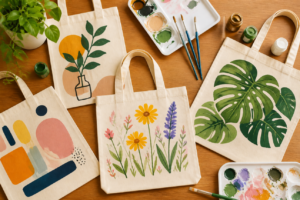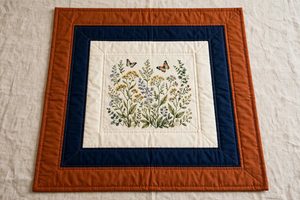

Whether you are looking to breathe new life into an old wardrobe staple or create custom decor for your living space, DIY embroidery is a remarkably versatile craft. You do not need a studio full of expensive equipment to get started. With just a few basic tools like a wooden hoop, a sharp needle, and colorful embroidery floss, you can begin transforming plain fabrics into personalized works of art. From upcycling tired sneakers to creating unique stationery, this hobby offers endless ways to express your creativity. Let’s look at nine distinct project ideas that are perfect for building your skills and confidence.
Quick Questions and Answers
Question: Why are tree ring patterns considered good projects for beginners to try? Answer: Tree ring embroidery designs are excellent for beginners because they rely on simple, concentric circles. This helps new stitchers build consistent hand control and steady tension without needing complex fill stitches or intricate color blending patterns. By practicing these shapes, you naturally learn how to manage thread length and spacing across a surface.
Question: Can I embroider on my old sneakers to make them look custom? Answer: Yes, customizing sneakers with embroidery is a trending way to upgrade existing footwear. It allows you to transform plain canvas shoes into unique pieces, offering a stylish alternative to buying new items while practicing your needlework on a structured surface. You simply need a sturdy needle to handle the dense material.
Question: Do cartoon character patterns work well for people just starting embroidery? Answer: Yes, line art such as cartoon characters is an ideal entry point for beginners. These designs focus on clean, simple outlines rather than dense, complex fill stitching, making them much faster to complete while helping you master basic outlining techniques. This approach keeps the process manageable and highly rewarding for those learning to guide their needle.
1. Embroidered Pom Pom Market Totes
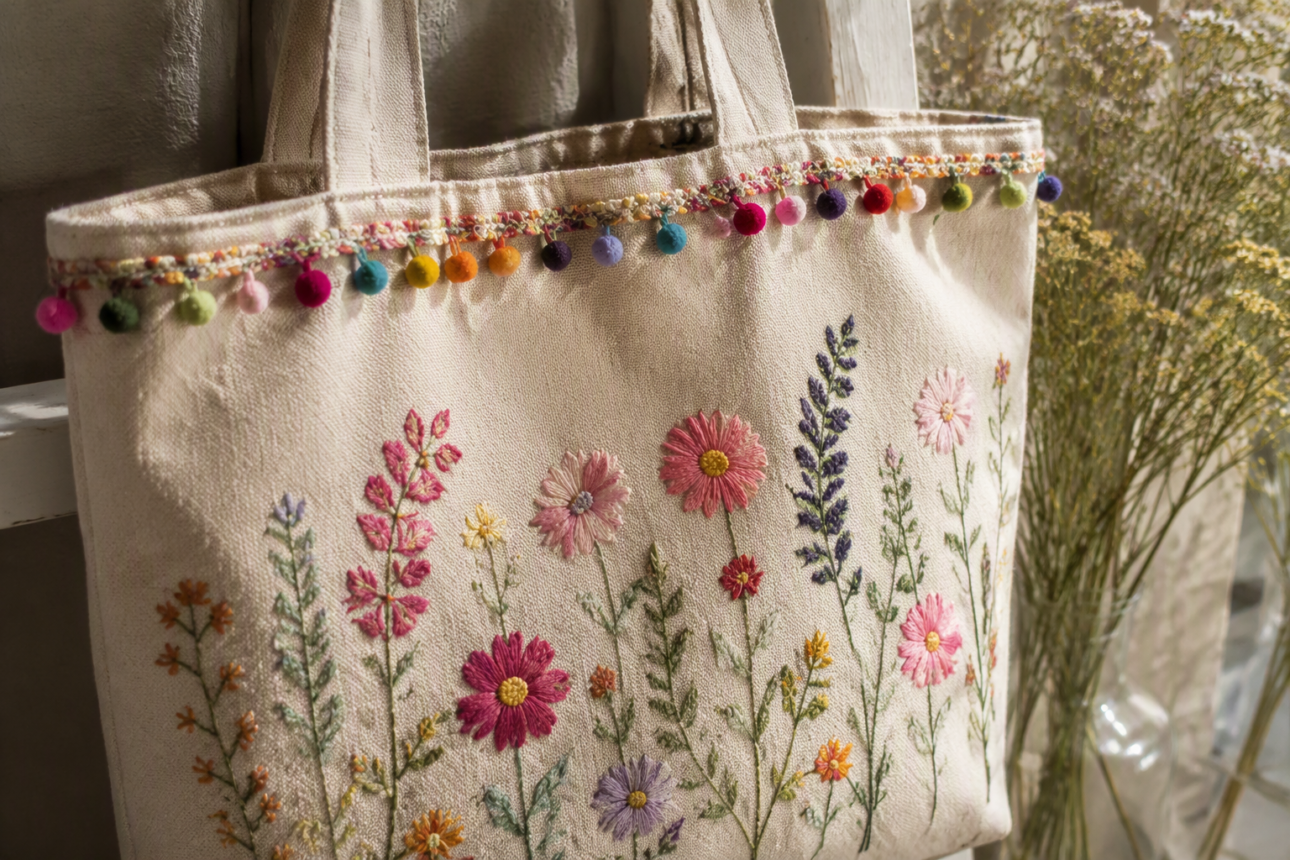
These projects combine practical sewing with decorative embroidery, making them a top pick for gifting. Adding pom poms to the trim of a canvas bag adds a playful texture that contrasts beautifully with simple, flat-stitch floral or geometric designs. I find that this project is perfect for those who want a functional, durable accessory that feels truly bespoke. If you enjoy fabric-based crafts, you might also appreciate these 14 Simple Tote Bag Painting Ideas You Can Try at Home to expand your creative collection.
2. Custom DIY Embroidered Sneakers
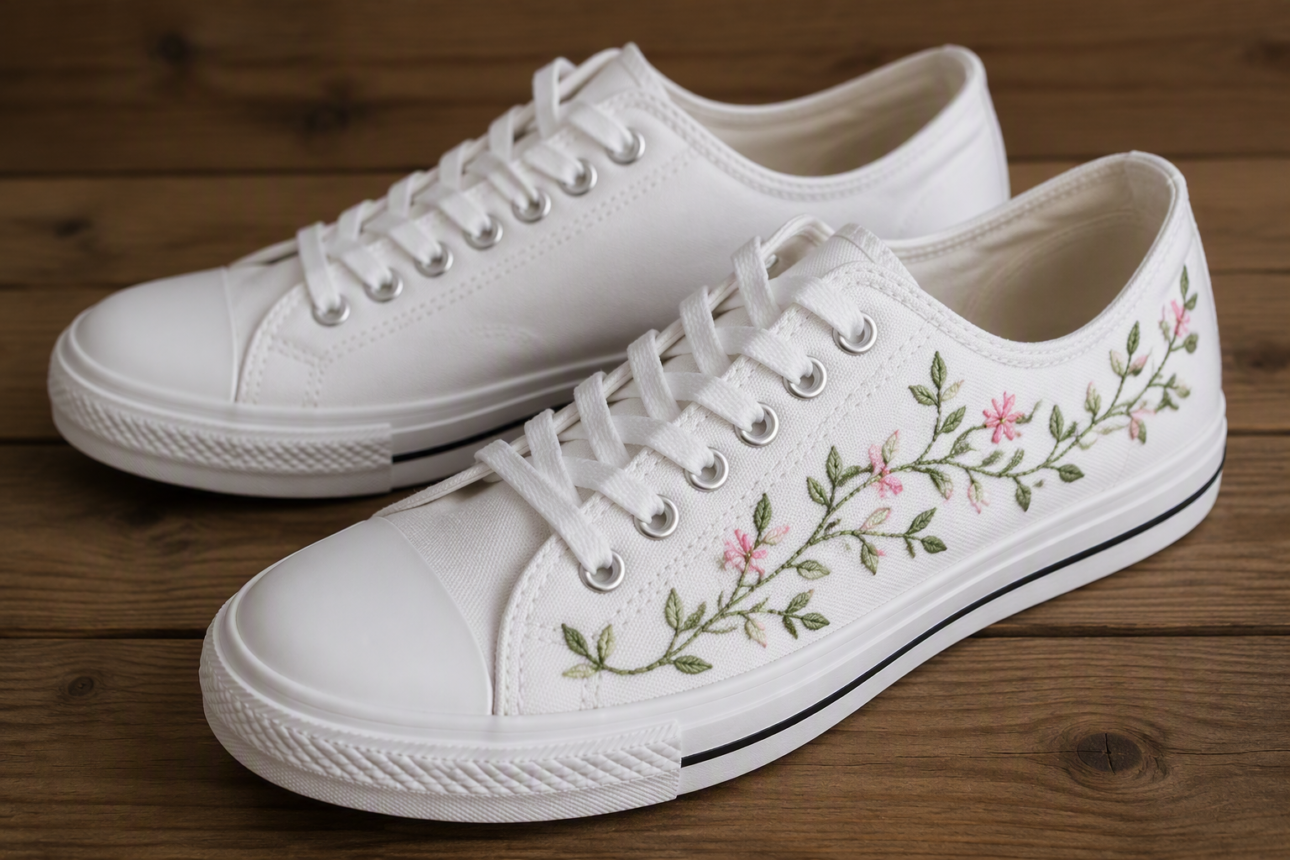
Upgrading your tired canvas sneakers is a cost-effective way to refresh a wardrobe staple without buying new clothes. You should use a strong embroidery needle and heavy-duty thread to pierce through the sturdier fabric of the shoe. Best practice involves using a stabilizer inside the sneaker to ensure the design stays crisp while you work on the curved surface. It is a great way to practice on a three-dimensional object that you will actually wear out in the world.
3. Concentric Tree Ring Wall Art
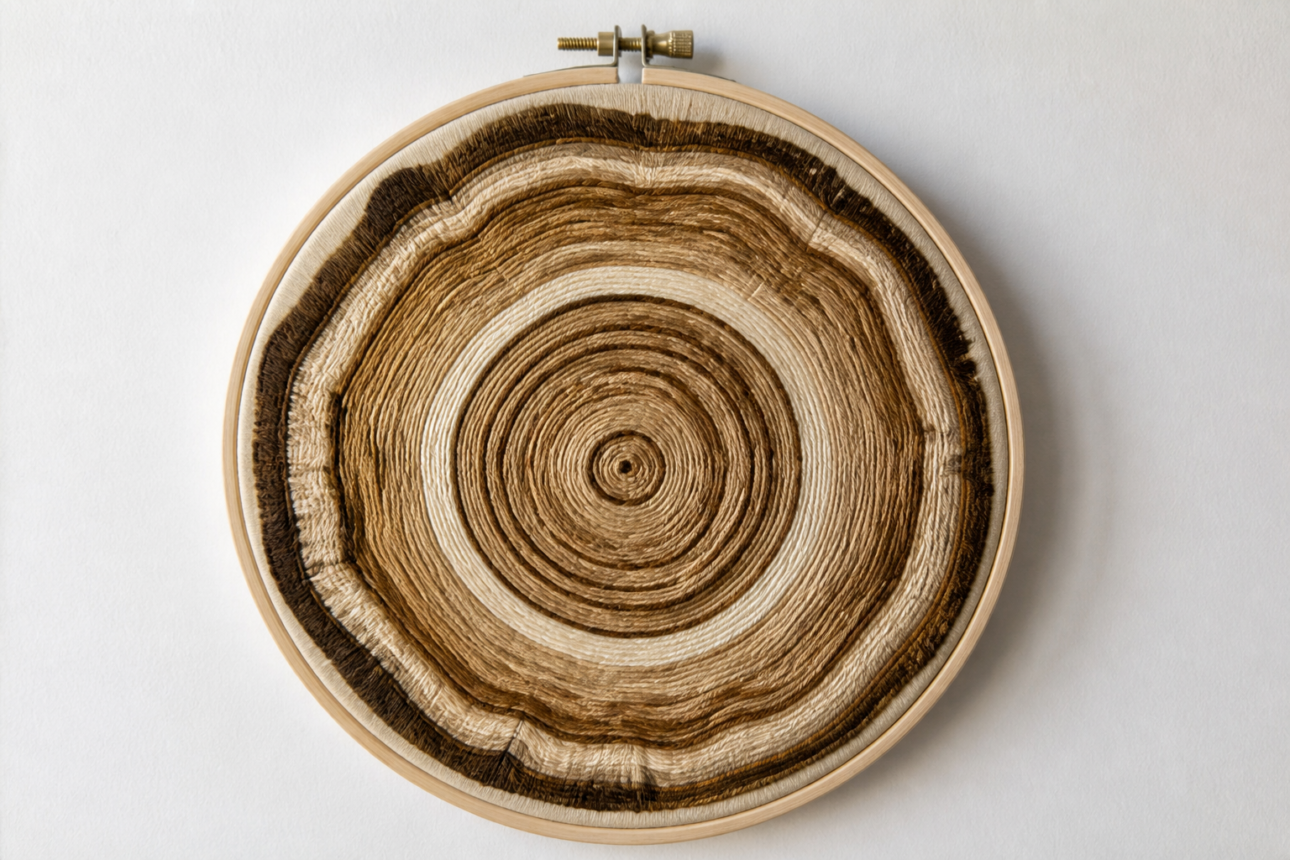
This motif serves as a low-complexity starting point for beginners learning how to maintain consistent, symmetrical stitch tension. I recommend using varied shades of earthy thread to create the appearance of bark layers and age lines within the wood. The design works exceptionally well as a standalone circular hoop display, which minimizes the need for complex mounting hardware. You simply finish the back, and it is ready to hang.
4. Modern Rainbow Stitch Projects
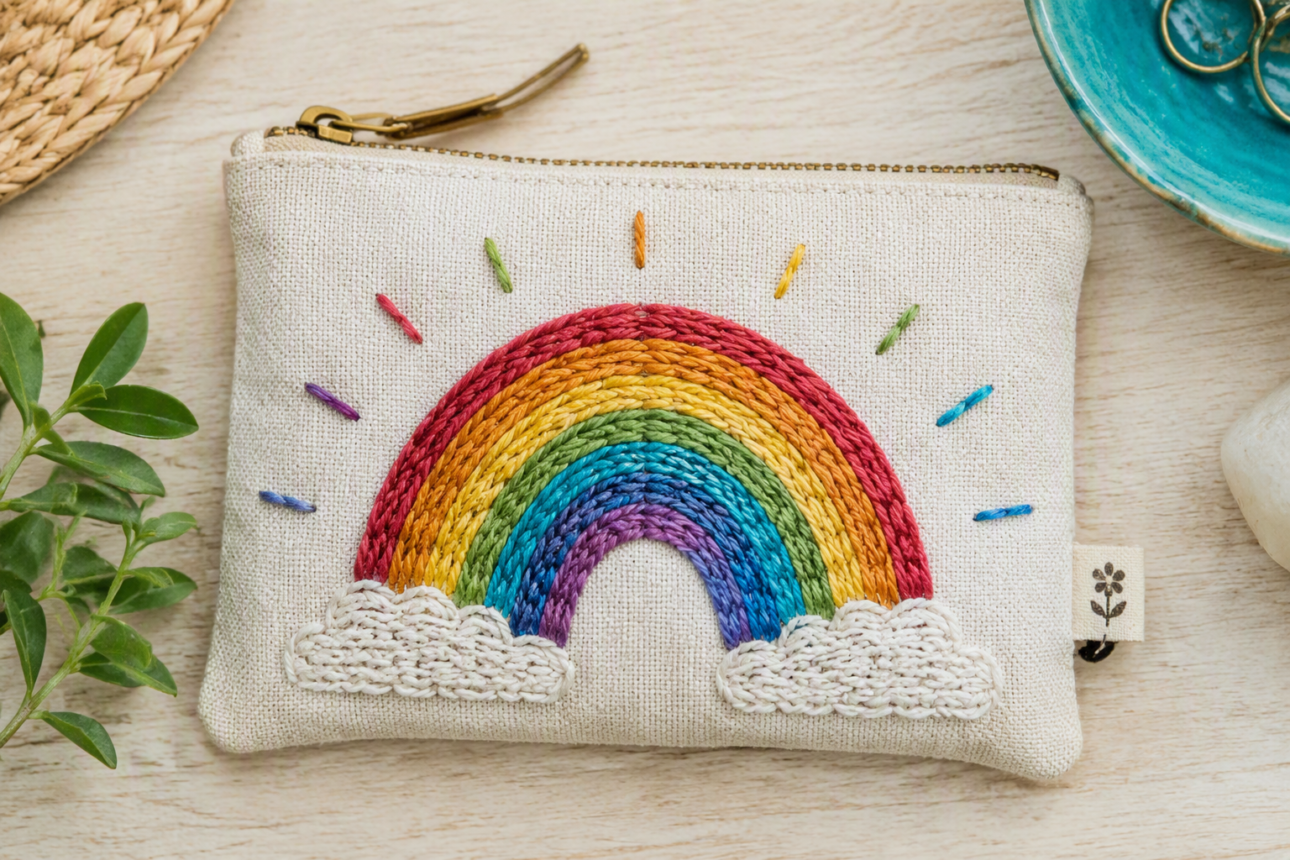
Rainbows are considered a perfect practice motif because they allow you to master curved lines and simple satin stitching. This design is highly adaptable for small accessories like pouches, caps, or decorative patches. Beginners should focus on color transitions between bands to build familiarity with layering different thread types. Research from Skillshare notes that these motifs offer a satisfying result while keeping the design scope small and manageable.
5. Cheeky Quote Tote Bags
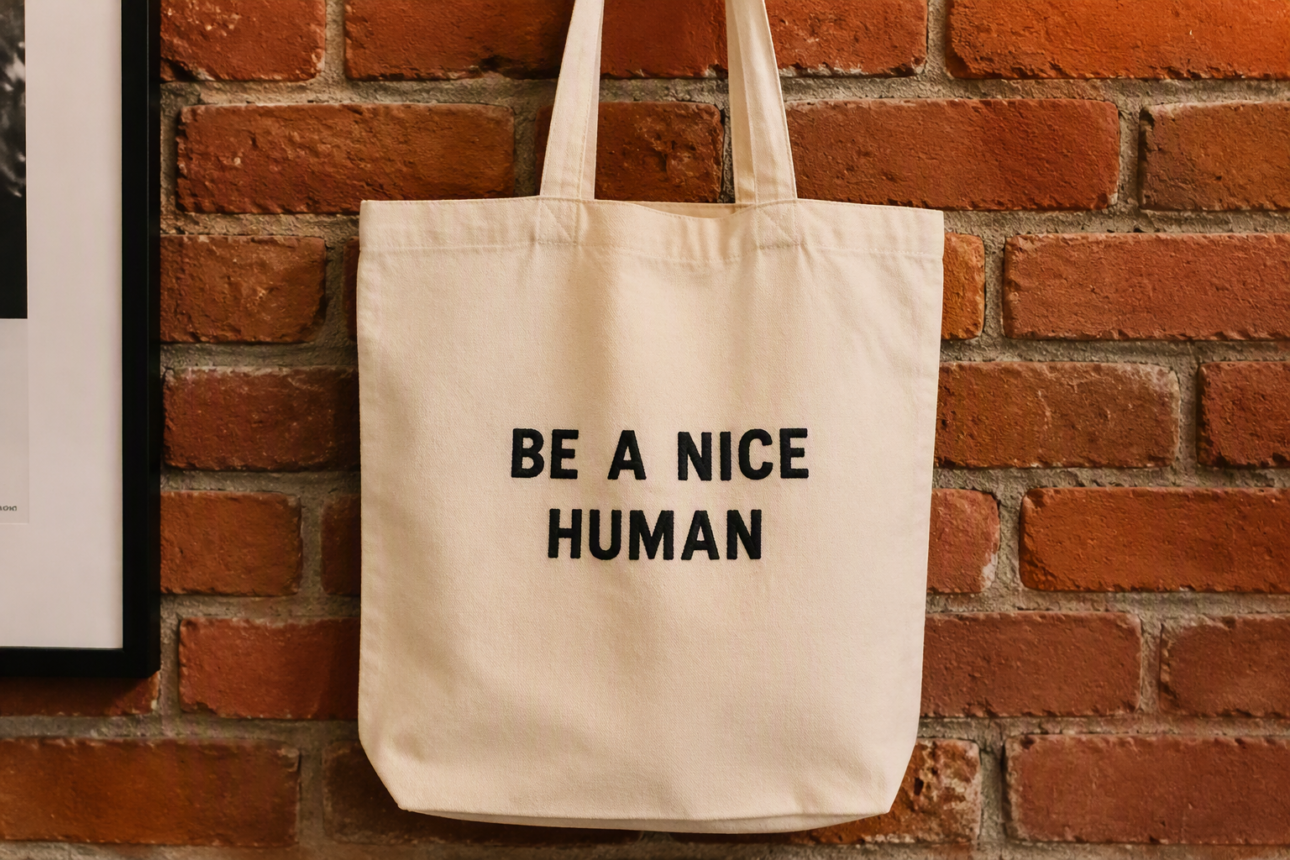
Text-based embroidery is a major 2026 trend, focusing on bold lettering that conveys humor or personality. Using block-style fonts for the letters makes the design easier to map out than cursive for those still building hand control. This project acts as a classic fast-fashion alternative that adds immediate visual impact to a plain cotton bag. If you need more inspiration for your textile projects, checking out 12 Creative Crochet Ideas for Cozy Fall and Winter Nights can provide a great transition into fiber arts.
6. Minimalist Line Art Characters
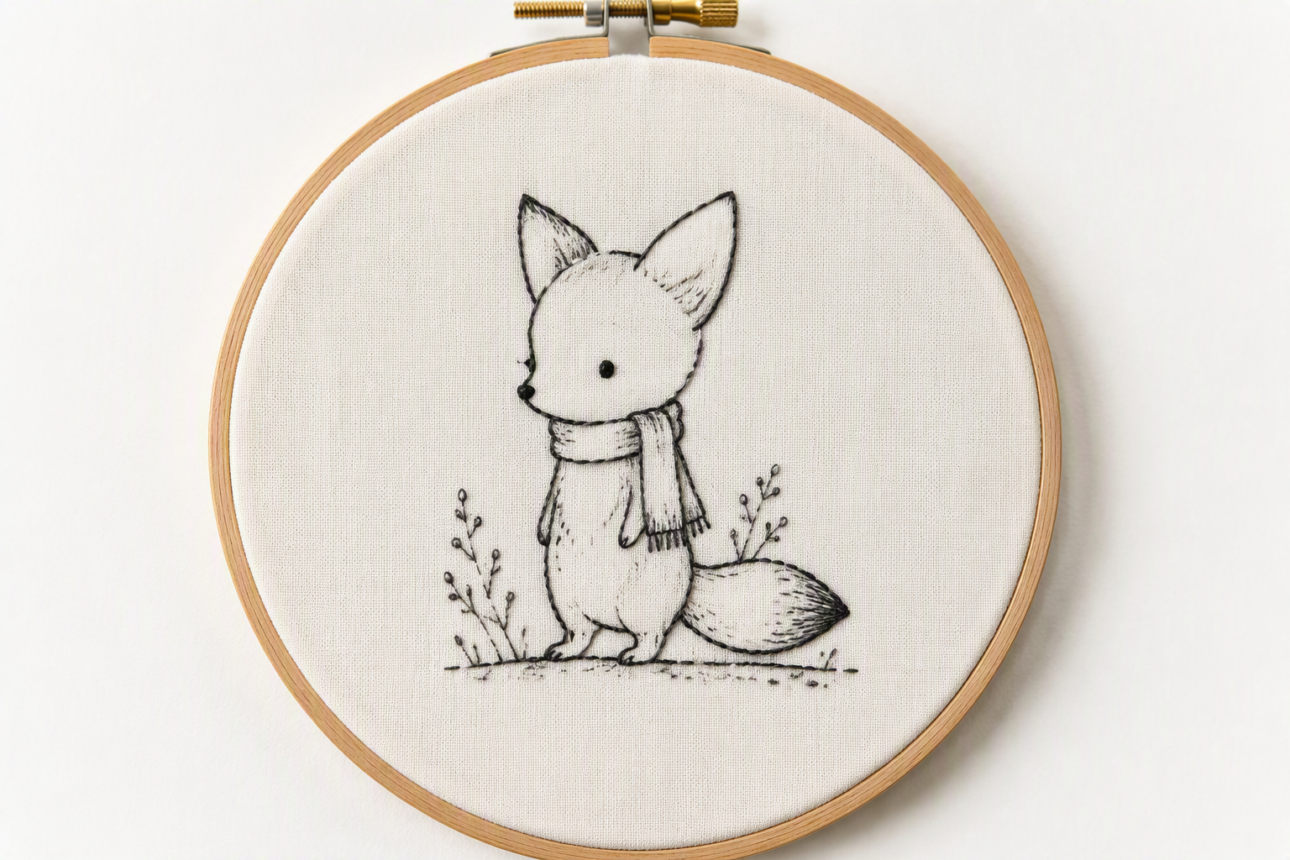
As Skillshare explains, line art is an essential technique for beginners because it avoids the need for time-consuming, dense fill stitches. Focus on capturing the silhouette of a simple cartoon character or animal to keep the stitch count manageable. Use a single strand of embroidery floss to ensure that the outlines remain fine, delicate, and professional in appearance. It is a forgiving style that looks polished even if your stitches are not perfectly uniform.
7. Tiny Design Sock and Hat Embellishments
Small-format embroidery is perfect for busy crafters who need a project that can be completed in a single sitting. Embroidering small icons, such as stars, initials, or fruit, on the cuff of a sock adds a pop of color to everyday wear. When stitching on stretchy materials like socks or beanies, ensure you use a hoop that won’t distort the fabric tension too significantly. Precision matters here, making it a great exercise for control.
8. Handmade Felt Bookmarks
These small projects act as excellent scrap busters, allowing you to use leftover thread and felt fabric from larger projects. Embellish the corners of a rectangular piece of felt with simple floral patterns or geometric shapes. Once stitched, these make highly durable, personalized gifts for book lovers that require very little material to create. They are quick wins that help you build confidence before moving on to larger clothing projects.
9. Decorative Photo-Frame Hoops
Instead of removing your finished piece from its hoop, treat the hoop itself as a permanent frame. Finish the back of the hoop with a neat fabric cover to protect your stitches and hide the knot-work. This is the best method for displaying portraits or intricate landscape designs, as it provides a professional, gallery-style finish. It effectively turns a functional tool into a permanent display piece for your home.
| Project | Skill Level | Best For | Material Focus |
|---|---|---|---|
| Sneakers | Intermediate | Upcycling | Canvas/Heavy |
| Tote Bags | Beginner | Gifting | Cotton |
| Bookmarks | Easy | Quick Wins | Felt |
Common Mistakes
Many beginners try to use too many strands of floss at once. This creates bulky, uneven stitches that are difficult to manage. Start with one or two strands for delicate details. Another common error is failing to secure the fabric tightly in the hoop. A loose fabric surface leads to puckering and distorted designs. Always check your tension before you start stitching. I often see people skip the backing stabilizer on thin fabric. A stabilizer provides the support your needle needs to create crisp, clear lines without pulling the fabric out of shape. Finally, do not rush your knots. Take the time to tie secure knots on the back so your hard work does not unravel after the first wash.
FAQ
Q: Are rainbow motifs recommended for those who have never embroidered before?
Rainbow motifs are highly recommended for new stitchers because they offer low-complexity color blending and clear shape-building steps. They provide a satisfying finished result while keeping the design scope small and manageable for those still learning basic embroidery stitches. You can easily adapt the size to fit a small hoop.
Q: How do I turn a regular embroidery hoop into a home decoration?
You can transform a standard hoop into a unique display using a photo-frame hoop technique. This involves mounting your finished work or a photograph directly into the hoop to create a wall-ready piece of home decor, turning a functional tool into a permanent frame. It creates a clean, minimalist look.
Q: Does embroidery on small items like socks require special techniques to master?
Tiny embroidery designs on socks or hats are efficient projects that require precision in limited areas. Because the workspace is small, these projects are perfect for practicing accuracy and patience, helping you transition from larger, forgiving patterns to more detailed, professional-looking work. Go slow to avoid bunching the stretchy material.
Q: Will adding pom poms to a market tote make it more functional?
Embroidered pom pom market totes combine functional sewing with decorative flair to create a highly giftable accessory. While the pom poms are primarily for aesthetic appeal, the tote itself remains a practical, durable bag that benefits from the added weight and texture of your hand-stitched designs. It turns a boring bag into a style statement.
Q: When should I choose stationary items like bookmarks for my embroidery projects?
Stationery items like felt bookmarks and fabric-lined notebooks are perfect when you want a quick-finish alternative to large-scale clothing projects. They are ideal for beginner practice, require minimal materials, and result in small, thoughtful gifts that can be finished in a single sitting. These items are also very portable.
Q: Is it popular to stitch cheeky quotes onto canvas bags right now?
Yes, stitching cheeky quotes or phrases onto tote bags is a major trend in personalized fiber art. This style emphasizes text-based customization, allowing you to create trendy, everyday accessories that reflect your personal sense of humor or individual style. Many people prefer this over store-bought designs.
Q: What materials do I need to start a DIY embroidery project today?
To get started, you generally need a basic embroidery hoop, needles, embroidery floss, and a fabric base like cotton or denim. Beginners often find that starting with a pre-printed kit or simple line art patterns on a piece of scrap fabric is the easiest way to begin. You can find these supplies at almost any craft store.
My Experience With 13 Genius DIY Embroidery Ideas for Beginners
I remember picking up my first hoop with zero clue what I was doing. My first attempt at a “simple” flower looked more like a tangled bird’s nest. But that is the thing about embroidery; you learn by doing. I found that starting with the line art characters helped me grasp tension better than anything else. You don’t need fancy skills to make something cool. My biggest piece of advice is to ignore the “perfect” stitches you see on social media. They are often the result of years of practice or digital tools. Focus on your own progress instead. One expert tip I swear by is using a needle threader from day one. Your eyes will thank you after an hour of stitching. I also discovered that washing your hands before you start saves you from needing to scrub your project later. It seems basic, but it saves so much headache. Embroidery is as much about patience as it is about thread. Have you had any “happy accidents” while working on your first few embroidery projects, or do you have a favorite motif you keep coming back to?
Conclusion.
The beauty of hand embroidery lies in its ability to turn everyday objects—from a worn-out sneaker to a simple cotton tote—into one-of-a-kind art. Whether you choose the geometric precision of tree rings or the expressive nature of text-based art, remember that your early stitches are a record of your progress. Pick a small, manageable project to start, and enjoy the process of turning plain textiles into something uniquely your own.
References
- Diyjoy. (2026, January 10). 34 DIY Embroidery Projects For Decor & Clothes. Diyjoy. https://diyjoy.com/free-embroidery-patterns/
- Hobbycraft. (2026, February 5). 45+ Embroidery Ideas. Hobbycraft. https://www.hobbycraft.co.uk/ideas/by-craft/sewing-ideas/embroidery-ideas/
- Skillshare. (2026, March 12). 21 Embroidery Ideas to Inspire Your Thread Artistry. Skillshare. https://www.skillshare.com/en/blog/21-embroidery-ideas-to-inspire-your-thread-artistry/
- Simply Sewing. (2026, January 20). 29 easy embroidery ideas for beginners. Simply Sewing. https://simplysewingmag.com/embroidery/easy-embroidery-ideas
- Sum of Their Stories. (n.d.). Simple and fun sewing and embroidery projects and ideas. Sum of Their Stories. https://www.sumoftheirstories.com/sewingandembroidery
- Instructables. (n.d.). Hand Embroidery Projects & Techniques. Instructables. https://www.instructables.com/Hand-Embroidery-Projects-Techniques/
- Printful. (2026, January 15). 28 Creative embroidery ideas for 2026. Printful. https://www.printful.com/blog/embroidery-ideas
- YouTube. (2026, February 1). 55 Embroidery Project Ideas! Beginner Friendly Hand Embroidery Projects!. YouTube. https://www.youtube.com/watch?v=UPvRYHUeEgE

Sarah Anderson . J
I’m the mom behind Wise Mom Blogger, where everyday creativity meets real-life motherhood. I share easy DIY crafts, cozy knitting and crochet projects, beginner-friendly sewing ideas, and family-tested recipes—plus quick baking hacks that make homemade feel doable on busy days.