What makes a reliable wash and fold service stand out from every other drop off laundry option you have tried? Many busy households switch to fluff and fold laundry during peak summer months or back-to-school rushes when piles suddenly overwhelm weekend plans. You provide the dirty clothes, while a professional facility handles the heavy lifting. Understanding how wash and fold actually works saves money and protects favorite garments. Here is exactly what you need to know about the whole process.
Quick Questions and Answers
Question: What is wash and fold laundry service?
Answer: This service covers washing, drying, and folding your clothes so they arrive ready to hang straight away. People also call it fluff and fold or drop-off laundry. You simply bring or leave your dirty pile, and the business manages the entire cleaning routine from start to finish.
Question: How does wash and fold laundry work?
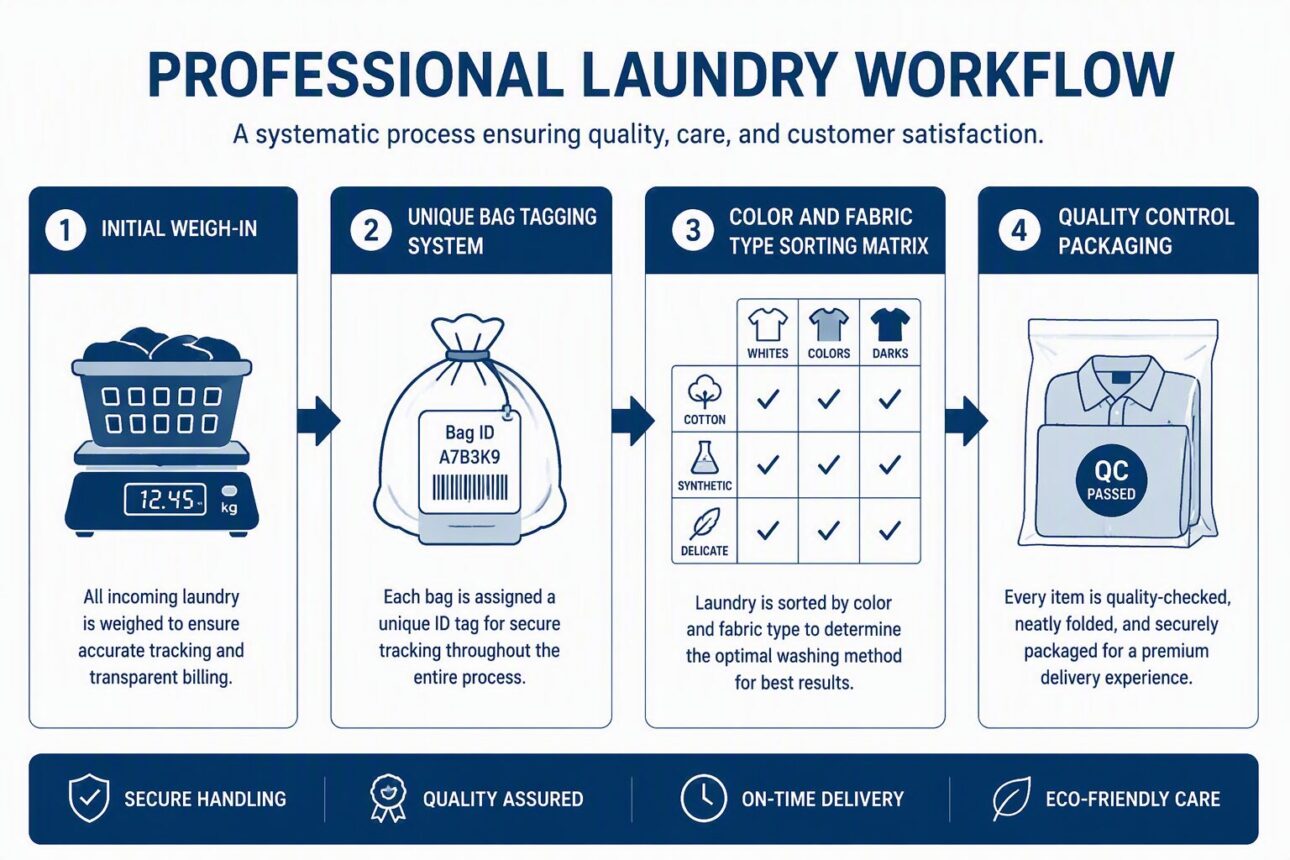
Answer: You schedule a pickup or drop your bags at a local spot first. Staff weigh and sort everything by fabric type and color, then run commercial washers and dryers. Some shops let you pick your detergent or temperature settings before they touch your clothes.
Question: Can I use pickup and delivery for wash and fold?
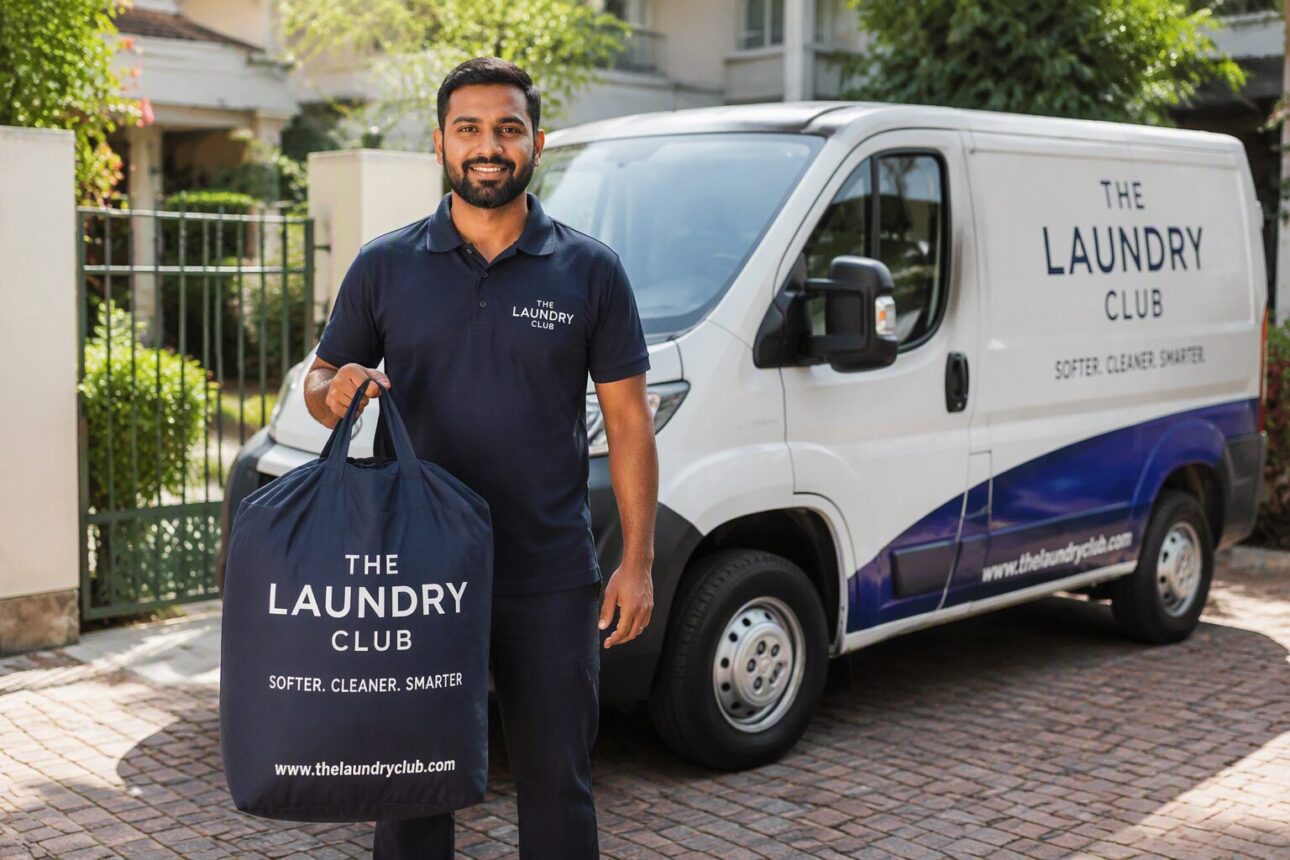
Answer: Yes, many companies offer door-to-door options instead of forcing a store visit. You can book a time slot and leave clean bags on a porch or lobby counter. Laundry Care notes that these scheduled runs usually wrap up within one to two days total.
Key Takeaways
Customers pay by weight, usually between $1.50 and $5.00 per pound depending on location.
Professional staff sort garments by color and fabric to prevent damage and dye transfer.
Turnaround typically spans twenty-four hours to three days based on pickup versus drop-off methods.
Commercial machines handle roughly double the capacity of standard residential units.
Clear communication about detergent preferences and heat sensitivity ensures better garment care.
Wash and Fold Laundry Services: A Comprehensive Overview
Wash and fold remains the most popular professional laundry model available today. Overlake Laundromat describes it simply as a setup where customers drop off dirty items and receive them back clean and neatly pressed. You skip the tedious scrubbing, line hanging, and ironing entirely. Instead, a licensed facility steps in to manage the heavy labor. That single swap buys you several hours back in your week. Busy parents juggling school runs often treat this arrangement as a non-negotiable weekly habit. You get consistent results without tracking spin cycles. The model works because it removes the mental load of chore management. You just focus on life while professionals handle the water and detergent. Real-world convenience beats manual effort every single time. Weekly routines shrink dramatically when you outsource the heavy lifting. You regain Saturday mornings for hobbies, family visits, or simple rest. The financial math usually works out when you factor in utility bills, detergent costs, and appliance wear. Buying quality clothes becomes easier when you preserve them properly through professional care. Your wardrobe lasts longer, and your schedule opens up.
The Professional Workflow: From Sorting to Packaging
Every batch starts with a precise scale reading. Weight determines your final bill and triggers the initial tracking number. Wash N Tumble Laundry explains that operators attach unique tags to each bag immediately after weighing. Those labels travel with the laundry through every step. Staff separate reds from whites and split delicate knits away from heavy denim. This careful division stops color bleeding and keeps fragile fibers from catching on rough seams. Some locations add an extra soak step for stubborn stains before the main cycle begins. Others reserve a gentle air-dry rack for wool or silk pieces that cannot survive high heat. You can usually request specific preferences when scheduling the job. Checking out resources like what is a coin laundry service offers basic tips on managing loads helps first-timers prepare their garments properly before dropping them off. Clean separation at the start guarantees cleaner results at the end. Digital logs keep everything traceable from arrival to departure. Operators cross-check tags against inventory sheets to prevent mixed batches. That systematic approach turns chaotic piles into organized bundles.
Commercial Equipment vs. Home Laundry Capabilities
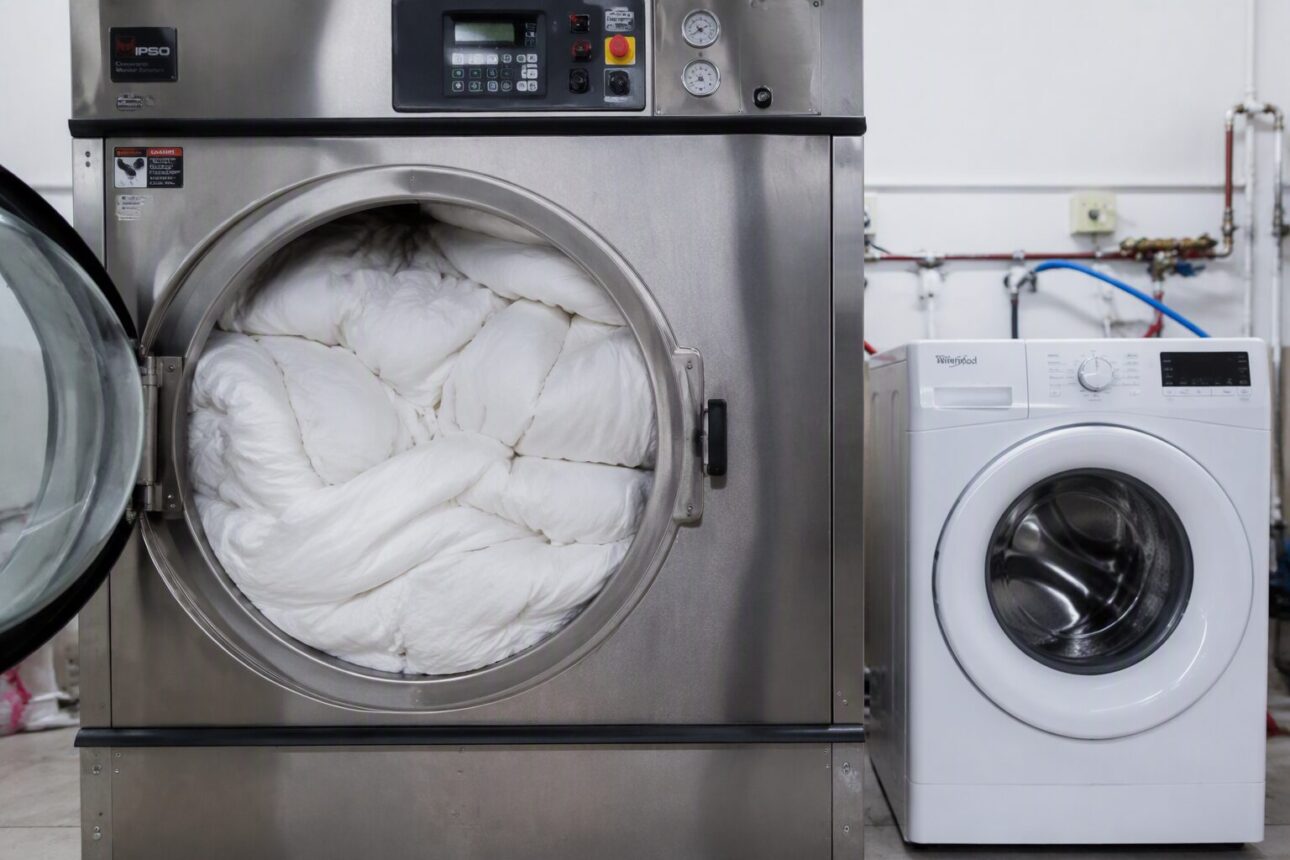
Retail laundromats rely on industrial-grade drums built for constant spinning. Standard household machines usually max out around ten to fifteen pounds per load. Commercial units routinely accept twenty-pound batches without straining the motor or compromising water circulation. Those larger drums tumble fabrics more evenly and extract moisture faster. Faster extraction means less time sitting damp and lower energy usage overall. The equipment also maintains stricter temperature controls than typical home knobs allow. Consistent heat penetration kills bacteria and sets stains back into fibers less often. Facilities run heavy-duty commercial washers alongside high-capacity dryers tuned to specific fabric blends.
Feature
Home Machine
Commercial Wash-and-Fold Unit
Impact on Your Clothes
Load Capacity
10–15 lbs
~20 lbs
Fewer overlapping cycles, reduced wear
Water Temperature Control
Manual adjustment
Automated precision
Better sanitization, fewer shrink risks
Detergent Dispensing
DIY measurement
Pre-measured automated ports
Consistent cleaning, less residue buildup
Spin Speed
Variable by user
High-force extraction
Faster drying, less mildew odor risk
Those hardware differences explain why bulk bedding or thick winter coats come back noticeably fresher from a shop. The machinery does not guess. It follows engineered cycles designed for volume. You get uniform cleaning across thousands of items daily without hot spots or missed patches. Operators monitor drum seals and belt tension regularly to maintain peak performance. Reliable hardware directly translates to softer fabrics and longer garment lifespans. Industrial pumps flush lint traps faster, keeping water flow unrestricted throughout the cycle. You benefit from mechanics that never skip maintenance checks.
Logistics, Turnaround, and Consumer Costs
Pricing sticks closely to weight rather than item count. Todd Layne Cleaners reports that New York City rates typically fall between $1.50 and $5.00 per pound. Smaller towns sometimes charge slightly less, while dense urban corridors push prices higher due to rent and labor costs. Turnaround speeds shift based on your chosen method. Drop-off orders often return within twenty-four hours if the shop operates locally. Scheduled pickups add travel time to the equation. Tide Cleaners notes that delivery windows usually span two to three days from intake. Companies like Laundry Care schedule pickups in two-hour blocks running from nine in the morning until ten at night. You pick a slot that matches your calendar. Leaving bags on a front porch keeps the exchange completely contactless. Tracking numbers keep your order visible until those crisp, folded stacks land back on your dresser. Reading guides on HE detergent versus regular formulas affects machine safety clarifies why commercial facilities rarely accept customer-supplied detergents anyway. The standardized fluid matches their plumbing systems and prevents clogged dispensers. Flat routing maps save drivers time and guarantee consistent delivery windows. Volume discounts sometimes apply to large corporate accounts or dormitory complexes. Budget planning becomes straightforward once you understand the per-pound baseline.
Managing Expectations and Service Preferences
Success depends on clear instructions upfront. You should specify hypoallergenic soap needs, cold water preferences, or dryer temperature limits before the machines start turning. Mulberrys Cleaners emphasizes that every step gets handled by trained staff, which automatically shifts control away from your kitchen. You trade personal oversight for reliable speed. Bringing a dedicated, heavy-duty tote makes the handoff smoother. Paper sacks tear easily and synthetic drawstrings snap under weight. Canvas buckets or reinforced nylon bags hold up best during transport and storage. Some providers require branded sacks to avoid mixing zones during peak rush hours. If your wardrobe contains vintage linens or structured blazers, flagging those pieces early prevents accidental high-heat exposure. Clear labels beat assumptions every single time. Staff read preference cards and adjust cycles accordingly. You simply state your boundaries and trust the system to execute them cleanly. Minor communication gaps cause fixable mistakes. Clear expectations prevent them entirely. Labeling personal items with fabric markers adds an extra layer of security. You retain peace of mind while enjoying hands-off convenience.
FAQ
Q: Do wash and fold services charge by the pound?
Most shops base their rates on total weight rather than counting individual shirts or socks. One New York laundromat blog states that prices generally land somewhere between $1.50 and $5.00 per pound. You will likely see a scale reading posted right at the counter before processing begins. Some regions experiment with flat monthly bundles, but weight-based billing stays the industry standard.
Q: How long does wash and fold usually take?
Turnaround windows shift depending on geographic density and service type. Local walk-in orders frequently return within twenty-four hours. Scheduled pickup routes often stretch toward three days because drivers cover longer neighborhoods. Todd Layne Cleaners confirms that city centers commonly hit that quick next-day benchmark. You should always verify expected completion dates before handing over your full week’s clothing.
Q: What clothes can go in wash and fold?
Everyday staples like cotton tees, denim jeans, crew socks, and bath towels fit perfectly into standard processing lanes. Shops automatically group similar materials together and isolate fragile items to keep them safe. They usually strip formal suits, leather jackets, or heavily embellished pieces for special handling. Basic wardrobes flow smoothly through the system without causing complications or delays.
Q: Why do people use wash and fold services?
Time scarcity drives most adoption decisions today. Families balance tight schedules and prefer outsourcing repetitive chores to reclaim evening hours. The service delivers sanitized, neatly stacked garments straight to your doorstep or car. Mulberrys Cleaners points out that skipping the washing routine frees up mental energy for actual priorities. Convenience consistently outweighs minor cost premiums.
Q: Are wash and fold services different from dry cleaning?
The cleaning chemistry changes completely between the two models. Standard wash and fold relies on water, tumbling action, and textile-safe detergents suited for everyday fabrics. Dry cleaning substitutes solvents for water to protect sensitive weaves and delicate trims. Todd Layne Cleaners explains that some storefronts house both departments under one roof, yet the mechanical processes remain entirely separate. Pick the right lane for your material composition.
Q: What can go wrong with wash and fold laundry?
Mixed loads happen when sorting slips, especially during sudden volume spikes. Forgotten care tags occasionally lead to unwanted shrinking or color transfer onto lighter garments. Delicate synthetics sometimes suffer excessive abrasion when bundled with heavyweight canvas. Tagging systems prevent permanent loss, but communicating explicit boundaries like air-only drying stops preventable mishaps before machines ever turn on.
Q: Is wash and fold worth it for busy people?
Most working adults find the investment pays off quickly through recovered weekend hours. You stop wrestling wet sheets in cramped bathrooms and start putting clean drawers straight away. The real value hinges on local pricing, reliable delivery windows, and proper garment protection protocols. If those elements align with your routine, the service easily justifies itself.
My Experience With How Wash and Fold Laundry Services Work: A Simple Explanation
I used to drown my free Saturdays fighting mountainous piles of tangled socks and stiff sheet corners. Switching to a local shop cleared up my weekends almost overnight. I quickly learned that checking garment tags matters more than trusting the machine. One forgotten “line dry only” label ruined a favorite sweater, and that small mistake taught me to communicate preferences clearly. Modern facilities actually track every batch through digital scanners, which eliminates the old horror stories about missing hangers. You just need to drop accurate care instructions at drop-off. I keep a sturdy canvas tote near the door so swapping loads feels automatic. The real win comes from reclaiming mental space instead of obsessing over spin speeds. Have you ever found yourself accidentally dyeing a white towel pink? Tell me how you handle mismatched sorting requests now.
Conclusion
Wash and fold services remove the friction from daily chores. You gain predictable cleaning, professional equipment access, and valuable time back. Understanding sorting logic, weight pricing, and delivery windows keeps expectations realistic. Bring clear instructions, use durable bags, and trust the workflow. Your closet rewards the switch immediately.
References
Overlake Laundromat. (2026). The Complete Guide to Wash & Fold Laundry Service. Overlake Laundromat. https://www.overlakelaundromat.com/blog/complete-guide-wash-and-fold/
Laundry Care. (2026). What is Wash and Fold Service?. Laundry Care. https://www.laundrycare.biz/blog/what-is-wash-and-fold-service/
Tide Cleaners. (2026). Wash and Fold Services: A Quick Tutorial. Tide Cleaners. https://tidecleaners.com/en-us/blog/Wash-and-Fold-Services-A-Quick-Tutorial
Todd Layne Cleaners. (2026). How does Wash and Fold Laundry work in NYC?. Todd Layne Cleaners. https://toddlaynecleaners.com/how-does-wash-and-fold-work-in-nyc/
Wash N Tumble Laundry. (2026). Behind the Scenes of a Laundromat: How Wash-and-Fold Services Really Work. Wash N Tumble Laundry. https://www.washntumblelaundry.com/post/behind-the-scenes-of-a-laundromat-how-wash-and-fold-services-really-work
Sarah Anderson . J
I’m the mom behind Wise Mom Blogger, where everyday creativity meets real-life motherhood. I share easy DIY crafts, cozy knitting and crochet projects, beginner-friendly sewing ideas, and family-tested recipes—plus quick baking hacks that make homemade feel doable on busy days.