Quick answer: No, the Dead Sea does not belong only to Israel. It is shared by three parties. Jordan holds the entire eastern shore. Israel controls the southern part of the western shore. The northern part of the western shore sits in the West Bank, which is under Israeli occupation. So Israel owns part of it, but not all of it.
The Dead Sea is one of the most famous bodies of water on Earth. People float on its surface without even trying. Its shores sit at the lowest point of dry land anywhere on the planet. But many visitors get confused about who actually owns it. Is it in Israel? Is it in Jordan? Can you visit from both sides? This article breaks down exactly who controls each part of the Dead Sea, why the borders look the way they do, and what that means if you want to visit.
Shoreline Section
Who Controls It
Eastern shore
Jordan
Southern western shore
Israel
Northern western shore
West Bank (Israeli-occupied)
Party
Area Held
Status
Jordan
Entire eastern shore
Sovereign territory
Israel
Southern half of western shore
Sovereign territory
West Bank (Palestinian territory)
Northern half of western shore
Occupied since 1967
Approximate share of Dead Sea shoreline by party
Jordan
Israel
West Bank
Which Countries Border the Dead Sea?
Two countries touch the Dead Sea directly: Israel and Jordan. A third area, the West Bank, also sits along the shore, and it works under a different kind of control. The western shoreline falls under the jurisdiction of Israel and the Palestinian Authority, while the eastern shoreline lies entirely within Jordan. [2] That means the lake acts as a natural border between two nations, with a third political area tucked into the mix on the west side.
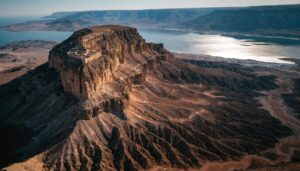
Think of the Dead Sea like a long oval lying between two hills. Jordan owns the whole hill on one side. Israel owns part of the hill on the other side, and the West Bank owns the rest of that same hill. If you are standing on the Israeli shore, you can look straight across the water and see the mountains of Jordan on the other side, since the lake is only about 15 kilometers wide at its widest point. [2]
For travelers, this means you can visit the Dead Sea from either country, and many tour companies even run trips that cross the border to see both sides. The lake itself sits in southwestern Asia between these two nations, with the Jordan River feeding it from the north. [1]
Does Israel Own the Whole Western Shore?
No, Israel only controls the southern half of the western shore. The northern half belongs to a different jurisdiction. The southern half of the western shore belongs to Israel, while the northern half lies within the Palestinian West Bank and has been under Israeli occupation since the 1967 Arab-Israeli war. [1]
This split exists because of a war that happened decades ago. Before 1967, the West Bank was under Jordanian control. After the Six-Day War, Israel took military control of that area, and it has managed the northern Dead Sea shore ever since as occupied territory, not as fully annexed Israeli land. That is an important legal distinction that shapes how the international community talks about the region.
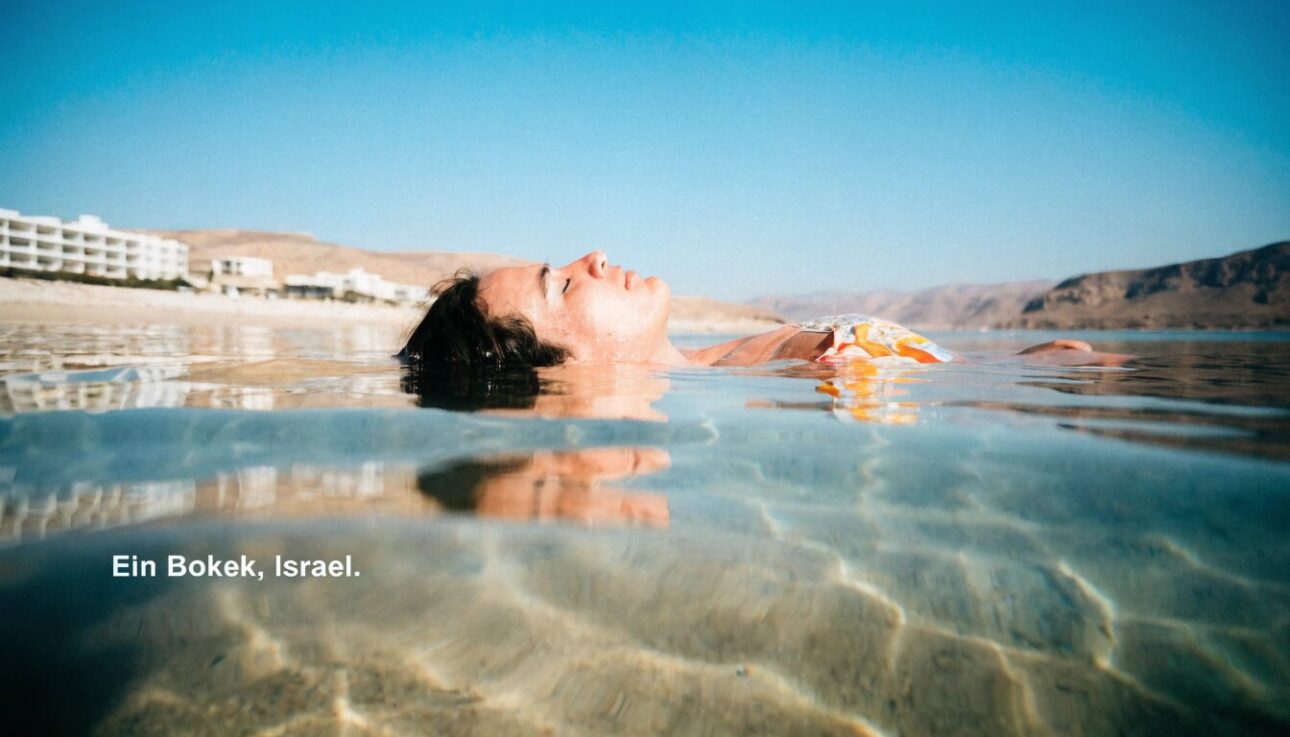
In practice, this means popular Israeli resort towns like Ein Bokek sit in the clearly Israeli southern section, while sites further north touch land with a more complicated political status. This occupation status has remained unchanged since 1967, even though the general area has seen many political shifts. [1]
Why Is the Dead Sea Split Between Two Countries?
The Dead Sea is split because it naturally sits inside a valley that separates two nations, and no single country ever gained full control of both shores. The lake sits in the Jordan Rift Valley, forming part of the border between Israel and the West Bank to the west and Jordan to the east. [2] Since the lake itself forms the border, splitting control between the two sides made geographic sense long before modern politics got involved.
Borders often follow natural features like rivers, mountains, or lakes, because they are easy to identify and hard to argue about. The Dead Sea works the same way. A north-south dividing line through the center of the lake marks the approximate boundary between Israel and Jordan. [2] This kind of shared-water arrangement is common around the world, similar to how the Great Lakes are split between the United States and Canada.
For visitors, this means you get two very different experiences depending on which side you choose. Both offer beaches, mineral spas, and access to the famous salty water, but the atmosphere, prices, and nearby attractions differ quite a bit between the Israeli and Jordanian sides.
Can You Visit the Dead Sea From Both Israel and Jordan?
Yes, you can visit the Dead Sea from both Israel and Jordan, and each side has its own resorts, beaches, and access points. Anyone visiting the Dead Sea can choose to experience it through Jordan or Israel, since both countries treat the lake as a major tourist attraction. [3]
On the Israeli side, the main hub is Ein Bokek, packed with hotels and public beaches. On the Jordanian side, resorts cluster near the Dead Sea Highway, with easy access from Amman. Many tours even continue across the border from Israel into Jordan, letting travelers experience the Dead Sea from both sides on a single trip. [3]
If you plan to cross between the two countries, budget extra time for the border crossing, since it requires passport checks and sometimes advance visa arrangements. Most travelers pick one side for their main stay and treat the other as a day trip if their schedule allows it.
Why Is the Dead Sea Shrinking, and Does That Affect the Border?
The Dead Sea is shrinking because far less fresh water reaches it than in the past, but this does not change who controls each shore. Most of the water that once flowed from the Jordan River into the Dead Sea is now diverted for drinking water and farming, and the high evaporation rate is not being offset anymore. [4]
As the water level drops, new land appears along the shore, and that has created a real hazard. Since the late 1980s, thousands of sinkholes have formed around the sea, caused by fresh water dissolving underground salt layers, and this has forced the closure of some tourist beaches in Israel. [4] The border itself stays the same, since it follows the historical political boundary rather than the current waterline.
This shrinking has actually pushed Israel, Jordan, and Palestinian groups to work together more, not less. Regional conservation groups have formed joint projects aimed at slowing the decline, since all three parties share an interest in keeping the lake alive for tourism and mineral industries alike.
Do Israel, Jordan, and Palestinians Work Together on the Dead Sea?
Yes, groups from all three areas cooperate on efforts to protect the Dead Sea, even though the lake is politically divided. In 1994, EcoPeace Middle East was formed by conservationists from Israel, Jordan, and Palestine specifically to promote fair and sustainable use of shared water resources in the region. [5]
This kind of cooperation shows that shared natural resources can bring divided regions together, even when political borders stay complicated. A major focus of this joint effort has been rehabilitating the Lower Jordan River, since it is the main source that keeps the Dead Sea from drying up completely. [5]
For everyday visitors, this cooperation mostly shows up in shared conservation messaging at resorts and ongoing research projects. It does not change border control, but it does mean the future of the lake depends on decisions made jointly by all three parties rather than any one government acting alone.
Frequently Asked Questions
Is the Dead Sea in Israel or Jordan?
It is in both. Israel controls the southern part of the western shore, and Jordan controls the entire eastern shore. Neither country owns the whole lake on its own.
Is part of the Dead Sea in the West Bank?
Yes. The northern half of the western shore sits in the West Bank, which has been under Israeli occupation since 1967.
Which side of the Dead Sea is better to visit, Israel or Jordan?
Neither side is objectively better. Israel offers more developed resort towns like Ein Bokek, while Jordan tends to feel quieter and less crowded. Many travelers visit both sides on the same trip.
Why is the Dead Sea called a sea if it is a lake?
The name is historical, not scientific. The Dead Sea is actually a landlocked salt lake with no outlet, but ancient cultures called any large body of water a “sea,” and the name stuck.
I’m the mom behind Wise Mom Blogger, where everyday creativity meets real-life motherhood. I share easy DIY crafts, cozy knitting and crochet projects, beginner-friendly sewing ideas, and family-tested recipes—plus quick baking hacks that make homemade feel doable on busy days.