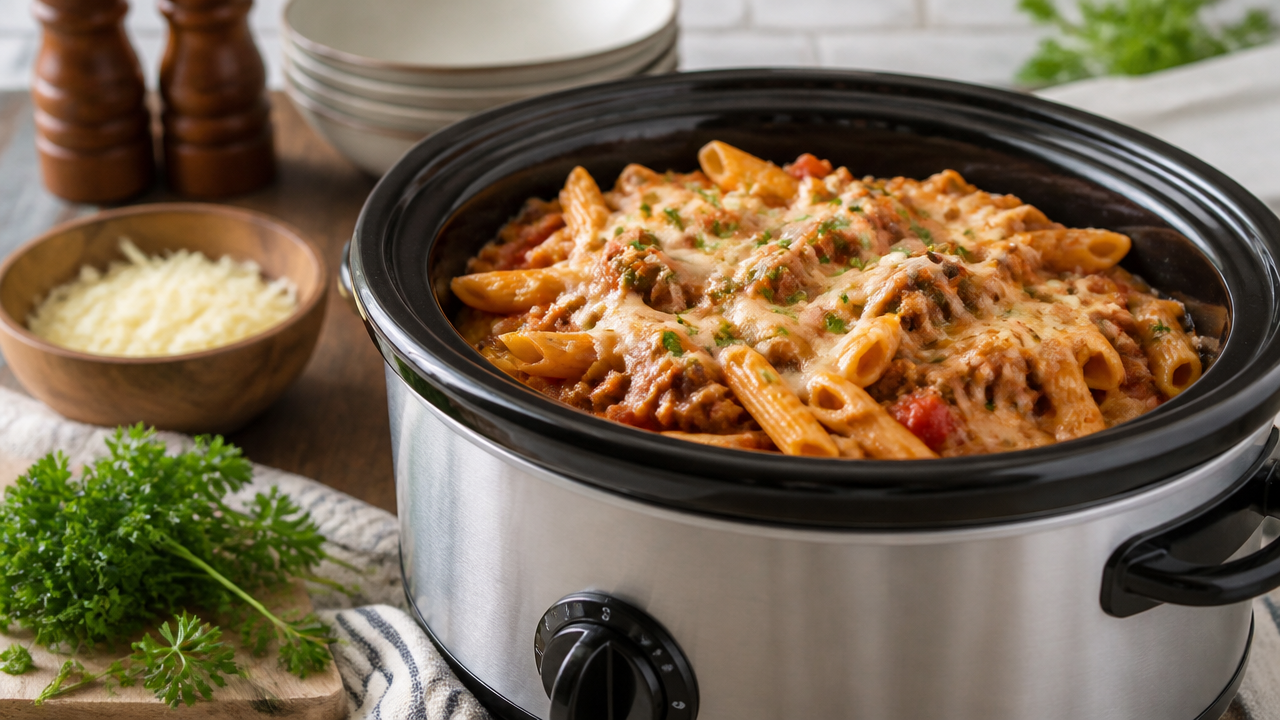
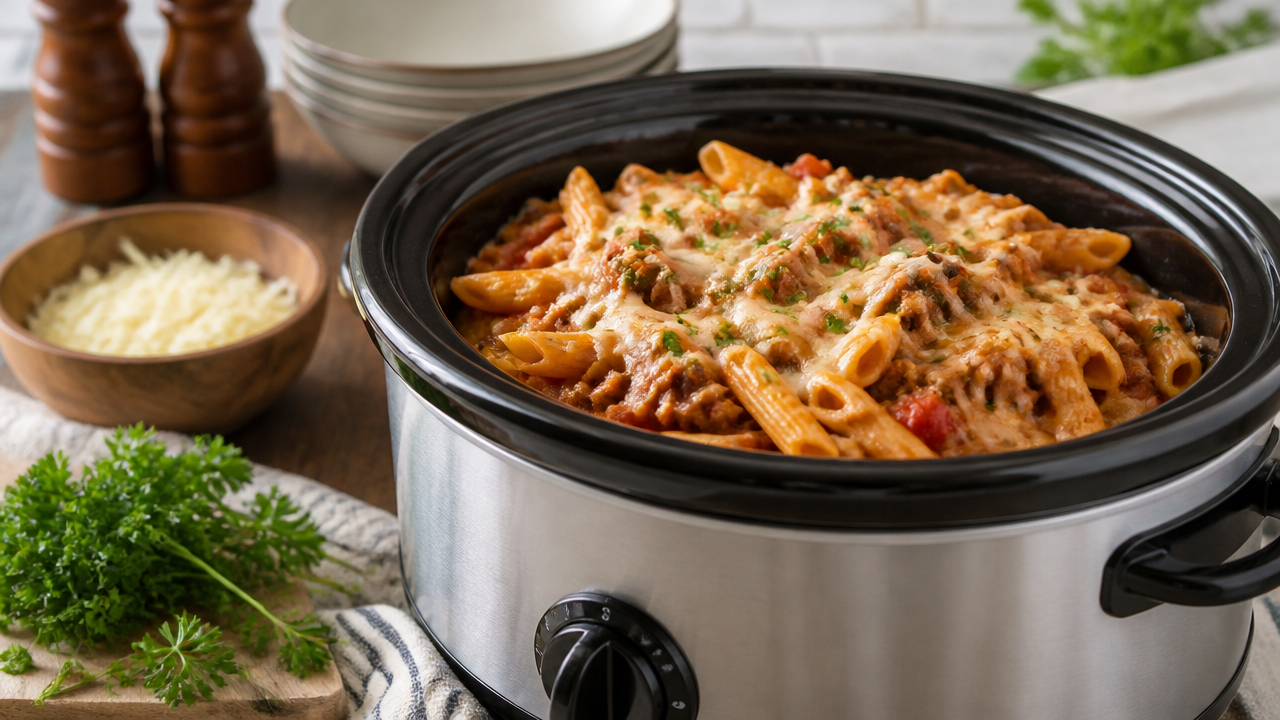
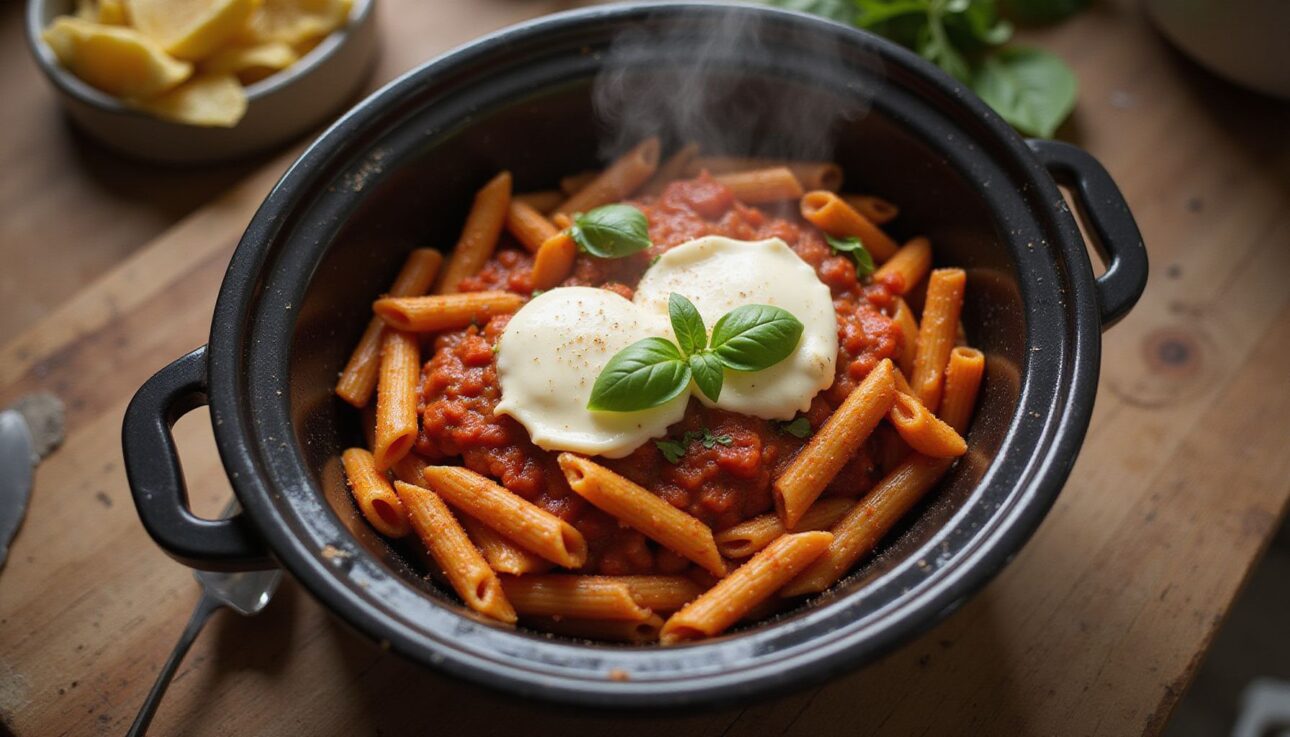
What makes a truly great crock pot pasta recipe stand out from every other slow cooker dinner you have tried? Whether you are planning a busy weeknight meal or a casual 12 Easy Summer Dinner Ideas the Whole Family Will Love, the right approach ensures a meal that is tender, flavorful, and incredibly simple. Crock pot pasta transforms dry noodles into a hearty centerpiece using just a few pantry staples. Understanding the correct balance of liquid and heat creates a fool-proof crock pot pasta that avoids common pitfalls like mushy noodles or dry, scorched edges.
Quick Questions and Answers
Question: Why do you use dry pasta in crock pot recipes?
Answer: Dry pasta is used because it absorbs the liquid and sauce while cooking, creating a creamy texture without pre-boiling. The liquid layer underneath helps the pasta cook evenly, and stirring periodically ensures it doesn’t clump or stick to the bottom. This method simplifies the process to just mixing ingredients and letting the slow cooker do the work.
Question: Can you cook pasta in a crock pot without boiling it?
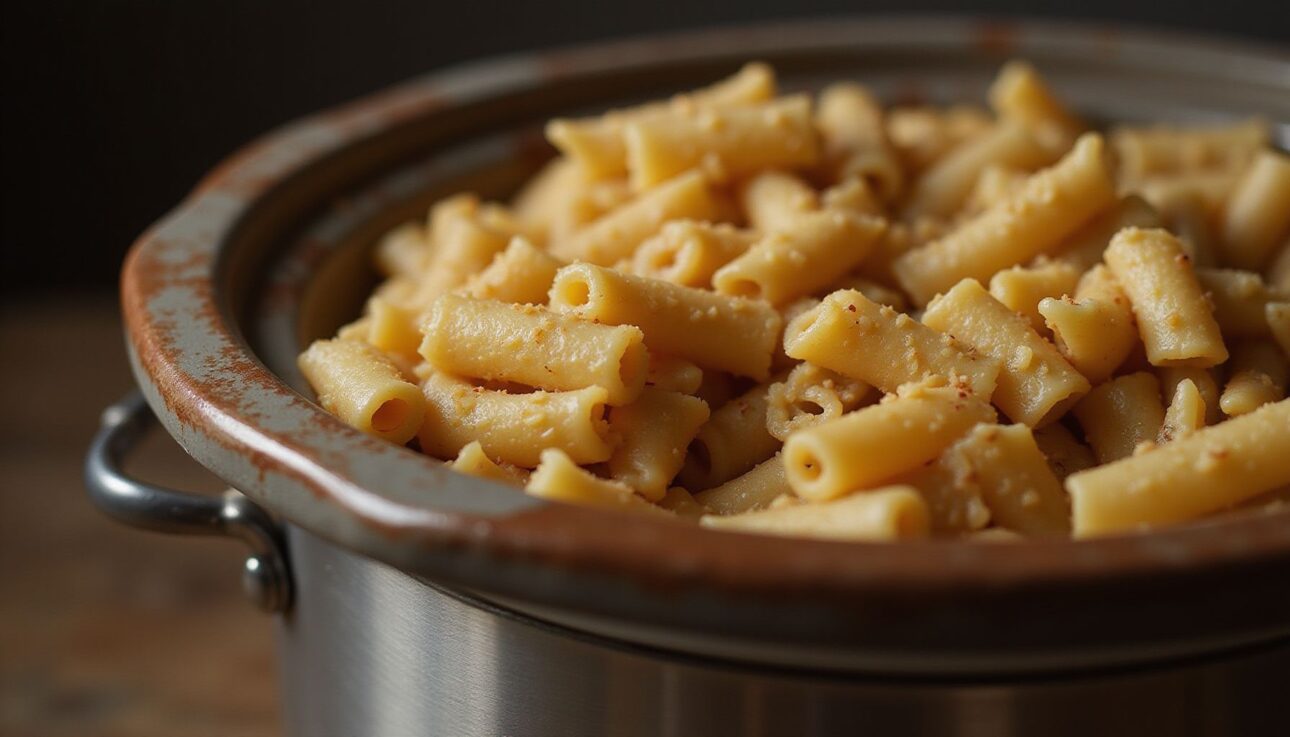
Answer: Yes, you can cook uncooked pasta directly in a crock pot without boiling it beforehand. The pasta cooks by absorbing the water, broth, or sauce in the slow cooker over time. Most recipes require adding the dry noodles with liquid and cooking on high for 1.5 to 2 hours or low for 3 to 4 hours until tender.
Question: How long does it take to cook pasta in a crock pot?
Answer: Cook time varies by setting and pasta type, typically ranging from 1.5 to 3 hours on high or 3 to 6 hours on low. Small shapes like elbows cook faster, often within 1.5 to 2 hours on high, while long noodles like spaghetti may take 2 to 3 hours on high or 4 to 6 hours on low. Always check for tenderness near the end.
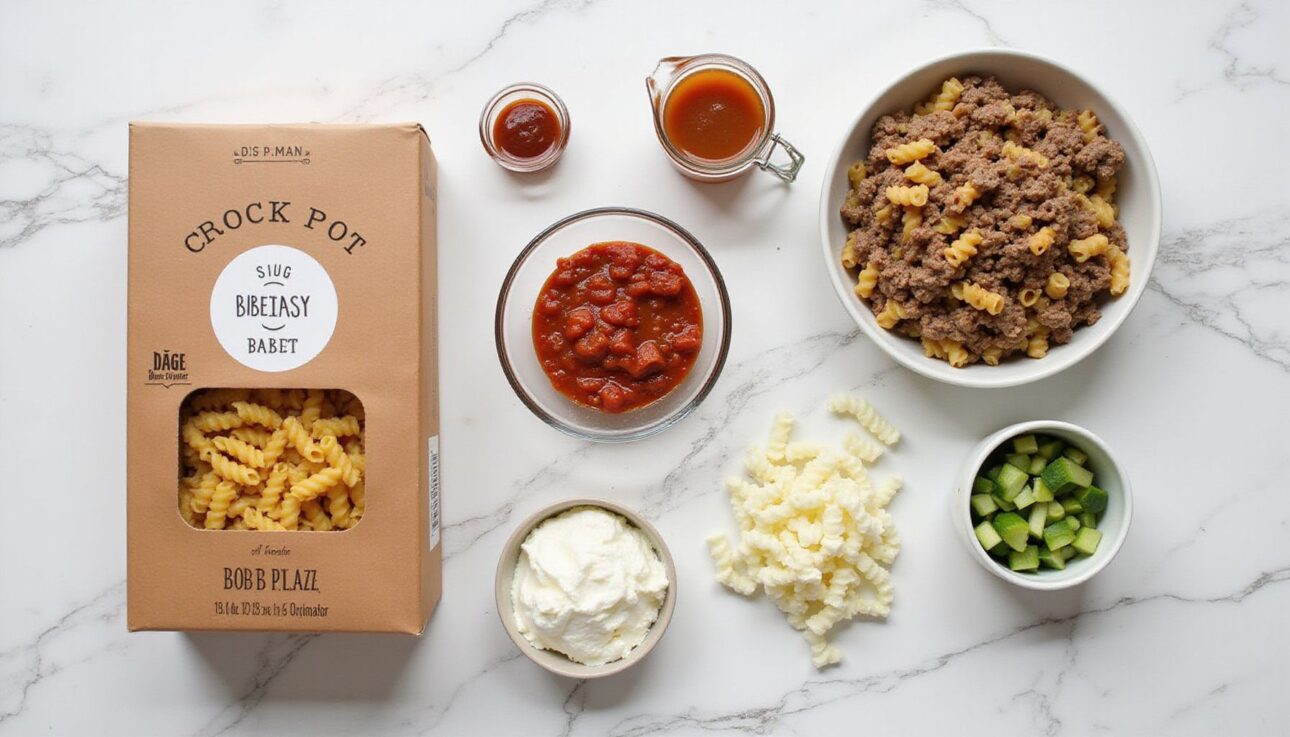
What You Need
Item
Purpose
Notes
Dry Pasta
The starch base
Penne, rotini, or shells hold up best.
Pasta Sauce
Provides moisture and flavor
24 oz jar of marinara works perfectly.
Liquid
Hydrates the dry noodles
Use vegetable or chicken broth for depth.
Ground Protein
Adds substance
Lean ground beef or turkey is standard.
Dairy
Creates creaminess
Cottage cheese or mozzarella adds richness.
Fresh Veggies
Adds nutrition and color
Bell peppers or spinach work well.
Step-by-Step Cooking Process
Step 1: Pre-cook meat
You must brown your ground protein in a skillet on the stove before it goes into the slow cooker. Raw meat releases excess fat and liquids that can make your sauce taste greasy or thin. Drain the grease well so the final dish remains balanced and appetizing. As noted by The Country Cook, this preliminary step is fundamental for both food safety and flavor development.
Step 2: Layering
Place the cooked meat at the bottom of the ceramic insert. Follow this with your dry pasta, the jarred sauce, and any chopped vegetables. Layering ensures the meat and sauce are positioned near the heat source while the pasta stays coated in the flavorful mixture. You do not need to stir yet; simply layering the ingredients keeps everything stable until you add the final liquids.
Step 3: Hydration
Pour your 3 cups of liquid over the other ingredients. You want to make sure every single piece of dry pasta remains fully submerged in the water or broth. If the noodles poke out above the surface, they may remain crunchy or hard, which ruins the texture. If you want to learn how to cook perfect pasta, consistency during the initial hydration window is your biggest priority.
Step 4: Slow cook
Cover the pot with the lid and set it to the high setting. Using the high setting is generally better for this method because it brings the liquid to a simmer faster, which helps the pasta starch release and thicken the sauce naturally. If you use the low setting, the cook time will increase, but the pasta runs a greater risk of turning into mush before the internal temperature hits the necessary mark to thicken the sauce.
Step 5: Finishing
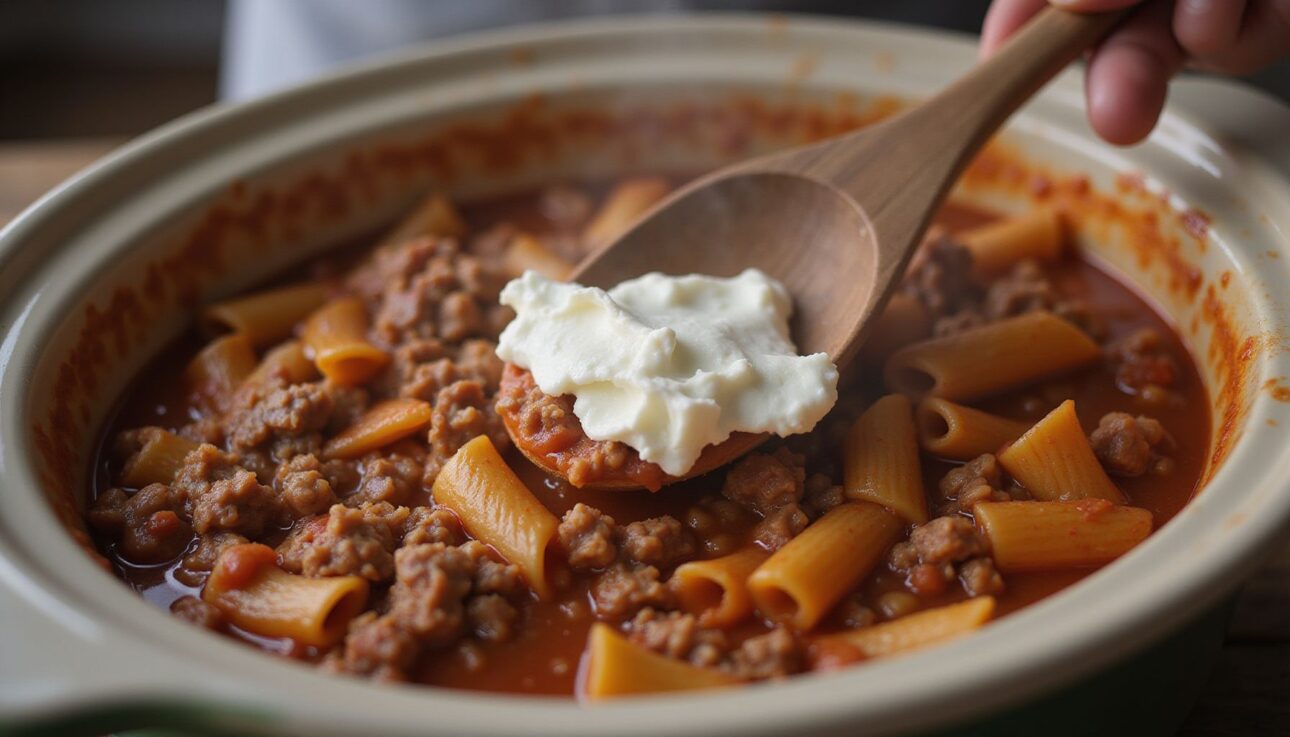
Stir in your dairy components, such as shredded mozzarella or parmesan, during the final 15 to 20 minutes of cooking. This keeps the cheese from separating or burning onto the sides of the ceramic. Once the cheese is melted and incorporated, give everything a final stir and taste for seasoning. Serve immediately while the sauce is still hot and creamy.
Pasta Shape
Cooking Performance
Best Sauce Pairing
Resistance to Mushiness
Penne
High
Tomato-based
Excellent
Rotini
High
Creamy or Pesto
Very High
Spaghetti
Low
Marinara
Low
Shells
Medium
Meat-based
Moderate
Mistakes to Avoid
Forgetting the liquid-to-pasta ratio is the quickest way to ruin this recipe. If you use too little liquid, the pasta on top stays brittle and raw while the bottom scorches. Always measure your water or broth precisely to provide consistent moisture throughout the cooking cycle.
Adding cheese too early can cause your dairy to break down into an oily mess. Creamy textures rely on the cheese melting gently at the end of the cooking process rather than boiling in the sauce for hours. If you add cheese during the first hour, you will likely end up with grainy, separated proteins.
Overcrowding the slow cooker stops heat from circulating properly. If the pot is filled to the brim, the center might remain cool while the edges boil. Aim to fill your slow cooker no more than two-thirds full to allow for proper expansion of the pasta noodles.
Troubleshooting
If you check the pot and the pasta is still too firm to your liking, add a quarter cup of warm water or broth. Stir the mixture gently, cover it back up, and let it cook on high for another 10 minutes. This provides just enough heat to finish the cooking process without drying out the sauce completely.
Did your sauce turn out thinner than you prefer? Leave the lid off for the final 10 or 15 minutes of the cooking time. The steam will escape, allowing the excess liquid to evaporate and the starch to tighten the sauce consistency.
Clumping happens when the dry pasta is not fully coated or is poured in too quickly without a stir. Before securing the lid, use a large spoon to ensure every piece of pasta is tucked under the liquid line.
Frequently Asked Questions
Q: Can I use delicate pasta like angel hair?
It is possible, but short, sturdy shapes like penne hold up better to the long simmer time. Thin noodles often lose their structural integrity and become gummy when exposed to the slow-cooking environment. Stick to heartier pastas if you want a result that feels like a standard restaurant dish rather than an overcooked slurry.
Q: Do I really need to brown the meat first?
Yes, you should always brown the meat separately before combining it with other ingredients. According to the United States Department of Agriculture, proper browning not only kills surface bacteria but also removes excess fat that would otherwise compromise the texture of your pasta sauce. It is a necessary safety and quality step.
Q: Can this be done on Low?
Yes, but it will significantly increase the cook time and may result in softer, starchier pasta texture. If you have an all-day schedule, you can use the low setting, but be prepared for a less refined noodle texture. Most home cooks find that the high setting produces a much better outcome for these specific pasta recipes.
Q: Do you need to add water when making crock pot pasta?
Yes, you must add water or broth because dry pasta needs liquid to cook properly in a slow cooker. Recipes typically add 2 to 3 cups of water depending on the amount of pasta and sauce used. The liquid is absorbed by the pasta as it cooks, so too little can leave it dry while too much makes it soupy.
Q: Are there any crock pot pasta recipes with cheese?
Many crock pot pasta recipes include cheese, such as mozzarella, ricotta, Parmesan, or cream cheese, often added near the end. Cheese is typically stirred in after the pasta is cooked or placed on top to melt just before serving. Creamy versions often use cream cheese and shredded cheddar or mozzarella for a rich flavor.
Q: Does crock pot pasta get mushy if cooked too long?
Yes, crock pot pasta can become mushy if cooked too long because it continues to absorb liquid and soften. Overcooking is a common issue if the heat is too high or the time exceeds the recommended 1.5 to 3 hours on high. It’s best to check the pasta at the minimum time and test for tenderness with a fork.
Q: What is the best pasta shape for crock pot recipes?
Small, sturdy shapes like elbow macaroni, small elbows, or egg noodles are best for crock pot recipes because they cook evenly and hold their shape. Long noodles like spaghetti can work but may stick together or cook unevenly if not stirred. Egg noodles are particularly popular for creamy chicken or beef pasta dishes.
Q: Will crock pot pasta work with Italian sausage?
Yes, crock pot pasta works well with Italian sausage, but the sausage should usually be cooked separately before adding to the pot. You can brown the sausage in a skillet, then stir it into the crock pot mixture before adding the pasta and liquid. Cooking the sausage separately ensures it’s safe to eat and prevents excess grease from affecting the dish.
Q: Is crock pot pasta a good meal for busy weeknights?
Yes, crock pot pasta is an excellent busy weeknight meal because it requires minimal prep and cooks while you do other things. Many recipes take only 5 minutes to assemble, with the slow cooker handling the rest for 1.5 to 3 hours. It’s a simple, one-pot dinner that’s perfect for families looking for quick, comforting food.
Q: What sauce works best for crock pot pasta?
Jarred spaghetti sauce, creamy ranch sauce, taco seasoning with salsa, or thick & zesty McCormick sauce work best for crock pot pasta. The sauce provides both flavor and liquid for the pasta to absorb. Recipes often mix the sauce with water or broth to ensure enough liquid for the dry pasta to cook properly and become tender.
Recipe Card
Easy Creamy Crock Pot Pasta
A simple yet satisfying pasta dish that cooks entirely in your slow cooker. Perfect for busy evenings when you need comfort food fast.
– Brown the ground beef in a skillet, drain excess fat, and transfer to a 6-quart slow cooker.
– Add the dry pasta, marinara sauce, broth, and Italian seasoning. Stir to combine.
– Ensure all pasta is submerged under the liquid.
– Cover and cook on High for 1.5 to 2 hours.
– Stir in the cottage cheese, mozzarella, and Parmesan until melted and creamy.
– Serve hot.
Nutrition Info (per serving)
Calories
450
Protein
22g
Carbs
65g
Fat
12g
Fiber
4g
Sugar
8g
Sodium
650mg
Notes
If the sauce is too thick after cooking, add 1/4 cup of warm water.
Use low-fat cottage cheese for a lighter version without sacrificing texture.
My Experience With Crock Pot Pasta Recipe
I’ll admit, the first time I tried cooking pasta in a slow cooker, I held my breath while opening the lid. I fully expected to uncover a congealed brick of starch or, conversely, a bowl of soup. The good news is that once you grasp the liquid-to-noodle ratio, the process becomes surprisingly reliable. My early experiments taught me that the “dump-and-go” method isn’t entirely magic; you really do need to make sure those noodles are swimming.
One trick I picked up early on is to keep the lid on as much as possible. Every time you peek, you lose a massive amount of heat, which effectively pauses the cooking process and adds to your total time. Patience is the hardest part of a slow cooker recipe, but it’s the key to achieving that restaurant-style sauce thickness. Another thing—don’t scrimp on the meat browning. That initial sear in the skillet develops a depth of flavor that a slow cooker just can’t replicate on its own. It’s the difference between a bland meal and a dinner you’ll actually crave again. Have you ever tried modifying the pasta sauce with extra aromatics like roasted garlic?
Next Steps
Experiment beyond standard marinara by trying different proteins like cooked sausage or shredded chicken to change the profile. If you feel like brightening up the plate, adding fresh herbs like basil or oregano in the final 5 minutes of cooking provides a sharp, clean finish to the heavy sauce. Ensure you clean your slow cooker insert immediately after serving, as starch and cheese residue can harden significantly once cooled, making it much harder to scrub away later.
Latest Updates
As of 2026, the trend of using “no-boil” slow cooker methods has increased as more families prioritize time-saving kitchen technology. Cooking experts found that utilizing high-heat settings for reduced intervals creates a better texture for wheat-based pasta, preventing the starch breakdown common in low-and-slow applications. This shift acknowledges the modern need for speed without sacrificing the comforting, one-pot appeal of the classic slow cooker dinner.
I’m the mom behind Wise Mom Blogger, where everyday creativity meets real-life motherhood. I share easy DIY crafts, cozy knitting and crochet projects, beginner-friendly sewing ideas, and family-tested recipes—plus quick baking hacks that make homemade feel doable on busy days.