

How can you decipher an ancient quipu if you aren’t a trained specialist from the Inca era, and why does this knot-based technology still fascinate historians today? Exploring the logic behind a quipu requires shifting your mindset, as these devices function more like a prehistoric computer than a written text. Whether you are prepping for a trip to the Andes or simply interested in how civilizations managed data before the printing press, learning the basic mechanics of the quipu offers a rare look at how information was once preserved.
Quick Questions and Answers
Question: What does the word quipu mean in Quechua? Answer: The word quipu is derived from a Quechua word meaning ‘knot’. It is also spelled khipu in various Quechua dialects like Ayacucho and Cusco. This term directly describes the device’s physical nature as a system of knotted cords used for record-keeping.
Question: Why did the Inca civilization use quipus instead of writing? Answer: The Inca used quipus because they lacked a formal written language or alphabetic writing system. Quipus served as a crucial record-keeping alternative to store statistical and narrative information. They communicated everything from accounting to genealogy using a sophisticated arrangement of knots and colors.
Question: How do quipus work like a decimal number system? Answer: Quipus function numerically using a decimal positional system where knot position indicates value. Single knots represent tens, hundreds, and thousands based on their distance from the main cord. Long knots denote numbers two through nine by their turns, while figure-eight knots represent one.
What You Need to Analyze a Quipu
| Item | Purpose | Notes |
|---|---|---|
| Visual Reference | Identify structure | Use high-quality photos or museum exhibits. |
| Decimal Knowledge | Decode statistics | Understand positional value (1s, 10s, 100s). |
| Observation Skill | Note color/type | Distinguish between fiber types and hues. |
Step 1: Identify the primary cord
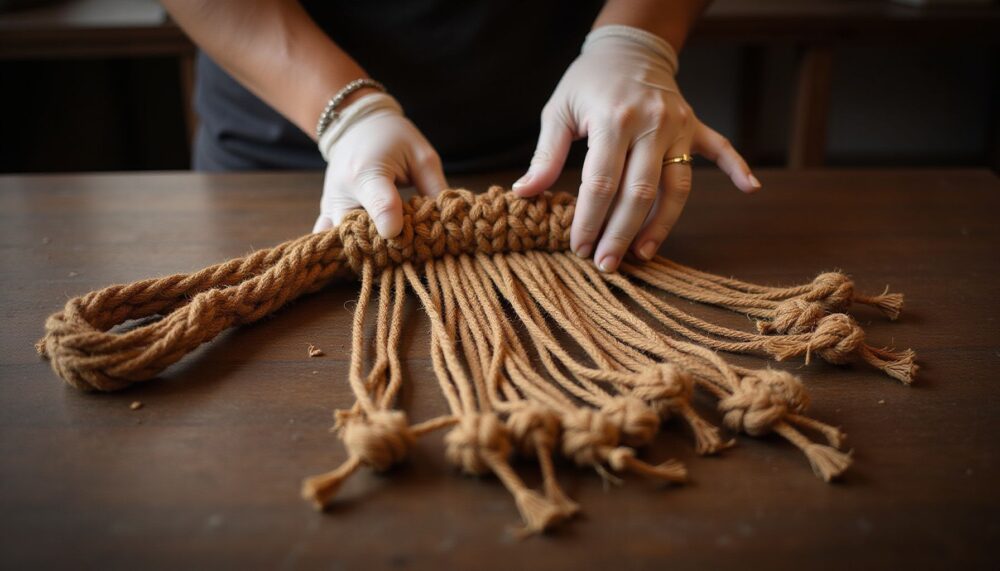
The first thing you must do is locate the anchor of the entire device. Find the thickest cord, which usually features a loop at one end. According to Smarthistory, reading begins at this looped left side. Think of this main cord as the spine of a book—it provides the foundation that holds all the supplementary data together. If you start your analysis anywhere else, the sequence of the information will remain scrambled and impossible to interpret.
Step 2: Orient the pendant cords
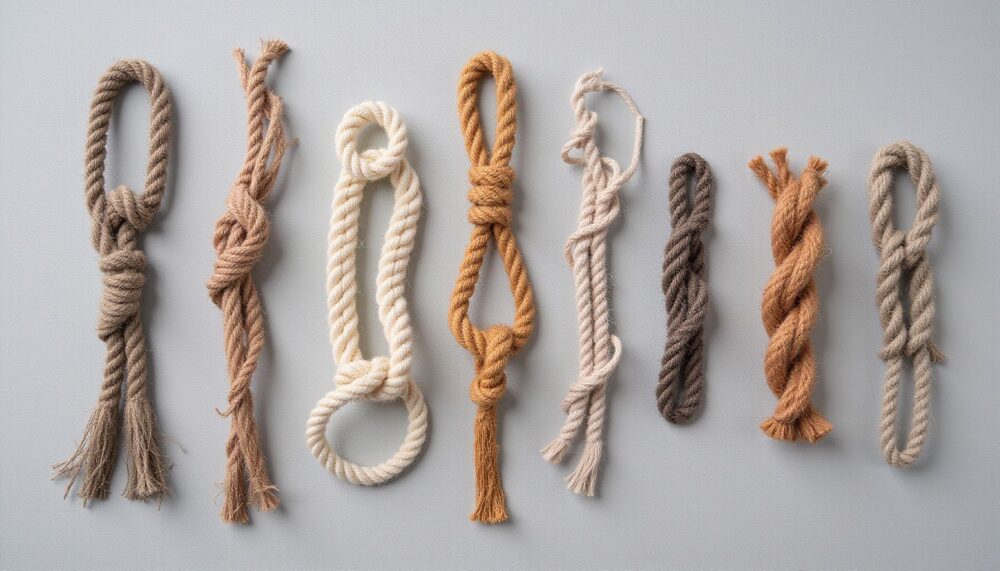
Once you have identified the primary cord, look for the thinner strings that hang down from it. These are pendant cords, and they carry the actual data you want to read. Some quipus also contain auxiliary cords, which are smaller strings attached to the pendants themselves. Identifying these hangs correctly is vital because the organization is not random. It is a highly structured, vertical arrangement that specialists relied on to track regional inventories and census figures.
Step 3: Directional scanning
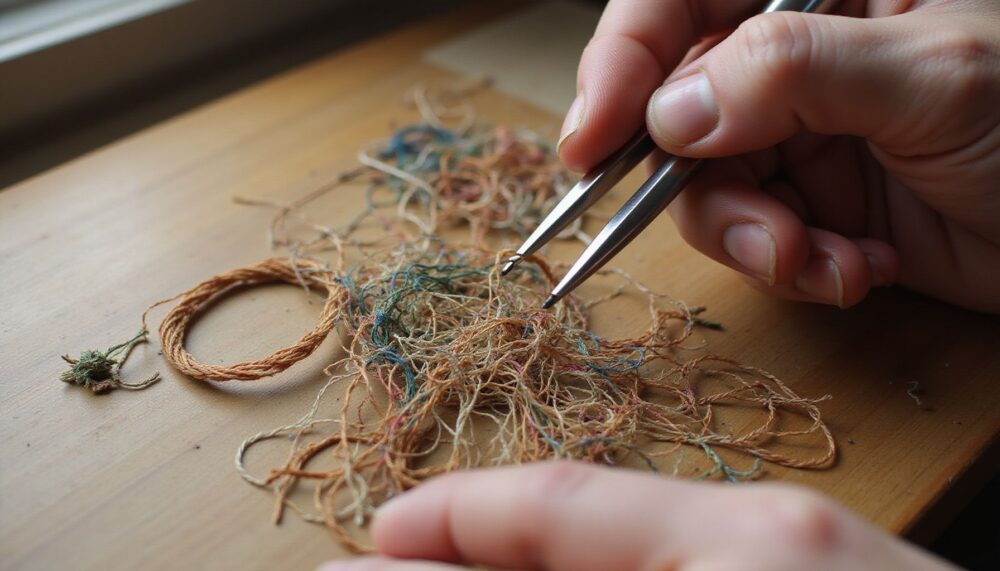
Scanning a quipu requires a consistent left-to-right movement. As you move along the primary cord, you are moving through the data sets in the order they were recorded. Much like Love Island 2026: The Current Reality Landscape, keeping track of the chronological flow of events or records prevents you from losing your place. A steady, deliberate scan is the only way to avoid confusing separate categories of information.
Step 4: Examine the twist
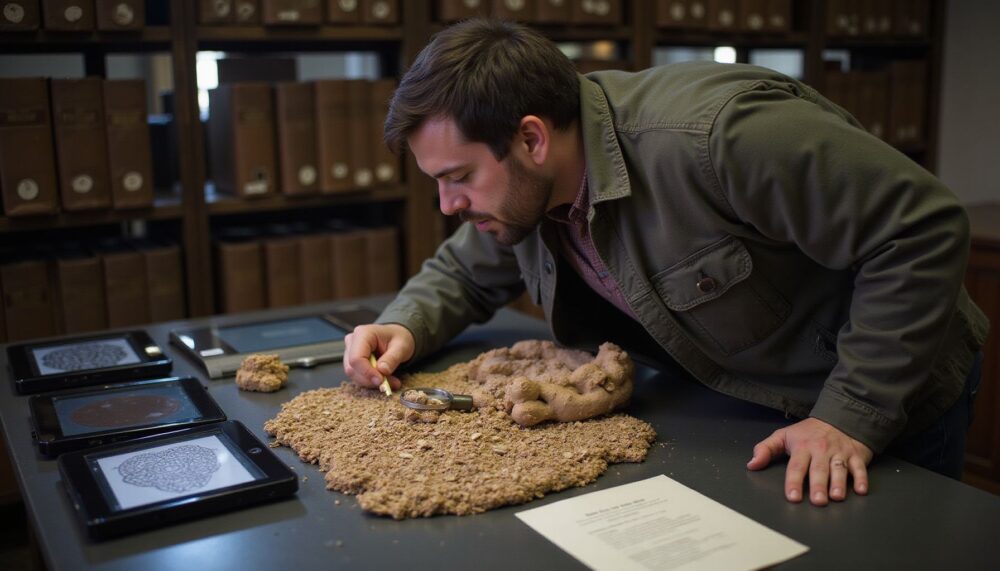
The physical construction of the thread offers clues about the information being stored. Look closely at the twist direction of the individual fibers. You are looking for either a Z-twist or an S-twist pattern. These variations were not accidental; they likely served as a secondary verification method or a way to categorize different types of data. Experts believe that these minute physical details were just as important as the knots themselves during initial administration.
Step 5: Decode the knots
Now you reach the core of the system: the knots themselves. These are tied in a decimal positional system. A knot located far from the primary cord signifies a smaller place value, while a knot closer to the top represents a larger one. Research from Study.com confirms that the Inca used these knots for tracking everything from livestock counts to human population data. If you see a knot with multiple turns, that is a long knot, representing digits two through nine.
Step 6: Interpret the color coding
Colors are the last piece of the,puzzle. Because the Inca did not have a written script, they used dyed fibers to represent different commodities. A red cord might signify military data, while yellow could represent corn or gold reserves. While scientists have identified many of these patterns, some meanings have been lost over the centuries. Viewing these as categorical markers helps you distinguish between the types of statistics the administrators were keeping.
Analyzing the Data: Knot and Color Taxonomy
Numerical data is the most reliable part of the quipu to decipher. Because the decimal system is mathematically rigid, there is little room for debate regarding the values recorded. You simply count the position and the number of turns. However, the qualitative data—meaning what the numbers actually represent—is where the mystery deepens.
Interpreting color requires context that we often lack. A set of knots recording the number 500 means very little if we don’t know whether it counts bushels of potatoes or soldiers in the field. Historians often compare these records to administrative ledger books. When you factor in the fiber type, such as cotton or alpaca hair, you get specific details about the regional origins of the data.
Determining knot types is the final verification. A figure-eight knot stands alone as a specific numerical value. Meanwhile, the absence of a knot in a specific sequence acts as a zero placeholder. This sophisticated layout allowed the Inca government to manage a massive empire with high levels of accuracy and speed.
Mistakes to Avoid
The most common error is assuming every quipu is a phonetic language. Most researchers agree that these are statistical tools, not stories written in a code like English or Spanish. Don’t go into your analysis looking for a secret alphabet. If you approach it as an accountancy device, the logic becomes much clearer.
Avoid reading from the right side. The system was designed to flow from the loop outwards. If you try to reverse the order, you will find no logical consistency in the mathematical placements. Also, do not ignore the physical state of the fiber. UV light, humidity, and time have stretched or faded many artifacts. If a piece looks too degraded, it is better to rely on high-resolution museum scans rather than guessing a Faded color or a loose knot.
Troubleshooting: When You Can’t Decipher the Data
If a specific sequence makes no sense, you may be looking at a non-numerical section. Some experts believe these sections contain narrative information or poetry, which we currently cannot read. Do not force a numerical value where one does not seem to fit. It is okay to admit that some parts of the code remain unlocked by modern science.
If you find yourself stuck on a confusing branch, check for auxiliary cords. Sometimes, additional data was appended to a pendant to clarify it. These secondary strings can turn a simple count into a complex report. Just like when you are researching Love Island USA Season 8: Confirmation, Premiere, and Everything You Need to Know, digging through the secondary sources often provides the context that transforms confusion into clarity.
My Experience With The Simple Way to Understand the Meaning of Quipu
I first approached the quipu with the goal of “cracking the code,” expecting a simple substitution cipher. I was wrong. My first attempt to read a reproduction was a disaster; I held it backward and spent hours trying to find a phonetic structure that wasn’t there. The breakthrough happened when I stopped looking for letters and started looking for a database. Think of the quipu as an ancient spreadsheet. Once I embraced the decimal system, the knots began to make sense—it was purely mechanical, like an abacus made of string. The sheer elegance of it is impressive once you stop trying to read it like a novel. Modern technology has helped us re-examine these with 3D imaging, but the tactile process of scanning from the loop outwards remains the best way to grasp the internal logic of the device. It is a humbling reminder that data management is a human necessity, not a modern invention. Did you find that focusing on the math helped you visualize the records more clearly?
FAQ
Q: Can quipus record non-numerical information like stories?
Yes, studies suggest quipus served literary and artistic purposes beyond just counting tools. They could represent abstract ideas, key episodes from folk stories, and poetry through color sequencing and knot combinations. Some quipus encoded structured meaning understood by trained specialists called Quipucamayoc.
Q: Are quipus only used for accounting and census data?
While primarily used for accounting, census information, and tax records, quipus also documented military organization, ritual structures, and calendar details. They managed inventory data for resources like crops and livestock. Their use extended to recording genealogy and other narrative information.
Q: What types of knots are found on a quipu?
Three basic knot types are identified: the single knot, the long knot, and the figure-eight knot. The single knot represents powers of ten, the long knot represents two to nine based on turns, and the figure-eight knot equals one. A spot without a knot signifies zero.
Q: Who was trained to read and make quipus?
Trained specialists known as Quipucamayoc were responsible for interpreting the structured meaning in quipus. These experts understood the patterns in color sequencing, knot combinations, and cord hierarchy. Their expertise was essential since interpretation depends heavily on context and specific knowledge.
Q: What materials are used to make a quipu?
Quipus are typically made from cotton or camelid fiber cords. They consist of a primary cord with pendant cords hanging from it, each containing knots at specific positions. The cords can be varicolored, with different shades carrying specific meanings alongside the knot arrangements.
Q: When did the use of quipus begin and end?
Andean peoples used accounting apparatus similar to quipus from 2500 BCE, especially during the kingdom of Cuzco. Usage continued through the Inca empire until its fall in 1532. In transformed forms, they persisted through colonial and republican eras down to the present day.
Q: Do modern people still use quipus for rituals?
Today, quipus serve a mainly ritual purpose rather than administrative record-keeping. While their original numerical aspects are understood, other elements like specific color meanings remain under study. Modern usage reflects a considerably transformed and attenuated form of the ancient tradition.
Latest Updates
Recent research in computational linguistics has begun applying pattern-recognition algorithms to quipus found in museum collections. While the narrative content remains elusive, these tools are mapping the statistical frequency of knot patterns across different regions. This technology suggests that we may soon have a more comprehensive map of how administrative quipus were standardized across the entire Inca Empire.
References
- Caravan Tours. (n.d.). Understanding Quipus: The Inca Knot Language. https://www.caravan.com/travel-peru/quipus
- Study.com. (n.d.). Incan Quipu: Overview & Importance. https://study.com/learn/lesson/incan-quipu-concept-history-language.html
- Smithsonian National Museum of the American Indian. (n.d.). Quipu: Collection Item. https://www.si.edu/collections/snapshot/quipu
- Smarthistory. (n.d.). The Inka khipu. https://smarthistory.org/inka-khipu
- Amodern. (n.d.). QUIPU PROCEDURE. https://amodern.net/article/quipu-procedure
- Peru For Less. (n.d.). Quipu: The Ancient Computer of the Inca Civilization. https://www.peruforless.com/blog/quipu
- Machu Picchu Trek. (n.d.). Inca Knots – Decoding Mysterious Felt Language Of The Incas. https://www.machupicchutrek.net/inca-knots
- Wikipedia. (n.d.). Quipu. https://en.wikipedia.org/wiki/Quipu

Sarah Anderson . J
I’m the mom behind Wise Mom Blogger, where everyday creativity meets real-life motherhood. I share easy DIY crafts, cozy knitting and crochet projects, beginner-friendly sewing ideas, and family-tested recipes—plus quick baking hacks that make homemade feel doable on busy days.