Understanding the chemical distinction between modern high-efficiency cleaning solutions and older formulas ensures your laundry routine remains reliable and safe. Whether you are prepping for a busy holiday season or managing your weekly load, choosing the right detergent prevents mechanical stress. Keeping your appliance in top condition relies on understanding why these specific chemistry requirements exist for modern household machines.
Quick Questions and Answers
Question: What is the difference between HE and regular detergent?
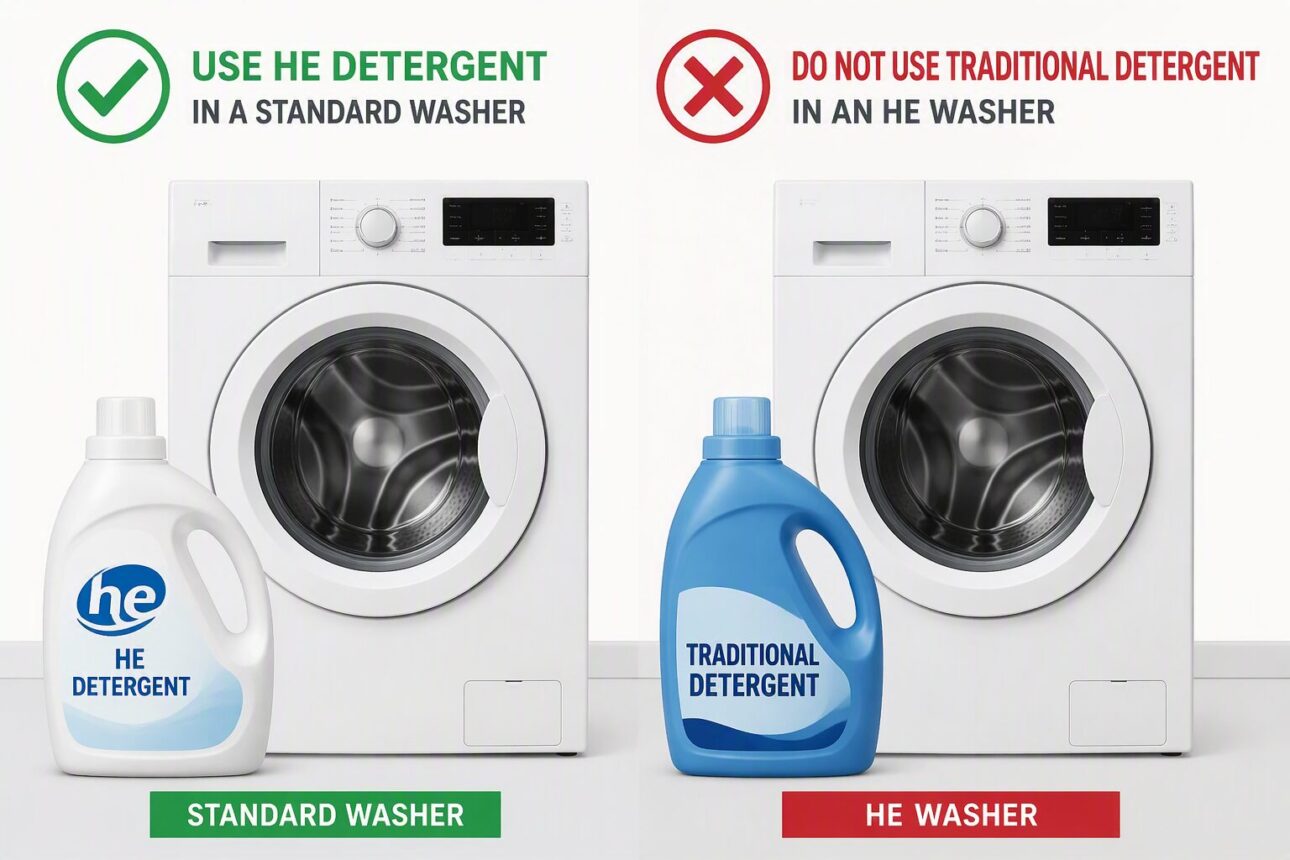
Answer: HE detergent is formulated to be low-sudsing and to work in high-efficiency washers that use much less water. Regular detergent is designed for traditional washers with more water, so it can create too many suds in HE machines and interfere with cleaning and rinsing.
Question: Can you use regular detergent in an HE washer?
Answer: Major consumer and manufacturer guidance says not to do this. Regular detergent can make excessive suds in a low-water HE washer, which can reduce cleaning performance, extend the cycle, and potentially cause overflow or residue issues.
Question: Can you use HE detergent in a regular washing machine?
Answer: Yes. HE detergent is generally compatible with standard washers, including regular top-load machines, because it is low-sudsing rather than highly sudsing. You may see fewer suds, but sources say clothes still clean effectively.
Key Takeaways
Always use HE-labeled detergent in machines designated as high-efficiency to avoid long-term mechanical damage, excessive rinsing, and poor soil removal.
HE detergents offer a universal compatibility, making them a safe choice for any laundry machine in the home.
Maintaining machine health requires avoiding non-HE soaps, which leave behind residue, soap scum, and moisture-trapping buildup that encourages mold growth.
HE vs. Regular Detergent: Understanding the Chemical Distinction
High-efficiency detergent is formulated for the performance needs of modern washers, emphasizing low-sudsing and quick-dispersing properties. When you look at the composition of these liquids, they contain surfactants that function effectively in low-volume water environments. They do not just clean fabric; they remain manageable for sensors that track foam levels.
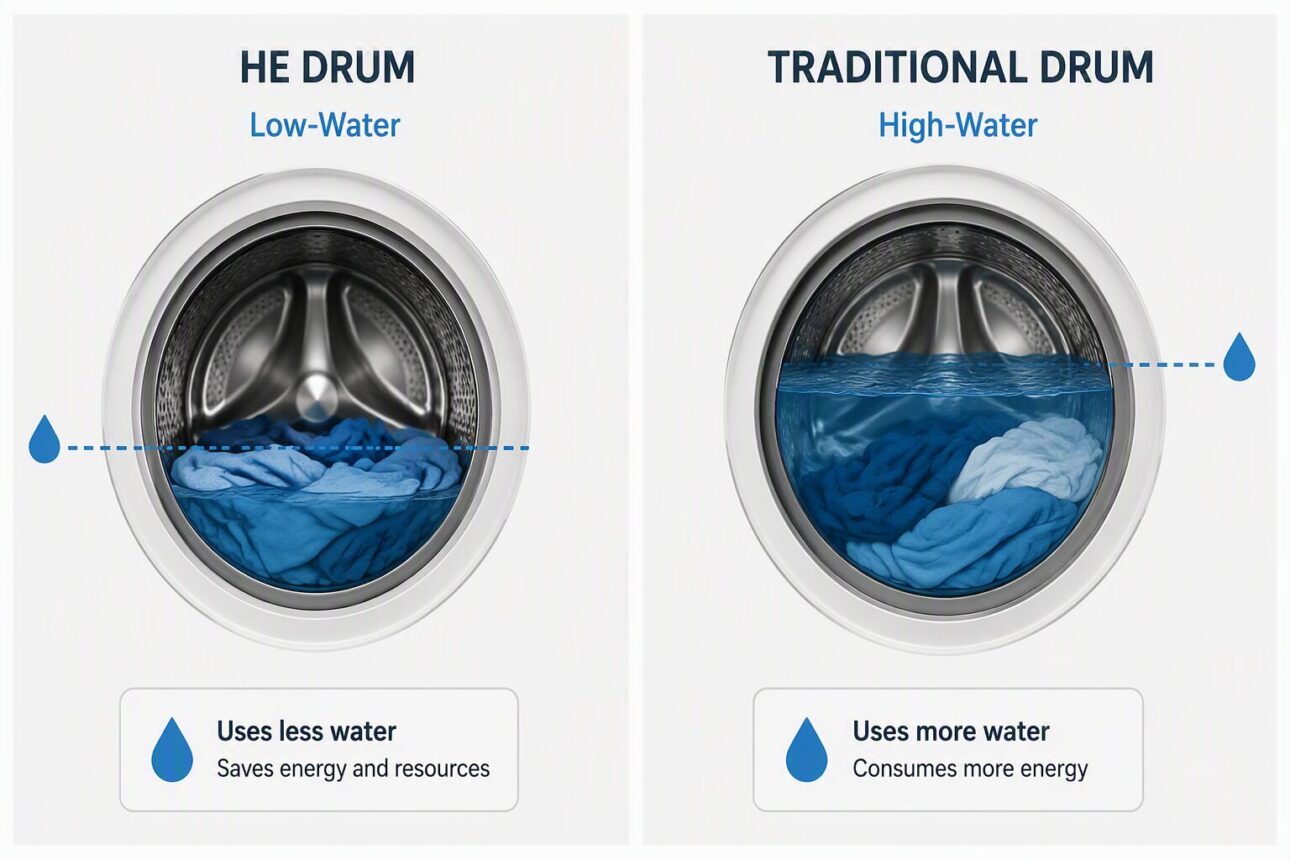
HE detergent is not simply a stronger soap. It is chemically engineered for environments that use as little as 1/5 to 2/3 of the water used by traditional machines, according to information from Lilyvolt. Regular detergents are designed for high-water-volume traditional washers. They lack the quick-dispersing chemistry required for modern cycles and often rely on a higher volume of foam to help move dirt away from fabrics. If you are looking for specific options that fit these modern standards, exploring 9 Top-Rated High Efficiency Laundry Detergents, Tested can help you identify effective, safe choices for your specific machine.
Why HE Washers Require Specific Detergent Formulations
High-efficiency machines were first introduced to the consumer market in the late 1990s. This marked a significant shift toward appliances that consume 20% to 66% less water than traditional models, a figure highlighted by Tide citing the American Cleaning Institute. Because these units operate with such low water levels, they lack the capacity to rinse away the high volume of suds generated by traditional, non-HE detergents.
Excess suds in an HE washer create a physical cushion that prevents clothes from tumbling and rubbing against one another. This agitation is the primary way washers clean fabric. When the detergent creates too much foam, the clothing floats rather than scrubs. According to the American Cleaning Institute, this directly reduces soil removal and stains persist on the fabric.
Machine Safety Risks: What Happens When You Use the Wrong Detergent
Using regular detergent in an HE machine forces the washer to compensate for the unexpected foam. Sensors inside the drum detect the suds and often trigger a response, which typically involves adding extra rinse cycles and extending the total wash time. This behavior wastes both electricity and water, negating the efficiency benefits of the appliance.
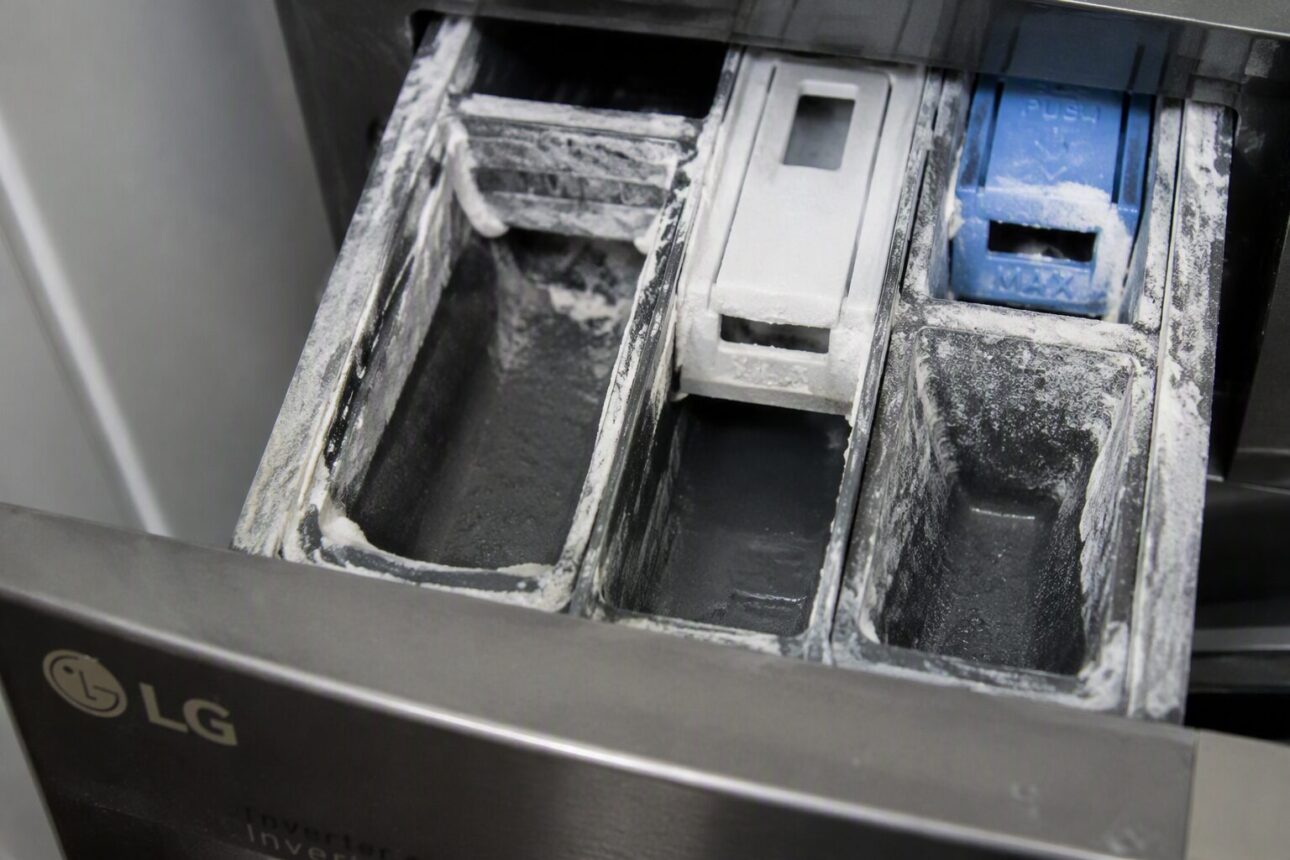
Severe cases of using the wrong soap can cause the machine to overflow or trigger error codes related to drainage and sensor malfunctions. An appliance technician note mentions that repeated use of non-HE detergent leads to the accumulation of slime, sludge, and mold within the machine. These residues eventually stress drain pumps and create persistent odors that become difficult to remove.
Feature
HE Detergent
Regular Detergent
Suds Level
Low
High
Water Use
Low (HE Machines)
High (Traditional)
Performance
Optimal in HE
Poor in HE / Good in Traditional
Compatibility
Safe for all machines
Risky for HE machines
Compatibility Guide for Household Machines
HE detergent is safe to use in traditional top-load washers. It produces fewer suds, which might feel different if you are used to seeing a full basin of foam, but it still cleans laundry effectively. You may want to look into 10 Best Laundry Detergent Sheets for Eco-Conscious Homes if you prefer a compact, mess-free option that works across different machine types.
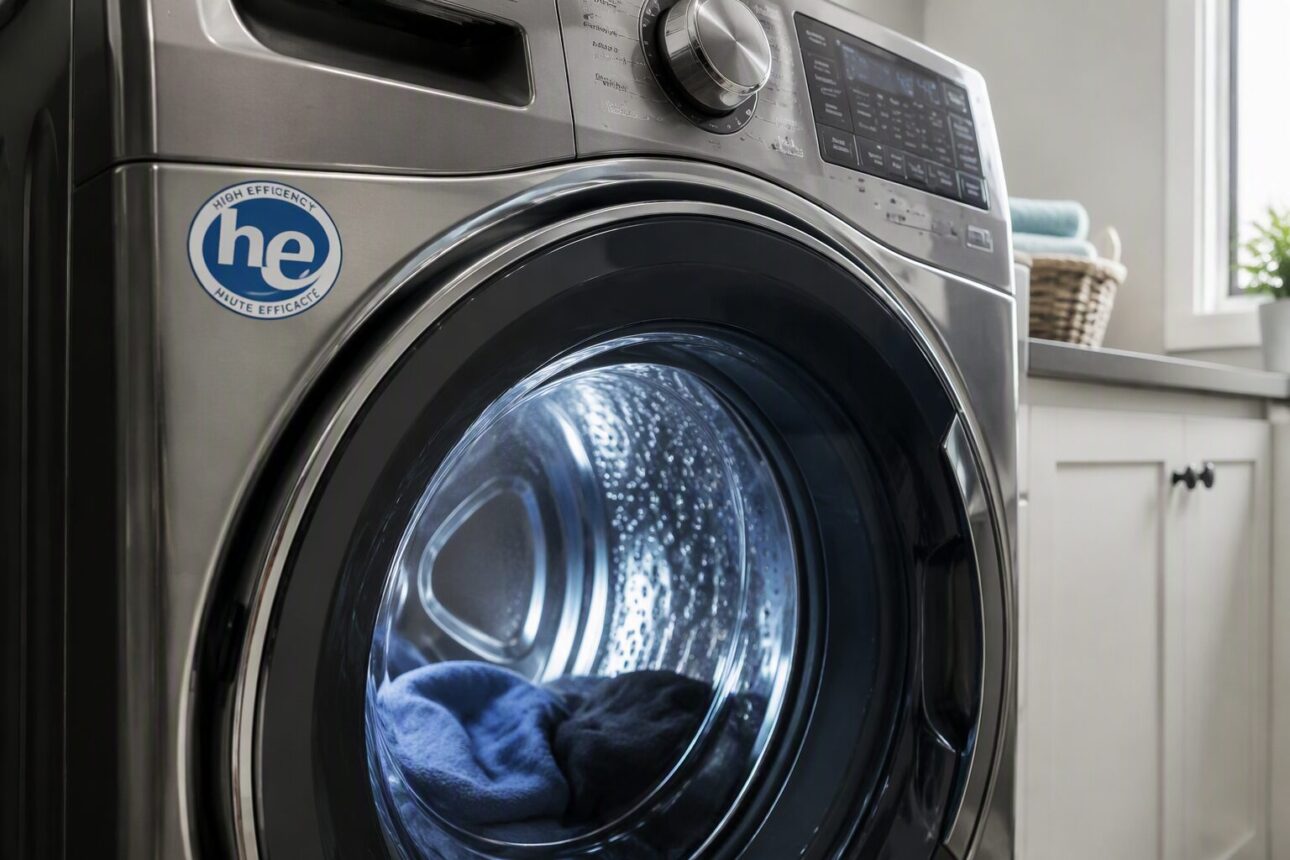
Non-HE detergents are not safe or effective for use in HE top-load or front-load washers. Industry standards consistently warn against this mixture. If you own an HE machine, check the console for the stylized “HE” symbol. If you cannot find the logo, consult your owner’s manual to verify the detergent requirements before your next cycle.
FAQ
Q: Why does HE detergent make fewer suds?
HE detergent is specifically formulated for low-water environments. It disperses quickly to clean fabric without relying on a large foam head. Using less soap keeps the wash cycle moving efficiently without triggering excess suds sensors or forcing the machine into additional rinse stages.
Q: How much water do HE washers save?
These appliances use between 20% and 66% less water than traditional models. This conservation is possible because the machine does not fill the entire tub with water, relying instead on high-speed tumbling and specialized detergent chemistry to treat stains.
Q: Do HE washers clean clothes better than regular washers?
Better cleaning performance is not guaranteed by the label alone. Instead, HE washers provide a more controlled environment for cleaning. When used with the correct detergent, they effectively lift soil and grime while preserving fabric, whereas using the wrong soap creates foam that hinders that performance.
Q: What happens if you use too much detergent in an HE washer?
Even if you use an HE-labeled product, overdosing can create too many suds. This causes the machine to add water or time to the cycle to force a clean rinse. Long-term, this overuse creates residue buildup on the drum, which attracts mold and creates machine-killing grime.
Q: Are HE and regular detergents the same formula?
The two formulas are fundamentally different. HE versions are low-sudsing and fast-dispersing to survive in low-water environments. Conventional soaps require high volumes of water to activate and rinse away, making them incompatible with the mechanics of a modern high-efficiency washer.
Q: When were HE washers first introduced?
These appliances hit the consumer market in the late 1990s. Their arrival forced a massive shift in laundry chemistry, as manufacturers had to create a detergent that could perform in low-water systems without leaving behind soap scum or damaging sensitive sensors.
Q: What problems can regular detergent cause in an HE machine?
It creates a sudsy cushion that prevents clothes from tumbling properly. This reduces stain removal efficiency and triggers extra rinse cycles. Over time, the soap creates a buildup of slime and mold that stresses the drain pump and reduces the overall lifespan of the washer.
My Experience With HE vs. Regular Detergent: A Complete Guide to Machine Safety
Years ago, I made the classic mistake of using leftover regular detergent in a brand-new high-efficiency front loader. I thought soap was just soap. Within twenty minutes, the front glass was covered in a thick, white foam, and the machine had ground to a halt. It didn’t overflow, but it certainly entered a “recovery mode” where it spent an hour just trying to rinse out the suds.
That was a painful lesson in reading labels. The most significant takeaway I’ve gained is that HE machines are essentially giant, sensitive computers. They rely on specific physics—gravity and friction—to clean, and that sudsy cushion created by regular detergent ruins the entire process. If the clothes aren’t hitting the drum, they aren’t getting clean. It’s an expensive lesson in efficiency. Now, I stick exclusively to HE detergents, and my machine runs quieter and smells much cleaner. It’s funny how much of a difference a tiny chemical tweak makes for the longevity of a major appliance. Have you ever accidentally used the wrong detergent and dealt with the “suds-recovery” cycle in your washer?
Conclusion
Ensuring your washer remains in peak condition starts with the right detergent choice. By using only HE-labeled soap in high-efficiency appliances, you prevent mechanical stress, energy waste, and residue buildup. This simple habit keeps your laundry clean and your machine running for years.
References
Whirlpool. (2026). What is HE detergent? https://www.whirlpool.com/blog/washers-and-dryers/what-is-he-detergent.html
Safeway. (2026). Laundering in HE washers vs. regular washers. https://www.safeway.com/shopping-guides/paper-cleaning-home/laundry-detergent-c-vFkX/laundering-in-he-washers-vs-regular-washers-q-gqkKsh
Arm & Hammer. (2026). What is high-efficiency (HE) laundry detergent? https://www.armandhammer.com/en/articles/he-detergent-vs-regular
American Cleaning Institute. (2026). High efficiency washers and detergents. https://www.cleaninginstitute.org/sites/default/files/assets/1/Page/HE.pdf
Tide. (2026). HE turbo clean frequently asked questions. https://tide.com/en-us/how-to-wash-clothes/washing-machine-101/how-to-use-an-he-washer/faqs-he-turbo
The Spruce. (2026). Can you use HE detergent in a regular washer? https://www.thespruce.com/is-he-compatible-with-regular-washers-2146621
The Appliance Technician. (2026). HE detergent vs regular laundry soaps. https://theappliancetechnician.net/he-vs-regular-laundry-soaps/
Lilyvolt. (2026). Is there any real difference between HE laundry detergent and regular? https://lilyvolt.com/difference-between-he-laundry-detergent-and-regular
Sarah Anderson . J
I’m the mom behind Wise Mom Blogger, where everyday creativity meets real-life motherhood. I share easy DIY crafts, cozy knitting and crochet projects, beginner-friendly sewing ideas, and family-tested recipes—plus quick baking hacks that make homemade feel doable on busy days.