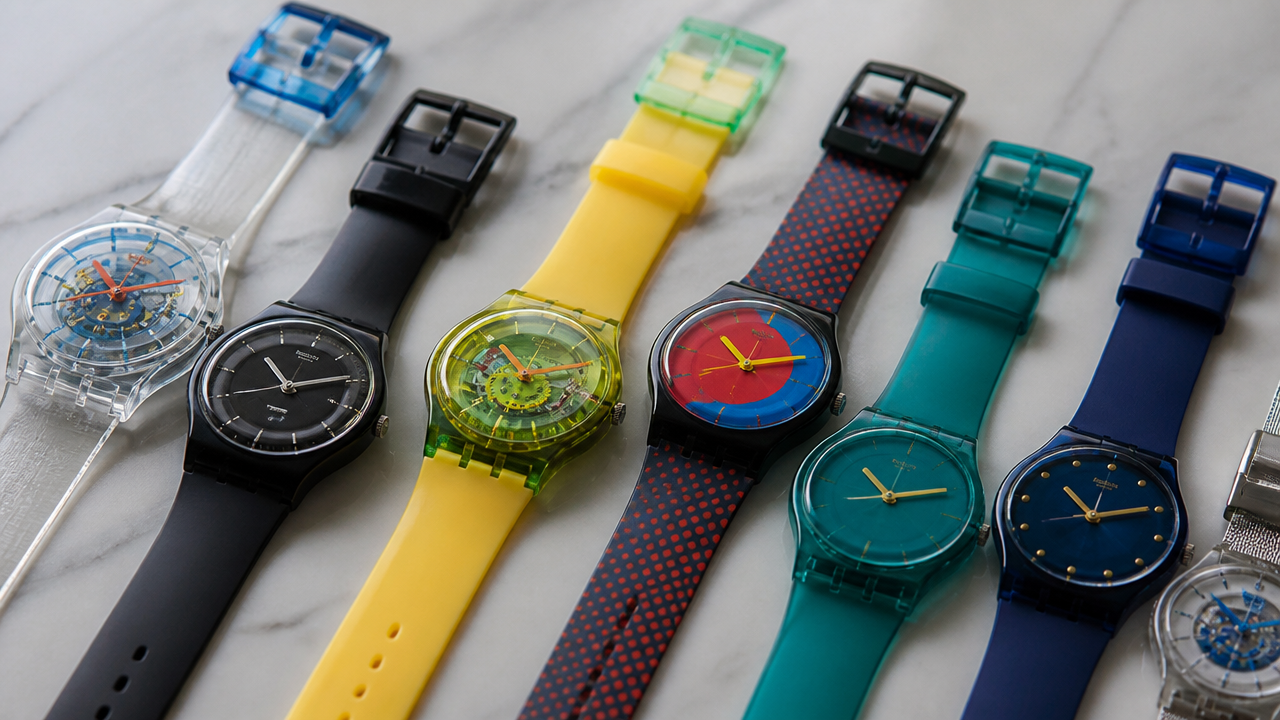
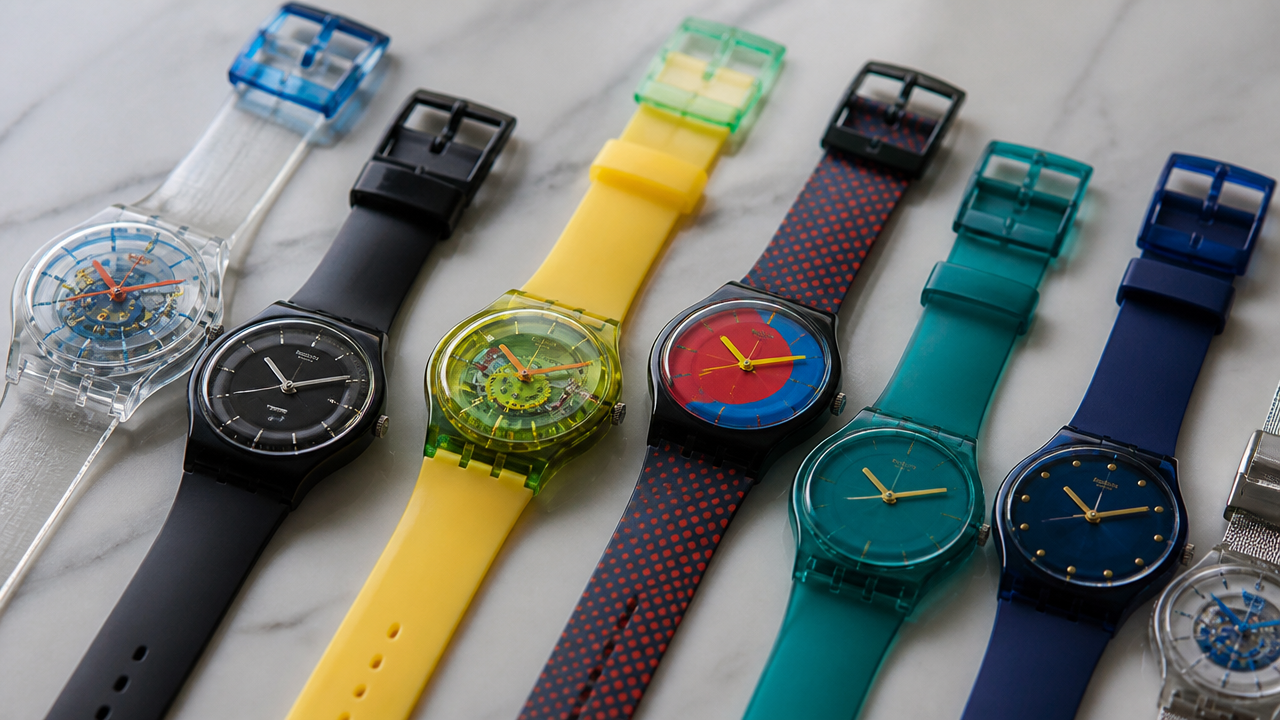
What makes a genuine Swatch watch stand out from every other timepiece you might buy? Authenticating a collection piece requires attention to detail, especially during the holiday gift season. Many fakes flood the market claiming vintage status or limited edition rarity. You need a Swatch authentication guide to separate real from imitation. This resource helps you verify the original Swatch watch with confidence. Keep reading for clear steps on material quality and dial printing. Trust the brand standards to avoid costly errors.
Quick Questions and Answers
Question: Why does a Swatch watch look fake sometimes?
Answer: Fakes often look convincing at a glance, but they usually show small flaws in printing, finishing, weight, or alignment. On genuine Swatch watches, the dial text, case finish, and packaging are crisp and consistent, while counterfeits often have blurry logos, rough edges, or mismatched details. This discrepancy usually appears when you hold the watch up to direct light. You will spot inconsistencies that a casual glance misses. Careful inspection of the small details reveals the truth behind the visual appeal. Authentic Swatch production involves strict quality control.
Question: Can you tell if a Swatch is original from the back?
Answer: Yes, the case back is one of the best places to check. Authentic Swatch watches usually have clear “Swiss Made” marking, a model code, and clean, deep engraving that matches the box or warranty card. Counterfeits often have shallow, messy, or missing markings. The engraving depth feels distinct when you run your finger over it. You can compare this code against online catalogs to confirm the model identity. This simple check often reveals a counterfeit immediately. Look for precision in every letter on the metal surface.
Question: Do original Swatch watches have Swiss Made on the dial?
Answer: Genuine Swatch watches typically display “Swiss Made” or “Swiss” on the dial, usually near the 6 o’clock position. The text should be sharp, evenly placed, and correctly spelled. If the marking is missing, blurry, or badly aligned, that is a warning sign. Some vintage models differ slightly, but modern pieces require clear text. Counterfeit manufacturers often mess up spelling to save time. You should always check the font weight against official product images. Consistency here signals genuine manufacturing standards.
Key Takeaways
Authentic Swatch watches feature a precise tick of the second hand every one second.
Bioceramic materials provide a distinct feel compared to the cheap plastic often used on fakes.
Documentation should be flawless with no spelling errors or misaligned printing.
The case back engraving is deep and sharp on genuine models.
Packaging quality reflects the premium nature of the original brand standards.
What You Need
Item
Purpose
Notes
Magnifying Glass
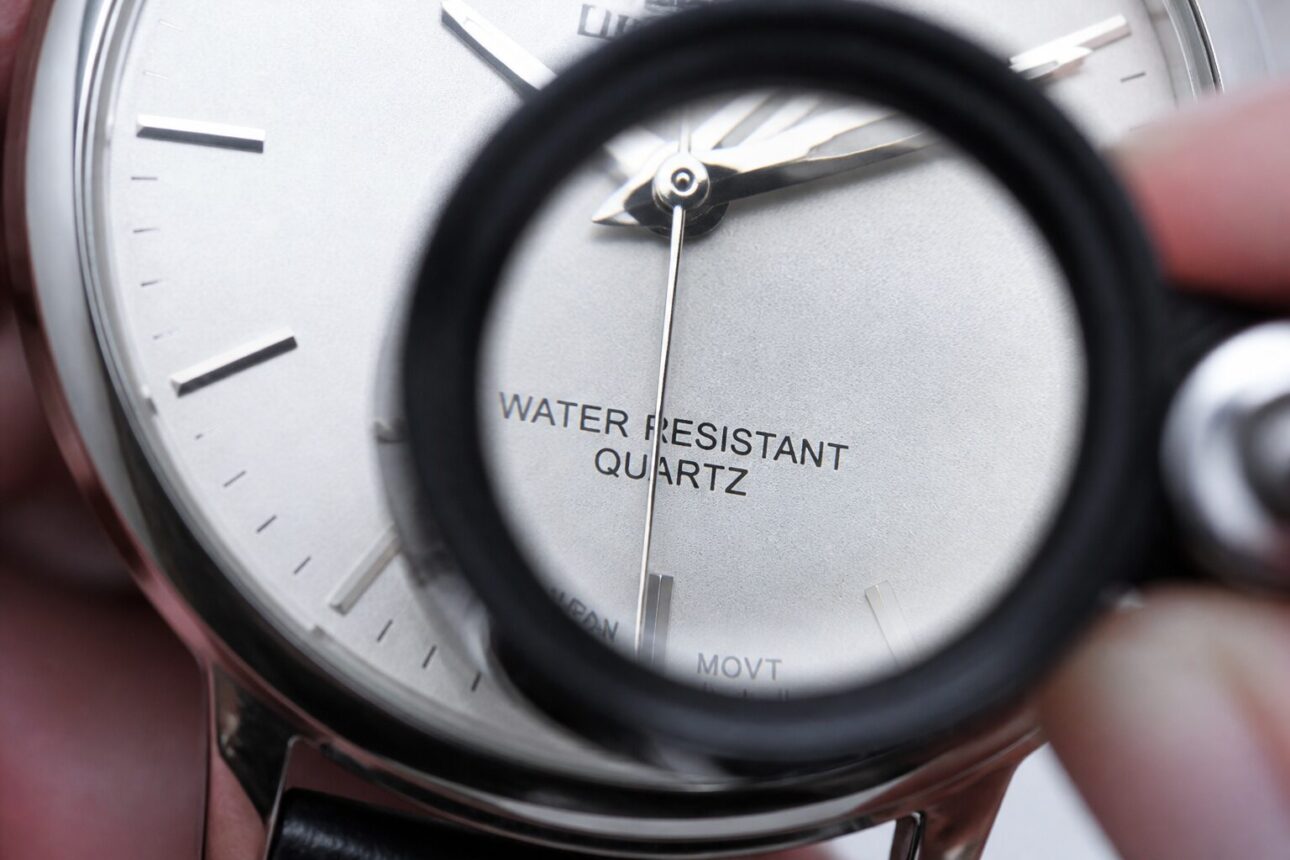
Inspection of small dial details
10x magnification helps spot ink defects
Official Website Access
Visual model comparison
Use high-res photos for side-by-side checks
Box and Papers
Verification of reference numbers
Ensure codes match the watch on the back
Good Lighting
Evaluate color consistency
Natural light is best for Bioceramic checks
How to Identify an Original Swatch Watch: Step-by-Step Authentication Methods
The verification process starts with the basics. You must handle the watch with care so the finish remains untouched. Inspect the surface under a bright light. Genuine Swatch watches use specific manufacturing techniques that create a certain sheen. This appearance is hard to replicate. You should compare the shine against official photos from the official Swatch website. If the color looks dull or the texture feels rough, you may be holding a fake. This initial visual check sets the stage for deeper inspection. It is crucial to note that lighting affects how the dial looks under different conditions.
Examining the Watch Movement and Dial
The movement tells a lot about the watch’s origins. You need to look at the second hand closely. An authentic quartz Swatch watch ticks once every single second. This motion is steady and rhythmic. If the hand glides smoothly or skips beats, the internal mechanism is likely counterfeit. This mechanical difference is a primary indicator for Swatch enthusiasts. Look for the “quartz” indicator text near the 6 o’clock position. This text should be perfectly aligned with the markers on the dial. Misaligned text often indicates poor quality control found in fake manufacturing processes.
Check the sharpness of the hour markers and hands. High-quality paint and printing ensure they do not bleed into each other. The dial should be flat and smooth without any bubbles in the plastic. Counterfeit makers often rush production and miss these details. [WatchCrunch] advises that the color of the plastic fake is different from the genuine Bioceramic item. You can see this difference clearly when comparing the dial and the case together. Authentic pieces maintain consistent proportions between the dial and the casing.
Checking Material and Case Quality
Material selection is a major differentiator for this brand. Genuine models, particularly the MoonSwatch, utilize proprietary Bioceramic material. This mix features a ceramic powder and a polymer for durability. It has a specific cold feel and a slight sheen. Fakes frequently use basic PMMA plastic which looks shinier and feels lighter. The sharpness of case details is also critical. Examine the pushers, crown, and caseback edges. Authentic high-quality production results in crisp edges, while counterfeits often look softened or rounded.
The caseback text should be laser engraved, not stamped deeply or printed on. Verify color accuracy by comparing the watch’s hue against official high-resolution photos on the Swatch website. Counterfeiters often fail to replicate the distinct color tones of Bioceramic, leading to a noticeable variance. If the red looks too pink or the blue looks too light, the material is likely incorrect. This visual discrepancy is often the easiest way to spot a fake from a distance. A genuine piece maintains strict color fidelity across its entire collection.
Validating Documentation and Packaging
Paperwork holds significant value for authentication. Cross-reference the reference number found on the guarantee document or box with the model specifications listed on the official Swatch database. These numbers are unique to each model. Original booklets and guarantee cards should feature crisp, high-end printing. Any spelling errors, poor ink quality, or misaligned text are immediate indicators of a counterfeit. Genuine sets often include a warranty card, manual, and sometimes a protective cover.
Packaging is sturdy and well printed. The Swatch logo, model name, and matching documents inside should be aligned correctly. Fake packaging is more likely to feel flimsy or have blurry printing and missing paperwork. [MGB WATCHES] notes that the fake watch appears to be made of basic PMMA plastic, lacking the quality production of the genuine piece. This difference extends to the cardboard used for the box. Ensure the ink color on the box does not resemble standard cheaper printing. You should also verify that the serial numbers on the box match the numbers on the watch case back.
Common Mistakes to Avoid
Do not rely solely on the weight of the watch. Authentic Swatch watches have a balanced, consistent feel, but many high-quality fakes now use weighted inserts to mimic the feel of an original. Weight varies based on the model and movement type, so it is not a standalone test. You should compare the watch to the official model specification instead of guessing by feel. Avoid assuming the item is real because it comes in a box. Always prioritize checking the consistency of the serial numbers and the quality of the engraving on the back of the case.
Some buyers focus only on the logo. You should worry whenever the logo looks off in spacing, sharpness, size, or placement. On original watches, the Swatch logo is crisp, centered, and cleanly printed or applied. Counterfeits often show blurry edges, uneven lettering, or logos that are slightly misaligned. The logo is the most visible element, so fakers often get this wrong. You must examine the logo against reference images from [Alibaba Product Insights] regarding authentication. Remember that a single flaw does not prove it is fake, but multiple flaws signal trouble.
Troubleshooting: What to Do if You Suspect a Fake
If you are in a retail store, perform a functional test by pulling the crown to ensure the hands move correctly. The movement should respond instantly without sticking. If the second hand hesitates or stops, the mechanism is likely damaged or swapped. If buying online, request clear, non-stock photography of the specific watch’s specific watch’s caseback and crown to verify the sharpness of the text and logos. Stock photos often hide defects. You should ask the seller for a close-up video of the movement running.
Compare the watch to the official Swatch catalog. [The Watch Journal] explains that fakes often display incorrect fonts or missing text that genuine models possess. If the code on the back is missing or looks like a sticker, the watch is likely counterfeit. A sticker on the case indicates tampering or replacement. If the warranty card is missing or generic, treat it as suspicious. Genuine warranty cards match the watch and box details perfectly. You should also check that the card has the correct model information.
FAQs
Q: Are fake Swatch watches heavier or lighter than real ones?
Weight can help, but it is not a standalone test. Authentic Swatch watches have a balanced, consistent feel, while counterfeits often use cheaper plastic and may feel oddly light or bulky. Comparing the watch to the official model specification is more reliable than guessing by feel. Some fakes add weight to mimic the genuine item, so weight alone is unreliable. You must combine weight assessment with material inspection and movement checks. This layered approach gives you a better picture of authenticity.
Q: How do you check the packaging of a Swatch watch?
Original Swatch packaging is usually sturdy and well printed, with the Swatch logo, model name, and matching documents inside. Genuine sets often include a warranty card, manual, and sometimes a protective cover. Fake packaging is more likely to feel flimsy or have blurry printing and missing paperwork. You should feel the cardboard; it should be rigid rather than soft. The inner lining should be clean and properly fitted to the case. Any loose papers or missing components are red flags.
Q: What should the second hand do on a real Swatch?
On a genuine quartz Swatch, the second hand should move in precise one-second steps with a consistent tick. It should not stutter, skip irregularly, or behave erratically. If the watch is a chronograph model, the hand positions should also line up correctly when reset. This ticking motion confirms the quartz movement inside. A sweeping motion indicates a different type of movement or a fake mechanism. Listen for the sound as well; the click is usually audible near the ear.
Q: Will the model number help verify a Swatch watch?
Yes, the model number is one of the most useful checks. Authentic Swatch watches have a model code that should match the official Swatch catalog, packaging, and warranty documents. If the code is missing, inconsistent, or does not exist in the official lineup, treat it as suspicious. You can find this number on the case back. Search this code online to see if the watch matches the description provided by the official brand database. Inconsistencies here usually mean the watch is not genuine.
Q: When should you worry about a Swatch logo being wrong?
You should worry whenever the logo looks off in spacing, sharpness, size, or placement. On original watches, the Swatch logo is crisp, centered, and cleanly printed or applied. Counterfeits often show blurry edges, uneven lettering, or logos that are slightly misaligned. The logo is the most prominent branding element on the dial. A slight curve or shadow usually indicates poor printing technology. You can spot this better using a magnifying glass to read every letter.
Q: Is the warranty card important for Swatch authentication?
Yes, a genuine warranty card can support authenticity when it matches the watch and box details. The card should have the correct model information, and in some cases a matching serial number or retailer stamp. Missing, generic, or mismatched paperwork is a strong warning sign. This document proves the watch entered the official supply chain. Always check if the card is dated correctly for the purchase or vintage status. A generic template without specific details is often fabricated.
Q: What is the easiest way to spot a counterfeit Swatch watch?
The easiest quick checks are the dial printing, case-back markings, packaging quality, and overall finish. Real Swatch watches usually look clean, consistent, and well made, while fakes often reveal errors in text, materials, or alignment. If several details are off at once, the watch is likely counterfeit. Focus on the second hand tick first as it is hard to copy. Then check the material feel and the case back engraving depth. These visual and tactile cues are the first line of defense.
My Experience With How to Identify an Original Swatch Watch: A Complete Authentication Guide
I remember my first time holding a counterfeit Swatch. The color looked right, but the case felt oddly warm to the touch. Genuine Bioceramic is cool, unlike the plastic imitations. It was a lesson that speed of purchase is the enemy of accuracy. I now check the second hand immediately. A glide means a pass away. I also keep a magnifying glass in my jewelry box. It saves you a lot of heartache later on.
Authenticating Swatches is like detective work. You need to trust your eyes over your hopes. Sometimes the box looks perfect, but the watch inside does not. I have seen sellers swap boxes with the wrong models. Always match the numbers. Do not ignore the paperwork. Those papers matter as much as the watch itself. I always recommend buying the Swatch Industrial Patent link to understand the history better. It helps you know what you are looking for. A keen eye for font weight catches most fakes.
Have you caught a fake on your watch recently?
Latest Updates or 2026 Trends
The market for Swatch watches sees new collaborations every year. Recent trends show higher quality fakes targeting new collectors. [Wisemom Blogger] explains how understanding the architecture of a Gent model helps spot differences. Newer Bioceramic materials are replacing older plastics, changing the weight and feel. Authentication guides must evolve alongside these material shifts. 2026 predictions suggest better holographic packaging features to block digital forgeries. You should check for these security features if buying a new release. Keep an eye on the official brand announcements for verification updates.
Conclusion
Identifying an original Swatch watch takes patience and attention. Use the steps in this guide to verify quality. Check the movement, the material, and the papers. Do not rush the decision. A genuine piece is worth the time it takes to authenticate. Trust the guidelines provided here to protect your purchase. The market contains many fakes, but knowledge is your best tool.
References
WatchCrunch. (n.d.). How to spot a fake Moonswatch. WatchCrunch. https://www.watchcrunch.com/horolo_fan/posts/how-to-spot-a-fake-moonswatch-748358
MGB Watches. (n.d.). MoonStruck or Misled: Genuine vs Fake Snoopy MoonSwatch. MGB WATCHES. https://mgbwatches.com/en-us/blogs/journal/moonstruck-or-misled-genuine-vs-fake-snoopy-moonswatch
Smart.DHgate. (n.d.). How to Verify if Your Swatch Watch Is Authentic. Smart.DHgate. https://smart.dhgate.com/how-to-verify-if-your-swatch-watch-is-authentic-a-step-by-step-guide-for-buyers/
Wise Mom Blogger. (n.d.). What Was the Swatch Industrial Patent? Wise Moment Blogger. https://wisemomblogger.com/what-was-the-swatch-industrial-patent/
Wise Mom Blogger. (n.d.). Components of a Swatch Gent Model. Wise Mom Blogger. https://wisemomblogger.com/components-of-a-gent-model-understanding-the-architecture/
Sarah Anderson . J
I’m the mom behind Wise Mom Blogger, where everyday creativity meets real-life motherhood. I share easy DIY crafts, cozy knitting and crochet projects, beginner-friendly sewing ideas, and family-tested recipes—plus quick baking hacks that make homemade feel doable on busy days.