These ideas cut clutter, boost independence, and make playtime feel like a tiny classroom you actually want to walk into. Quick, practical, and seriously doable for busy parents.
1. Hideaway Little Kitchen Nook
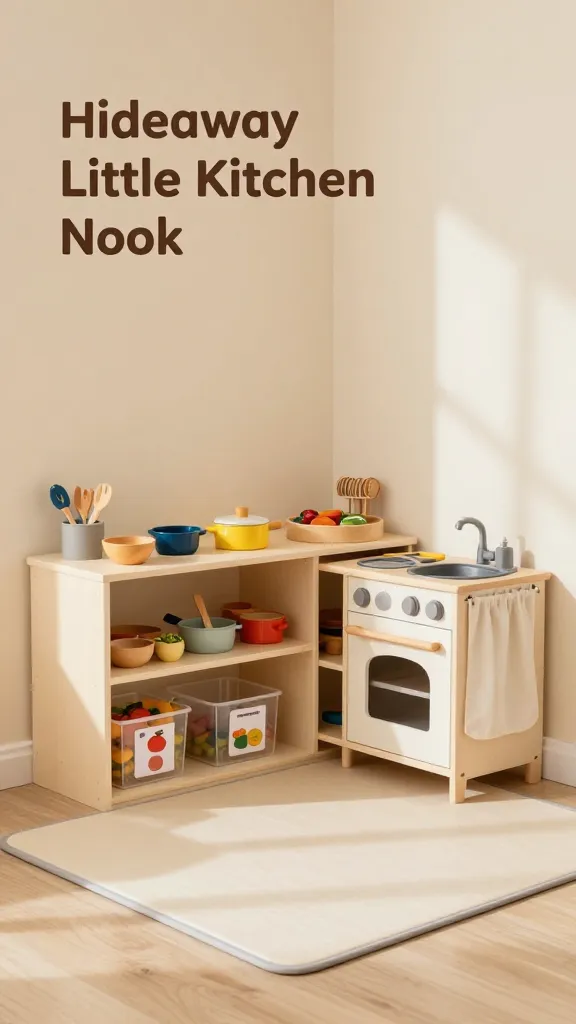
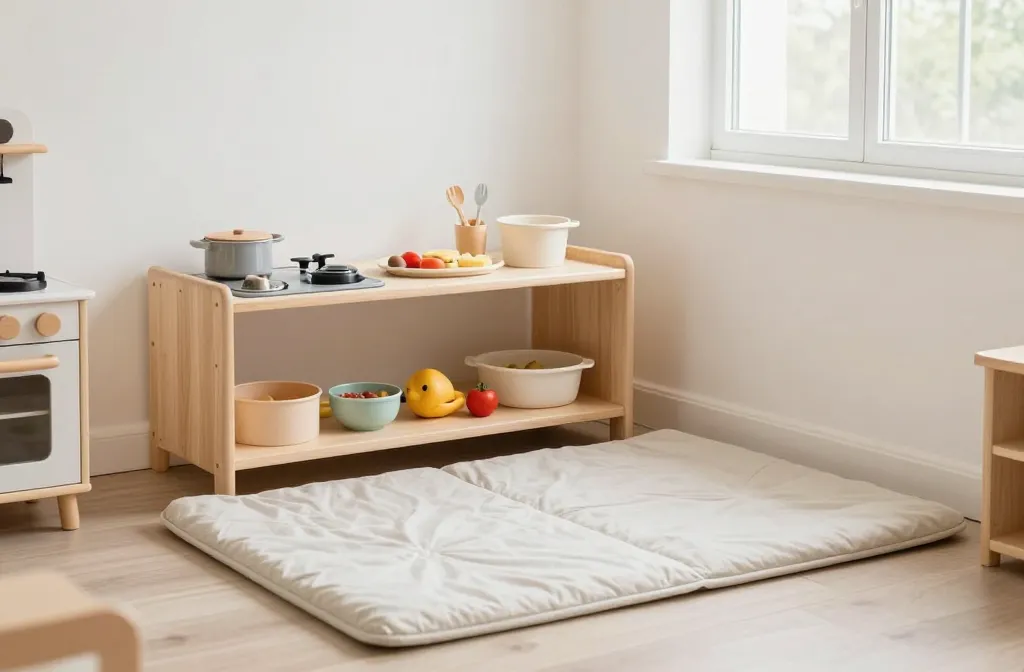
Turn a corner into a mini kitchen where tiny chefs pretend to cook and clean. This setup encourages role play, fine motor work, and endless imagination without shouting fits over toy messes.
Key elements:
- Low shelves with accessible pretend foods
- Child-sized pretend stove and utensils
- Open, defined play space with a mat
As they explore, they practice sharing, turn-taking, and daily routines. Use a small curtain or shelf as a playful “apron door” to make it feel secret and exciting.
2. Sensory Bins, but Make Them Smart
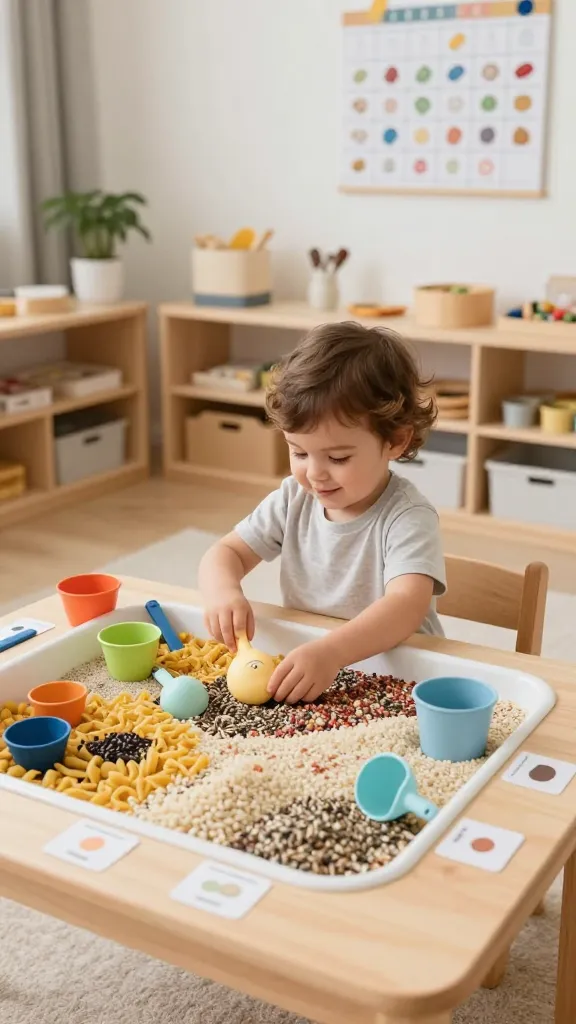
Sensory play fuels curiosity and self-regulation. Keep it interesting with varied textures and easy reset options. FYI, it’s not just messy—it’s brain-building magic inside a bin.
What to include:
- Seasonal fillers: dried pasta, rice, or seed mixes
- Colorful scoops, cups, and funnels
- Labels or tiny cards for naming textures
Rotate contents monthly to maintain novelty. This is great for fine motor skills and language development as you describe textures and actions during play.
3. Montessori Math Corner on a Low Table
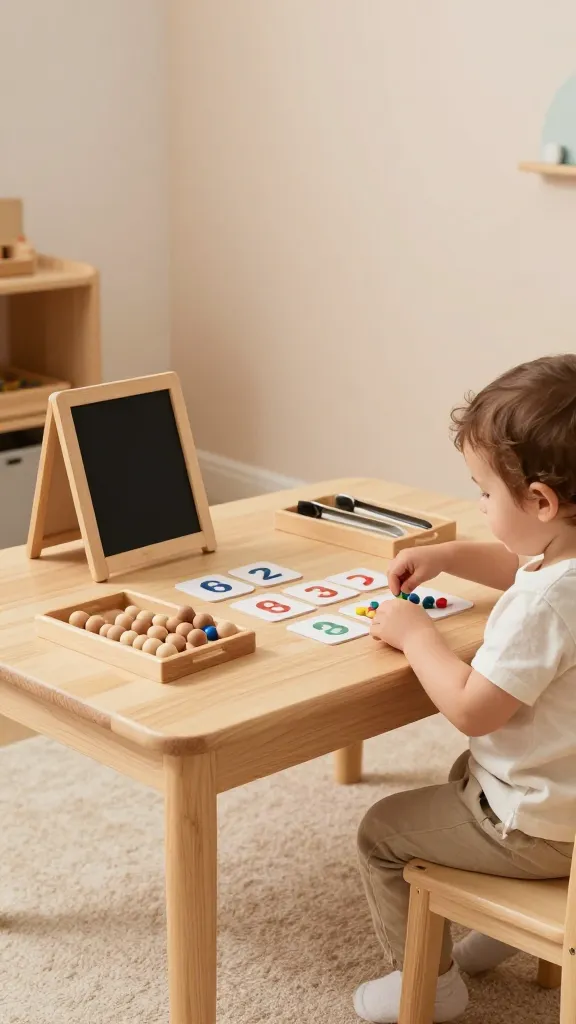
Make math feel tactile and friendly with a dedicated corner. Kids grab abstract concepts by handling real objects, not just diagrams on a screen.
What to offer:
- Sturdy wooden counting beads
- Number cards and a small chalkboard
- Transfer tongs and sorting trays
Short sessions work best. Encourage experimentation: “Can you make three using these beads?” This builds early number sense and concentration.
4. Practical Life Station on a Tray
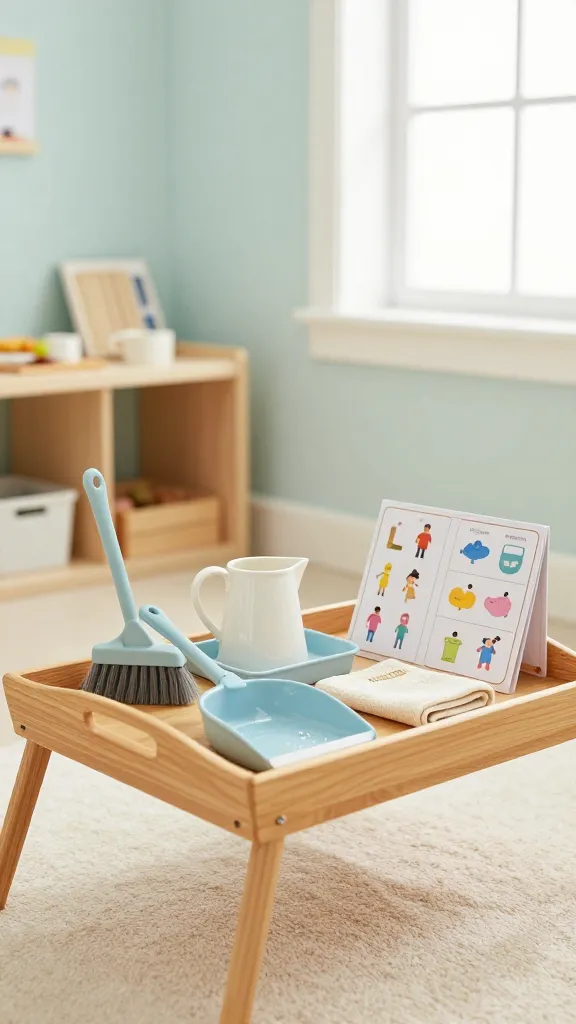
Practical life skills are the backbone of Montessori. A tidy station teaches independence, order, and focus without drama.
Set it up with:
- Mini broom, dustpan, and a small rag
- Water tray with a tiny pitcher (and towel to dry hands)
- Chore charts or sequencing cards
Kids feel accomplished cleaning up after pretend play or helping with real tasks. It turns clean-up into a game rather than a punishment.
5. Open-Ended Building Zone
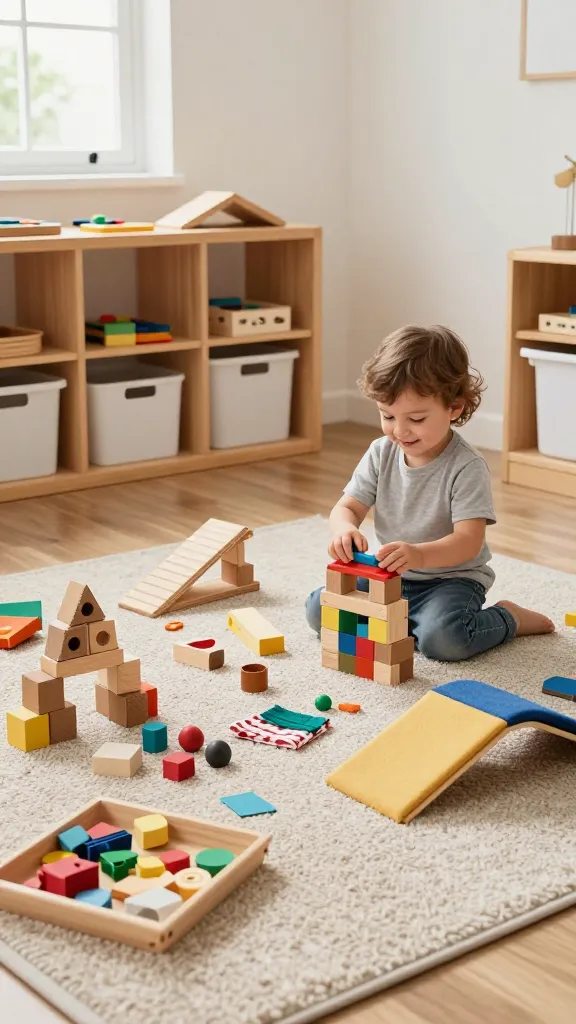
Block towers, ramps, and loose parts spark creativity and problem-solving. The rule: fewer rules, more exploration.
Why it’s awesome:
- Fewer restrictions boost creativity
- Encourages spatial reasoning and engineering thinking
- Easy to store and rotate materials
A simple tip: mix natural materials with colorful pieces to keep engagement high. And yes, you can use recycled cartons as building blocks too.
6. Cozy Reading Nook with Accessible Books
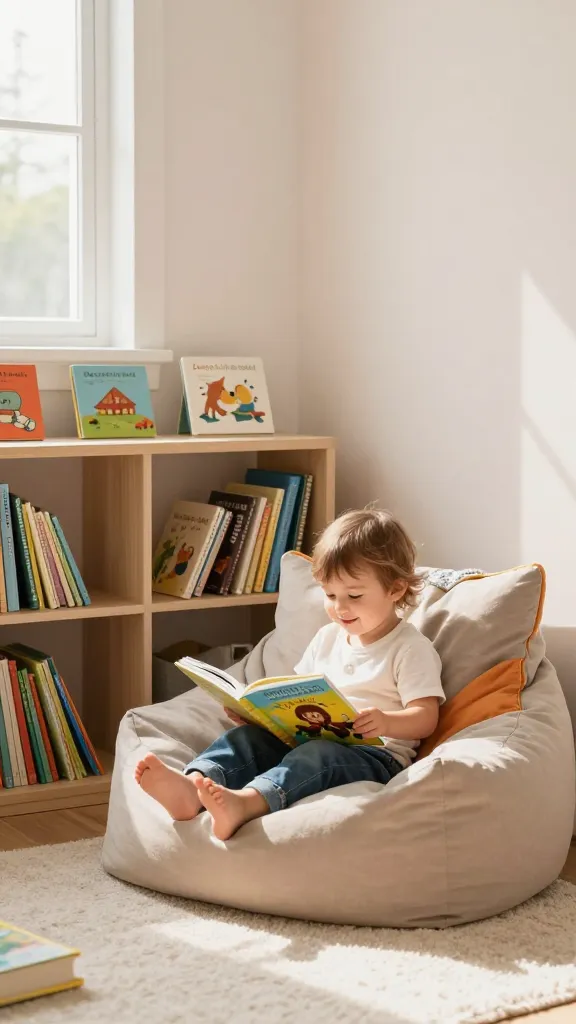
A comfy, low-access reading nook invites quiet time and language growth. It’s a sanctuary where kids choose their own adventures.
Setup ideas:
- Low shelf at toddler eye level
- Small bean bag or cushion fort
- Board books and sturdy picture books
Tip: rotate a few new-book selections weekly to keep excitement alive. Trust me, a calm corner becomes a happiness anchor during busy days.
7. Nature Table for Real-World Discovery
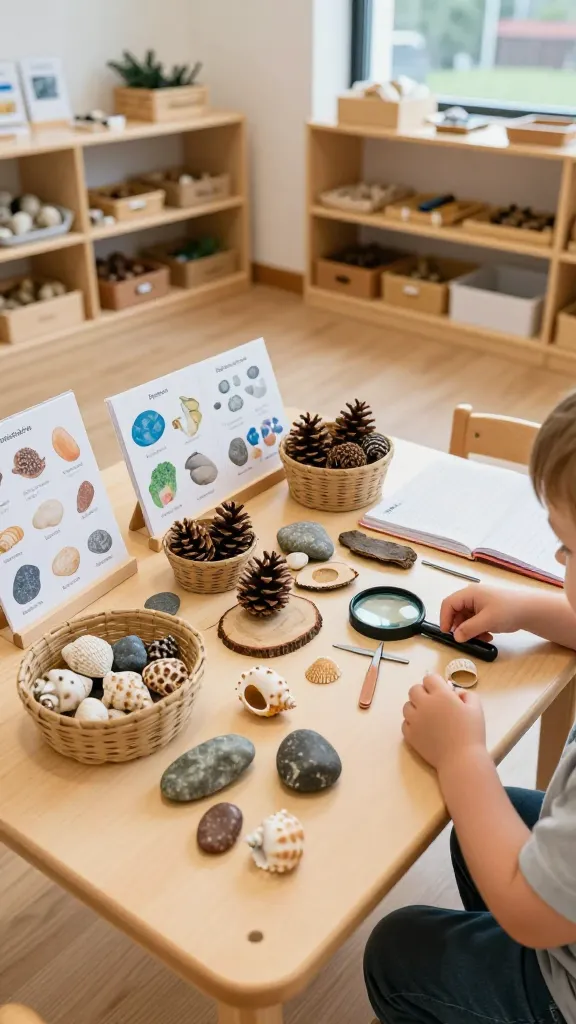
A nature table anchors science curiosity and mindful observation. It’s amazing how a simple display can spark endless questions.
What to include:
- Seashells, pinecones, shells, or rocks
- Magnifying glass and tiny tweezers
- Chart or photo cards showing items’ names
Rotate items by season and encourage kids to compare textures, sizes, and colors. Simple scientific thinking happens when you talk about what they notice.
8. DIY Dressing Station for Independence
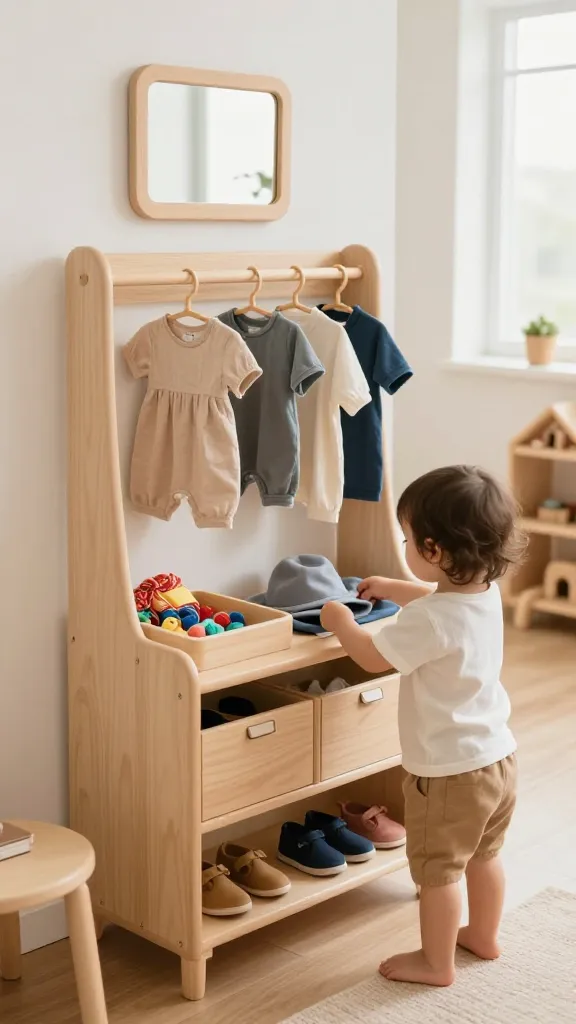
Let toddlers practice dressing with easy-access clothing and mirrors. It reduces frustration and builds autonomy—one outfit at a time.
What to include:
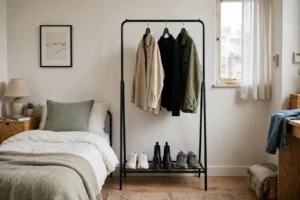
- Low hooks and a labeled drawer for clothes
- Shoe rack within reach
- Simple dress-up accessories (hats, scarves)
Short, patient instruction helps here: “Choose the left pocket or right?” It’s tiny wins that stack into big confidence.
9. Sound and Music Corner
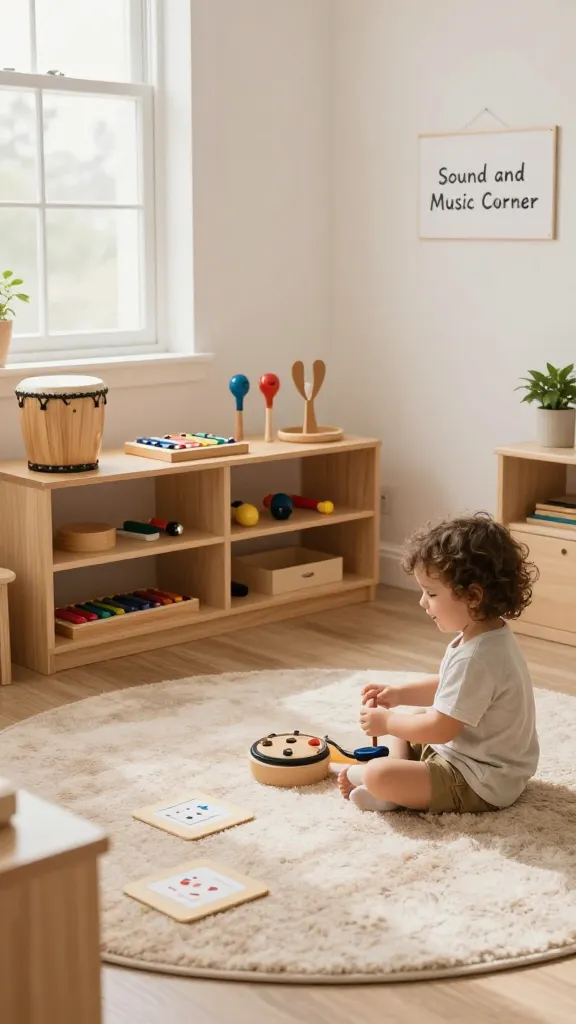
Sound exploration sharpens listening skills and rhythm sense. A small, dedicated space for music lets kids express themselves freely.
Essentials:
- Simple musical instruments: drum, xylophone, shaker
- Low shelf for rhythm cards or simple sheet music
- Soft rug to dampen echoes and create a cozy vibe
Improv jam sessions or guided listening mini-lessons can be fun. See what rhythms emerge and ride that wave with enthusiasm.
10. Quiet Corner with Sensory Lighting
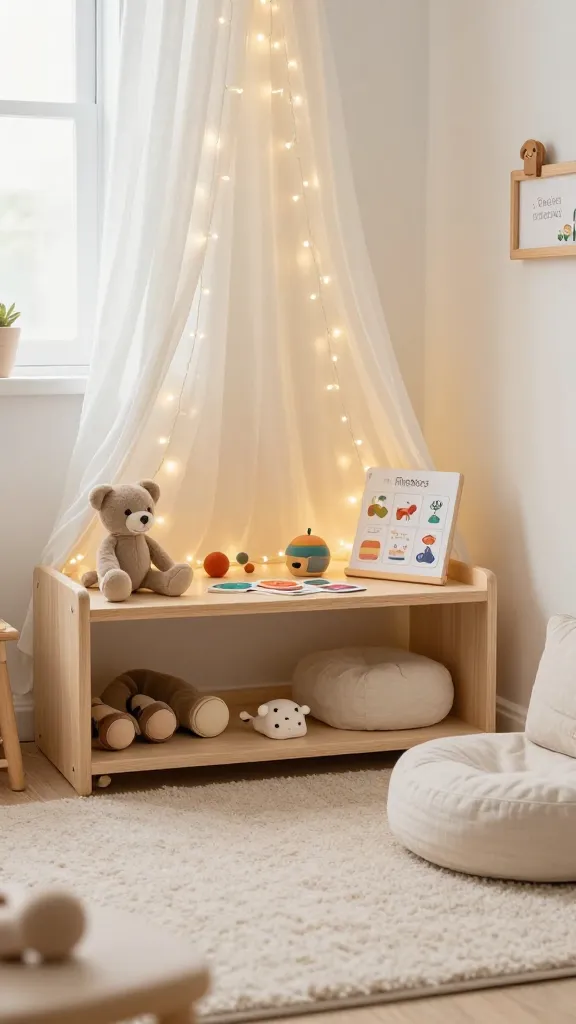
Every toddler needs a tiny zen zone. A calm corner helps reset emotions and improve focus for the next burst of play.
What to set up:
- Dim lighting or a fairy-light curtain
- Gentle breathing cards or a soft tactile toy
- Low shelf with a handful of quiet activities
FYI, a quiet corner isn’t punishment; it’s a tool for emotional regulation and self-awareness. It becomes a go-to retreat after busy moments.
11. Wheelbarrow of Easy Cleanup (A Fun Spin on Tidying)
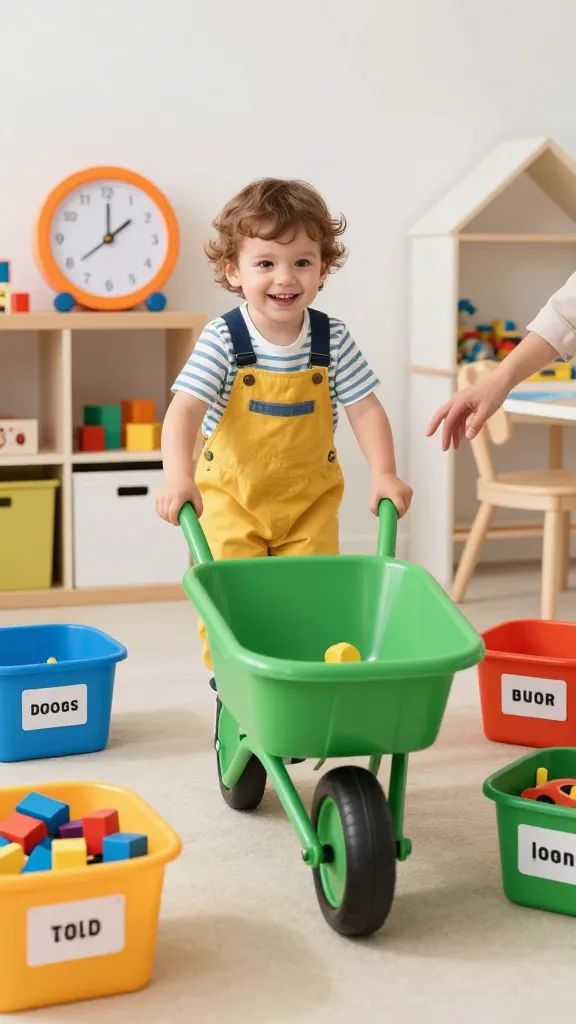
Turn cleanup into a quick, playful race. A designated “cleanup wheelbarrow” makes tidying an event kids actually want to join.
What makes it work:
- Labelled bins for different toy types
- A lightweight wheelbarrow or tote kids can push
- A timer with a tiny reward for finishing fast
End each session with a quick “thank you” for helping tidy the space. It reinforces responsibility and reduces chaos next time.
12. Personalize with Artwork and Growth Milestones
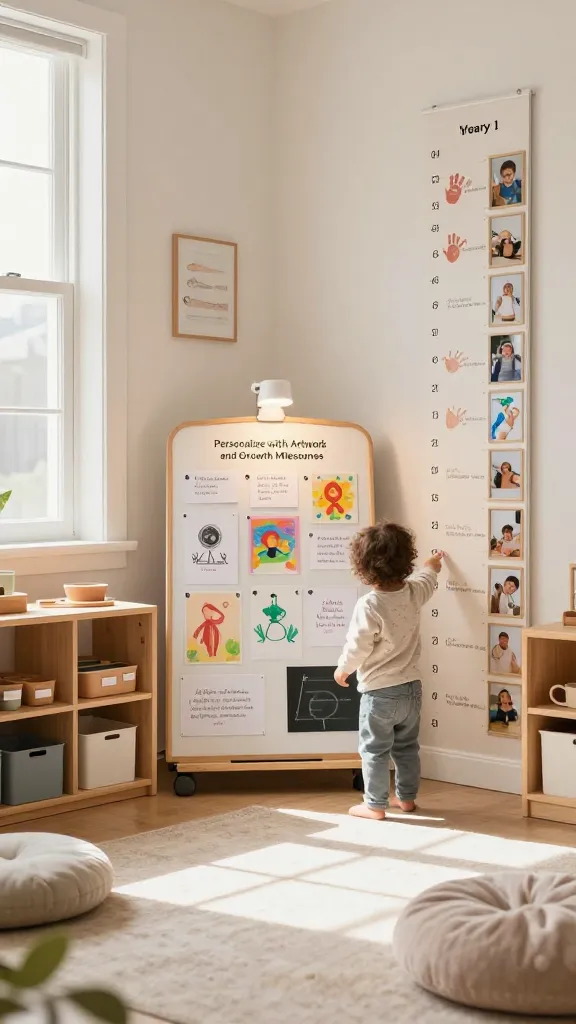
Finally, celebrate small wins by displaying their work and milestones. A little pride goes a long way in Montessori playrooms.
How to do it:
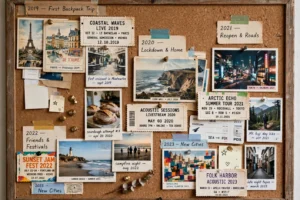
- Rotating display board with artwork
- Label with date and what they did
- A yearly growth wall with photos or handprints
Use the space to reflect on progress and set small, achievable goals for the coming weeks. It’s amazing how motivation blooms when kids see their own progress.
Congratulations—these 12 ideas bring Montessori magic into a toddler-friendly playroom. They’re designed to grow with your child, stay organized, and keep play purposeful but not precious. FYI, consistency matters more than perfection, so try a few at a time and watch the room transform.
Now that you’ve got the blueprint, go ahead and pick a corner to start. You’ll be amazed at how quickly your toddler volunteers to help tidy up, explore, and learn. Seriously, you’ve got this!

Sarah Anderson . J
I’m the mom behind Wise Mom Blogger, where everyday creativity meets real-life motherhood. I share easy DIY crafts, cozy knitting and crochet projects, beginner-friendly sewing ideas, and family-tested recipes—plus quick baking hacks that make homemade feel doable on busy days.