What makes a truly great dining table centerpiece stand out from every other table styling option you’ve tried? Whether you are planning a summer cookout or a holiday dinner, the right choice ties the room together without blocking conversations. You will find practical ways to arrange bowls, candles, trays, and plants so they look finished without taking over your surface area. Pick a style that matches your table shape and fits your daily routine. Ready to transform your dining space? Here are eleven proven approaches that balance beauty with everyday functionality.
Quick Questions and Answers
Question: What are the easiest dining table centerpiece ideas? Answer: The easiest options usually involve a bowl of fresh fruit, a simple cluster of taper candles, a small vase with a few stems, or a tray holding three grouped objects. These setups require minimal assembly, swap cleanly when seasons change, and scale easily to fit narrow consoles or wide farmhouse tables. Designers consistently advise keeping these arrangements low so guests maintain eye contact across the surface.
Question: How do I choose the right centerpiece for my table? Answer: Match the overall silhouette to your table shape, then size the arrangement proportionally to the available surface area. Round tables typically work best with one centered bowl or single vase, while rectangular surfaces usually look sharper with an elongated layout or repeated small groupings down the middle. Prioritize designs that leave sightlines open so conversation flows naturally without anyone leaning forward to speak.
Question: Can I use candles as a dining table centerpiece? Answer: Absolutely. Candles remain one of the most reliable centerpiece choices because they provide warmth without demanding complex floral care. Sources recommend using tall candlesticks, grouped tapers, a glass hurricane vessel, or a short linear row running down a long table. Just keep the flame height low enough that diners can see each other clearly and talk comfortably throughout the meal.
Key Takeaways
- Low profiles preserve conversation and prevent visual crowding.
- Proportions matter more than price; aim for roughly two-thirds of table length.
- Group scattered pieces on a tray or bowl to read as one intentional composition.
- Match arrangement shapes to table geometry for instant visual balance.
1. Seasonal Fruit Bowls
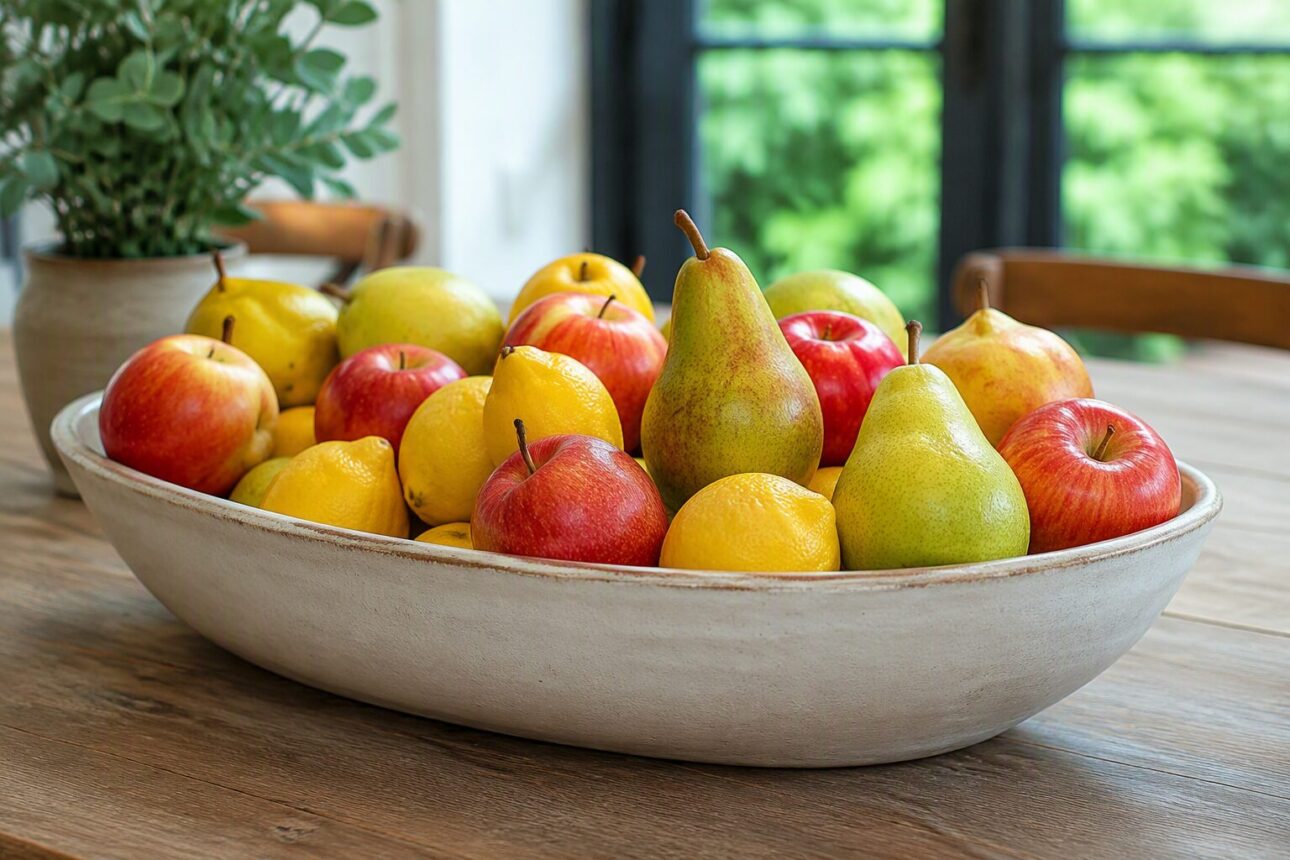
A large ceramic bowl or wooden trough immediately grounds a bare tabletop while introducing natural color. StoneGable recommends filling these containers with in-season produce like lemons, pears, or apples because the arrangement looks current without feeling staged. This setup works especially well for households that eat breakfast or snacks at the dining table. You get functioning storage alongside decor, which removes the excuse to store fruit elsewhere. Research from Driven by Decor notes that food-safe vessels prevent stains and simplify cleaning after family dinners. Keep the pile loose rather than tightly stacked so individual pieces catch light and cast soft shadows.
2. Potted Houseplants

Cut flowers fade within days, so many homeowners switch to low-maintenance houseplants for longevity. The Spruce specifically suggests selecting a resilient species like a pothos or snake plant when you want greenery that survives longer than a week. Choose a terra cotta pot or a matte ceramic container that echoes your existing wall tones or wood finishes. Plants absorb dry indoor air and introduce life to rooms that otherwise feel static. Watering schedules stay predictable, and you avoid the constant trim-and-replace cycle that frustrates casual decorators. A single medium-sized pot centered on a round table often reads as complete without requiring filler stones or ribbon.
3. Tiered Candlestick Groupings
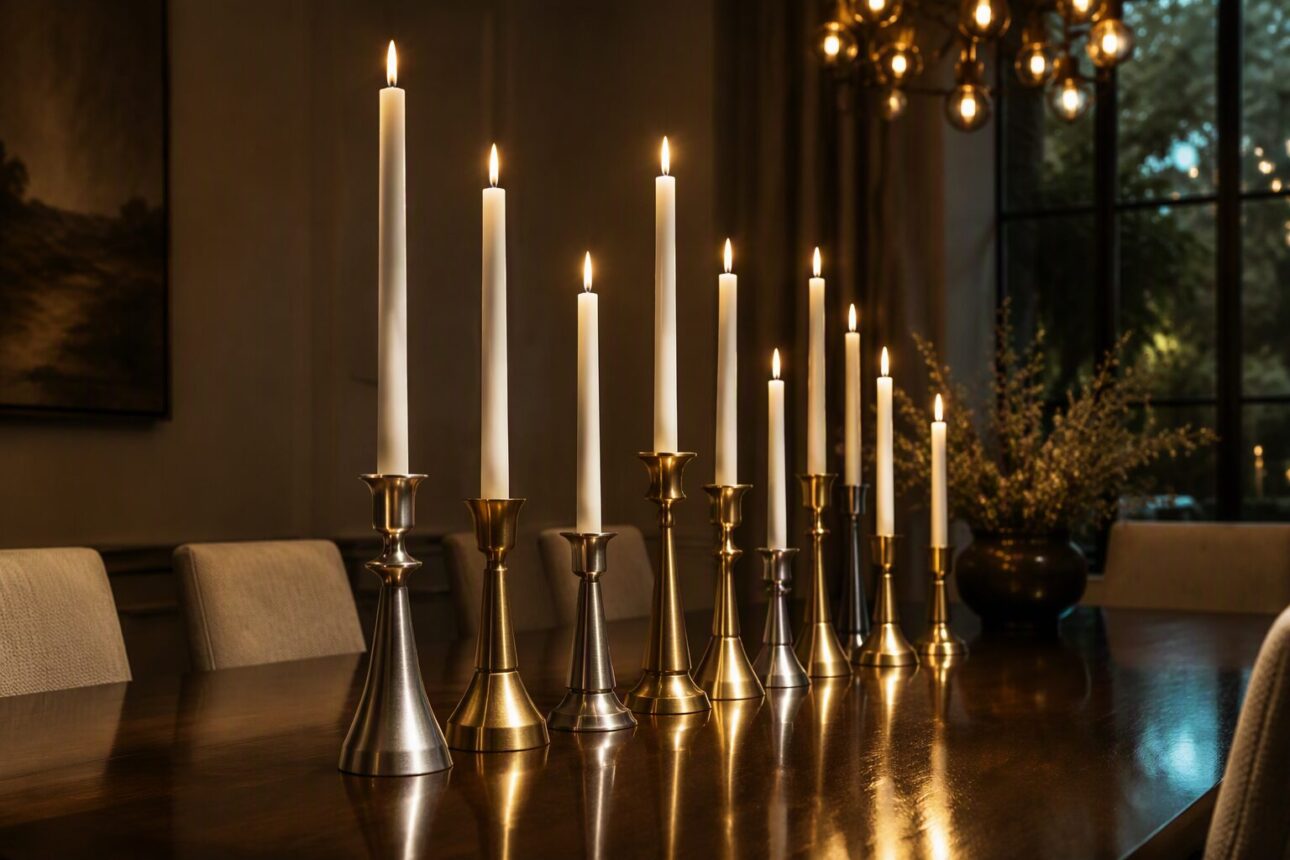
Layering candle holders of varying heights creates depth without pushing objects upward into guest sightlines. According to architectural design guidelines, alternating metal, glass, and wood bases adds texture while maintaining an orderly flow down a long rectangle. Stick to two or three coordinating colors to keep the palette cohesive, as Thistlewood Farm advises during centerpiece planning. Taper candles burn cleanly, and placing them along the centerline leaves elbow room on either side. You can easily swap holders whenever you paint the dining walls or change your chair upholstery. This approach scales effortlessly from intimate four-seaters to sprawling banquet-length surfaces.
4. Decorative Wooden Trays

A flat tray instantly transforms random decor into a unified vignette. The Brain and the Brawn recommends anchoring small mismatched objects on a wooden or metal base so they stop looking scattered across the dining surface. Trays collect crumbs, catch condensation, and protect delicate finishes underneath. Heavy oak or reclaimed pine carries substantial weight, which prevents accidental knocks from sliding objects across porcelain plates. I often pair a weathered tray with a short ceramic jar, a folded linen napkin, and a single succulent for casual weekday meals. When evening arrives, swapping the succulent for a couple of pillar candles shifts the mood entirely. See related strategies for outdoor space planning here: https://wisemomblogger.com/11-creative-backyard-renovation-ideas-for-busy-homeowners/
5. Glass Hurricane Candles
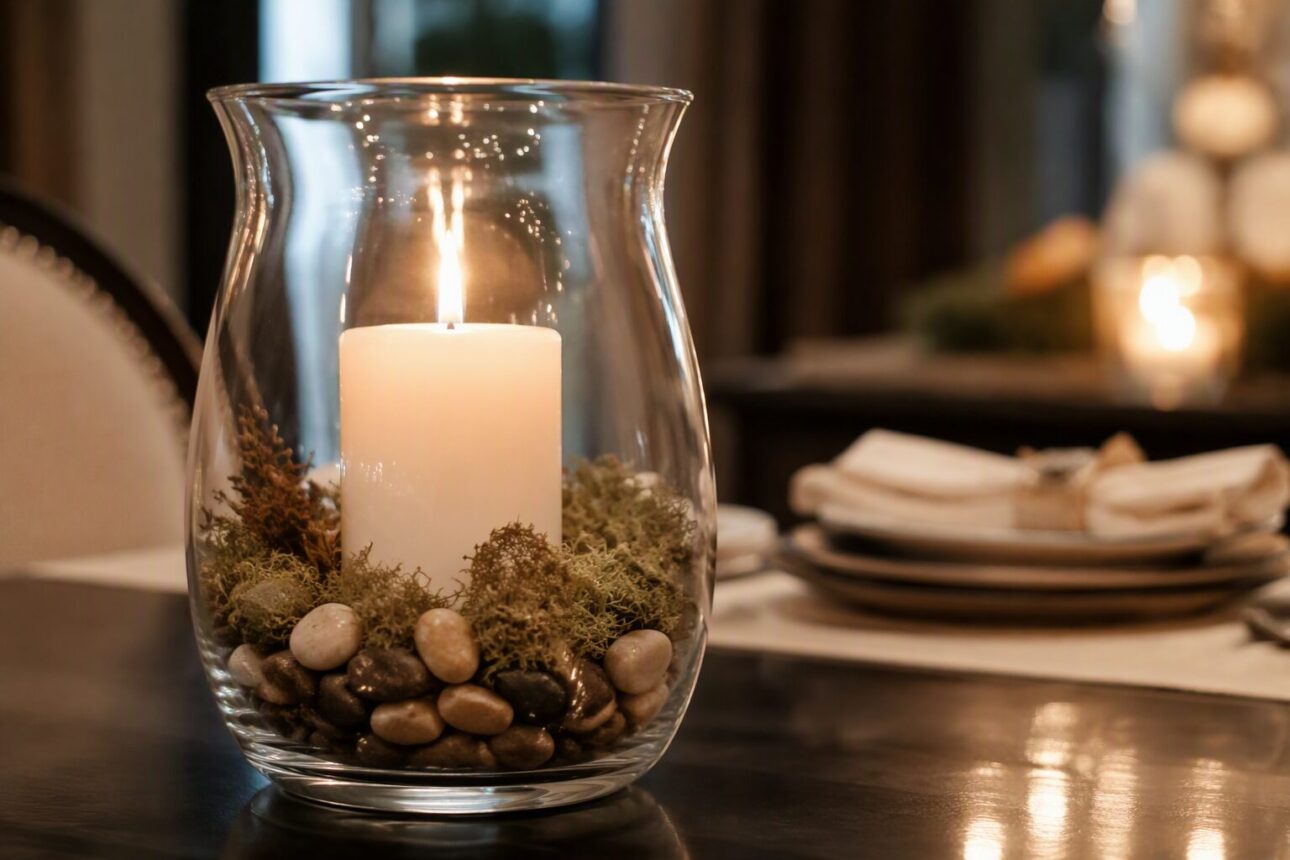
Enclosed glass shades shield flames from drafts and reduce fire risk near linens or placemats. These vessels function beautifully on their own, but adding smooth river stones, dried wheat stalks, or faux moss around the base elevates the piece without raising its profile. Lantern manufacturers consistently engineer hurricanes to withstand indoor humidity and minor temperature swings, making them suitable for year-round placement. Their cylindrical form contrasts nicely against angular farmhouse tables or curved modern dining sets. Clear glass amplifies candlelight, casting soft reflections that bounce off polished wood grain.
6. Fresh Herb Planters
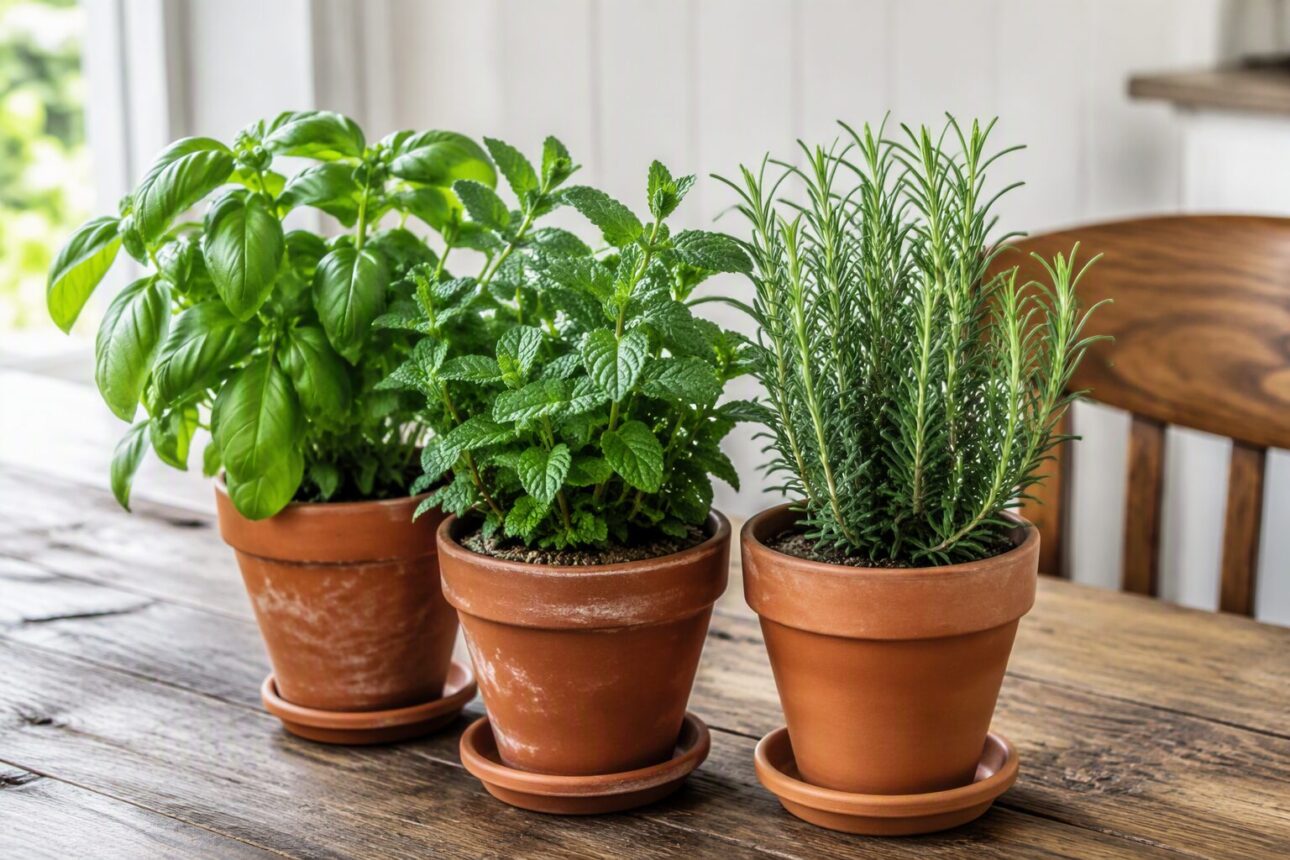
Growing culinary herbs directly on the dining surface bridges decoration and daily cooking routines. Small terracotta pots lined up in a row let you snip basil, thyme, or mint without standing up from the table. The Brain and the Brawn highlights this dual-purpose strategy for kitchens that already lean rustic or farm-inspired. Herbs thrive on consistent moisture and indirect sunlight, so placing them near a window sill extends their lifespan dramatically. You can rotate varieties throughout the growing season to match what your family actually cooks. Pair three uniform pots on a shallow wooden board to keep the display tidy and visually anchored. Explore career flexibility tips that complement remote kitchen workflows: https://wisemomblogger.com/easiest-remote-jobs-to-get-skills-pay-and-realistic-entry-requirements/
7. Sculptural Vessels
When the container itself becomes the focal point, you eliminate the need for frequent floral refreshes. Architectural vases with asymmetrical necks or heavy stoneware urns draw attention through form rather than color saturation. Choose round or organic silhouettes for circular tables, and opt for angular geometries that mirror rectangular tops. Interior design professionals at ASID note that statement vessels anchor rooms by establishing a clear visual hierarchy. They survive dusting cycles easily and never wilt, fade, or attract pollen. A single large piece occupies less visual bandwidth than multiple small items competing for attention.
8. Repeated Table Elements
Spacing identical objects at equal intervals solves the problem of empty stretch across long surfaces. Three matching glass jars, three small stone coasters, or three miniature terracotta pots create rhythm without dominating the footprint. StoneGable suggests this mirrored distribution for rectangular tables because it fills the two-thirds length rule cleanly while preserving side clearance. Consistent spacing signals intentionality, which stops layouts from feeling like random leftovers arranged hastily before guests arrive. Repeating elements also simplifies shopping since you buy multiples of one proven shape instead of hunting for eclectic matches.
9. Lantern Displays
Metal or wire-frame lanterns add architectural presence while remaining lightweight enough to move for cleaning. Adjustable heights inside these frames let you raise or lower candles based on room ceiling lines or nearby crown molding. Swapping the inner contents—adding fairy lights in winter, fresh sprigs in spring, or dried seed heads in autumn—keeps the outer structure permanently useful. Lattice sides allow light to escape evenly rather than pooling in one direction. Many models feature removable glass panels for quick refilling or ash removal, which reduces maintenance friction.
10. Mirror Base Arrangements
A rectangular mirror placed flat on the table reflects ambient lighting and makes small decor appear larger. Floating candles, tiny votives, or scattered petals sit atop reflective glass, creating optical expansion without adding physical height. Mirrors also hide scratches or water rings that accumulate on bare wood over time. Wipe the surface weekly to maintain clarity, and avoid placing hot candles directly on uncoated mirrors. Pair three slender brass stands on the glass for a polished, gallery-like layout that stays remarkably light on the surface.
11. Minimalist Ceramic Jars
Single-stem or small bunch arrangements inside narrow-necked ceramic jars demand zero conditioning time. Unlike wide-mouth vessels that drown stems in excess water, tight collars hold branches upright with minimal support. Neutral glazes and muted earth tones blend quietly with patterned rugs or busy wallpaper. You can replace contents weekly without buying new vases, saving money while keeping the display fresh. Simple pouring techniques fill jars quickly, and wiping drips takes seconds. This approach thrives in minimalist dining rooms where excess volume overwhelms thin wooden legs.
Common Mistakes
- Oversizing the arrangement until plates cannot rest comfortably on either side.
- Ignoring sightlines and building vertical displays that force guests to turn sideways to speak.
- Mixing too many unrelated textures, which fractures the visual unity of the space.
- Forgetting to anchor loose objects on trays, leading to accidental spills during passing meals.
- Selecting fragile materials that clash with daily family traffic, causing premature breakage.
FAQ
Q: What should I put in the middle of a rectangular dining table?
A: Rectangular tables perform best with a single elongated layout or a trio of smaller groupings spaced evenly down the center. Candlesticks, shallow bowls, lanterns, and curated trays work exceptionally well in this configuration. The goal is grouping disparate pieces into one unified visual unit rather than scattering them. Avoid bulky, isolated objects that interrupt the natural length and force diners to lean around central obstacles during service.
Q: Are flowers still a good dining table centerpiece choice?
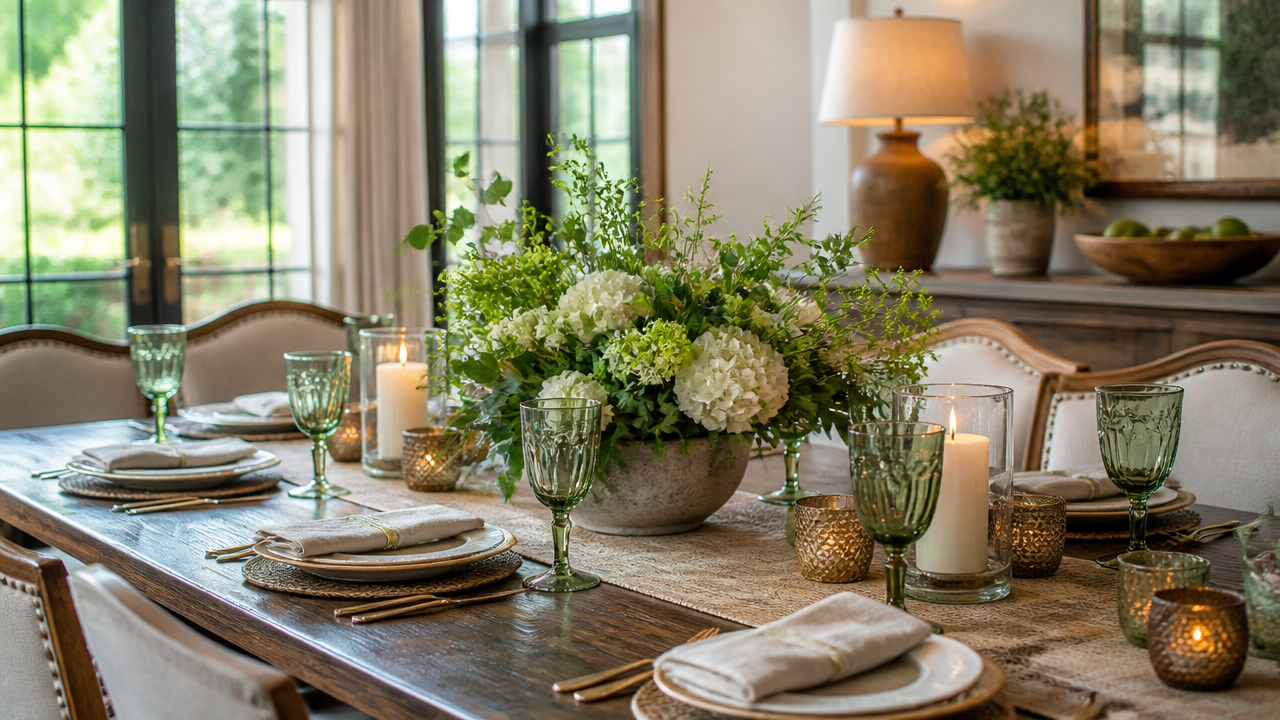
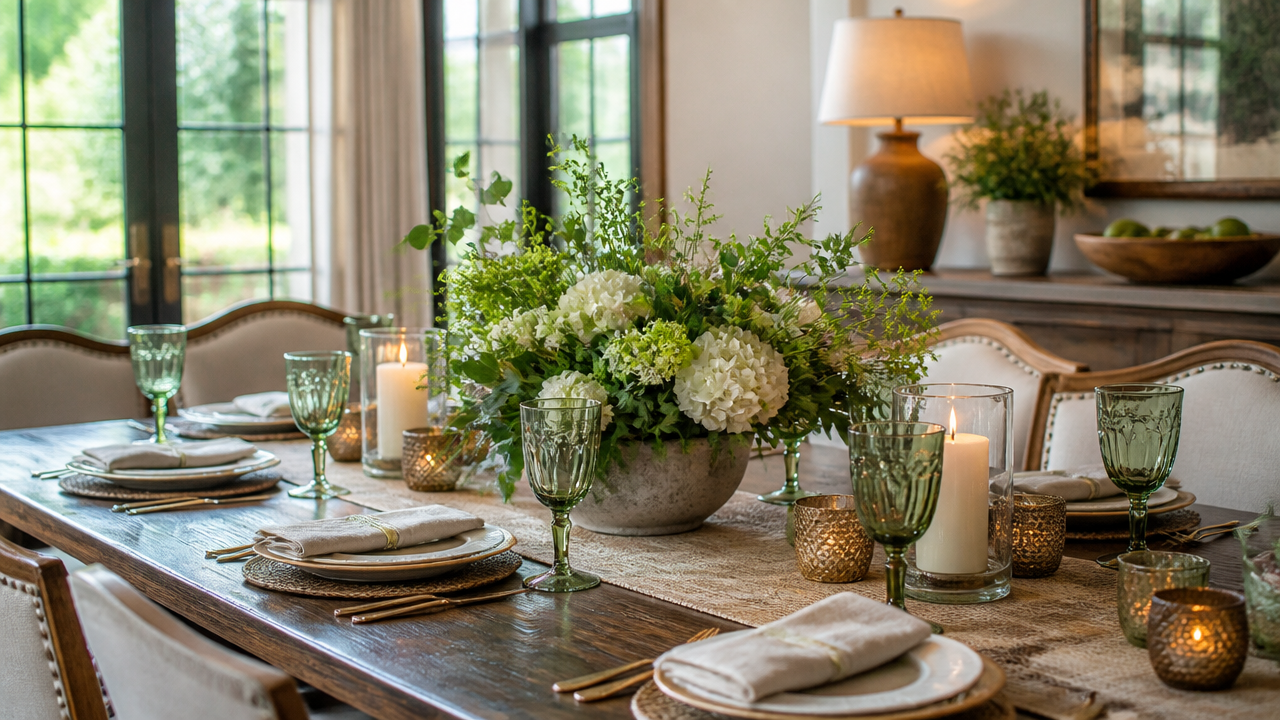
A: Flowers remain a strong option when you keep arrangements low and proportionate to the table dimensions. Simple bouquets, single-stem vases, and compact floral clusters let guests converse without craning their necks. For lasting alternatives, houseplants and sculptural ceramic vessels reduce replacement frequency while maintaining visual interest. Fresh blooms suit weekend gatherings, whereas greenery handles weekday wear far better.
Q: Why should centerpieces stay low on a dining table?
A: Low profiles preserve conversation flow and maintain clear visibility across the seating arrangement. Tall or bulky displays divide the room visually, making the table feel cramped and awkward during long meals. This limitation becomes especially noticeable in formal settings where sightlines dictate comfortable interaction. Keeping height modest ensures everyone remains engaged without physical obstruction.
Q: Which centerpiece ideas last the longest?
A: Houseplants, potted herbs, sculptural objects, sturdy trays, and ceramic vessels generally outlast fresh-cut flowers. The Spruce specifically recommends choosing live greenery when you want decorative impact that endures beyond a week or two. These options require far less frequent replacement and adapt smoothly to everyday dining traffic. Maintenance stays predictable, involving only occasional watering or dusting cycles.
Q: How many items should a dining table centerpiece have?
A: One primary focal piece paired with one or two supporting accents keeps the layout clean and intentional. StoneGable advocates this ratio, while Thistlewood Farm emphasizes choosing either strict symmetry or deliberate variety, avoiding mixed compositions that fight for attention. Repeating a handful of identical elements works well on extended surfaces, creating rhythm without overcrowding the available surface area.
Q: What is the best centerpiece for a family dining table?
A: Family-friendly centerpieces prioritize simplicity, low profiles, and easy mobility. Fruit bowls, clustered candles, active herb pots, shallow trays, and single stem vases deliver polished results without overwhelming shared meals. Food-safe containers and secure bases matter most when children pass dishes frequently. Practicality always trumps elaborate staging in high-traffic homes.
Q: Should dining table centerpieces change with the season?
A: Rotating components seasonally keeps the table feeling current without demanding complete redesigns. Swapping fruit varieties, branch textures, or filler materials aligns the space with external weather patterns. Spring introduces lighter foliage, autumn calls for deeper tones, and winter favors warm metallics and glass. These straightforward adjustments prevent long-term visual fatigue and maintain engagement.
My Experience With 11 Expert Dining Table Centerpiece Ideas That Boost Curb Appeal
I started layering unnecessary objects on my dining table years ago, convinced that more equals more. The result was a chaotic mess that made clearing plates impossible and forced guests to shuffle chairs just to reach the salt shaker. Switching to a single tray-based system changed everything overnight. I now place a heavy wooden board in the center, add three small ceramic jars, and fill them with whatever herbs survive my watering schedule. It stays functional, looks intentional, and disappears completely when we bring out the folding chairs for game night. Designers always stress proportion, but they rarely mention how exhausting clutter feels when you’re trying to carry a full roast to the table. What system works best in your home?
Conclusion.
Selecting a centerpiece comes down to matching your table’s geometry, respecting sightlines, and choosing pieces that survive actual daily use. Whether you gravitate toward living greenery, structured lanterns, or simple fruit bowls, keeping height modest and colors limited guarantees a balanced layout. Test arrangements with actual dinner service before committing, and remember that simplicity consistently outperforms complexity in shared spaces. Your dining room deserves a focal point that welcomes conversation rather than interrupting it.
References
- Magnolia. (n.d.). Table Decor & Centerpieces for Dining Rooms. Magnolia. https://magnolia.com/collections/table-decor
- The Brain and the Brawn. (2024). Dining Table Centerpiece: The 15+ Smartest, Simple Options. The Brain and the Brawn. https://thebrainandthebrawn.com/simple-centerpiece-ideas/
- Thistlewood Farm. (2024). What Is The Rule for Centerpieces? Thistlewood Farm. https://thistlewoodfarms.com/what-is-the-rule-for-centerpieces/
- The Spruce. (2024). 43 Dining Table Centerpiece Ideas for Any Time of Year. The Spruce. https://www.thespruce.com/dining-table-centerpiece-ideas-7112987
- StoneGable Blog. (2024). What To Put In The Middle Of A Dining Table, Easy Centerpiece Ideas. StoneGable Blog. https://stonegableblog.com/what-to-put-in-the-middle-of-a-dining-table-easy-centerpiece-ideas/
- Driven by Decor. (2024). Dining Table Centerpiece Ideas for Everyday. Driven by Decor. https://www.drivenbydecor.com/dining-table-centerpiece-ideas-everyday/
- House Beautiful. (2024). 16 Dining Table Centerpieces You Can Use Year-Round. House Beautiful. https://www.housebeautiful.com/room-decorating/dining-rooms/g46078611/dining-table-centerpieces/
- Amazon. (n.d.). Dining Room Table Decor. Amazon. https://www.amazon.com/dining-room-table-decor/s?k=dining+room+table+decor

Sarah Anderson . J
I’m the mom behind Wise Mom Blogger, where everyday creativity meets real-life motherhood. I share easy DIY crafts, cozy knitting and crochet projects, beginner-friendly sewing ideas, and family-tested recipes—plus quick baking hacks that make homemade feel doable on busy days.