
What makes a truly effective diet for clear skin different from the restrictive plans you have tried before? Managing breakouts often feels like a guessing game, but focusing on nutrient-dense ingredients can change your skin from the inside out. Whether you are preparing a summer salad or planning a cozy winter meal, choosing the right items makes a difference. These 12 best foods for clear skin offer a simple, natural approach to reducing inflammation. Improving your skin health does not require a complete overhaul of your life. Adding these acne-friendly foods to your routine is a great first step toward a clearer complexion.
Quick Questions and Answers
Question: What foods are best for acne-prone skin? Answer: The most consistently recommended foods are low-glycemic foods, oily fish, fruits and vegetables, nuts and seeds, and other minimally processed whole foods. Sources also highlight legumes, whole grains, and water as useful choices. These options may help by lowering inflammation and avoiding blood-sugar spikes that often trigger skin issues.
Question: Which foods should I avoid if I have acne? Answer: Commonly avoided foods include refined sugar, sugary drinks, white bread, white rice, pastries, ultra-processed snacks, and often dairy. Brands like A-DERMA and Eucerin specifically warn about refined carbohydrates and sugary items. Because individual triggers vary, the best approach is to track your personal reactions to these ingredients over time.
Question: Do dairy foods really worsen acne? Answer: Several sources indicate that dairy can worsen acne. A-DERMA specifically lists animal dairy products like milk and yogurt among possible triggers. Eucerin and Madrid Erma also include dairy in the group of foods linked to worse skin conditions. That said, sensitivity differs between individuals, so not everyone reacts the same way to these products.
1. Best Oily Fish
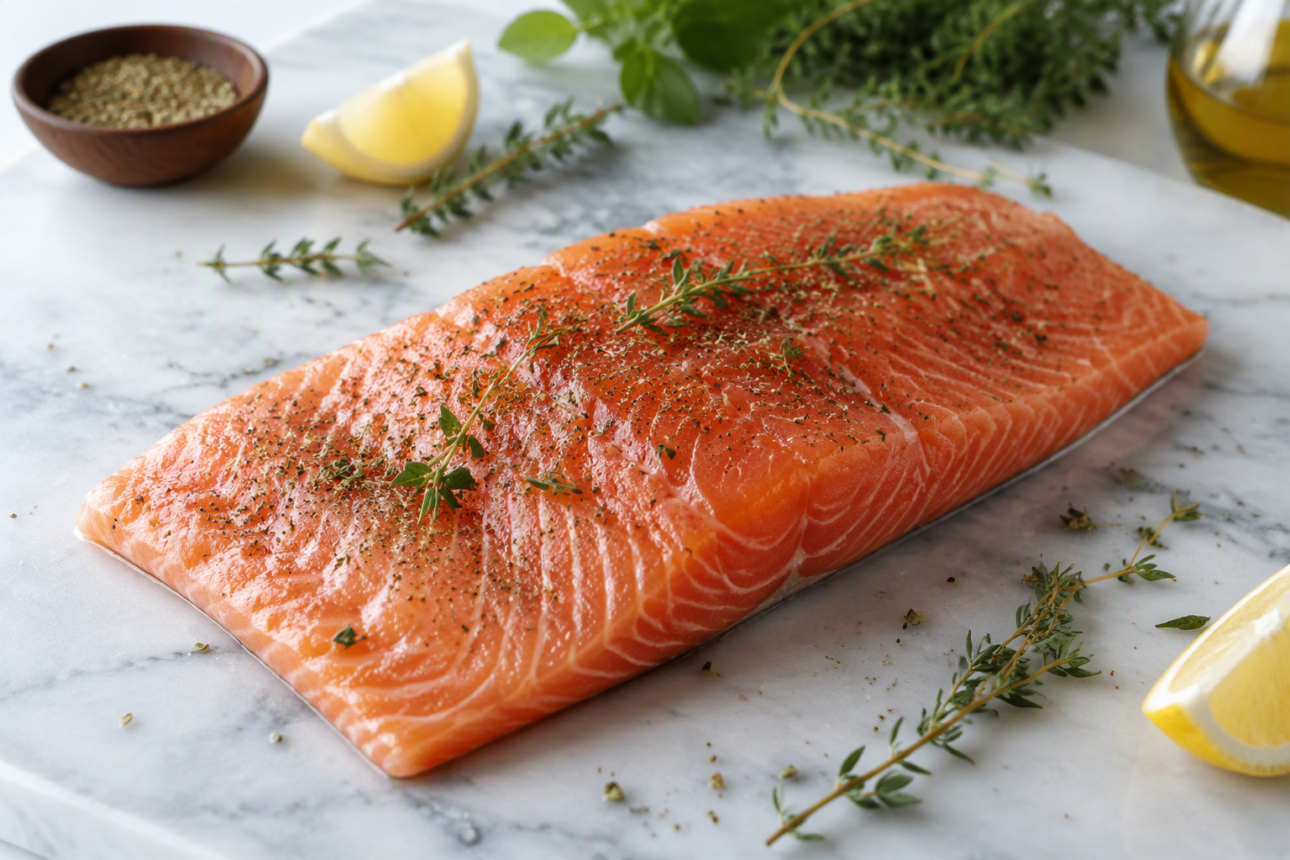
Oily fish are a powerhouse for skin health because they are packed with omega-3 fatty acids. These fats provide significant anti-inflammatory effects that help soothe irritated skin. According to Occident, salmon contains 2.5 g of omega-3 per 100 g. This makes it one of the most effective options for protecting your skin barrier.
Tuna is another excellent choice, providing 1.29 g of omega-3 per 100 g. You can also look for sardines and mackerel to add variety to your meals. Adding these fish to your diet a few times a week supports long-term skin clarity.
2. Easy Legumes
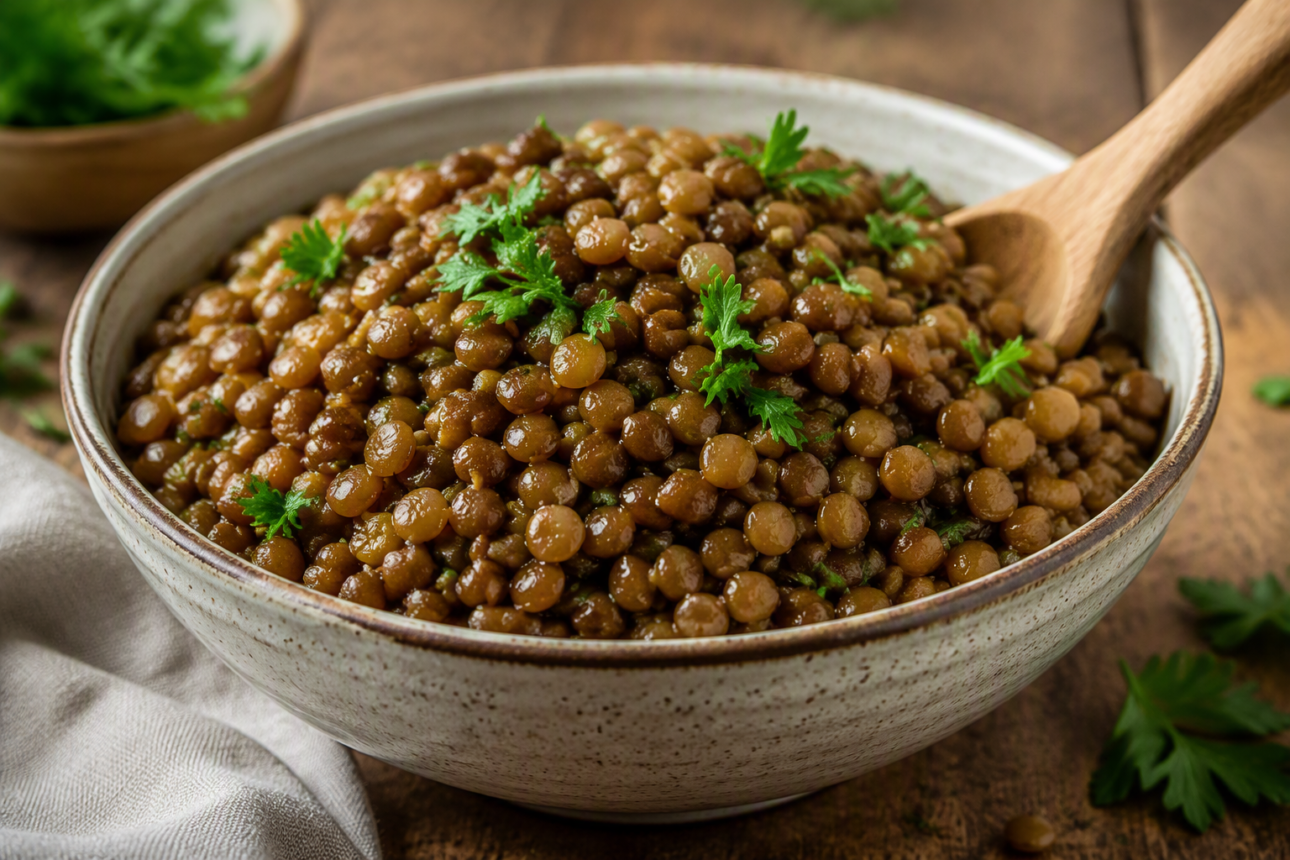
Legumes are fantastic because they have a low-glycemic index (GI). High-GI foods often cause blood sugar spikes, which are frequently linked to acne flare-ups. By choosing lentils, chickpeas, or beans, you keep your glucose levels steady throughout the day.
These ingredients serve as a much healthier alternative to refined grains like white bread or white rice. If you are learning to balance your meals, you might even find how to crochet a leaf pattern for beginners is a more stressful task than boiling a simple pot of lentils. They are filling, affordable, and incredibly versatile in soups or salads.
3. Genius Seeds
Sunflower seeds are a potent source of zinc. They contain about 5 mg of zinc per 100 g, which is vital for skin health. Zinc helps regulate inflammation and supports the healing process of active breakouts.
Flax and chia seeds are also great additions for their healthy fats. Sprinkle these over your morning yogurt or mix them into a salad for an easy nutritional boost. Consistency is key here, so try to include a small portion in your daily routine.
4. Beautiful Berries
Berries are nature’s candy, but they are also packed with antioxidants. These compounds, specifically vitamins C and E, protect your skin barrier from environmental damage. You should reach for strawberries, raspberries, blueberries, or black grapes whenever you can.
These fruits are perfect when eaten raw as a quick snack. They also make a great addition to low-sugar breakfasts. Infobae notes that experts consistently recommend these antioxidant-rich fruits to combat skin inflammation.
5. Smart Nuts
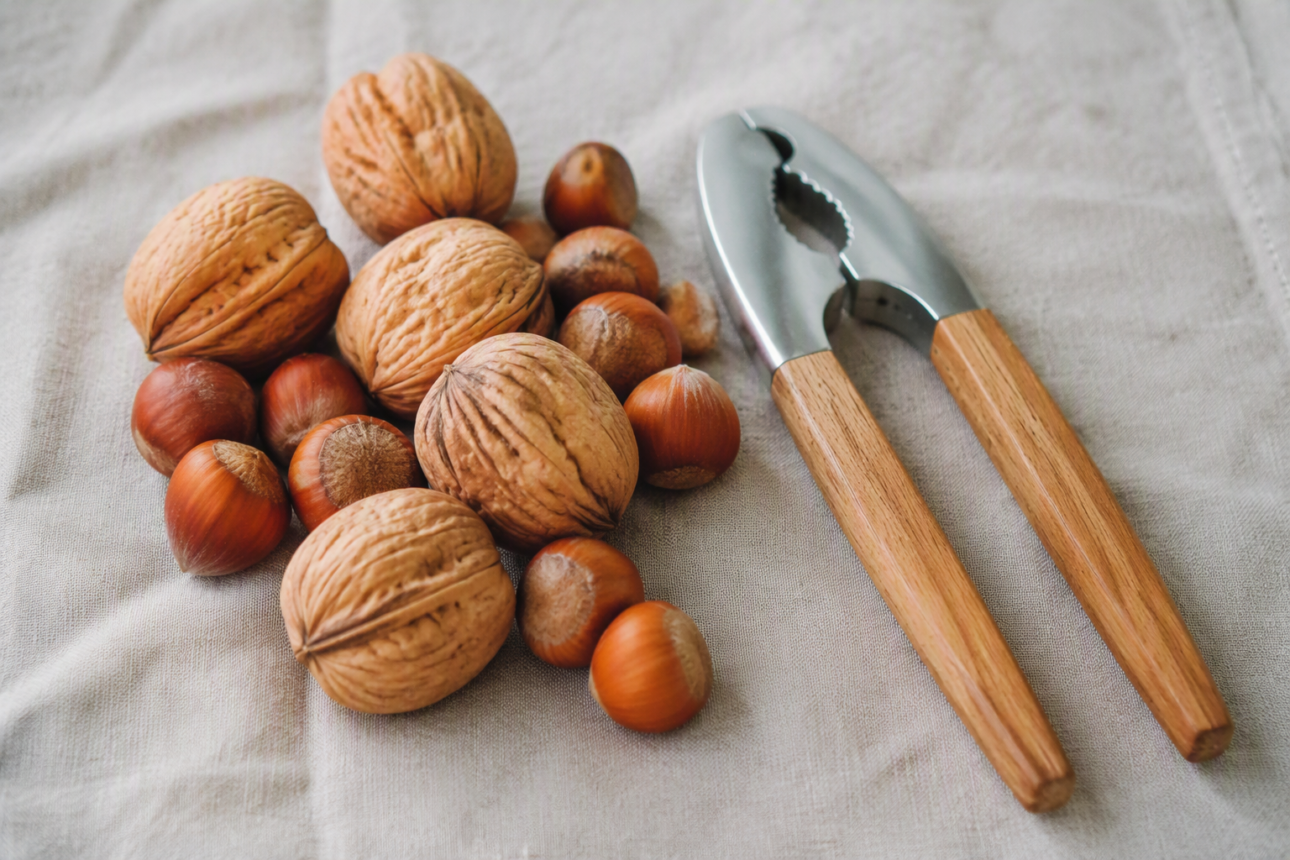
Nuts are dense in healthy fats and essential minerals. Walnuts contain 3.1 mg of zinc per 100 g, while hazelnuts provide 2.45 mg per 100 g. These nutrients are important for maintaining clear, resilient skin.
Think of these as a small, daily portion snack rather than something to over-consume. A handful of raw, unsalted nuts is better than reaching for a bag of processed chips. They keep you satiated while fueling your skin with the right building blocks.
6. Amazing Avocado
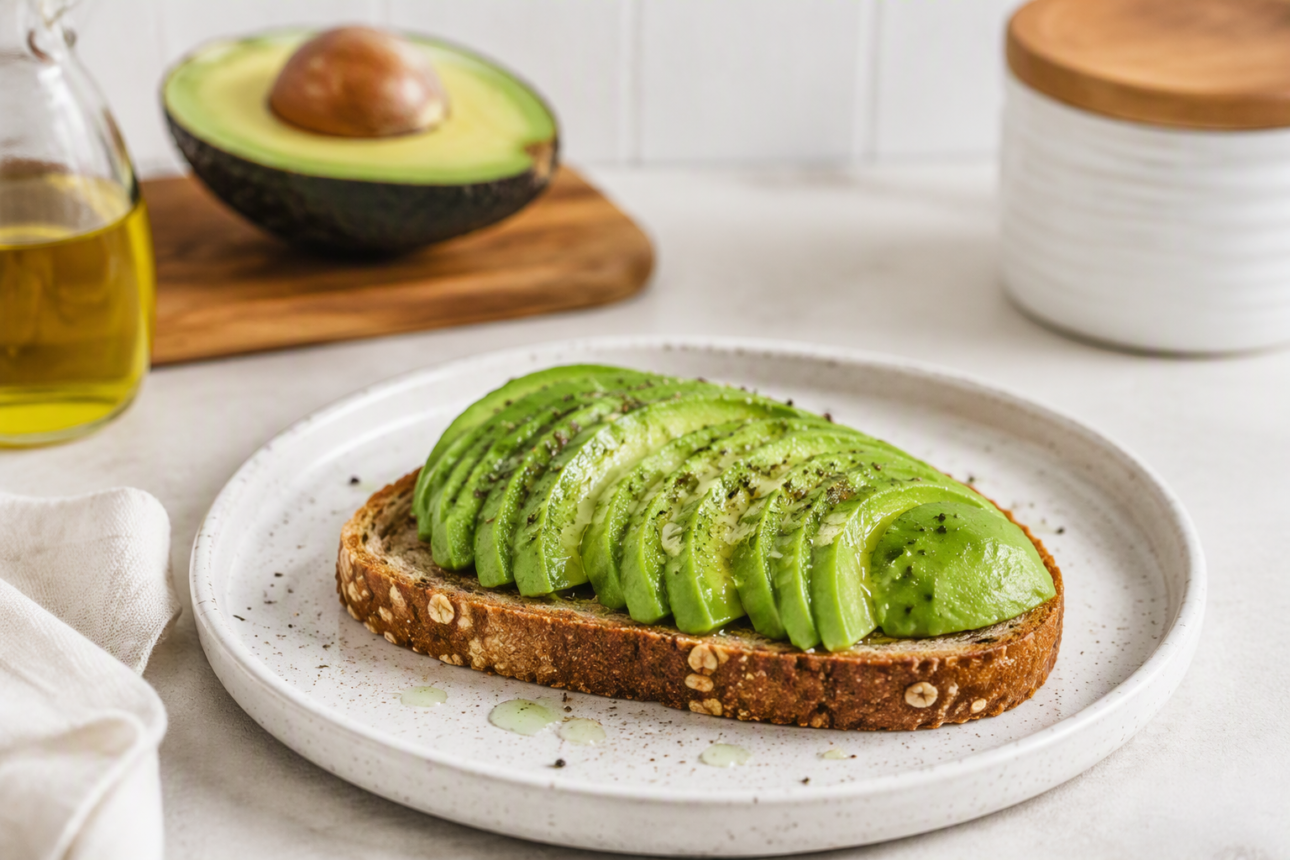
Avocado is a primary source of anti-inflammatory monounsaturated fats. These fats are excellent for maintaining a healthy skin barrier and reducing redness. Many people find that eating healthy fats helps prevent their skin from becoming too dry or overly oily.
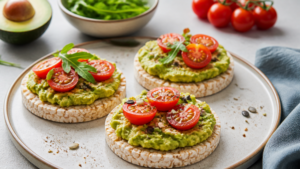
This fruit is incredibly versatile. Use it in salads, blend it into smoothies, or mash it on whole-grain toast. It is a simple way to add nutrient density to any meal.
7. Simple Fermented Foods
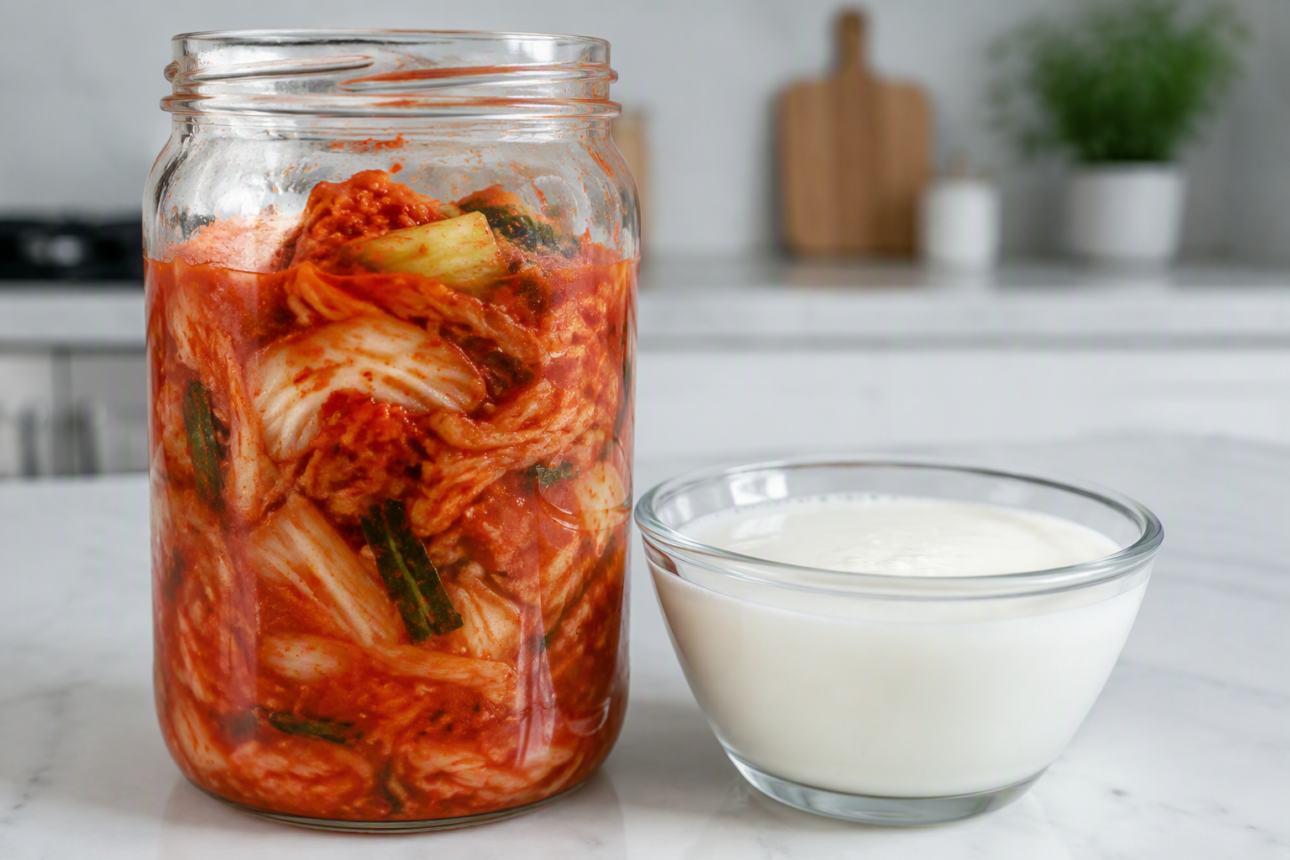
Gut health and skin clarity are closely linked. Fermented foods like kefir, kimchi, and sauerkraut are packed with probiotics that support your gut microbiome. A balanced gut often leads to clearer, more radiant skin.
Make sure to choose versions without added sugars. Many store-bought yogurts or fermented products are loaded with sweeteners that could trigger acne. Checking labels is a smart habit to develop.
8. Essential Vitamin A Vegetables
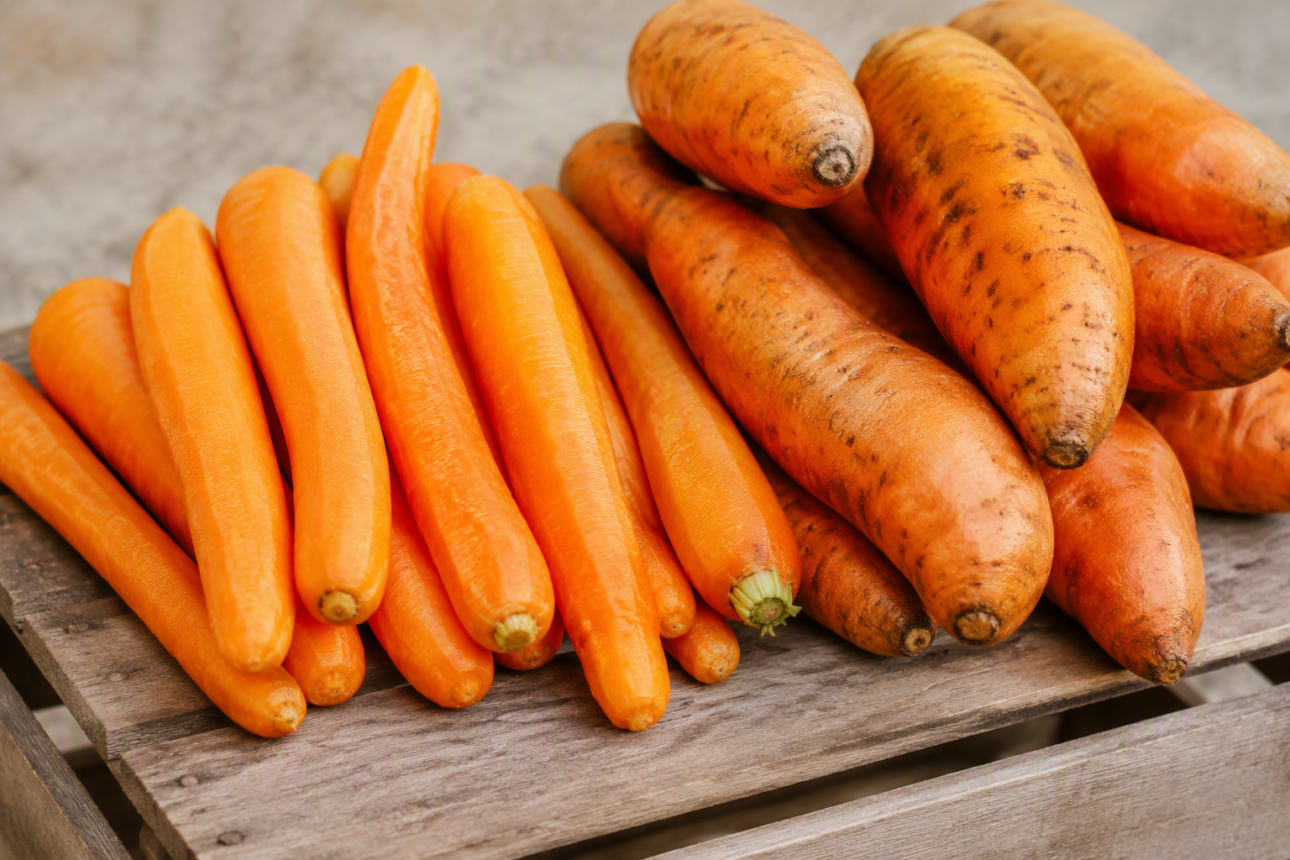
Carrots and sweet potatoes are superstars because of their high beta-carotene content. Your body converts this into vitamin A, which is crucial for skin cell turnover. This process prevents dead skin cells from clogging your pores.
Leafy greens like spinach and broccoli also provide high vitamin content. These are best prepared steamed or raw to retain their maximum nutrient density. Including a variety of these colors on your plate makes every meal look better.
9. Modern Water Intake
Drinking water is the most basic, cost-effective requirement for an acne-friendly diet. Proper hydration is fundamental for skin detoxification and overall healing. Hospital Ochoa emphasizes that water should never be missing from a diet aimed at fighting acne.
Experts typically recommend at least 2 liters of water daily. If you find plain water boring, add a squeeze of lemon or a few cucumber slices. It is an easy habit that pays off significantly for your skin health.
| Food Category | Key Nutrient | Skin Benefit | Best For |
|---|---|---|---|
| Oily Fish | Omega-3 | Anti-inflammatory | Weekly dinners |
| Legumes | Fiber/Low GI | Prevents spikes | Daily lunch |
| Nuts/Seeds | Zinc | Reduces redness | Small snacks |
| Berries | Antioxidants | Barrier protection | Breakfast |
Common Mistakes
Many people try to fix acne by cutting out entire food groups without a plan. This leads to nutrient deficiencies that can actually make skin worse. Avoid the trap of replacing one unhealthy food with another, like swapping soda for high-sugar fruit juice.
Another common error is ignoring hidden ingredients. Many packaged health foods are still ultra-processed. A-DERMA points out that industrial foods with additives and colorants are common acne triggers. Always stick to natural, minimally processed ingredients when possible. You might find that 12 Creative Engagement Gift Ideas for Newly Engaged Couples is a fun project, but your skin-clearing plan should be just as focused. Stick to basics and avoid complex, processed lists.
FAQ
Q: Can low-glycemic foods help reduce acne?
Yes. Eucerin, Dexeryl, and Infobae all recommend low-glycemic foods such as legumes, whole grains, quinoa, lentils, and some fruits and vegetables. The idea is to avoid the blood-sugar spikes associated with refined sugars and white starches, which are repeatedly linked with acne worsening in these sources. Switching to these foods helps stabilize your energy levels while keeping your skin calm and less prone to sudden breakouts throughout the day.
Q: Why are omega-3 foods recommended for acne?
Omega-3 foods are recommended because they are associated with anti-inflammatory effects. The sources repeatedly name salmon, tuna, sardines, mackerel, nuts, seeds, and avocado as useful options. Occident even gives measured examples, such as salmon with 2.5 g of omega-3 per 100 g and tuna with 1.29 g per 100 g. These healthy fats help maintain your skin barrier and reduce the internal inflammation that often fuels painful acne.
Q: Are fruits and vegetables good for acne?
Yes, multiple sources recommend fruits and vegetables because they provide antioxidants, vitamins, and fiber. Infobae specifically highlights antioxidant-rich fruits and vegetables plus vitamins C and E, while Conectando Pacientes lists berries, carrots, spinach, broccoli, avocado, garlic, grapes, and kiwi. These foods are commonly framed as skin-supportive and anti-inflammatory. They provide the essential micronutrients your body needs to repair and protect the skin from daily stress.
Q: Should I eat zinc-rich foods for acne?
Several sources recommend zinc-rich foods, especially seeds, shellfish, nuts, and some legumes. Hospital Ochoa and Occident both mention zinc as useful for acne-supportive eating, and Occident provides examples with zinc amounts per 100 g. Zinc is often discussed because it may support skin health and inflammation control. Adding these items to your diet is a simple way to bolster your skin’s natural defenses against breakouts.
Q: Does drinking water help acne?
Water is frequently included in acne-friendly diet advice, but it is usually presented as supportive rather than a stand-alone treatment. Hospital Ochoa says to stay well hydrated, and Occident recommends at least 2 liters per day. The main benefit is general skin and body support, not a guaranteed acne cure. Think of hydration as the foundation that makes all other nutritional choices more effective for your complexion.
Q: What is the best breakfast for acne-prone people?
A good acne-friendly breakfast usually combines low-glycemic carbs, protein, and healthy fats. Examples consistent with the sources would be oats, fruit, nuts or seeds, and a protein source such as eggs or yogurt if dairy is not a trigger. This kind of meal avoids the high-sugar pattern linked with worse acne in several pages. Starting your day this way sets a stable foundation that keeps your blood sugar steady until lunch.
Q: How fast do diet changes improve acne?
The sources here do not give a single guaranteed timeline, and acne improvement from diet is usually gradual rather than immediate. A practical approach is to make one change at a time, such as reducing sugar or adding more whole foods, and observe the skin over several weeks. Because triggers differ, the most useful results often come from consistent tracking of how your specific skin reacts to different dietary adjustments.
My Experience With 12 Best Foods for Clear Skin That You Should Add to Your Diet
I remember the first time I tried to clean up my diet to help my skin. I honestly expected a total transformation within three days, which was my first mistake. Skin is slow to change, and patience is truly the hardest ingredient to add to your pantry. I started swapping out my usual afternoon sugary snack for a handful of walnuts and some berries. It sounds simple, but the shift in my energy levels was noticeable. The biggest expert insight I have learned is that blood sugar management is not just about weight—it is a direct line to your skin’s inflammation levels. If I eat something with a high glycemic index, I can almost predict a breakout within 48 hours. It sounds like a bad superpower, right? It took me a while to stop viewing these foods as “medicine” and just treat them as standard fuel. Once I stopped obsessing over the results, the consistency started to pay off. My skin feels much more balanced now, even if it is not perfect. Have you noticed a specific food that seems to be a trigger for your skin?
Conclusion
Making small changes to what you eat is a powerful way to support your skin from the inside out. By prioritizing nutrient-rich ingredients and minimizing highly processed options, you build a foundation for clearer, healthier skin. Start with the foods that appeal to you and build from there. Your skin will likely thank you for the extra care.
References
- A-DERMA. (n.d.). Dieta antiacné: Alimentos que comer/evitar. A-DERMA. https://www.aderma.es/consejos-de-expertos/lesiones-de-acne/nutricion-y-acne
- Eucerin. (n.d.). El acné y la nutrición: ¿qué relación tienen?. Eucerin. https://www.eucerin.com.ar/problemas-de-la-piel/420-acne-y-nutricion
- Hospital Ochoa. (n.d.). ¿Qué alimentos ayudan a combatir el acné común?. Hospital Ochoa. https://hospitalochoa.com/es/que-alimentos-ayudan-a-combatir-el-acne-comun/
- Conectando Pacientes. (n.d.). Alimentos que mejoran el acné. Conectando Pacientes. https://www.conectandopacientes.es/blog/vida-saludable/alimentos-que-mejoran-el-acne/
- Madrid Erma. (n.d.). Dieta Anti-acné: ¿Qué Alimentos Mejoran El Acné?. Madrid Erma. https://madriderma.com/dieta-y-acne-que-comer-para-mejorar-tu-acne/
- Occident. (n.d.). Dieta para el acné: qué alimentos consumir y cuáles evitar. Occident. https://www.occident.com/blog/dieta-para-el-acne-alimentos/
- Infobae. (2026, April 16). Acné, sequedad y grasa: cuáles son los mejores alimentos para cada tipo de piel según expertas. Infobae. https://www.infobae.com/salud/2026/04/16/acne-sequedad-y-grasa-cuales-son-los-mejores-alimentos-para-cada-tipo-de-piel-segun-expertas/
- Soleri. (n.d.). Dieta antiacne. Soleri. https://soleri.es/blog/dieta-antiacne/

Sarah Anderson . J
I’m the mom behind Wise Mom Blogger, where everyday creativity meets real-life motherhood. I share easy DIY crafts, cozy knitting and crochet projects, beginner-friendly sewing ideas, and family-tested recipes—plus quick baking hacks that make homemade feel doable on busy days.