


Most people seek student loan forgiveness programs for debt relief but confuse eligibility criteria. Understanding specific qualification requirements determines if student loan forgiveness applies to your situation. Whether you finish a summer internship or begin your fall semester, managing this aid impacts long-term financial health. This guide clarifies student loan forgiveness pathways to help you navigate obligations accurately.
Quick Questions and Answers
Question: What student loans qualify for forgiveness programs? Answer: Most federal student loans can qualify for forgiveness, cancellation, or discharge, depending on the program. Common eligible loans include Direct Loans, and some programs may also cover FFEL or Perkins Loans if they are consolidated or otherwise meet the program rules. Private student loans generally are not eligible for federal forgiveness programs.
Question: How does Public Service Loan Forgiveness work? Answer: Public Service Loan Forgiveness, or PSLF, forgives the remaining balance on qualifying federal loans after 120 qualifying monthly payments. You must work full-time for a qualifying public service employer, such as government or a nonprofit organization, while making those payments.
Question: Can income-driven repayment lead to loan forgiveness? Answer: Yes. Under income-driven repayment plans, the remaining balance may be forgiven after 20 or 25 years of qualifying payments, depending on the plan and loan type. Some newer rule changes have affected which plans are available for new borrowers, but the basic IDR forgiveness path still exists.[6][3]
Key Takeaways
- Federal loans qualify most often; private loans rarely do.
- Public Service Loan Forgiveness requires 120 payments over 10 years.
- Income-driven plans forgive balances after 20 to 25 years.
Frequently Asked Questions About Loan Forgiveness
Q: How many payments are needed for PSLF forgiveness?
PSLF requires 120 qualifying payments, which is usually about 10 years of eligible full-time public service work. The payments must be made while you are employed by a qualifying employer and while your loans are on an eligible repayment plan. Many borrowers mistake standard payments for qualifying ones when their employer is ineligible.
Q: Why would a borrower get student loan forgiveness denied?
A borrower can be denied if the loan type is not eligible, the employer does not qualify, the payment count is incomplete, or required paperwork is missing or incorrect. For income-driven or other discharge programs, missing deadlines or not meeting repayment and income rules can also block approval.
Q: Will student loan forgiveness be taxed as income?
It depends on the program and current tax law. Some federal forgiveness and discharge benefits have been tax-free in recent years, but tax treatment can change, so borrowers should verify how their specific program is treated before relying on a tax exemption. Consult a tax professional to confirm your status under current law.
Q: Does working for a nonprofit count for loan forgiveness?
Yes, a qualifying nonprofit job can count for PSLF if the employer meets the program’s public service rules and you work full-time. Not every nonprofit automatically qualifies, so the employer must be an eligible public service organization under the program guidelines.
Q: Which forgiveness program is best for teachers?
Teacher loan forgiveness and PSLF are the two most common options for teachers, but which is better depends on the borrower’s loan balance, service length, and employer. Teacher loan forgiveness is shorter-term, while PSLF can erase a larger remaining balance after 10 years of qualifying public service.
Understanding the Basics of Debt Cancellation

Debt cancellation, forgiveness, or discharge represents the release of a borrower from the obligation to repay all or part of their federal student loan debt. The federal program specifically targets federal loans; private student loans generally do not qualify for these government-backed relief initiatives. These programs are designed to reduce the long-term economic burden on graduates and incentivize work in high-need professional fields.
Forgiveness differs from discharge or cancellation slightly, depending on the specific legal status of your loan. Discharge often occurs due to total and permanent disability or school closure. Cancellation can happen after completing service requirements like teaching or military duty. Each route follows federal rules set by the Department of Education. Understanding these distinctions helps borrowers choose the right path for their financial situation.
Major Categories of Federal Forgiveness
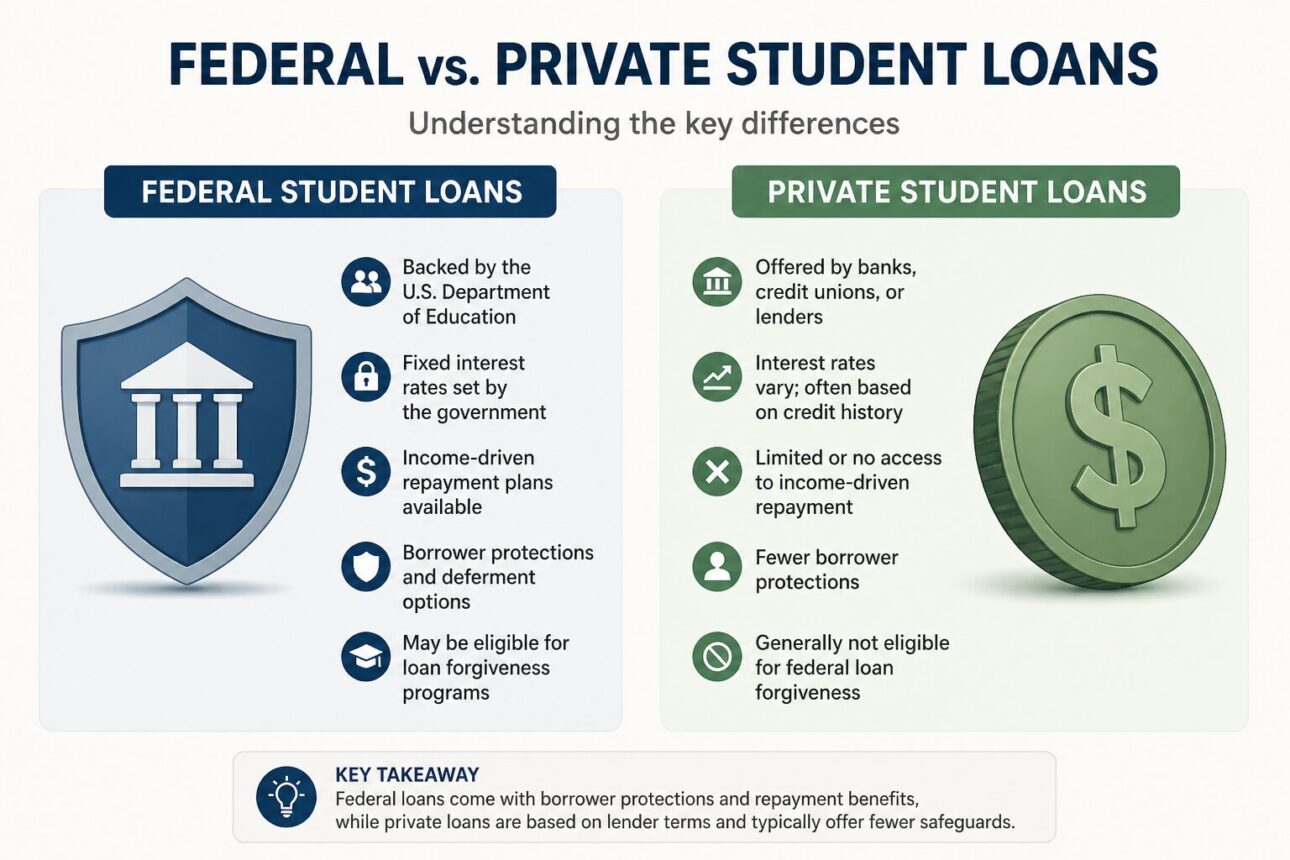
Different programs serve varied professional needs and financial statuses. Most federal borrowers encounter Public Service Loan Forgiveness, Income-Driven Repayment, and Teacher Loan Forgiveness. Employer and state assistance programs offer supplementary benefits for specific industries.
| Program | Time Frame | Best For | Key Requirement |
|---|---|---|---|
| PSLF | 10 years | Public Service Workers | 120 Payments + Qualifying Job |
| Income-Driven Repayment | 20-25 years | Low Income Earners | 20-25 Years of Qualifying Payments |
| Teacher Loan Forgiveness | 5 years | Low-Income Educators | 5 Years at Eligible School |
| Closed School Discharge | Varies | School Closure Victims | School closed while enrolled |
Public Service Loan Forgiveness (PSLF) remains the most popular option available to government and non-profit employees. Borrowers making 120 qualifying monthly payments over 10 years see their remaining debt wiped out. Income-Driven Repayment (IDR) plans offer debt relief for borrowers who cannot meet standard 10-year repayment timelines. This often forgives remaining balances after 20 to 25 years of consistent payments. Teacher Loan Forgiveness provides targeted assistance for educators working at low-income schools for five consecutive academic years.
Recent policy shifts aim to facilitate faster entry into forgiveness for borrowers with lower original balances. Some plans now forgive balances after 10 years of payments instead of the longer 20 or 25 years for specific IDR plans. This change significantly reduces the wait time for many newer graduates starting their repayment journey.
Qualification Requirements and Service Commitments
Employment criteria drive eligibility for most major programs. For PSLF, you must work full-time for a qualifying public service or non-profit employer. This typically means at least 30 hours per week. You must certify your employment annually to track progress toward forgiveness.
Payment history often requires a specific, consistent record of payments made under qualifying repayment plans. Defaulted loans generally do not count unless you bring them back into good standing first. Completing and updating the FAFSA form annually ensures you track eligibility for federal aid. You should also review your account status regularly to ensure payments count correctly.
Many borrowers struggle to keep their records straight. Keeping copies of employment certification forms helps speed up the application process later. Contact FAFSA support if you need assistance with contact options or account verification. See our guide on Contact FAFSA Fast. You should also consider applying for any available scholarships early to reduce your total principal balance before repayment starts. Find information on 12 Proven Scholarships for Beginners.
Navigating Deadlines and Application Procedures
Financial aid programs necessitate annual verification of income and employment status. Documentation is critical during this process. Borrowers should maintain records of employment certification forms and proof of qualifying payments to ensure successful processing. Many people forget to submit these forms until they are close to their 120th payment.
Unlike standard loan payments, many forgiveness tracks require formal submission of application forms once service obligations are completed. The Department of Education processes these applications during specific windows. You should check your status on StudentAid.gov to confirm progress annually. Read the official guide on forgiveness cancellation before submitting your final paperwork.
Latest Updates and Program Considerations
Administrative oversight comes primarily from the Department of Education and the Consumer Financial Protection Bureau. These entities manage and verify loan status directly. The CFPB notes that PSLF allows qualifying federal student loans to be forgiven after 120 qualifying payments while working for a qualifying public service employer. Recent IDR adjustments help borrowers with lower balances finish faster.
Some new rules affect which plans are available for new borrowers. The basic IDR forgiveness path still exists, but plan names or caps may shift. Borrowers should verify how their specific program is treated before relying on a tax exemption. Tax treatment can change annually depending on federal legislation. Consult a tax professional to understand your specific situation. You might wonder if other benefits exist. Check if you qualify for specific state or local scholarships like the HOPE Scholarship.
My Experience With Student Loan Forgiveness Programs: Qualifications, Deadlines, and Your Options
I once spent months gathering employment certification forms for my PSLF application. It turns out the HR department didn’t understand what I needed until I called directly. The process felt bureaucratic, but the payoff was worth the effort. I found tracking payments easier by setting calendar reminders every six months.
The biggest hurdle isn’t applying; it’s knowing if you qualify first. Borrowers often assume all government jobs count as public service, but many do not. You must verify your employer’s status on the Federal Student Aid website before making a single payment. Don’t wait until year 9 to find out your employer doesn’t count. I saw too many friends waste time on paths that led nowhere because they skipped this step.
Have you reviewed your loan servicer’s recent statements for payment counts?
References
- Federal Student Aid. (n.d.). Federal student loan forgiveness, cancellation or discharge. U.S. Department of Education. https://studentaid.gov/manage-loans/forgiveness-cancellation
- Congress.gov. (2012). Federal Student Loan Forgiveness and Loan Repayment Programs. Library of Congress. https://www.congress.gov/crs-product/R43571
- Federal Student Aid. (n.d.). Student Loan Forgiveness (and Other Ways the Government Can Help You Repay Your Loans). U.S. Department of Education. https://studentaid.gov/articles/student-loan-forgiveness/
- Investopedia. (n.d.). Student Loan Forgiveness: A Complete Guide to Federal Options. Investopedia. https://www.investopedia.com/terms/s/student-loan-forgiveness.asp
- Britannica Money. (n.d.). What Is Student Loan Forgiveness?. Britannica Money. https://www.britannica.com/money/student-loan-forgiveness-types
- Consumer Financial Protection Bureau. (n.d.). Student loan forgiveness. Consumer Financial Protection Bureau. https://www.consumerfinance.gov/paying-for-college/student-loan-forgiveness/
- U.S. Department of Education. (n.d.). Student Loans, Forgiveness. U.S. Department of Education. https://www.ed.gov/higher-education/manage-your-loans/student-loans-forgiveness-us-department-of-education
- Experian. (n.d.). What Is Student Loan Forgiveness?. Experian. https://www.experian.com/blogs/ask-experian/what-is-student-loan-forgiveness/

Sarah Anderson . J
I’m the mom behind Wise Mom Blogger, where everyday creativity meets real-life motherhood. I share easy DIY crafts, cozy knitting and crochet projects, beginner-friendly sewing ideas, and family-tested recipes—plus quick baking hacks that make homemade feel doable on busy days.