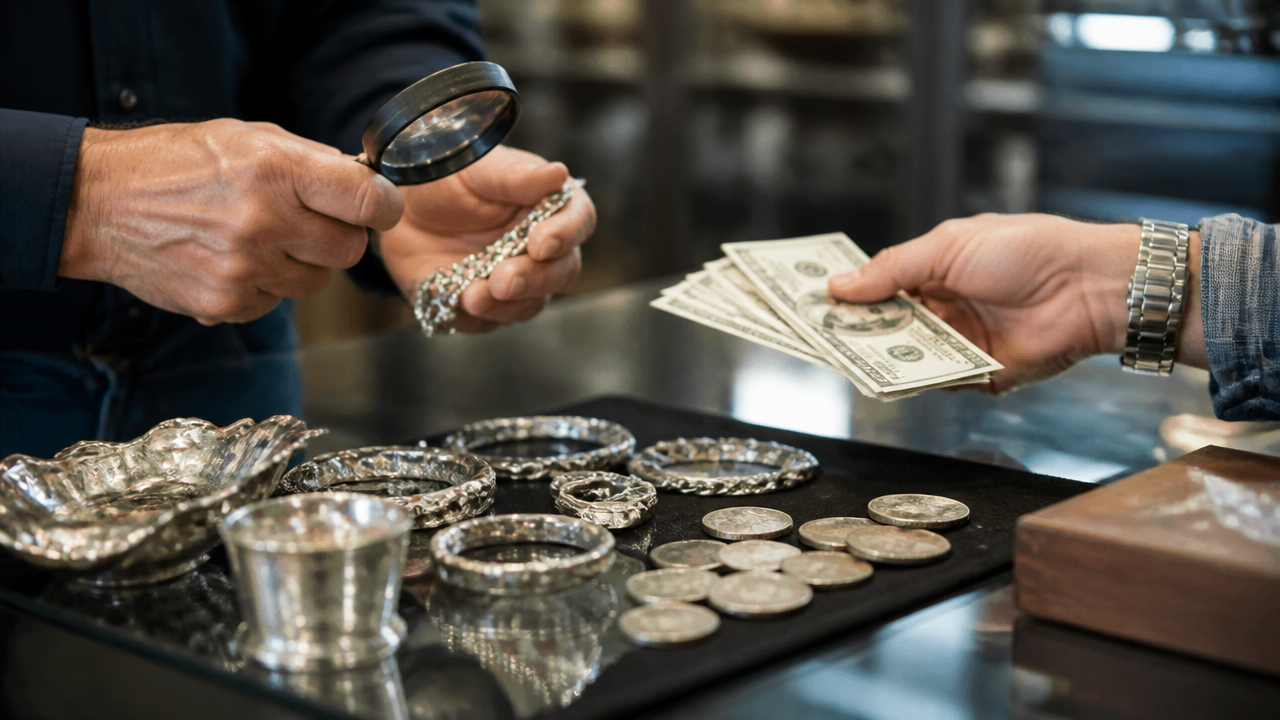
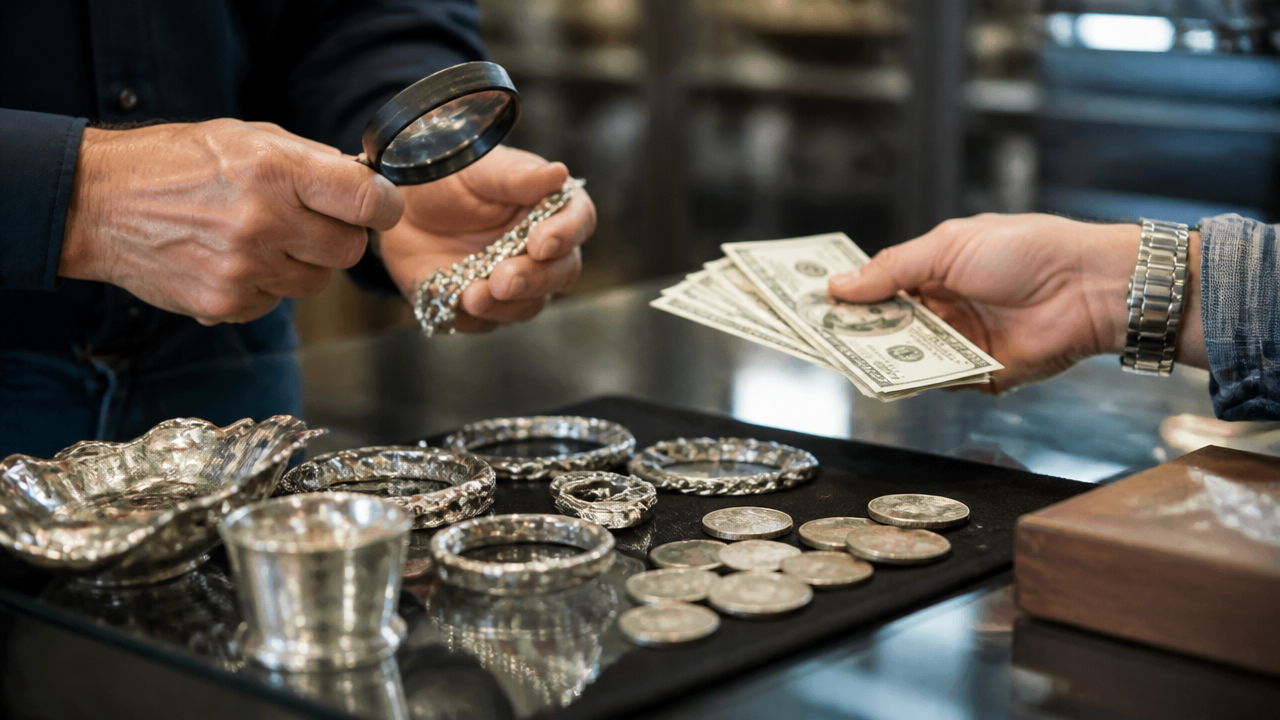
How do you sell silver coins for cash without losing value? Most dealers offer below spot, but knowing how to test silver coins changes the game. Whether gearing up for a family reunion auction or planning a holiday fund, you need fair rates for your scrap silver collection. This guide helps you sell silver jewelry safely. You find the best spot to sell silver bullion quickly. Secure a better deal on precious metals today. You want to sell silver scrap for maximum profit before the end of the year.
Quick Questions and Answers
Question: Why does silver sell for less than spot price?
Answer: Most buyers pay below spot because they must cover refining, testing, storage, labor, and profit margin. The discount depends on the form of silver, its purity, and current buyer demand. Bullion usually gets closer to spot than jewelry or scrap silver. Buyers need to make their business sustainable, which requires buying under the spot price to resell for a profit later.
Question: Can I sell silver coins to a pawn shop?
Answer: Yes, many pawn shops buy silver coins, but they often pay less than coin dealers or bullion buyers. They usually base the offer on melt value, condition, and how quickly they expect to resell it. It is smart to get quotes from several places before accepting one. Pawn shops focus on high turnover rather than maximizing your payout on numismatic items.
Question: Do I need an appraisal before selling silver?
Answer: An appraisal is not always required, but it helps if you have old jewelry, rare coins, or unfamiliar pieces. For common bullion or scrap silver, buyers usually weigh and test the metal themselves. If an item may have collectible value, an appraisal can help you avoid selling it for melt value only. Specialized knowledge protects rare items from being mispriced during a quick sale.
Key Takeaways
Spot price fluctuates constantly based on global market demand.
Jewelry pays less than bullion due to processing costs.
Get multiple quotes to ensure fair market value.
Verify purity before meeting a buyer in person.
Reputable dealers often pay more than pawn shops.
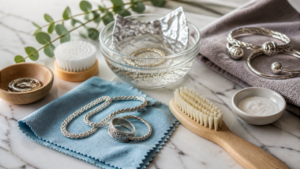
Clean silver gently to avoid damaging collectible value.
What You Need
Item
Purpose
Notes
Digital Scale
Weigh items accurately
100g capacity, 0.01g precision
Magnet
Test for ferrous metal
Silver is not magnetic
Acid Kit
Verify silver purity
Use 37% nitric acid or electronic tester
Gloves
Protect silver from oils
Cotton gloves preferred
Shipping Insurance
Secure items for remote buyers
Required by most online dealers
Notebook
Track quotes received
Compare offers easily
Step 1: Identify Your Inventory
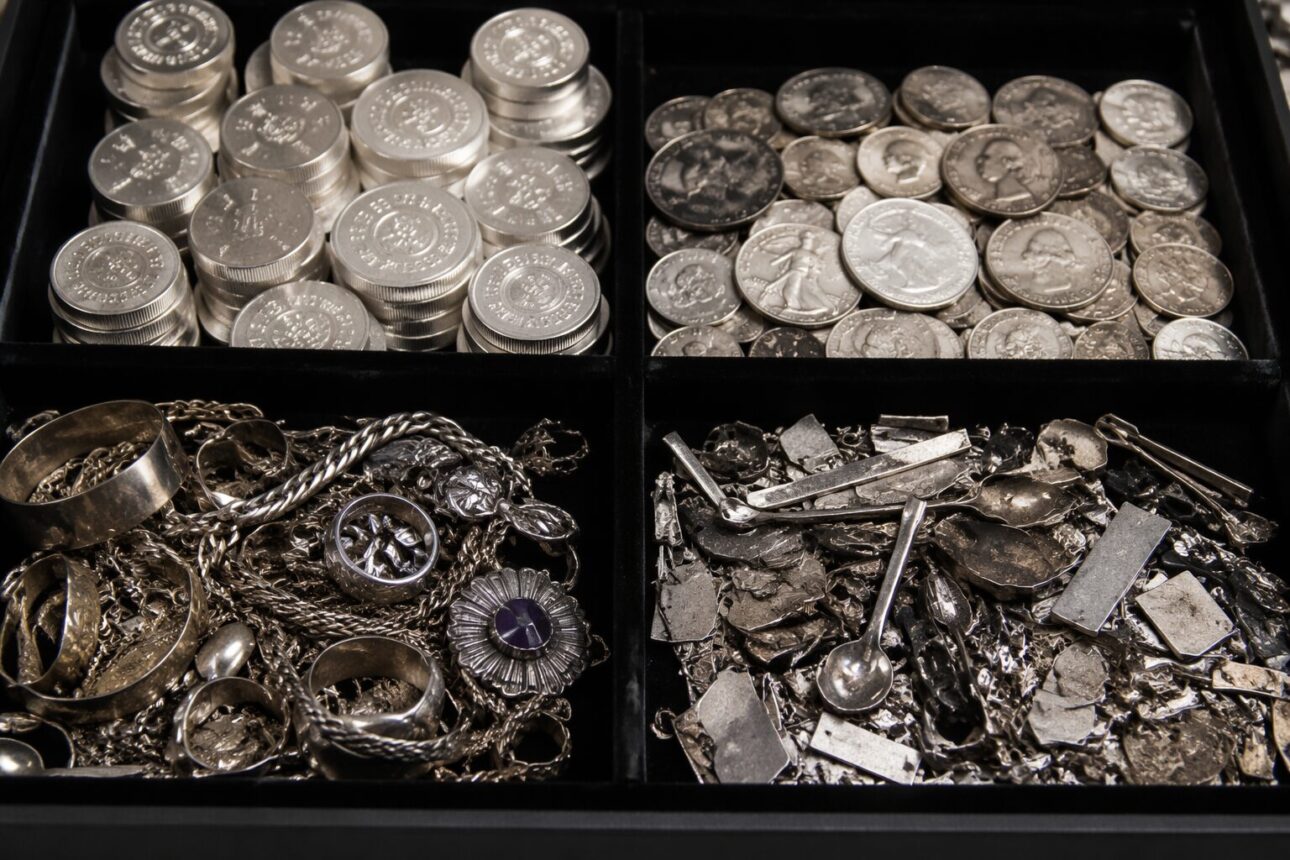
You must organize your items before contacting any buyer. Group bullion, coins, jewelry, and scrap separately. This organization helps buyers assess your stock faster and provide accurate quotes. A pile of mixed items often results in a lower offer because the buyer sees complexity rather than value.
Take photos of every piece. Photograph markings, stamps, and any unique features. Buyers ask for proof of weight and purity. Clear images show you take the process seriously. This step saves time later when finalizing the sale details.
Keep records of the weight of each item. Weigh your silver bullion, coins, and jewelry individually. Use a digital scale to ensure accuracy. This data prevents a buyer from questioning the numbers during the negotiation.
Step 2: Check Current Market Value
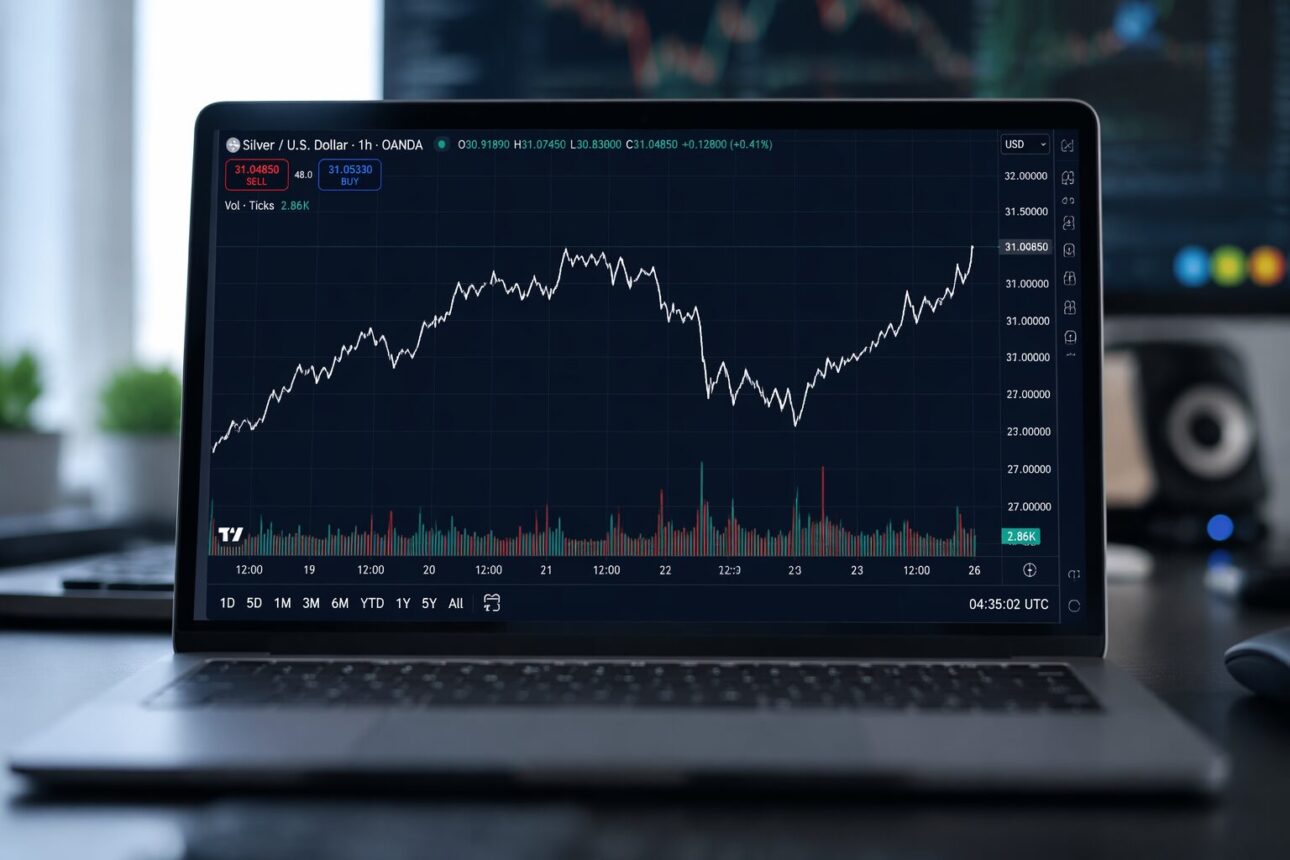
Research the spot price of silver daily. Prices change every day or hour. Knowing the current price protects you from lowball offers. A reputable dealer bases offers on the daily spot price minus a margin.
Visit commodity websites to track this data. Federal Trade Commission advises consumers to research investment values before selling assets. Compare your items to current bullion values. This knowledge empowers you to walk away from bad deals immediately.
Do not guess the value. Look at live charts. Prices for gold often move in relation to silver trends. Understanding these correlations helps you predict short-term market shifts.
Step 3: Test for Purity
Fake silver exists in the market. You need to verify purity before selling. Use a magnet first. Real silver is not magnetic. If the stick to the magnet, the item is base metal plated.
Next, use acid testing or an electronic tester. Acid tests leave a small mark on hidden areas of the item. Electronic testers are non-destructive but cost more. U.S. Geological Survey Mineral Commodity Summaries tracks purity standards globally.
Wear gloves during testing to keep oils off the metal. Do not skip this step for valuable coins. Fakes lose money fast if you sell them unknowingly.
Step 4: Choose Your Selling Method
Compare different channels for selling your items. Pawn shops offer cash immediately but pay lower rates. Online dealers pay better rates but take days for payment. Coin shops provide a middle ground with quick turnaround and expert knowledge.
Seller Type
Speed
Payout Rate
Risk Level
Pawn Shop
Instant
Low
None
Online Dealer
3-10 Days
High
Shipping risk
Coin Shop
1-2 Days
Medium
Low
Private Sale
Variable
Variable
High Safety
Auctions can bring higher prices for rare collections but take longer to settle the sale. [Mark Cuban’s Stock Options Strategy: What Stocks Does He Invest In?](https://wisemomblogger.com/mark-cubans-stock-options-strategy-what-stocks-does-he-invest-in/) highlights the need for strategy in asset liquidation. You need to balance speed against profit margin carefully.
Step 5: Verify Buyer Reputation
Research the buyer before they meet you online. Read reviews on Trustpilot or Google. Check the Better Business Bureau for complaints. Reputable dealers display their accreditation clearly. Ask for references from previous sellers.
Avoid buyers who demand immediate payment wire transfers. This is a common scam tactic. Legitimate businesses use bank transfers or checks after verification. Ensure they offer buyback protection. This feature means they will buy the silver back from you at fair prices in the future.
Never send silver before verifying the buyer. Trust only established firms with a long track record.
Step 6: Execute the Transaction Safely
Pack your items securely for shipping or hand-off. If mailing, use trackable shipping insurance. Require a signature upon delivery. If meeting in person, choose a public location like a bank lobby.
Bring your testing tools to the meeting. The buyer might test the silver again. Agree in writing on the percentage of spot price. Do not accept verbal agreements. Google Earnings Report: Key Financial Takeaways and Trends suggests following formal financial transaction records strictly for protection.
Count the money before you leave. Do not leave the location until the funds clear or you receive certified payment. This final step ensures you leave with the money you negotiated.
Tips
Clean coins gently to preserve numismatic value.
Hold items for spot price spikes if possible.
Use a digital scale calibrated for precision.
Avoid selling during market dips if you can wait.
Ask for a written quote before shipping.
Check state laws regarding precious metal sales reporting.
FAQ
Q: Are online silver buyers better than local shops?
Answer: Online buyers offer competitive prices, especially for bullion, but you must account for shipping, insurance, and turnaround time. Local shops let you get paid immediately and avoid mailing risk. The better option depends on the type of silver and the total sale value. Evaluate the delay cost against the profit difference to decide.
Q: How do I know if my silver is real?
Answer: Check for markings such as 925, Sterling, 999, or manufacturer stamps, then verify the weight and magnet test. Real silver is not magnetic, though that test alone is not enough. For valuable items, a dealer can test purity with acid, electronic testing, or X-ray fluorescence. Professional testing avoids costly mistakes on rare pieces.
Q: What is the best place to sell silver for cash?
Answer: The best place depends on what you have. Bullion often sells best to coin shops or online bullion dealers, while collectible coins may do better with a coin dealer or auction platform. For quick cash, local buyers are faster, but comparing multiple offers usually gets a better price. Prioritize reputation over convenience for large amounts.
Q: Which silver items are worth the most money?
Answer: Rare coins, high-purity bullion, and sterling silver from well-known makers usually bring the strongest offers. Collectible value can exceed melt value by a wide margin if the item is rare, in good condition, or has strong demand. Silver-plated items are usually worth very little as metal. Identify rarity before listing the items for sale.
Q: How much below spot do silver dealers pay?
Answer: The spread varies by product and buyer, but dealers always pay under spot so they can resell profitably. Bullion may sell close to spot, while scrap silver, jewelry, and low-demand items often get a bigger discount. Getting multiple quotes is the easiest way to judge whether an offer is fair. A 10-15% spread is typical for jewelry.
Q: Will cleaning silver increase its selling price?
Answer: Usually, no. Harsh cleaning can scratch the surface, remove desirable toning, or reduce collectible value, especially for coins. If the silver is only being sold for melt value, gentle cleaning may not matter much, but it rarely increases the payout. Leave historical marks that add authenticity to old pieces.
Q: Where can I sell silver without getting ripped off?
Answer: Use reputable coin shops, bullion dealers, established jewelry buyers, or trusted online precious-metals dealers. Check reviews, compare buy prices, and avoid buyers who pressure you to sell immediately. Selling to more than one buyer is the most reliable way to protect yourself from a lowball offer. Trust verified history over hype.
My Experience With How to Sell Silver Without Getting Ripped Off: A Complete Guide
I once sold silver junk to a pawn shop near my home. The initial offer looked tempting because it was cash, but the rate was way below spot. I walked out and checked two coin shops on the way. The difference was significant enough to buy groceries for a month.
Selling rare coins requires patience. I learned that holding onto items during a bull market pays off. Dealers love quick flips, but you own the asset longer. My advice is to verify every claim a salesman makes. They know the market, but they also want that margin for themselves. Always do the math.
Do you have a stack of silver gathering dust somewhere? Have you ever felt unsure about a dealer’s offer?
Latest Updates
The market for precious metals shifts frequently. Government mints adjust production quotas based on demand. This affects the scarcity of certain coins in circulation. Tracking these updates helps you time your entry into the market correctly.
New digital payment options allow faster settlement for online sales. Verify these methods protect your data. Secure transactions prevent identity theft during the transfer of funds. Monitor trends to see what dealers accept.
I’m the mom behind Wise Mom Blogger, where everyday creativity meets real-life motherhood. I share easy DIY crafts, cozy knitting and crochet projects, beginner-friendly sewing ideas, and family-tested recipes—plus quick baking hacks that make homemade feel doable on busy days.