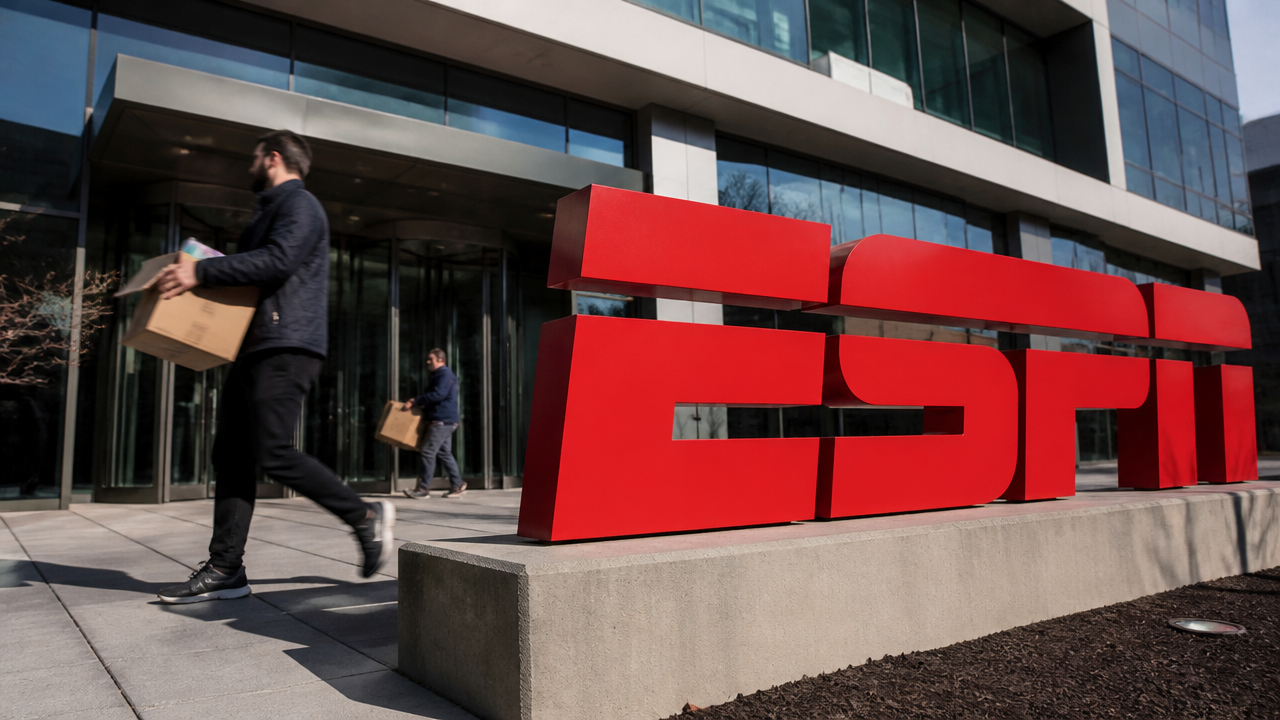
ESPN has announced another round of staff reductions, affecting both on-air talent and behind-the-scenes employees. The layoffs are primarily tied to the network’s recent acquisition and integration of the NFL Network into its existing operations. As cord-cutting continues to erode subscriber revenue and sports rights fees climb higher, ESPN—owned by Disney—is restructuring to maintain profitability. Understanding the forces behind these cuts requires looking at the strategic decision to absorb NFL assets, the shifting media landscape, and how ESPN is repositioning its workforce for future growth.
Quick Questions and Answers
Question: Why is ESPN laying off so many people now?
ESPN’s layoffs are mainly tied to cost-cutting measures following the NFL Network acquisition, not one single event. Multiple reports point to rising sports rights fees, declining subscriber revenue from cord-cutting, and pressure to meet Disney’s financial targets. The network spent several months evaluating its organizational structure before finalizing the reductions.
Question: Can cord-cutting really cause ESPN layoffs?
Yes. ESPN has lost many cable subscribers as viewers move to streaming services, which directly reduces the affiliate-fee revenue that historically funded the network. With fewer households paying for ESPN through traditional cable bundles, the company has significantly less money to support a large workforce.
Question: Do ESPN layoffs have anything to do with Disney?
Yes. ESPN is owned by Disney, and Disney’s broader corporate push to improve profitability has influenced staffing decisions at the network. Several reports describe the cuts as part of a companywide effort to control expenses while protecting margins and future growth initiatives.
The Primary Driver: The NFL Network Acquisition
The current wave of layoffs at ESPN is fundamentally connected to the network’s strategic acquisition and integration of the NFL Network into its existing operations. According to ESPN Chairman Jimmy Pitaro in an internal memo obtained by multiple media outlets, most of the job cuts are a direct result of this merger.
Pitaro explained that ESPN spent several months carefully evaluating its collective teams, resources, and organizational structure to determine the best path forward. The integration process required an honest assessment of where redundancy existed, which roles were still needed, and how the combined entity could operate more efficiently. When two major sports media organizations merge, duplicate functions inevitably emerge—multiple producers handling similar tasks, overlapping editorial teams, and competing infrastructure all need consolidation.
The NFL Network acquisition represents a major strategic bet by Disney-owned ESPN. By bringing the NFL’s broadcast infrastructure, production capabilities, and content pipeline directly under ESPN’s roof, the company gained control over one of sports media’s most valuable assets. However, that consolidation came with a cost: figuring out how to merge two distinct organizational cultures and eliminate the jobs that were no longer necessary in a unified structure.
Scope of the Staff Reductions
The layoffs affect a broad cross-section of ESPN’s workforce. Reports indicate that both high-profile on-air talent and essential behind-the-scenes, non-camera-facing staff have been impacted. This includes writers, analysts, producers, and other support roles that operate away from the spotlight.
Management did not target only one category of employee. Instead, the evaluation process examined the entire organization, identifying roles that became redundant after the NFL Network integration. Some positions disappeared because the same function now existed in both the legacy ESPN operation and the newly acquired NFL assets. Others were cut as part of a broader effort to reduce headcount and control expenses.
The timing and scale of the reductions reflect the complexity of merging two substantial media operations. Pitaro’s memo stressed that the company took time to evaluate decisions carefully rather than rushing through mass layoffs. This methodical approach, spanning several months, aimed to preserve critical talent while removing inefficiencies that emerged from the dual-structure situation.
Integrating NFL Assets and Workforce Realignment
When ESPN acquired the NFL Network, it gained not just content rights but also an entire production infrastructure, editorial teams, and institutional knowledge built over years of operation. That infrastructure had to be merged into ESPN’s existing systems, which created inevitable overlap.
Consider how many roles became redundant. The NFL Network had its own on-air personalities, production crews, digital teams, and administrative staff. ESPN had the same functions. Once unified, both organizations didn’t need two separate versions of everything—they needed one unified operation that could handle the combined workload. That realization drove many of the cuts.
Pitaro framed this as a necessary step to position ESPN for long-term success. Rather than viewing the layoffs as purely defensive, the company characterizes the restructuring as an offensive move to create a leaner, more agile organization centered on NFL content and other sports properties. The restructured ESPN is supposed to be better positioned to compete in a fragmented media landscape.
Shifting Priorities in Talent Investment
A notable tension runs through the layoff announcements: while ESPN is cutting staff broadly, the network is simultaneously committing massive resources to high-profile personalities. Reports indicate that ESPN has invested heavily in talent like Pat McAfee, whose brash on-air style and hypermasculine brand appeal directly to younger male viewers.
This contradiction hasn’t gone unnoticed. Critics argue that while ESPN is eliminating longtime, familiar on-air voices and eliminating positions across the organization, it’s pouring tens of millions into retention deals for specific personalities. The network appears to be making a calculated bet that a smaller roster of high-engagement talent will generate stronger audience loyalty and advertising revenue than a broader roster of more traditional sports analysts.
This strategy reflects broader trends in media. Personality-driven content often outperforms generic news reading, particularly among younger demographics. Pat McAfee’s success—his substantial following among a lucrative age group—justifies the investment from ESPN’s perspective. But it also means less money is available for other departments, other roles, and other staff members who don’t command the same audience pull.
The Ongoing Pressure from Cord-Cutting
Beneath the headlines about the NFL Network acquisition lies a deeper economic reality: ESPN’s traditional business model is under severe pressure. The network has historically earned a substantial share of its revenue from subscriber fees paid by cable and satellite providers. Those fees have fallen as more households cancel traditional TV subscriptions.
Cord-cutting is not slowing down. Year after year, more viewers abandon cable bundles in favor of streaming services. That trend directly erodes ESPN’s ability to generate the affiliate revenue it once relied on. A household that used to pay $10-15 per month as part of a cable bundle is now streaming content from multiple services and paying ESPN directly only when they choose to. The revenue model has fundamentally shifted from bundled, must-have fees to optional, selective subscriptions.
This revenue pressure explains why ESPN is cutting costs across the organization. The company faces structural headwinds that affect its entire business, not just staffing efficiency. Without the reliable affiliate revenue that once subsidized large payrolls, ESPN must operate leaner or find new revenue sources to compensate.
Rising Sports Rights Costs
Another major financial pressure on ESPN stems from the escalating costs of sports broadcast rights. The network has committed tens of billions of dollars to major sports properties—the NFL, NBA, college football, and others—and those rights fees continue climbing.
When the network negotiates with sports leagues, it’s bidding against competitors and previous contracts. Leagues naturally seek the highest bidder, driving up costs. ESPN’s commitment to maintain exclusive or premium access to major sports requires absorbing these increasing fees. That’s money that has to come from somewhere, and when affiliate revenue is falling, something else has to give—often the payroll.
The cost structure looks something like this: ESPN pays billions for rights, earns less in affiliate fees than it used to, and faces pressure to maintain profitability. The math forces difficult choices. Either the network raises subscription prices, cuts costs, finds new revenue streams, or some combination of all three.
Factor
Impact on ESPN
Timeline
Financial Effect
NFL Network Integration
Direct job redundancies, organizational restructuring
Rising costs for broadcast access to major leagues
Recurring (each contract renewal)
Billions committed to NFL, NBA, college sports
Streaming Competition
Pressure to compete with Netflix, Amazon, Apple
2020s
Requires investment in digital infrastructure
Disney Profitability Goals
Corporate directive to improve margins
Ongoing
Pressure on all Disney subsidiary budgets
Corporate Strategy and Disney’s Influence
ESPN is not an independent company making autonomous decisions about layoffs. It’s owned by Disney, and Disney’s broader corporate strategy influences staffing and investment priorities. Disney has been under pressure to improve profitability across all divisions, including ESPN.
The acquisition of the NFL Network assets and the subsequent integration required Disney’s approval and investment. That capital had to come from somewhere, and it affected ESPN’s overall budget allocation. When a parent company is pushing for margin improvement, subsidiaries often respond by cutting costs—including payroll.
This dynamic doesn’t excuse the layoffs, but it contextualizes them. ESPN is not simply responding to its own changing circumstances; it’s also executing a corporate directive from Disney’s leadership to operate more efficiently. That directive cascades down through the organization, affecting hiring decisions, contract negotiations, and workforce reductions.
FAQ
Q: Are ESPN layoffs because of high sports rights fees?
Yes, escalating sports rights fees represent a major financial pressure. ESPN has committed tens of billions to major properties including NFL, NBA, and college football deals, and those costs keep rising with each contract renewal. This reduces money available for other budget categories, including payroll.
Q: How many people is ESPN laying off this year?
The specific number depends on the round of cuts. Recent reports describe layoffs ranging from dozens to over 100 staff members in a single wave, though exact figures vary by announcement. Earlier pandemic-era reductions in 2020 were substantially larger across the entire media industry.
Q: Does ESPN make less money from cable subscriptions now?
Yes, significantly. ESPN earns a large share of its revenue from subscriber fees paid through cable and satellite bundles. Those fees have declined sharply as more households cancel traditional TV and move to streaming services, creating structural revenue pressure on the network’s finances.
Q: Will ESPN layoffs continue into next year?
Many industry analysts suggest additional cuts remain possible because ESPN continues balancing falling subscriber revenue against rising rights costs. The company has signaled ongoing focus on managing expenses during contract renewals and exploring new revenue models to offset declining affiliate fees.
Q: What departments at ESPN get hit hardest in layoffs?
The cuts often affect public-facing talent, writers, analysts, and behind-the-scenes production staff. Recent rounds have included both on-air personalities and non-camera-facing employees, depending on specific budget targets and redundancies identified during organizational reviews.
Q: Which ESPN jobs are most at risk during cost cuts?
Higher-salary roles are typically more vulnerable during workforce reductions. Reports indicate ESPN has targeted expensive on-air talent and support staff whose contracts are up for renewal when looking for immediate savings. The network prioritizes retention of talent with the strongest audience engagement metrics.
Q: When did ESPN start cutting jobs more aggressively?
ESPN has gone through multiple waves of layoffs over the past decade, but larger cuts accelerated as cord-cutting grew and rights costs kept rising. The pandemic triggered a major workforce reduction across media in 2020, and the trend has continued as structural business model pressures persist.
My Experience With Why Is ESPN Laying Off So Many People?
I’ve watched ESPN’s layoff cycles play out over years, and what strikes me most is how the financial narrative keeps shifting without actually resolving. The network talks about integration efficiency and organizational restructuring, but underneath it’s a story about an outdated business model meeting a reality it can’t outrun.
Here’s what I find most telling: ESPN is cutting costs while simultaneously spending tens of millions on personalities like Pat McAfee. That’s not a contradiction—it’s a strategy. The network is betting that a smaller number of high-engagement voices will generate more revenue per dollar than a broader roster. Whether that actually works remains to be seen, but the willingness to make that trade-off reveals what ESPN thinks matters now.
The cord-cutting pressure is real and relentless. Every year, more households drop cable, and every year, ESPN’s affiliate revenue declines accordingly. Sports rights costs, meanwhile, only go up. That’s a squeeze that no amount of efficiency can fully solve. You can’t cost-cut your way out of a structural business model problem.
What would you do if you were running ESPN? Would you keep investing in traditional cable revenue, or would you pivot entirely to streaming and direct-to-consumer models? That’s the question keeping ESPN’s leadership up at night.
Conclusion
ESPN’s layoffs are not driven by a single cause but by a convergence of pressures: the integration of newly acquired NFL Network assets, declining subscriber revenue from cord-cutting, and escalating sports rights costs. Chairman Jimmy Pitaro has framed the cuts as necessary steps to position the network for future viability. The restructuring affects both on-air talent and behind-the-scenes staff as ESPN works to eliminate redundancy in its merged organizational structure.
The broader story reflects how the entire media industry is adapting (or struggling) to survive in an era of cord-cutting, streaming competition, and rising content costs. ESPN is not unique in facing these pressures, but its size, sports-focused business model, and ownership by Disney create specific constraints and priorities.
Looking ahead, ESPN will likely continue navigating these tensions. The network must balance cost control with investment in talent that drives audience engagement. Sports rights will continue to climb in price. Cord-cutting will persist. How ESPN evolves in response to these pressures will shape not just its own future but potentially the entire landscape of sports media.
I’m the mom behind Wise Mom Blogger, where everyday creativity meets real-life motherhood. I share easy DIY crafts, cozy knitting and crochet projects, beginner-friendly sewing ideas, and family-tested recipes—plus quick baking hacks that make homemade feel doable on busy days.