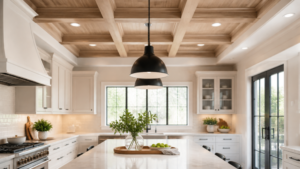
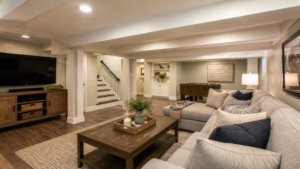
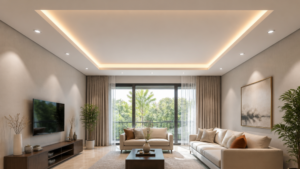
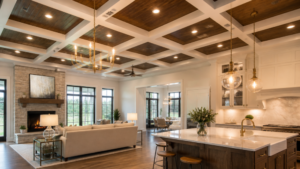
What makes a truly great ceiling ideas bedroom setup feel finished instead of flat? You might be after bedroom ceiling ideas with LED, ceiling paint ideas, and even false ceiling ideas for a modern bedroom vibe. I’ve noticed most people start with color, but the ceiling’s shape plus lighting choices usually do the heavy lifting. The right ceiling ideas bedroom can make small bedrooms feel larger, create calm at night, and give your room an instant focal point. Whether it’s a cozy weekend refresh or a holiday guest-ready glow-up, these options help you pick fast and get it right.
Quick Questions and Answers
Question: Why use light colors for bedroom ceilings?
Answer: Light colors like white, cream, or light gray are most popular because they make the ceiling appear higher and the room feel more spacious and bright. This creates an open, airy atmosphere that enhances the overall sense of the bedroom space.
Question: Can you paint a bedroom ceiling black?
Answer: Yes, painting a bedroom ceiling black offers dramatic sophistication and elegance for a bold statement. It creates a cozy, cocooning feel, especially when paired with white walls or used with glow-in-the-dark paint for constellations.
Question: Do tray ceilings work in small bedrooms?
Answer: Tray ceilings are excellent for introducing depth and dimension, especially in smaller spaces where visual interest makes the room feel larger. They add a dynamic look without overwhelming the limited area, making them a top choice for compact bedrooms.
Key Takeaways
Choosing bedroom ceiling ideas is mostly about three things: (1) room height and whether you can drop a ceiling, (2) how the ceiling finish handles light, and (3) whether your lighting plan works with the design. Trends right now lean toward minimalist double-layer and floating-style ceilings with concealed LED lighting, because they add depth without visual clutter. If you want the safest path, plan lighting early, then decide whether you want paint-only, trim accents, or a full false ceiling.
Selection Criteria for Choosing Your Bedroom Ceiling
Picking the right ceiling starts with what your room can physically handle. If your bedroom already feels tight, you probably don’t want to drop a false ceiling too far, especially if you’ll add a recessed light cutout or thicker framing. On the other hand, if you’re dealing with an odd ceiling height, patchy drywall, or awkward wiring, a controlled drop can create a cleaner look and hide the mess.
Weight and materials matter too. Research on modern bedroom ceiling ideas points out that Plaster of Paris (POP) is popular for false ceilings because it’s lightweight and easier to mold into shapes than heavier options, which can simplify installation planning (see homeexpertsblog). Meanwhile, tin, wood beams, or chunky molding details may need extra structure so you don’t end up with a ceiling that looks great at first and worries you later (that “should we call someone?” feeling).
Your budget sets the ceiling’s complexity. A paint upgrade or a simple crown molding pass is usually the lowest-friction way to add character. More involved approaches—like layered architectural lighting, double-layer ceilings, or central focal medallions—cost more in labor, materials, and timing. House Beautiful notes designer-approved treatments range from “just paint” to more complex molding, so you can match scope to renovation pace and wallet reality (House Beautiful).
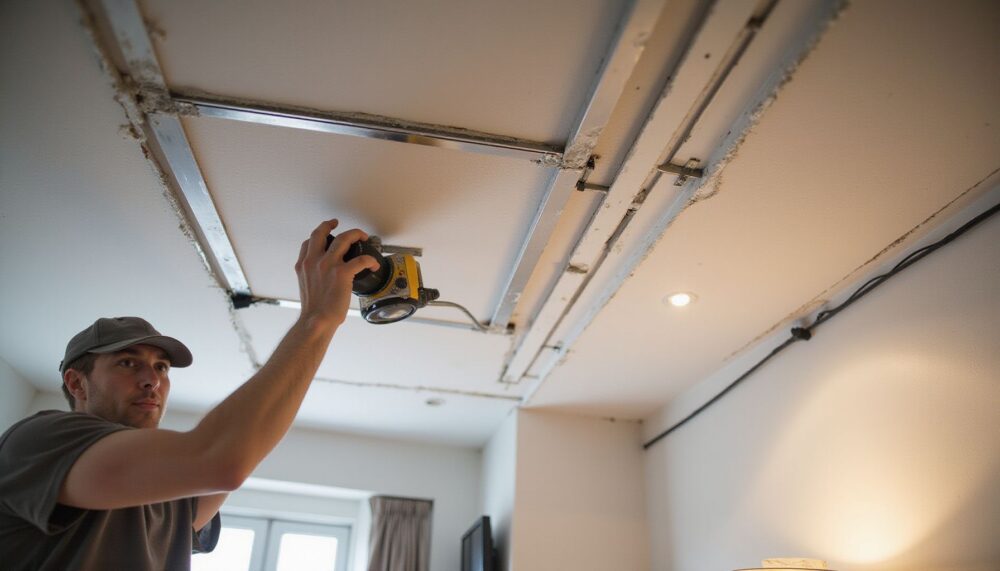
Lighting needs to be considered before the ceiling is closed in. That’s the difference between “wow, it glows” and “why does the light land on the wrong wall?” Floating or double-layer designs often rely on concealed LED strips tucked into a channel or rim, so secondary ceiling layers must accommodate wiring and light placement from day one.
Decision Factor
What to Check First
Ceiling Ideas That Usually Fit
Common Trade-Off
Room height
How low the ceiling already feels
Tray ceilings, painted ceilings, minimal trim
Less dramatic depth
Ceiling drop comfort
Whether you can lose inches
Floating/coved ceilings, some false ceilings
Lower overhead
Material choice
Weight and finish tolerance
POP, gypsum boards, paint-first
Some options need reinforcement
Lighting plan
Where you want light to “sit”
Double-layer with hidden LEDs, recessed zones
More planning up front
Style goal
Calm, vintage, or statement
Painted murals, tin panels, floral medallions
Cost and maintenance
Trending Ceiling Style Options
Trends are fun, but the best ones are the ones that solve a problem you actually have. Right now, minimalist double-layer ceilings and floating/coved setups with concealed LED lighting keep showing up because they add depth and a soft glow without turning the bedroom into a construction site. That direction is also echoed in bedroom ceiling idea roundups like homeexpertsblog and MyDomaine, which both emphasize how layered ceilings visually elevate the room (homeexpertsblog, MyDomaine).
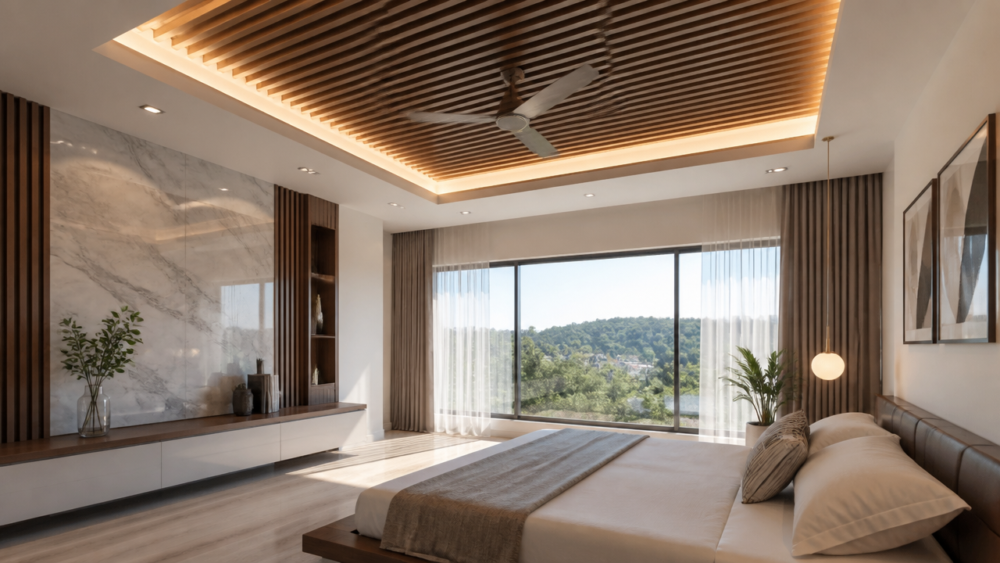
Minimalist double-layer ceilings work well when you want modern lines. This style uses stacked levels to create depth and a crisp architectural edge, often with concealed lighting that feels calm at night.
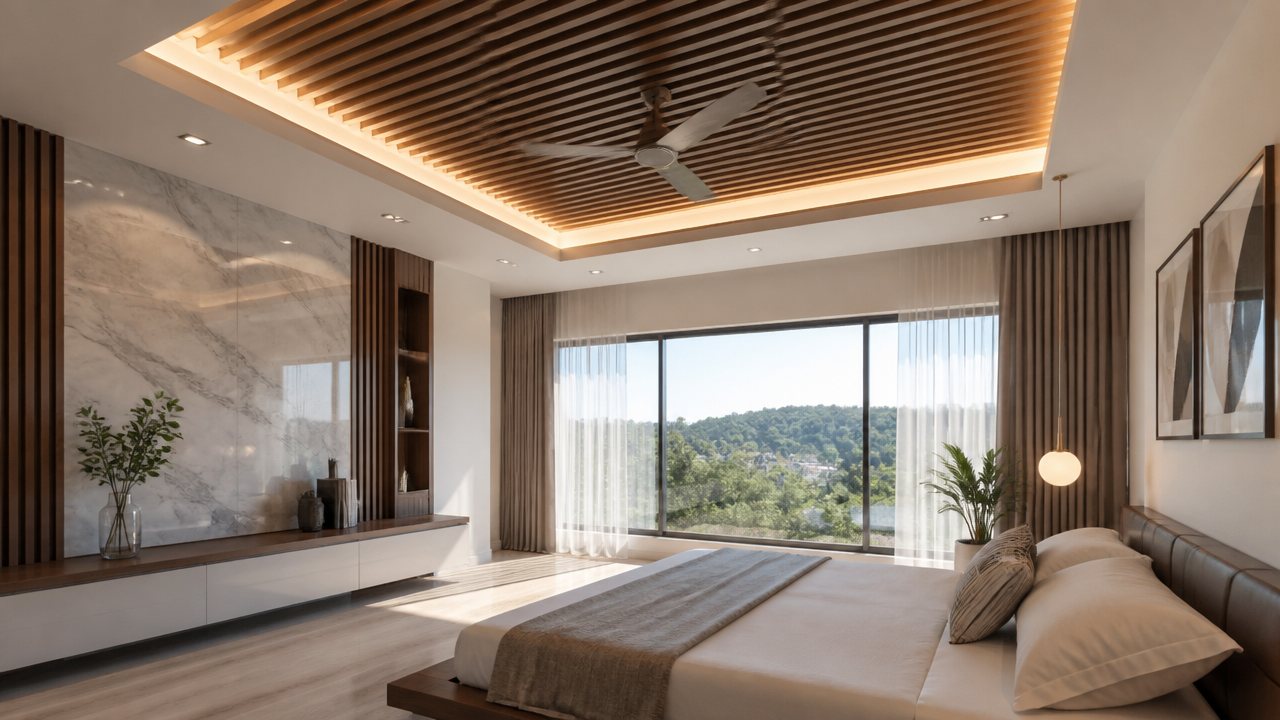
Floating or coved ceilings go for a softer, more relaxed atmosphere. The trick is hiding the light source in the ceiling “rim” so you get an ambient wash instead of harsh bulbs staring down from above.
Ornate floral medallions are the ceiling’s jewelry. A central medallion can anchor the bed wall, pair with warm lighting, and add traditional drama. Research summaries mention layered petal medallions as a common focal feature—usually best when the rest of the room has supporting calm so the ceiling can be the main character (Facebook group description, plus the broader idea seen in Archways & Ceilings).
Tin panels are historic-looking and reflective in a way plain drywall can’t match. Tin ceilings are often framed as a vintage design statement, and MyDomaine’s roundup specifically calls out tin ceilings as a mood and drama builder (MyDomaine). If you like light bouncing around and a slightly old-world feel, tin is a strong pick.
Painted ceilings are the quickest way to make the ceiling feel intentional. High-contrast colors, subtle gradients, or even murals can pull the eye upward and create that “finished designer” look without complicated construction. Houzz-style idea collections also show how widely painted ceiling schemes vary, from bold to soft and cozy (Houzz).
Comparison of Ceiling Materials and Finishes
Material choice shapes how your ceiling looks in real life, not just in a photo. POP (Plaster of Paris) stays popular because it handles custom curves and fluid shapes more easily than some heavier approaches. It also tends to be faster during installation than you’d expect for molded work, which matters when you’re trying to keep the renovation timeline realistic (Quora discussion on false ceilings).
Modern drywall or gypsum boards are the standard for smooth, clean finishes. If your goal is minimalist lines, crisp edges, and easy painting, drywall is the practical route. It also helps when you want a simple, repeatable install method.
Wood and beams bring warmth and organic texture. That warmth works especially well if you’re leaning rustic, coastal, or farmhouse, and it pairs nicely with painted walls. Just plan for what you’re mounting and whether your ceiling structure can handle additional weight—those beams are not feather-light.
Metallic finishes, including tin, create a tactile visual punch. They can also shift lighting—sometimes in a great way, sometimes in a “why is it so reflective?” way. My rule: if the bedroom gets bright sun or strong overhead light, choose metallic finishes with intention and test sample swatches under your actual lighting.
Quick Material Match-Up
If you want a fast scan, here’s how I’d pair material with your vibe.
POP: sculpted shapes, layered detail, modern-soft forms
Minimalism buyers should start with double-layer ceilings or coved/floating designs with hidden LED strips. The point is clutter-free visual calm. When the light source is concealed, your eye reads the ceiling as a smooth architectural shape instead of a “fixture moment.”
Budget renovators usually get the biggest payoff from painted ceilings and simple crown molding upgrades. Painted ceilings can create depth by pulling contrast upward, and trim can frame the room without major carpentry.
Character-focused homeowners often gravitate to tin panels or ornate plaster-like restoration looks. Tin adds period drama; medallion-style focal points add craftsmanship. Archways & Ceilings also frames master bedroom ceiling designs as functional plus beautiful, which is helpful when you’re restoring or upgrading a home with history (Archways & Ceilings).
For master suite luxury, the ceiling becomes a designed centerpiece. Custom moldings, centralized lighting focal points, and multi-layer details are common directions here. It’s the best “slow living” upgrade because the ceiling is where your eyes go when you’re winding down at night.
Expert Advice for Ceiling Installations
Lighting integration is where ceilings succeed or fail. Start the plan early so your concealed strips, recessed cans, or central fixture wiring lines up with the design layers. Once the ceiling closes, changing light placement usually means extra work and extra cost. House Beautiful’s roundup approach makes that clear by treating ceilings as complete treatments, not just a surface (House Beautiful).
Keep complexity honest. If your bedroom is small, too much low-hanging detail can make the room feel tight. Complex, drop-heavy features can visually crowd the bed area. I’ve seen people add gorgeous molding and then feel slightly claustrophobic every time they walk in. That’s not a style choice—that’s a clearance problem.
Paint finish also affects perceived height and mood. Research roundups and common design advice point people toward semi-gloss or high-gloss ceiling paint when they want better light bounce. That helps reflect ambient light upward and makes the room feel more open, especially with warm lamp lighting.
Structural checks matter for heavier elements. When you add wood beams or weighty molded features, consult a structural professional if you’re unsure about joist support. This step is unglamorous, but it prevents the “ceiling looks fine… until it doesn’t” situation.
1. Minimalist Double-Layer Ceiling With Hidden LED
A minimalist double-layer ceiling is one of the cleanest ways to get that modern bedroom glow without obvious fixtures. The stacked levels create depth, while concealed LED lighting adds soft illumination that feels calm in the evening. It’s especially good for bedrooms where you want architecture, not ornament.
Best for
Modern interiors
Bedrooms with strong wall features (headboard, large artwork)
People who want a tidy look that still feels “designed”
Pros and cons
Pros: depth without clutter, flattering nighttime lighting, easy to keep accessories minimal
Cons: more build work than paint, wiring planning matters
2. Floating or Coved Ceiling With Ambient Glow
Floating and coved ceilings hide the light source in a rim so the room gets an even wash instead of spot brightness. This makes the ceiling feel taller and softer. If you’ve ever hated the glare of overhead lights in bedrooms, this style usually fixes that immediately.
Best for
Cozy, relaxing bedroom moods
Anyone swapping “harsh light” for “warm ambience”
Small-to-mid bedrooms that need a gentle visual stretch upward
Pros and cons
Pros: warm ambiance, hides wiring, helps the ceiling feel intentional
Cons: requires careful spacing and trim detailing
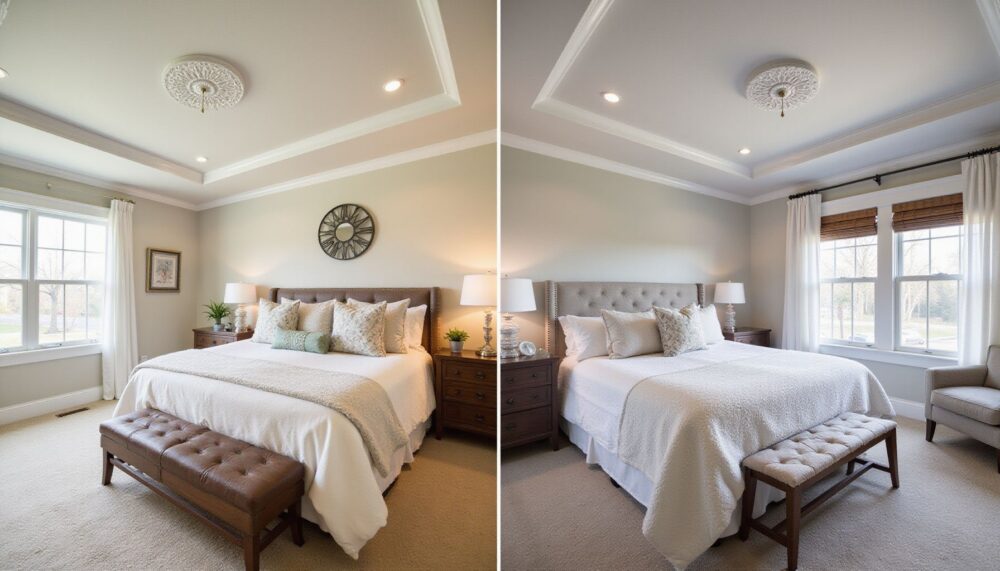
3. Tray Ceiling for Depth Without Over-Dropping
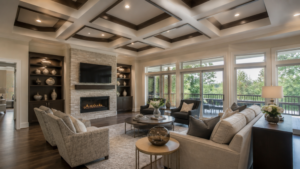
Tray ceilings add depth with a recessed center panel while keeping the room’s overall height more protected than heavy false-ceiling builds. For compact bedrooms, the geometry gives your eye a place to land without making the ceiling feel lower than it already is.
Best for
Small bedrooms
People who want subtle architecture
Anyone who doesn’t want a full drop ceiling
Pros and cons
Pros: visual depth, less “overhead bulk,” works with many styles
Cons: more trim work than paint
4. Painted Ceiling in Soft White, Cream, or Light Gray
Paint is the quickest way to make a ceiling feel taller and brighter. Light colors are the most common choice because they visually lift the space and create a clean, airy bedroom atmosphere. It’s also the easiest option to update later when your tastes shift (which they will).
Best for
Renters or quick refreshes
First-time DIY painters
Rooms that already have bold wall decor
Pros and cons
Pros: lowest cost, fastest change, easy to coordinate with bedding
Cons: less dramatic than molded or LED designs
5. Bold Black Ceiling for a Cocooning Effect
A black bedroom ceiling is a statement. It can create a cozy, cocoon-like vibe, especially when paired with lighter walls. If you want your bedroom to feel intimate and calm, black can do that better than most neutral ceiling colors.
Best for
Dramatic interiors
Rooms with lots of natural light or crisp white walls
People who want a focal point overhead
Pros and cons
Pros: strong mood control, makes lighting feel more intentional
Cons: can feel heavy in rooms with low natural light
6. Tin Panels for Vintage Texture and Light Play
Tin ceilings bring historic character and a reflective twist that plain paint can’t match. They also add a tactile pattern that changes how the room looks as lighting shifts across the day. If you like vintage aesthetics without going full antiques museum, tin is a smart middle ground.
Best for
Vintage or farmhouse-adjacent bedrooms
Rooms that need visual texture
People willing to commit to a stronger design choice
Pros and cons
Pros: texture, character, light-catching mood
Cons: style is bolder, needs careful selection so it doesn’t feel cold
7. POP False Ceiling With Sculpted Shapes
POP ceilings are lightweight and moldable, so they can create curved details and shaped panels that still look refined. If you want a smooth, custom look without heavy structural demands, POP is often chosen for false ceilings because it’s easier to shape and install than some heavier materials.
Best for
Curved, modern-fancy bedroom ceilings
People who want detail without bulky beams
Renovations where you want smoother surfaces
Pros and cons
Pros: versatile shapes, generally lighter than heavy alternatives
Cons: cracking risk at joints if installation isn’t handled carefully
8. Coffered-Style Ceiling With Painted Sunken Panels
Coffered ceilings add structure and elegance using a grid-like pattern. Painting the sunken areas light colors and keeping beams crisp can make the ceiling feel refined instead of busy. In bedrooms, this works especially well if you want classic styling with a clean, modern paint job.
Best for
Traditional, transitional, and classic bedrooms
People who want “designed” without giant medallions
Rooms with furniture that has straight lines
Pros and cons
Pros: instant sophistication, easy to paint for brightness
Cons: can look busy in very small rooms if overdone
9. Central Floral Medallion With Layered Lighting
A central floral medallion gives your ceiling a focal point, often paired with strategic lighting layers. It can make the bedroom feel like a boutique suite, especially if you match warm light color temperatures and keep surrounding design calmer.
Best for
Period-style or maximalist bedrooms
People who want the ceiling to feel like a centerpiece
Master suites where the bed is visually anchored
Pros and cons
Pros: focal wow factor, works beautifully with layered light
Cons: requires careful placement and styling so it doesn’t feel cluttered
10. Ceiling Wallpaper or Mural for a Custom Focal Point
Wallpaper on the ceiling is a powerful trick: texture plus pattern that makes the bedroom feel wrapped and intimate. Celestial designs or bold prints can turn the ceiling into a calm focal moment, especially when your lighting is warm and dimmable.
Best for
People who want personality without structural change
Bedrooms with simple wall styling below
Anyone who loves art-like rooms
Pros and cons
Pros: unique character, easy to plan as a single feature
Cons: needs good adhesion prep; mistakes are more noticeable
Common Mistakes
Most bedroom ceiling problems come from rushing the order of operations. People pick a look first, then realize the wiring or fixture placement won’t work with the design. That’s why lighting integration should start early—concealed strips and recessed cans need the right cavity and wiring route before the ceiling closes.
Another classic mistake is overcomplicating small rooms. If your bedroom is already compact, heavy drop ceilings, long runs of trim, or too much low-hanging detail can make the space feel cramped. Go for geometry that adds depth without stealing clearance.
Finally, the finish mismatch can ruin the mood. Glossy or semi-gloss paint choices matter because they affect how light bounces around. If you choose a flat finish but your lighting plan expects brightness, the room can feel dull. My fix is always to test paint samples under your real nighttime lighting before you commit.
My Experience With ceiling ideas bedroom
I’ve made the “looks great in daylight, regrets at night” mistake more than once. One time, I obsessed over a pretty ceiling color sample under bright hallway lighting and then realized my bedroom’s warm lamp glow made it feel flatter and darker than expected. That’s when I started treating ceiling decisions like lighting decisions. I also learned the hard way that concealed LED plans don’t forgive improvisation—if you’re doing a double-layer or floating setup, you plan wiring before you close anything up.
The expert insight I now follow: ceiling shape is a height trick, so you should match the ceiling’s visual weight to your room’s physical comfort. In small bedrooms, tray ceilings and lighter paint changes give you depth without that boxed-in feeling. For statement ceilings, I’d rather you go all in with one focal idea—like a medallion or a bold color—than stack three “almost right” features that compete.
What ceiling upgrade are you considering, and what part worries you most?
FAQ
Q: Are coffered ceilings good for bedrooms?
Coffered ceilings add structure and elegance with a refined, grid-like pattern that instantly elevates the space. They can be painted with light colors in the sunken spaces and white beams, or even filled with wallpaper for added pattern and luxury.
Q: How can I make low ceilings feel higher?
Use light-colored paint, vertical patterns, or reflective elements like mirrors to create a sense of height. Also, choose minimalist pendant lights or recessed lighting instead of bulky fixtures to help the space feel taller and more open.
Q: How can I decorate my bedroom ceiling?
Decorate with crown molding, faux beams for depth, LED strip lights for ambiance, or custom murals and wallpaper to enhance style. Keep the overall look balanced and avoid overly complicated designs to maintain a cohesive bedroom aesthetic.
Q: What is a vaulted ceiling bedroom?
A vaulted ceiling bedroom features soaring ceilings that add height and architectural flair, often with exposed wood beams. This design creates a dramatic, open feel and pairs beautifully with natural light and rustic or modern interior styles.
Q: How do I choose the right ceiling design for a small bedroom?
Opt for tray ceilings or LED lighting to create an illusion of depth and space without overwhelming the room. These designs add visual interest and make the space feel larger, which is ideal for compact bedroom layouts.
Q: Will LED lights improve bedroom ceiling aesthetics?
LED lights add texture, color, and style, creating a warm glow with strip lights or highlighting areas with spotlights. They can be integrated into recessed designs or fiber optic stars, offering endless possibilities for setting the perfect mood.
Q: Is wallpaper on a bedroom ceiling effective?
Wallpaper on the ceiling adds texture and prints, giving the room a lovely, cocooning feeling. Bold patterns or celestial designs can create a striking focal point, making the bedroom feel unique and stylish overhead.
Latest Updates or ## 2026 Trends
In 2026, I’m still seeing the same “quiet-luxury” pattern: fewer obvious fixtures, more hidden light, and more ceiling depth that reads as architecture instead of decoration. Double-layer and floating/coved ceilings with concealed LED lighting keep winning because they make the room feel calmer at night and more finished in photos. If you want a trend that’s actually practical, pick a style that works with your existing height first, then choose paint and light to support the shape. Also, if you’re renovating for guests around seasonal holidays, plan dimmable lighting so the ceiling looks good from morning setup through nighttime wind-down.
I’m the mom behind Wise Mom Blogger, where everyday creativity meets real-life motherhood. I share easy DIY crafts, cozy knitting and crochet projects, beginner-friendly sewing ideas, and family-tested recipes—plus quick baking hacks that make homemade feel doable on busy days.