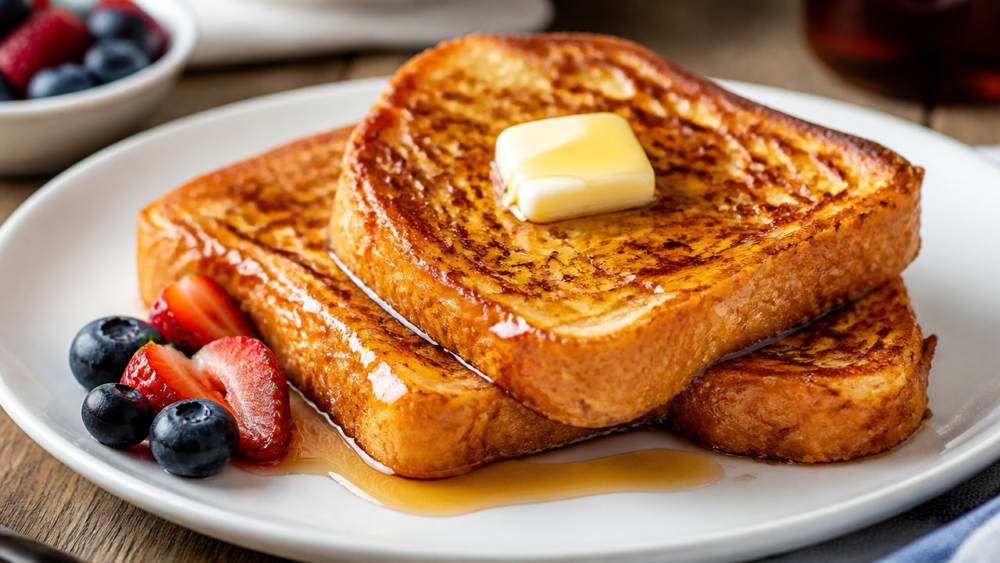
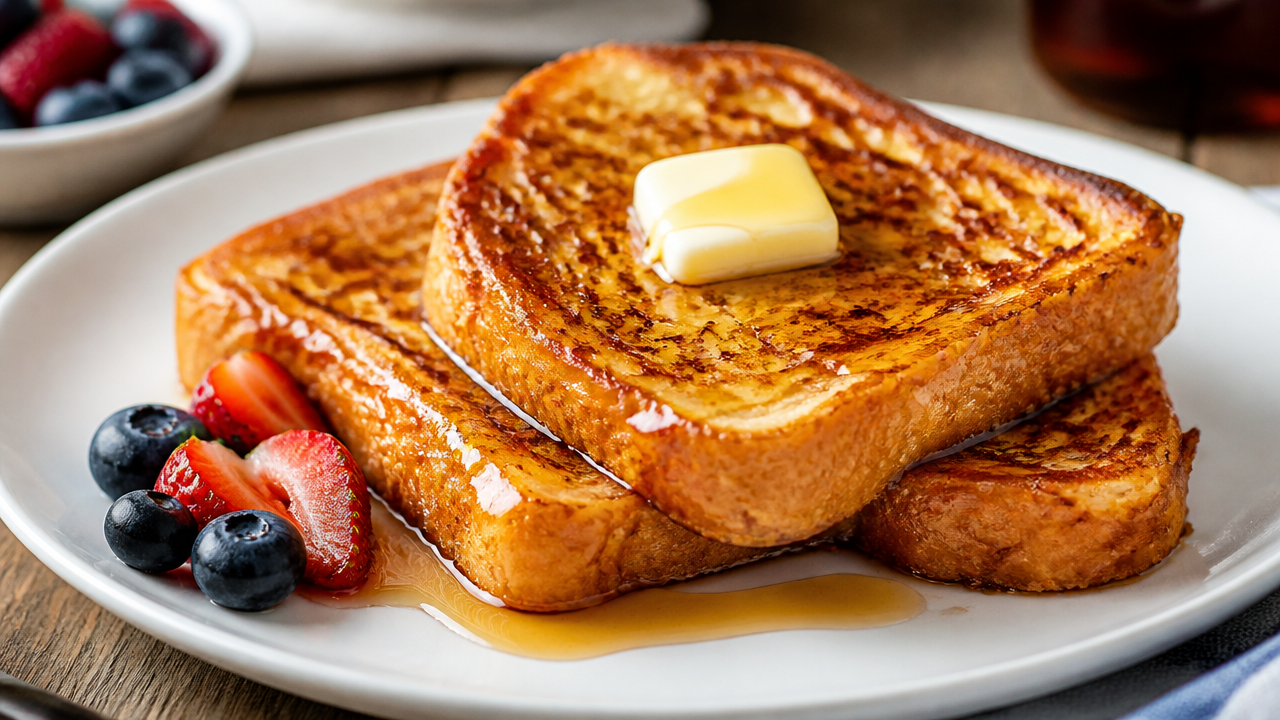
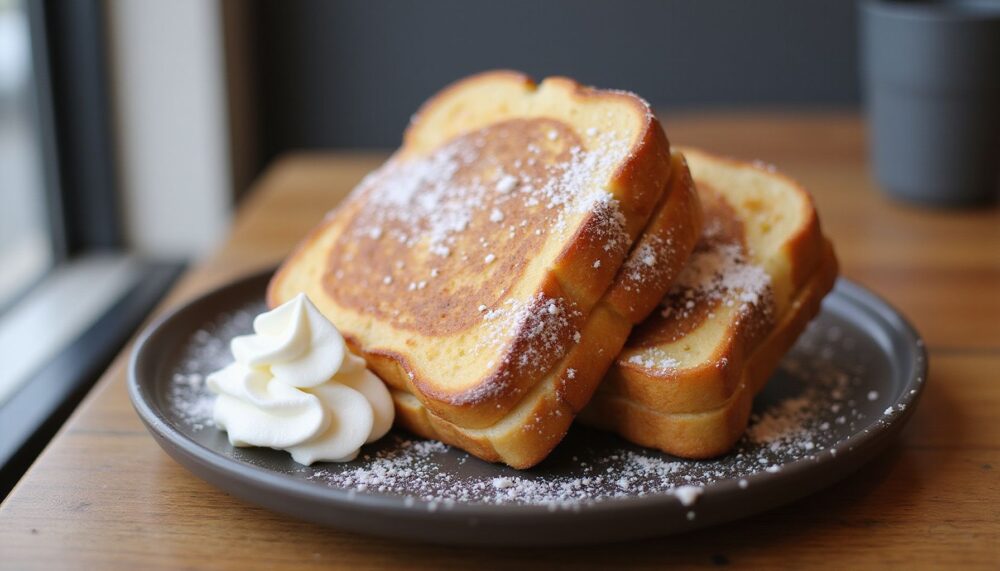
What makes a truly great French toast stand out from every other breakfast dish you have tried? When the exterior is perfectly caramelized and golden, yielding to an interior as soft as a custard, you realize this classic French toast is the only way to start a weekend. Whether you are hosting a festive holiday gathering or just treating yourself to a slow Tuesday morning, these simple French toast recipes offer the perfect balance of crispy texture and rich flavor. From decadent brioche starters to gluten-conscious swaps, there is a version here to suit every palate. I have gathered the best methods to ensure your homemade French toast consistently delivers a restaurant-quality experience in your own kitchen. Grab your favorite pan and let’s get cooking.
Quick Questions and Answers
Question: What bread works best for classic golden and crispy French toast? Answer: Thick-cut brioche, baguette, or Texas toast are ideal because their soft, rich texture absorbs the custard without falling apart. These breads hold up well on the griddle, allowing the outside to become golden and crispy while the inside stays custardy and tender.
Question: Why does my French toast turn out soggy instead of crispy on the outside? Answer: Sogginess often happens when the bread is soaked too long, the pan isn’t hot enough, or too little butter is used. To fix it, dip the bread for 30–40 seconds per side, cook over medium heat with ample butter, and let it sauté without moving until the first side is fully golden.
Question: Can I use regular milk instead of whole milk for French toast custard? Answer: Yes, you can use regular milk, but whole milk creates a richer, more custardy center due to its higher fat content. If using lower-fat milk, add a splash of melted butter or an extra egg to the custard to mimic the richness and ensure a golden, crispy exterior.
Key Takeaways
- Sturdy bread is the foundation; thin sandwich bread will simply dissolve under the weight of the custard.
- Heat control is the primary variable; medium heat ensures the middle cooks before the sugar in the milk burns.
- Custard consistency requires a good whisk; spices tend to float and leave the first slice bland compared to the last.
Why Classic French Toast Remains the Ultimate Brunch Staple
French toast is the definitive comfort food, bridging the gap between a quick workday breakfast and a slow, indulgent weekend morning. At its heart, the dish mimics bread-and-butter pudding, relying on the magic of soaked bread hitting a hot, buttered surface. This contrast between the custardy, tender interior and the crisp, golden-brown edges defines what makes the dish a brunch centerpiece. Because the base is simple, it acts as a blank canvas for everything from fresh seasonal berries to warm maple syrup. If you are looking for other ways to fuel your morning, you might also enjoy these 12 Easy Overnight Oats Recipes Everyone Will Love for a lighter, make-ahead option.
1. The Pro-Style Restaurant Classic
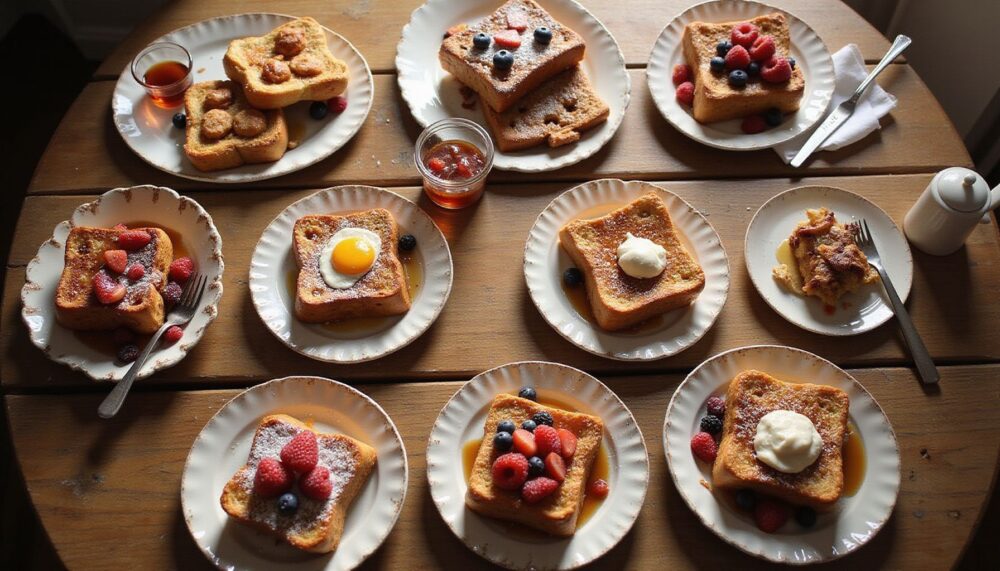
This method focuses on the techniques often seen in professional kitchens to achieve a perfect, restaurant-quality balance. The key is precise temperature management, which prevents the butter from darkening too quickly while ensuring the custard sets perfectly through the center of the bread.
Ingredients
- 4 thick-cut slices of brioche or challah
- 3 large eggs
- 1/2 cup whole milk
- 1 teaspoon vanilla extract
- 1 pinch kosher salt
- 2 tablespoons unsalted butter
Instructions
- Whisk the eggs, milk, vanilla, and salt in a shallow dish until completely combined.
- Preheat a heavy-bottomed skillet over medium heat.
- Dip each slice of bread into the mixture, letting it soak for about 20 seconds per side.
- Melt the butter in the pan until it foams.
- Place the bread in the pan, cooking for 3 to 4 minutes per side until deeply golden.
- Remove immediately and serve hot.
2. Japanese-Style Fluffy French Toast
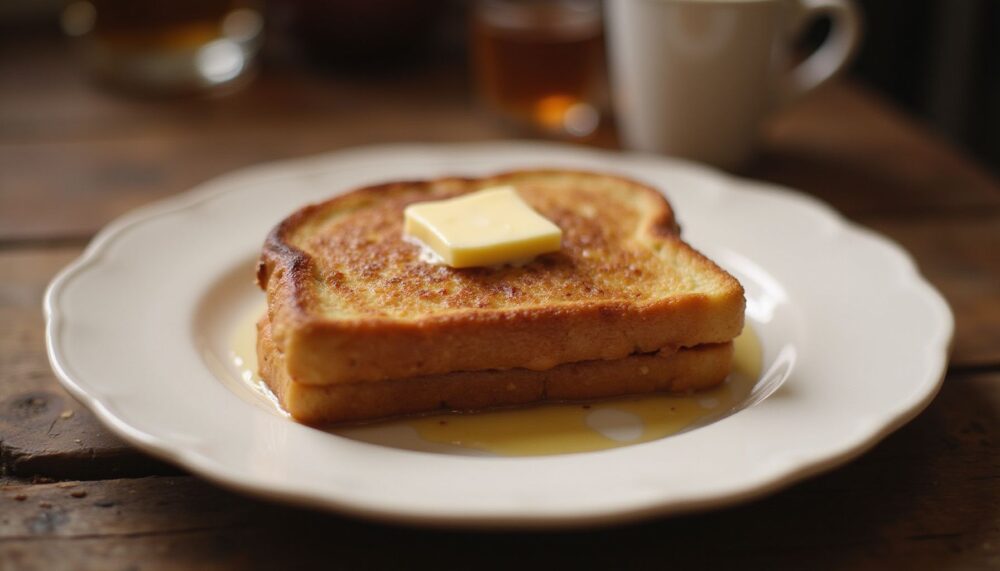
Inspired by the refined café culture of Japan, this version prioritizes an incredibly light, cloud-like interior. According to Just One Cookbook, the secret lies in the ratio of cream and the specific, slow-soaking technique used to hydrate the crumb completely without turning it to mush.
Ingredients
- 2 thick slices of shokupan (Japanese milk bread) or high-quality brioche
- 2 large eggs
- 3/4 cup milk
- 1 tablespoon granulated sugar
- 1/2 teaspoon vanilla extract
- 1 tablespoon butter
Instructions
- Combine eggs, milk, sugar, and vanilla in a low-sided container.
- Submerge bread completely and let it sit for at least 15 minutes to fully absorb the liquid.
- Heat a buttered nonstick pan to medium-low.
- Cook the bread slowly to ensure the center puffs up without burning the exterior.
- Flip once the bottom is medium-brown and cook the other side for an equal amount of time.
3. Texas Toast Thick-Cut Special
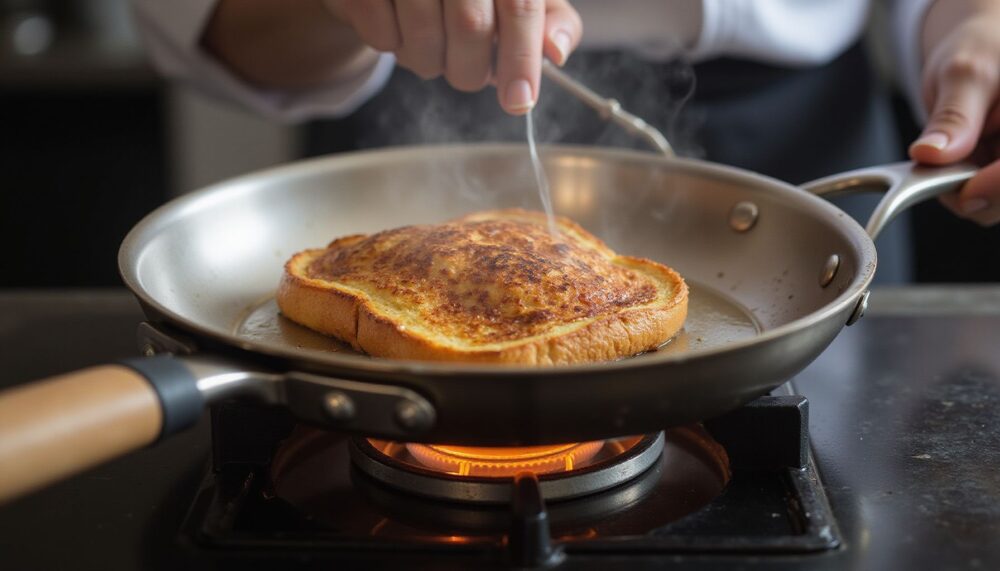
Texas toast is a reliable favorite because its wide, dense structure is designed to handle moisture. As noted by Allrecipes, you must whisk the custard between every single slice you dip, as cinnamon and other spices have a habit of migrating to the surface and leaving your later pieces flavorless.
Ingredients
- 6 slices Texas toast
- 3 large eggs
- 1/2 cup whole milk
- 1/2 teaspoon ground cinnamon
- 1/4 teaspoon nutmeg
- 2 tablespoons butter
Instructions
- Whisk your custard base thoroughly.
- Dip a slice, then give the whisk a quick spin before dipping the next one.
- Grease your griddle well with butter.
- Cook on medium heat until the surface is beautifully bronzed.
- Let the toast rest on a wire rack for one minute before plating to retain the crunch.
4. The Blender-Custard Method
If you are a beginner or simply want to ensure a perfectly smooth finish with no egg streaks, the blender is your best friend. Breaking down the egg solids into a completely emulsified liquid ensures that every bite of your toast is consistent in flavor and texture.
Ingredients
- 4 slices of thick bread
- 3 large eggs
- 1/2 cup half-and-half
- 1 teaspoon vanilla extract
- 1 pinch salt
- 1 tablespoon maple syrup (in the mix)
Instructions
- Add all ingredients except the bread into a blender canister.
- Pulse until the mixture is uniform and slightly frothy.
- Pour into a shallow dish to soak the bread.
- Dip the bread and cook in a hot, buttered skillet.
- Watch for the edges to start bubbling; that is your sign to flip.
5. Extra-Crispy Pan-Fried Toast
Sometimes you just want that satisfying crunch when you bite into your breakfast. The trick here is patience; by managing your heat carefully, you can achieve a crust that rivals a fried pastry.
Ingredients
- 4 slices sourdough bread, slightly stale
- 2 eggs
- 1/3 cup milk
- 1/2 teaspoon cinnamon
- 3 tablespoons butter (split into portions)
Instructions
- Heat your pan to a true medium heat.
- Dip the bread quickly so it stays firm.
- Add the first tablespoon of butter; it should sizzle immediately.
- Fry the bread for 4 minutes per side without lifting it up to peek.
- Add more butter if the pan looks dry before the second side finishes.
6. Simple Everyday Cinnamon Classic
This is the version of the recipe found at Tastes Better From Scratch, perfected over decades. It relies on pantry staples and an assembly-line style of dipping and cooking that makes it accessible for even the most frantic weekend mornings.
Ingredients
- 8 slices of bread
- 4 large eggs
- 1 cup milk
- 1 teaspoon cinnamon
- 1 teaspoon vanilla
- 2 tablespoons butter
Instructions
- Whisk eggs, milk, cinnamon, and vanilla in a wide, shallow bowl.
- Coat individual slices of bread thoroughly.
- Fry on a medium-hot griddle until the custard is set and the bread is golden.
- Serve with a generous dusting of powdered sugar.
- Top with fresh sliced strawberries or blueberries.
7. The Whisked-to-Perfection Brunch Toast
This recipe highlights the essential chemistry of the breakfast staple. The combination of whole milk and quality eggs creates a stable base that clings to the bread, allowing for that quintessential “blushing gold” finish beloved by consistent home cooks.
Ingredients
- 4 thick sourdough slices
- 2 large eggs
- 1/2 cup whole milk
- 1/2 teaspoon vanilla bean paste
- Pinch of salt
- Butter for the pan
Instructions
- Combine the liquid base and whisk until quite frothy.
- Let the bread sit in the mixture for 30 seconds per side.
- Prepare an iron skillet or nonstick pan over medium heat.
- Grease the surface liberally with cold butter.
- Cook until the edges are dark golden and crisp.
8. Quick & Effortless Mid-Week Toast
When you need big flavors fast, this version cuts out the fluff. RecipeTin Eats suggests that this is the best way to get something warm on the plate before rushing out the door.
Ingredients
- 2 thick bread slices
- 1 large egg
- 1/4 cup milk
- 1/2 teaspoon sugar
- Butter for frying
Instructions
- Mix all ingredients together in a small bowl.
- Quickly dredge the bread slices through the custard.
- Heat your skillet and add a small pat of butter.
- Fry until golden on both sides.
- Drizzle immediately with syrup and eat.
9. The Savory-Sweet Fusion Toast
Including a pinch of salt is a professional secret often overlooked by home cooks. This small addition balances the sweetness of the custard and makes the bread taste more like a high-end bakery product.
Ingredients
- 4 slices crusty baguette, cut on a bias
- 2 large eggs
- 1/2 cup milk
- 1/4 teaspoon salt
- 1/2 teaspoon cinnamon
- 2 tablespoons butter
Instructions
- Whisk the eggs, milk, cinnamon, and salt until smooth.
- Briefly dip the baguette slices; they absorb liquid faster than sandwich bread.
- Fry in a hot buttered pan for 2 minutes per side.
- Ensure the edges are crispy.
- Serve with savory sides like breakfast sausage or crispy bacon.
10. The “Share-a-Recipe” Crowd-Pleaser
Cooking for a group is much easier when you have a formula that scales well. This recipe is built for larger portions, making it the perfect choice for a family brunch.
Ingredients
- 10 slices of bread
- 6 large eggs
- 1.5 cups milk
- 1 tablespoon vanilla extract
- 1 tablespoon cinnamon
- 4 tablespoons butter
Instructions
- Prepare a large mixing bowl for the whisking process.
- Dip slices exactly as you are about to put them in the pan to keep the workflow moving.
- Use two pans at once if you are feeding more than four people.
- Transfer finished toast to a warm oven set at 275°F to hold while you finish the batch.
- Serve on a large platter with family-style toppings.
11. The “Bread-and-Butter Pudding” Style
Using brioche or challah is non-negotiable if you want that dessert-style texture. The high fat content in these breads naturally mimics the result of a bread-and-butter pudding, making it an excellent choice for a slow Sunday breakfast.
Ingredients
- 4 slices of thick brioche
- 2 eggs
- 1/2 cup heavy cream
- 1/2 teaspoon vanilla
- Pinch of nutmeg
- 2 tablespoons butter
Instructions
- Whisk eggs, cream, vanilla, and nutmeg until well combined.
- Soak your brioche slices for 40 seconds; these breads are thirstier than standard loaf bread.
- Warm a skillet to medium-low.
- Fry gently until the bread is a deep, rich golden brown.
- The interior should be almost molten; keep an eye on the heat to avoid burning the exterior.
12. Healthy-Twist Light French Toast
If you want the classic experience with fewer calories, use lower-fat milk and focus on high-quality fruit toppings rather than heavy syrup. Strawberries or fresh raspberries provide a tart contrast that pairs perfectly with the toast.
Ingredients
- 4 slices whole-wheat or sourdough bread
- 2 eggs
- 1/2 cup skim or almond milk
- 1/2 teaspoon cinnamon
- 1 teaspoon vanilla extract
- 1 tablespoon butter (just enough to grease the pan)
Instructions
- Whisk the egg and milk mixture well.
- Dip the bread quickly to avoid oversaturation.
- Use a nonstick pan sprayed with a light layer of oil or a tiny pat of butter.
- Cook until firm and golden brown.
- Top with fresh fruit to replace the sugar in the syrup.
Pro-Tips for the Best French Toast
If you have fresh fruit left over that didn’t make it onto the toast, why not branch out? If you’re looking for other ways to use your morning ingredients, try mastering these 10 Simple Zucchini Fritters Recipes Everyone Will Love for a savory twist on the weekend. Regardless of the recipe, the most important rule is the “Soaking Rule.” The goal is for the bread to be fully hydrated but not disintegrating. If your bread is falling apart in the custard, you are waiting too long.
Heat management is the other pillar of success. Most beginners make the mistake of having the flame too high, which results in a blackened crust and a raw, liquid center. When in doubt, lean toward a lower heat and give it more time. Finally, remember to whisk your custard before every single dip if you want consistent spice distribution; otherwise, your first slice might just taste like egg, while your fourth slice ends up being the cinnamon spice bomb.
FAQ
Q: Do I need to soak French toast for both sides or just one side?
You must soak both sides for about 30–40 seconds each to ensure the custard penetrates evenly. Soaking one side only can leave the other dry, leading to uneven cooking. After soaking, let excess drip off before placing the bread on the hot griddle.
Q: Are there any tips to keep French toast warm without losing its crispiness?
Place cooked French toast on a baking sheet in a preheated 275°F oven for 10–15 minutes. This keeps them warm and allows the custard to set further without burning. Avoid covering them with foil, which traps steam and makes the crust soggy.
Q: How long should I cook each side of French toast for golden brown results?
Cook each side for 2½–3 minutes over medium heat until deeply golden brown. If the bread browns too quickly, reduce the heat to medium-low. Flipping too early can cause sogginess, so wait until the first side is fully crisp and golden.
Q: What is the best way to make French toast custard extra rich and flavorful?
Add melted butter, a splash of vanilla extract, and a pinch of cinnamon or nutmeg to the egg-milk mixture. Using whole milk and an extra egg also boosts richness. For extra flavor, let the custard sit for 5 minutes before soaking the bread.
Q: Will adding sugar to the custard make French toast burn faster on the griddle?
Yes, sugar in the custard can cause the bread to brown too quickly or burn. To avoid this, cook over medium-low heat and watch closely. Alternatively, sprinkle sugar on the bread after soaking or dust it with powdered sugar before serving instead of adding it to the custard.
Q: When is the best time to add fruit or syrup to homemade French toast?
Add fruit like macerated strawberries or blueberries after cooking the toast, placing them on top while still warm. Serve syrup generously just before eating to maintain crispiness. Adding toppings too early can make the bread soggy, so wait until the last step.
Q: Can I make classic French toast ahead of time for a breakfast party?
Yes, you can soak the bread and cook the toast, then keep it warm in a 275°F oven for up to 15 minutes. For longer storage, cook and refrigerate, then reheat in the oven at 350°F for 5 minutes to restore crispiness. Avoid freezing before cooking.
My Experience With Classic French Toast Recipe (Golden & Crispy)
Refining my French toast technique took years of soggy centers and burnt butter mishaps. I used to think the bread didn’t matter, but once I switched to thick-cut brioche, the “pudding” interior finally clicked. I’ve learned that the pan temperature really is the make-or-break factor; if the butter isn’t foaming, it’s too cold, but if it starts turning brown, you’re already in the danger zone. I usually keep a side dish of melted cinnamon sugar nearby, because if I add sugar to the batter, my pan invariably turns into a scorched mess within minutes. My favorite trick now is using a wire rack to rest the bread for just thirty seconds after it leaves the skillet—it lets out that final burst of steam so the crust stays crunchy instead of wilting under its own weight. It’s barely an extra step, but honestly, it changes the entire texture of the experience. It’s the difference between a sad, limp breakfast and something that feels like it actually belongs in a top-tier café. What’s the one mistake that kept you from getting that perfect, crispy edge for so long?
Conclusion.
Achieving the perfect golden, crispy French toast is less about a complicated list of ingredients and more about respecting the process of heat and time. By choosing thick, sturdy bread and treating the custard soak with patience, you transform basic pantry items into a dish that feels special enough for any occasion. Whether it is a quick weekday morning or a slow, sun-drenched Sunday brunch, these recipes provide the foundation for consistent, repeatable results. Now that you have the techniques, such as the importance of proper heat management and the utility of a quick whisk between dips, your kitchen is set to become the best breakfast spot in the neighborhood.
References
- Just One Cookbook. (n.d.). The Best French Toast Recipe. Just One Cookbook. https://www.justonecookbook.com/french-toast
- Allrecipes. (n.d.). Fluffy French Toast. Allrecipes. https://www.allrecipes.com/recipe/16895/fluffy-french-toast
- RecipeTin Eats. (n.d.). French Toast. RecipeTin Eats. https://www.recipetineats.com/french-toast
- Tastes Better From Scratch. (n.d.). Easy French Toast Recipe. Tastes Better From Scratch. https://tastesbetterfromscratch.com/classic-french-toast
- The Kitchn. (n.d.). The Ingredient Combination That Makes French Toast Taste 1,000 Times Better. The Kitchn. https://www.thekitchn.com/french-toast-recipe-23656856

Sarah Anderson . J
I’m the mom behind Wise Mom Blogger, where everyday creativity meets real-life motherhood. I share easy DIY crafts, cozy knitting and crochet projects, beginner-friendly sewing ideas, and family-tested recipes—plus quick baking hacks that make homemade feel doable on busy days.