
What makes a truly great diet for clear skin stand out from every other temporary fix you have tried? While no single food acts as a miracle cure for acne, scientific consensus suggests that a diet focused on low-glycemic, anti-inflammatory, and high-fiber foods can manage symptoms effectively. Controlling insulin levels and reducing systemic inflammation helps your body balance oil production. Whether you are prepping for a summer wedding or a cozy holiday dinner, the right nutritional choices support a resilient, healthy complexion. Here is what you need to know to start eating for your skin.
Quick Questions and Answers
Question: What foods help with acne the most? Answer: The most consistently recommended foods are low-glycemic whole grains, legumes, vegetables, fatty fish, nuts, seeds, and berries. These choices are repeatedly linked with lower inflammation, steadier blood sugar, and better skin-supportive nutrient intake. The evidence is strongest for overall dietary patterns rather than any single miracle food.[1][4][6][7]
Question: Can dairy make acne worse? Answer: Several sources say dairy, especially cow’s milk, may worsen acne in some people. The mechanism is not fully clear, and the effect is not the same for everyone, but milk and whey are the most commonly flagged items. A practical approach is to reduce dairy for a few weeks and track whether breakouts change.[4][6][7][8]
Question: Why do low-glycemic foods help acne? Answer: Low-glycemic foods release glucose more slowly, which helps avoid sharp insulin and IGF-1 spikes. Acne-focused sources say those spikes may increase oil production and inflammation, both of which can worsen breakouts. That is why whole grains, legumes, and most vegetables are often recommended over refined carbs and sugary snacks.[1][4][7]
1. Best Salmon
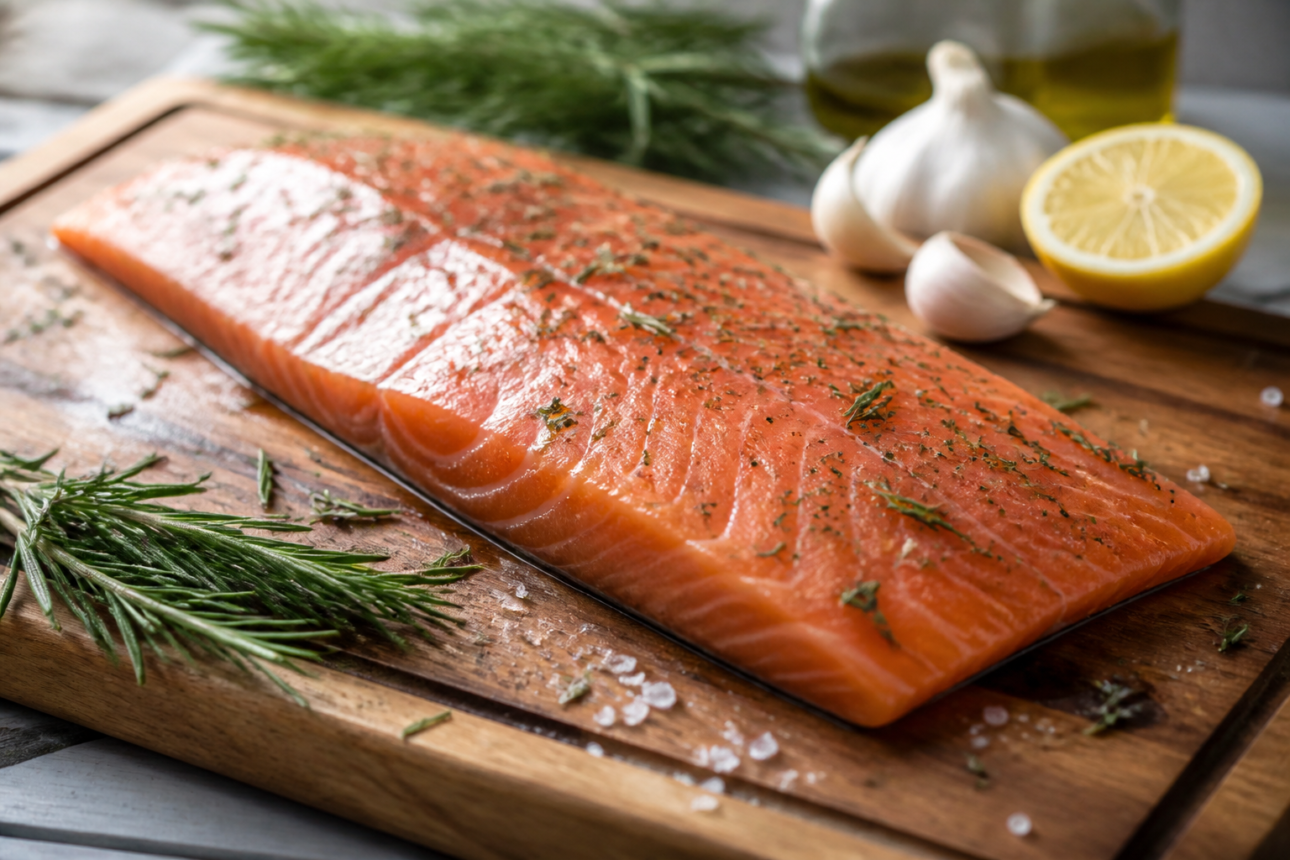
Salmon is a nutritional powerhouse when it comes to skin health. It is rich in omega-3 fatty acids, which inhibit pro-inflammatory molecules that contribute to breakouts. According to Healthline, these healthy fats help soothe the skin from the inside out.
Regularly eating this fatty fish supports healthy skin cell turnover. This aids in the recovery of damaged, acne-prone skin. If you are struggling with persistent redness or irritation, consider swapping your standard protein for a portion of wild-caught salmon twice a week.
2. Easy Steel-Cut Oats
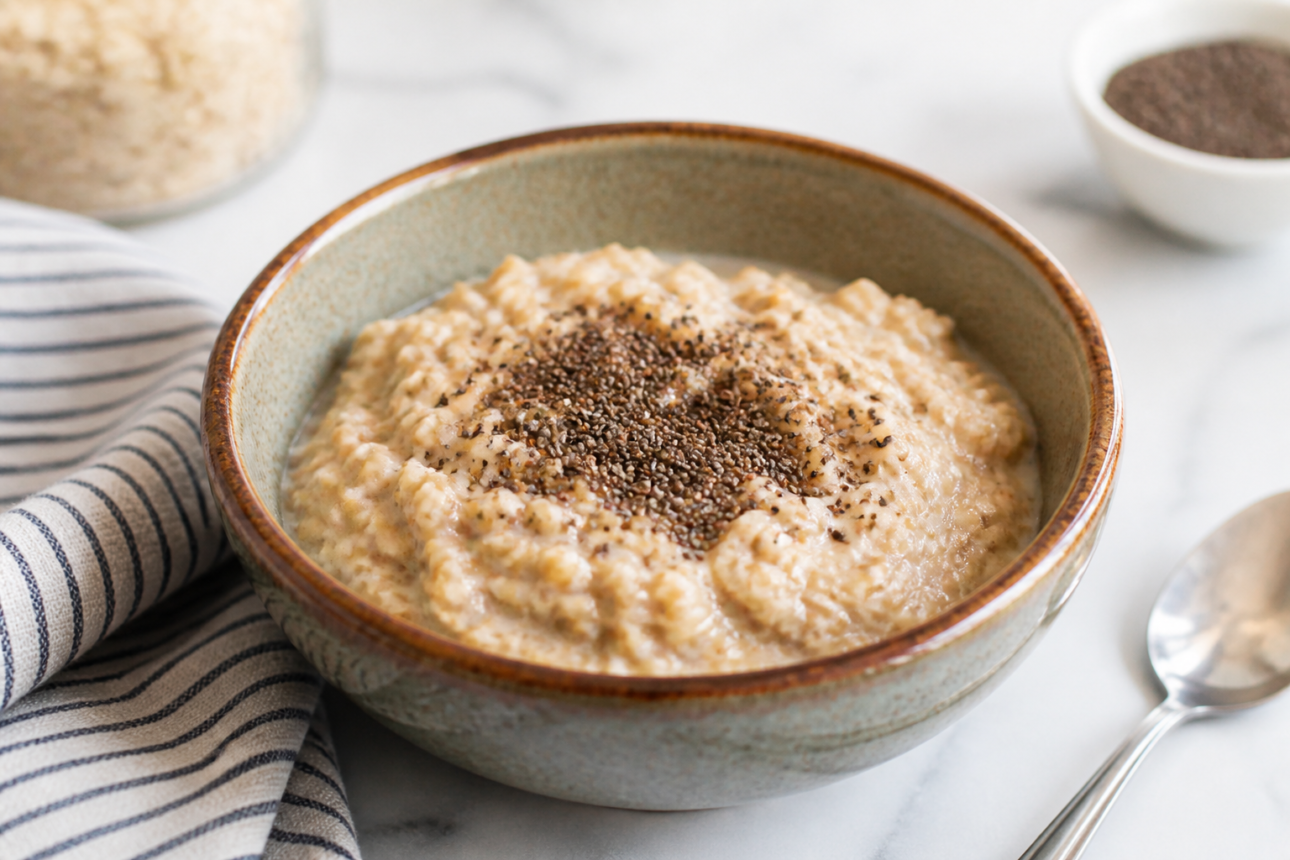
Steel-cut oats provide a complex carbohydrate source that releases glucose slowly. This gradual process prevents the insulin spikes that often trigger excessive oil production in the skin. Because they are minimally processed, they keep you full while stabilizing your blood sugar levels.
The high fiber content in these oats also promotes gut health. Science increasingly links a balanced gut microbiome to improved skin clarity. If you are looking for 13 Genius DIY Embroidery Ideas for Beginners to keep your hands busy while you snack, make sure you pair that time with a bowl of warm, fiber-rich oats.
3. Genius Pumpkin Seeds
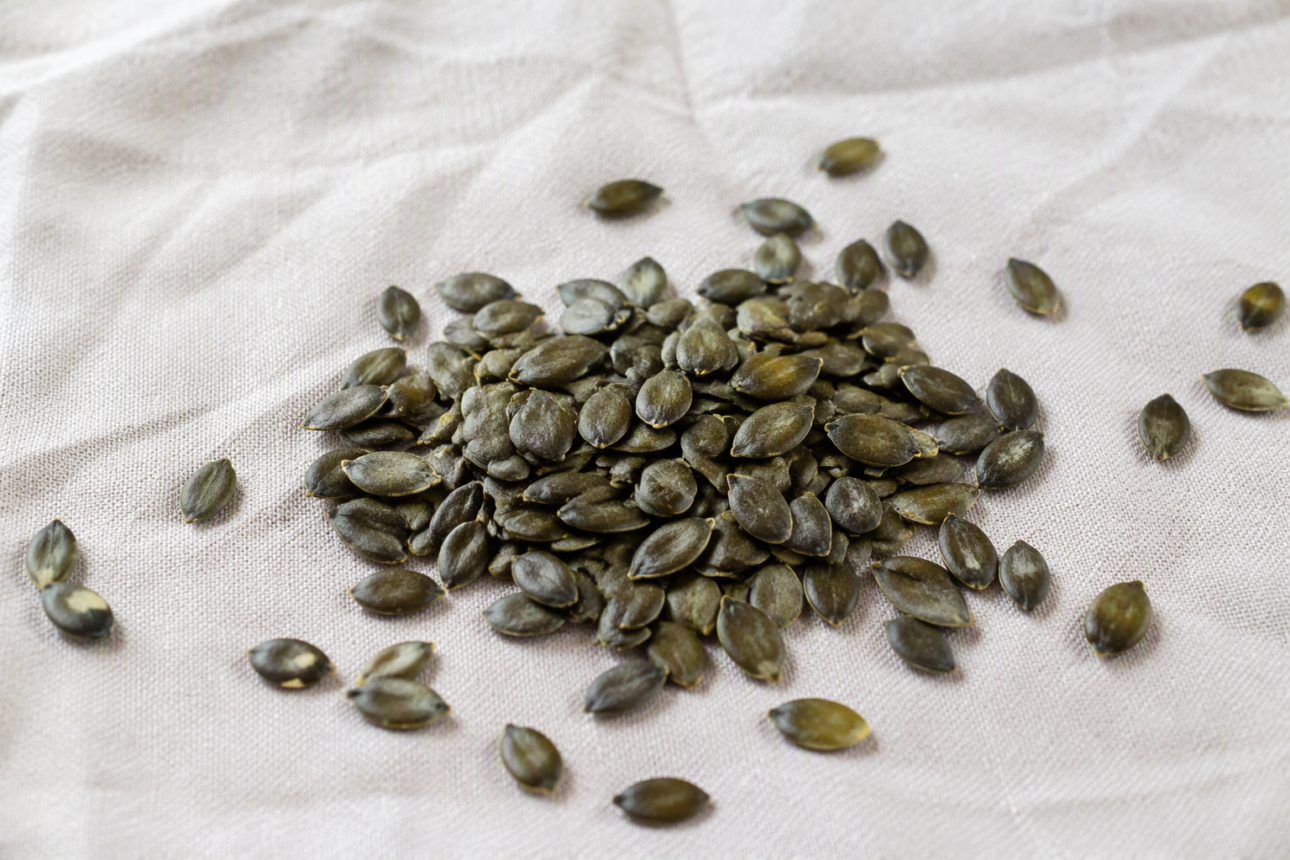
Pumpkin seeds are a dense source of zinc, a mineral clinically noted for its role in wound healing. Zinc helps regulate sebaceous gland activity, which means less clogging of your pores. These small seeds pack a heavy punch for your complexion.
They are easily added to salads, yogurt, or eaten as a portable, acne-friendly snack. I keep a small jar of them in my desk drawer. They provide a quick, crunchy fix that keeps my skin happy without the sugar found in candy.
4. Beautiful Blueberries
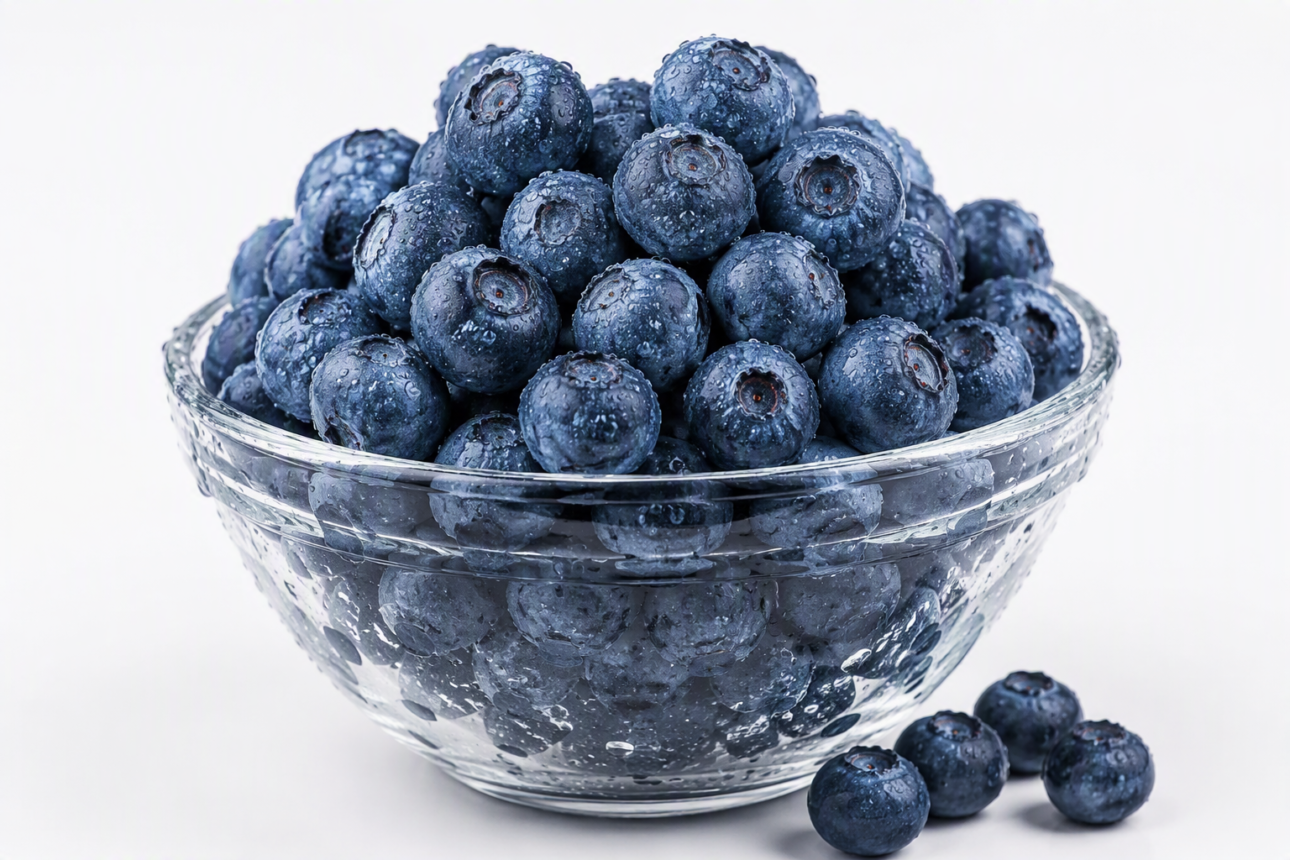
Blueberries are packed with antioxidants that combat oxidative stress within the skin. When your skin cells are protected from free radical damage, they can focus on repair rather than fighting inflammation. These berries are also low in sugar compared to other snacks.
Their natural, low-glycemic sweetness provides a healthier alternative to refined sugars. Refined sugars are known culprits in worsening acne symptoms. Grabbing a handful of berries is a simple way to satisfy a craving without disrupting your blood sugar.
5. Stunning Lentils
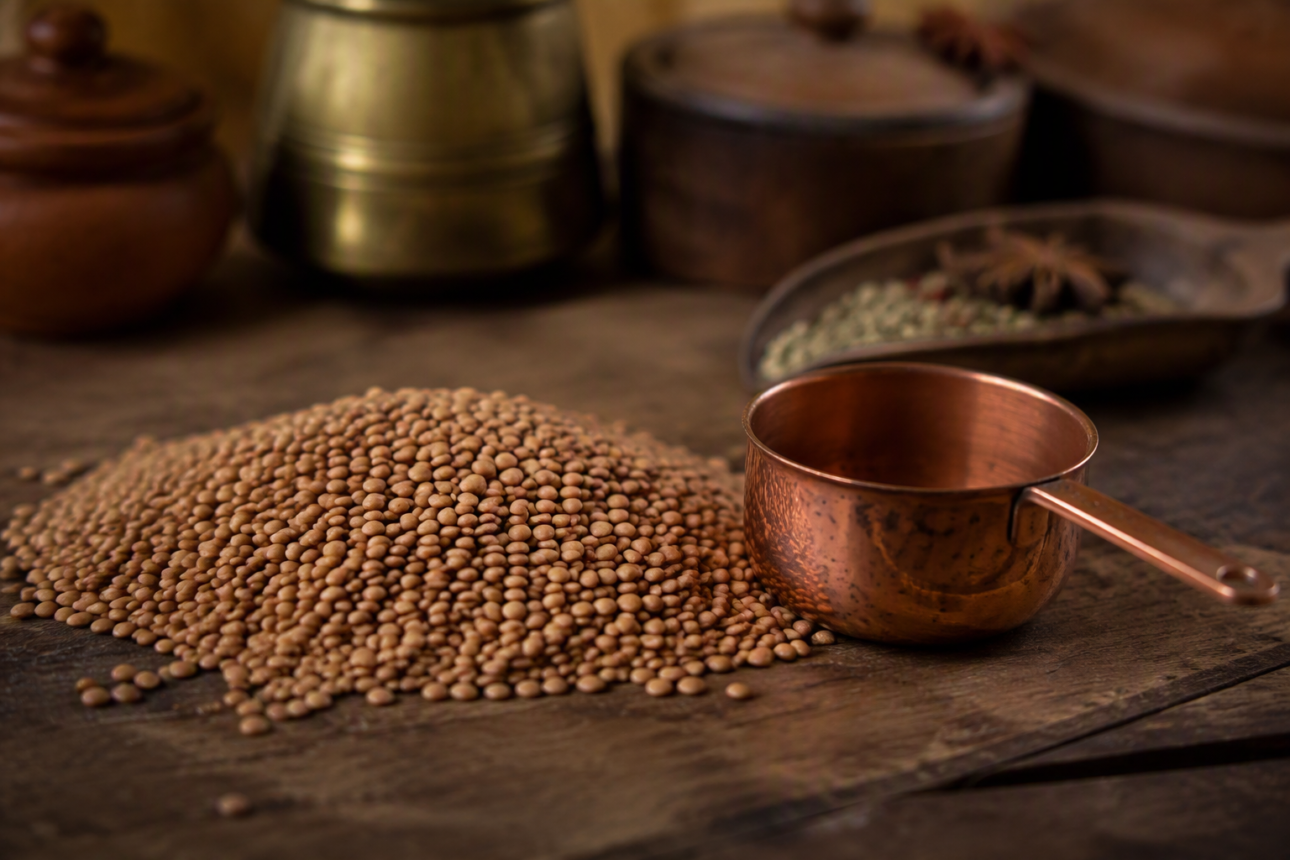
Lentils are a powerful legume that serves as a staple for any low-glycemic diet. They offer an abundance of plant-based protein and fiber. This combination helps keep your digestion moving and your glucose levels steady.
Beyond their macro profile, lentils contain essential micronutrients that help strengthen the skin’s protective barrier. Dexeryl notes that keeping this barrier strong is essential for long-term skin health. They are a great base for soups, stews, or salads.
6. Smart Walnuts
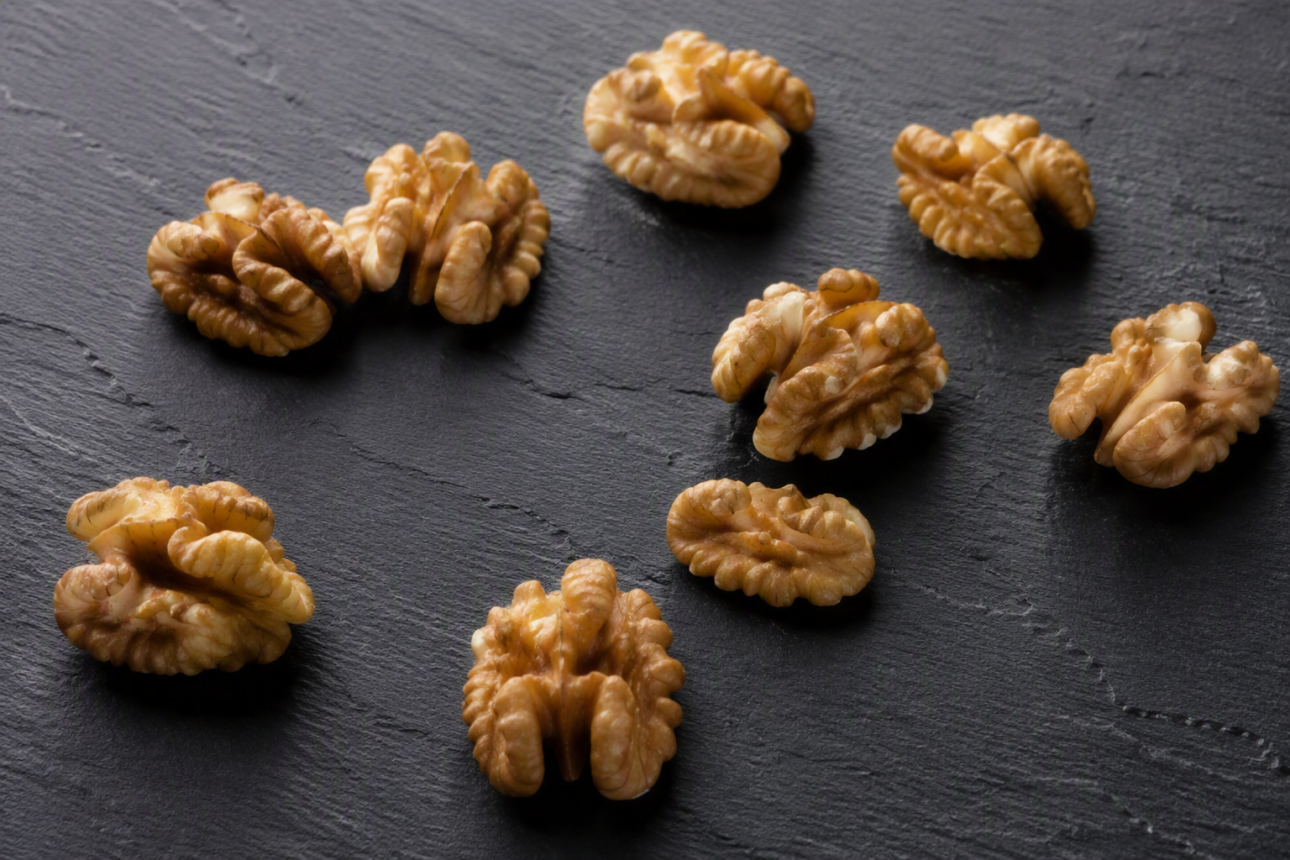
Walnuts provide a fantastic plant-based source of alpha-linolenic acid, which is a type of omega-3 fatty acid. These fats provide anti-inflammatory benefits similar to those found in fatty fish. They are one of the most accessible nuts for daily skin support.
They act as a satiating, nutrient-dense snack choice that stabilizes blood sugar between meals. I often mix them with a few dried cranberries for a quick energy boost. It is a satisfying way to avoid the processed snacks that lead to afternoon energy crashes.
7. Amazing Green Tea
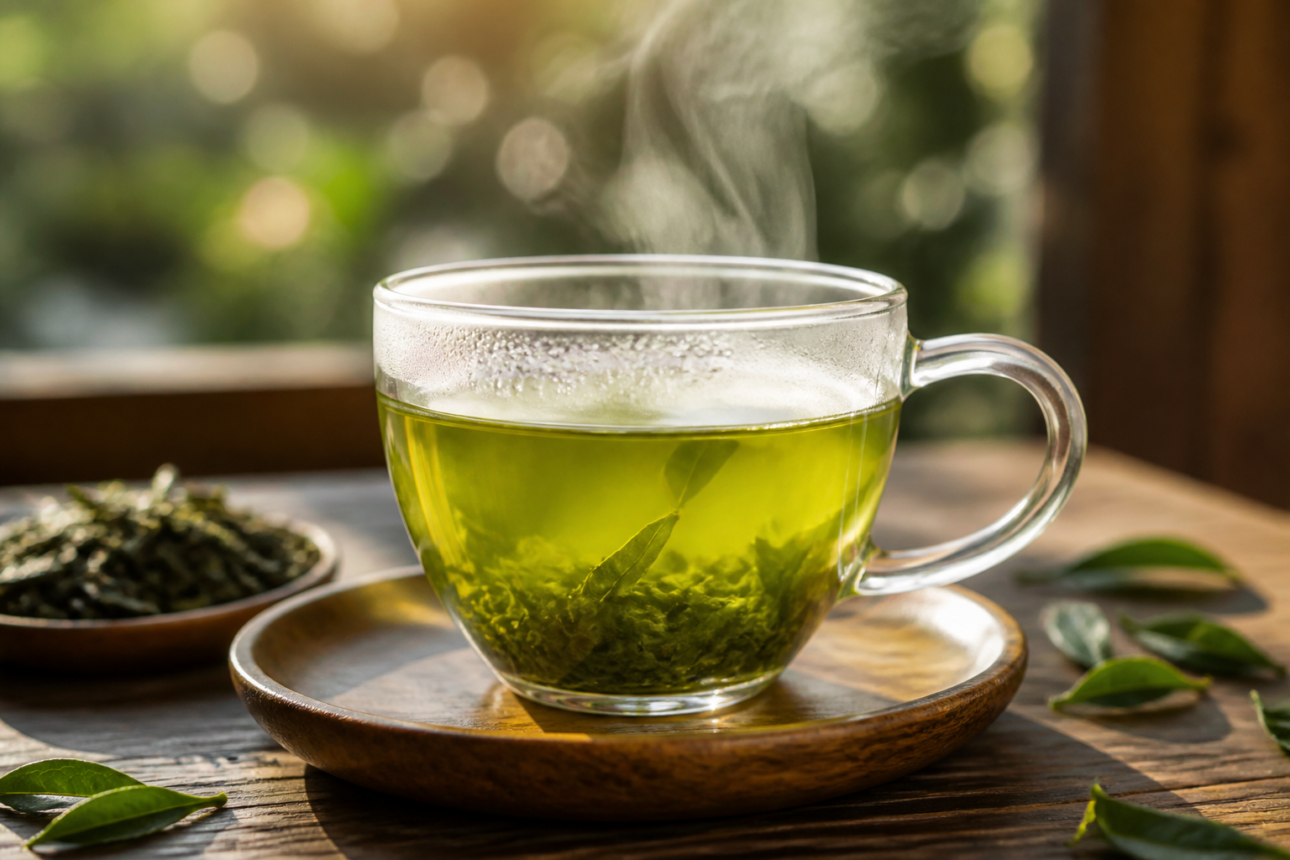
Green tea contains potent antioxidants known as catechins. These compounds help regulate hormone-induced sebum production, which is a common trigger for hormonal breakouts. It is one of the few beverages that actively works with your body to minimize excess oil.
This drink is calorie-free and lacks the sugar found in soda or sweet tea. Hydration is vital for skin elasticity, and drinking green tea is a great way to stay hydrated. It supports clear pores without the negative side effects of sweetened beverages.
8. Proven Spinach
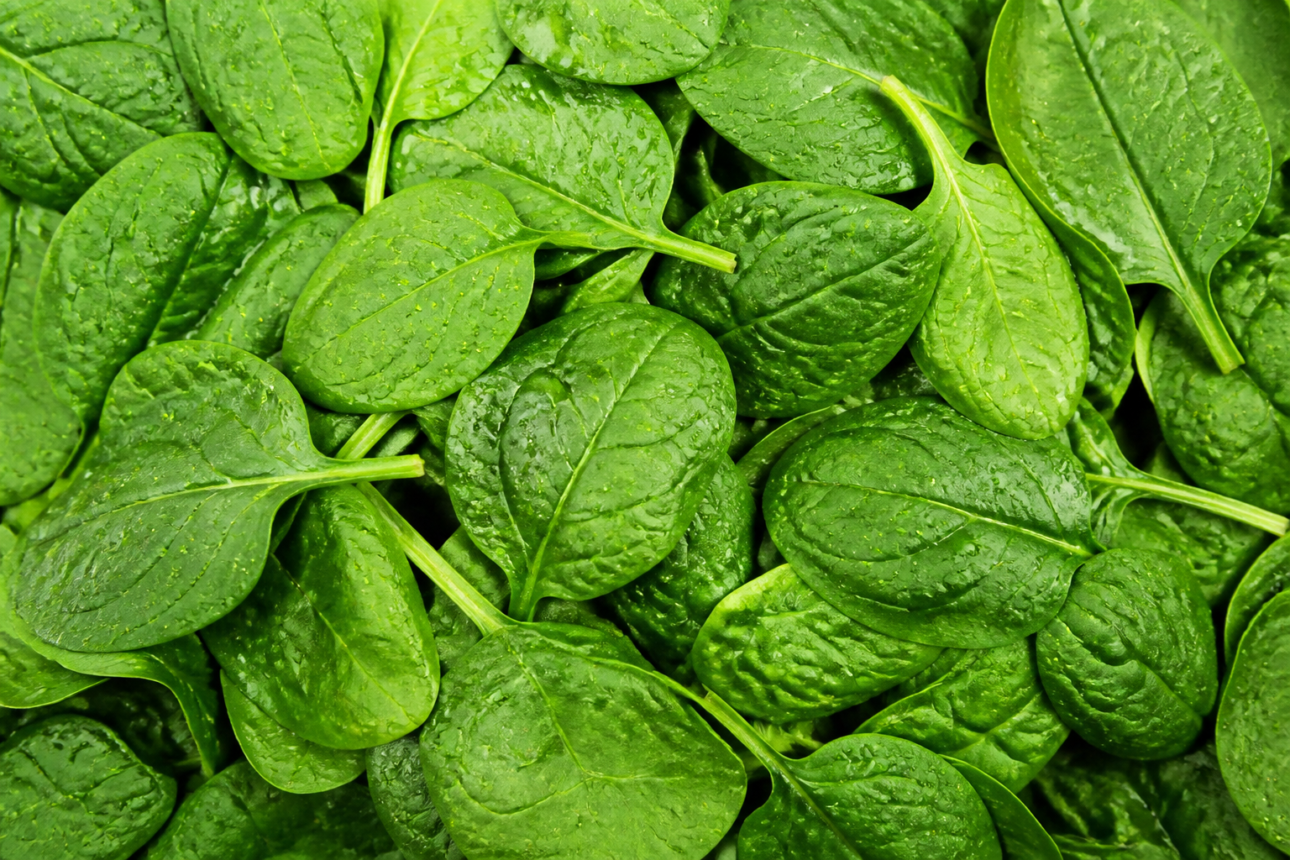
Spinach is packed with vitamins A and E, which are essential for maintaining a clear, resilient complexion. These vitamins act as building blocks for skin health. When you eat them consistently, your skin has a better chance of fighting off daily stressors.
The low-calorie and low-glycemic nature of spinach makes it an ideal filler for meals. You can add it to almost anything without promoting inflammation. It adds volume to your plate while ensuring you get the nutrients your skin needs to glow.
9. Useful Tofu
Tofu provides a high-quality plant protein source. It works well as a direct alternative to dairy products like milk and whey, which can trigger hormonal breakouts in many people. If you suspect dairy is causing your skin issues, tofu is an excellent substitute.
It is versatile enough to replace meat or dairy-heavy ingredients in most savory dishes. Whether you are stir-frying it with vegetables or baking it into a casserole, it keeps your protein intake high. It keeps your diet focused on non-inflammatory, whole-food sources.
| Food Item | Primary Benefit | Why It Helps |
|---|---|---|
| Salmon | Omega-3 Fatty Acids | Inhibits inflammation |
| Steel-Cut Oats | High Fiber | Stabilizes blood sugar |
| Pumpkin Seeds | Zinc | Regulates oil production |
| Green Tea | Catechins | Reduces excess sebum |
Common Mistakes
Many people think that cutting out all fats is the secret to clear skin. This is a mistake. Your skin needs healthy fats like those in salmon and walnuts to stay supple and repair itself. Another error is believing that diet is the only factor. While food matters, sleep, stress management, and a consistent skincare routine also play a role. If you are looking for 13 Thoughtful Happy Birthday Wishes for Every Woman to send to a friend, remember that self-care goes beyond the dinner plate. Consistency is the most overlooked strategy. Testing a diet change for three days won’t show results. You need at least four to six weeks to notice a shift in your skin.
FAQ
Q: Are omega-3 foods good for acne-prone skin?
Yes. Omega-3-rich foods such as salmon, sardines, mackerel, flaxseeds, walnuts, and some soy foods are repeatedly described as helpful because they may reduce inflammation. The evidence is suggestive rather than definitive, but omega-3 foods are among the most commonly recommended acne-supportive foods. Incorporating these into your weekly routine provides the fatty acids necessary for skin health and inflammation management.
Q: Which fruits are best for acne?
Berries are the most consistently highlighted fruit group because they provide antioxidants with relatively low sugar load. Several sources also include apples, grapefruit, oranges, cherries, pears, and peaches as part of an acne-friendly, low-glycemic fruit pattern. The best choice is usually whole fruit rather than juice or sweetened fruit products. Whole fruits offer fiber that balances the natural sugars, making them a safe choice for your skin.
Q: Do high-fiber foods actually improve acne?
They may help, mainly by supporting better blood sugar control and reducing inflammatory swings after meals. Research from sources like WebMD suggests that people who eat a lot of fiber may see acne improve, though the exact reason is not fully known. Beans, lentils, oats, apples, and carrots are common high-fiber examples that support both digestion and skin clarity.
Q: Should I avoid sugar if I get acne?
Limiting added sugar is one of the most common acne-diet recommendations. High-sugar foods and drinks can raise glycemic load, which may contribute to the insulin-related hormonal changes linked with acne. The sources consistently recommend replacing sugary snacks and drinks with whole foods instead to lower systemic inflammation and prevent spikes in oil production.
Q: What snacks are best for acne-prone skin?
Good snack options include pumpkin seeds, unsalted nuts, fruit, vegetables, oats, and other minimally processed foods. Dermatology-focused sources emphasize snacks that are lower in sugar and richer in fiber, zinc, or omega-3s. That makes them more likely to support stable blood sugar and lower inflammation. Choosing these over processed alternatives gives your skin the nutrients it needs to heal.
Q: Does food alone cure acne?
No. Healthline and WebMD both say food alone does not cause or prevent acne, and that there is not enough evidence to say diet can heal acne completely. Diet is best viewed as one part of acne management alongside skincare and, when needed, medical treatment. Using food to support your skin is a great strategy, but it works best as part of a complete health approach.
Q: How long should I test an acne-friendly diet?
Several acne-diet guides recommend tracking food and symptoms for a few weeks to see whether personal triggers exist. One 2026 guide suggests keeping a food diary for 4 to 6 weeks, which is long enough to notice recurring patterns for many people. This matters because acne triggers vary from person to person, and your body needs time to adjust.
My Experience With 12 Best Foods for Clear Skin Everyone Should Know
I spent years battling skin issues before I realized that my afternoon soda and bag of chips were not doing me any favors. When I finally started focusing on the foods listed here, the shift wasn’t overnight. It was subtle. I started with simple swaps: swapping my sugary latte for green tea and my afternoon cookie for a handful of walnuts. The biggest realization? It’s not about restriction. It’s about replacing the inflammatory culprits with real, nutrient-dense food.
I found that once I started prioritizing high-fiber foods like steel-cut oats, my digestion stabilized, and the afternoon breakouts I used to get began to fade. It’s funny how we spend so much on topical creams while ignoring the internal fuel that builds our skin cells every day. That said, don’t stress if you have a piece of cake at a party. The goal is a consistent pattern, not perfection. If you keep a food journal for a month, you will likely see which specific foods make your skin angry. Have you ever tracked your diet to see if certain foods trigger your breakouts?
Conclusion
Managing acne is rarely about finding a single magic bullet. It is about building a foundation of nutrient-rich, anti-inflammatory, and low-glycemic choices that support your body. By integrating salmon, pumpkin seeds, lentils, and fresh produce into your routine, you are providing your skin with the tools it needs to repair and protect itself. Focus on steady progress, keep an eye on how your skin reacts over several weeks, and remember that patience is part of the process.
References
- Healthline. (2024, January 10). Anti-Acne Diet: Can Food Help or Worsen Acne?. Healthline. https://www.healthline.com/health/anti-acne-diet
- Divine Dermatology. (n.d.). Healthy Eating Tips for Acne and Better Skin Care. Divine Dermatology. https://www.divinederm.com/blog/best-worst-foods-acne/
- Charleston Dermatology. (n.d.). Smart Snacks: Best and Worst Foods for Acne-Prone Skin. Charleston Dermatology. https://charlestondermatology.com/smart-snacks-best-and-worst-foods-for-acne-prone-skin/
- Dexeryl. (2026, February 12). Acne and Diet: Foods to Favour and Avoid. Dexeryl. https://www.dexeryl.com/en/your-skin/acne/influencing-factors/acne-feeding
- Vinmec. (n.d.). 10 Foods to Fight Acne and Build Skin Protective Barrier. Vinmec. https://www.vinmec.com/eng/blog/10-anti-acne-foods-that-help-build-skins-protective-layer-en
- WebMD. (2024, May 20). Chocolate. WebMD. https://www.webmd.com/skin-problems-and-treatments/acne/ss/slideshow-acne-best-worst-foods
- Medical News Today. (2024, July 14). Anti-acne diet: What to eat for clearer skin and fewer pimples. Medical News Today. https://www.medicalnewstoday.com/articles/322639
- Healthline. (2024, August 22). Hormonal Acne Diet: What to Eat to Improve Your Acne. Healthline. https://www.healthline.com/nutrition/hormonal-acne-diet

Sarah Anderson . J
I’m the mom behind Wise Mom Blogger, where everyday creativity meets real-life motherhood. I share easy DIY crafts, cozy knitting and crochet projects, beginner-friendly sewing ideas, and family-tested recipes—plus quick baking hacks that make homemade feel doable on busy days.