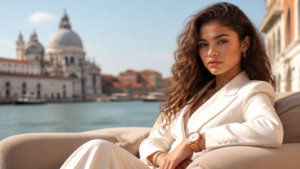
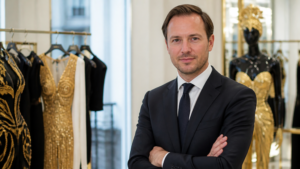
What makes a truly great expensive clothing brand stand out from every other womens fashion label you test on your closet budget? Whether you plan a spring gala or a winter wedding, choosing premium pieces changes how you carry yourself all day long. I track these luxury womenswear names closely because their construction holds up season after season. High-end labels rarely chase fast trends, so your designer wardrobes stay sharp without constant replacement. Pick clean basics or structured dresses based on where you actually walk into rooms. Ready to see which names earn your wardrobe space?
Quick Questions and Answers
Question: What are the most expensive womens clothing brands?
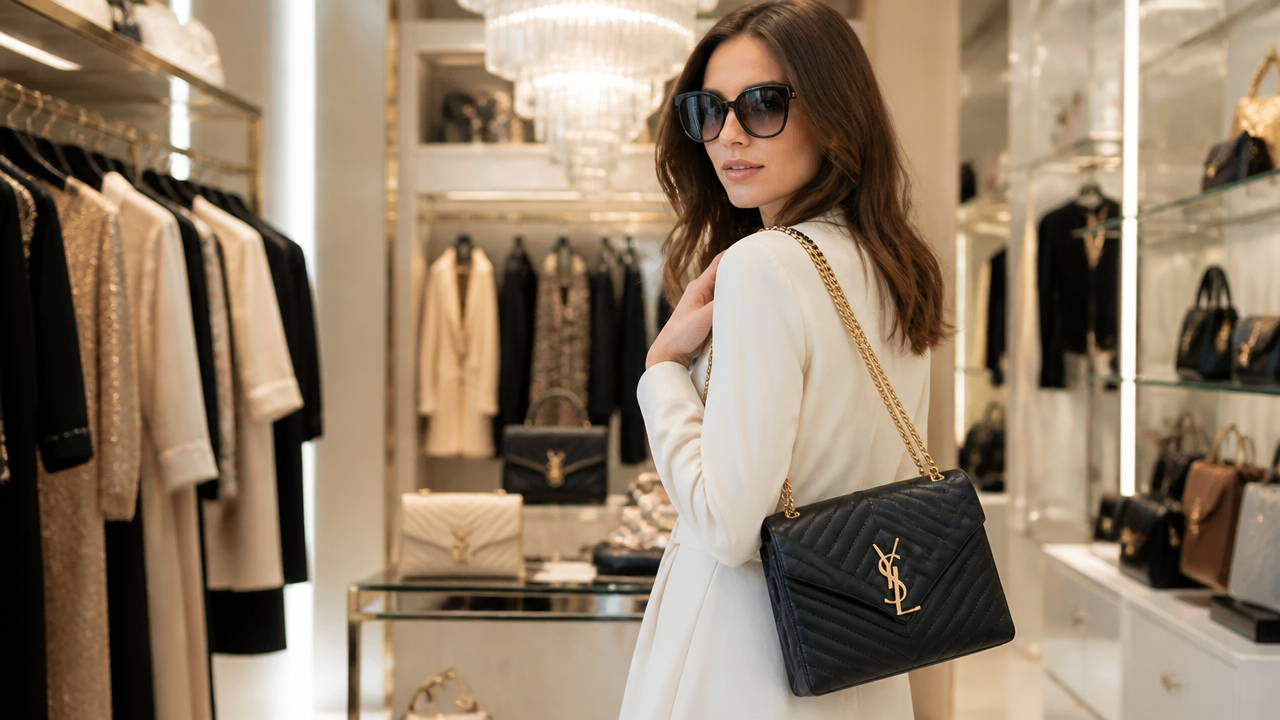
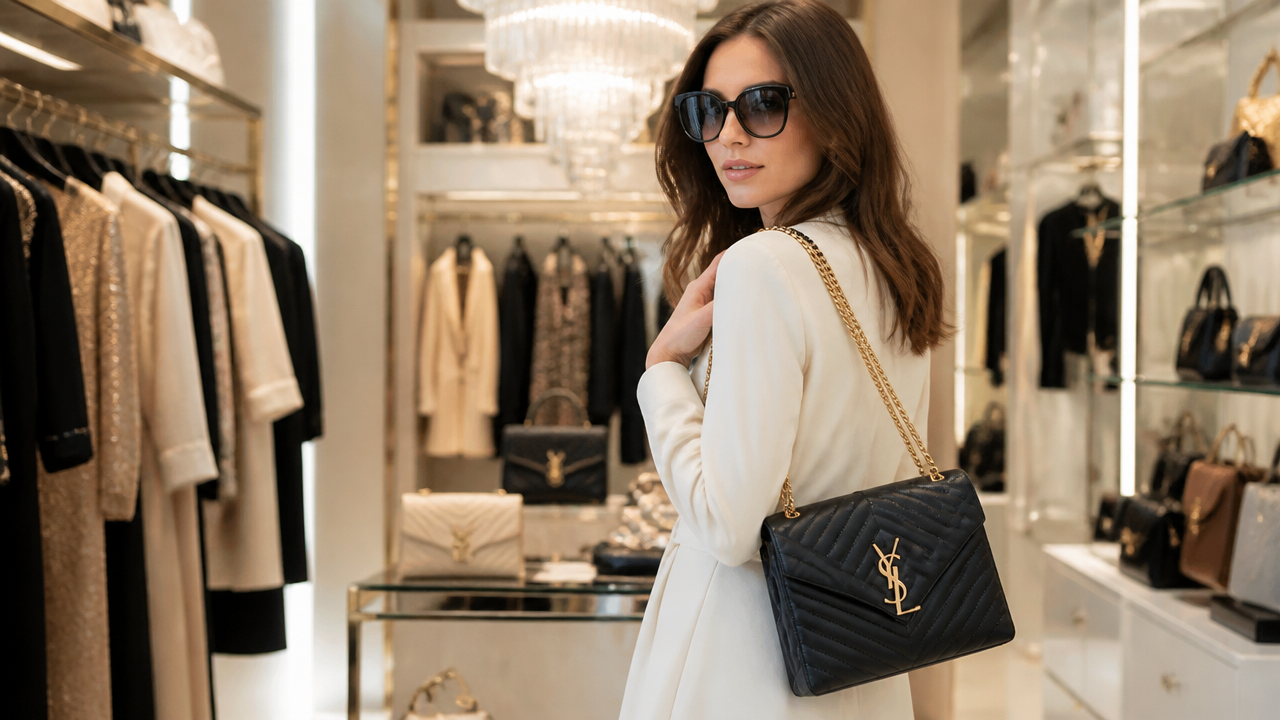
Answer: You will repeatedly see Hermès, Chanel, Louis Vuitton, Gucci, Dior, Prada, Versace, Fendi, Yves Saint Laurent, and Burberry named as the top tier. These labels build value through heritage, strict exclusivity, and massive global recognition rather than a fixed price tag. Fashion rankings consistently group them together because shoppers pay for history and craftsmanship alongside the actual garment.
Question: Which luxury brands are best for women’s dresses?
Answer: For standout dresses, Valentino, Chanel, Carolina Herrera, and Dior consistently lead the conversation. Their design archives specialize in formal occasions, classic elegance, and bold modern silhouettes. Shoppers should match the brand to their specific needs, whether that means event-ready gowns or polished urban separates that still deliver a feminine edge.
Question: Why are expensive clothing brands so costly?
Answer: Brand prestige and global market value drive those steep receipts. Luxury houses sell exclusivity and artisanal techniques that mass producers cannot replicate. Buyers pay for decades of reputation, limited production runs, and materials sourced from specialized European workshops. You fund the entire ecosystem behind the logo.
Key Takeaways
Heritage matters more than hype when judging luxury pricing.
Dresses require matching the brand silhouette to your personal style.
Premium costs cover craftsmanship, scarcity, and long-term durability.
Department stores curate these names for easy comparison shopping.
1. Hermès
Hermès sits at the absolute peak of global luxury ranking systems. You will find this French house listed alongside major financial publications that track brand value year after year. The company builds its reputation on uncompromising craftsmanship rather than flashy marketing campaigns. Each leather piece often goes through multiple artisan hands before leaving the workshop. Women buy Hermès items as long-term investments because the quality refuses to deteriorate with regular wear. The brand operates on intentional scarcity, making availability a conversation starter rather than a guarantee. Choose Hermès when you want a cornerstone piece that survives shifting trends and daily use.
2. Chanel
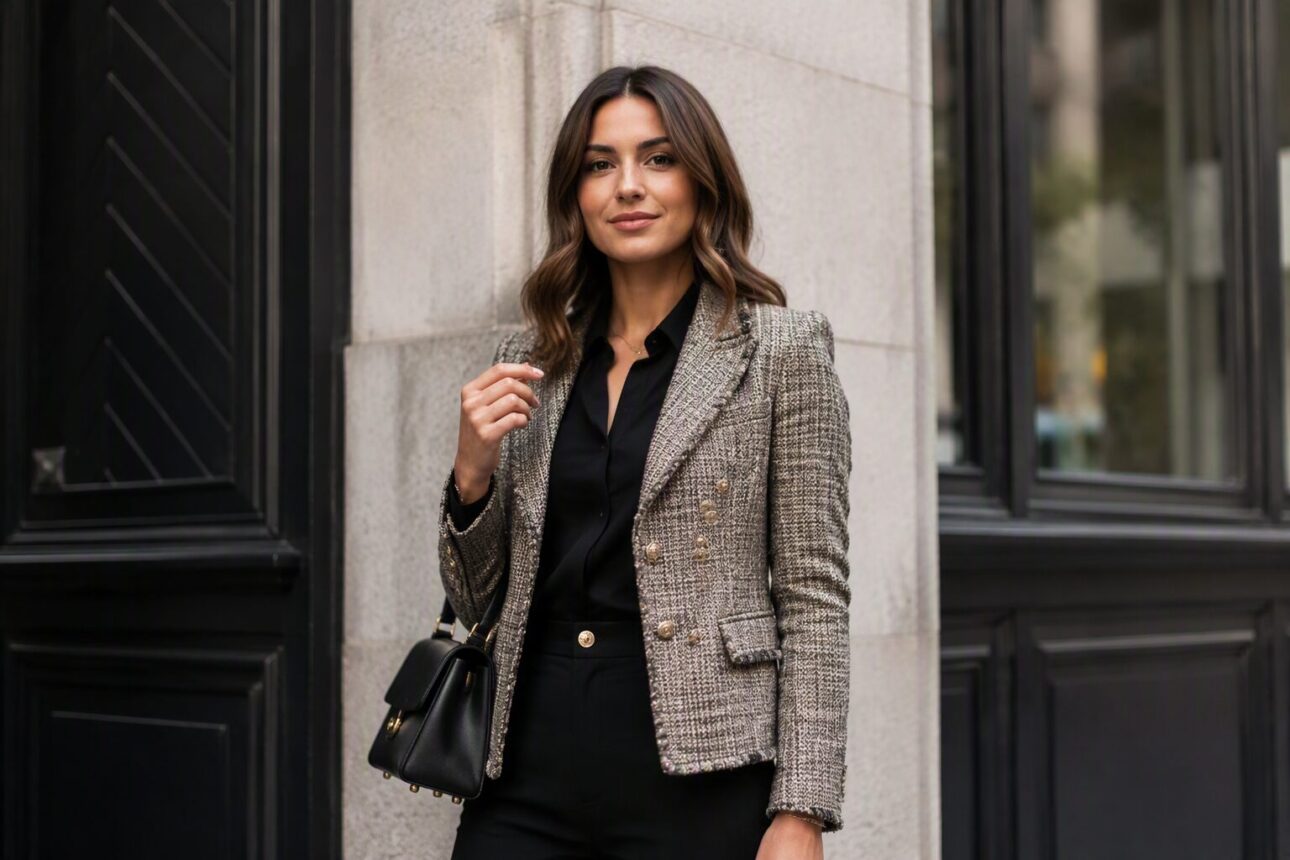
Chanel functions as a permanent benchmark in the luxury sector. Business analysts and fashion editors alike cite its consistent brand equity across retail, editorial, and historical contexts. The label relies heavily on timeless design language instead of temporary micro-trends. Classic tweed jackets and quilted bags anchor collections that repeat successfully across generations. You get exceptional fabric weight, precise stitching, and hardware that resists tarnishing over time. Many shoppers treat Chanel purchases as heirloom-grade staples meant to live in closets for decades. The brand rewards patience and rewards traditional silhouettes that never feel dated.
3. Louis Vuitton
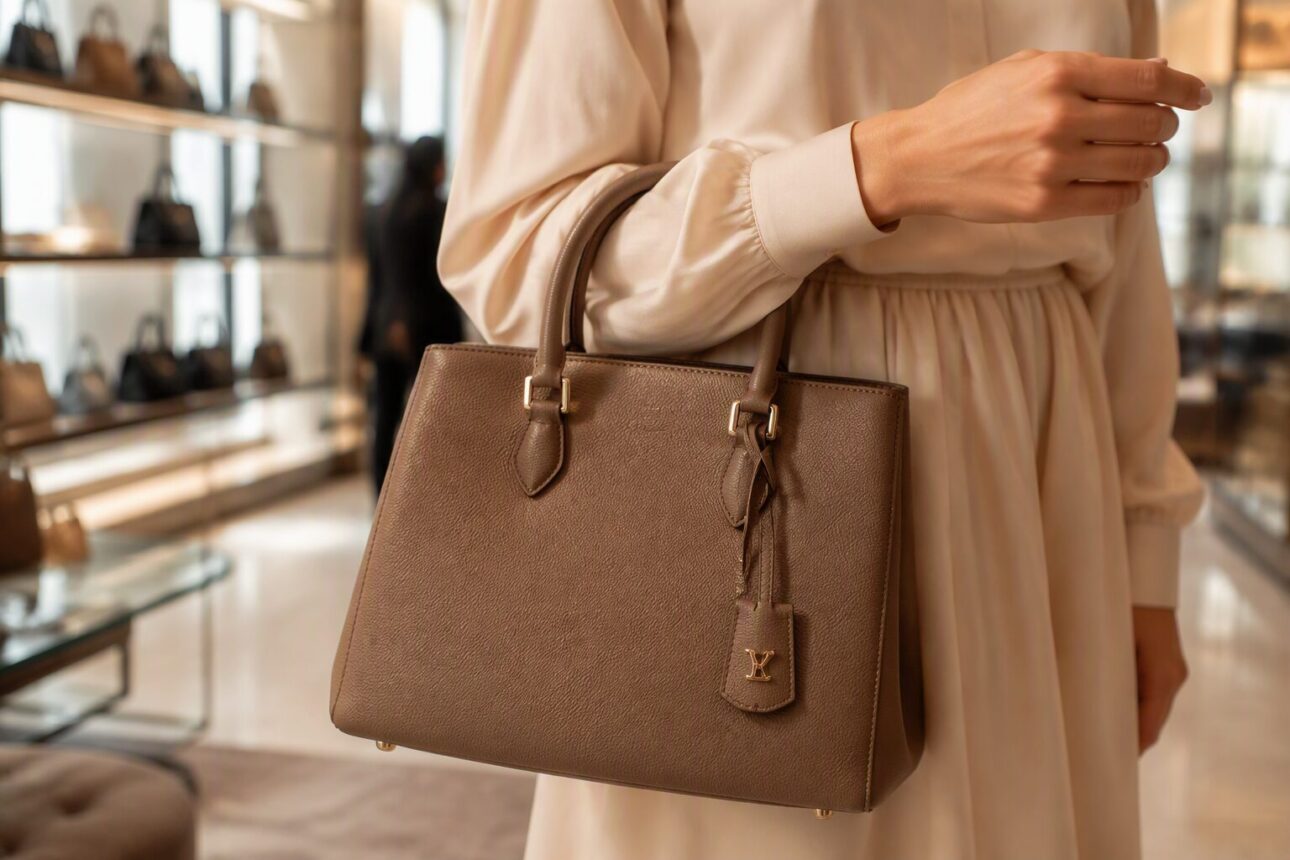
Louis Vuitton anchors the ultra-luxury segment with unmatched global recognition. Industry trackers consistently rank the house among the most valuable fashion companies worldwide. The brand blends status signaling with serious architectural attention to tailoring. Their ready-to-wear lines feature structured shoulders, heavyweight wools, and technical fabrics that move differently than standard apparel. Buyers recognize the monogram instantly, yet the clothing itself carries substantial construction quality. You pay for a recognizable symbol that also delivers premium comfort and durability. Louis Vuitton works best when you want visibility paired with undeniable material standards.
4. Gucci
Gucci dominates conversations about expensive womenswear through bold aesthetics and sustained market influence. The label thrives on distinctive visual codes that customers associate immediately with high spending tiers. Recent collections lean heavily into vintage-inspired cuts combined with modern textile innovations. You will notice generous proportions, luxurious velvet trims, and hardware that demands attention. Resale markets remain strong because Gucci pieces hold their shape and retain desirable colorways. The brand appeals to shoppers who want loud luxury without sacrificing tailoring precision. Gucci earns its place when confidence and recognition matter just as much as comfort.
5. Christian Dior
Christian Dior maintains elite status through deep historical roots and continuous design excellence. Fashion analyses consistently place the house in the upper echelon of expensive labels because its archive influences modern street style constantly. The brand excels at flowing silhouettes, precise boning, and sumptuous lacework that elevates simple shapes. Women choose Dior when they want structured elegance that photographs beautifully and feels substantial on skin. The tailoring respects traditional European sizing while adapting to contemporary movement needs. Dior proves that heritage stays relevant when craftsmanship never takes shortcuts.
6. Prada
Prada separates itself through a clever mix of modern innovation and old-world luxury discipline. The Italian house prioritizes experimental fabrics alongside rigorous construction standards. Nylon革 became a signature statement years ago, and the brand continues pushing material boundaries. You will find clean lines, minimalist hardware, and thoughtful interior pockets that prioritize real-world utility. The aesthetic leans intellectual rather than overtly flashy, which attracts shoppers who prefer subtle dominance over loud logos. Research from FashionUnited highlights Prada as a consistently top-tier brand across valuation metrics. Prada works best when you want intelligent design that ages gracefully.
7. Versace
Versace occupies a firm spot in the highest pricing brackets due to its unmistakable dramatic flair. The brand specializes in high-status aesthetics that command immediate attention. Gold-medallion prints, snake motifs, and razor-sharp draping define many seasonal releases. Fabric choices lean toward heavy silk blends and stiffened satin that hold their shape aggressively. You invest in Versace when you want occasion-heavy outfits that photograph exceptionally well. The label does not shy away from opulence, and that commitment keeps collectors returning. Versace succeeds when boldness outweighs understatement in your personal style goals.
8. Fendi
Fendi rounds out the premier Italian luxury cohort with consistent presence across expensive-brand rankings. The house emphasizes rich fur alternatives, woven leather accents, and meticulous surface detailing. Shopping guides note Fendi as a go-to for sophisticated outerwear and refined handbags that complement tailored clothing. The brand balances playful hardware with serious garment engineering, ensuring seams align perfectly under movement. Buyers appreciate how Fendi pieces transition smoothly from boardroom meetings to evening events. The label avoids chasing fleeting viral moments, preferring steady evolution instead. Fendi remains a reliable choice when you value heritage craftsmanship wrapped in modern proportions.
9. Calvin Klein
Calvin Klein occupies the premium tier rather than the ultra-luxury bracket. The brand focuses heavily on clean lines, minimalist architecture, and everyday wearability. You will find straightforward cuts, neutral palettes, and reliable stretch fabrics that resist pilling. Shopping recommendations position Calvin Klein as a staple for office essentials and relaxed weekend layers. The label bridges gap between accessible pricing and designer-level finish by streamlining its production approach. Many shoppers rely on Calvin Klein for underwear sets, blazers, and denim that hold up through frequent washing. You choose this brand when functionality and polish outweigh conspicuous branding.
10. Tommy Hilfiger
Tommy Hilfiger targets the casual premium segment with comfortable yet refined silhouettes. The brand specializes in American coastal aesthetics mixed with professional readiness. You will notice preppy stripes, sturdy cotton twill, and classic button-down cuts that never feel outdated. Quality control sits comfortably above mass-market retailers while staying noticeably lighter on the wallet than couture houses. Wardrobe builders use Tommy Hilfiger to fill out versatile basements that transition easily between work lunches and weekend brunches. The label succeeds by proving affordable luxury still requires solid thread counts and balanced hems. Pick Tommy Hilfiger when you want dependable style without extreme price tags.
11. Guess
Guess operates as a versatile premium label with a strong reputation in denim production. The brand injects character into basic washes through strategic distressing, asymmetric cuts, and modern hardware placement. Shopping frameworks highlight Guess specifically for women who want jeans that sit correctly and survive long commutes. The label sits comfortably between fast-fashion pricing and traditional designer costs, making it an accessible entry point to elevated styling. You will find coordinated tops and jackets that match Guess denim perfectly without extra shopping trips. Guess works best when you prioritize practical fashion that still turns heads in crowded spaces.
12. Morgan
Morgan concentrates heavily on feminine urban styling with a strong emphasis on tailored dresses. The brand understands that many shoppers need polished separates that transition seamlessly from daytime errands to dinner reservations. Cut-and-sew techniques dominate the collection, allowing fabric to drape precisely along natural body lines. You will notice reinforced waistbands, hidden zippers, and lightweight linings that prevent overheating during warm months. Shopping guides recommend Morgan for women who want contemporary structure without committing to couture prices. The label proves that focused specialization beats broad trend-chasing when building a cohesive wardrobe.
Brand
Price Tier
Best For
Signature Strength
Hermès
Ultra-Luxury
Long-term investment pieces
Unmatched leather craftsmanship
Chanel
Ultra-Luxury
Timeless wardrobe anchors
Tweed construction & heritage
Calvin Klein
Premium
Everyday basics & office wear
Clean minimalism & reliability
Guess
Premium
Denim & casual coordination
Character-forward washes & fit
Morgan
Mid-Premium
Tailored dresses & urban style
Precise draping & feminine cuts
Common Mistakes
Shoppers often confuse loud logos with actual garment quality. A massive logo stitched onto thin polyester will still pill after ten washes. True expensive clothing brands prioritize seam reinforcement, proper lining, and natural fiber blends regardless of their advertising budgets. Another frequent error involves ignoring care instructions. Silk suits and heavyweight wool coats require specific cleaning methods that standard machine cycles ruin quickly. Always read the label before throwing luxury pieces into hot water. Finally, many buyers chase viral runway looks instead of investing in foundational silhouettes. Those statement pieces disappear from your closet within a season. Focus on versatile cuts first. Then add decorative elements later.
FAQ
Q: Can premium brands be worth it for everyday women’s fashion?
Yes, premium brands deliver excellent value when they balance quality, accurate fit, and daily utility. Guides like ecool.es show that labels such as Calvin Klein excel at creating reliable basics and comfortable casual wear. You save money over time because the fabrics resist fading and the seams hold up through frequent washing. Practical wear justifies the price when the garment actually lives in your rotation instead of gathering dust.
Q: How do I choose between luxury and premium women’s brands?
Match your purchase to the garment purpose and your personal budget. Ultra-luxury labels like Hermès or Chanel suit special occasions where status and heritage matter most. Premium options like Boss or Calvin Klein handle daily commuting and office environments better because they offer easier maintenance and lower replacement stress. Check expected lifespan first. Then weigh whether exclusivity outweighs convenience for your specific lifestyle.
Q: Are Guess and Calvin Klein considered expensive brands?
They sit comfortably in the premium or mid-to-upper tier rather than the exclusive luxury bracket. Retail directories list Guess alongside designer names, and fashion guides position both labels as practical choices for denim and clean basics. You pay more than fast-fashion retailers, yet significantly less than couture houses. The pricing reflects solid materials and recognizable branding without the extreme markup tied to historical legacy or handmade atelier production.
Q: Which brands have the strongest reputation in women’s luxury fashion?
Chanel, Hermès, Gucci, Dior, and Prada consistently dominate both expensive-brand lists and global value rankings. Repeated inclusion across independent fashion reports signals durable reputation and widespread international recognition. Those houses maintain steady demand regardless of economic shifts or temporary trend cycles. If social proof and long-term resale stability matter to you, these five provide the safest benchmarks compared to rapidly shifting viral labels.
Q: Where can women find expensive designer brands in retail?
Major department stores frequently stock curated assortments of both premium and luxury womenswear names. A prominent retailer like El Corte Inglés carries dozens of designer labels under one roof, making side-by-side quality comparisons straightforward. You will encounter Boss, Claudie Pierlot, Donna Karan New York, and several regional favorites standing next to established international houses. Availability shifts by region and season, so visiting physical floors often reveals inventory that online filters miss entirely.
Q: Should I buy expensive women’s brands for basics or special occasions?
The answer depends entirely on what you need to wear. Some premium labels shine when producing clean everyday staples that survive repeated laundering. Other luxury houses excel at creating standout pieces with complex tailoring meant for events. The most rational expensive purchases usually involve items you wear weekly or garments that demand flawless fit and finish. Match the price tag to how often the piece actually leaves your closet.
Q: What is the difference between couture and luxury womenswear?
Couture describes highly specialized, custom-fitted garments made to individual measurements. Luxury womenswear covers the broader ready-to-wear market sold through boutique channels and department stores. Most expensive brand lists focus on these ready-to-wear houses because they serve wider audiences while maintaining high production standards. Chanel, Dior, Prada, and Gucci operate primarily in the luxury ready-to-wear category rather than true bespoke couture ateliers.
My Experience With 12 Iconic Expensive Clothing Brands Every Fashionista Knows
I spent three years tracking which labels actually survived my commute, office air conditioning, and questionable laundromat cycles. Hermès taught me patience. Waiting for a single leather bag showed me why artisans refuse to rush. Chanel proved that classic tweed outlives every neon trend cycle by staying stubbornly elegant. Guess surprised me by holding up better than half the skinny jeans I bought at discount counters. The biggest lesson came from Calvin Klein. Sometimes the quietest label in the drawer earns the loudest compliments simply because everything aligns. You learn fast that expensive does not always mean fragile. Proper storage beats fancy packaging every single time. Which brand do you swear by for your daily rotation?
Conclusion.
Investing in high-end fashion ultimately boils down to matching your daily routine with the right construction standards. Some shoppers chase heritage names for weekend visibility. Others seek streamlined premium labels that survive Monday morning chaos without wrinkling. Both approaches work when you prioritize fabric integrity, accurate tailoring, and realistic usage scenarios. The brands listed here earned their reputations through consistent material upgrades and deliberate design choices rather than temporary marketing pushes. Build slowly. Keep receipts. Rotate seasonally. Your closet will thank you for years.
References
unCOMO. (n.d.). Las 10 marcas de ropa más caras – Moda y Estilo. unCOMO. https://www.uncomo.com/belleza/articulo/las-marcas-de-ropa-mas-caras-54216.html
FashionUnited. (n.d.). Las 100 mejores marcas de ropa. FashionUnited. https://fashionunited.es/specials/las-100-mejores-marcas-de-ropa
ecool.es. (2026). Mejores marcas de ropa para mujer en 2026. ecool.es. https://news.ecool.es/mejores-marcas-ropa-mujer/
JAEG. (n.d.). Las 15 mejores marcas de ropa de mujer que más están de moda. JAEG. http://www.jaeg.com.mx/las-15-mejores-marcas-de-ropa-de-mujer-que-mas-estan-de-moda/
El Corte Inglés. (n.d.). Marcas de Ropa · Moda mujer. El Corte Inglés. https://www.elcorteingles.es/moda-mujer/ropa/marcas/
Sarah Anderson . J
I’m the mom behind Wise Mom Blogger, where everyday creativity meets real-life motherhood. I share easy DIY crafts, cozy knitting and crochet projects, beginner-friendly sewing ideas, and family-tested recipes—plus quick baking hacks that make homemade feel doable on busy days.