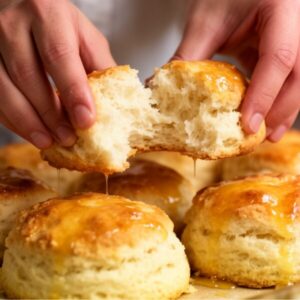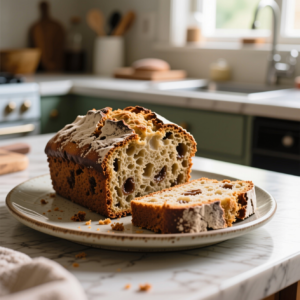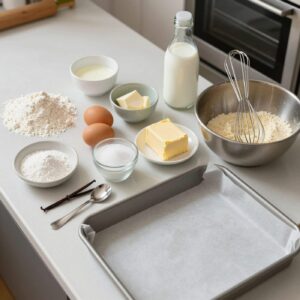
Dreaming of warm, fluffy buttermilk biscuits that rise high and melt in your mouth? These classic fluffy buttermilk style biscuits are the ultimate comfort food, whether you’re serving them at a holiday breakfast, a cozy Sunday dinner, or tucking them into a gift basket for friends. Making homemade buttermilk biscuits is easier than you might think, and the reward is a batch of tender, flaky biscuits with that perfect golden exterior. Learning how to bake buttermilk biscuits from scratch transforms your everyday kitchen into a bakery, giving you the confidence to master this beloved Southern staple. Let’s dive into the secrets that make these biscuits so special and how you can bake them perfectly every time.
Key Takeaways
- Buttermilk’s acidity and fat content work together with baking powder to create lift, height, and fluffiness in your biscuits.
- Freezing and grating butter distributes it evenly throughout the dough, resulting in hundreds of flaky layers.
- White Lily Flour produces lighter, fluffier biscuits due to its lower gluten content, though all-purpose flour works as a reliable alternative.
- Brushing unbaked biscuits with buttermilk and baking in cast iron creates crispy, golden edges.
- The entire process is simple and uses basic pantry staples, making it accessible for beginner and experienced bakers alike.
Quick Answer
To make classic fluffy buttermilk biscuits, combine flour, baking powder, salt, and cold grated butter, then mix in buttermilk until a soft dough forms. Roll out the dough, cut into rounds, brush with buttermilk, and bake in a cast iron skillet at 450°F for 12 to 15 minutes until golden brown. The key to fluffiness lies in buttermilk’s reaction with baking powder and proper cold butter incorporation.
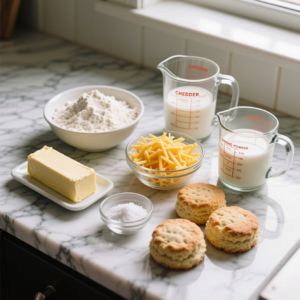
What You Need
| Item | Purpose | Notes |
|---|---|---|
| All-purpose or White Lily Flour | Foundation of the biscuit structure | White Lily produces fluffier results due to lower gluten; all-purpose is a great accessible option |
| Buttermilk | Reacts with baking powder for lift; adds subtle tang | Essential for acidity and fat content; cannot be substituted with regular milk |
| Baking Powder | Primary leavening agent | Works with buttermilk’s acidity to create rise and height |
| Butter (cold) | Creates flaky layers and richness | Must be frozen and grated for even distribution throughout dough |
| Salt | Enhances flavor | Balances sweetness and brightens the overall taste |
| Cast Iron Skillet | Baking vessel for crispy edges | Creates even heat distribution; optional but highly recommended |
| Box Grater | Tool for preparing cold butter | Essential for achieving flaky layers and proper texture |
| Biscuit Cutter or Glass | Cuts dough into uniform rounds | Ensures even baking and attractive presentation |
Step 1: Gather and Prepare Your Ingredients
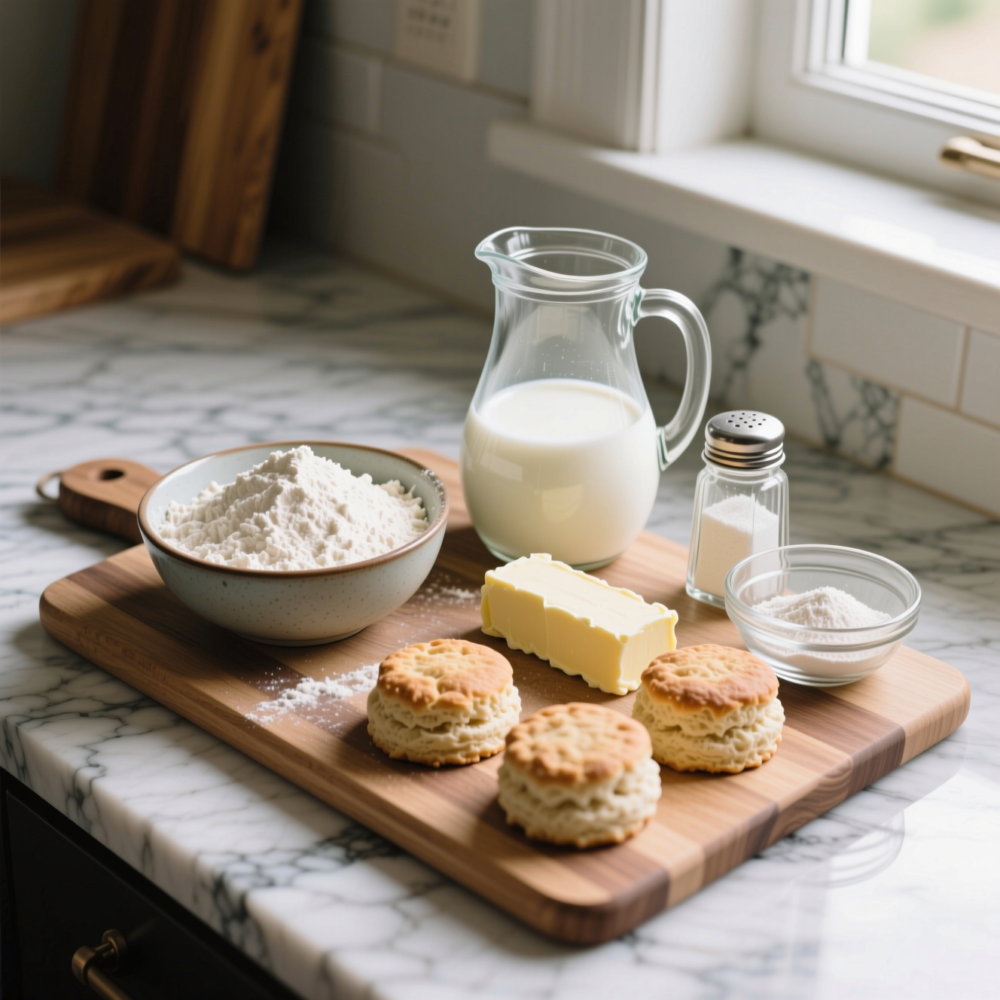
Before you begin mixing, take a few minutes to assemble everything on your counter. This mise en place approach ensures you won’t scramble mid-recipe looking for baking powder or wondering if you have buttermilk on hand. Make sure your buttermilk is cold straight from the refrigerator—this detail matters more than you might expect. Room-temperature buttermilk won’t create the same tender crumb because the warmth begins breaking down the butter before you’re ready.
If you’re choosing between flours, White Lily Flour is the golden ticket for extra fluffy biscuits, though all-purpose flour works beautifully and is easier to find. Place your stick of butter in the freezer for at least 30 minutes before you plan to grate it; frozen butter grates cleanly and incorporates evenly into the flour mixture. Having a cast iron skillet ready at the end also makes a significant difference in the final texture—if you don’t own one, a baking sheet works, but cast iron delivers that coveted crispy edge.
Step 2: Combine Your Dry Ingredients
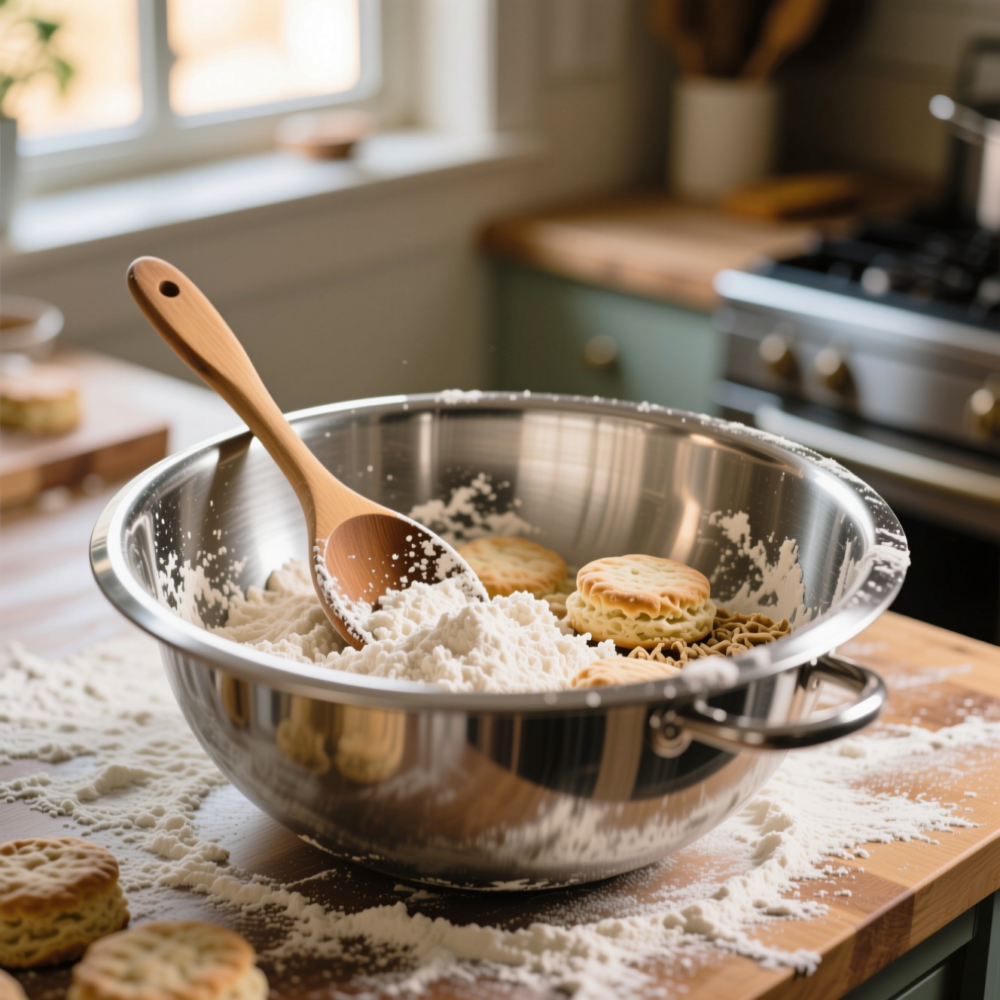
In a large mixing bowl, whisk together your flour, baking powder, and salt. The ratio typically works out to about 2 cups flour, 1 tablespoon baking powder, and 1 teaspoon salt, though you can adjust based on your preferred saltiness. Whisking rather than simply stirring aerates the flour and distributes the baking powder evenly—this small action contributes directly to the rise and fluffiness you’ll achieve.
According to Peak to Plate, buttermilk’s acidity reacts with the baking powder to provide lift, contributing to the biscuits’ fluffiness while also imparting a subtle tang that enhances the overall flavor. Understanding this chemical reaction helps you appreciate why buttermilk is non-negotiable in this recipe. Some bakers prefer using a food processor to combine dry ingredients, which works wonderfully and saves a few minutes of manual whisking. If you go that route, pulse the ingredients together until they’re evenly distributed, then transfer to a bowl before adding the butter.
Step 3: Prepare and Incorporate Cold Grated Butter
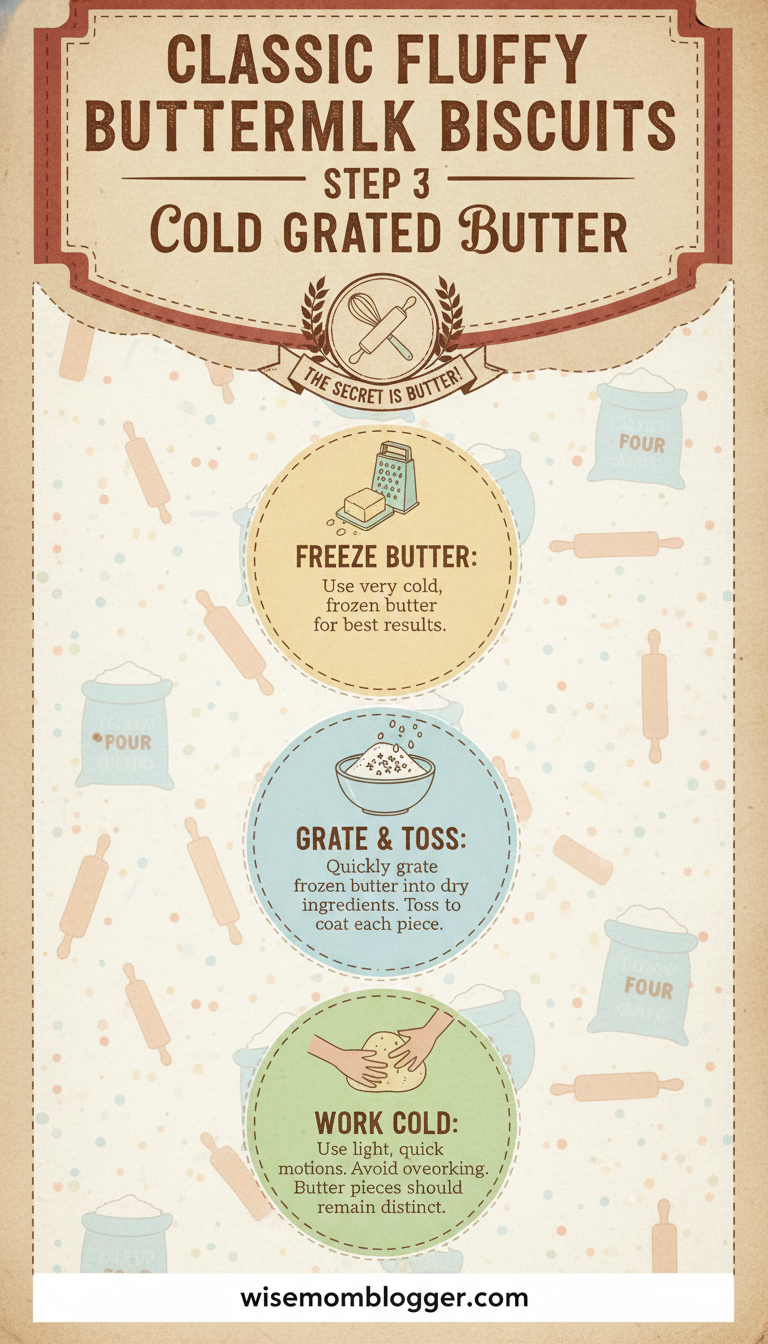
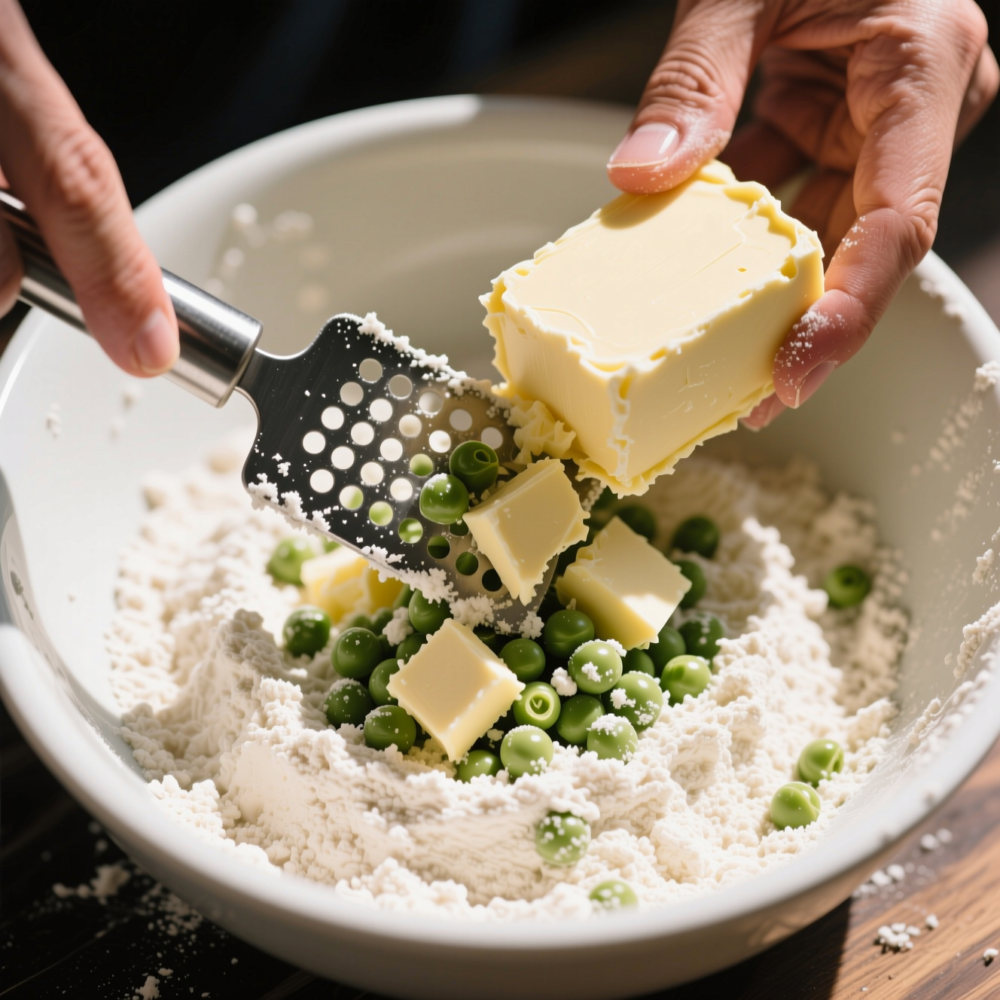
Remove your frozen butter from the freezer and use a box grater to shred it directly into the flour mixture. This technique is transformative—frozen butter grates cleanly and distributes throughout the flour in tiny, distinct pieces rather than blending into a uniform paste. As you grate, toss the butter shreds with the flour using your fingertips or a pastry cutter to coat each piece and keep them separated.
Working quickly is important here because you want the butter to remain cold. The combination of cold butter pieces surrounded by flour creates steam pockets during baking, which produces those hundreds of flaky layers you’re aiming for. Melissa’s Southern Style Kitchen notes that you can freeze the butter and then grate it using a box grater, tossing it with the flour and proceeding with the recipe—this method creates superior flakiness compared to softer butter. Some bakers worry about overworking the dough at this stage, but as long as you’re not crushing the butter pieces into a smooth paste, you’re on the right track.
Step 4: Add Buttermilk and Form the Dough
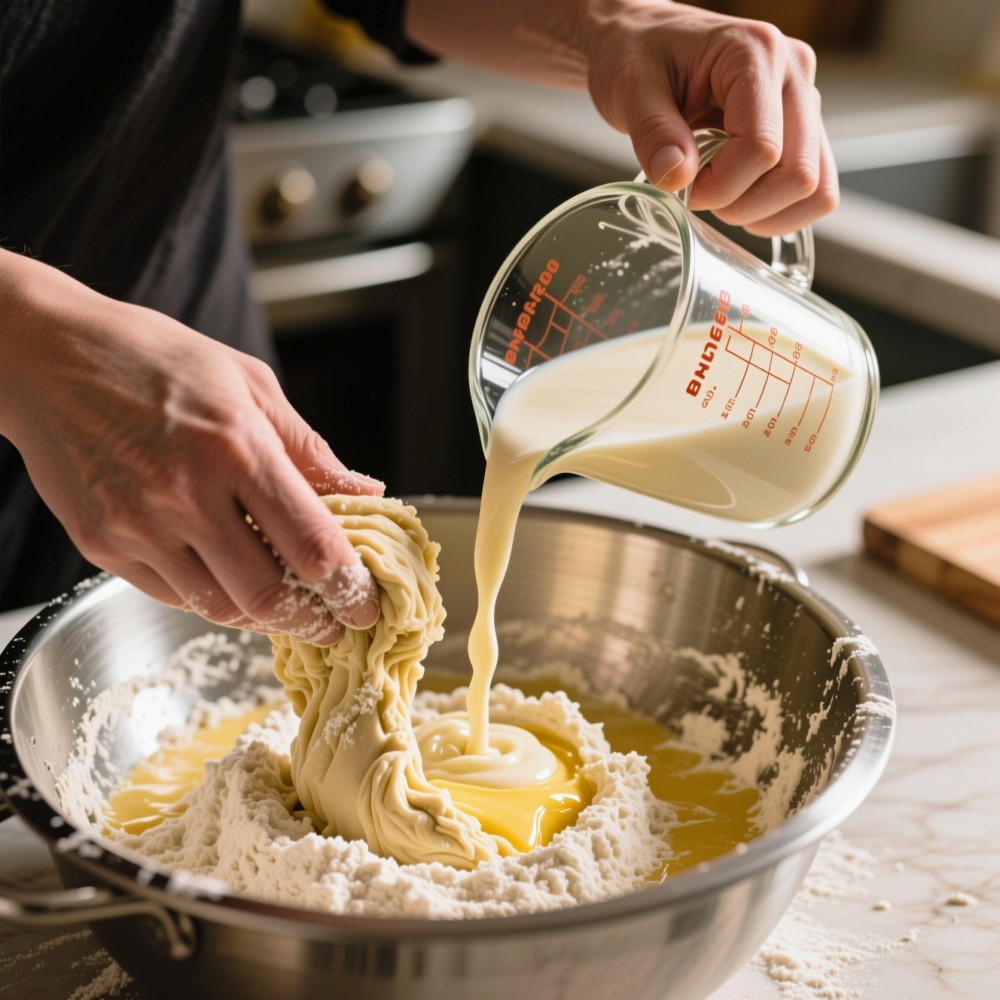
Create a well in the center of your dry ingredients and pour in your cold buttermilk—typically around three-quarters to one cup, depending on your flour’s moisture absorption. Using a fork or your hands, gently bring the flour mixture into the buttermilk, stirring just until a shaggy, wet dough forms. The dough should come together but still feel slightly sticky; if it’s too dry, add a tablespoon more buttermilk.
The goal here is to avoid overworking the dough, which would develop gluten and make your biscuits tough instead of tender. This is where patience pays off—resist the urge to knead or mix thoroughly. Your dough should look almost rough and uneven, and that’s exactly what you want. Turn the dough out onto a lightly floured surface and gently shape it into a rough ball; you’ll notice little streaks of butter throughout, and those are the foundation of your flaky layers.
Step 5: Roll and Cut Your Biscuits
On a floured surface, gently roll or pat your dough to about one-half-inch thickness. The dough will be delicate and slightly sticky, so work with a light touch and add just enough flour to prevent sticking without creating a dry, dense layer on top. Using a biscuit cutter or the rim of a glass, cut out rounds and place them on your prepared cast iron skillet or baking sheet, leaving them close together—they’ll support each other as they rise.
Chef John’s Buttermilk Biscuits Recipe on AllRecipes notes that every baker needs a good buttermilk biscuit recipe in their repertoire, and the ease of making them with ingredients you probably have on hand is part of the appeal. Your cut biscuits don’t need to be perfect circles; slight variations in shape add to the rustic charm. For the most impressive rise, use a sharp cutter and press straight down without twisting—twisting seals the edges and inhibits vertical rise.
Step 6: Brush and Bake Until Golden
Before baking, brush the tops of your unbaked biscuits with a thin coating of buttermilk. This step creates a beautiful golden-brown exterior and adds a subtle richness. The Gracious Wife recommends that for crispy biscuit edges, you brush unbaked tops with buttermilk and cook in a cast iron skillet, which is exactly the finishing touch that elevates these biscuits from good to exceptional.
Preheat your oven to 450°F and bake your biscuits for 12 to 15 minutes until the tops are deeply golden brown. Timing varies depending on your oven, so keep an eye on them during the final few minutes. When they’re done, the biscuits should feel slightly firm on top but give gently when pressed. Remove them from the oven and let them cool for just a minute or two before serving—they’re best enjoyed warm, when the interior is still steaming and the exterior has that perfect crispness.
Tips
- Use a pastry cutter or two knives to break the cold butter into the flour if you don’t have a box grater, though grating truly does produce superior results.
- Keep everything cold: Cold ingredients create cold dough, which means the butter stays distinct and doesn’t blend into the flour prematurely.
- Don’t skip the buttermilk brush: This simple step makes the difference between pale biscuits and golden-brown masterpieces.
- Press the cutter straight down rather than twisting, which seals the edges and prevents proper rise.
- Bake in cast iron when possible for even heat distribution and those crispy, irresistible edges.
- Leftover biscuits store beautifully in an airtight container for up to three days and can be reheated in a 350°F oven for five minutes.
- Freeze unbaked biscuits on a baking sheet, then transfer to a freezer bag for up to three months—bake from frozen, adding just a few extra minutes.
- Vary your add-ins once you master the basic recipe: fold in grated cheddar, fresh herbs, or a touch of honey for personalized versions.
FAQ
Why are my biscuits tough and dense instead of fluffy? Overworking the dough develops gluten and makes biscuits tough. Mix just until the ingredients come together; the dough should still look slightly shaggy. Additionally, using room-temperature butter instead of frozen butter can result in dense biscuits because the butter blends into the flour rather than creating distinct layers.
Can I substitute regular milk for buttermilk? Not directly—buttermilk’s acidity is essential for reacting with the baking powder and creating lift. If you must substitute, stir a tablespoon of lemon juice or vinegar into regular milk and let it sit for five minutes to develop the acidity.
What’s the difference between White Lily Flour and all-purpose flour? White Lily Flour has significantly lower gluten content than all-purpose flour, which produces a lighter, more tender crumb. All-purpose flour works perfectly well and is more widely available; the difference in fluffiness is noticeable but subtle.
How do I get my biscuits to rise higher? Ensure your baking powder is fresh and hasn’t lost its potency. Use cold ingredients, avoid overworking the dough, and press your cutter straight down without twisting. Also, baking in a preheated cast iron skillet contributes to impressive rise.
Can I make the dough ahead of time? Yes, you can prepare the dough up to the cutting stage and refrigerate it for several hours. Cut biscuits can also be frozen unbaked and baked directly from the freezer—just add a few minutes to the baking time.
Why should I brush unbaked biscuits with buttermilk? The buttermilk creates a beautiful golden-brown exterior and adds a subtle richness and flavor dimension. It also contributes to the slightly crispy exterior that contrasts with the fluffy interior.
What’s the ideal thickness for rolling the dough? Aim for about one-half-inch thick. This thickness allows the biscuits to rise to an impressive height while maintaining a tender, fluffy interior. Thicker dough produces biscuits with a slightly doughy center, while thinner dough can result in dense, flat biscuits.
Can I use a food processor to make these biscuits? Absolutely! Combine your dry ingredients in the food processor, then pulse in the grated cold butter until the mixture resembles coarse crumbs. Transfer to a bowl and add the buttermilk, stirring gently by hand. This method is faster and produces excellent results.
Latest Updates
As of 2024 and 2025, the buttermilk biscuit continues to hold a special place in American baking culture, particularly during the holiday season and special occasions. Home bakers are increasingly experimenting with heirloom flour varieties and rediscovering the importance of traditional techniques like freezing and grating butter. Social media platforms and cooking blogs continue to celebrate the resurgence of from-scratch baking, with buttermilk biscuits featured prominently in weekend breakfast content and holiday entertaining guides. The focus on using simple, quality ingredients and mastering fundamental techniques has never been stronger, making this the ideal time to invest in learning to bake classic buttermilk biscuits.
Conclusion
Making classic fluffy buttermilk style biscuits is one of the most rewarding baking projects you can undertake, especially when you understand the science behind each step. From buttermilk’s vital role in creating lift and subtle tang to the careful preparation of cold butter for flaky layers, every detail contributes to biscuits that are soft on the inside and slightly crispy on the outside. Whether you’re baking for a holiday gathering, a cozy Sunday breakfast, or simply to satisfy a craving for warm, buttery goodness, these biscuits deliver every time.
The beauty of this recipe lies in its simplicity and accessibility—you likely have all the ingredients in your pantry right now. Once you bake your first batch using proper cold-butter technique and buttermilk, you’ll understand why these biscuits have remained a staple for generations. The process becomes easier with practice, and soon you’ll be turning out golden, impressive biscuits without thinking twice. Start today, trust the process, and prepare to enjoy some of the best biscuits you’ve ever tasted.
References
- Of Batter and Dough. The Ultimate Flaky Buttermilk Biscuits {All-Butter Recipe}. https://ofbatteranddough.com/buttermilk-biscuits/
- AllRecipes. Chef John’s Buttermilk Biscuits Recipe. https://www.allrecipes.com/recipe/220943/chef-johns-buttermilk-biscuits/
- Melissa’s Southern Style Kitchen. Fluffy Southern Buttermilk Biscuits. https://www.melissassouthernstylekitchen.com/fluffy-southern-buttermilk-biscuits/
- The Gracious Wife. Southern Buttermilk Biscuits Recipe. https://www.thegraciouswife.com/old-fashioned-buttermilk-biscuits-recipe/
- Peak to Plate. Fluffy Buttermilk Biscuits. https://peaktoplate.com/fluffy-buttermilk-biscuits/

Sarah Anderson . J
I’m the mom behind Wise Mom Blogger, where everyday creativity meets real-life motherhood. I share easy DIY crafts, cozy knitting and crochet projects, beginner-friendly sewing ideas, and family-tested recipes—plus quick baking hacks that make homemade feel doable on busy days.