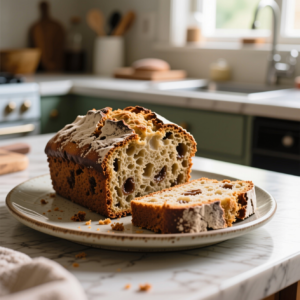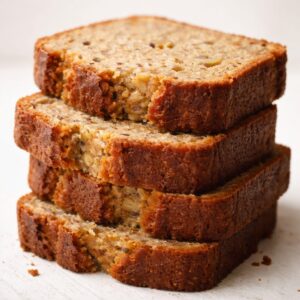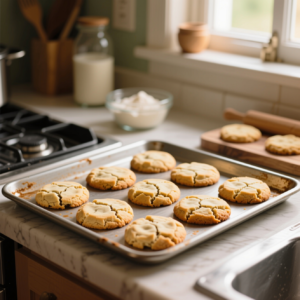
Cinnamon-sugar on sourdough bread is one of those upgrades that instantly makes a loaf feel like a treat. And it’s not just the vibe: sourdough’s naturally fermented starter base creates a tangy background that makes the sweetness taste even richer, according to sourdough-focused baking guidance. If you want a loaf that looks pretty, smells amazing, and eats like dessert without feeling too fussy, this is your recipe path. You can choose a “shaken and coated” style for easy flavor in every bite, or a “swirl” style for those lace-like cinnamon ribbons through the crumb. I’ll show you how to build a filling that stays put, how to shape for clean coverage or defined swirls, and how to troubleshoot the most common problems like runny filling and blurry layers. Let’s get your sourdough smelling like a bakery in the best way.
Key Takeaways
- Use a cinnamon sugar mix made ahead of time so it spreads evenly (and, for swirls, stays cohesive).
- A common starting point for cinnamon is about 1–2 teaspoons per loaf, then adjust for your spice love.
- For swirl loaves, adding a small amount of bread flour to the filling helps absorb moisture so it doesn’t turn runny.
- Shape gently and proof properly so the filling doesn’t blur into the dough.
- Bake until the crust is set and the loaf is cooked through, then slice while warm for best flavor payoff.
Quick Answer
To make cinnamon sugar on sourdough bread, prepare your usual sourdough dough with an active starter, then mix cinnamon and sugar into a simple filling. For an even coating style, spread or shake the cinnamon sugar over the dough during shaping. For swirl-style loaves, roll the dough so the cinnamon sugar forms distinct layers, using a slightly thicker filling (often with a little bread flour) so it stays in place. Proof, bake, cool slightly, then slice and enjoy.
What You Need
| Item | Purpose | Notes |
|---|---|---|
| Active sourdough starter | Natural leavening | Use starter that has been fed and is bubbly and active |
| Flour (bread flour or all-purpose) | Dough base and structure | Bread flour can also be used to thicken swirl filling |
| Water | Hydration | Use room-temperature water when possible |
| Salt | Flavor and dough balance | Don’t skip it, it also helps dough behave |
| Ground cinnamon | Main flavor | Start around 1–2 teaspoons as a baseline, then adjust |
| Sugar (white or brown) | Sweetness and caramel notes | Brown sugar gives a deeper, caramel-y flavor |
| Optional: extra bread flour for filling | Prevent runny filling | A “thickening” trick used in swirl recipes to keep layers defined |
| Mixing bowls (glass or ceramic helpful) | Mixing dough and starter | A clear bowl helps you see what’s happening underneath |
| Bench scraper | Handling dough cleanly | Helpful for shaping without tearing |
| Rolling surface | Shaping | Keep it lightly floured, not wet |
| Baking sheet or Dutch oven | Baking setup | Use what matches your sourdough routine |
| Sharp knife or lame | Scoring | Scoring helps the loaf expand beautifully |
Step 1: Choose Your Style (Coating or Swirl)
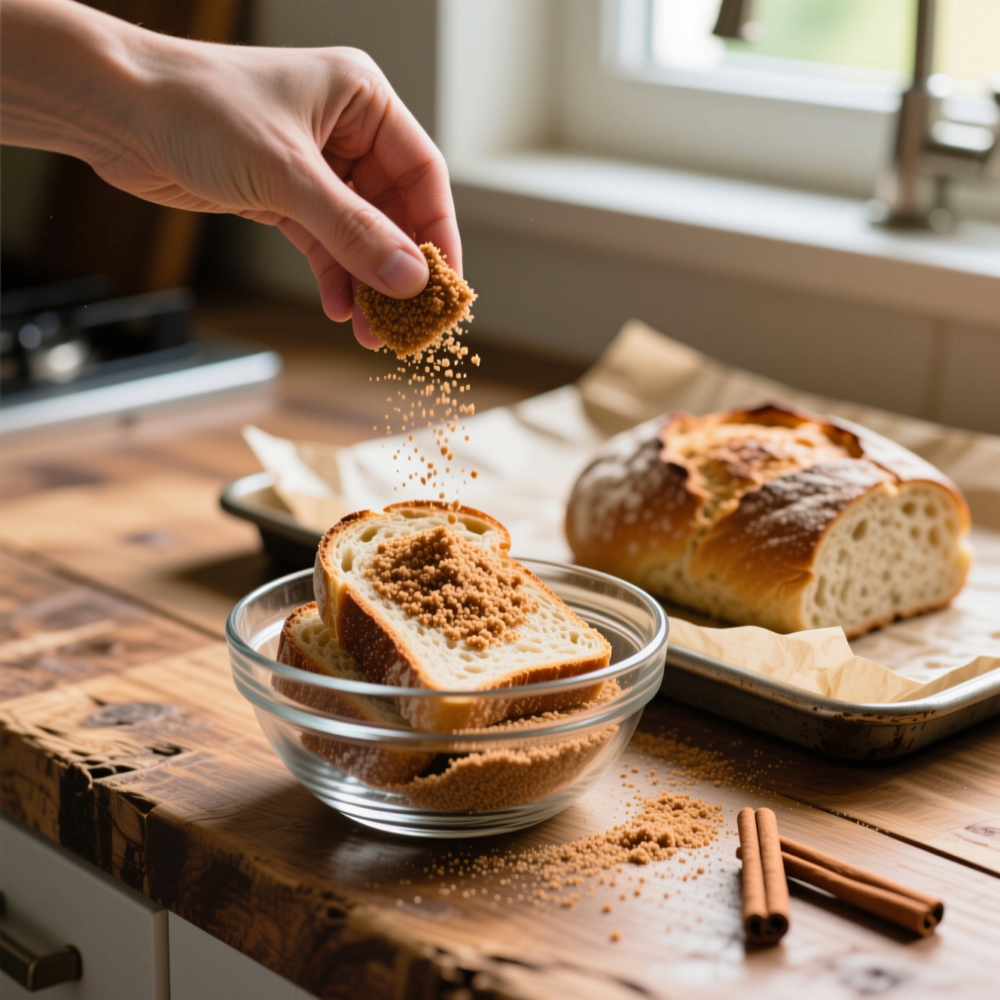
Before you mix anything, decide which look you want.
Even coating (simpler, very forgiving)
This is the “shake it on until it’s evenly coated” approach. Several cinnamon-sugar sourdough recipes lean toward coating so you get sweet flavor throughout without having to roll for perfect ribbon lines. If you like consistent cinnamon in every bite, this style is a great match.
Swirl (prettier, needs a thicker filling)
A swirl loaf gives you those lace-like cinnamon sugar lines through the crumb, which many bakers chase because it looks bakery-level. The key is keeping the filling from getting too runny, especially when you roll it up. According to swirl-focused recipes, a filling texture that stays cohesive is what helps the swirls stay visible instead of blurring.
Step 2: Set Up Your Starter and Workflow
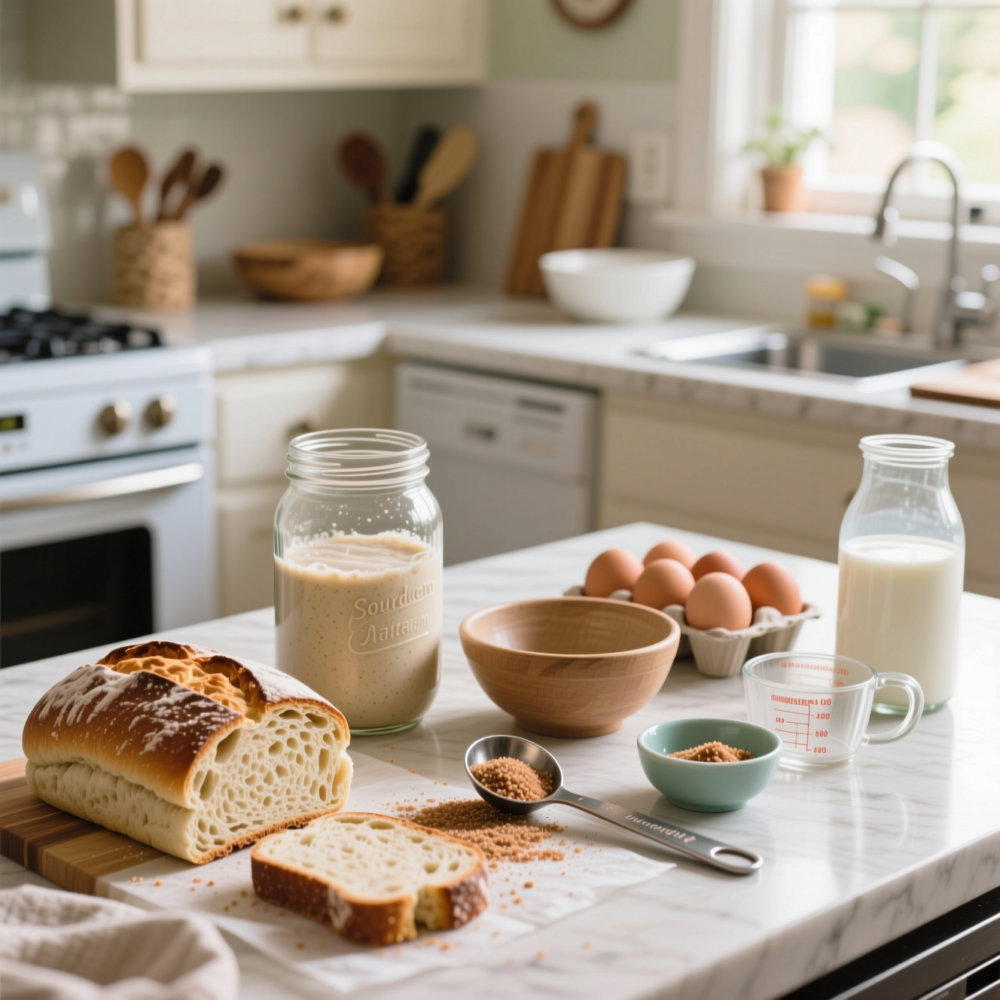
I treat this part like the foundation. If your starter isn’t active, everything else becomes harder.
What “active” means
You want bubbly, lively starter that has been fed a few hours before you start (so it’s at peak lift). The Pantry Mama notes that swirl dough success depends on having an active starter that has been fed a few hours before starting the bake. That timing helps your dough rise when you need it.
Use a bowl you can see through (seriously)
When mixing starter with water, use a glass or ceramic bowl if you can. Justine Doiron and other sourdough bakers mention that seeing what’s happening underneath helps you judge the mix and move forward with confidence.
Step 3: Mix Your Cinnamon Sugar Filling
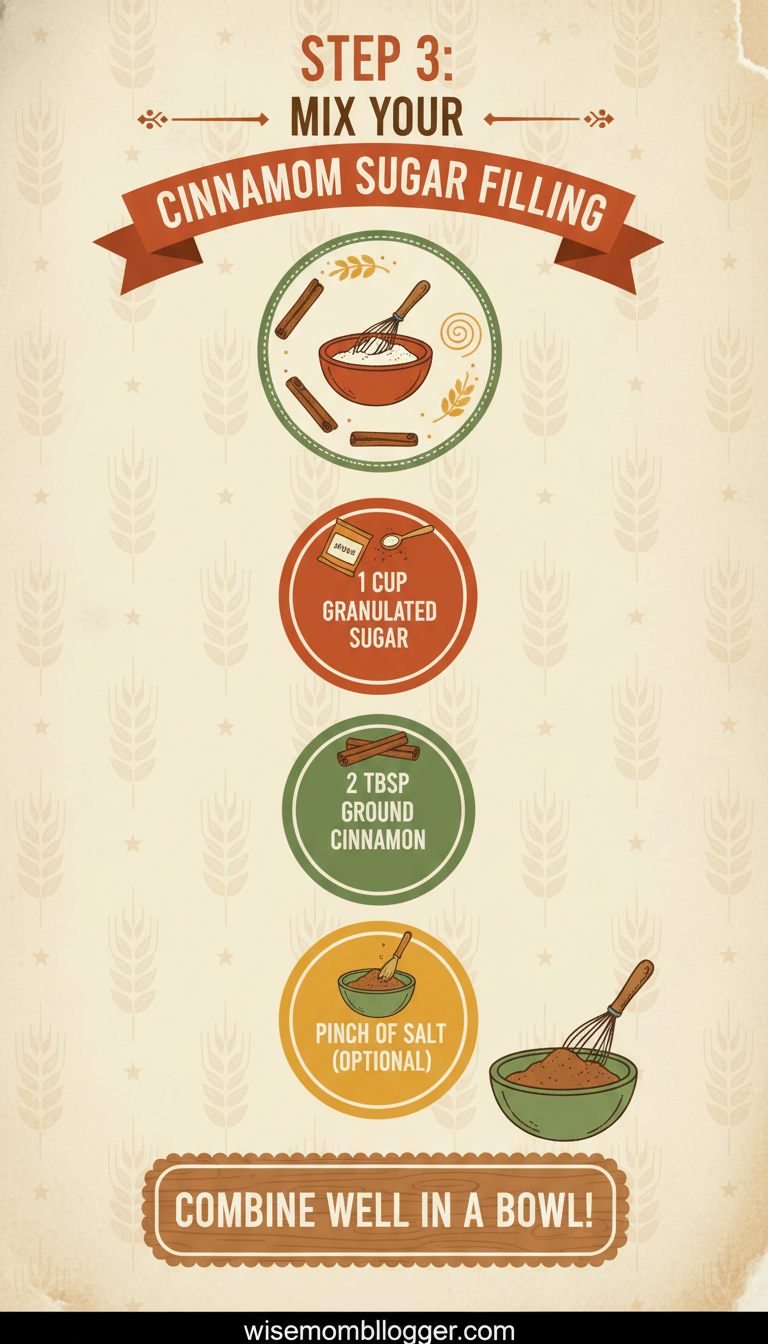
Now for the flavor part.
Basic filling (the classic version)
In a small bowl, mix:
- Sugar
- Ground cinnamon
A couple cinnamon-sourdough approaches call out a cinnamon range of about 1–2 teaspoons for the loaf, with the option to increase depending on how bold you want it and how many loaves you’re making (Twelve On Main emphasizes this kind of baseline and recommends shaking on cinnamon sugar until it’s evenly coated).
Swirl filling (thicker so it stays in place)
If you’re doing a swirl, add a small amount of bread flour to the cinnamon sugar mixture. That helps absorb moisture and reduces the chance of runny filling while you roll. That Sourdough Gal explains that adding bread flour to the cinnamon sugar mixture helps it stay in place when rolling, and it also supports better swirl integrity.
Quick texture test The filling should look like a thick, lightly clumpy mixture, not a wet paste.
Step 4: Prepare Your Sourdough Dough (Your Usual Base)
Use your standard sourdough dough workflow, because cinnamon sugar filling is a “flavor layer,” not a replacement for how sourdough is built.
Keep dough workable for shaping
You want dough strength that can handle rolling without tearing. If your dough feels too slack, shaping gets messy and the filling can smear. If it feels too tight, it resists rolling and you might squeeze the filling out.
Mix and handle like you normally do
- Combine starter, water, flour, and salt (follow your usual sourdough method).
- Use stretch-and-folds or whatever method you already trust.
- Let fermentation build flavor before final shaping.
Lion’s Bread frames a cinnamon brown sugar sourdough build as a standard sourdough workflow plus the cinnamon-brown sugar component, which is exactly how I approach it: keep the sourdough method steady, then make the flavor handling intentional.
Step 5: Shape for Even Cinnamon Sugar Coverage or a Clean Swirl
This is where your loaf either turns into “pretty dessert bread” or “why did it leak?”
Option A: Even coating method (coverage style)
- Lightly flour your work surface.
- Shape dough to a rectangle or oval so you can distribute filling across the surface.
- Shake or spread cinnamon sugar on until it looks evenly covered.
- Roll or fold gently so the coating stays inside.
- Shape into a loaf.
Twelve On Main specifically highlights shaking cinnamon sugar until there’s an even coating on the dough, which is a great cue if you want minimal fuss and maximum flavor coverage.
Option B: Swirl method (lace-like ribbons)
- Roll dough out into a workable rectangle (not too thin).
- Spread the cinnamon sugar filling over the surface in a fairly even layer.
- Roll up tightly but gently so you form distinct layers.
- Transfer to your proofing basket or lined container.
- Keep seams secured with minimal extra pressing.
The Pantry Mama describes cinnamon swirl sourdough with step-by-step process and emphasizes swirl aesthetics like lace-like ribbons through the crumb. For those visible swirls, the filling texture matters: if it’s runny, the layers will bleed.
#### The “don’t let filling get runny” checklist
- Use bread flour in the swirl filling (if you’re doing swirls).
- Keep the filling thick, not watery.
- Handle dough gently so you don’t squeeze filling out early.
Step 6: Proof Until Ready to Bake
Proofing is your final stage of flavor and structure building.
Proof time follows your sourdough routine
Since everyone’s dough and kitchen are different, follow your usual proofing schedule. The shaped loaf should look puffy and feel airy, not dense.
Watch for filling behavior
If your filling was too loose, swirls might blur as the dough expands. If it’s too thick, it can create dry pockets, so aim for cohesive but not rock-hard filling. For swirl definition, That Sourdough Gal’s guidance on thickening the filling helps here too, because the filling is more likely to stay layered through the final rise.
Step 7: Bake to Set the Crust and Finish the Center
Baking is where cinnamon sugar becomes truly irresistible.
How I know it’s done
- The crust should be set and nicely browned.
- The loaf should sound hollow when tapped lightly.
- If you use a thermometer, bake until the center reads done for bread (your preferred bread target is fine).
Baking setup
Use the method you already trust:
- Dutch oven for a steamy, crusty start
- Baking sheet for a dryer finish
Just keep your preheat consistent so the loaf springs properly.
Step 8: Cool, Slice, and Serve (Without Wrecking the Swirls)
Let the loaf cool a bit before slicing. That pause helps the crumb set and keeps cinnamon ribbons from collapsing.
Best ways to serve
- Slice thick for the prettiest cross-sections
- Serve warm with butter
- Pair with coffee or tea for that bakery breakfast feeling
If you want the most “swirl-showing” slices, cut when the loaf is warm but not steaming hot.
Tips
- Start with 1–2 teaspoons ground cinnamon as a baseline, then increase gradually if you want a bolder flavor (Twelve On Main notes this kind of range and scaling idea).
- For swirl loaves, thicken the cinnamon sugar with a small amount of bread flour so the filling doesn’t turn runny during rolling and proofing (That Sourdough Gal).
- If you want an easy win with less risk, go with the even coating method first, then try swirls when you’re comfortable with dough handling.
- Use a clear or glass bowl when mixing starter and water so you can better see how the mixture looks and progresses (The Pantry Mama and other sourdough bakers mention this visibility tip).
- Don’t overwork the dough after filling. Gentle handling helps preserve an open crumb and keeps swirls defined.
FAQ
Can I use brown sugar instead of white sugar?
Yes. Brown sugar adds deeper, more caramel-like notes. A cinnamon brown sugar sourdough approach like the one shared by Lion’s Bread is built around using brown sugar as the sweet component in a classic sourdough workflow.
What if my cinnamon sugar filling leaks?
Most of the time, leakage happens when the filling is too runny or the roll is over-handled. For swirl loaves, add bread flour to the cinnamon sugar mixture to absorb moisture and improve cohesion, as suggested by That Sourdough Gal. Also try rolling tighter but not forcefully pressing out the filling.
Why don’t I get clean swirl lines?
Swirl definition is mostly about filling texture and gentle shaping. If the filling is too thin, it blurs through the dough as it proofs. If the dough tears, you can lose ribbon structure. Keep the filling cohesive and roll carefully.
How much cinnamon should I use?
Many cinnamon-sugar sourdough guides start around 1–2 teaspoons ground cinnamon, then scale up based on your preference and loaf count (Twelve On Main mentions this kind of baseline, with an option to increase). Taste later too: if you’re not getting enough cinnamon impact, add more next time rather than dumping a ton in one step.
Can I make this with my existing sourdough bread recipe?
Absolutely. Keep your sourdough dough routine the same, then treat cinnamon sugar as a layer during shaping. The flavor-handling approach in Lion’s Bread reads like this exact logic: standard sourdough workflow, then cinnamon-brown sugar added as the flavor component.
Does sourdough starter flavor affect the sweetness?
It does, in a good way. Sourdough is naturally leavened by fermented starter, which gives a tangy base that makes cinnamon sugar taste even more “dessert-like.” Recipes like Justine Doiron’s remind bakers that sourdough bread is naturally leavened by starter fermentation, so you can count on that balance.
Latest Updates or 2026 Trends
In 2026, I’m seeing more home bakers lean into “high-visual” sourdough add-ins: swirls, laced layers, and crumb patterns that look impressive on a plate. Cinnamon sugar is perfect for this trend because it contrasts strongly against the golden crust and pale crumb. Another continued pattern is “do less, but smarter,” meaning bakers focus on one or two reliable texture hacks, like thickening swirl filling so it stays cohesive during rolling and proofing (a theme consistent with recent swirl recipe guidance, including That Sourdough Gal). If you want your loaf to look consistent every time, focus on filling texture and gentle shaping more than complicated steps.
Conclusion
Cinnamon sugar on sourdough bread is one of the simplest “upgrade” recipes that still feels special, especially when you get the filling right. Choose coating for easy, even flavor, or choose swirls for those dramatic cinnamon ribbons that make people ask how you did it. Keep cinnamon around the 1–2 teaspoon baseline at first, then adjust toward your perfect level of warmth and sweetness. For swirl loaves, don’t skip the texture trick: a little bread flour in the filling helps it absorb moisture and reduces runny leaks. Once you nail that, the rest is just your normal sourdough routine plus a little patience while proofing and cooling. Now bake that loaf, slice it proudly, and enjoy how your kitchen smells while it turns into something truly craveable.
References
- Lion’s Bread. (n.d.). Cinnamon Brown Sugar Sourdough Bread. https://www.lionsbread.com/cinnamon-brown-sugar-sourdough-bread/
- Twelve On Main. (n.d.). The Best Cinnamon Sugar Sourdough Bread. https://twelveonmain.com/the-best-cinnamon-sugar-sourdough-bread/
- The Pantry Mama. (n.d.). Cinnamon Swirl Sourdough Bread [with step by step video]. https://pantrymama.com/cinnamon-swirl-sourdough-bread/
- That Sourdough Gal. (n.d.). Cinnamon Swirl Sourdough Bread Recipe: No Stress, No Leaks. https://thatsourdoughgal.com/cinnamon-swirl-sourdough-bread-recipe/
- Justine Doiron. (n.d.). Cinnamon Sugar Sourdough. https://justinesnacks.com/cinnamon-sugar-sourdough/

Sarah Anderson . J
I’m the mom behind Wise Mom Blogger, where everyday creativity meets real-life motherhood. I share easy DIY crafts, cozy knitting and crochet projects, beginner-friendly sewing ideas, and family-tested recipes—plus quick baking hacks that make homemade feel doable on busy days.